Stop Dusting Your Retirement Fund: How to Spot High-Value Vintage Figurines

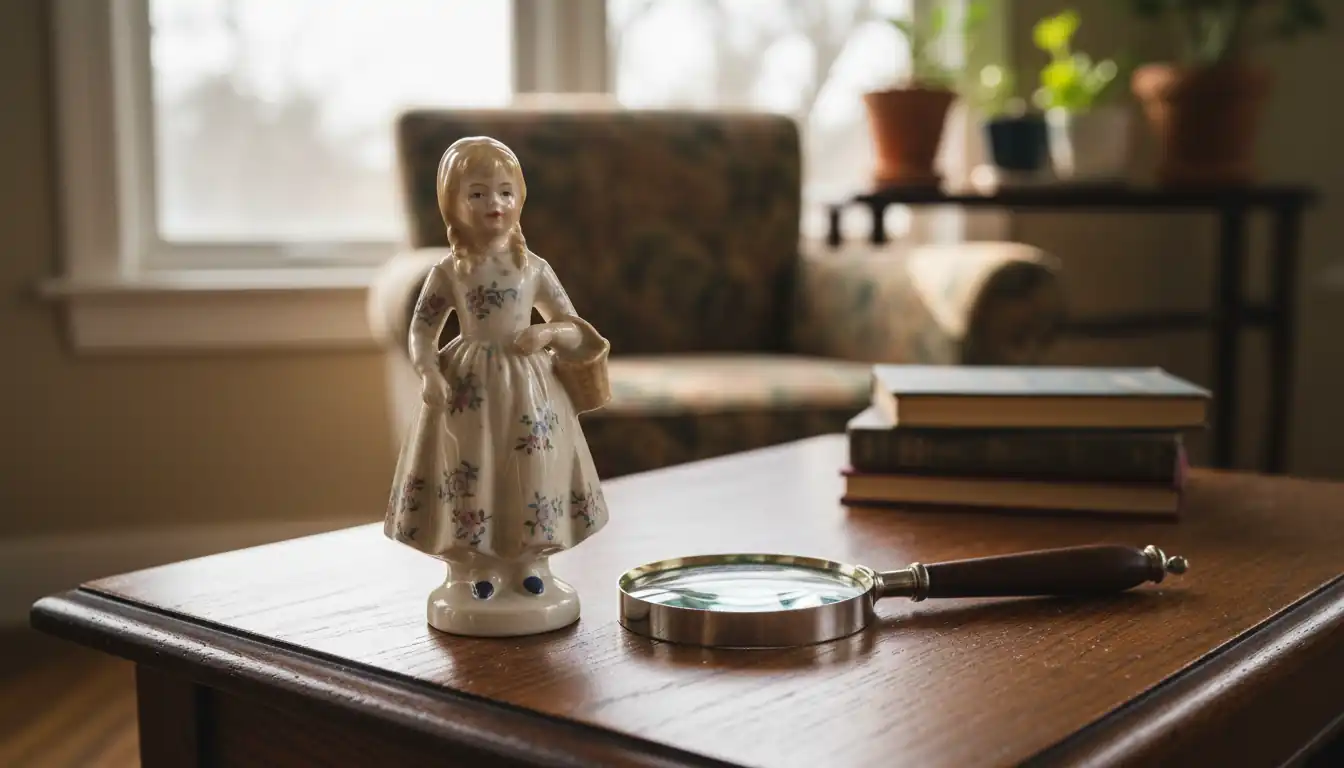
That dusty collection of porcelain figures on your grandmother’s mantle might look like a chore to clean, but it could actually be a significant financial asset. Many people overlook these small sculptures, assuming they are merely sentimental trinkets from a bygone era. However, the market for vintage figurines is surprisingly robust, with certain pieces fetching thousands of dollars at specialized auctions.
Understanding the difference between a mass-produced souvenir and a high-value investment piece requires a keen eye and a bit of technical knowledge. You don't need a degree in art history to identify a winner, but you do need to know what physical clues to look for. This guide will help you transform from a casual observer into a savvy collector who can spot a diamond in the rough.
By the time you finish reading, you will understand the technical nuances of porcelain quality, the brands that collectors crave, and how modern technology can give you an instant edge in the marketplace. Whether you are looking to thin out an inherited collection or hunting for treasures at estate sales, these insights will ensure you never leave money on the table.
Anatomy of a High Value Figurine
Before you look at a brand name or a price tag, you must look at the object itself. High-value figurines possess a specific physical "DNA" that separates them from cheap imitations. The first thing you should do when picking up a piece is pay attention to how it feels in your hand.
Material Composition and Maker Marks
Authentic high-end porcelain has a distinct "cold feel." When you touch a piece of genuine hard-paste porcelain or fine bone china, it should feel significantly cooler than the ambient room temperature. If the piece feels warm or "soft" to the touch, it is likely made of resin or a lower-quality ceramic known as earthenware. Resin is a common material for modern reproductions, and while it can look convincing from a distance, it lacks the weight and thermal properties of true porcelain.
Weight is another critical indicator. Fine porcelain is surprisingly heavy for its size because of its density. However, some of the most valuable pieces, particularly those from the 18th and 19th centuries, are prized for their "translucency." If you hold a high-quality porcelain figurine up to a strong light source, you should be able to see the shadow of your fingers through the material. This is a hallmark of "fine" china, indicating a high kaolin content and expert firing techniques.
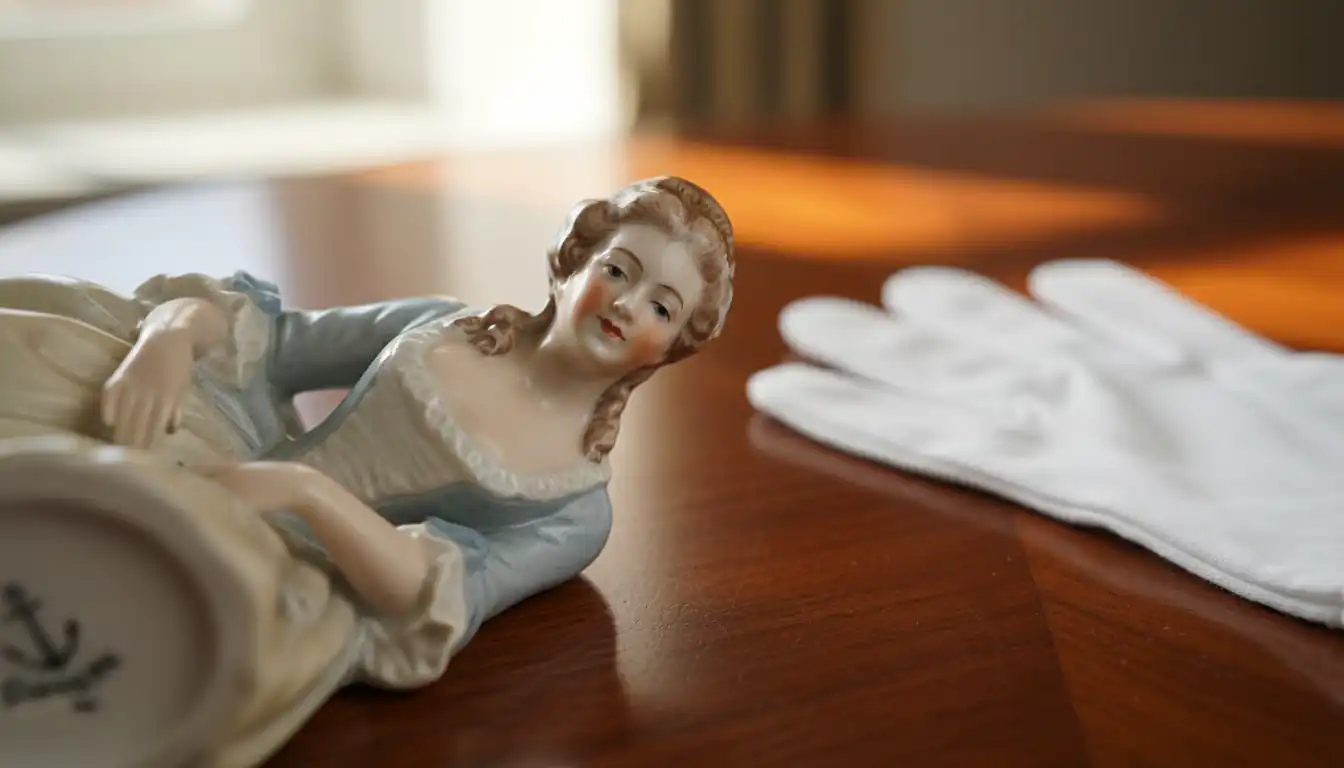
Once you’ve established the material is high-quality, turn the piece over. The "maker’s mark" is the most important piece of evidence you will find. These marks are usually stamped, painted, or incised into the bottom of the base.
- Underglaze Marks: These are applied before the final protective glaze is fired. They are permanent and cannot be scratched off. These are generally preferred by collectors as they indicate the mark was applied at the factory during the initial production.
- Overglaze Marks: These are applied after the piece has been glazed and fired. While still authentic, they are more susceptible to wear over time.
- Incised Marks: Some high-end makers, like those in the Meissen or Royal Worcester tradition, would scratch marks directly into the wet clay. These are often the most reliable because they are nearly impossible to forge convincingly.
Look for specific symbols. A crown, a set of crossed swords, or a specific set of initials can tell you the decade the piece was made. For example, Royal Worcester used a complex system of dots and symbols around their standard mark to denote the exact year of production. Learning to decode these marks is like learning a secret language that reveals the item's true age.
Condition Grading and Original Packaging
In the world of high-value collectibles, condition is everything. A single chip can reduce the value of a figurine by 50% or more. When you are inspecting a piece, run your fingernail gently along the edges of flower petals, fingertips, and ears. These are the "high points" where damage most frequently occurs. If your nail catches on a jagged edge, you’ve found a chip.
You also need to look for "crazing." This refers to the fine network of cracks in the glaze that looks like a spiderweb. Crazing happens when the glaze and the ceramic body expand and contract at different rates over time. While some collectors tolerate light crazing on very old pieces, "clean" pieces without these lines always command a higher price.
| Condition Grade | Description | Impact on Value |
|---|---|---|
| Mint | No chips, cracks, crazing, or repairs. Looks brand new. | 100% of Market Value |
| Near Mint | No visible damage, but may have very slight shelf wear on the base. | 90-95% of Market Value |
| Excellent | May have very faint crazing or a tiny, nearly invisible "flea bite" chip. | 70-80% of Market Value |
| Good | Visible crazing or a small chip on a non-prominent area. | 40-50% of Market Value |
| Poor | Significant cracks, missing pieces, or amateur repairs. | 10-20% of Market Value |
Be wary of professional repairs. Some restorers are so skilled that they can rebuild a broken arm or a shattered base so perfectly that it’s invisible to the naked eye. To spot these, use a blacklight (UV light). Original porcelain and glaze will usually fluoresce consistently, while the resins and paints used in repairs will often glow a different color or look "dead" under the light.
Finally, never underestimate the power of the original box. For mid-century and modern collectibles, the packaging can sometimes be worth as much as the figurine itself. A "New in Box" (NIB) item is the gold standard for collectors of brands like Precious Moments or Swarovski.
Pro Tip: If you find a piece with a "matte" finish rather than a shiny one, don't assume it's cheap. Many high-end "bisque" figurines are intentionally left unglazed to show off the fine detail of the carving.
Most Coveted Brands Among Collectors
Knowing the names that drive the market is your next step. While thousands of companies have produced figurines over the last two centuries, a select few "houses" consistently dominate the high-end secondary market. If you see these names on a base, it’s time to pay close attention.
European Porcelain Masters
Europe has been the heart of fine porcelain production since the early 1700s. The prestige associated with these brands comes from their history of royal patronage and their refusal to compromise on craftsmanship.
Capodimonte is perhaps the most famous name in Italian porcelain. Founded in Naples, this brand is known for its incredibly intricate floral work and expressive characters. Look for the famous "N" mark topped with a five-pointed crown. Their "Floral Baskets" are legendary; each petal is individually hand-formed, making them incredibly fragile and highly sought after in mint condition.
Royal Worcester represents the pinnacle of British ceramic art. While they produced a wide range of items, their animal figurines are particularly prized. The "Pekinese Dogs" series, for instance, captures the personality of the breed with a level of detail that mass-market brands simply cannot replicate. The paintwork on these pieces is often "soft," with subtle gradients that look more like a watercolor painting than a factory finish.
Beswick is another British powerhouse, specifically famous for its collaboration with Beatrix Potter. While the common Peter Rabbit figurines are everywhere, the early, "gold script" backstamp versions can be worth a small fortune. Beswick is also the gold standard for equestrian collectors; their champion horse models are anatomically perfect and highly collectible among horse enthusiasts.
Mid-Century American Classics
While Europe focused on classical elegance, American brands carved out a niche in "sentimental" and "miniature" collectibles. These pieces often rely on emotional connection and nostalgia to drive their value.
Precious Moments figurines are often dismissed as common thrift store fodder, but that is a mistake. While the 1990s saw a massive overproduction of these "teardrop-eyed" children, the "Original 21" pieces from the late 1970s are a different story. The holy grail for these collectors is the "God Loveth a Cheerful Giver" figurine, featuring a girl with a wagon of free puppies. In good condition, this specific piece has been known to sell for hundreds, sometimes even over a thousand dollars, depending on the production mark.
Hagen-Renaker is a name you might not know, but you’ve likely seen their work. Based in California, they specialized in tiny, highly detailed miniatures. Because these pieces are so small (often less than an inch tall), they were easily lost or broken. Finding a complete collection of their early "Disney" collaborations or their specialized wildlife series can be a major payday. They used a specific type of clay that allowed for incredibly thin legs and tails, which makes their survival even more impressive.
Lefton is an American company that imported high-quality ceramics from Japan after World War II. Their "Blue Bird" series and animal figurines with "glass eyes" are currently seeing a massive resurgence in value. The glass eyes give the figurines a lifelike quality that painted eyes lack, and collectors are willing to pay a premium for that "soulful" look.
Instant Identification with AI Technology
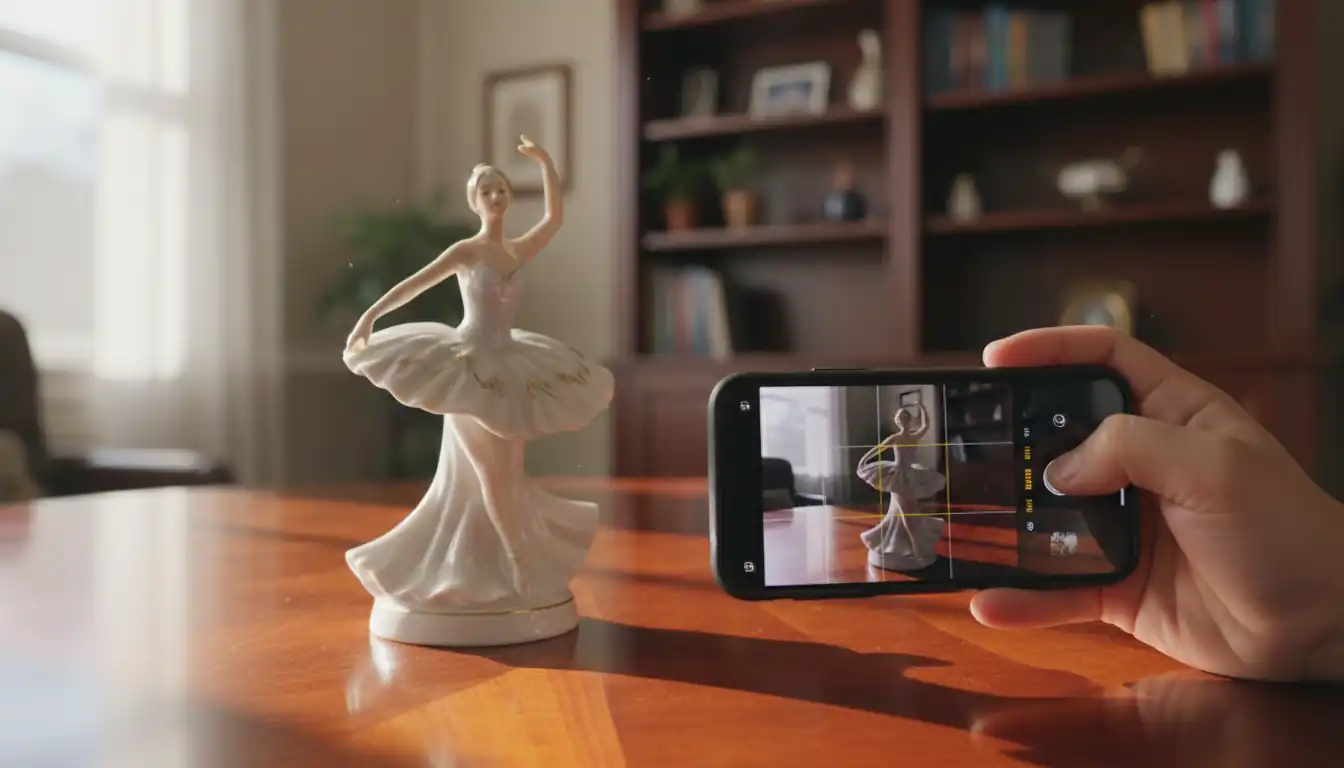
The traditional way to identify a mystery figurine was a grueling process. You would have to visit a library, scroll through endless "price guides" that were often out of date by the time they were printed, or post photos on obscure internet forums hoping an expert would take pity on you. It was a slow, frustrating game of trial and error.
Fortunately, that era is over. The Relic app has changed the way collectors interact with their finds. Available on iOS, Relic uses advanced AI to bridge the gap between a "pretty statue" and a documented historical artifact. Instead of spending hours searching for a specific maker's mark in a book, you can simply take a photo of the figurine—or upload one from your gallery—and let the technology do the heavy lifting.
Using Relic for Real-Time Appraisals
When you use Relic, the AI analyzes the silhouette, the color palette, the glaze texture, and the maker's mark simultaneously. Within seconds, the app provides:
- The Origin: Where and when the piece was likely made.
- The History: The story behind the series or the artist who designed it.
- A Real Appraisal: An estimated market value based on current sales data.
This is a massive advantage when you are at an estate sale or a flea market. You don't have the luxury of going home to do research; you need to make a "buy or fly" decision on the spot. Relic acts like a professional appraiser in your pocket, giving you the confidence to invest in a piece or walk away from a clever reproduction.
Comparing Visual Search to Manual Research
Manual research is prone to human error. You might misinterpret a faded mark or confuse a "style" for an "original." Relic's database is vast and constantly updated, meaning it can spot the subtle differences between a 1950s original and a 1980s reissue that the human eye might miss.
The app is particularly useful for professionals like dealers, pickers, and online sellers who handle high volumes of inventory. With one-touch scanning, you can catalog an entire shelf of figurines in the time it would take to look up a single item in a book. With a 4.9-star rating from over 20,000 reviews, it’s clear that both hobbyists and pros are finding immense value in this modern approach to antiquing. It turns the "guessing game" of collecting into a data-driven strategy.
Surprising Figurines Worth Significant Money
What vintage figurines are worth money? The answer isn't always "the oldest ones." In fact, some of the most valuable items in today's market are pieces that were considered "kitsch" or "common" just a few decades ago. The market is currently being driven by a generation of collectors who want to buy back their childhoods.
The Rise of Kitsch and Pop Culture
"Kitsch" refers to items that are often considered in poor taste because of excessive sentimentality or gaudiness. However, what was once tacky is now "retro-cool."
- Enesco’s "Growing Up Birthday Girls": These were a staple of 1980s bedrooms. Each figurine represented a girl at a specific age, from birth to age 16. While a single "Age 5" girl might only be worth $10, a complete, unbroken set can fetch a significant premium. Rare "brunette" versions of certain ages are particularly valuable because they were produced in smaller quantities than the blonde versions.
- Lefton’s Twee Animals: Figurines of big-eyed fawns, bluebirds, and poodles from the 1950s are skyrocketing in value. Collectors are looking for that "Mid-Century Modern" aesthetic. If the piece still has its original red and gold foil "Lefton" sticker, the value can double instantly.
- Holt-Howard Pixies: These are the definition of 1950s kitsch. They are often functional items like condiment jars or salt shakers shaped like mischievous elves. Because they were used in kitchens, many were chipped or stained. Finding a "clean" pixie is a major win for a collector.
Limited Editions and Discontinued Series
Scarcity is the primary driver of value. When a company goes out of business or a specific line is discontinued, the remaining pieces become "finite resources."
Swarovski Crystal is a perfect example. While they are still in business, their retired pieces are highly liquid assets. The Idyllia Butterfly or early animal designs from the "Silver Crystal" line are consistently high performers. The key with Swarovski is the "logo." Older pieces feature a "block" logo, while newer ones feature the "swan." The block logo pieces are generally more desirable to serious investors.
Hummel figurines, produced by Goebel in Germany, are another area where "discontinued" means "expensive." While the market for common Hummels has dipped recently, rare models like the "Madonna and Child" or large-sized "Apple Tree Boy" still command high prices. Look for the "Full Bee" mark (TMK-2), which indicates the piece was made between 1950 and 1955. This was the era of the highest quality control and the most vibrant hand-painting.
Key Insight: Don't ignore the "ugly" pieces. Sometimes the figurines that were the least popular when they were new are the most valuable today because so few people bought them and kept them.
Selling Strategies for Maximum Return
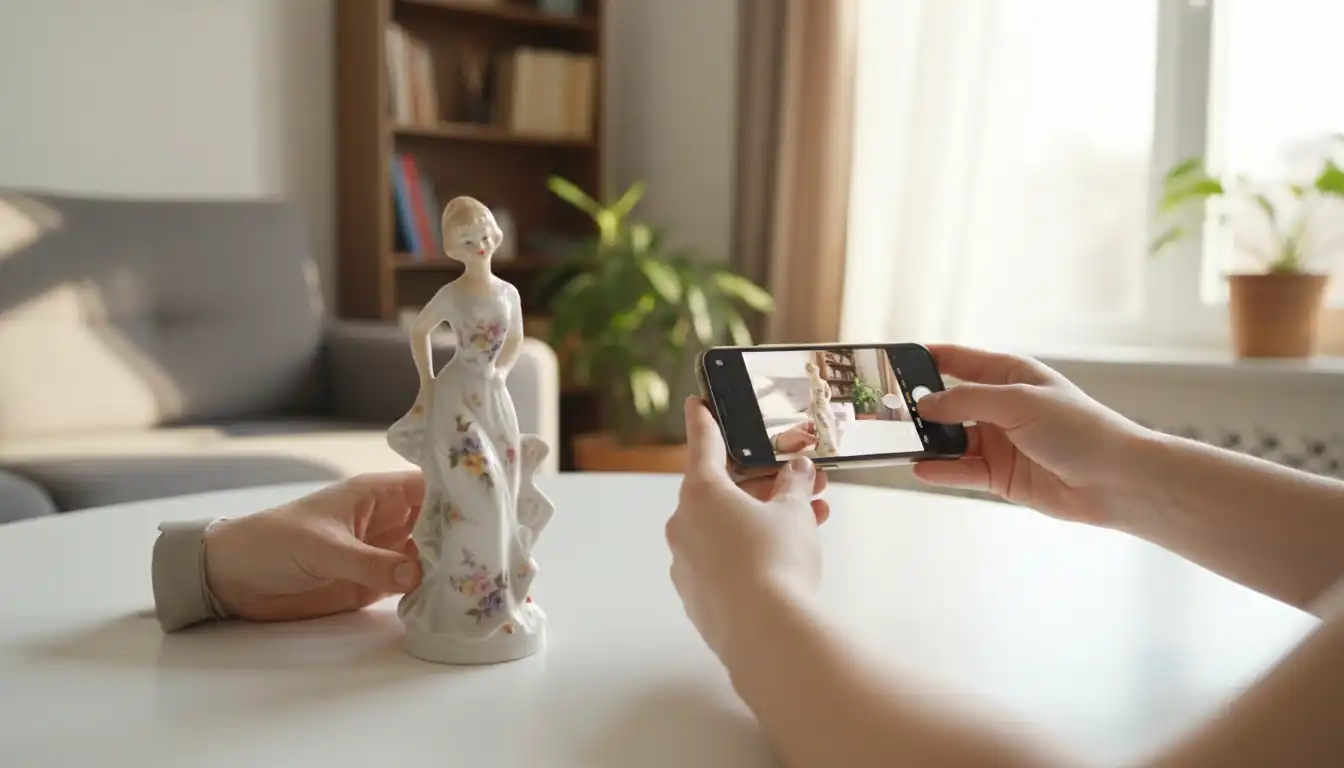
Once you have identified a high-value piece using your technical knowledge and the Relic app, the final step is turning that porcelain into profit. Selling a vintage figurine isn't as simple as putting it on a yard sale table for $5. To get the maximum return, you need to match the item to the right buyer.
Choosing the Right Marketplace
Different platforms attract different types of collectors. Choosing the wrong one can result in your item sitting for months or selling for far less than it’s worth.
- Specialized Auction Houses: If you have a rare 18th-century Meissen piece or a high-value Royal Worcester dog, a local auction house or a specialized online auction like Sotheby’s or Christie’s is the way to go. These venues attract "deep-pocket" collectors who are looking for investment-grade pieces and are willing to pay a premium for provenance.
- eBay: This is the best place for high-volume, recognizable brands like Precious Moments, Hummel, or Swarovski. Because eBay has a global reach, you are likely to find a collector who is missing exactly the piece you have. Use the "Sold" listings filter to see what people are actually paying, rather than what sellers are asking.
- Etsy: If your figurine falls into the "kitsch" or "mid-century decor" category (like Lefton or Holt-Howard), Etsy is often a better choice. The audience there values aesthetic and "vibe" over technical rarity, and you can often charge a higher "boutique" price.
Professional Authentication and Insurance
If your research and the Relic app suggest that your figurine is worth more than $1,000, it may be worth paying for a formal, written appraisal. This is especially true if you plan to sell through a high-end auction house or if you want to add the item to your homeowner's insurance policy. A digital appraisal is a fantastic starting point, but a physical certificate from a member of the International Society of Appraisers (ISA) adds a layer of "official" credibility that can push a buyer to pull the trigger.
When it comes to shipping, porcelain is a nightmare. Never skimp on packing materials. The industry standard is "double-boxing."
- Wrap the figurine in several layers of acid-free tissue paper (to protect the paint).
- Wrap that in a thick layer of small-cell bubble wrap.
- Place it in a small box filled with packing peanuts.
- Place that box inside a larger box, with at least two inches of space on all sides filled with more packing peanuts.
This "box-within-a-box" method ensures that even if the outer box is crushed or dropped, the inner box remains suspended and safe. Always purchase shipping insurance for the full appraised value. If the unthinkable happens and the piece arrives in shards, you won't be out of pocket.
Conclusion
The world of vintage figurines is far more than just a hobby for the nostalgic; it is a legitimate marketplace where technical knowledge and the right tools can lead to significant financial rewards. By understanding the "cold feel" of authentic porcelain, recognizing the prestige of houses like Capodimonte and Royal Worcester, and keeping an eye out for the "surprising" value in kitsch items like Lefton or Swarovski, you are already ahead of the average thrift store shopper.
Technology has leveled the playing field. You no longer need to spend years apprenticing with an antique dealer to know what you’re looking at. With the Relic app on your iPhone, you can get instant, professional-grade insights that allow you to spot a retirement-funding find in the middle of a cluttered garage sale.
Your next step is simple: go to that shelf or that box in the attic. Pick up a piece, feel its weight, look for the mark, and let a quick scan tell you the rest of the story. You might just find that your "dust collectors" are the most valuable things in your home.
Identify antiques instantly
Point your camera at any antique, collectible, or vintage item. Get valuations, history, and market insights in seconds.
Download for iPhone