Stop Guessing and Start Selling: The Best Free Android Apps for Instant Antique Appraisals

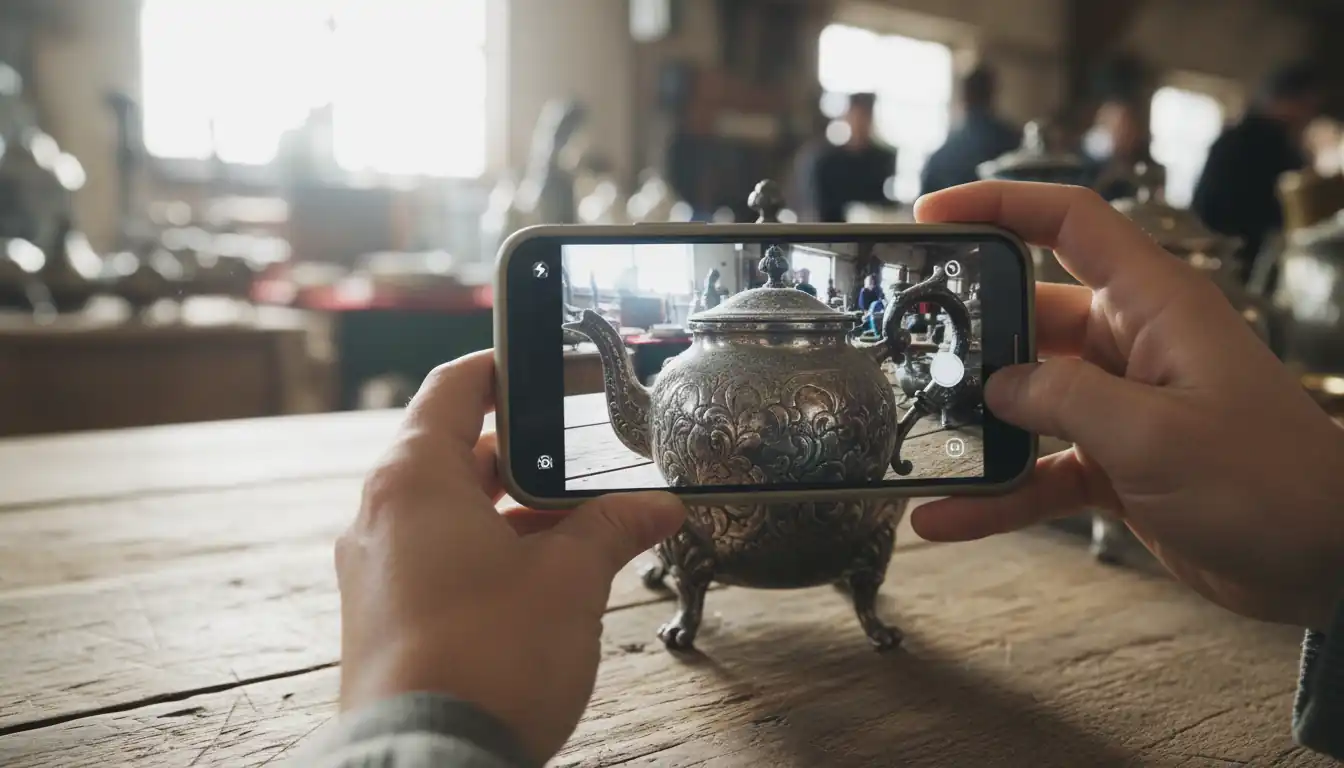
You are standing in a dusty corner of a local estate sale, staring at a tarnished silver teapot. It has a strange mark on the bottom—a tiny crown and a set of initials you don’t recognize. Is it a mass-produced piece from the 1950s worth the scrap value of the metal, or is it a rare Paul Revere original that could fund your next three vacations? In the past, answering that question required a trip to the library, a stack of heavy price guides, or a costly consultation with a professional appraiser.
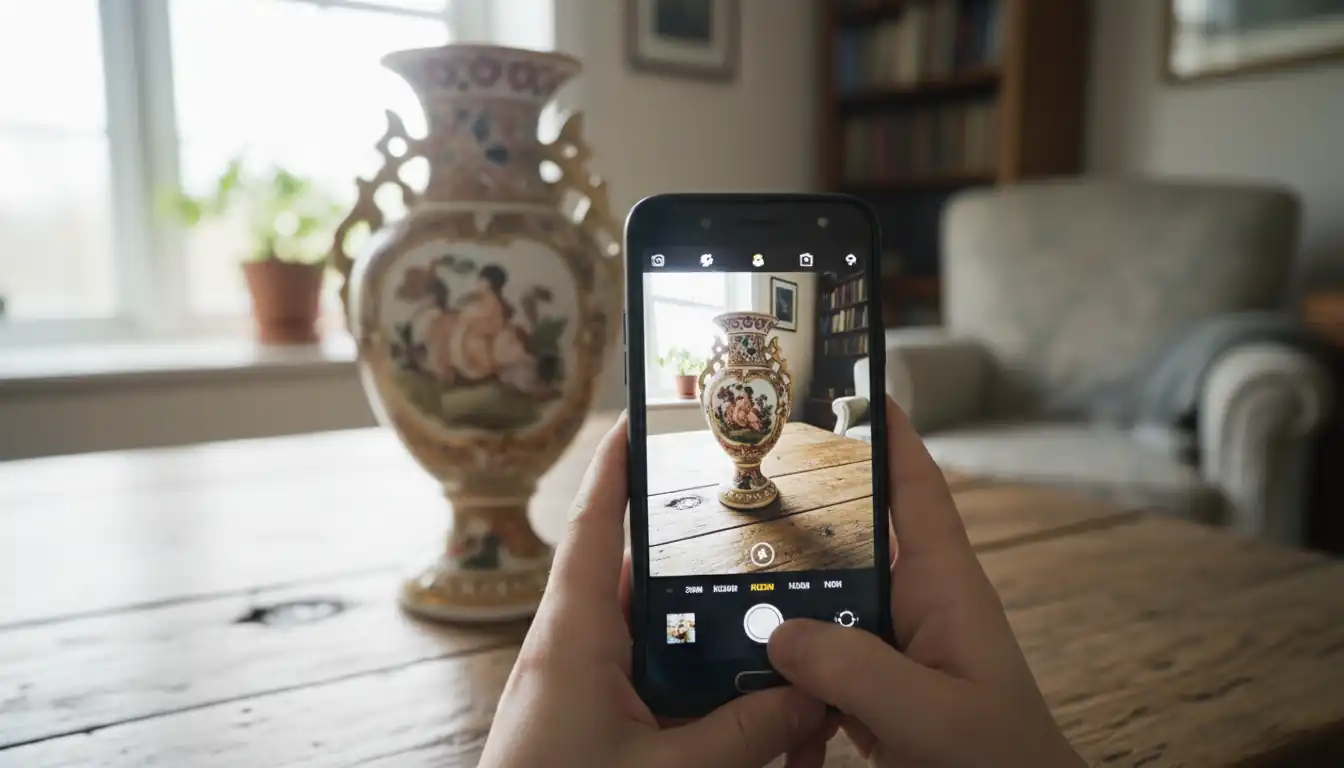
Today, the answer is sitting in your pocket. Your smartphone has transformed from a communication device into a sophisticated laboratory for antique identification. By simply pointing your camera at an object, you can access decades of auction data, historical archives, and expert knowledge. But with thousands of apps claiming to offer "instant appraisals," how do you separate the professional tools from the digital toys?
This guide will walk you through the landscape of mobile antique appraisals. You will learn how to use your Android device to identify hidden gems, how to vet an app for safety and accuracy, and why the history of an item is often more valuable than the price tag itself. By the time you finish reading, you will have a complete digital toolkit to turn your curiosity into a profitable hobby or a professional-grade side hustle.
Identifying Hidden Gems with Your Smartphone Camera
The most common question every collector asks is: "How do I find out if my antiques are worth anything?" For a long time, the barrier to entry was high. You had to know the specific terminology—was it "Art Deco" or "Art Nouveau"?—just to start a search. Visual search technology has removed that barrier. Now, the image itself is the search query.
Leveraging Google Lens for Instant Value Checks
If you are looking for the "Google app that finds the value of items," you are likely thinking of Google Lens. It is the baseline tool for almost every picker and dealer today. When you snap a photo of an item, Lens compares the visual patterns against billions of images across the web. It is incredibly effective at identifying patterns, logos, and specific manufactured goods.
However, Google Lens has its limits. It is a generalist tool. If you scan a common 1990s Beanie Baby, it will correctly identify the model and show you dozens of eBay listings. But if you scan a 17th-century Chinese vase, Lens might only tell you it is "blue and white pottery." It cannot distinguish between a genuine Ming Dynasty artifact and a high-quality 20th-century reproduction. It also struggles with "asking prices" versus "sold prices." Just because someone is asking $5,000 for a lamp on a marketplace doesn't mean it has ever sold for that much.
The Rise of Specialized AI Antique Identifiers
To bridge the gap between "what is this?" and "what is this worth?", a new generation of specialized AI identifiers has emerged. These apps don't just look at the internet at large; they look at curated databases of auction results and museum archives. They are trained specifically on the nuances of antiques—the way a certain glaze looks under light, the specific font used in a 19th-century maker's mark, or the joinery techniques used in period furniture.
These specialized tools move beyond simple image matching. They use computer vision to analyze the "DNA" of an object. While a general search engine looks for a visual match, a dedicated appraisal app looks for markers of authenticity. This transition from general search to specialized AI is what allows a casual hobbyist to spot a diamond in the rough that others might walk right past.
Pro Tip: Always take photos in natural light. AI identification works best when the software can clearly see the texture and true color of the item.
Essential Features of a Reliable Appraisal App
Before you start uploading photos of your family heirlooms, you need to know who is on the other side of the screen. The app market is crowded, and not every developer has your best interests at heart. Protecting your data and ensuring the accuracy of your results should be your top priorities.
Understanding Data Safety and App Support
When you use an appraisal app, you are often granting it access to your camera, your photo gallery, and your location. Why does an app need to know where you are? In some cases, it’s to help you find local auction houses. In other cases, it might be for data harvesting.
Checklist for App Safety:
- Permission Transparency: Does the app explain why it needs access to your location or contacts? If it asks for permissions that don't make sense for its function, be wary.
- Data Encryption: Look for apps that state they encrypt your data in transit. This ensures that your photos and personal information aren't intercepted.
- Developer Reputation: Check the "App Support" section in the Play Store. A legitimate app will have a working website and a clear privacy policy.
- Update Frequency: If an app hasn't been updated in over a year, its database is likely stale, and its security features may be outdated.
Navigating Ratings and Reviews to Find the Truth
Ratings can be deceptive. A 5-star rating might be the result of a "rate this app for a discount" prompt rather than actual performance. To find a reliable tool, you have to read between the lines of the user reviews.
| What to Look For | Red Flags |
|---|---|
| Specific mentions of "accuracy" or "sold prices." | Vague praise like "Great app!" or "Cool." |
| Users discussing how the app helped them at an auction. | Multiple reviews with identical phrasing. |
| Detailed feedback on the user interface. | Complaints about hidden fees or constant ads. |
| Responses from the developer to negative reviews. | A wall of 5-star reviews with no text. |
Focus on reviews from "Power Users"—people who identify as dealers, collectors, or estate sale regulars. If the professionals are using it to make buying decisions, it’s a strong signal that the app’s backend data is trustworthy.
Beyond the Price Tag: Historical Context and Origin
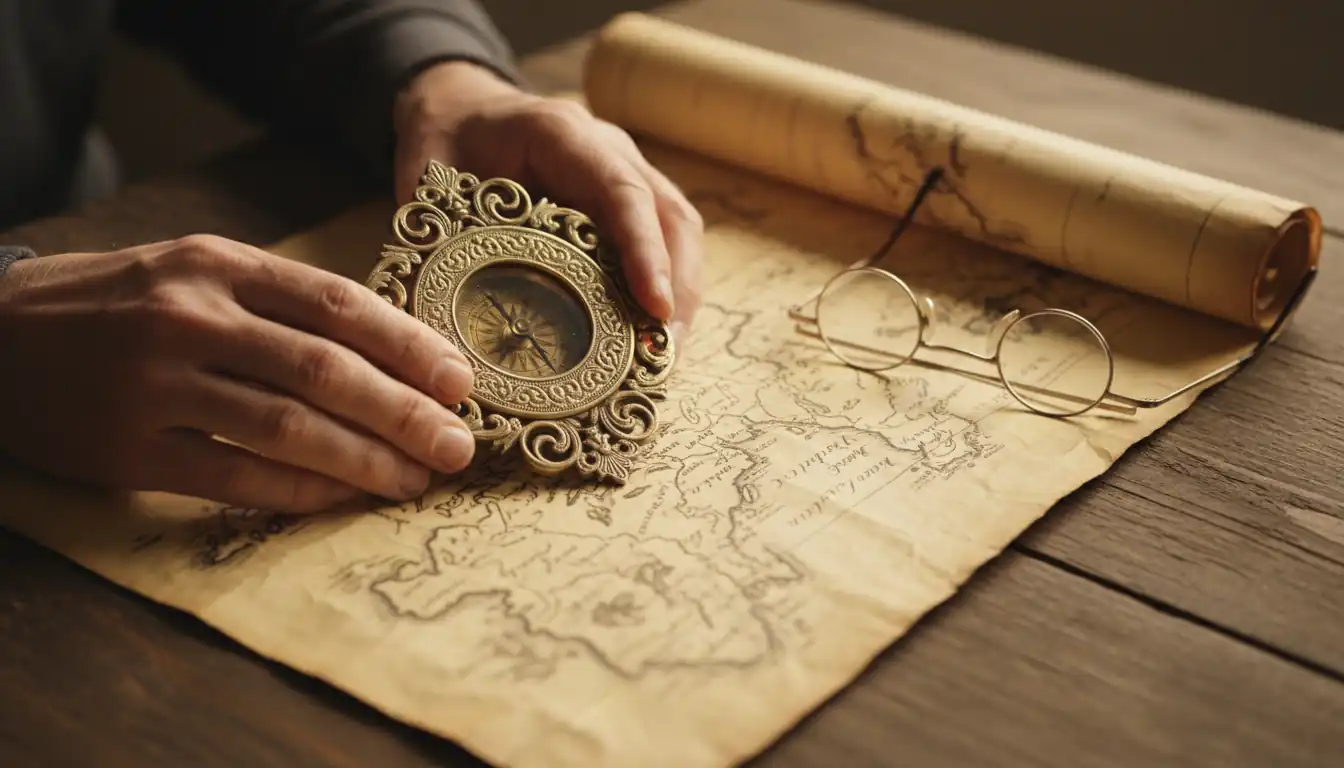
A price tag is a snapshot in time, but the history of an object is permanent. In the world of high-end collecting, this is known as "provenance." Knowing that a chair was made in a specific workshop in Philadelphia in 1780 is far more important than knowing what it sold for last week. History creates value.
Why Provenance Matters More Than a Quick Quote
If you find a vintage watch, a quick search might tell you it’s worth $200. But if you discover that the specific serial number belongs to a batch issued to Royal Navy divers in the 1960s, that value could jump to $5,000. Most free apps stop at the $200 estimate. They give you the "what" but ignore the "who, when, and where."
Understanding the origin of an item also protects you from fakes. Many reproductions look identical to the naked eye. However, the historical context—the materials available at the time, the specific tools used by a craftsman—can reveal the truth. A reliable appraisal tool should act as a digital historian, not just a calculator.
How Relic Sets the Standard for AI Appraisals
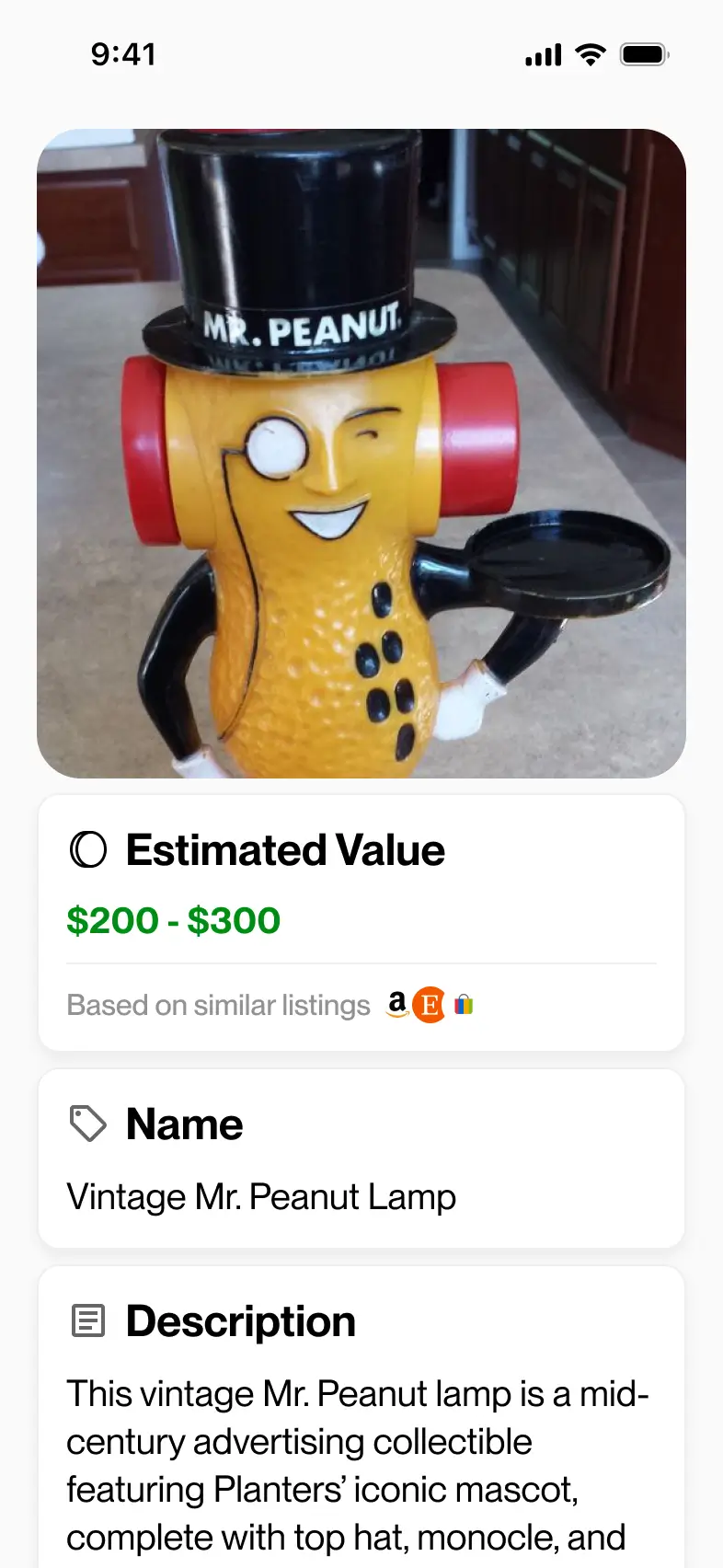
While many Android users look for platform-specific tools, it is helpful to look at the gold standard in the industry to understand what is possible. The Relic app, though currently a favorite for iOS users, demonstrates exactly what a high-tier appraisal tool should provide. It doesn't just give you a number; it provides a comprehensive narrative of the item.
Relic uses advanced AI to analyze a photo and instantly generate a report that includes the item's history, its likely origin, and a real-world appraisal based on current market trends. For a professional dealer or a serious "picker," this depth of information is the difference between a lucky guess and a calculated investment. It turns your phone into a portable expert that can identify maker's marks, analyze artistic styles, and cross-reference historical databases in seconds. When you are looking for an Android alternative, Relic’s feature set—combining instant identification with deep historical context—is the benchmark you should aim for.
Avoiding the Pitfalls of Free Android Appraisal Tools
The phrase "free" is often the most expensive word in the antique world. While there are excellent free resources, there are also significant risks associated with unverified software and misleading data.
The Risks of Sideloading via APKTime and HappyMod
If you are searching for premium appraisal apps for free, you might stumble upon sites like APKTime or HappyMod. These platforms offer "modded" versions of paid apps. While the idea of getting professional features for free is tempting, the risks are substantial.
- Security Vulnerabilities: Modded apps often contain malware or spyware that can steal your banking information or personal photos.
- Broken Features: Appraisal apps rely on server-side databases. A modded app might open, but it won't be able to connect to the AI or the auction data that makes it useful.
- Ethical Concerns: Using pirated software hurts the developers who spend thousands of hours maintaining the databases you rely on for accurate pricing.
Always download your tools from the official Google Play Store. The security of your device and the integrity of your data are worth more than the cost of a subscription.
Distinguishing Between Real Appraisals and Marketplace Estimates
One of the biggest mistakes new collectors make is confusing an "asking price" with a "real appraisal." If you see a vase listed on eBay for $1,000, that does not mean the vase is worth $1,000. It only means someone wants $1,000 for it.
Real Appraisals are based on:
- Hammer Prices: What an item actually sold for at a verified auction.
- Condition Grading: How the physical state of your item compares to the "mint" version.
- Market Demand: Whether the item is currently "trending" among collectors.
- Rarity: How many known examples exist in the world.
Avoid apps that simply scrape active listings from marketplaces. Look for tools that provide "sold" data or "historical realized prices." This is the only way to get a realistic sense of what money will actually end up in your pocket.
Building Your Digital Antique Toolkit
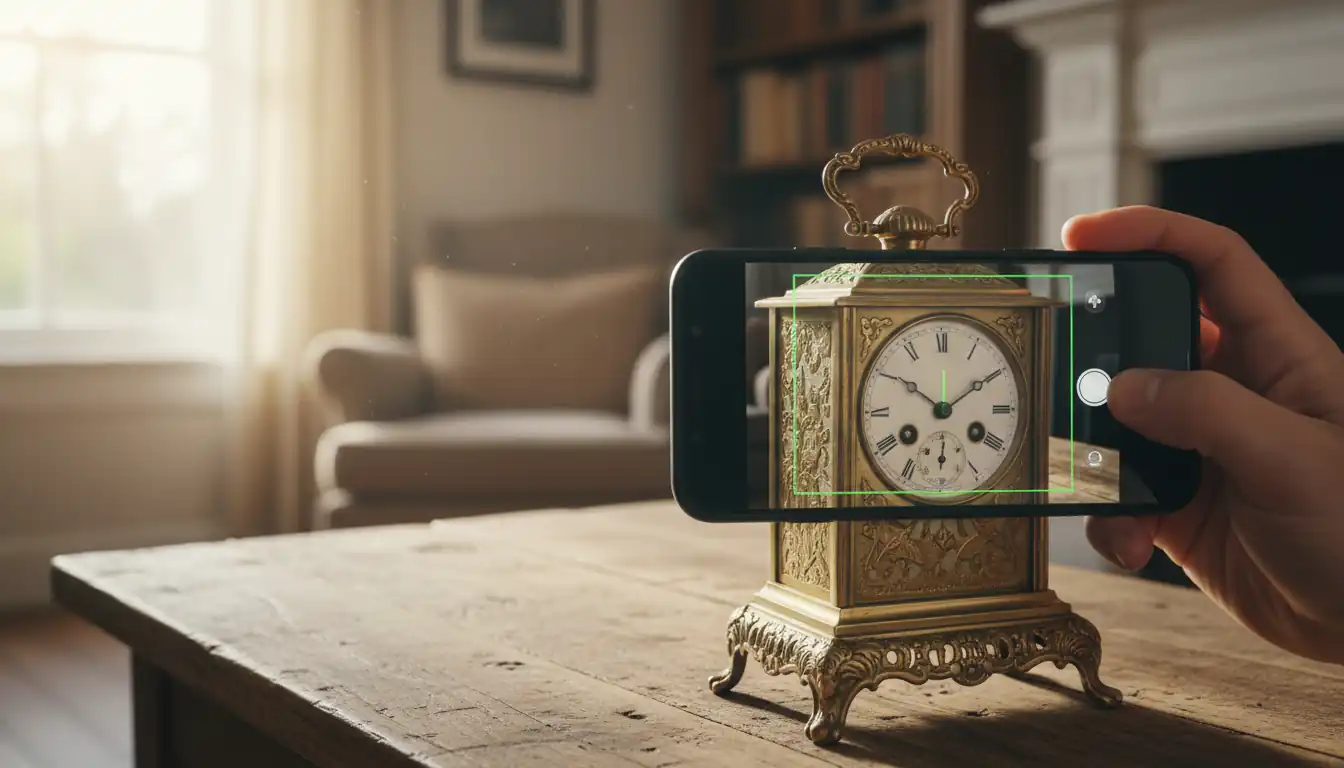
No single app can do everything. The most successful collectors use a "Hybrid Approach," combining several different tools to get a 360-degree view of an item's value.
Comparing Top Rated Android Alternatives
If you are looking to build your toolkit on Android, here are the heavy hitters you should consider:
- WorthPoint: This is the giant of the industry. It has a massive database of over 500 million sold items. While the full version requires a subscription, the free tier allows for limited searches and is an essential reference for identifying marks and patterns.
- ValueMyStuff: If you have an item that you suspect is worth a significant amount of money, this app allows you to pay for a "human" appraisal. You upload photos, and a specialist in that specific field (e.g., vintage toys or European ceramics) provides a professional valuation.
- Mavin: This is a fantastic tool for smaller items like trading cards, coins, and small collectibles. it focuses heavily on "sold" prices from across the web, giving you a very realistic "market value" rather than a pie-in-the-sky estimate.
When to Transition from an App to a Human Expert
As powerful as AI has become, there are moments when you need a human being. Apps are perfect for "triage"—sorting the junk from the potential treasures. However, you should seek a professional, certified appraiser in the following scenarios:
- Insurance Coverage: If you want to add an item to your homeowner's insurance policy, most companies require a signed appraisal from a certified professional.
- Legal Matters: For estate settlements or tax donations, an app's estimate will not hold up in court.
- High-Value Discoveries: If an app suggests an item is worth more than $2,000, it is worth paying $50-$100 for a professional to verify it in person.
"An app tells you what it might be; an expert tells you what it is."
Conclusion
The days of guessing at garage sales are over. By using tools like Google Lens for initial identification and specialized AI resources like Relic to understand history and origin, you can navigate the world of antiques with the confidence of a seasoned pro. Remember to prioritize data safety, look for "sold" data rather than "asking" prices, and never underestimate the power of an item's story.
Your next step? Head to your basement, find that one weird object you've been keeping for years, and scan it. You might just be sitting on a piece of history. Stop guessing, start scanning, and see what your collection is truly worth.
Identify antiques instantly
Point your camera at any antique, collectible, or vintage item. Get valuations, history, and market insights in seconds.
Download for iPhone