Stop Guessing at Estate Sales: Use Your Camera to Appraise Collectibles Instantly

You stand in a dimly lit garage, surrounded by the remnants of a century. To your left, a stack of dusty porcelain plates catches a sliver of morning light. To your right, a heavy brass lamp sits atop a mid-century sideboard. The air is thick with the scent of old paper and floor wax, and the pressure is mounting. Other shoppers are circling, their eyes darting from item to item, looking for the same hidden treasures you are.
In this environment, hesitation is the enemy of profit. You see a mark on the bottom of a vase that looks familiar, but you can’t quite place it. Is it a rare piece of 1920s art pottery or a clever reproduction from the 1990s? In the past, you would have had to step aside, pull out a heavy price guide, or try to describe the item to a search engine using vague keywords like "blue floral vase with gold trim." By the time you found an answer, another collector would have already whisked the item to the checkout counter.
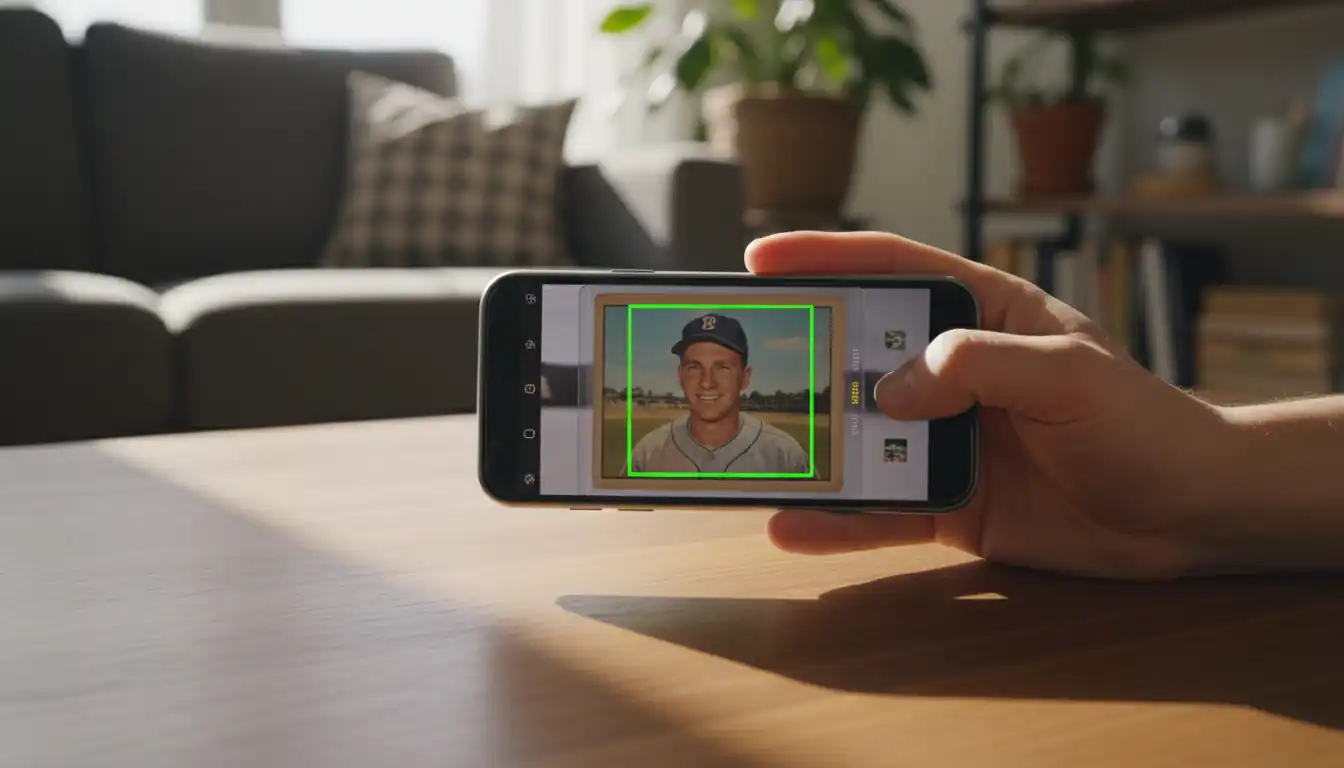
The era of guessing is over. Your smartphone is no longer just a communication device; it has become a sophisticated optical sensor capable of decoding the history of almost any object. By using visual search technology, you can bridge the gap between curiosity and expertise in the time it takes to snap a photo. This shift is changing how we interact with history, turning every estate sale and thrift store into a transparent marketplace where information is the most valuable currency you carry.
The Science Behind Visual Search for Collectibles
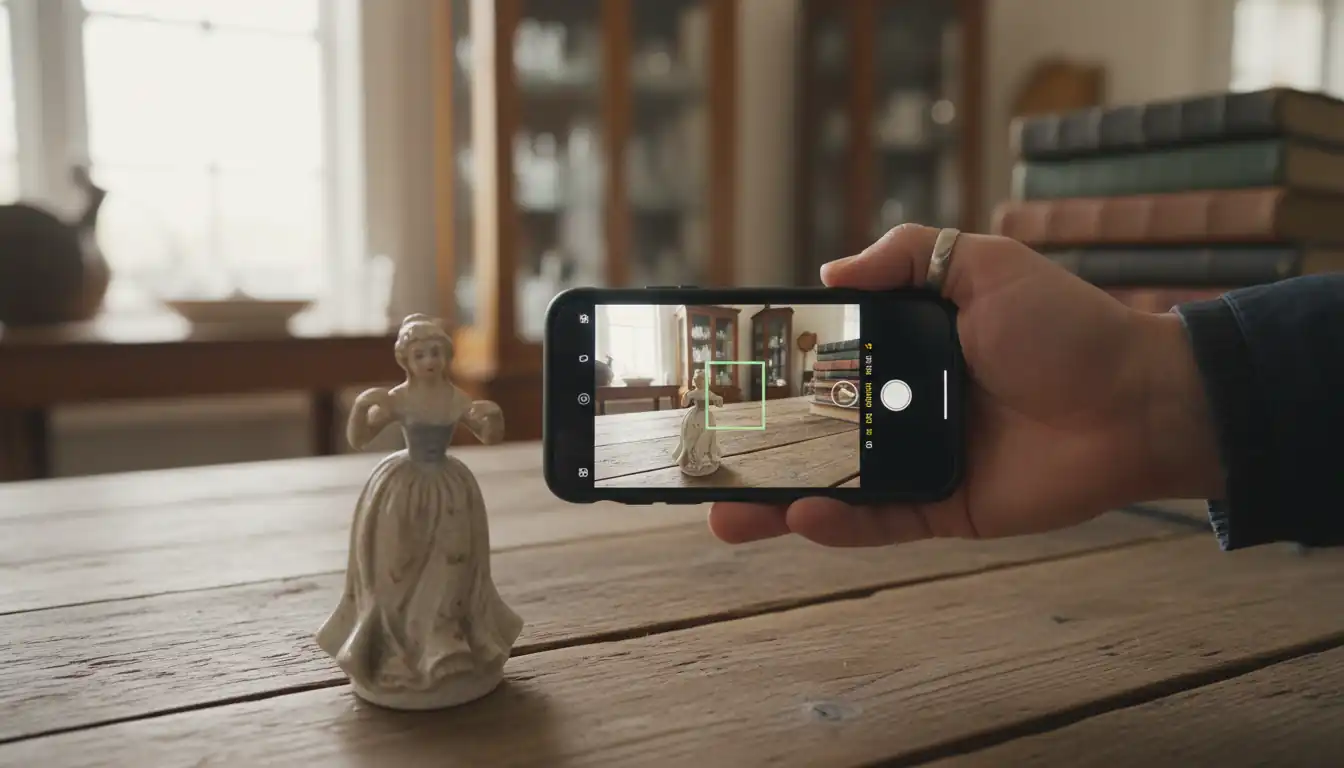
The transition from typing keywords to using a camera for identification represents a massive leap in computing. When you type "Victorian chair" into a search bar, you are relying on someone else’s ability to describe that chair accurately. If the seller used the wrong words, you’ll never find the match. Visual search bypasses language entirely, looking at the object exactly as it exists in three-dimensional space.
Computer Vision and Neural Networks
At the heart of this technology are neural networks, which are designed to mimic the way the human brain processes visual information. When you point your camera at an antique, the software doesn't just see a "picture." It breaks the image down into millions of data points. It analyzes the geometry of the object, the specific curve of a chair leg, and the exact hue of a ceramic glaze.
This process is known as feature extraction. The AI looks for "keypoints"—unique markers that define the object’s identity. For a piece of silver, this might be the specific arrangement of hallmarks. For a painting, it might be the texture of the brushstrokes or the way the pigment has aged. These keypoints are then converted into a mathematical signature. The app compares this signature against a massive database of known items to find a match.
| Technology Component | Function in Antique Identification |
|---|---|
| Feature Extraction | Identifies unique shapes, textures, and patterns in the item. |
| Neural Networks | Classifies the item based on learned patterns from millions of images. |
| Descriptor Matching | Compares the item's "digital fingerprint" against a database of known antiques. |
| Spatial Verification | Ensures the proportions and scale of the item match historical records. |
Real-Time Database Matching
The difference between a standard image search and a specialized tool like Relic lies in the depth of the database. A general search engine might tell you that you’re looking at a "clock." A specialized antique identifier uses deep learning to distinguish between a mass-produced replica and a genuine period piece. It looks for the subtle "tells" that a general algorithm would miss, such as the specific type of screw used in a 19th-century movement or the way a certain maker applied their signature.
This is a high-stakes game of "spot the difference." Modern AI can analyze the pixel patterns of a wood grain to determine if a piece of furniture is solid mahogany or a clever veneer. It can detect the specific "crackle" pattern in a glaze that indicates age rather than a modern chemical treatment. By processing these details in real-time, your phone provides a level of scrutiny that previously required a magnifying glass and decades of experience.
The camera doesn't just record what an object looks like; it interprets the physical evidence of its creation.
Knowing What It Is vs. Knowing What It’s Worth
One of the most common questions for anyone standing in a crowded thrift store is: "Is there an app where I can take a picture of an item and find it?" The answer is a resounding yes, but finding the item is only half the battle. Identifying an object as a "1950s Eames Lounge Chair" is helpful, but it doesn't tell you if you should pay $500 or $5,000 for it.
Identifying Origin and Era
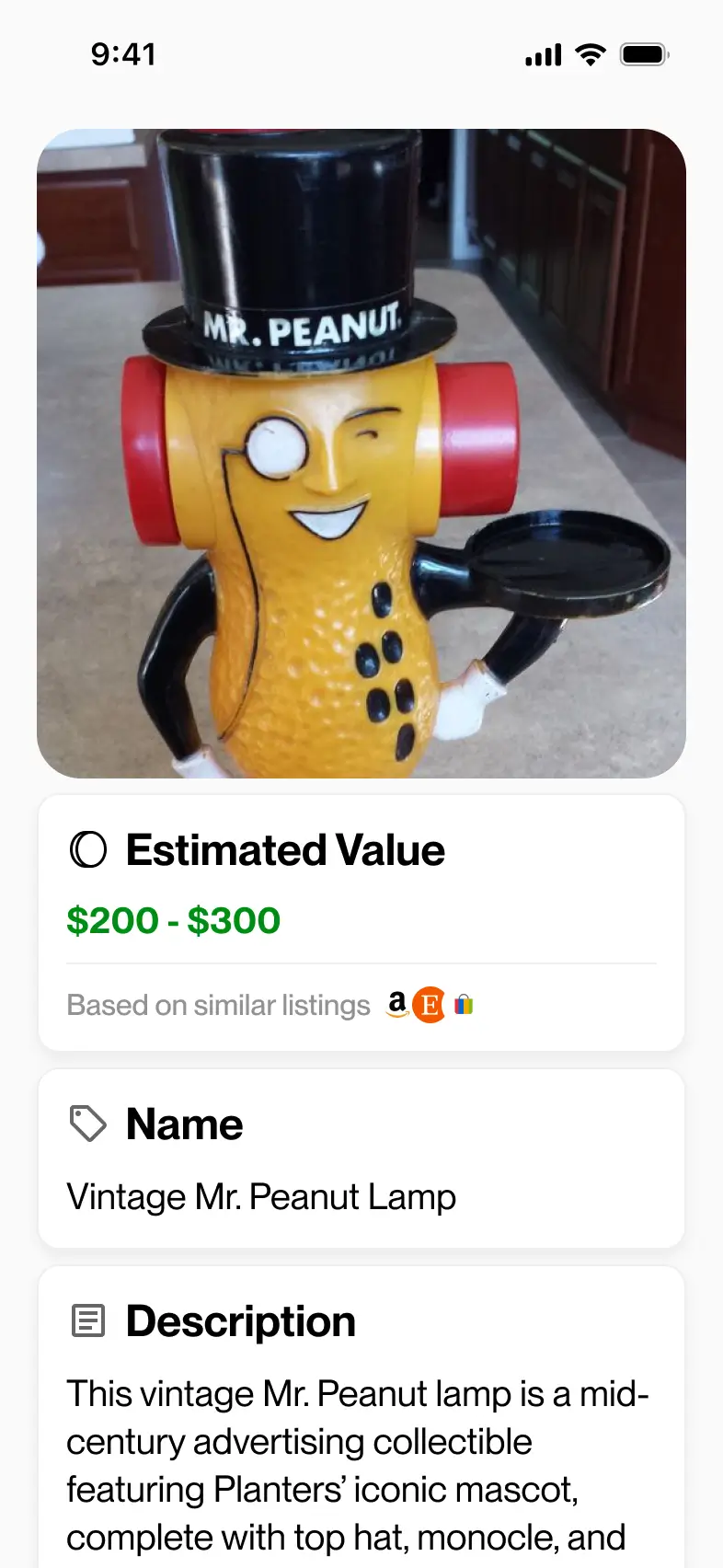
True appraisal starts with a deep dive into an item's biography. When you use an app like Relic, you aren't just getting a name; you’re getting a historical profile. The AI analyzes the item to provide a breakdown of its origin, the era it was produced, and the manufacturer. This is crucial because two items that look identical to the naked eye can have vastly different histories.
Consider a piece of 19th-century Meissen porcelain. A genuine piece will have specific characteristics in its hand-painted details and a very particular "crossed swords" mark under the glaze. A modern knockoff might mimic the mark, but the AI can detect discrepancies in the stroke weight and the chemical composition of the blue pigment visible in the photo. Relic provides this historical context instantly, allowing you to understand the "why" behind an item's significance.
Estimating Market Value in Real-Time
So, what app can tell you what something is worth by photo? Relic is designed specifically to answer this by providing a real appraisal based on current market data. Unlike a simple search result that might show you an aspirational price on an auction site, a professional-grade appraisal looks at realized prices—what people actually paid for similar items in recent months.
- Market Trends: The app analyzes fluctuations in demand for specific categories, like Mid-Century Modern furniture or Victorian jewelry.
- Regional Variations: It accounts for the fact that a primitive farmhouse table might fetch more in a metropolitan area than in a rural one.
- Historical Significance: If an item is linked to a specific designer or a notable historical period, the appraisal reflects that added value.
Having this data at your fingertips changes your psychology as a buyer. You move from a position of "I hope this is worth something" to "I know exactly what the margin is." This confidence allows you to negotiate more effectively and walk away from "deals" that are actually overpriced.
Mastering the Art of Digital Thrifting and Estate Hunting
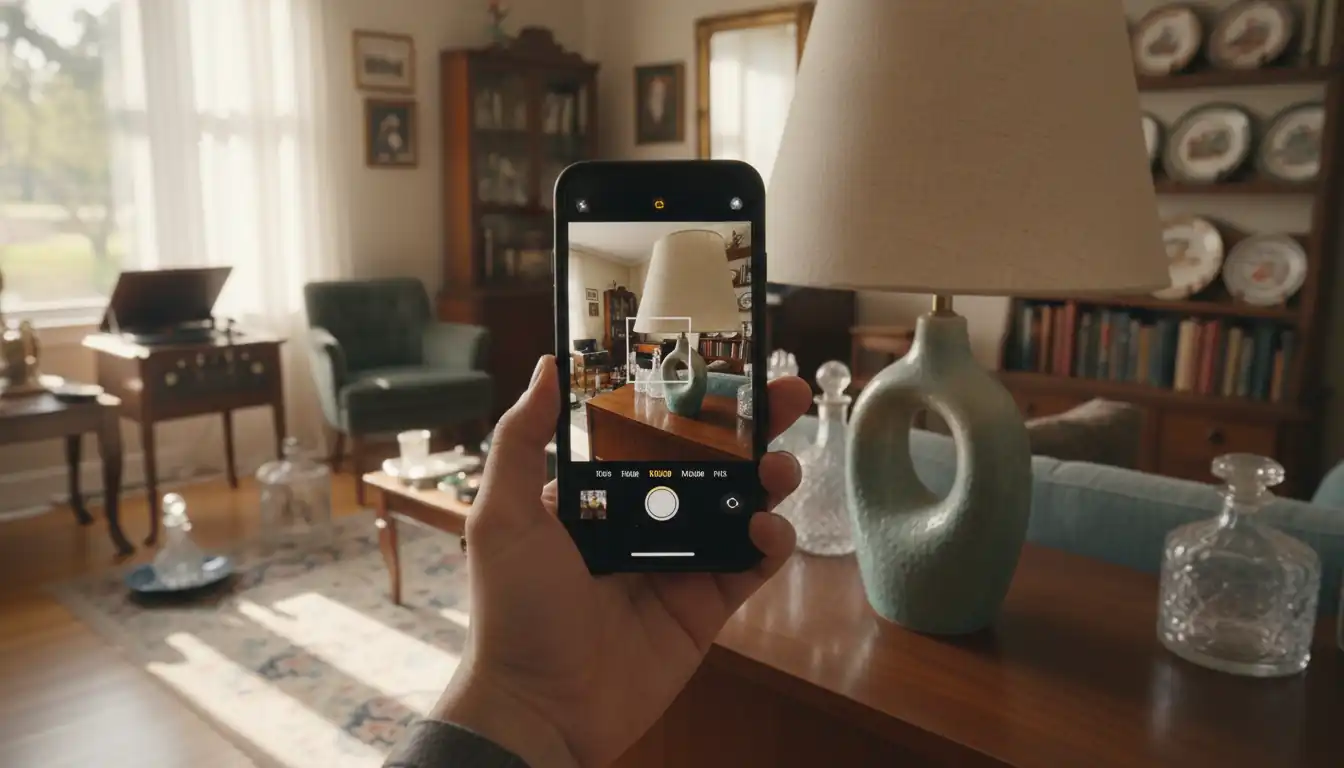
Estate sales are high-pressure environments. The "first day" crowd is often composed of professional pickers and dealers who move with surgical precision. To compete, you need to be faster and more informed than the person standing next to you. This is where the practical application of visual search becomes a competitive advantage.
Spotting Rare Hallmarks in Seconds
Silver and glassware are two of the most difficult categories for hobbyists because the identifying marks are often tiny, tarnished, or obscured. Instead of squinting through a jeweler’s loupe, you can use your camera to zoom in and identify a hallmark in seconds. The AI can recognize the tiny lion passant of British sterling or the specific maker's mark of a 19th-century silversmith that might be invisible to the untrained eye.
This "filtering" capability is essential when you're faced with a shelf containing hundreds of items. You can scan the shelf, and the app helps you hone in on the one or two pieces that have actual collector value. It’s like having a digital filter that dims the noise and highlights the gold.
Building a Digital Inventory of Your Finds
One of the most useful features for serious flippers or collectors is the ability to create a digital collection. As you scan items at a sale, you can save them to a personal catalog within the app. This allows you to track your potential return on investment (ROI) before you even leave the house.
- Track Your Leads: If you see an item that's too expensive on Friday but might be 50% off on Sunday, save it to your collection to monitor its value.
- Organize by Category: Keep your "finds" organized by type, making it easier to research shipping costs or restoration needs later.
- Instant Reference: When a dealer asks what you’re looking for, you can show them your digital catalog of previous high-value finds.
The thrill of the hunt is amplified when you have a record of your successes. Building this inventory turns a hobby into a structured business, allowing you to see patterns in what you find and where you find it.
| Strategy | Benefit |
|---|---|
| The "Quick Scan" | Rapidly identify high-value hallmarks in a crowded environment. |
| Digital Cataloging | Track potential purchases and calculate ROI on the fly. |
| Market Comparison | Compare the estate sale price with real-world appraisal data instantly. |
Why Your Camera Needs a Human Touch for High-Stakes Appraisals
While the AI behind Relic is incredibly powerful, it is a tool, not a replacement for your own senses. A 2D photo can tell you a lot about an item's identity and history, but it cannot "feel" the weight of a gold coin or "hear" the ring of a fine crystal glass. To be a truly successful collector, you must use the app as the starting point for a physical verification process.
Recognizing Condition Issues AI Might Miss
Condition is everything in the world of antiques. A rare comic book is worth thousands in mint condition but might be worth pennies if it has "hidden" water damage. Once the app identifies the item and gives you a baseline value, your job is to look for the physical defects that a photo might obscure.
- The "Ring" Test: For porcelain and crystal, tap the edge gently with your fingernail. A clear, bell-like ring indicates the piece is solid. A dull "thud" often signals a hairline crack that isn't visible to the eye.
- The Weight Check: High-quality antiques often have a specific "heft." If a "bronze" statue feels suspiciously light, it might be "spelter" (a cheaper zinc alloy) or even resin with a metallic coating.
- Check for "Marriages": In furniture, a "marriage" is when two unrelated pieces are joined together—like an old cabinet top placed on a newer base. Look for mismatched wood grains or different types of joinery.
When to Consult a Professional Appraiser
Technology provides the data, but some situations require a human expert. If an app identifies an item as potentially worth tens of thousands of dollars, that is your cue to seek a formal, in-person appraisal for insurance or auction purposes. The app acts as the "triage" unit, helping you identify which items are worth the investment of a professional's time.
AI gives you the map, but you still have to walk the ground and check the terrain for yourself.
Protecting Your Collection in the Digital Age
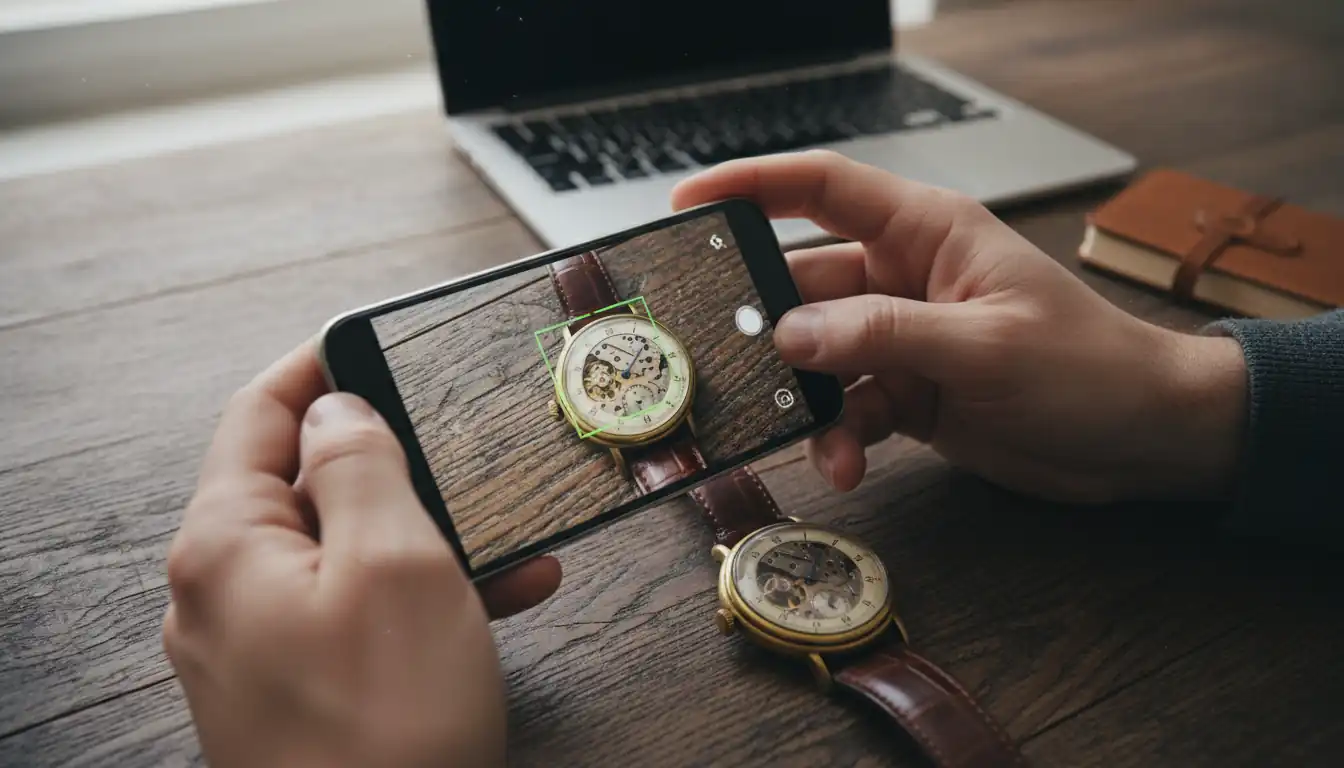
As you build a high-value collection, the data you store about those items becomes an asset in itself. If you have documented $50,000 worth of antiques, that information needs to be as secure as the items in your home. This is a common concern for users who are wary of where their photos and location data are being stored.
Secure Storage for High-Value Assets
When you use an app to catalog your collection, you are essentially creating a digital blueprint of your wealth. Relic understands this responsibility, using encrypted cloud storage to ensure that your inventory is only accessible to you. This is vital for privacy; you don't want a public map of where your most valuable items are located.
Having a digital, appraised inventory is also a massive advantage for insurance purposes. In the unfortunate event of a fire, theft, or natural disaster, having a cloud-based record of your items—complete with photos, descriptions, and appraisals—makes the claims process significantly smoother. Most insurance companies now accept digital inventories as valid documentation for high-value riders on homeowners' policies.
Privacy Standards for Personal Inventories
Your data safety is paramount. A professional app should provide:
- End-to-End Encryption: Ensuring that your photos and appraisals are scrambled during transmission and storage.
- Private Cataloging: Your collection should never be "public" by default. You choose what to share and with whom.
- Data Portability: The ability to export your inventory if you need to provide it to an insurance agent or an auction house.
By maintaining a secure digital record, you aren't just identifying items; you are protecting your legacy. The peace of mind that comes from knowing your collection is documented and secured allows you to focus on what really matters: the joy of discovery.
Conclusion
The world of estate sales and antique hunting has always been a game of information. For decades, that information was locked away in expensive reference books or the minds of a few experts. Today, that knowledge has been democratized. With a tool like Relic, you can walk into any sale with the confidence of a seasoned professional, backed by the power of advanced AI and real-time market data.
You’ve learned how visual search uses neural networks to "read" an object's history, how to differentiate between a simple name and a true market appraisal, and how to use digital tools to outmaneuver the competition. You also know that while technology is a powerful ally, your own eyes and hands are the final judges of quality and condition.
The next time you’re standing in front of a mysterious object at a garage sale, don't guess. Pull out your phone, open Relic, and let the camera reveal the story hidden beneath the dust. Your next great find is waiting—you just need to see it clearly.
Identify antiques instantly
Point your camera at any antique, collectible, or vintage item. Get valuations, history, and market insights in seconds.
Download for iPhone