Stop Guessing at Estate Sales: Use Your Phone to Reveal the Hidden History of Any Antique


You are standing in a dimly lit garage, the air thick with the scent of old paper and cedar. Your eyes land on a sleek, parchment-covered coffee table tucked behind a stack of weathered crates. The seller wants fifty dollars, but your intuition suggests this might be something much more significant—perhaps a piece of mid-century Italian design that belongs in a gallery rather than a suburban driveway. In the past, you would have had to rely on a gut feeling or spend hours scouring library books and obscure forums, likely missing the opportunity while you researched.
The barrier between a casual hobbyist and a seasoned professional has always been access to information. For decades, the "hidden history" of an object was a secret guarded by those with decades of experience and massive physical libraries. Today, that information is no longer locked away in the minds of elite appraisers. You can now bridge the gap between curiosity and expertise using nothing more than the device in your pocket.
In the following guide, we will explore how the hunt for antiques has moved from the physical world to the digital one, and how you can protect yourself from the risks of buying sight-unseen. You will learn how to spot the subtle clues that separate a masterpiece from a mass-produced imitation. Most importantly, you will discover how modern technology can instantly reveal the origin, value, and story of any item you encounter, turning every estate sale into a transparent marketplace.
The Digital Shift in Antique Hunting
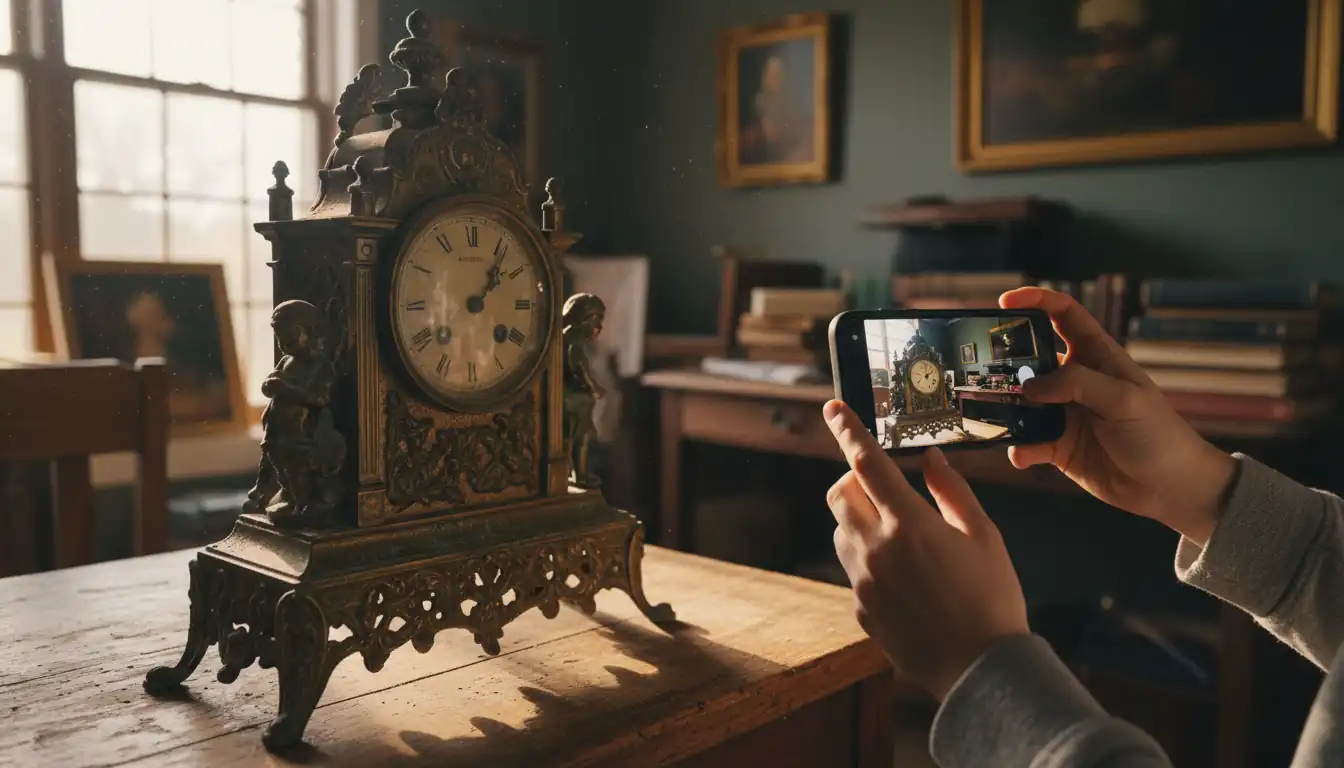
The image of an antique hunter used to be someone driving through rural backroads, stopping at every "junk" shop in hopes of finding a dusty diamond in the rough. While that romanticized version of the hobby still exists, the primary marketplace has moved to the screen. You might wonder if people actually buy high-value antiques online without seeing them in person. The answer is a resounding yes; the digital antique market is currently a multi-billion dollar industry that shows no signs of slowing down.
This shift has changed the inventory landscape. High-end dealers who once relied on foot traffic in Manhattan or London now prioritize their digital storefronts. This means you have access to a global inventory that was previously unreachable. You are no longer limited by your local geography; a collector in Ohio can easily acquire a 17th-century French commode from a dealer in Provence with a few clicks.
Reputable Platforms for High-End Finds
If you are looking to move beyond the chaos of general auction sites, you need to know where the professionals list their best inventory. These platforms act as digital galleries, often vetting their sellers to ensure a higher standard of quality.
- 1stDibs: Often considered the gold standard for luxury antiques and fine art. It is the place to find museum-quality furniture and jewelry, though prices reflect this prestige.
- Chairish: A more accessible but still highly curated platform. It is particularly strong for Mid-Century Modern furniture and "grandmillennial" decor.
- Ruby Lane: This site has a more traditional feel and is a powerhouse for vintage jewelry, porcelain, and dolls. It feels like walking through a high-end, multi-dealer antique mall.
- Invaluable and LiveAuctioneers: These are not shops, but portals that allow you to bid in real-time at physical auctions happening all over the world.
Navigating Online Antique Fairs and Auctions
The traditional "antique fair" has also undergone a digital makeover. Instead of traveling to Round Top or Brimfield, many collectors now follow digital calendars that alert them to "online-only" events. These fairs often feature "first-look" privileges where subscribers get access to the inventory hours before the general public.
Digital auctions require a different strategy than physical ones. You aren't just competing with the people in the room; you are competing with thousands of bidders globally. Success in this environment requires speed and confidence. You have to be able to scan a catalog of five hundred items and quickly identify the three that are undervalued. The sheer volume of options is empowering, but it also places a heavy burden on your ability to verify what you are looking at.
The Risk of the Digital Blind Buy
The greatest challenge of the digital shift is the loss of tactile feedback. You cannot run your hand over a table to feel the grain, nor can you check the weight of a silver teapot to see if it feels "right." When you buy online, you are buying a story told through photos and descriptions. This creates a significant risk: the digital blind buy.
Sellers are often masters of "creative" descriptions. They may not be lying, but they are certainly not highlighting the flaws. A "beautifully aged patina" might actually be a polite way of saying the finish is ruined. Without the ability to inspect the item, you have to become a detective of the digital listing itself.
Common Red Flags in Online Listings
When browsing digital catalogs, you must learn to read between the lines. Certain phrases are designed to sound impressive while legally protecting the seller from claims of misrepresentation.
- "In the style of": This is the most common red flag. It means the item is a modern reproduction or a contemporary piece made to look like a famous designer's work. It is not an original.
- "Attributed to": This means the seller thinks it might be by a certain maker, but they have no proof. In the world of high-end antiques, an attribution without documentation is often just a guess.
- "Estate fresh": This is often used to excuse dirt, damage, or a lack of research. It implies the item hasn't been "messed with," but it also means the seller hasn't verified its condition.
- "Vintage": This is a catch-all term that can mean anything from twenty years old to eighty years old. It lacks the specificity required for a serious investment.
Decoding Vague Seller Descriptions
Beyond the words, you must scrutinize the photos. A reputable seller will show you the "ugly" parts of an item. If a listing for a set of porcelain plates doesn't show the back of a single plate, they are hiding the maker's marks—or the lack thereof.
| Feature | What to Look For | Why it Matters |
|---|---|---|
| Furniture Joints | Dovetails that are slightly uneven | Indicates hand-cut joinery rather than machine-made. |
| Porcelain Bases | An unglazed "foot" or ring | Shows the item was fired in a kiln, typical of older production. |
| Silver Marks | Tiny stamped symbols (hallmarks) | Identifies the purity, city of origin, and the year it was made. |
| Wood Undersides | Oxidation or darkening of the wood | New wood is bright; old wood darkens naturally over decades. |
"The most expensive antique you will ever buy is the one that turns out to be a fake. In the digital market, skepticism is your most valuable asset."
If you see a Mid-Century chair and the listing only shows it from the front, ask for a photo of the underside. Look for the "honest wear" that comes from decades of use. If a piece is supposed to be seventy years old but the screws are shiny Phillips-heads, you are looking at a repair or a reproduction. These manual checks are essential, but they are also time-consuming and prone to human error.
Instant Appraisal Technology for Modern Collectors
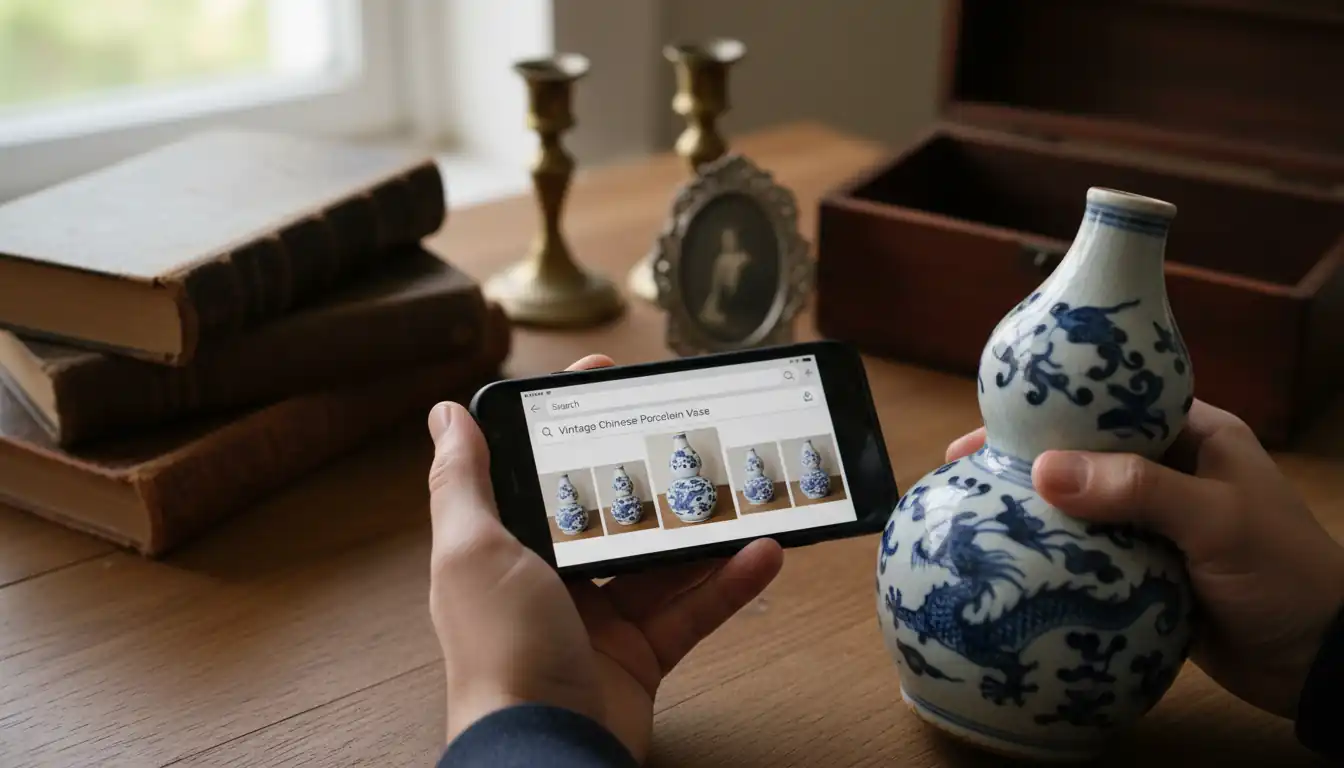
The anxiety of the "blind buy" is being replaced by a new kind of confidence. We are moving away from the era of manual detective work and into the era of instant verification. This is where the Relic app changes the game for both the novice and the professional collector. Instead of spending hours cross-referencing auction results or flipping through identification guides, you can now use your phone to get an immediate, professional-grade analysis.
Relic uses advanced AI to bridge the gap between a simple photograph and a comprehensive appraisal. Whether you are standing in front of an item at a local estate sale or looking at a screenshot from a digital auction, the app analyzes the visual data to provide a real appraisal, history, and origin of the item. It’s like having a master appraiser standing over your shoulder, ready to whisper the truth about an object in your ear.
How AI Identifies Origin and Material
The technology behind Relic doesn't just "look" at the item; it understands the nuances of design history. When you upload a photo, the AI examines the silhouette, the specific textures of the material, and the hallmarks of certain eras.
For example, if you find a piece of goatskin-covered furniture, the app can distinguish between the genuine craftsmanship of an Aldo Tura original and a modern "look-alike." It looks for the specific way the parchment is applied and the characteristic finish that defined Tura's work in the mid-20th century. This level of detail is something that would take a human years of study to master, but the AI processes it in seconds.
Getting a Real-Time Valuation Without an Expert
One of the biggest hurdles in antiquing is the "valuation gap." A seller might ask for $500, but is the item actually worth $2,000 or $20? Relic provides a real-time valuation based on current market data and historical auction results.
- Instant Identification: Snap a photo to find out exactly what you are looking at.
- Historical Context: Learn the story behind the maker and the era.
- Market Insights: See what similar items have sold for recently.
- Searchable Catalog: Keep a digital record of everything you’ve scanned for future reference.
This technology allows a novice to walk into an estate sale and identify a $2,000 Aldo Tura table or a rare Di Pasquale ceramic vase instantly. It removes the "guessing" that leads to overpaying and gives you the leverage to negotiate with confidence. With over 20,000 reviews and a 4.9-star rating, Relic has become an essential tool for importers, pickers, and online sellers who need to make fast, accurate decisions in a competitive market.
Sourcing Specific High-Value Categories
To build a truly valuable collection, you need to move beyond general "vintage" items and focus on specific, high-value categories. Currently, the market is heavily favoring two distinct areas: Italian Mid-Century Modern and American Post-War ceramics. These items are frequently found at estate sales because they were the "luxury" items of their day, often purchased by the previous generation and left in homes for decades.
Mid-Century Modern and Post-War Rarities
Italian design from the 1940s through the 1960s is currently experiencing a massive surge in value. Designers like Aldo Tura became famous for using exotic materials like goatskin (parchment), brass, and macassar ebony.
- Aldo Tura: Known for his bar carts, humidors, and coffee tables. His work is characterized by a deep, high-gloss finish over dyed goatskin. A genuine Tura bar cart can fetch anywhere from $2,500 to $6,000 depending on the color and condition.
- Gio Ponti: His influence is everywhere. Look for slim, tapered legs on chairs and intricate, geometric patterns in wood inlays.
- The "Goatskin" Factor: Genuine parchment-covered furniture has a specific "mottled" look that is very difficult to fake. AI tools like Relic are particularly adept at identifying these material textures that the human eye might miss.
American Post-War ceramics are another "sleeper" category. After World War II, there was an explosion of studio pottery. Pieces by makers like Di Pasquale are highly sought after for their brutalist, organic forms. These items often look like "just a brown vase" to the untrained eye, but to a collector, they represent a specific moment in American art history.
Timeless Accessories and Decorative Arts
In the world of online cataloging, it is important to understand the difference between "Fine Arts" and "Decorative Arts."
- Fine Arts: Generally refers to paintings, sculptures, and prints—items created primarily for their aesthetic or intellectual value.
- Decorative Arts: Refers to functional objects that are also aesthetically pleasing, such as furniture, ceramics, glassware, and textiles.
When sourcing online, the "Decorative Arts" category is often where the best deals are found. A "fine art" painting will almost always be heavily researched by the auction house. However, a "decorative" ceramic lamp or a set of bookends might be overlooked. This is where your ability to identify a specific maker’s mark or a signature style becomes your competitive advantage.
| Category | High-Value Maker | Key Identifying Feature |
|---|---|---|
| Italian Furniture | Aldo Tura | Lacquered goatskin in rich ambers or greens. |
| Studio Pottery | Di Pasquale | Heavy, textured glazes and architectural shapes. |
| Glassware | Murano (Venetian) | Look for "sommerso" (layered color) or gold fleck inclusions. |
| Metalwork | Curtis Jere | Signed "C. Jere" sculptures made of copper, brass, and steel. |
Building a Profitable Online Collection

Collecting antiques is a passion, but it can also be a sophisticated investment strategy. To build a collection that grows in value, you have to stop thinking like a shopper and start thinking like a curator. This involves not just buying the right items, but managing them correctly after the purchase.
The market for antiques is cyclical. What is "hot" today might cool off in five years. To stay ahead, you need to track market trends by following the major fair calendars. When you see a sudden influx of a certain style at high-end fairs like TEFAF or Design Miami, it’s a signal that the market is moving in that direction.
Tracking Market Trends and Fair Calendars
You don't need to attend every fair to know what is happening. Most major fairs now publish their catalogs online weeks in advance.
- The "Early Signal": Look for what the top-tier dealers are putting in their "booth previews." If three major dealers are all showcasing 1970s chrome furniture, that is a trend you can capitalize on at local estate sales.
- The "Buy and Hold": If a category is currently oversaturated (like certain types of Victorian furniture), it might be the perfect time to buy at low prices and hold for the eventual market correction.
- The "Pivot": Be ready to sell when a trend peaks. If you bought Mid-Century Modern ten years ago, the current high prices might represent a "sell" signal so you can reinvest in the next emerging category.
Long-Term Care and Resale Strategies
The value of an antique is tied directly to its "provenance"—the record of its history and ownership. This is where many amateur collectors fail. They buy a great item but lose the documentation that proves what it is.
"Provenance is the difference between a $500 'old chair' and a $5,000 'documented original.' Your job is to be the steward of that history."
When you use an app like Relic to identify an item, you are also generating a digital record of its history and appraisal. Save these reports. If you decide to sell the item in five years, having a professional-grade appraisal and a detailed history of the maker will significantly increase your resale value.
Strategies for Maximizing Resale Value:
- Professional Photography: If you sell online, your photos are your storefront. Use natural light and a neutral background.
- Detailed Descriptions: Use the historical data you’ve gathered to write a compelling story. Mention the maker, the era, and the specific materials.
- Conservation, Not Restoration: Never "refinish" an antique unless it is absolutely necessary. Collectors value original finishes, even if they show some wear. A "restored" piece often loses 50% of its value.
Conclusion
The world of antique hunting has been transformed by the availability of information. You no longer have to walk into an estate sale or browse an online auction with a sense of uncertainty. By understanding the digital landscape, recognizing the red flags of online listings, and utilizing the power of instant appraisal technology, you can navigate this market with the precision of a professional dealer.
The "hidden history" of an object is no longer hidden—it is simply waiting for you to reveal it. Whether you are looking for a statement piece for your home or building a portfolio of investment-grade art, the tools are now in your hands. The next time you see a mysterious mark on the bottom of a vase or a strangely beautiful piece of furniture in a dark corner, don't guess. Take out your phone, use a tool like Relic to uncover the truth, and make your move with confidence. Your next great find is closer than you think.
Identify antiques instantly
Point your camera at any antique, collectible, or vintage item. Get valuations, history, and market insights in seconds.
Download for iPhone