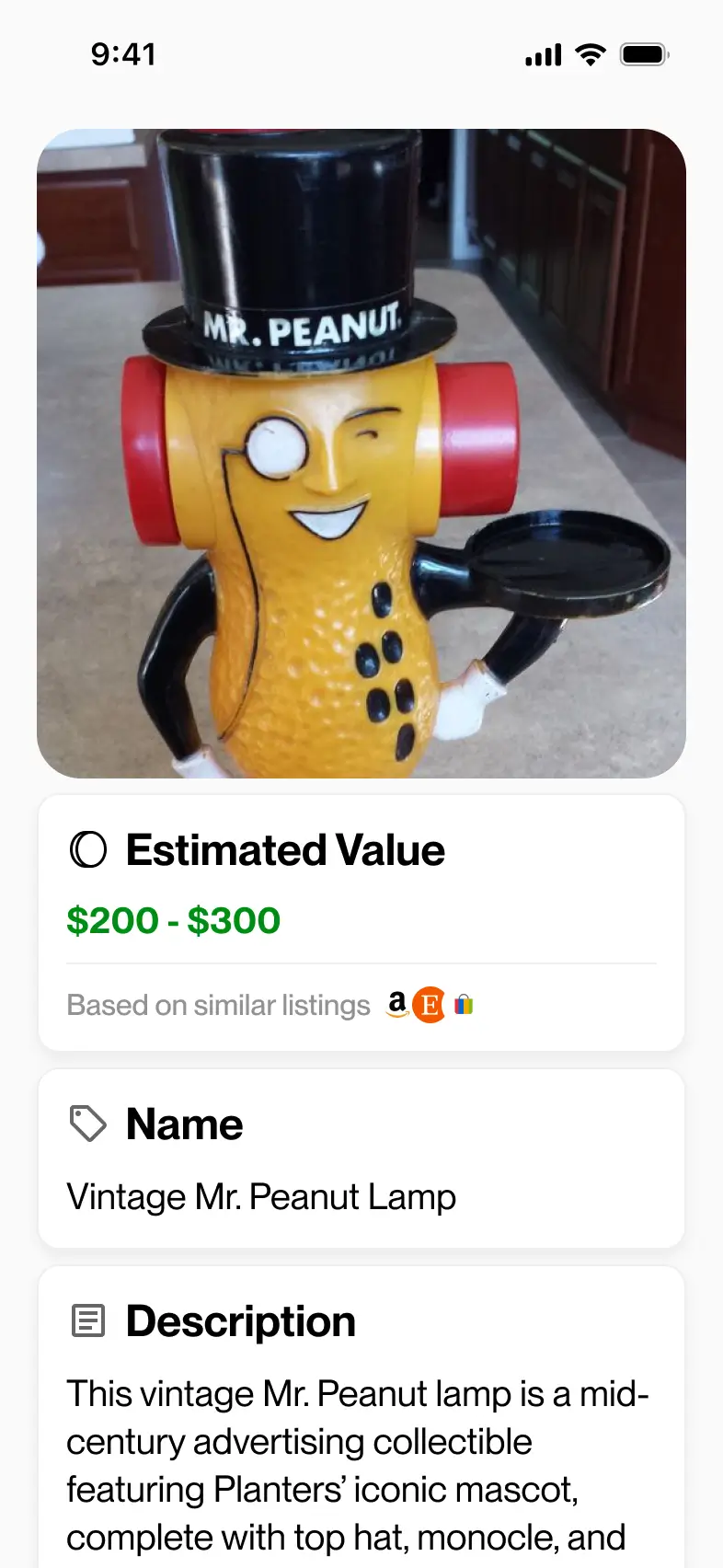
Stop Guessing: How AI Apps Like Relic Reveal the Hidden History of Your Ceramics

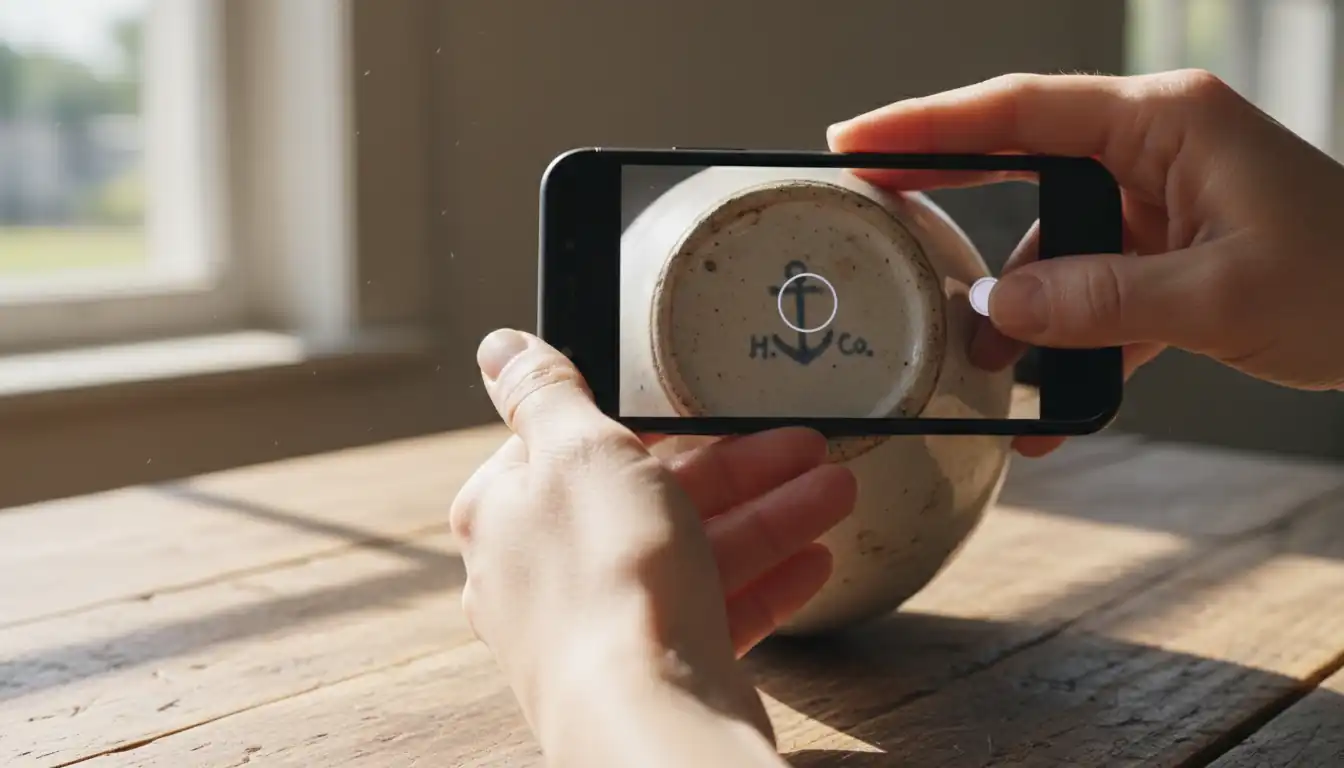
You are standing in a crowded estate sale, the air thick with the scent of old paper and floor wax. Your eyes land on a ceramic vase tucked away on a bottom shelf. It has a peculiar iridescent glaze and a mark on the bottom that looks like a tangled knot of initials. Is it a mass-produced piece from a 1990s home decor store, or a forgotten masterpiece from a renowned European studio?
In the past, answering that question required a library of reference books and years of specialized study. You would have had to memorize thousands of maker's marks or spend hours squinting at grainy black-and-white photos in an encyclopedia. Most people simply guessed, often leaving treasures behind or overpaying for clever reproductions.
The landscape of antique collecting is changing. You no longer need to carry a heavy stack of price guides or wait weeks for an expert to return your call. With the right tools on your smartphone, you can uncover the entire history of a ceramic piece in the time it takes to snap a photo. This guide will show you how modern technology is stripping away the mystery of pottery and giving you the power to identify, date, and value ceramics with professional precision.
The Digital Revolution in Antique Identification
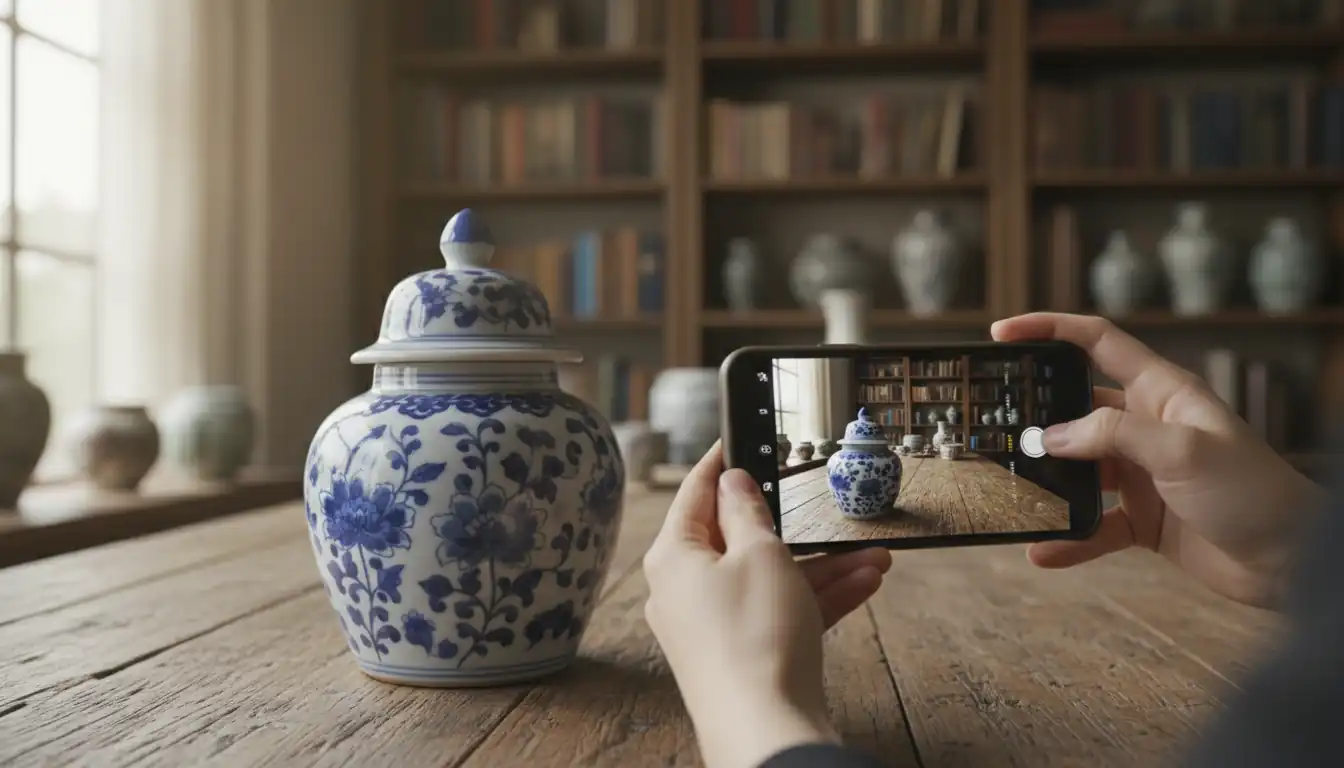
For decades, the "gold standard" for identifying pottery was the physical reference library. Collectors would spend a fortune on specialized volumes like Kovels' Antiques and Collectibles Price Guide or massive compendiums of marks from specific regions like Staffordshire or Limoges. These books were essential, but they were also cumbersome. If you were out in the field—at a flea market or a rural auction—you couldn't exactly bring twenty pounds of books with you.
This created a significant barrier to entry. Expertise was something you earned through decades of trial and error. If a mark was partially faded or the glaze was chipped, a novice collector had almost no way of knowing what they were looking at. The "friction" of research meant that many beautiful items were misidentified or undervalued.
The Shift from Reference Libraries to Digital Databases
The transition to digital databases changed everything. Instead of flipping through thousands of pages, collectors began using online forums and searchable image galleries. However, even these early digital tools required you to know what you were looking for. You had to describe the mark in words—"three bells under a crown"—and hope the search engine understood your description.
Today, we have moved beyond simple keyword searches. Digital databases have become "smart." They are no longer just lists of images; they are interconnected webs of historical data, auction results, and stylistic markers. This democratization of expertise means that the knowledge once held by a handful of elite appraisers is now accessible to anyone with a smartphone. You can access the collective wisdom of the collecting community in seconds, turning a casual hobby into a sophisticated pursuit.
How Computer Vision Decodes Faded Maker's Marks
The real magic happens through computer vision. Think of this as a digital magnifying glass that never gets tired and has a photographic memory of every pottery mark ever recorded. When you use an app like Relic to identify an antique, the AI isn't just looking at the picture; it is "deconstructing" it.
Computer vision algorithms analyze the geometry of a mark. They look at the specific curve of a letter, the thickness of a line, and the spacing between symbols. Even if a mark is faded by time or obscured by a thick glaze, the AI can often reconstruct the original pattern by comparing it to thousands of known examples.
Key Insight: AI doesn't just "see" an image; it calculates the probability of a match based on microscopic details that the human eye might overlook in poor lighting.
This technology is particularly useful for identifying "blind marks"—impressions stamped into the clay that have no color. These are notoriously difficult to photograph and even harder to identify manually. Modern AI can interpret the shadows and highlights of these indentations to reveal the manufacturer's identity with startling accuracy.
Decoding the Physical Language of Clay and Glaze
While the mark on the bottom of a plate is a great starting point, it isn't the whole story. In fact, many of the world's most valuable ceramics have no marks at all. To truly understand what you are holding, you have to learn the "language" of the object itself. This involves looking at the clay body, the way the piece was constructed, and the regional styles that influenced its design.
When you upload a photo to an app like Relic, the AI analyzes more than just the stamp. It looks at the "visual texture" of the piece. It evaluates the way light hits the glaze and the subtle irregularities in the shape. These physical attributes serve as a digital fingerprint that can point toward a specific era or geographic location.
Distinguishing Clay Bodies and Construction Methods
The first step in manual or digital identification is determining what the item is actually made of. Ceramics are generally categorized into three main types based on the temperature at which they were fired and the composition of the clay.
| Clay Type | Characteristics | Common Uses |
|---|---|---|
| Earthenware | Porous, opaque, and usually fired at lower temperatures. Often thicker and heavier. | Terracotta, Majolica, Delftware. |
| Stoneware | Dense, non-porous, and very durable. Can be various colors from grey to brown. | Crocks, jugs, and modern studio pottery. |
| Porcelain | Translucent, white, and rings like a bell when tapped. Fired at very high temperatures. | Fine dinnerware, figurines, and "China." |
How a piece was made also tells a story. Is there a seam running down the side? That suggests it was made in a mold, which often points to mass production in the 19th or 20th century. Do you see faint horizontal ridges on the inside? Those are "throwing rings," a sign that the piece was created on a potter's wheel. AI models are trained to recognize these subtle visual cues, helping to distinguish a hand-crafted artisan piece from a factory-made reproduction.
Regional Characteristics and Cultural Signatures
Pottery is deeply tied to the geography of the earth. Different regions have different types of clay and traditional decorating techniques. These regional signatures are like a DNA profile for ceramics.
For example, if you see a specific shade of deep, vibrant blue on a white background, your mind might jump to Delft in the Netherlands. But a trained eye—and a sophisticated AI—can distinguish between Dutch Delft, English Delftware, and French Faience by looking at the "tightness" of the brushstrokes and the specific tint of the white glaze.
- Gien Pottery (France): Known for its rich, colorful glazes and intricate patterns inspired by the Renaissance. The "feel" of the glaze is distinctively smooth and thick.
- Bizen Ware (Japan): This pottery is unglazed and fired in wood-burning kilns for days. The resulting "scorch marks" and ash deposits are entirely unique to the region and the specific kiln.
- Staffordshire (England): Famous for its figurines and "transferware." The way the printed pattern meets the edges of the plate is a key identifier for collectors.
By considering these visual textures during the upload process, an app can narrow down the origin of a piece even if the maker's mark is missing or illegible. It’s about looking at the piece as a whole, rather than just focusing on a single stamp.
The Science of Dating and Authentication
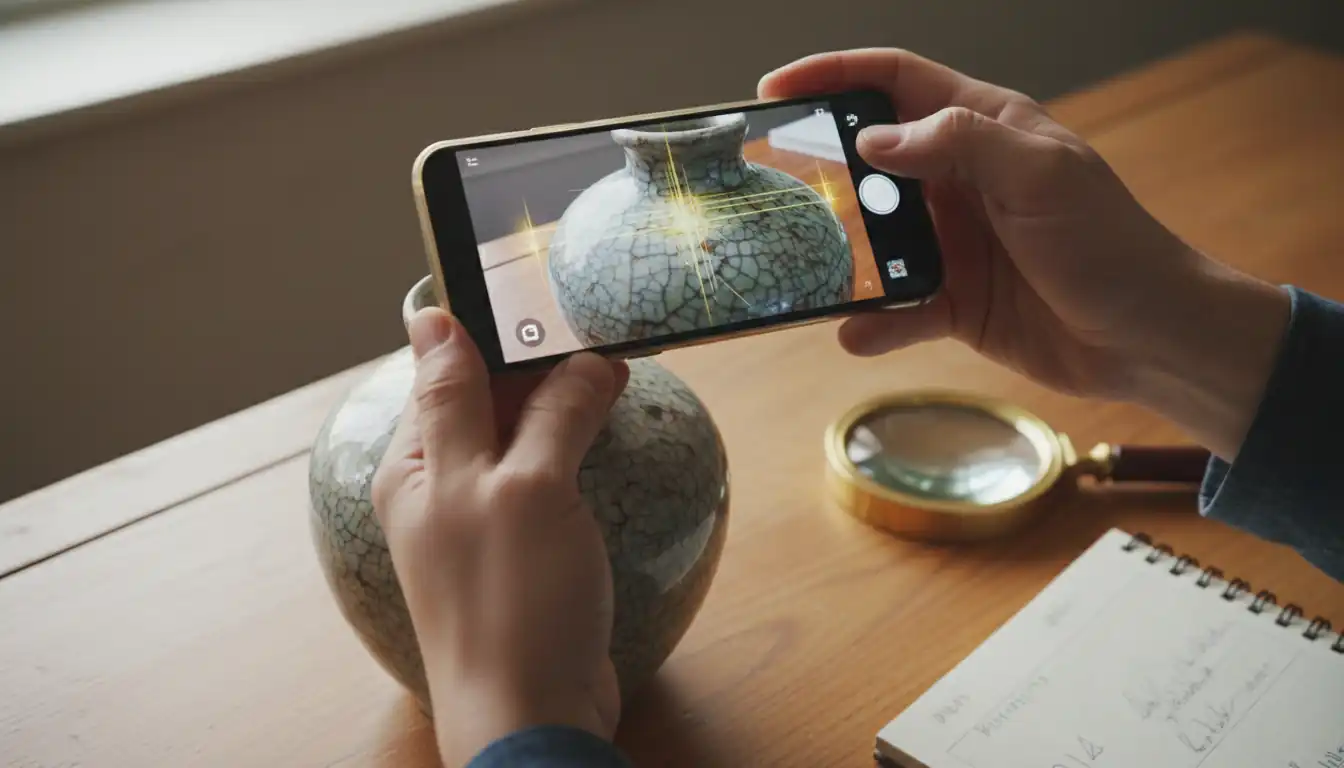
Once you know what an item is, the next question is always: When was it made? Dating a piece of pottery is a blend of art history and forensic science. It requires an understanding of how styles evolved over time and a keen eye for the "red flags" that signal a modern fake.
Historical Periods and Style Evolution
Every era has a "look." These stylistic markers are often the most reliable way to date a piece when marks are ambiguous.
Victorian Era (1837–1901): This period favored highly decorative, often cluttered designs. Think of ornate floral patterns, gilding, and romanticized scenes. If a piece feels "heavy" with decoration, it might be Victorian.
Art Deco (1920s–1930s): This style moved toward geometric shapes, bold colors, and a sense of "speed" and modernity. Look for sunburst patterns, stepped shapes, and stylized animal figures.
Mid-Century Modern (1940s–1960s): The focus shifted to "form follows function." You’ll see organic, biomorphic shapes and solid, earthy colors. This was the era of the "studio potter," where the natural beauty of the clay was celebrated.
Relic’s AI cross-references your photo against a massive database of these historical styles. It doesn't just look for a match; it looks for "consistency." If a piece has a mark from 1850 but a shape that didn't exist until 1920, the app can flag it as a potential reproduction.
Avoiding Common Identification Pitfalls
One of the most common questions people ask is: Is there an app for identifying pottery? While the answer is yes, the key is using an app that understands the nuances of the market. Many beginners fall into the same traps when trying to identify their finds.
- The "Limited Edition" Trap: Just because a plate says "Limited Edition" or has a serial number doesn't mean it's valuable. In fact, many "collector's plates" from the 1970s and 80s were produced in the millions and have very little resale value today.
- Reproduction Marks: Some companies in the mid-20th century specialized in making "authentic" reproductions of 18th-century porcelain. They even copied the original marks. An AI can often spot these because the "quality" of the mark—the way the ink sits on the glaze—is different from the original.
- "Made in..." Stamps: The presence of a "Made in [Country]" stamp is a huge clue. Before the McKinley Tariff Act of 1890, items imported into the U.S. didn't require a country of origin. If you see "Made in England," the piece almost certainly dates after 1891. If it says "Made in Occupied Japan," you know exactly when it was made: between 1945 and 1952.
Pro Tip: Always look at the "wear" on the bottom of a piece. Real age shows up as natural scuffing on the "foot rim" where the piece has sat on tables for decades. If the bottom is perfectly smooth but the piece looks "old," be suspicious.
From Photo to Appraisal with Modern AI
The process of identifying an antique used to take hours of research. Today, it has been condensed into a few seconds. But how does a simple photo turn into a professional-grade report? It’s a multi-step process that happens behind the scenes in the Relic app.
How Relic Transforms a Snapshot into a Professional Report
When you take a photo of your ceramic item, the AI begins a "feature extraction" process. It identifies the shape, the color palette, the glaze type, and any visible marks.
- Image Analysis: The AI scans the photo for high-contrast areas (like marks) and subtle textures (like crazing in the glaze).
- Database Matching: It compares these features against millions of records, including museum archives, auction house catalogs, and historical databases.
- Contextual Synthesis: The app doesn't just give you a name. It looks at the "provenance"—the history of where these items typically come from and who made them.
- Appraisal Generation: Finally, it looks at recent market data. What have similar items sold for in the last six months? Is this a "hot" item for collectors right now?
The result is a comprehensive report that includes the origin, the estimated age, and a real-world valuation. This is the difference between a simple "mark match" and a true appraisal. A mark might tell you who made the plate, but an appraisal tells you if it's worth $5 or $500.
Understanding Market Trends and Rarity
Why does a photo's quality matter so much? Because the AI needs to see the "condition" of the item. A crack, a chip, or even "crazing" (those tiny spiderweb lines in the glaze) can significantly impact the value.
- Rarity: Some patterns were only produced for a single year. Others were made for decades. The app can identify these "short-run" items that might be highly sought after by specialists.
- Market Demand: Antiques follow fashion. Ten years ago, Victorian "brown furniture" and heavy ceramics were in high demand. Today, the market has shifted toward Mid-Century Modern and Japanese aesthetics.
- Condition Grading: By analyzing the surface of the piece, the AI can help you understand if your item is in "Mint," "Excellent," or "Fair" condition, which is vital for accurate pricing.
Knowing the actual dollar value of your household items is more than just a curiosity. It’s about making informed decisions. Should you sell it on eBay, take it to a high-end auction house, or keep it as a family heirloom? Having a professional-grade appraisal in your pocket gives you the confidence to navigate the market without being taken advantage of.
The Future of Digital Antique Collecting
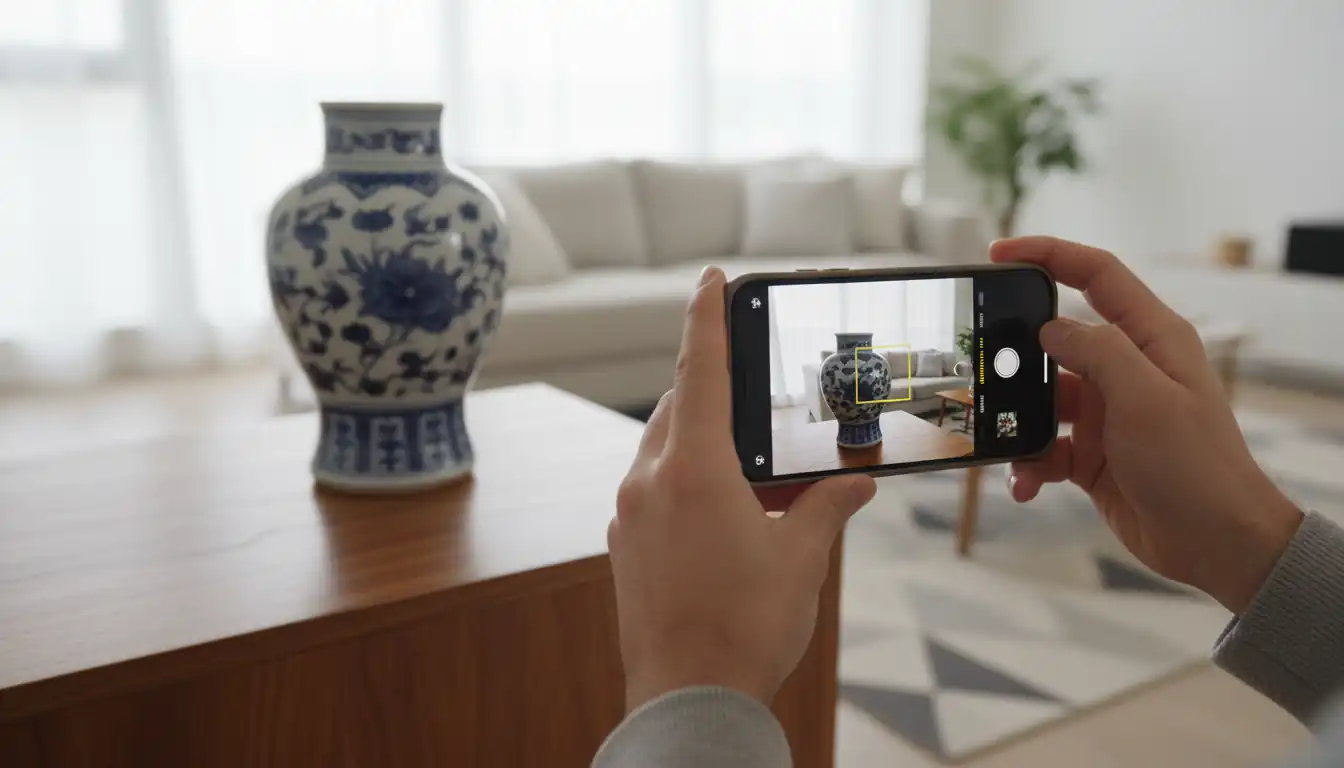
We are entering a new era of "smart" collecting. Using an app like Relic isn't just a one-time utility for when you're at a garage sale; it's a way to manage and preserve a collection over the long term. The technology is moving toward a concept called "digital provenance."
AI-Powered Provenance Tracking
Provenance is the record of ownership of a work of art or an antique. Historically, this was kept on scraps of paper, old receipts, or simply passed down through oral tradition. But paper gets lost, and memories fade.
Digital apps allow you to maintain a permanent, shareable record of your collection. Every time you scan an item, you are creating a digital "birth certificate" for it. This record includes the appraisal, the historical context, and high-resolution photos of its condition at a specific point in time.
This is incredibly valuable for:
- Insurance Purposes: If your collection is ever damaged or stolen, you have a professional appraisal and photo evidence ready for your insurance company.
- Resale: When you're ready to sell, providing a digital "history" of the item increases buyer confidence and can lead to higher sale prices.
- Estate Planning: You can easily show your heirs which items are valuable and which are sentimental, preventing important pieces from being accidentally donated or sold for pennies.
The Growing Role of Digital Archives in Private Collections
Digital archives are also helping to preserve cultural heritage. There are thousands of small, regional potters whose work was never documented in the big "encyclopedias." Their history was effectively lost.
As more collectors use AI apps to identify obscure items, these "lost" potters are being rediscovered. The AI can recognize a recurring style or a specific clay type from a certain region, even if there's no written record of the maker. We are essentially crowdsourcing the history of ceramics, one photo at a time.
This makes you more than just a collector; you become a contributor to the preservation of history. You are helping to map out the intricate web of human creativity that has been baked into clay for centuries.
Conclusion
The days of guessing the value of a ceramic vase or squinting at a faded mark are over. You no longer need to be an expert to uncover the hidden history of your antiques. By combining the physical clues left in the clay with the power of modern AI, you can turn any smartphone into a professional appraisal tool.
Whether you are a seasoned dealer looking for an edge at an auction or a casual enthusiast wondering about a family heirloom, the tools are now in your hands. Apps like Relic provide the instant identification and market insights you need to collect with confidence.
The next time you see a mysterious piece of pottery, don't walk away. Take a photo, check the history, and see what stories the clay has to tell. You might just be holding a piece of history in the palm of your hand. Ready to see what your collection is really worth? Download Relic today and start your own journey of discovery.
Identify antiques instantly
Point your camera at any antique, collectible, or vintage item. Get valuations, history, and market insights in seconds.
Download for iPhone