Stop Guessing: Use Your Phone to Identify Rare Vintage Patterns and Antiques

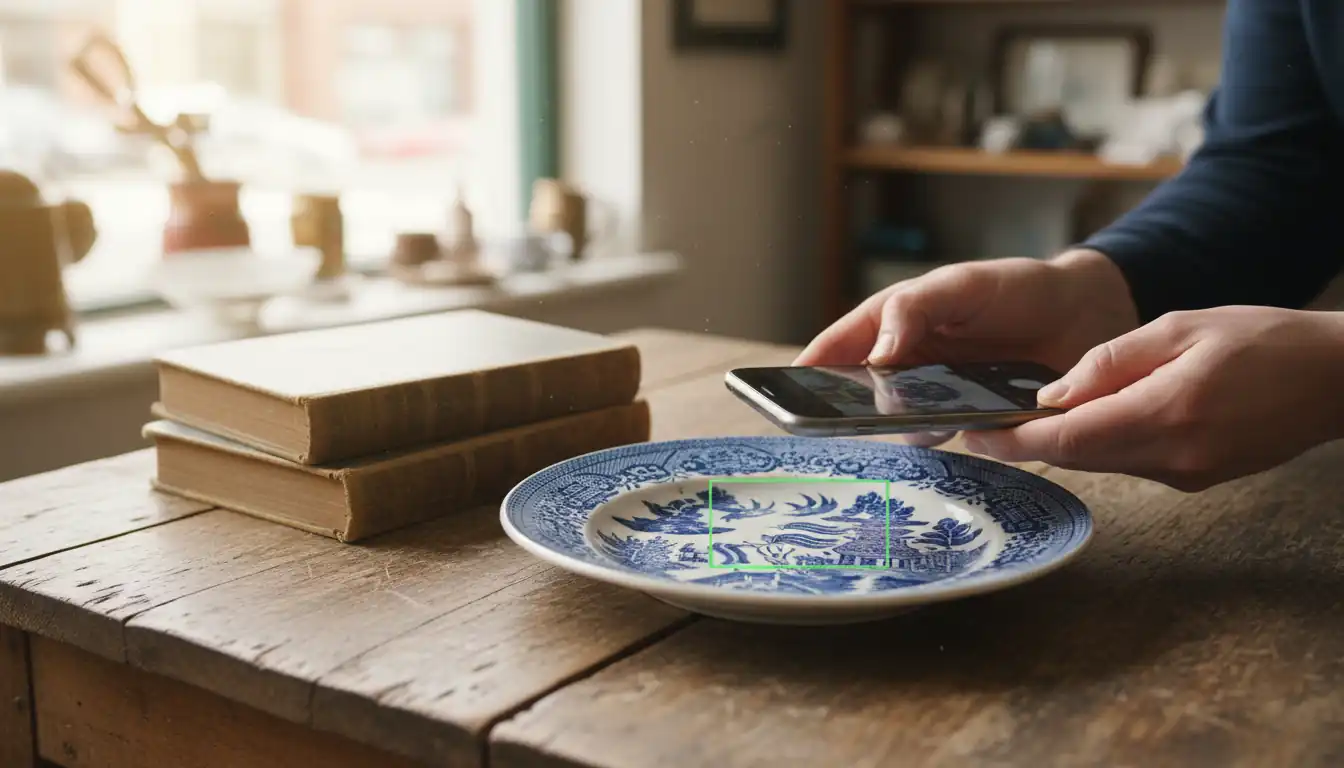
You stand in a crowded thrift store, holding a heavy ceramic platter. The glaze is a deep, haunting indigo, featuring an intricate scene of pagodas and weeping willows. There is no maker’s mark on the bottom—only a faint, weathered indentation that tells you nothing about its age or origin. A decade ago, this moment would have led to a frustrating afternoon of flipping through dusty library volumes or scrolling through endless forum threads, hoping a stranger might recognize the pattern.
The challenge of identifying antiques has always been one of information asymmetry. Experts spent lifetimes memorizing the subtle differences between a 19th-century Staffordshire transferware pattern and a 20th-century reproduction. For the casual collector or the weekend picker, the barrier to entry was high, often resulting in missed opportunities or overpaying for items that lacked true historical value. You were essentially guessing, relying on gut feeling rather than hard data.
That era of uncertainty is ending. Your smartphone is no longer just a communication device; it has become a sophisticated optical laboratory capable of deconstructing complex visual data in seconds. By using advanced image recognition, you can now bridge the gap between a mysterious find and a verified historical record. This shift doesn't just save time—it changes the way we interact with history, turning every estate sale and flea market into a searchable database of human craftsmanship.
The Evolution of Pattern Recognition in Antiquing
For generations, the "bible" of any serious collector was a physical price guide or a specialized encyclopedia of marks. If you collected Depression glass, you carried a thick paperback filled with grainy black-and-white photos. If you were into textiles, you relied on swatches and tactile memory. The process was entirely manual, requiring you to match what you saw in your hand to a static image on a page. This method was flawed because patterns are rarely identical; lighting, wear, and manufacturing variations make manual matching a game of "spot the difference" where the stakes are your hard-earned money.
From Manual Catalogs to Machine Learning
The transition from physical books to digital databases was the first step, but even early websites had limitations. You had to know the right keywords to find what you were looking for. If you didn't know that a specific floral arrangement was called "Old Britain Castles," how could you search for it? You were trapped by the limitations of language. You could describe a "blue flower plate," but so could ten thousand other people describing ten thousand different items.
Machine learning changed the equation by removing the need for descriptors. Instead of translating a visual object into words, technology began to treat the object as a collection of data points. An algorithm doesn't see a "flower"; it sees a specific arrangement of pixels, a unique curve in a petal, and a mathematically distinct shade of cobalt. This shift from keyword-based searching to visual-based recognition allowed collectors to bypass the vocabulary barrier entirely.
Why Vintage Patterns Stump Standard Search Engines
Standard search engines are designed to find broad categories of information. They excel at showing you where to buy a new toaster or the capital of a distant country. However, they often struggle with the nuance of vintage patterns because they prioritize "popularity" over "precision." A general search for a geometric wallpaper pattern might return thousands of modern interior design blogs rather than the specific 1920s Art Deco manufacturer you actually need.
Vintage patterns are particularly difficult because they often lack barcodes or obvious branding. A textile weave from the 1880s doesn't have a QR code hidden in the threads. These items rely on "implicit data"—the way a line tapers, the density of the ink in a transferware print, or the specific repetition of a geometric motif. Machine learning models are now trained specifically to recognize these repetitions, identifying the "fingerprint" of a designer even when the physical label has long since worn away.
Key Insight: The move from physical catalogs to AI isn't just about speed; it's about the ability to recognize "unsigned" history through the mathematical consistency of design.
How AI Identifies Antiques and Rare Patterns
When you ask, "Can AI identify antiques?" the answer lies in a field called computer vision. This technology allows a computer to "see" and interpret visual information much like a human does, but with a much higher degree of granular accuracy. While a human eye might see a pretty vase, the AI sees a topographical map of textures, colors, and shapes. It breaks down the image into thousands of tiny features that it then compares against a massive library of known historical items.
The Science of Visual Search and Metadata
The process begins the moment you snap a photo. The software analyzes the "pixel-level data," looking for specific markers that define a period or a maker. For example, in porcelain, the AI might look at the "glaze crackle"—the tiny network of cracks that form over time. Different eras and firing techniques produce different crackle patterns. By analyzing the scale and frequency of these cracks, the AI can estimate the age of the piece with surprising accuracy.
- Maker’s Mark Recognition: AI can identify faded or partial stamps that are nearly invisible to the naked eye.
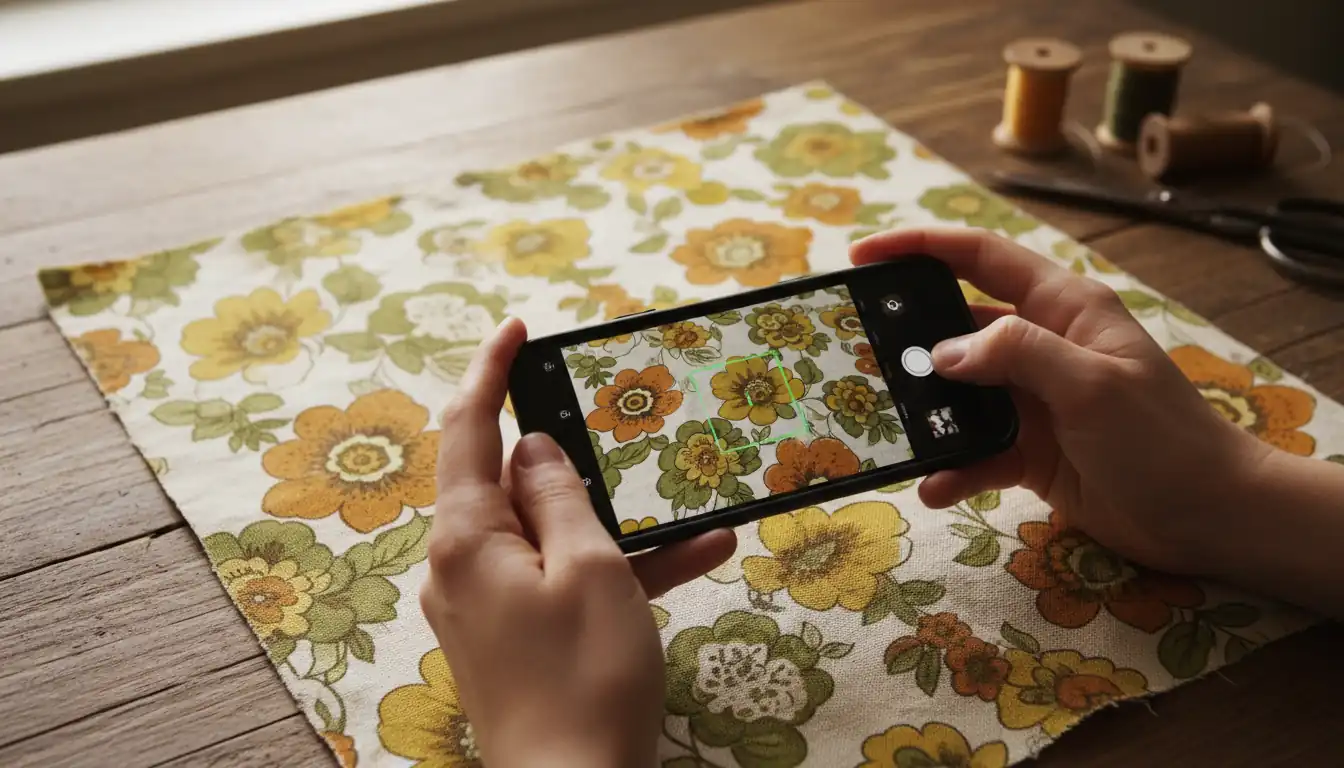
- Geometric Repetition: In textiles and wallpaper, the AI calculates the exact "repeat" of a pattern to match it to historical manufacturing rolls.
- Color Spectrometry: The software analyzes the specific chemical hues of pigments, which often changed as new minerals were discovered or synthetic dyes were invented.
Once the visual features are extracted, the system connects them to metadata. Metadata is the "hidden" information attached to an item—its origin, the years it was in production, the materials used, and the cultural context of its creation. This isn't just a name; it's a comprehensive dossier. The AI doesn't just say "This is a chair"; it says "This is a mahogany side chair in the Hepplewhite style, likely produced in Philadelphia between 1790 and 1810."
The Role of Historical Databases
The AI is only as good as the data it has been trained on. Modern identification tools are fed millions of images from museum archives, auction house records, and private collections. This creates a "neural network" of antique knowledge. When you upload a photo of a rare lace pattern, the AI compares the tension of the threads and the complexity of the "ground" (the mesh background) to known examples of 17th-century Venetian needle lace. It is looking for a statistical match that exceeds a certain confidence threshold, ensuring that the identification is based on evidence rather than a guess.
| Feature Analyzed | What it Reveals |
|---|---|
| Brushstroke Direction | Distinguishes hand-painted originals from mass-produced prints. |
| Wood Grain Density | Helps identify the species of wood and the region where the tree grew. |
| Symmetry Variance | Identifies hand-thrown pottery versus mold-made industrial pieces. |
| Oxidation Levels | Provides clues about the age of metals like silver, bronze, or copper. |
Choosing the Right Tool for Your Collection
With so many apps available, it can be difficult to know which one to trust when you're standing in front of a potential treasure. Many people start by asking, "What is the Google app that values antiques?" The truth is that while Google Lens is a powerful general-purpose tool, it isn't specifically designed for the nuances of the antique market. Google is excellent at finding "similar images," but it often fails to distinguish between a $5,000 original and a $20 modern "tribute" piece found at a big-box retailer.
Google Lens vs. Specialized Identification Apps
Google Lens works by searching the open web. If you scan a mid-century modern lamp, Google will show you every website where a similar lamp appears. This is helpful for shopping, but it’s less helpful for appraisal. It doesn't account for the "condition" of the item, the rarity of the specific colorway, or the historical significance of the designer. It also struggles with privacy; every photo you take is essentially fed back into Google's massive data machine.
Specialized apps like Relic are built differently. Relic is an antique identifier that focuses specifically on the needs of collectors and professionals. Instead of just showing you "similar images," it uses advanced AI to provide a real appraisal, history, and origin of the item. It functions as a digital expert in your pocket, trained on the specific nuances of the antique trade rather than the general consumer market.
- Expert-Level Accuracy: Specialized apps are trained on curated databases of high-end antiques, not just random eBay listings.
- Contextual History: You get the "story" behind the item—who made it, why it was significant, and how it fits into a broader movement.
- Privacy and Security: Serious collectors often deal with high-value inventory. Using a specialized app often means your data is handled with more discretion than a general-purpose search engine.
Why Specialization Matters for Patterns
Patterns are notoriously difficult for general AI because they are repetitive. A general AI might see a "blue floral pattern" and get confused by the sheer volume of similar-looking items. A specialized tool like Relic understands the "syntax" of design. It knows that the specific way a leaf is notched in a "Rose Medallion" pattern is the key to distinguishing a 19th-century export piece from a 1970s reproduction. This level of detail is the difference between making a wise investment and buying a decorative paperweight.
"The value of an antique isn't just in what it is, but in what you can prove it is. Documentation is the currency of the collecting world."
What’s New in Pattern Recognition Technology
The world of antique identification is moving fast. We are moving past the era of "static identification"—where you just get a name—and into the era of "dynamic intelligence." The latest updates in AI technology are allowing apps to do more than just recognize an object; they are beginning to understand the market forces surrounding that object.
Real-Time Appraisal and Market Value Integration
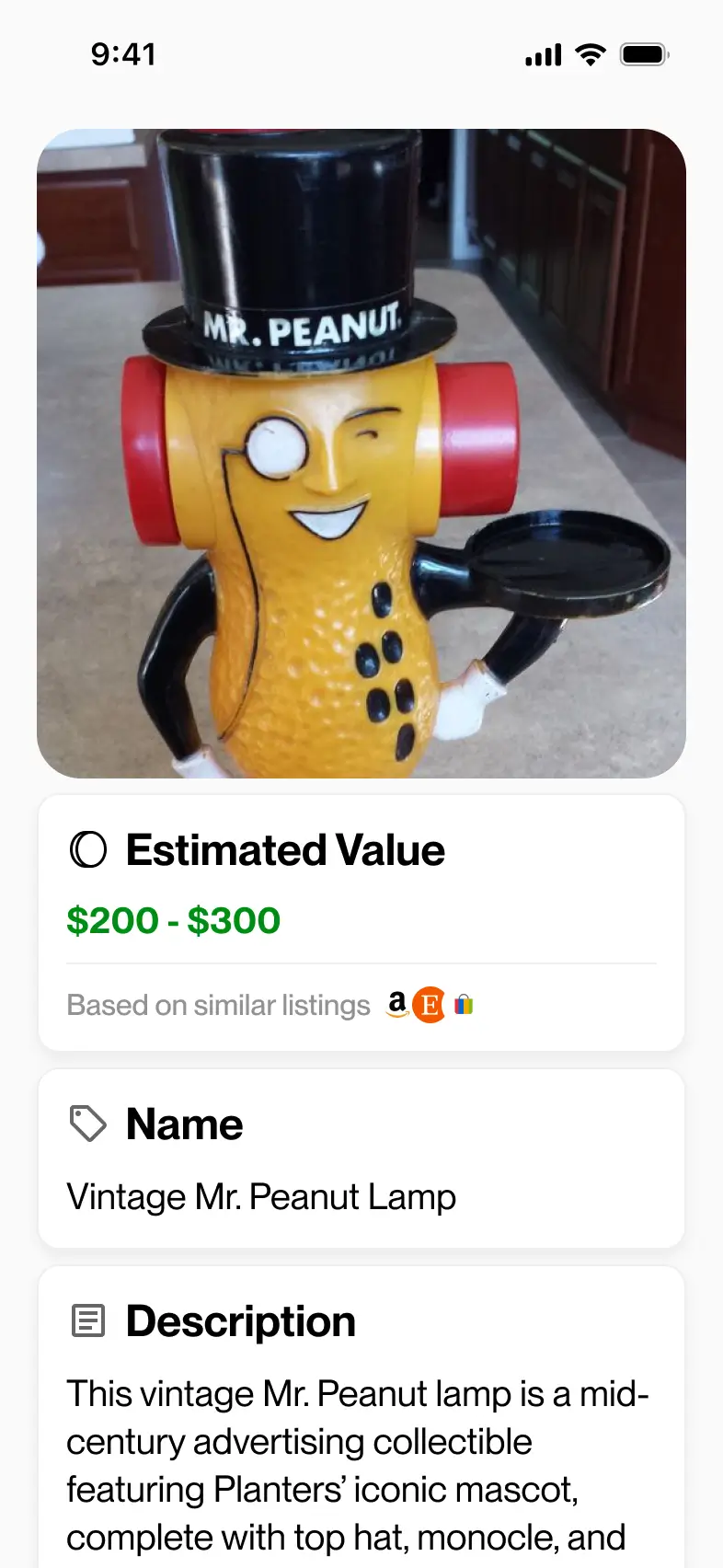
One of the most significant shifts is the integration of live market data. In the past, you would identify an item and then have to go to a separate site to see what it was worth. Now, apps like Relic are beginning to bridge that gap. By taking or uploading a photo, you can get an instant appraisal based on recent realized auction prices and current market trends. This isn't a static "book value" that might be five years out of date; it's a reflection of what people are actually paying right now.
This real-time data is crucial for professionals like dealers, importers, and pickers. If you're at an auction and have thirty seconds to decide whether to bid, you don't have time for a deep-dive research project. You need to know:
- Is this authentic?
- What is its historical significance?
- What is the current market demand?
Expanding Databases Across Global Regions
For a long time, antique identification technology was heavily biased toward Western designs—specifically European porcelain and American furniture. However, there has been a massive push to expand these databases to include motifs from Africa, the Middle East, India, and the Asia Pacific region.
AI is now being trained on the specific geometric complexities of Islamic tilework, the symbolic language of West African Adinkra symbols, and the intricate weave patterns of Southeast Asian textiles. This global expansion allows collectors to identify items that were previously "unsearchable" due to a lack of English-language documentation. It democratizes the field, allowing for the preservation and valuation of cultural heritage from every corner of the globe.
- Regional Motifs: AI can now distinguish between different tribal weaving techniques in the Middle East.
- Global Market Trends: See how a specific type of Indian brassware is performing in European auctions versus North American markets.
- Cross-Cultural Identification: Understand how colonial trade routes influenced patterns, such as how Chinese motifs ended up on Dutch Delftware.
Beyond Identification: Building a Digital Archive
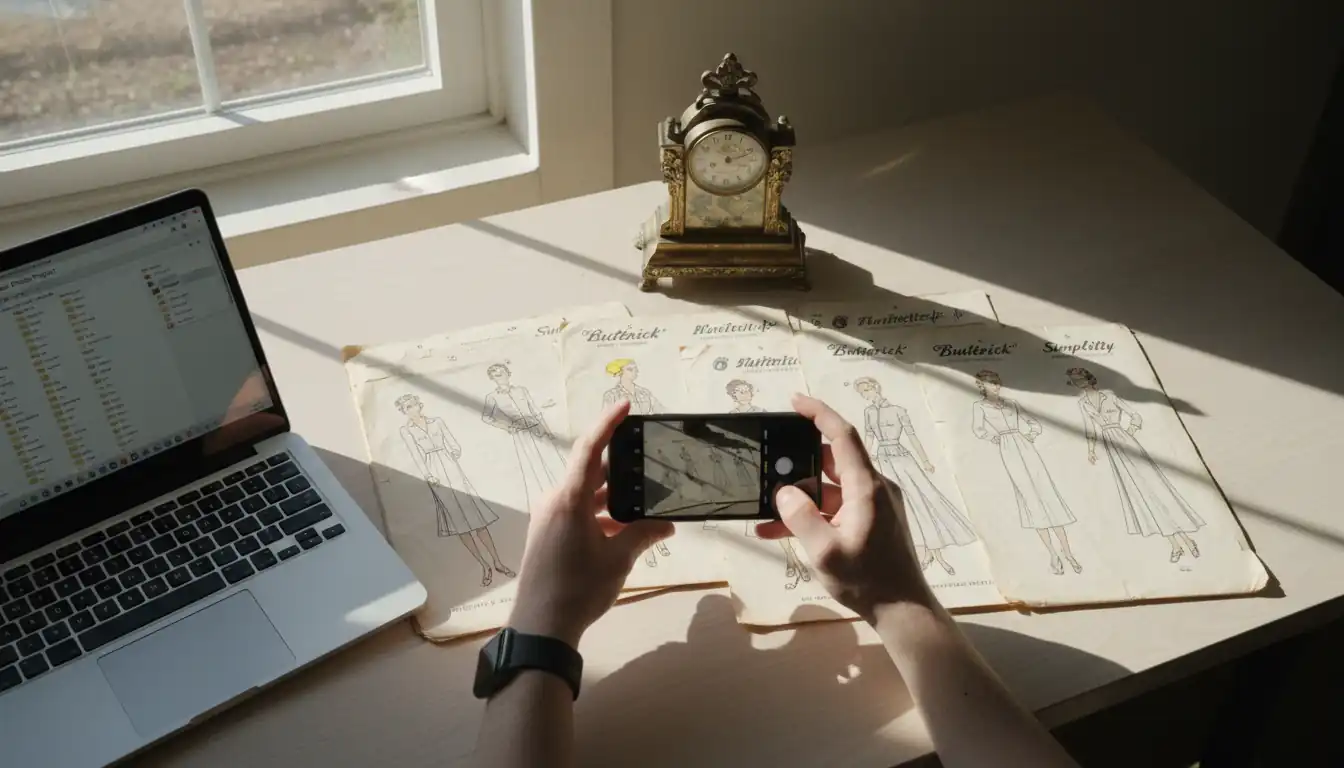
Identifying an item is just the beginning. The real power of modern technology lies in how you manage that information over the long term. For many collectors, the "shoebox full of receipts" method of record-keeping is no longer sufficient. Digital documentation is becoming the standard for professional-grade collection management.
Organizing Your Collection with App Analytics
When you use an app to scan your items, you aren't just getting an answer; you're creating a data point. Modern tools allow you to view your collection through the lens of "Analytics." You can track the total value of your inventory, see which categories are appreciating the most, and identify gaps in your collection.
Imagine being able to see a pie chart of your porcelain collection, categorized by era or manufacturer. Or seeing a timeline of your acquisitions alongside their current market value. This level of insight was once reserved for museum curators and high-end gallery owners. Now, anyone with a smartphone can manage their "portfolio" of antiques with the same precision as a stock market investor.
Protecting Your Legacy Through Digital Documentation
One of the most overlooked aspects of antiquing is the "digital pedigree." When you identify an item through an app like Relic, you are creating a permanent record of its history and origin. This is vital for several reasons:
- Insurance Purposes: If your collection is damaged or stolen, having a digital archive with photos, descriptions, and appraisals makes the claims process significantly smoother.
- Estate Planning: Many families struggle to deal with an inherited collection because they don't know what anything is worth. A digital archive ensures your heirs have a clear roadmap of the collection's value and significance.
- Resale Value: A "documented" item almost always sells for more than an "unidentified" one. Being able to show a potential buyer the full history and appraisal of a piece builds trust and justifies a higher price point.
By storing this information in a secure, specialized environment, you are protecting the "intellectual value" of your collection. You are moving from being someone who "buys old stuff" to being a steward of history.
| Benefit of Digital Archiving | Impact on Collector |
|---|---|
| Instant Retrieval | No more digging through files; find any item's history in seconds. |
| Value Tracking | Watch your net worth grow as market prices fluctuate. |
| Simplified Sharing | Easily send professional-grade reports to insurers or auction houses. |
| Historical Preservation | Ensure the "story" of the item isn't lost when it changes hands. |
Conclusion
The days of guessing at flea markets are over. The marriage of historical expertise and artificial intelligence has created a new landscape for collectors, where information is accessible, accurate, and actionable. Whether you are a professional dealer looking for a quick appraisal or a hobbyist trying to identify a family heirloom, the power of pattern recognition technology is at your fingertips.
By moving away from general search engines and embracing specialized tools like Relic, you gain more than just a name for your items. You gain a deeper understanding of the craftsmanship, the history, and the true value of the objects you love. You are no longer just looking at a pattern; you are reading a story that has been waiting to be told.
Your next step is simple: the next time you find an item that piques your curiosity, don't leave it to chance. Take a photo, let the AI do the heavy lifting, and start building your own digital archive of history. The "needle in the haystack" is still out there—but now, you have a magnet.
Identify antiques instantly
Point your camera at any antique, collectible, or vintage item. Get valuations, history, and market insights in seconds.
Download for iPhone