Stop Leaving Money on the Shelves: How to Spot $500 Flips in Seconds

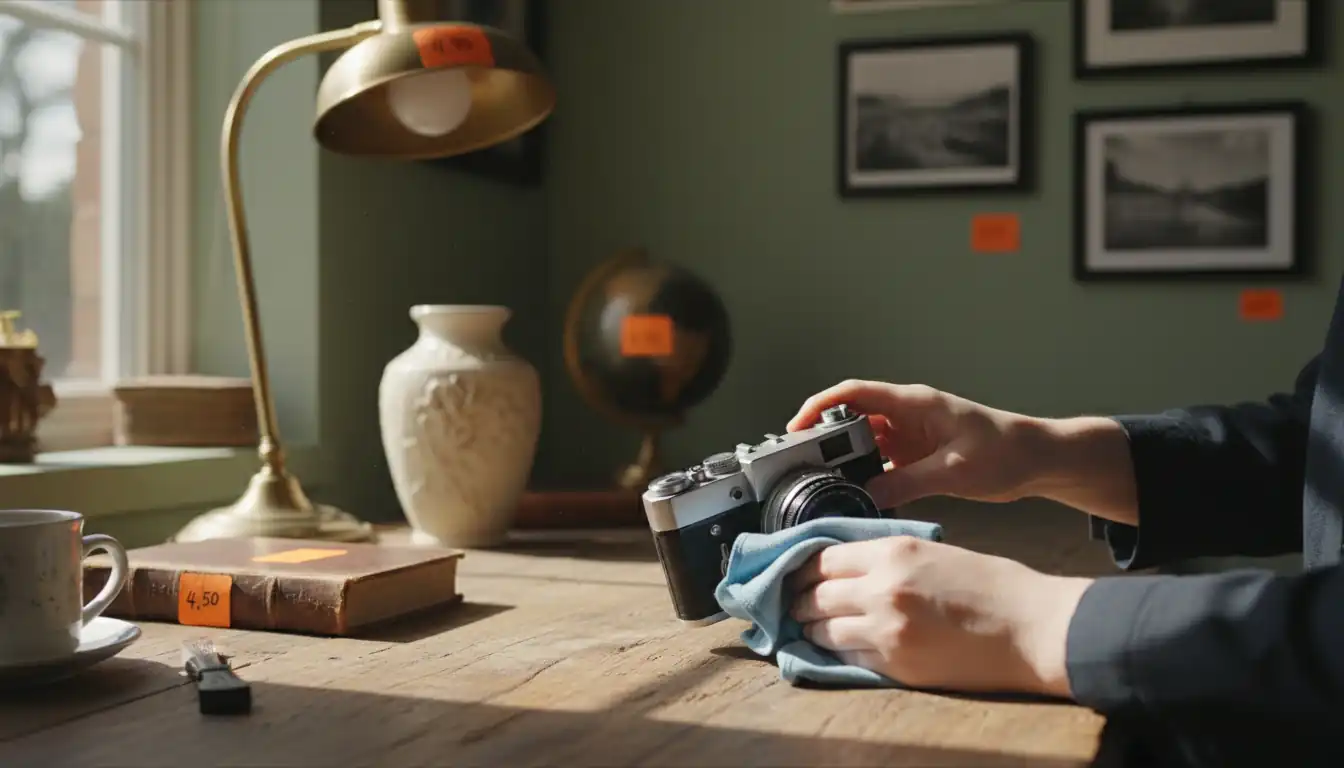
You walk into a local thrift store and see the usual chaos. Racks of faded t-shirts, stacks of chipped dinner plates, and a wall of tangled power cords. To the average shopper, this is a place to find a cheap pair of jeans or a spare coffee mug. To a professional reseller, this room is a treasure map where the gold is hidden in plain sight. Most people leave hundreds of dollars on those shelves simply because they don't know how to look.
The difference between a hobbyist who makes twenty dollars and a professional who clears five hundred in a single trip isn't luck. It is a combination of a refined strategy, the right digital tools, and an eye for quality that transcends brand names. You don't need a lifetime of experience to spot a high-value antique or a rare piece of vintage tech. You just need a system that removes the guesswork.
By the time you finish reading this, you will have a blueprint for transforming your local thrift circuit into a consistent source of income. We will cover how to map your territory, which overlooked categories hold the highest margins, and how to use modern technology to identify valuable items in seconds. It is time to stop browsing and start sourcing.
The Strategic Shift from Shopper to Sourcing Pro
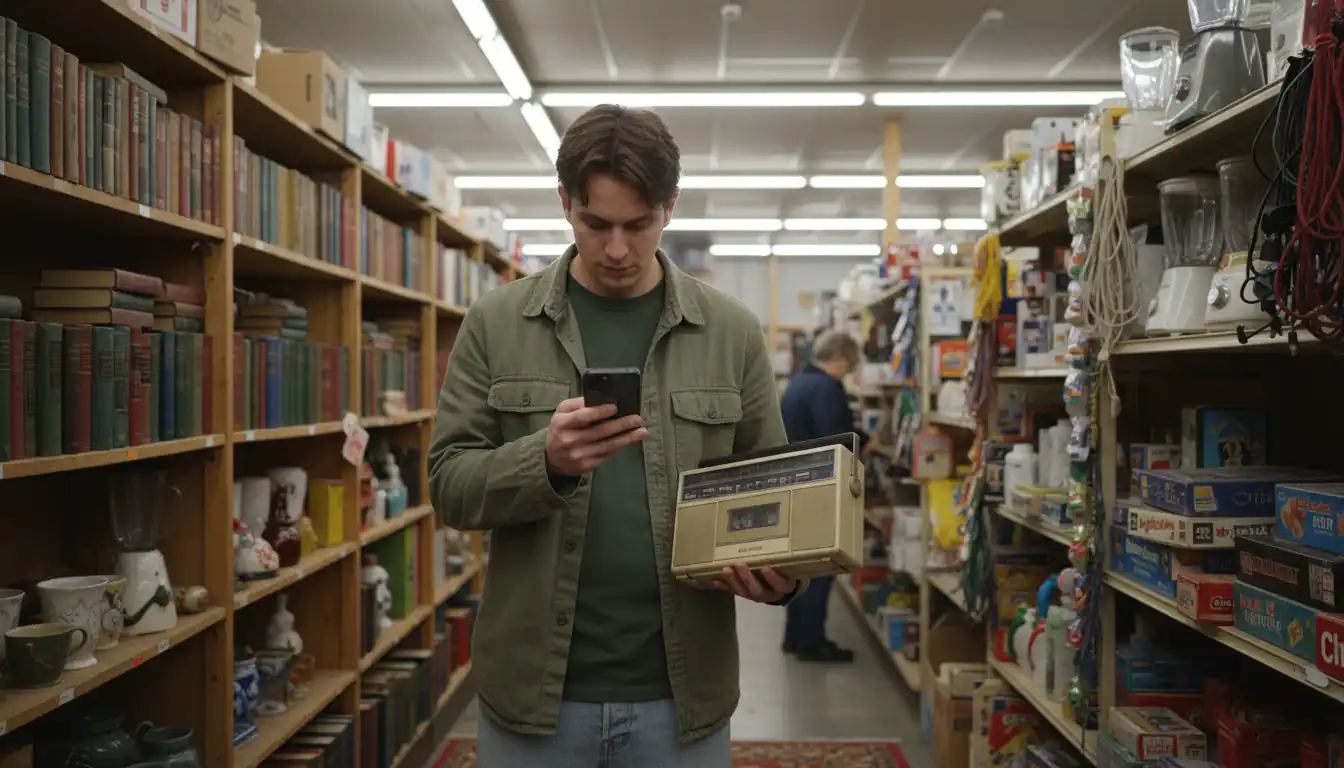
Transitioning from a casual flipper to a professional reseller requires a fundamental change in how you spend your time. A shopper wanders; a pro executes a plan. Your goal is to maximize your "profit per hour." This means you cannot afford to look at every single item in the store. You must learn to ignore the noise and head straight for the sections where the highest margins live.
Identifying High-Margin Categories Beyond Clothing
Most beginners gravitate toward the clothing racks. While clothing can be profitable, it is also labor-intensive. You have to check for stains, holes, and odors, and then you have to deal with sizing issues and returns. If you want to find $500 flips, you need to look at "hard goods" that most people walk right past.
- Vintage Electronics: Look for items that served a specific purpose before the smartphone era. High-quality film cameras, silver-faced stereo receivers from the 1970s, and even high-end graphing calculators can fetch significant sums. Brands like Sony, Marantz, and Nikon are obvious, but keep an eye out for "prosumer" gear—items that were expensive for hobbyists when they were new.
- Specialized Sporting Goods: Skip the generic basketballs and look for niche equipment. Vintage wooden tennis rackets from specific eras, high-end cycling components (like Campagnolo parts), or specialized equestrian gear often have a dedicated collector market. These items are frequently priced low by thrift store staff who don't recognize their technical value.
- Out-of-Print Media: While most DVDs are worthless, certain niche categories are gold mines. Look for box sets from small distribution labels, instructional videos for obscure hobbies, or factory-sealed cassette tapes. High-quality blank tapes (like Type IV metal tapes) can sell for $50 to $100 each to audiophiles.
Mapping Your Local Thrift Circuit for Maximum Efficiency
You cannot rely on a single store if you want to scale your business. You need a "sourcing route" that you can run like a delivery driver. This involves understanding the demographics of different neighborhoods and how they influence the inventory.
- The Wealthy Neighborhood Loop: Stores in affluent areas are more likely to have high-end kitchenware and designer decor. However, they are also more likely to be picked over by other resellers. Visit these stores mid-week, right after they restock from weekend donations.
- The "Retirement Community" Store: These are often the best places to find genuine antiques and vintage items. When people downsize, they often donate high-quality items that have been in their homes for decades. This is where you will find mid-century modern pieces and high-quality ceramics.
- The Industrial/Rural Outskirts: Stores located further away from city centers often have lower prices and less competition. These are prime locations for finding vintage tools, heavy-duty electronics, and "primitive" decor that sells well to the farmhouse-style market.
Pro Tip: Ask the store managers when they roll out new "bins" or "cages." Most stores have a schedule. If you know the new inventory hits the floor at 10:00 AM on Tuesdays, you can be there at 9:55 AM.
| Store Type | Best Items to Look For | Competition Level |
|---|---|---|
| Affluent Suburban | Designer Kitchenware, High-end Decor | High |
| Retirement Area | Antiques, Vintage Media, Fine China | Medium |
| Rural/Industrial | Tools, Vintage Electronics, Primitives | Low |
The Digital Toolkit for Modern Resellers
In the past, becoming an antique expert took decades of study and a library of reference books. Today, that knowledge is available in your pocket. The "fear of the unknown" is the biggest barrier for new resellers. You see a strange, heavy vase with an unusual mark on the bottom, but you don't buy it because you aren't sure if it’s a masterpiece or a mass-produced souvenir. Technology has solved this problem.
Leveraging AI for Instant Antique Appraisals
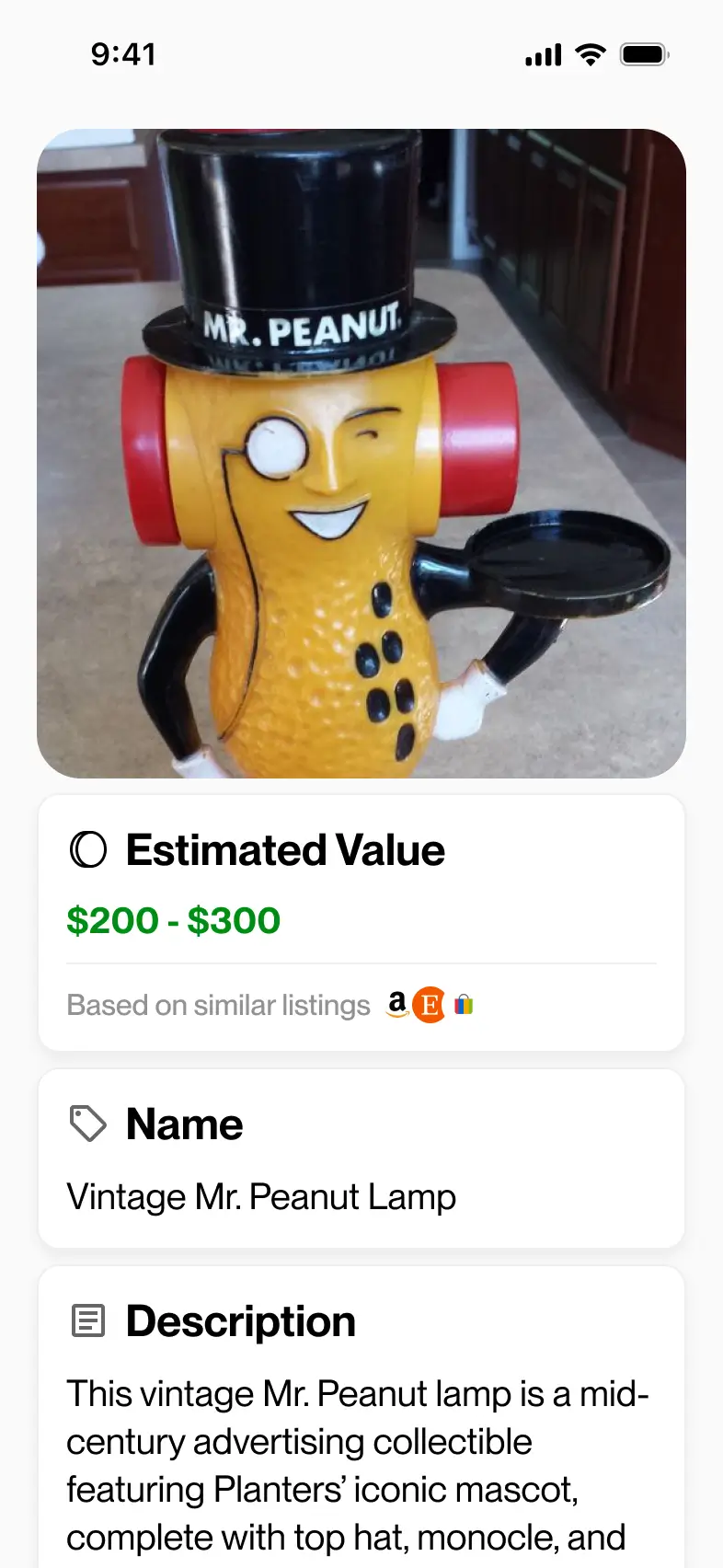
The most significant advancement for resellers is the ability to identify items using visual search and artificial intelligence. This is where an app like Relic becomes an essential part of your kit. Instead of spending twenty minutes searching Google for "blue vase with bird mark," you can simply take a photo.
Relic uses advanced AI to analyze the item and provide a real appraisal, including its history and origin. It effectively gives you the eyes of a professional appraiser. When you are standing in a crowded aisle, speed is everything. Being able to get a valuation and historical context in seconds allows you to make a confident "buy" decision before someone else spots the item. This technology levels the playing field, allowing you to spot a $500 antique even if you’ve never seen one before.
Essential Hardware for Field Research
While your phone is your most important tool, a few pieces of physical hardware will make your sourcing trips more professional and effective.
- High-Powered LED Flashlight: This isn't for seeing in the dark. A bright, focused beam helps you spot "flea bites" (tiny chips) in glass, cracks in ceramics, or signatures hidden under thick varnish on a painting. It is also essential for checking the condition of camera lenses for fungus or dust.
- Portable Digital Scale: If you find an item that looks like it might be silver or gold, weight is a primary indicator of value. A small pocket scale allows you to verify if a piece of jewelry or a spoon is solid precious metal or just plated.
- External Battery Pack: Running AI-heavy apps like Relic and keeping your screen at full brightness will drain your battery quickly. Never let a dead phone end a profitable sourcing trip.
- A "Testing Kit": Keep a small bag in your car with basic batteries (AA, AAA, 9V) and a few common charging cables. Being able to test an electronic item in the store can be the difference between a $5 risk and a $50 guaranteed profit.
Hidden Treasures in the Home Goods Aisle
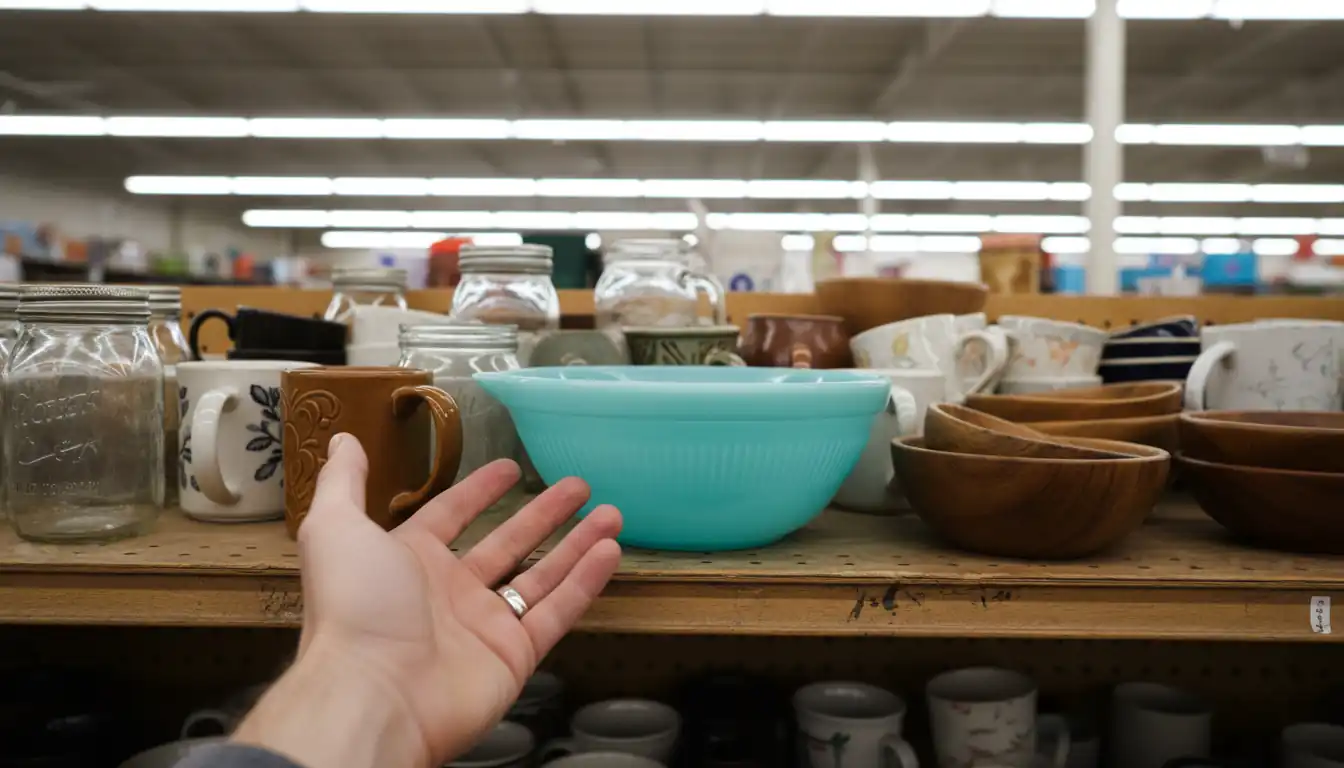
The "hard goods" or home decor section is often the most profitable area of a thrift store. Unlike clothing, which wears out, high-quality home goods often appreciate in value. The key is learning to look for "quality markers"—the physical signs that an item was expensive when it was first made.
The Surprising Resale Value of Mid-Century Kitchenware
Kitchenware is a staple of the flipping world because everyone needs it, and many people collect it. However, you aren't looking for modern plastic containers. You are looking for brands and patterns that have a cult following.
- Pyrex and Fire-King: Not all Pyrex is equal. Look for bright colors and specific patterns like "Pink Gooseberry" or "Butterprint." Avoid items with "dishwasher heat" (a dull, chalky finish), as collectors want pieces that still shine.
- Le Creuset and High-End Enamelware: These items are heavy and built to last a lifetime. Even a chipped piece of Le Creuset can have significant resale value because of the brand's reputation.
- Japanese and Scandinavian Ceramics: Look for marks on the bottom that say "Made in Japan" (especially mid-century pieces) or names like "Dansk" or "Arabia Finland." These pieces often feature minimalist designs that are highly sought after by modern interior decorators.
Identifying Valuable Art and Decor Without a Degree
Art is often the most intimidating category for resellers. How do you tell a $5 print from a $500 original painting? You don't need to be an art historian; you just need to look at the construction.
- Check the Frame: High-quality art is rarely put in a cheap, lightweight frame. Look for heavy wood, ornate plaster details, or frames with "gallery" labels on the back. Sometimes the frame itself is worth more than the art inside it.
- Look for Texture: Run your finger (carefully) over the surface. Can you feel the ridges of the paint? If it’s perfectly flat, it’s likely a print. If there is texture, it could be an original oil or acrylic painting.
- Use Visual Verification: This is another area where Relic shines. If you find a piece of pottery or a sculpture that feels "right" but lacks a clear signature, the app can analyze the style and form to provide historical context. It can identify the era or the specific studio where the piece originated, turning a "maybe" into a "must-buy."
Key Insight: Quality has a specific weight and feel. If an item feels surprisingly heavy for its size or has a cold, smooth finish (like real stone or high-quality porcelain), it warrants a closer look with your appraisal tools.
Creating Listings That Command Premium Prices
Finding the item is only half the battle. To get $500 for a $5 find, you have to present it in a way that justifies that price. You are no longer a thrift store shopper; you are a boutique curator. Your online listing is your storefront, and first impressions are everything.
Staging and Photography Secrets for Non-Photographers
You don't need a professional studio or an expensive DSLR camera. Your smartphone is more than capable of taking high-end product photos if you follow a few basic rules.
- The Power of Natural Light: Never use your camera's flash. It creates harsh shadows and "hot spots" on shiny surfaces. Instead, set up a small table near a large window. The soft, diffused light of a cloudy day is the best friend of a reseller.
- Simple Backdrops: Eliminate distractions. A roll of white seamless paper or a clean, neutral-colored bedsheet works wonders. For "lifestyle" shots of home decor, a clean wooden tabletop or a minimalist shelf can help the buyer visualize the item in their own home.
- The "Hero" Shot: Your first photo should be the entire item, clearly visible, with no clutter. Subsequent photos should show details: the maker's mark, the texture of the material, and any flaws. Being honest about flaws builds trust and prevents returns.
Using Item History to Write Compelling Descriptions
A good description does more than list the dimensions. It tells a story. Buyers are often looking for a connection to the past or a specific aesthetic. This is where the data you gathered during the sourcing phase becomes your best sales tool.
When you use an app like Relic to identify an item, you receive more than just a price. You get the history, the origin, and the cultural context of the piece. Copy this information into your listing. Instead of saying "Old Blue Vase," you can say:
"This mid-century cobalt glass vase was produced in the Empoli region of Italy during the 1960s. Known for its vibrant color and iconic 'honeycomb' texture, this piece represents the height of Italian modernist glasswork."
Which one would you pay more for? By providing this level of detail, you position yourself as an expert. You aren't just selling a used item; you are selling a piece of history. This expertise allows you to command premium prices and attracts serious collectors who are willing to pay for quality and authenticity.
Scaling from Hobbyist to Professional Reseller
Once you have a few successful flips under your belt, the temptation is to spend your profits immediately. If you want to turn this into a significant secondary income stream, you must treat your earnings like business capital.
The Math of Reinvestment and Profit Tracking
The "70/30 Rule" is a simple but effective way to manage your growth. Reinvest 70% of your net profits back into your inventory. This allows you to buy higher-quality items with even larger margins. The remaining 30% can be your "paycheck."
You must also track every single expense. Flipping is a business of small leaks. If you don't account for the following, your "profit" might be an illusion:
- Gas and Mileage: Sourcing routes cost money in fuel and wear on your vehicle.
- Packaging Materials: Bubble wrap, tape, and boxes add up quickly.
- Platform Fees: eBay, Etsy, and Poshmark all take a cut.
- Returns: Always set aside a small percentage of your income to cover the occasional "item damaged in shipping" or "buyer changed their mind" scenario.
Streamlining Shipping and Inventory Logistics
As you grow, the "death pile" (the stack of unlisted items in your guest room) will become your biggest enemy. Efficiency in your "back office" is just as important as efficiency in the thrift store.
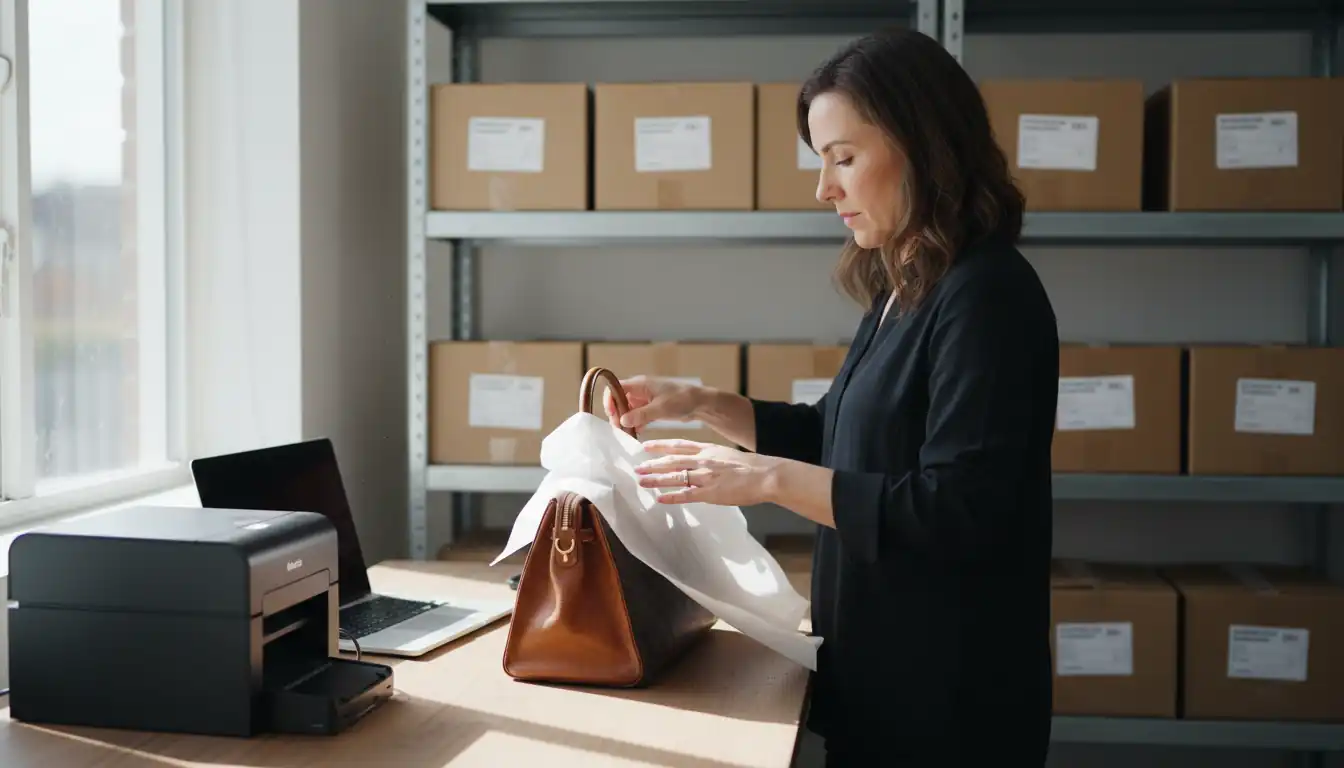
- Dedicated Shipping Station: Don't hunt for tape every time you sell an item. Set up a desk with a thermal label printer (which saves a fortune on ink), a stack of common box sizes, and plenty of packing material.
- Cross-Listing Software: To reach the most buyers, you should have your items on multiple platforms. Use cross-listing tools to post your item to eBay, Etsy, and Facebook Marketplace simultaneously. This increases the "eyes" on your product and leads to faster sales.
- Inventory Numbering: Once you have more than 50 items, you will forget where you put things. Use a simple numbering system. Label a plastic bin "Bin A" and mark the item's listing with "Location: Bin A." This saves hours of searching when an item finally sells.
| Task | Hobbyist Approach | Professional Approach |
|---|---|---|
| Sourcing | Goes when they feel like it | Follows a strict weekly route |
| Identification | Guesses or spends hours on Google | Uses AI tools like Relic for instant data |
| Photography | Dark photos on a messy carpet | Natural light on a clean backdrop |
| Shipping | Reuses old grocery bags | Uses professional boxes and thermal labels |
Conclusion
Thrift flipping is one of the few businesses where you can start with fifty dollars and turn it into thousands through nothing but knowledge and effort. The "gold" is already on the shelves; most people just don't have the eyes to see it. By shifting your mindset from a shopper to a professional, utilizing tools like the Relic app to remove the guesswork, and treating your listings like a high-end boutique, you can stop leaving money behind.
Your next step is simple: Map out three thrift stores you’ve never visited before. Charge your phone, download your research tools, and head out with the intention of looking at the items everyone else is ignoring. You don't need to find a hundred items; you just need to find the right one. Happy hunting.
Identify antiques instantly
Point your camera at any antique, collectible, or vintage item. Get valuations, history, and market insights in seconds.
Download for iPhone