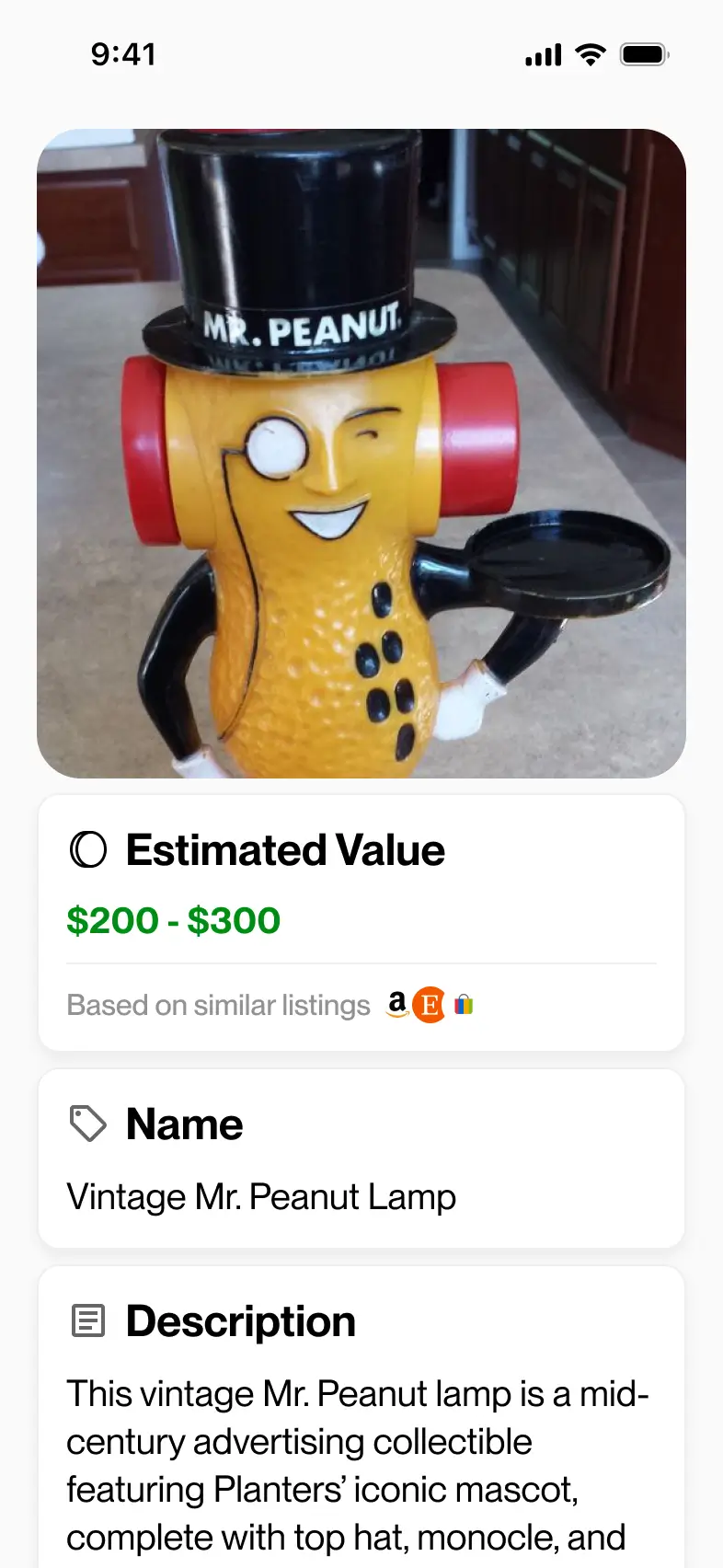
Stop Leaving Money on the Shelves: How to Spot Hidden Gems at Any Thrift Store


You walk into a local thrift store and see rows of cluttered shelves. To the untrained eye, it looks like a mountain of discarded junk—chipped mugs, outdated electronics, and piles of faded t-shirts. But to a seasoned reseller, that same room is a goldmine waiting to be tapped. The difference between the person who leaves empty-handed and the person who walks out with a $200 profit is simply the ability to see what others miss.
Hidden gems aren't always shiny or new. In fact, the most valuable items are often the ones covered in a layer of dust or tucked away in a corner behind a stack of old board games. Spotting these treasures requires a blend of intuition, historical knowledge, and the right technology. You don't need to be an art historian to make a living flipping items, but you do need a system to distinguish trash from treasure.
This guide will walk you through the process of transforming your thrift store visits into high-margin sourcing trips. You will learn how to categorize inventory, use advanced tools to identify rare finds, and build a business that scales. By the time you finish reading, you’ll have a professional framework for spotting, valuing, and selling items that most people would walk right past.
The High-Profit Hierarchy of Thrift Store Finds
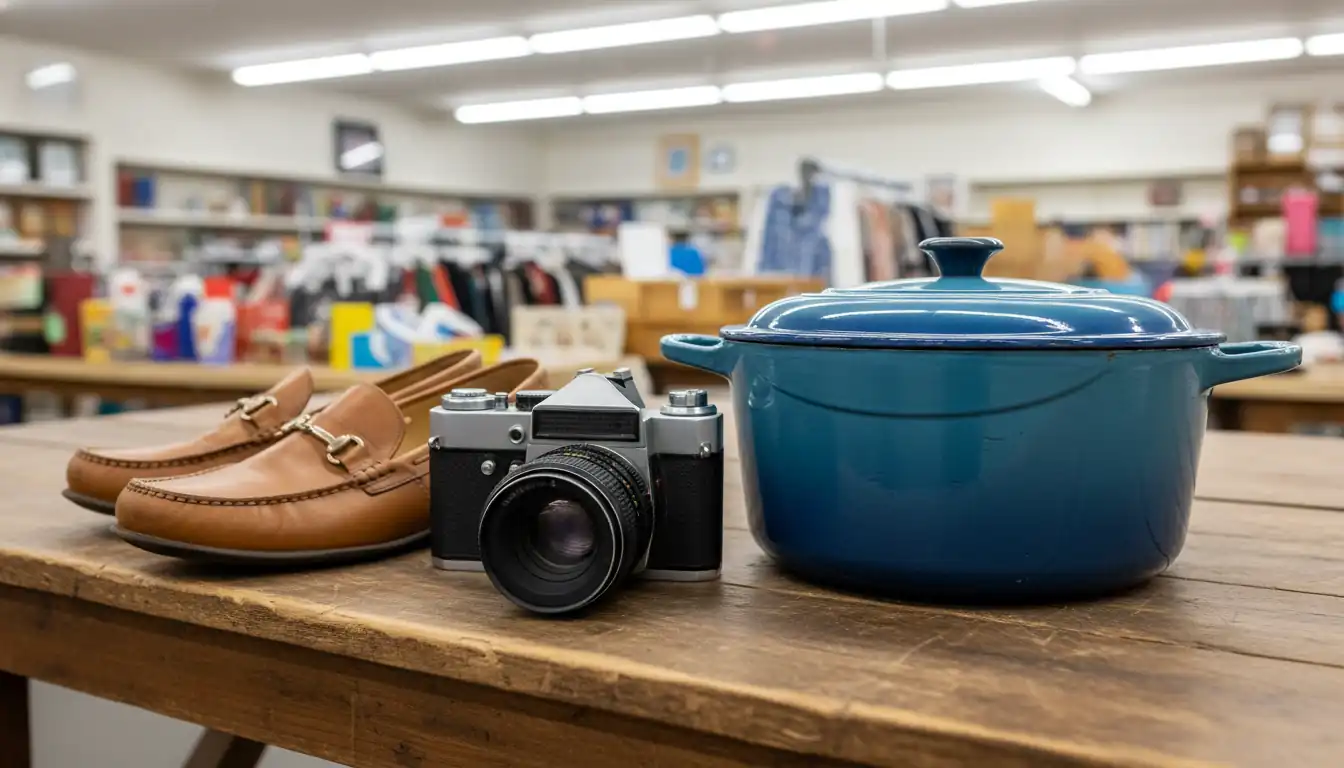
Every successful reseller operates on a hierarchy of value. If you try to research every single item in a store, you will run out of time before you find a single profitable flip. Instead, you must train your eyes to scan for specific categories that offer the best return on investment. This hierarchy separates the "bread and butter" items from the "home runs."
High-Margin Antiques vs. Fast-Moving Basics
When you ask, "What is the most profitable item to flip?" the answer is almost always antiques and high-end collectibles. These are the "home run" items. A mid-century modern teak ice bucket might cost you $5 and sell for $150. A signed piece of studio pottery could be priced at $2 and worth $500. These items have high margins because their value is subjective and often overlooked by thrift store employees who are more focused on pricing recognizable brands.
On the other hand, "bread and butter" items are the easiest things to resell online. This category includes designer clothing, high-end kitchen appliances, and popular electronics. Think of brands like Patagonia, Lululemon, or Vitamix. These items sell quickly because they have high search volume. While the profit margins might be lower—perhaps buying for $10 and selling for $40—the turnover is fast. This keeps your cash flowing while you hunt for the bigger scores.
| Category | Profit Margin | Turnover Speed | Skill Required |
|---|---|---|---|
| Antiques/Collectibles | Very High | Moderate to Slow | High |
| Designer Apparel | Moderate | Fast | Moderate |
| Small Electronics | Moderate | Very Fast | Low |
| Vintage Decor | High | Moderate | Moderate |
The Psychology of Resale Value
Why does one glass vase sell for $5 while another sells for $500? It comes down to three factors: scarcity, condition, and provenance. Scarcity is straightforward—if they don't make it anymore, and people want it, the price goes up. Condition is the great equalizer; even a rare item loses value if it’s cracked or stained. Provenance, or the history of the item, is where the real money is made.
The challenge for most beginners is the knowledge gap. You might see a heavy, colorful glass bowl and wonder if it’s Murano glass from Italy or a mass-produced piece from a hobby store. This is where the Relic app becomes an essential part of your kit. Instead of guessing, you can use Relic to identify the item’s origin and history instantly. By bridging that gap between "I think this is old" and "I know this is a 1960s Chalet glass piece," you can confidently invest your capital in items that others are too afraid to touch.
"The most successful flippers aren't the ones who know everything; they are the ones who know how to find the answer the fastest."
Mastering the Art of the Digital Appraisal
Once you have an item in your hand, the clock is ticking. You need to know its value before someone else grabs it or before you waste money on a dud. In the past, this meant spending hours scrolling through eBay "Sold" listings or carrying around heavy price guides. Today, technology has condensed that process into a few seconds.
Leveraging AI for Instant Identification
The most significant advantage you can have in a crowded store is an instant appraisal tool. While many resellers use Google Lens to find similar images, that often leads to a sea of active listings with inflated prices. You need more than just a visual match; you need context.
Using the Relic app changes the dynamic of sourcing. When you find a piece of pottery with an illegible maker's mark or a painting with an obscure signature, you can simply take or upload a photo. Relic uses advanced AI to analyze the item, providing a real appraisal, its history, and its origin. This isn't just about finding a price tag; it's about understanding what you are holding. Knowing that a chair was designed by a specific Danish architect in 1954 allows you to price it as a piece of history rather than just a place to sit.
Researching Sold Listings for Real-World Pricing
After you’ve identified the item, you need to validate the market demand. An appraisal gives you the theoretical value, but "Sold" listings tell you what people are actually paying right now. This is a crucial distinction. An item might be "worth" $200, but if none have sold in the last two years, it’s a "long tail" item that will sit on your shelf for a long time.
- Check Sell-Through Rate: Look at how many items are currently listed versus how many have sold in the last 90 days. If 100 are listed and only 2 have sold, the market is oversaturated.
- Analyze Price Fluctuations: Are prices trending up or down? Seasonal items like vintage Christmas decor will peak in November and bottom out in January.
- Look for "Flaws" in Sold Listings: Did a damaged version sell for $50? If yours is mint, you can safely aim higher.
By combining the historical data and appraisal from Relic with real-time market data, you create a fail-safe sourcing strategy. You stop buying on "gut feeling" and start buying on data.
Strategic Sourcing Beyond the Big Box Stores
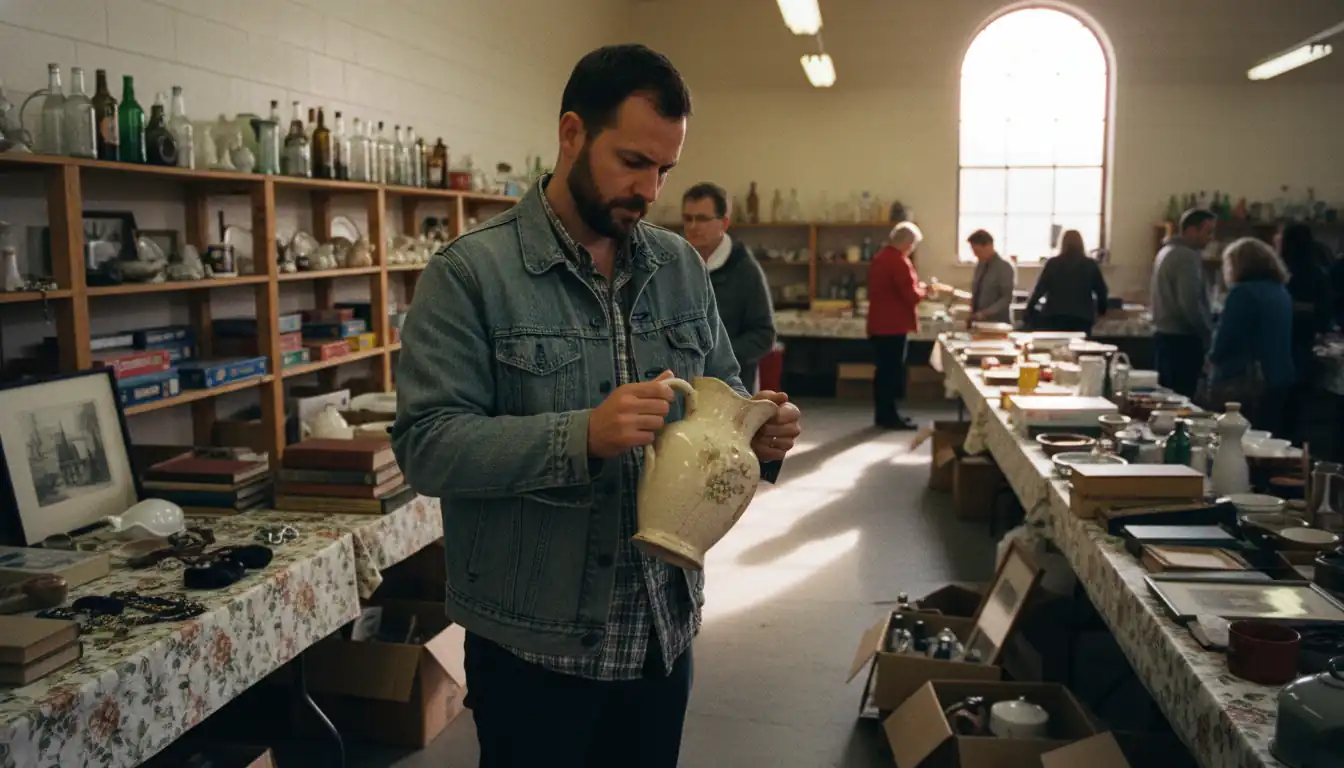
If you only shop at the major national thrift chains, you are competing with every other reseller in town. To find the truly high-margin items, you have to go where the competition is thin. This requires a more strategic approach to where and when you source.
Finding Niche Thrift Outlets and Estate Sales
While Goodwill and Salvation Army are convenient, they often have "e-commerce teams" that pull the best items to sell online before they ever hit the sales floor. To find the items they missed, look for:
- Church and Hospital Auxiliary Shops: These are often staffed by volunteers who may not be tech-savvy. They are more likely to price a high-end antique as "old glass" because they want to move inventory quickly.
- Estate Auctions (Online and In-Person): Estate sales are great, but online estate auctions are even better. Many people are intimidated by the bidding process, which leaves plenty of room for professional flippers to snag deals on furniture and art.
- Small-Town "Junk" Shops: The further you get from a major city, the lower the prices tend to be. A Saturday morning drive to a rural town can yield inventory that hasn't been picked over by urban resellers.
Timing Your Visits for Maximum Inventory
Success in flipping is often a matter of being in the right place at the right time. Most stores have a rhythm. If you show up at 4:00 PM on a Saturday, you are looking at the leftovers.
- The Monday Morning Strategy: Many people donate their items over the weekend. This means Monday and Tuesday are often the heaviest processing days for thrift stores.
- Build Relationships: Get to know the staff. You don't need to be pushy, but being a polite, "regular" customer goes a long way. Sometimes, a manager might mention that they just received a large donation of vintage toys or estate jewelry that will be put out the next morning.
- The "New Cart" Rule: In many stores, employees bring out rolling racks of new inventory throughout the day. Position yourself near the processing doors (without being a nuisance) to get the first look at items as they are shelved.
"Your sourcing route should be a living document. If a store hasn't produced a good find in three visits, swap it out for a new location."
Creating Listings That Command Premium Prices
Finding the item is only half the battle. To get the prices that make your effort worthwhile, you have to present the item as a professional dealer would. You aren't just selling a "used item"; you are selling a curated piece of history.
Photography Secrets for High-End Flips
Your photos are your storefront. If they are blurry, dark, or cluttered, buyers will assume the item is low-quality. You don't need a professional studio, but you do need to follow a few basic rules.
- Use Natural Light: Avoid using a flash, which creates harsh glares on glass and ceramics. Position your item near a large window during the day.
- Neutral Backgrounds: A simple white or light gray backdrop (even a clean sheet or a piece of foam board) makes the item pop. It removes distractions and makes your listing look professional.
- The "Macro" Rule: If an item has a maker's mark, a signature, or a specific texture, take a close-up photo. Buyers of antiques are looking for these details to verify authenticity.
- Show the Flaws: Transparency builds trust. If there is a small chip or a scratch, photograph it clearly. It’s better to lose a sale now than to deal with a return and a negative review later.
Writing Descriptions That Build Trust and Authority
This is where your research pays off. Instead of writing "Old blue vase," you can use the data you gathered from the Relic app to write a description that justifies a premium price.
Example of a Weak Description: "Vintage blue glass vase. Good condition. 8 inches tall."
Example of a High-Authority Description: "Mid-Century Modern Blenko Glass Floor Vase in 'Sky Blue.' Hand-blown in West Virginia, circa 1962. This piece features the iconic dimpled texture and pontil mark on the base, characteristic of the Joel Philip Myers era. No chips or cracks. A stunning example of American art glass history."
By including the era, the maker, and the specific historical context, you are building "provenance." You are telling the buyer why this item is special. This level of detail attracts serious collectors who are willing to pay more for an item that has been properly identified and vetted.
Scaling Your Resale Business for Long-Term Growth
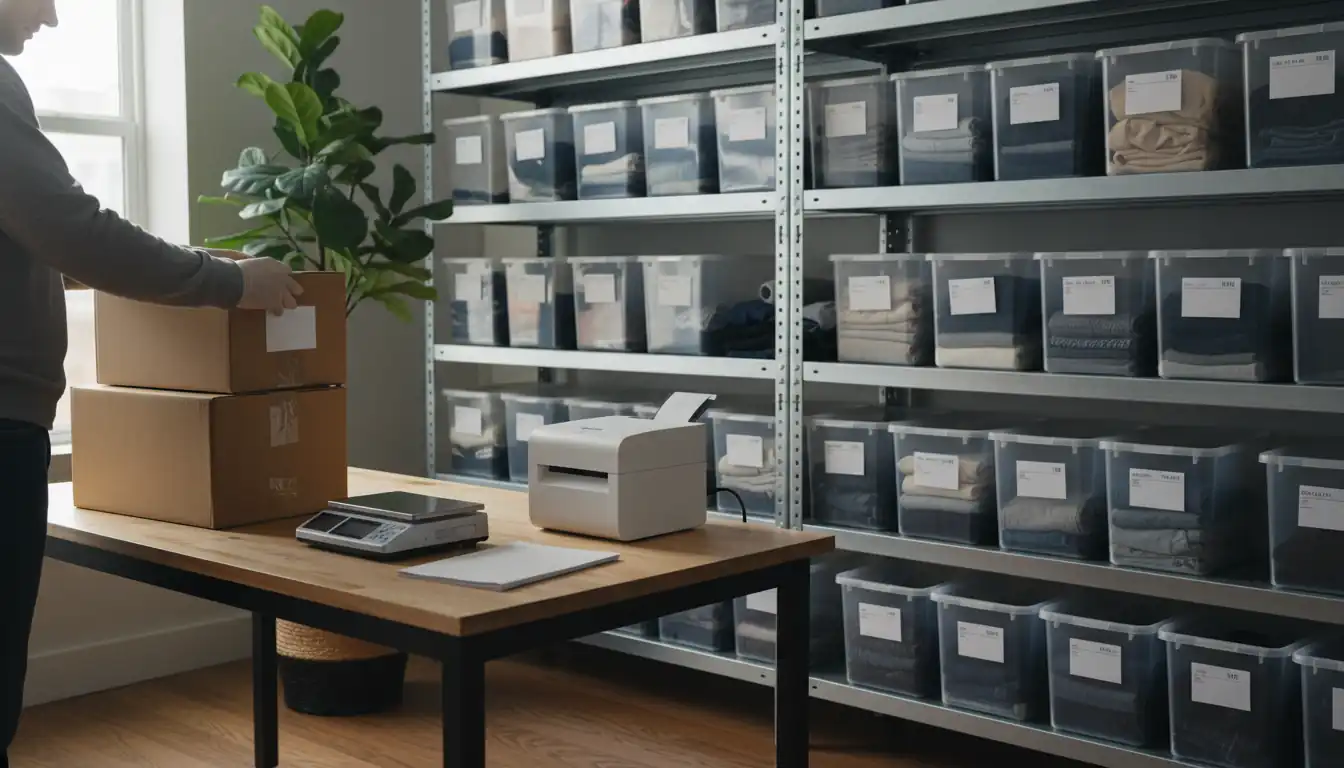
Many people start flipping as a hobby, but it can quickly turn into a significant income stream if you treat it like a business. Scaling requires you to move away from "hunting" and toward "investing."
Managing Logistics Without Losing Your Mind
As you grow, the "mess" of flipping can become overwhelming. You need a system for storage and shipping to remain profitable.
- Inventory Management: Assign a SKU or a location code to every item. When an item sells, you should be able to find it in seconds, not minutes.
- Shipping Efficiency: Buy your shipping supplies in bulk. Use a thermal label printer to save time and money on ink. Remember, shipping is often where profit margins go to die, so always weigh your items accurately before listing.
- Margin Management: Are online thrift stores profitable? Yes, but only if you track your expenses. Subtract your platform fees, shipping costs, and original purchase price from every sale. If you aren't clearing at least 30-40% profit after all expenses, you need to adjust your sourcing criteria.
Reinvesting Profits into High-Ticket Inventory
The biggest mistake new resellers make is spending their profits on personal expenses too early. If you want to scale, you must reinvest that money into higher-value items.
Instead of buying ten $5 items to flip for $20 each, look for one $50 item that you can flip for $300. These high-ticket items require more knowledge and better tools, but they take up less storage space and require less labor to list and ship. This is where your expertise—and your use of the Relic app—becomes your most valuable asset. As you become more confident in identifying rare antiques and fine art, you can move into the "high-stakes" areas of the thrift store where the real wealth is hidden.
| Stage | Focus | Typical Buy Price | Typical Sell Price |
|---|---|---|---|
| Beginner | Learning brands, fast flips | $1 - $10 | $20 - $40 |
| Intermediate | Niche categories, vintage decor | $10 - $30 | $50 - $150 |
| Advanced | Rare antiques, fine art, MCM | $50 - $200 | $300 - $1,000+ |
Conclusion
The world of thrifting is a level playing field. The same items are available to everyone who walks through the door, but the profits only go to those who can identify value in real-time. By understanding the hierarchy of profitable finds, using AI-powered tools like Relic for instant appraisals, and sourcing strategically, you can stop leaving money on the shelves.
Success in this business isn't about luck; it's about the systematic application of knowledge. Start by refining your eye for "bread and butter" items to build your capital, then use that capital to hunt for the high-margin antiques that others overlook. Every dusty shelf holds a potential windfall—you just need the right tools to see it.
Your next step is simple: head to your local thrift store, open your eyes to the details, and don't be afraid to look a little closer at the items everyone else is walking past. The gems are there. Go find them.
Identify antiques instantly
Point your camera at any antique, collectible, or vintage item. Get valuations, history, and market insights in seconds.
Download for iPhone