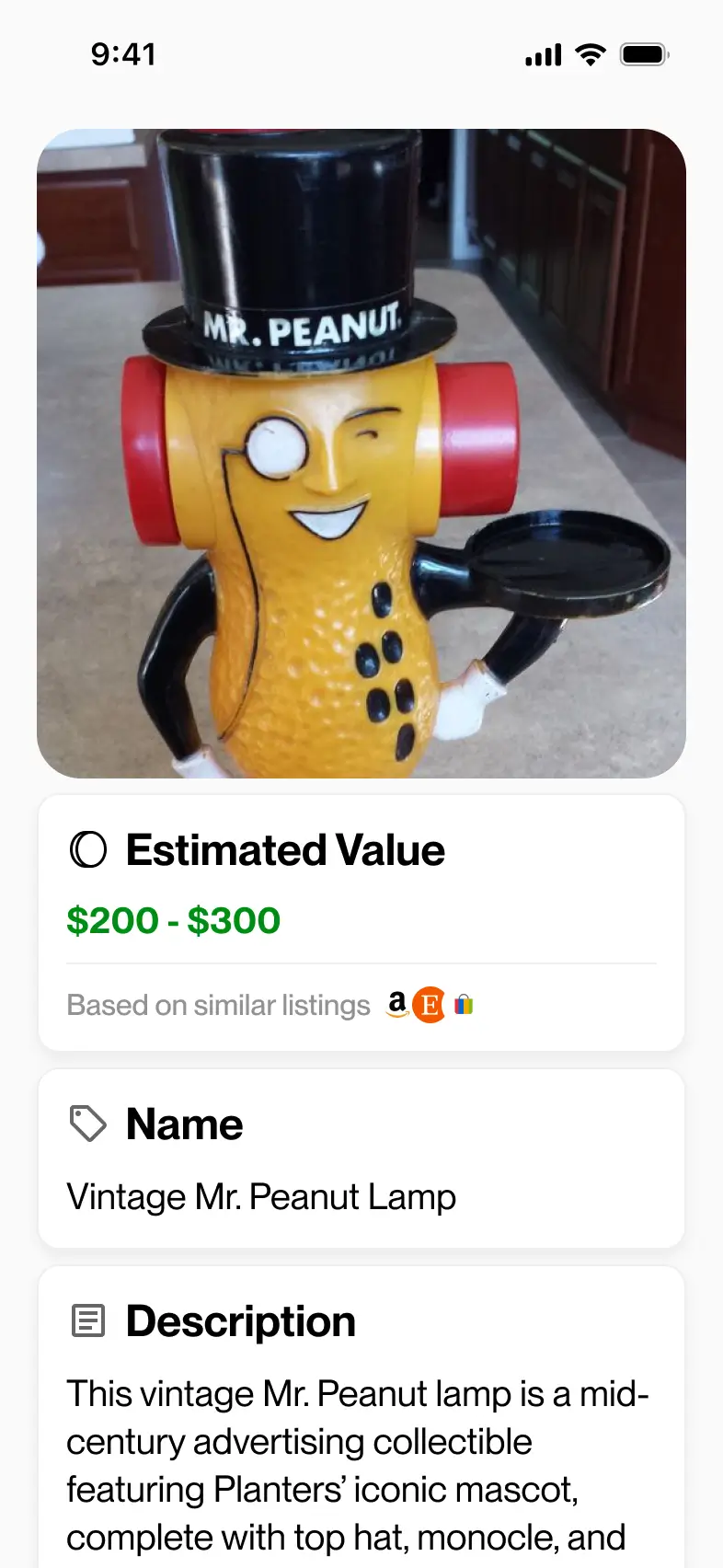
Stop Walking Past Money: How to Spot $500 Hidden Gems at Your Local Thrift Store

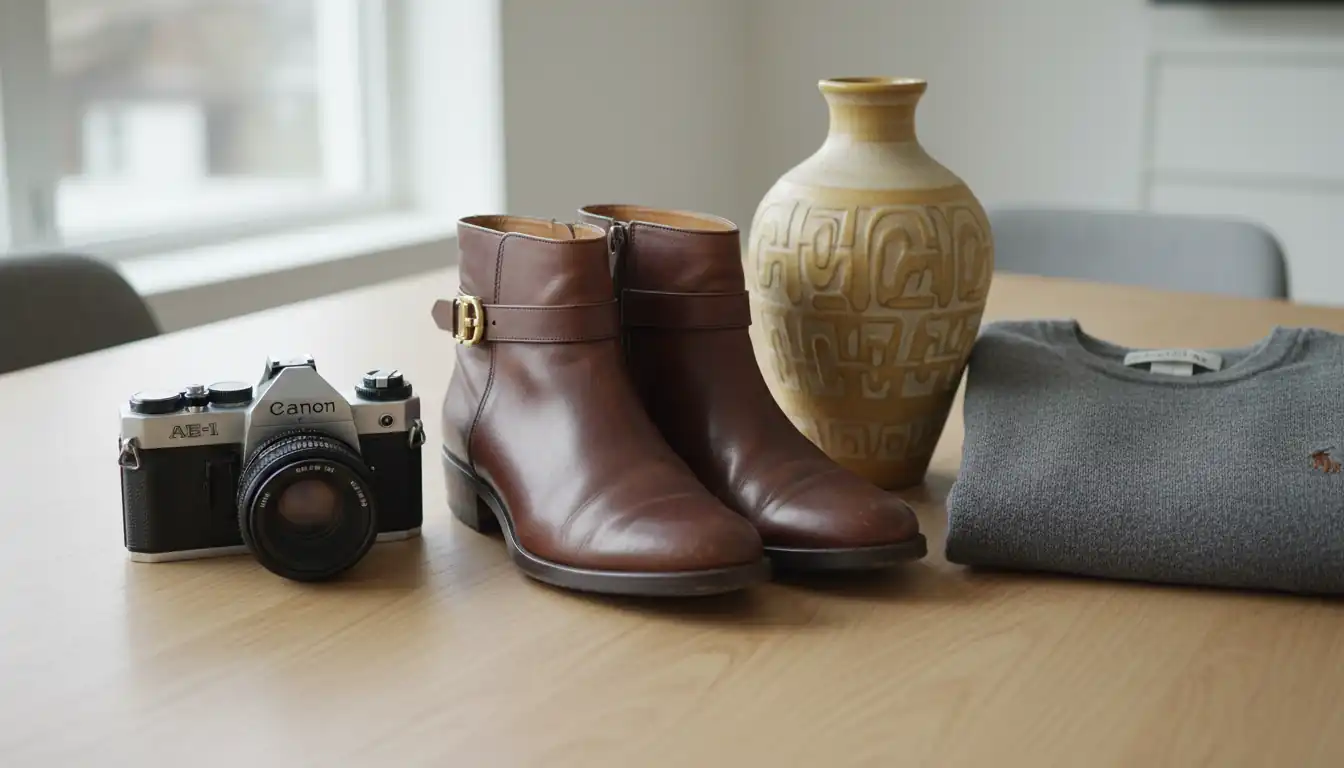
You walk into your local thrift store, and the familiar scent of old dust and detergent hits you. To most people, the cluttered shelves are filled with discarded junk and outdated relics of the past. They see a chipped vase, a stack of old patterns, or a dusty stereo receiver and keep walking. But for a professional flipper, those shelves are a treasure map where the "X" is often hidden in plain sight.
The difference between a hobbyist who makes twenty bucks a week and a professional who pulls in five hundred dollars from a single find is knowledge. It is the ability to spot the one item that doesn't belong—the high-end tool mispriced as a generic brand, or the piece of art glass sitting among the coffee mugs. This guide will show you how to stop walking past money and start identifying the hidden gems that others leave behind.
You are about to learn the specific categories that offer the highest returns, the niches that your competitors are completely ignoring, and the technology that can give you an unfair advantage. By the time you finish reading, you will look at every thrift store shelf with a more discerning, professional eye.
High-Velocity Flips That Sell in Under 48 Hours
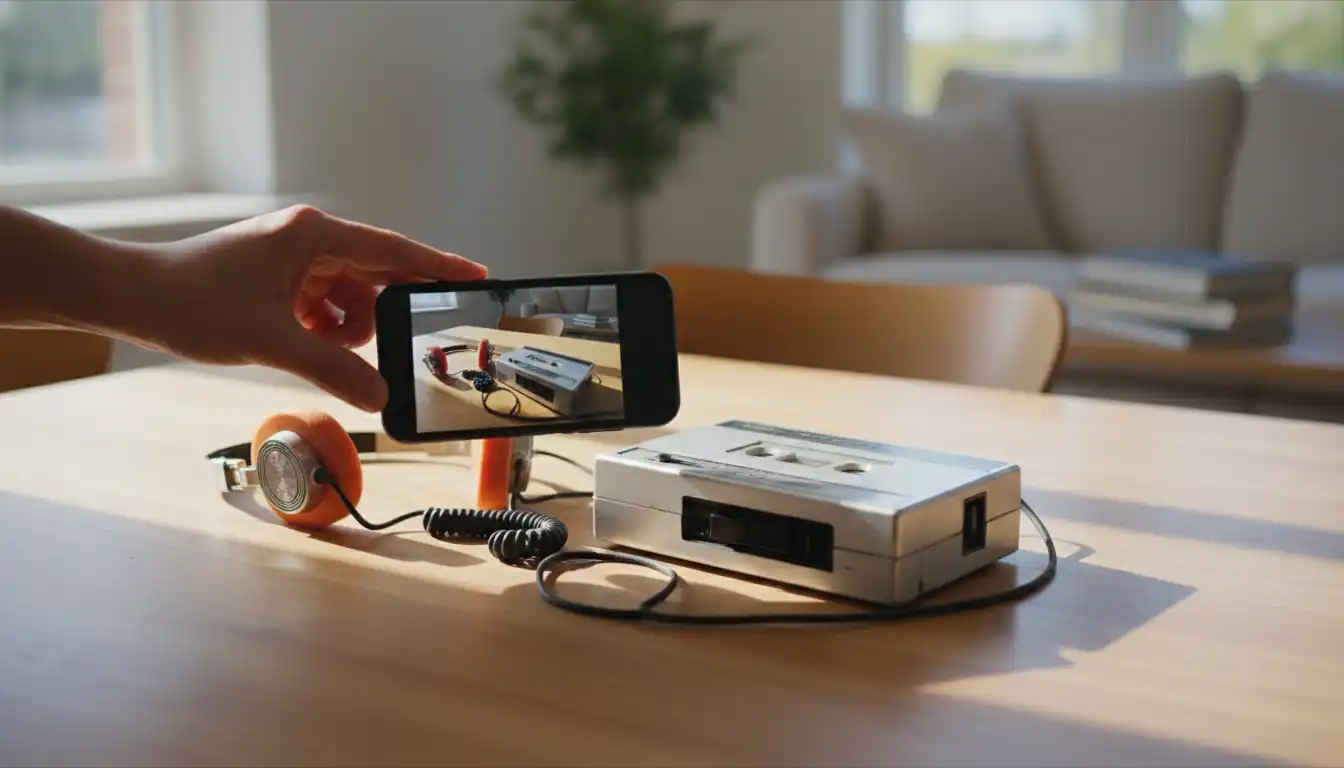
When you are building a reselling business, cash flow is your oxygen. You cannot afford to have all your capital tied up in "long-tail" items that might take six months to sell, even if the profit margin is high. You need "bread and butter" inventory—items that move fast, require little explanation, and have a massive pool of ready buyers.
What resells quickly? The answer lies in high-utility items from brands that people already trust. These are products where the buyer isn't looking for a "deal" so much as they are looking for a specific solution to a problem.
Modern Tech and Power Tools
If you see a bright red or yellow tool case in the back of a thrift store, move toward it immediately. Brands like Milwaukee, DeWalt, and Makita are the gold standard for both professionals and DIY enthusiasts. These items have incredible liquidity because they are expensive to buy new and are built to last.
A contractor who loses a drill on a job site doesn't want to wait for a sale at a big-box store; they want a replacement now. If you list a tested, working Milwaukee M18 fuel drill on a local marketplace or eBay, it will often sell within hours.
- Battery Platforms: Focus on tools that use modern lithium-ion batteries. Older "post-style" NiCad batteries are harder to sell because the technology is obsolete.
- Bare Tools: Don't worry if the charger or battery is missing. Many buyers already have the batteries and are just looking for the "bare tool" to add to their collection.
- Specialty Meters: Look for Fluke multimeters or Klein electrical testers. These are high-value, compact items that ship easily and are essential for tradespeople.
Brand Name Activewear and Performance Gear
Activewear is the engine of the clothing resale market. Unlike high fashion, which is subjective and seasonal, performance gear is functional. People know their size in specific brands, which reduces the friction of an online purchase.
Lululemon and Patagonia are the titans of this category. A pair of Lululemon Align leggings or a Patagonia Better Sweater fleece are "set it and forget it" listings. Because these brands have such a loyal following, the search volume is constantly high.
- The Logo Check: Learn to spot the Lululemon "omega" symbol or the Patagonia "Fitz Roy" mountain logo from a distance. Often, these items are mixed in with generic gym clothes because the thrift store staff didn't recognize the branding.
- Technical Fabrics: Feel for quality. High-end activewear uses technical fabrics that feel substantial, not thin or scratchy. If a garment feels expensive but has no obvious branding, check the interior side seams for a "rip tag" or a size dot hidden inside a pocket.
- Gore-Tex and Waterproofing: Any jacket featuring a Gore-Tex logo is an automatic pick-up if the price is right. This material is expensive to produce and holds its value remarkably well on the secondary market.
Pro Tip: When selling high-velocity items, your photos are your sales pitch. Take clear shots of the brand labels, the size tags, and any signs of wear. Speed of sale is often determined by how much the buyer trusts the condition of the item.
| Category | Top Brands | Why It Sells Fast |
|---|---|---|
| Power Tools | Milwaukee, DeWalt, Makita | High replacement cost, professional demand |
| Activewear | Lululemon, Patagonia, Vuori | Brand loyalty, consistent sizing |
| Tech | Apple, Bose, Sony | Universal demand, easy to ship |
These quick flips keep your bank account healthy, but they are rarely the items that provide a massive $500 windfall. To find those, you have to move away from the modern aisles and into the world of antiques and collectibles.
Identifying High-Margin Antiques and Collectibles
This is where the real "treasure hunting" begins. While high-velocity items provide the cash flow, high-margin antiques provide the growth. We are looking for the "sleeper" items—the things that look like ordinary household objects to the untrained eye but carry significant historical or artistic value.
The challenge with antiques is that they often lack clear branding. A 19th-century vase won't have a "Nike" swoosh on the bottom. This is where many resellers get intimidated and walk away from potential thousands of dollars in profit.
Mid-Century Modern Decor and Lighting
Mid-Century Modern (MCM) design remains one of the most sought-after styles in the interior design world. Collectors are looking for the "Atomic Age" aesthetic—clean lines, organic curves, and bold, functional designs from the 1950s and 60s.
Keep an eye out for "spaghetti" lamps, tension pole lights, or anything made of teak wood. Even if a lamp is missing its shade, the base itself can be worth hundreds if it was designed by someone like Adrian Pearsall or Laurel Lamp Company.
Rare Ceramics and Art Glass
The "knick-knack" shelf is often a goldmine for those who know what to look for. You aren't looking for mass-produced "Precious Moments" figurines. You are looking for Art Glass and Studio Pottery.
- Murano Glass: Originating from Italy, Murano glass is famous for its vibrant colors and complex techniques like millefiori. Look for a "pontil mark" on the bottom—a scarred or smoothed-over spot where the glass was broken off the blower's pipe. This is a sign of hand-blown quality.
- Pottery Marks: Many valuable pieces of pottery have "incised" marks (scratched into the clay) or "underglaze" stamps. Brands like Roseville, Rookwood, or even specific Japanese makers can turn a $2 purchase into a $300 sale.
Identifying these items manually can be exhausting. You could spend hours scrolling through Google Images trying to find a match for a strange blue vase. This is where the Relic app becomes an essential part of your kit.
Instead of guessing, you can simply take a photo of the item. Relic uses advanced AI to analyze the shape, color, and markings to provide a real appraisal, history, and origin of the item. If you find an unmarked piece of glass that feels "heavy" or "right," Relic can tell you in seconds if you're holding a piece of Italian history or a modern reproduction. It’s like having a professional appraiser in your pocket while you’re standing in the aisle.
Profitable Niches Most Resellers Completely Ignore
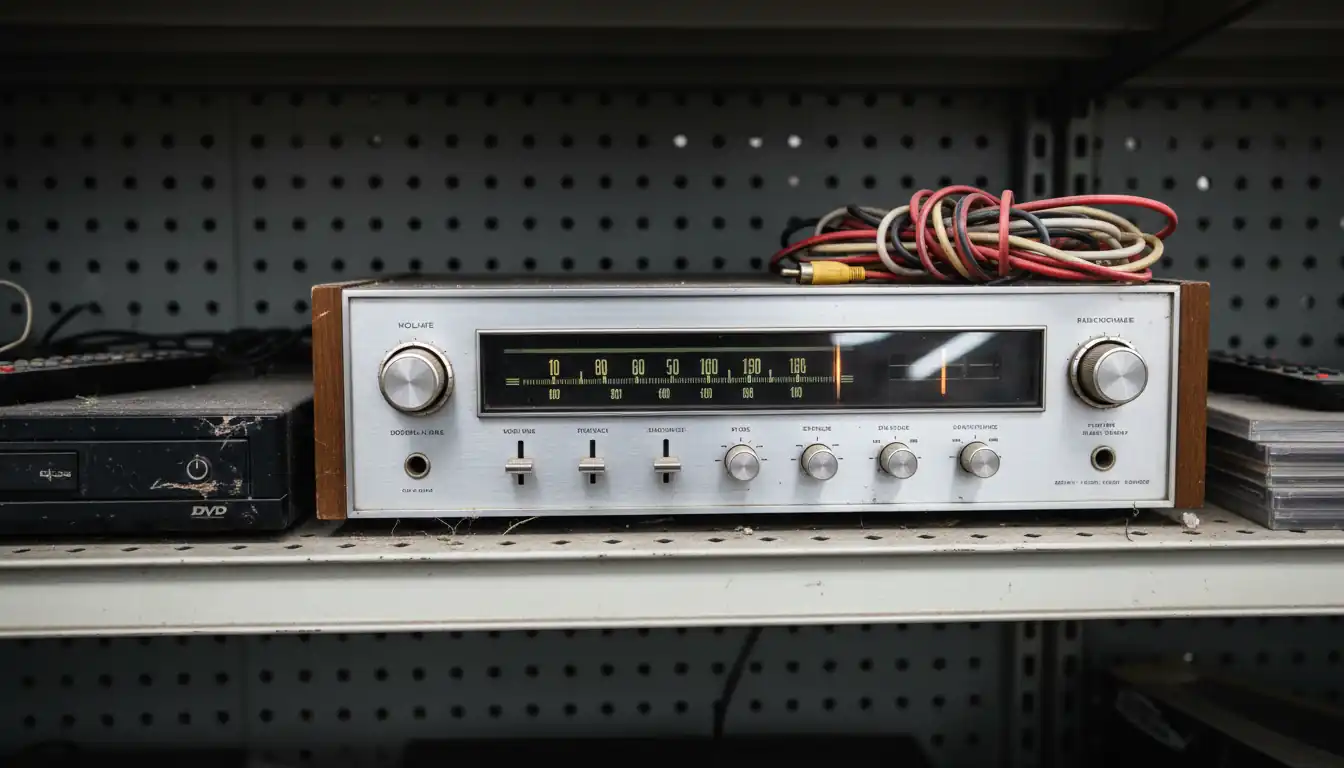
Most resellers follow the same path: shoes, electronics, and designer handbags. Because everyone is looking for these, the competition is fierce. To find the $500 gems, you need to go where the crowds aren't looking. You need to find the "boring" items that hold incredible value for specific collectors.
Vintage Sewing and Crafting Supplies
The crafting world is filled with "completionists" and enthusiasts who are willing to pay a premium for materials that are no longer in production.
- Vintage Sewing Patterns: Look for Vogue, McCalls, or Butterick patterns from the 1940s through the 1970s. Specifically, look for "Designer Series" patterns. A vintage Pierre Cardin or Givenchy sewing pattern can sell for $50 to $150. Collectors love the unique silhouettes of the past that modern fast fashion can't replicate.
- High-End Wool Yarn: Don't ignore the bag of yarn in the craft section. If you find natural fibers like Merino, Alpaca, or Cashmere from brands like Malabrigo or Noro, you've found money. High-end knitters will pay nearly retail price for discontinued colorways to finish a project.
Discontinued Board Games and Replacement Parts
Have you ever seen a beat-up box for a game like Fireball Island or Dark Tower? Most people see a missing lid and walk away. A professional sees a "part-out" opportunity.
The psychology of the "completionist" buyer is your best friend here. If someone has a 99% complete vintage game that they've owned since childhood, they will gladly pay $20 to $40 for the one missing plastic peg or cardboard token that makes their set whole again.
- The "Grail" Games: Games from the 1980s with complex electronic components or unique plastic molds are the best candidates.
- Instruction Manuals: Never underestimate the value of an original instruction booklet. For rare games, the paper alone can sell for $15.
The money isn't always in the object itself; it's often in the hole that object fills for a collector.
Maximizing Profits Through Bundling and Parting Out
Once you've found an item, the next step is deciding how to sell it to get every cent of value. Sometimes, the sum of the parts is worth significantly more than the whole. This is an advanced strategy that separates the pros from the amateurs.
The Silverware and Flatware Strategy
When you see a bin of mismatched silverware, don't just look for the word "Sterling." While finding sterling silver (92.5% pure silver) is the ultimate win, there is a massive market for high-end silver-plated or stainless steel replacement pieces.
People lose spoons. They lose forks. When a family has a set of Oneida or Reed & Barton flatware passed down through generations, they don't want to buy a whole new set when a piece goes missing. They go to eBay to find that one specific "Damask Rose" salad fork.
- Identify the Pattern: Use a pattern identification website or a visual search to find the name of the design.
- Sell Individually: Instead of selling a mismatched bag for $10, sell individual forks for $8 to $12 each. It takes more time to list, but the profit margin is exponentially higher.
Component-Based Electronics and Audio Gear
Vintage audio equipment is notoriously heavy and expensive to ship. If you find a massive 1970s Marantz receiver that doesn't power on, you might think it's a "pass."
However, "parting out" that broken unit can be a goldmine. Collectors who are restoring their own units need original parts that are no longer manufactured.
- Knobs and Buttons: A set of original machined aluminum knobs from a high-end receiver can sell for $50 to $100.
- Faceplates: If the metal front of the unit is in pristine condition, it can be worth a fortune to someone with a scratched-up but working unit.
- Internal Boards: Even the circuit boards and transformers inside can be sold to hobbyists who know how to solder.
| Item | Strategy | Potential Value |
|---|---|---|
| Broken Vintage Receiver | Part out knobs and faceplate | $100 - $200 |
| Mismatched Flatware | Sell by specific pattern/piece | $8 - $15 per piece |
| Incomplete Board Game | Sell individual tokens/cards | $5 - $20 per part |
Leveraging AI and Data to Outperform Other Flippers
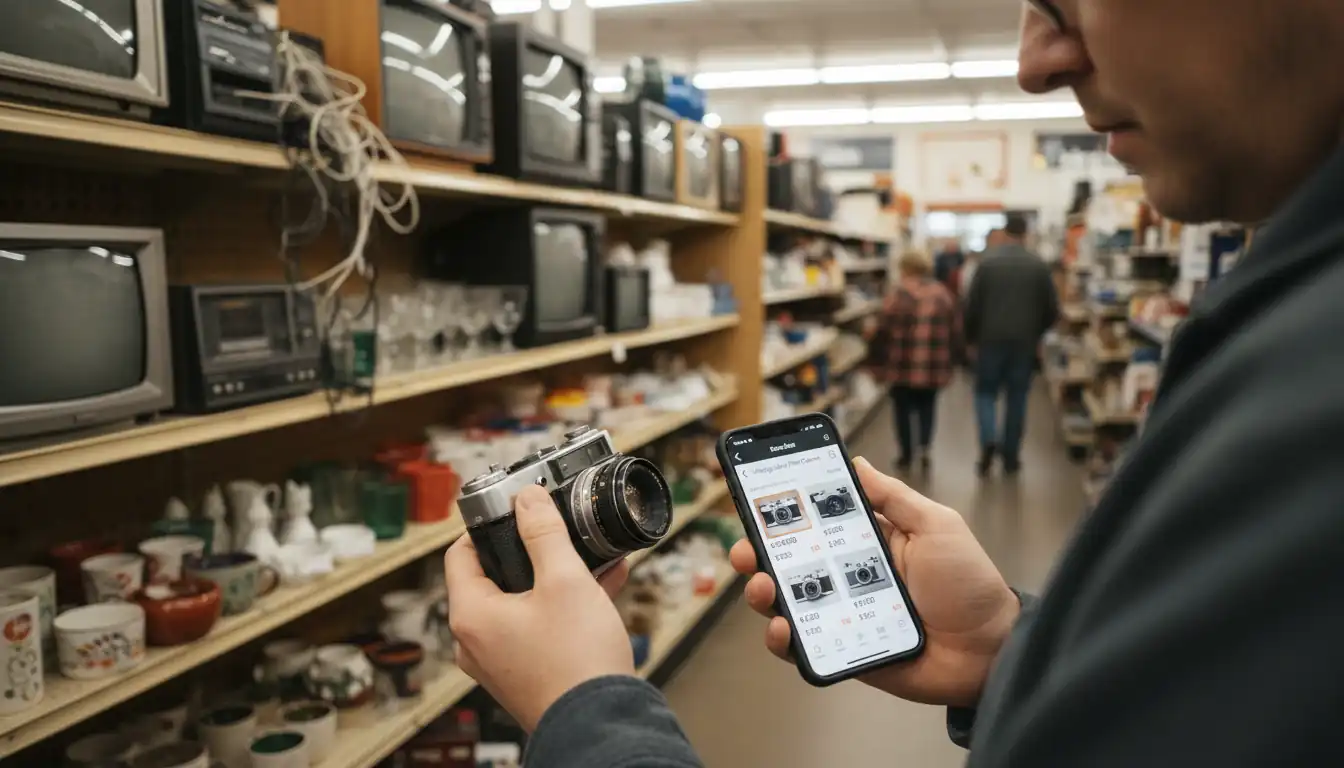
The modern thrift store is a competitive environment. You are often competing against dozens of other "pickers" who are scanning the same shelves. To win, you need to be faster and more accurate than they are. You need to move past "gut feelings" and rely on hard data.
Real-Time Appraisal with Relic
The biggest bottleneck in reselling is research. Standing in an aisle for twenty minutes trying to identify a maker's mark on a piece of porcelain is twenty minutes you aren't looking at other items.
This is where the Relic app changes the dynamic of your sourcing trips. Because it uses advanced AI to identify and appraise items instantly, you can process an entire shelf of "possibilities" in the time it takes someone else to type a single search query into Google.
With over 20,000 reviews and a 4.9-star rating, the app has become a staple for professional dealers and importers. It doesn't just tell you what an item is; it provides the historical context and market insights that allow you to make a confident "buy" decision on the spot. If the app identifies a piece as a rare 18th-century ceramic, you can buy it for $5 knowing exactly why it's worth $500.
Market Research and Pricing Strategies
Once you know what you have, you must price it correctly. A common mistake is looking at "Active" listings on marketplaces. Just because someone is asking $500 for a vintage toaster doesn't mean anyone is paying that.
- Check "Sold" Listings: Always filter your searches to see what items have actually sold for in the last 90 days. This is the true market value.
- Analyze Sell-Through Rate: If there are 100 active listings for an item and only 2 have sold in the last month, that item has a low "sell-through rate." You might be sitting on that inventory for a long time.
- Seasonality: Prices for certain items, like vintage coats or patio decor, fluctuate with the seasons. If you have the storage space, buying out of season and holding for the peak market can double your profits.
In the world of professional flipping, information is the only currency that truly matters. The person with the best data always wins.
Conclusion
Thrift store flipping is not about luck; it is about developing a "trained eye" and using the right tools to validate your finds. By balancing high-velocity items like power tools and activewear with high-margin "sleeper" antiques, you create a resilient business that generates both quick cash and significant windfalls.
Remember to look where others don't—the sewing patterns, the replacement game parts, and the individual pieces of flatware. These ignored niches are often where the most consistent money is hidden.
Most importantly, don't be afraid to lean on technology. Using an app like Relic allows you to bridge the gap between a curious amateur and a professional appraiser. It gives you the confidence to invest in an unmarked item because you have the data to back up its value.
The next time you walk into a thrift store, don't just look at the shelves. See the opportunities. See the history. And most importantly, stop walking past the money. Your next $500 find is waiting for you to pick it up.
Identify antiques instantly
Point your camera at any antique, collectible, or vintage item. Get valuations, history, and market insights in seconds.
Download for iPhone