Stop Walking Past Money: How to Spot High-Value Antiques in Seconds

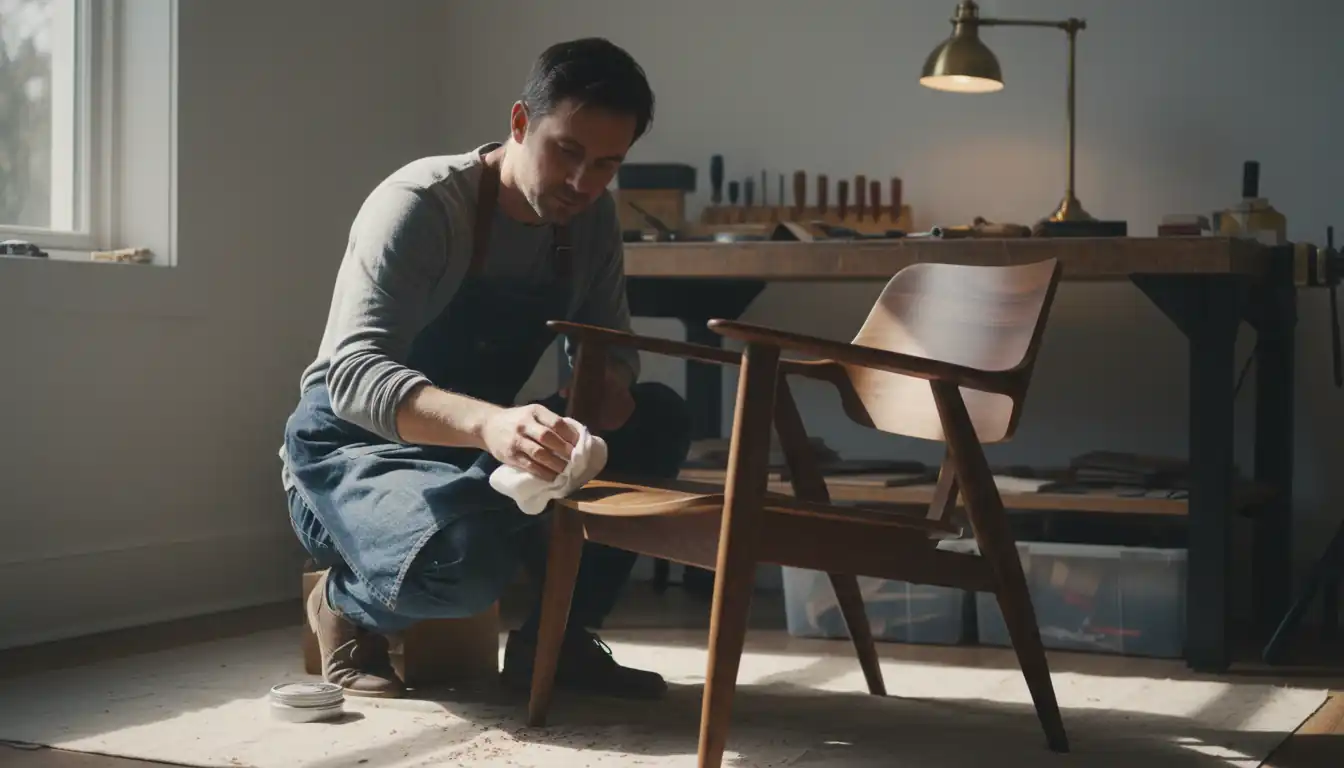
You walk past a dusty mahogany side table at a garage sale. To most people, it is just an old piece of furniture with a scratched top and a missing handle. To a trained eye, that table might be a 19th-century Federal-style piece worth three times your monthly mortgage. The difference between walking past a fortune and securing a massive profit often comes down to a few seconds of observation and the right information.
The antique market is not a stagnant hobby for retirees; it is a high-stakes, high-margin business where knowledge is the most valuable currency. Every weekend, thousands of valuable items are sold for pennies because the seller—and most of the buyers—didn't know what they were looking at. You have likely stood inches away from a "sleeper" item that could have funded your next vacation, only to let someone else claim the prize.
This guide will change how you see objects. You will learn how to distinguish a true antique from a vintage reproduction, where to find the highest margins, and how to use modern technology to outmaneuver seasoned dealers. By the time you finish reading, you will have a clear roadmap for turning a weekend hunt into a professional-grade flipping operation.
Profit Potential in the Modern Antique Market
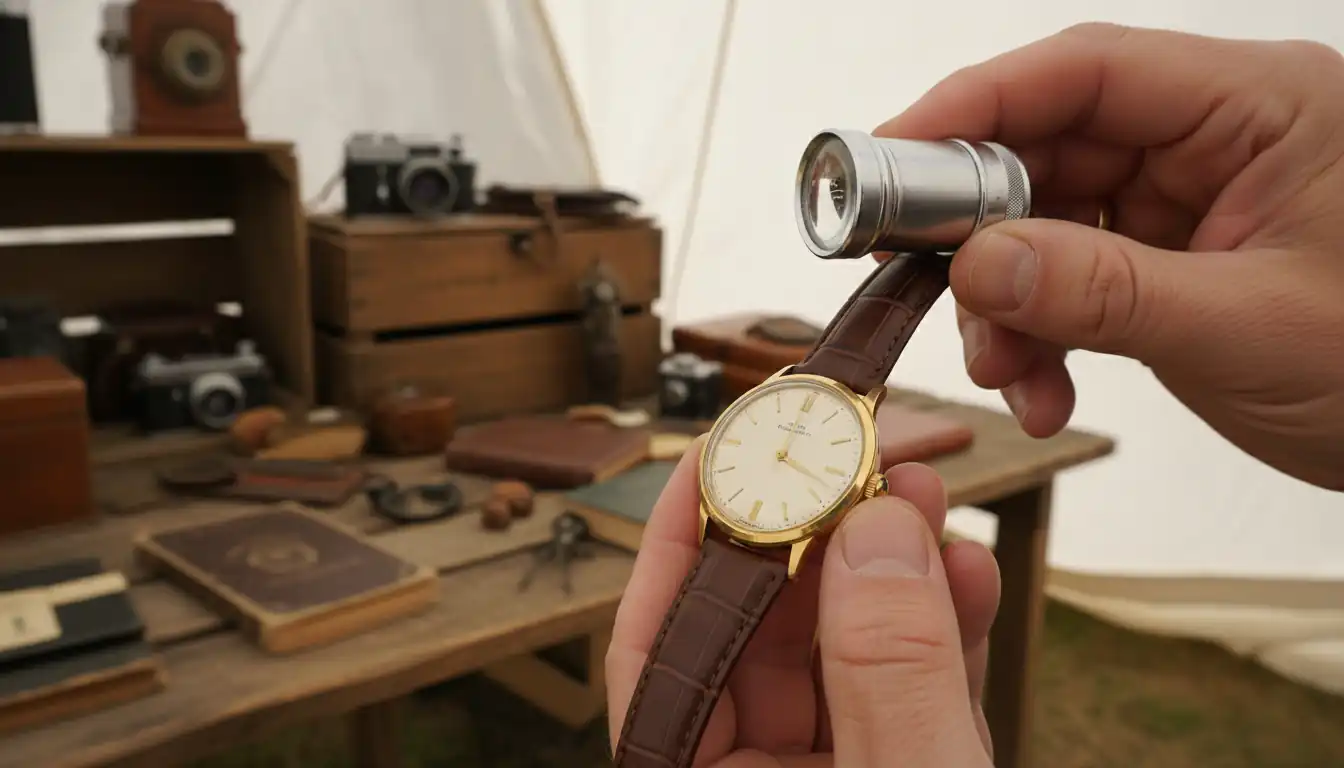
Is flipping antiques profitable? The short answer is yes, but the long answer depends on your ability to distinguish between "old" and "valuable." Many people confuse the two, leading them to buy items that sit in their garage for years. To succeed, you must understand the financial mechanics of the market and the specific categories that are currently driving high demand.
Defining the Century Rule
In the world of professional trading, the term "antique" has a very specific legal and professional definition. While many people use "vintage" and "antique" interchangeably, the industry relies on the 100-year rule. For an item to be classified as a true antique, it must be at least a century old.
This distinction is not just about prestige; it has significant financial implications. For example, the U.S. Customs and Border Protection allows original antiques (over 100 years old) to be imported duty-free. If you are sourcing items from Europe or Asia to sell in the States, knowing the exact age of a piece can save you thousands in import taxes. Furthermore, true antiques often hold their value better during economic downturns because their supply is fixed—they aren't making any more 18th-century chairs.
Pro Tip: If an item was made in 1924 or earlier, it is officially an antique. If it was made in 1950, it is vintage. This distinction dictates which buyers will be interested and what price floor you can set.
High Demand Categories for This Year
Profitability is driven by trends, and right now, three specific categories are dominating the resale market. If you want to see a quick return on your investment, these are the areas where you should focus your energy.
- Mid-Century Modern (MCM) Furniture: While technically "vintage" rather than "antique," MCM pieces from the 1950s and 60s are currently the gold standard for flippers. Look for clean lines, tapered legs, and woods like teak or rosewood. Designers like Eames, Miller, and Wegner are the big names, but even "unmarked" pieces in this style sell rapidly to urban professionals.
- Art Deco Lighting: Items from the 1920s and 30s are officially entering the "true antique" category. Art Deco lamps, sconces, and chandeliers are highly prized for their geometric shapes and bold materials like chrome and frosted glass. A single authentic Art Deco desk lamp can easily fetch $500 to $1,500 at the right auction.
- Victorian-Era Jewelry: Jewelry from the late 1800s is seeing a massive resurgence. Buyers are moving away from mass-produced modern rings in favor of the intricate, hand-crafted gold work and unique stone cuts (like the Old Mine Cut) found in Victorian pieces. These items are small, easy to ship, and often have high intrinsic value due to their gold content.
| Category | Key Identifiers | Target Buyer |
|---|---|---|
| Mid-Century Modern | Teak wood, minimalist, tapered legs | Young professionals, interior designers |
| Art Deco | Geometric patterns, chrome, bakelite | Luxury homeowners, collectors |
| Victorian Jewelry | 15k or 18k gold, mourning motifs, seed pearls | High-end collectors, bridal market |
Sourcing Strategies for High Margin Finds
Finding the right items requires more than just showing up at a thrift store. You need a tactical approach that puts you in front of the inventory before the general public or other dealers get there. Sourcing is a game of timing and location.
Navigating Estate Sales and Auctions
Estate sales are the primary hunting ground for professional flippers. Unlike thrift stores, which receive random donations, estate sales represent the curated life's work of a collector or a family. This is where you find "fresh to market" items that haven't been picked over by ten other dealers.
- The Early Bird Strategy: Most estate sales are run by professional companies that use a "number" system. You want to be there at least an hour before the doors open to get a low number. The first 15 minutes of an estate sale are when the highest-margin items are claimed.
- The "Box Lot" at Auctions: Local auction houses often sell "box lots"—boxes filled with miscellaneous items that the auctioneer didn't have time to catalog individually. These are gold mines. While everyone else is bidding on the large furniture, you can often snag a box for $20 that contains a hidden piece of sterling silver or a rare porcelain figurine.
- Authentication Advantage: Use auctions to your advantage by looking for items that the auction house has already authenticated but perhaps mislabeled. Sometimes a "European Ceramic Vase" is actually a rare piece of Royal Copenhagen. Your job is to know more than the person writing the tag.
Digital Sourcing on Local Marketplaces
You no longer have to leave your house to find high-value inventory. Platforms like Facebook Marketplace and Nextdoor are filled with people who are "cleaning out the attic" and just want items gone. The key to digital sourcing is looking for the "bad" listings.
- Keyword Hunting: Search for misspelled words. Someone listing a "Mid Century Modern" chair might get 50 messages, but someone listing a "MCM chair" or even just "old wood chair" might go unnoticed.
- The Photo Clue: Look for listings with poor lighting or cluttered backgrounds. If you see a high-quality piece of furniture buried under a pile of laundry in a photo, that is your signal. Most buyers skip these listings because they look like junk. You should see them as an opportunity to buy low because the seller hasn't put in the effort to present the item properly.
- Speed is Everything: On local marketplaces, the first person with cash in hand wins. Set up alerts for specific keywords so you get a notification the second a "teak sideboard" or "sterling flatware" is posted.
Instant Identification with AI Technology

The biggest barrier to entry in the antique world has always been the "knowledge gap." In the past, you had to spend decades reading price guides and visiting museums to know if a mark on the bottom of a plate was a rare 18th-century stamp or a 1990s reproduction. Technology has completely leveled the playing field.
Verifying Provenance and History
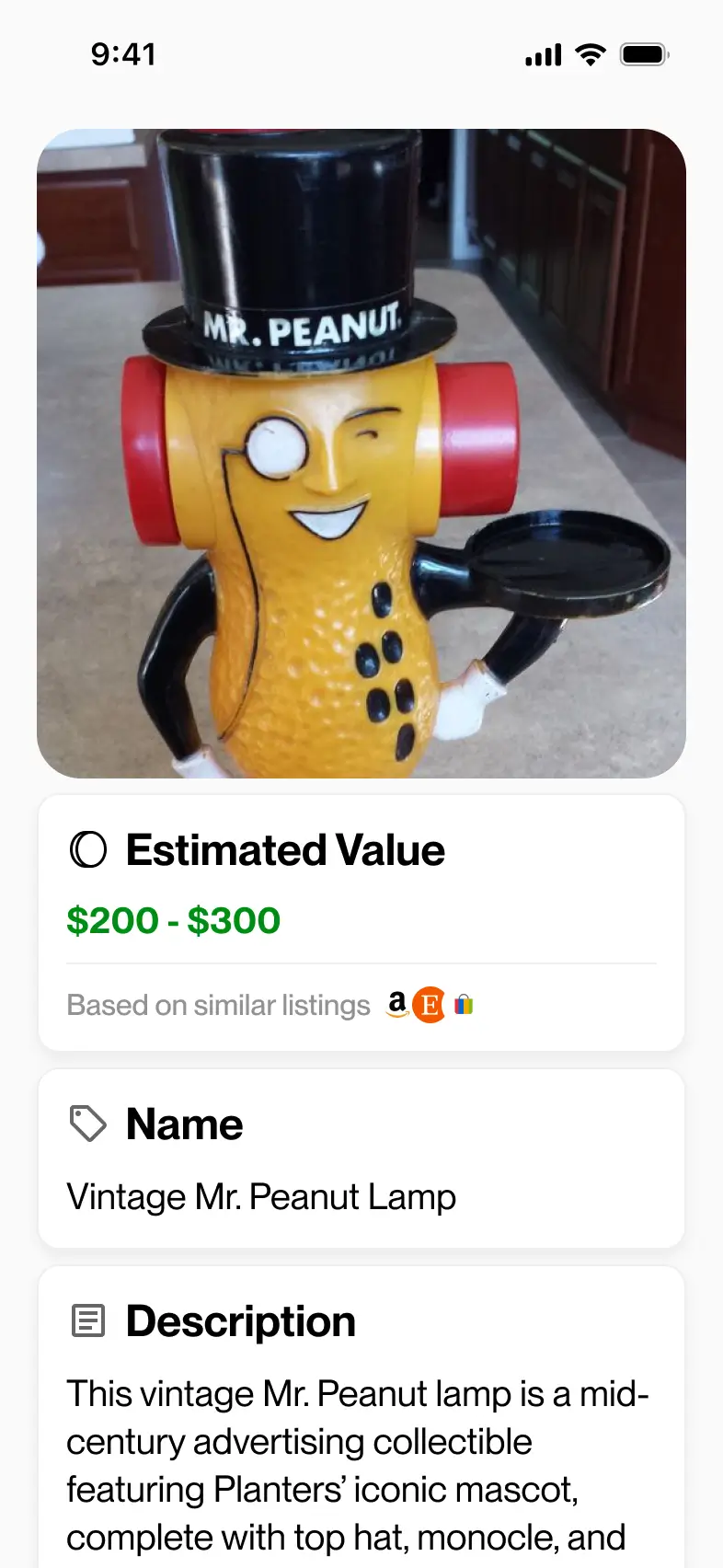
When you are standing in a crowded thrift store or a dusty barn, you don't have time to go home and research an item. You need to know what it is right now. This is where the Relic app becomes your most powerful tool. Relic allows you to take a photo of an item and uses advanced AI to instantly identify its origin, history, and maker.
Imagine finding a small bronze statue. Is it a mass-produced souvenir or a signed piece from a French foundry? By using Relic, you can see the historical context of the piece in seconds. The app analyzes the form, the patina, and any visible marks to give you a professional-grade identification. This "expert in your pocket" allows you to make confident decisions on the fly, ensuring you never leave a masterpiece behind because you weren't sure what it was.
Real Time Appraisal Strategies
Identification is only half the battle; you also need to know the value. A piece might be 200 years old, but if there is no market for it, it isn't a good investment. Relic provides real-time appraisal data, showing you what similar items have actually sold for in recent months.
- Avoiding Fakes: The antique world is full of "marriages" (pieces made of parts from different items) and outright forgeries. Relic's AI can help spot inconsistencies in style or markings that might indicate a reproduction.
- Market Insights: The app doesn't just give you a static number; it provides market insights. It helps you understand if a category is trending up or down, which helps you decide whether to "flip" the item quickly or "hold" it for a better price later.
- Searchable Catalog: As you scan items with Relic, it builds a catalog of your finds. This is incredibly useful for record-keeping and for showing potential buyers the provenance and appraised value of your inventory.
The difference between a $50 "old vase" and a $5,000 Ming dynasty piece is often a single mark that only an expert—or a sophisticated AI—can recognize.
Increasing Value Through Strategic Restoration
Once you have acquired a high-value item, your goal is to maximize its resale price. However, many beginners make the mistake of "over-restoring" an item, which can actually strip away its value. In the antique world, the "less is more" philosophy is the path to the highest profits.
Preserving Patina and Original Finishes
The "patina" of an antique is the thin layer of oxidation, wear, and history that develops on its surface over decades. To a collector, patina is proof of age and authenticity. If you take a 19th-century copper pot and polish it until it looks brand new, you may have just destroyed 70% of its market value.
- Cleaning vs. Scrubbing: Use the gentlest method possible. For wood, a simple wipe-down with a damp cloth and a bit of high-quality furniture wax is usually enough. Avoid harsh chemicals or "stripping" the finish unless the piece is structurally unsound.
- Metal Care: For silver, a light polish is acceptable, but for bronze or iron, you should almost never remove the surface oxidation. Collectors want to see the "crust" of history.
- Structural Integrity: If a chair is wobbly, fix the joint with hide glue (which is reversible) rather than modern wood glue. Using period-appropriate repair methods maintains the item's integrity and value.
Professional Presentation for Online Listings
In the digital marketplace, your photography is your storefront. You are not just selling an object; you are selling a piece of history and a lifestyle. High-quality photos allow you to charge a premium price because they build trust with the buyer.
- The "Hero" Shot: Your first photo should be the item against a clean, neutral background. Use natural light whenever possible—harsh flashes create glares that hide the detail of the wood grain or the sparkle of a gemstone.
- Detailing the Marks: Take clear, macro photos of any maker's marks, signatures, or labels. This is what serious collectors look for first. If you used Relic to identify the item, you can even include a screenshot of the appraisal or historical data to provide extra confidence to the buyer.
- Honesty is Profit: Always photograph any damage, chips, or scratches. It might seem counterintuitive, but being transparent about flaws prevents returns and builds a reputation as a "top-rated" seller, which allows you to command higher prices in the long run.
| Photo Type | Purpose | Tip |
|---|---|---|
| Full View | Shows scale and presence | Use a neutral wall or backdrop |
| Maker's Mark | Proves authenticity | Use "Macro" mode on your camera |
| Damage/Wear | Builds buyer trust | Be extremely clear and honest |
| Lifestyle | Shows how it looks in a home | Place on a styled table or shelf |
Maximizing Profit on Resale Platforms

The final step in the flipping cycle is matching your item with the right buyer. Not all platforms are created equal. Selling a $2,000 Art Deco sideboard on eBay might result in a slow sale or a low price, whereas listing it on a specialized furniture site could trigger a bidding war.
Selecting the Best Marketplace for Your Inventory
Choosing the right platform is about understanding where your target demographic hangs out. You want to list your items where the "big money" is looking.
- eBay for Collectibles: eBay is still the king for small, shippable items like coins, jewelry, and toys. It has the largest global reach, making it perfect for niche items that need a specific type of collector.
- Etsy for Vintage Decor: If your item is "cool" and "aesthetic" but perhaps doesn't have a famous maker's name attached to it, Etsy is the place. It caters to interior decorators and people looking for a specific "look" rather than a specific investment.
- Chairish and 1stDibs for High-End Furniture: These platforms are curated. They have higher fees, but they also have much higher price points. If you have a verified MCM piece or a true 18th-century antique, these sites connect you with wealthy buyers and professional designers who are willing to pay top dollar for quality.
Building a Sustainable Flipping Business
Flipping antiques can start as a side hustle, but it has the potential to become a full-time career if you treat it like a business. This means moving beyond "random finds" and developing a system for growth.
- The Reinvestment Cycle: In the beginning, it is tempting to spend your profits. Instead, take 80% of every sale and put it back into "better" inventory. If you buy a vase for $10 and sell it for $100, use that $100 to buy a $100 item that you can sell for $500. This is how you scale from garage sales to high-end auctions.
- Record Keeping: Track your "cost of goods sold" (COGS), shipping expenses, and platform fees. Knowing your exact margins helps you identify which categories are actually making you money and which are just taking up space in your garage.
- Networking: As you grow, start building relationships with local auctioneers and estate sale coordinators. Sometimes they will call you before a sale if they know you are looking for a specific type of item. This "insider" access is the ultimate competitive advantage.
Conclusion
The world of antique flipping is one of the few remaining frontiers where individual knowledge can still beat a corporate algorithm. By mastering the 100-year rule, focusing on high-demand categories like Mid-Century Modern and Art Deco, and sourcing strategically at estate sales and digital marketplaces, you can build a highly profitable business.
Remember that technology is your greatest ally in this journey. Tools like the Relic app remove the guesswork that used to plague the industry, giving you instant access to appraisals and historical data that previously took years to learn. Whether you are looking to make an extra $500 a month or build a full-scale resale empire, the money is there—you just have to stop walking past it.
Your next step is simple: the next time you see an "old" item that catches your eye, don't just wonder about it. Use the tools and strategies you've learned here to uncover its true story. The hunt is on, and the fortune is waiting for the person who knows how to see it.
Identify antiques instantly
Point your camera at any antique, collectible, or vintage item. Get valuations, history, and market insights in seconds.
Download for iPhone