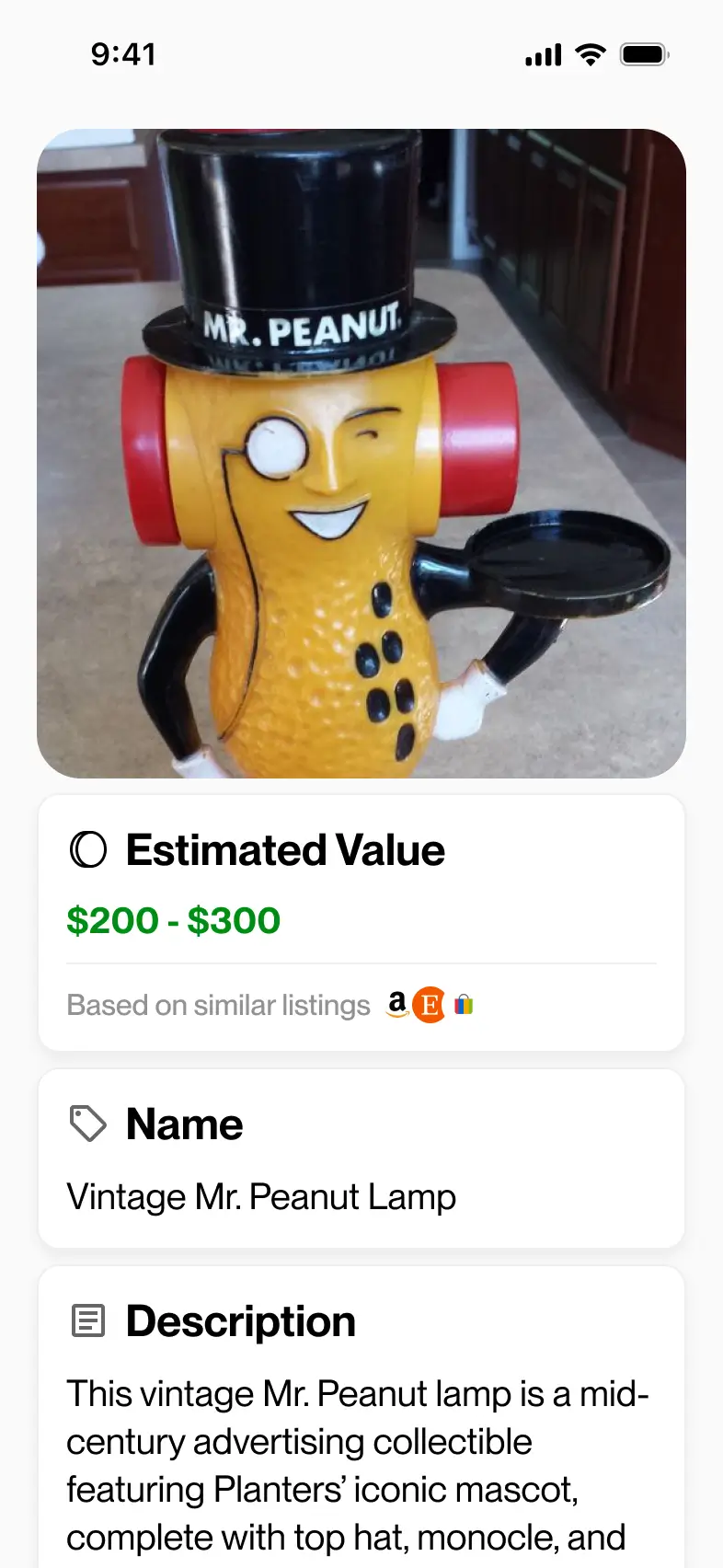
That Dusty Attic Find Could Be a Fortune: Use These Free Apps to Identify Your Antiques

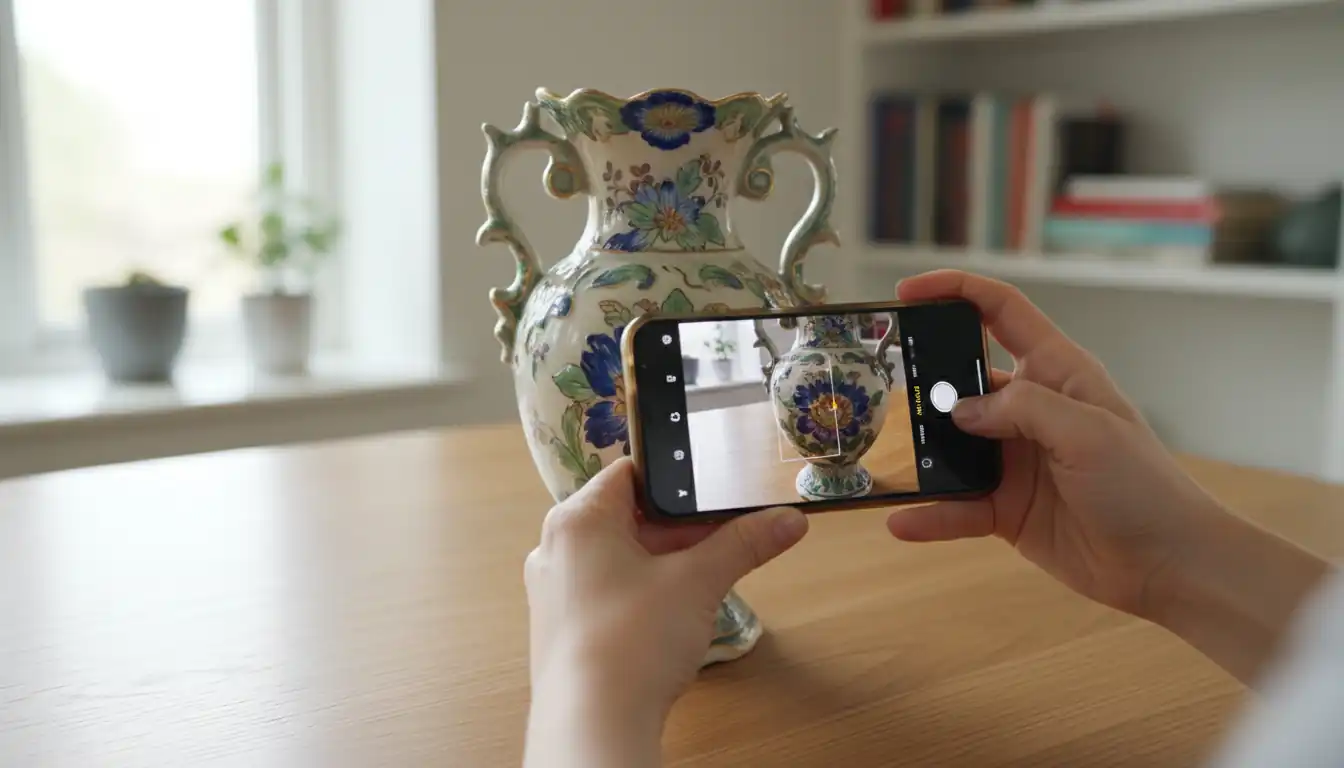
That heavy, dust-covered vase sitting in the corner of your grandmother’s attic might look like a simple relic of the past. For years, it has held nothing but dried flowers and cobwebs. But what if that unassuming object is actually a piece of mid-century art pottery worth thousands of dollars? In the past, finding out the truth required a trip to a specialized appraiser, a hefty fee, and weeks of waiting.
The barrier between "junk" and "treasure" has always been knowledge. Collectors spent decades memorizing maker’s marks, studying glaze patterns, and lugging around thick price guides that were outdated the moment they were printed. You had to know exactly what you were looking at before you could even begin to value it. If you didn't recognize the signature on the bottom of a silver tray, you were essentially flying blind.
The digital age has flipped this script. Your smartphone is no longer just a communication device; it is a high-powered optical laboratory. By using sophisticated identification apps, you can bridge the gap between curiosity and professional-grade expertise in seconds. You are about to discover how modern technology can turn your next thrift store find or attic discovery into a documented piece of history with a real-world valuation.
The Evolution of Antique Identification Technology
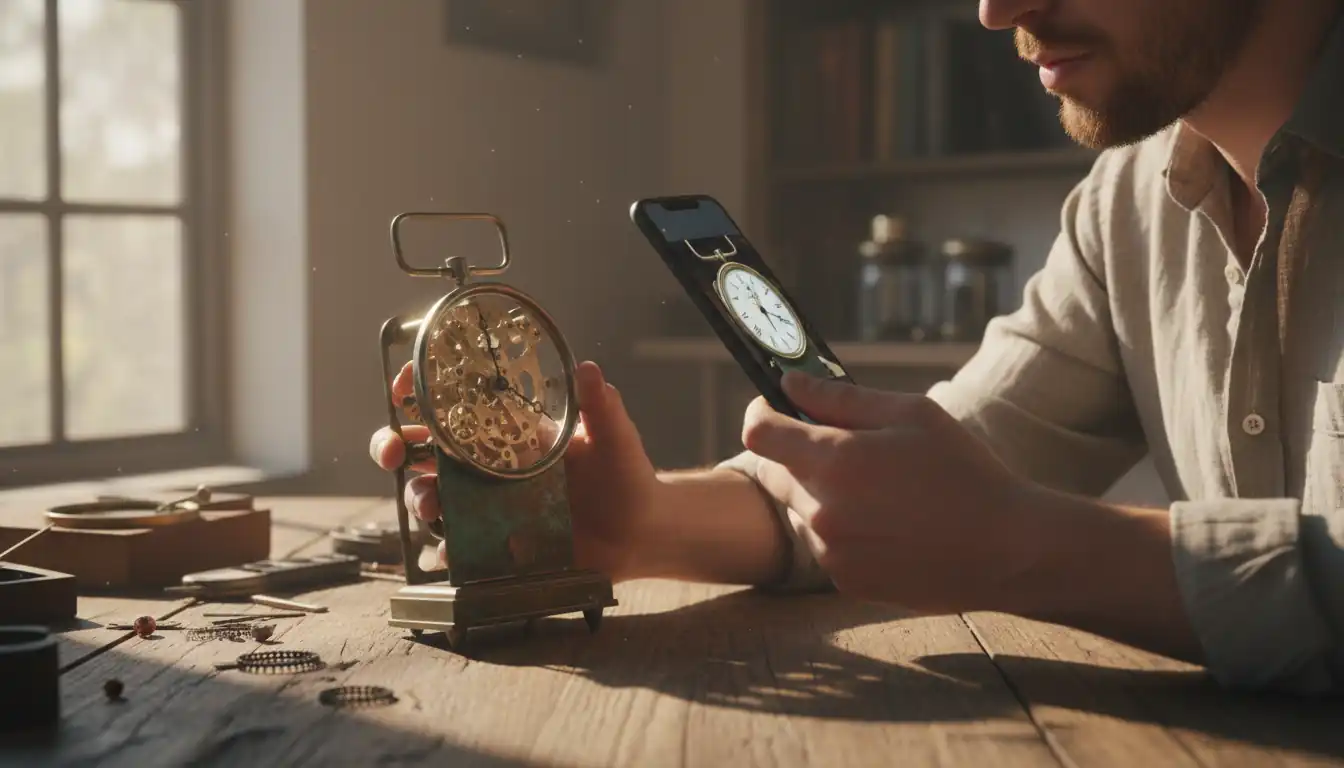
The way we identify old objects has undergone a massive shift. For most of the 20th century, identification was a manual, labor-intensive process. If you found an old clock, you had to visit a library, find a horology encyclopedia, and hope your specific model was listed. This "manual era" relied heavily on human memory and physical archives. The margin for error was wide, and many valuable items were sold for pennies because the owner simply couldn't find the right book.
The first digital shift happened with the rise of online auction sites and basic search engines. You could type in a description, like "blue floral plate with gold rim," and scroll through thousands of images. While this was an improvement, it was still flawed. It relied on "keyword matching," which is only as good as the person writing the description. If a seller mislabeled an item, you would inherit that mistake.
From Manual Research to Instant AI Recognition
We have now entered the era of neural networks and advanced computer vision. Modern identification tools don't just "look" at a photo; they analyze it. When you upload a picture of an antique, the software breaks the image down into thousands of data points. It examines the curvature of a chair leg, the specific shade of a ceramic glaze, and the precise typography of a manufacturer’s stamp.
This process is known as pattern recognition. Instead of searching for words, the AI compares the visual geometry of your item against a massive database of millions of confirmed auction records and museum archives. This removes the "human element" of misidentification. A human might mistake a 1950s reproduction for an 1850s original because they look similar to the naked eye. An AI, however, can detect the subtle differences in manufacturing techniques that distinguish the two.
How Computer Vision Analyzes Historical Artifacts
Think of computer vision as a digital magnifying glass that never gets tired. When an app like Relic processes a photo, it isn't just comparing your photo to another photo. It is looking for "features"—specific landmarks on the object that define its identity.
- Texture Analysis: The AI can distinguish between the hand-carved marks of an 18th-century craftsman and the machine-routed edges of a modern factory piece.
- Color Spectrometry: It analyzes the chemical "signature" of colors in paintings or porcelain to see if they match the pigments used during a specific historical period.
- Maker’s Mark Extraction: Even if a signature is faded or partially obscured, the software can often reconstruct the mark by comparing the remaining fragments to a library of known hallmarks.
The transition from keyword searches to visual AI means that the "unidentifiable" is now a thing of the past. If it has been documented by history, the AI can find it.
This level of precision was once reserved for high-end auction houses like Christie’s or Sotheby’s. Now, that same analytical power sits in your pocket. By using these tools, you are essentially hiring a digital expert who has "seen" every item ever sold at a major auction.
Essential Features of a Trustworthy Identification App
Not all apps are created equal. If you go to the App Store and search for "antique identifier," you will find dozens of options. Some are little more than basic image search wrappers, while others are professional-grade tools. To protect yourself and your potential investment, you need to know what to look for in the "About this app" section.
The most important factor isn't just the identification—it's the data behind it. A trustworthy app should provide a clear path from the photo you took to the conclusion it reached. If an app tells you a vase is worth $500 but doesn't explain why, you should be skeptical.
Data Safety and User Privacy Standards
When you use an identification app, you are often uploading photos of items inside your home. This raises important questions about privacy. Before you start scanning your living room, check the app’s data safety disclosures.
A professional app should be transparent about how it handles your images and location data. Does the app store your photos on a public server? Do they sell your data to third-party marketers? High-quality tools prioritize user privacy, ensuring that your "digital collection" remains your own. Look for apps that use encrypted uploads and offer the ability to delete your search history.
Interpreting Ratings and User Reviews
Ratings are a helpful guide, but you have to read them with a critical eye. In the antique niche, look for reviews from professionals—dealers, estate sale managers, and serious collectors. A 4.9-star rating from over 20,000 reviews, which is what Relic maintains, is a strong indicator of reliability.
When reading reviews, look for mentions of:
- Accuracy: Did the app correctly identify a difficult item?
- Speed: How long did the appraisal take?
- Depth: Did it provide historical context or just a name?
Avoid apps that have a high volume of generic "Great app!" reviews without any specific details. These can sometimes be inflated. Instead, look for stories of users who found a hidden gem or used the app to settle a dispute about an item's origin.
| Feature to Check | Why It Matters |
|---|---|
| Developer Reputation | Ensures the app will be updated and supported. |
| Database Size | A larger database means more accurate matches for rare items. |
| Privacy Policy | Protects your home photos and personal information. |
| Update Frequency | Shows the AI is being trained on the latest market data. |
Maximizing Value with Free vs Premium Tiers
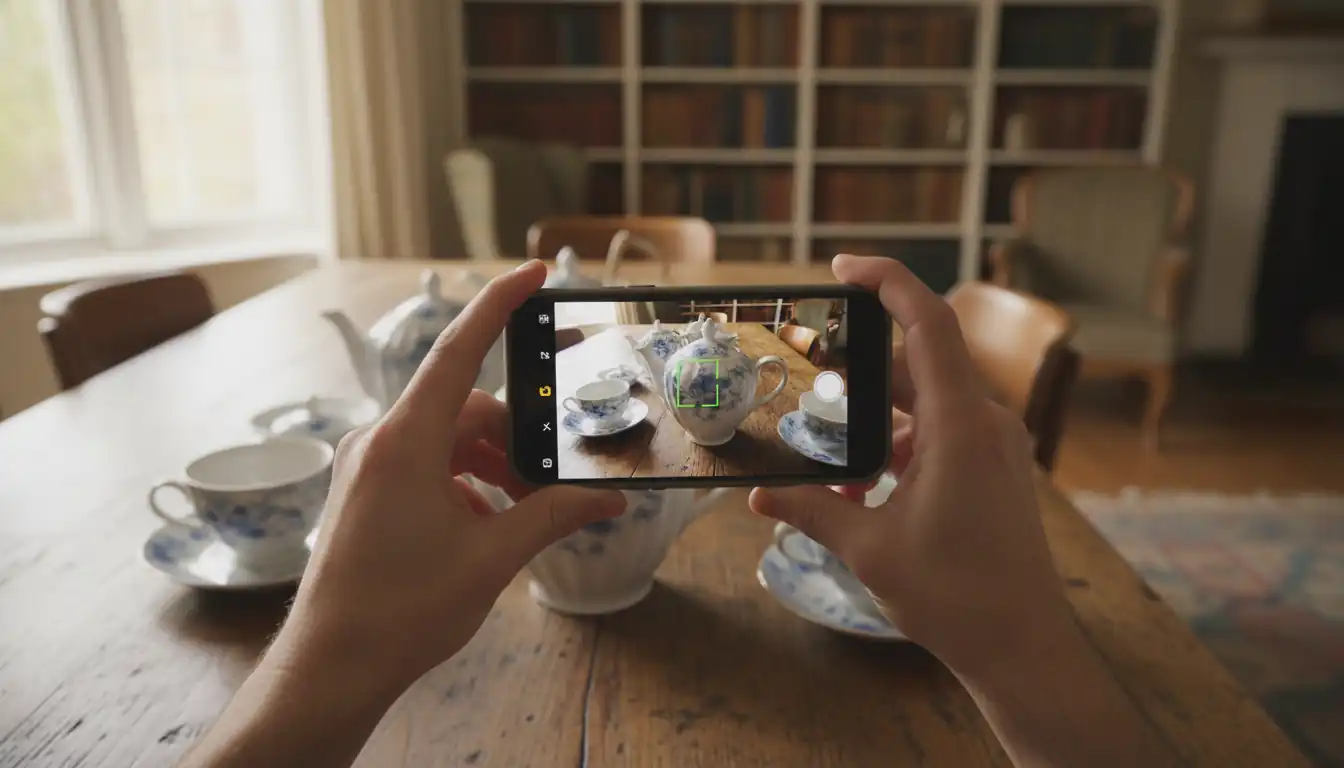
Most antique identification apps operate on a "freemium" model. You can usually download the app and perform a basic search for free, but more detailed information is locked behind a premium tier. Understanding the difference between these levels is key to making sure you don't leave money on the table.
A free search is often a "broad match." It might tell you that your item is a "Victorian-style chair." This is helpful, but it doesn't tell you if it's a $50 reproduction or a $5,000 original by a famous maker. This is where the "treasure hunting" aspect of premium features comes into play.
What is New in Free Identification Features
Free tiers have become much more powerful recently. Many now include basic visual search capabilities that can identify common household items, mass-produced collectibles, and well-known brands. If you are just curious about a common piece of Depression glass or a 1990s Beanie Baby, a free search is often all you need.
However, the "What's new" section of these apps often highlights improvements in the AI's ability to filter out noise. For example, newer free versions are better at identifying an object even if the lighting is poor or the background is cluttered. This makes the initial "triage" of your attic much faster.
When to Invest in Professional Appraisals
There comes a point where a free search isn't enough. If the app suggests your item might be rare, or if you are looking at something with a complex history—like a piece of fine jewelry or an unsigned oil painting—investing in a professional-grade AI appraisal is a smart move.
The premium tier of an app like Relic provides more than just a name. It offers:
- Historical Origin: Where and when was the item made?
- Market Valuation: What are similar items currently selling for at auction?
- Appraisal Reports: A detailed breakdown that can be used for insurance or resale.
Think of the premium fee as a small insurance policy. If paying a few dollars for a detailed appraisal prevents you from selling a $1,000 item for $10 at a garage sale, the return on investment is massive. You are paying for the "deep dive" that a generic search engine simply cannot perform.
The difference between a hobbyist and a professional is the quality of their information. Don't settle for a "maybe" when a "definitely" is available.
Global Expertise and Regional Antique Specialization
Antiques are a global currency. An item found in a basement in Ohio could have originated in a workshop in Kyoto or a factory in East Germany. A truly effective identification app must have a global perspective. If an app's database is limited to North American items, it will fail the moment you encounter a piece of Ming dynasty porcelain or a West African bronze sculpture.
This is where "App Support" and regional specialization become vital. The best tools are those that have been trained on diverse cultural artifacts from every corner of the globe.
Identifying Treasures from Europe to the Asia Pacific
Different regions have different "languages" of design. European antiques often rely on hallmarks—tiny stamps on silver or gold that indicate the maker, the purity, and the year of production. Asian antiques might rely on reign marks or specific styles of calligraphy.
A high-quality AI database includes:
- European Silver and Ceramics: From Meissen porcelain to Sheffield plate.
- Asian Art: Identifying the difference between various Chinese dynasties or Japanese Edo-period works.
- Latin American Folk Art: Distinguishing between authentic vintage pieces and modern tourist reproductions.
- Middle Eastern and Indian Artifacts: Recognizing the intricate patterns of Persian rugs or Indian metalwork.
When an app has this level of global reach, it acts as a universal translator for history. You don't need to speak the language or know the specific cultural history of an item to understand its value. The AI does the heavy lifting for you.
App Support and Accessibility for International Collectors
For those who deal in international markets—such as importers or online sellers—multi-language support and global market data are essential. If you find an item with a mark in Cyrillic or Kanji, you need an app that can read and interpret those characters.
Furthermore, market values vary by region. A piece of Americana might sell for more in New York than in London. Advanced apps take these regional market fluctuations into account, giving you a more accurate picture of what your item is worth in the current global marketplace. This ensures that whether you are a "picker" in a small town or a dealer in a major city, you have the same level of expert insight.
Turning Identification into Actionable Market Knowledge

Identification is only the first step. Once you know what you have, the next question is always: "So what?" Knowing that a plate is a "19th-century Staffordshire transferware" piece is interesting, but knowing that it’s a rare pattern sought after by collectors is what makes that knowledge valuable.
The goal of using an app is to turn a photo into actionable market knowledge. This is the bridge between a hobby and a business. When you have a real appraisal and a documented history, you are no longer "guessing" at a price. You are stating a fact.
Understanding Origin and Historical Context
The "story" of an object often drives its value as much as its physical condition. A simple wooden box is just a box. But a wooden box that was used by a specific shipping company in the 1800s is a piece of maritime history.
Apps like Relic provide this historical context instantly. By understanding the origin, you can market the item more effectively. You can write better descriptions for eBay, provide better documentation for an insurance claim, or have a more informed conversation with a potential buyer. This context transforms the item from a "thing" into a "story," and stories sell.
Leveraging Similar Apps for Price Comparison
Once you have a solid identification and appraisal from your primary app, you can use that data to cross-reference other platforms. This "ecosystem" of apps allows you to see the full lifecycle of an antique.
- Step 1: Use Relic to get the definitive identification, history, and estimated value.
- Step 2: Take that specific name and model and search "Similar apps" or marketplaces like 1stDibs or Sotheby’s to see what the highest-end versions are selling for.
- Step 3: Check eBay’s "Sold" listings to see the "street price" for the item in its current condition.
By using your identification data as a search key, you can navigate the complex world of antique pricing with total confidence. You aren't just looking for "old clocks"; you are looking for a "1884 Ansonia Mantle Clock with Original Pendulum." The more specific your data, the more accurate your pricing will be.
| Action | Tool/Method | Result |
|---|---|---|
| Identify | AI App (e.g., Relic) | Confirmed name, date, and origin. |
| Appraise | AI Appraisal Feature | Estimated market value and history. |
| Verify | Auction Records | Real-world proof of what people pay. |
| Sell/Insure | Marketplaces/Agencies | Turning the object into liquid value. |
Conclusion
The days of letting potential fortunes sit in the attic are over. You no longer need to be a lifelong scholar to uncover the hidden value in the objects around you. With the power of AI-driven identification, the history of the world is as close as your camera lens.
By choosing a secure, high-rated tool like Relic, you are giving yourself a professional edge. You can scan items in seconds, receive detailed appraisals, and understand the historical context that makes an antique truly special. Whether you are looking to clear out a family estate, start a side hustle as a vintage seller, or simply satisfy your curiosity about a flea market find, these digital tools are your most valuable asset.
Your next step is simple: pick up that dusty item you've been wondering about. Open your app, take a clear photo in good light, and let the technology do the work. You might just find that the "old junk" in your hands is the start of your next great adventure.
Identify antiques instantly
Point your camera at any antique, collectible, or vintage item. Get valuations, history, and market insights in seconds.
Download for iPhone