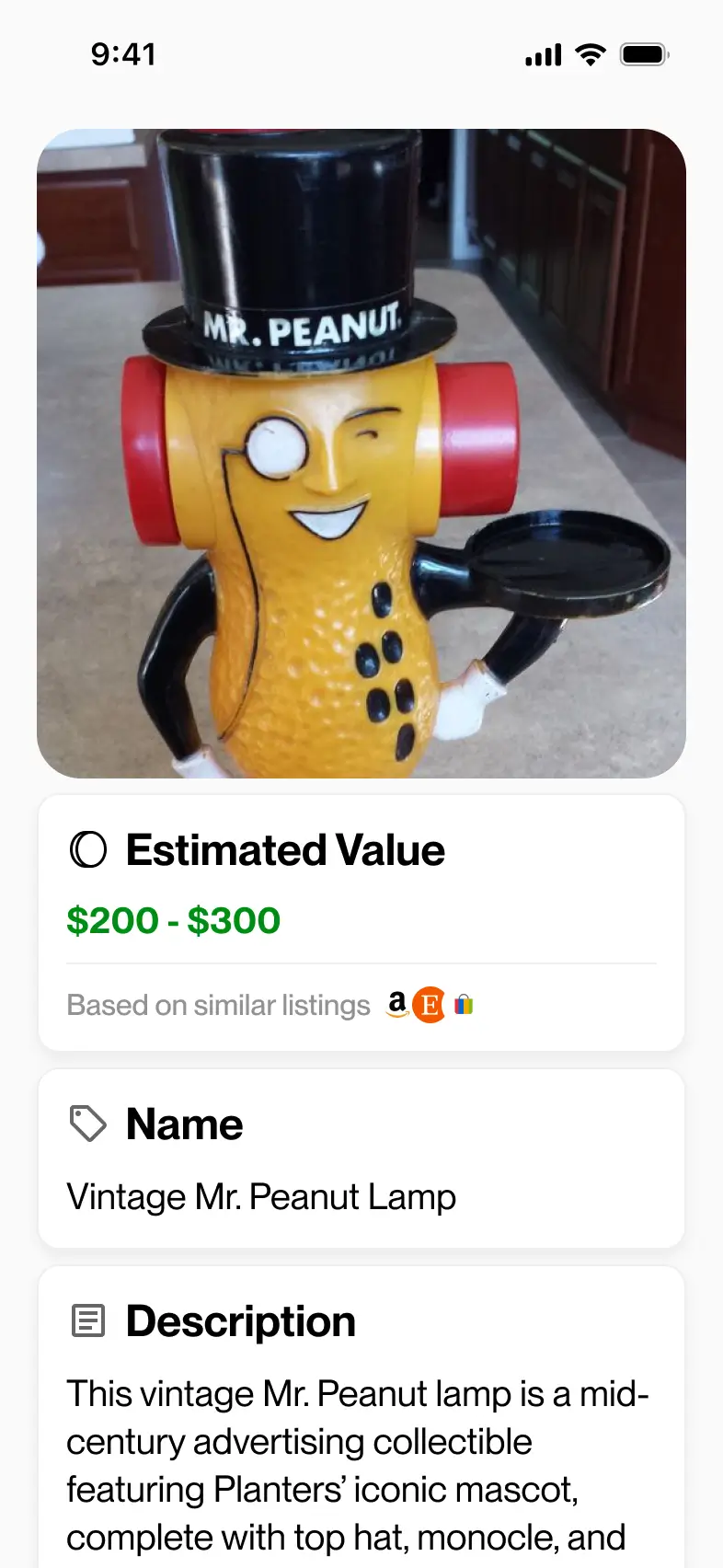
That Dusty Attic Find Could Be Worth a Fortune—Here’s How to Scan It

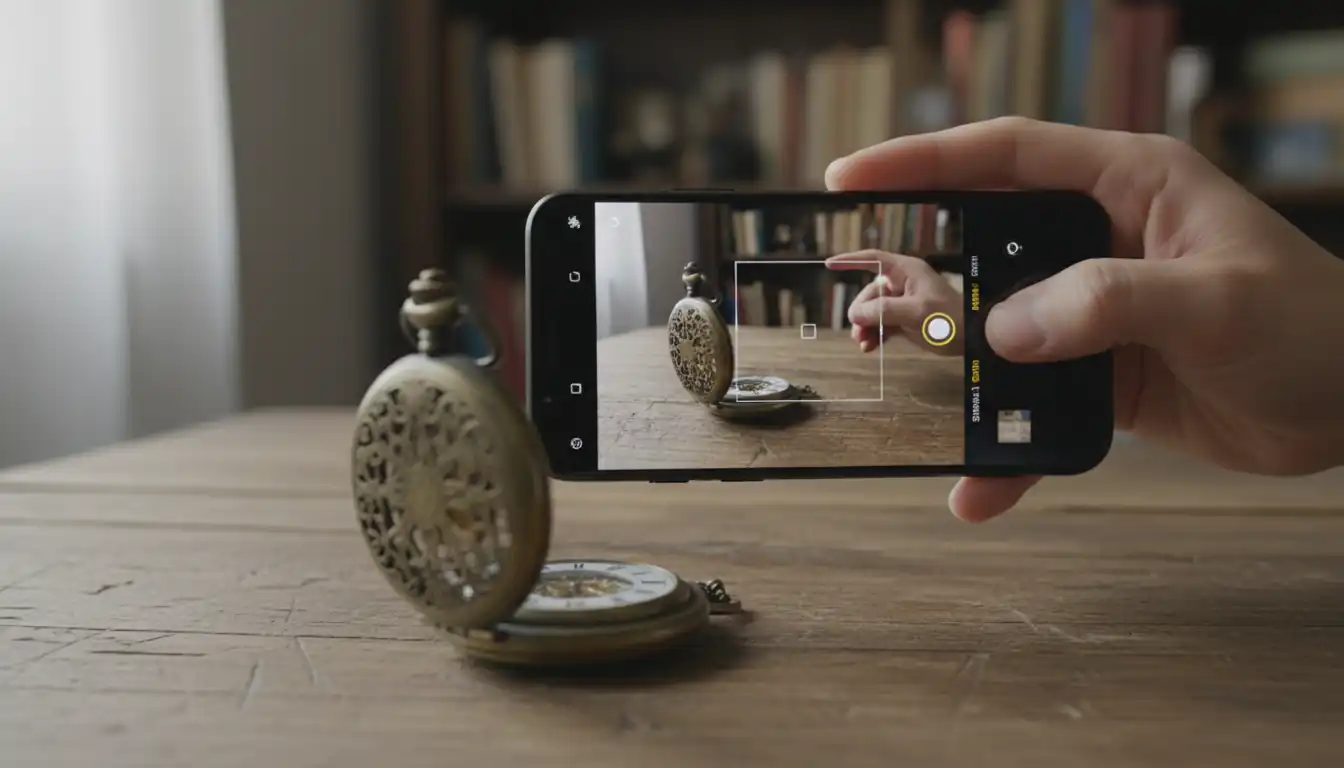
Imagine pulling a heavy, tarnished silver tray from a box that hasn't been opened since 1974. You see a faint mark on the bottom, but it’s illegible to your eyes. In the past, this tray would sit on a shelf, its secrets locked away unless you spent hours at a library or paid a hefty fee for a professional consultation.
The landscape of discovery has shifted. That dusty object in your hands is no longer a mystery; it is a data point waiting to be decoded. With the right tools, you can bridge the gap between "old junk" and "valuable heirloom" in the time it takes to snap a photo.
You are about to learn how modern technology has turned every smartphone into a portable expert. We will explore the mechanics of visual search, how to choose a reliable identification tool, and how to turn a simple scan into a comprehensive digital inventory for your home.
The Evolution of Visual Search in the Antique World
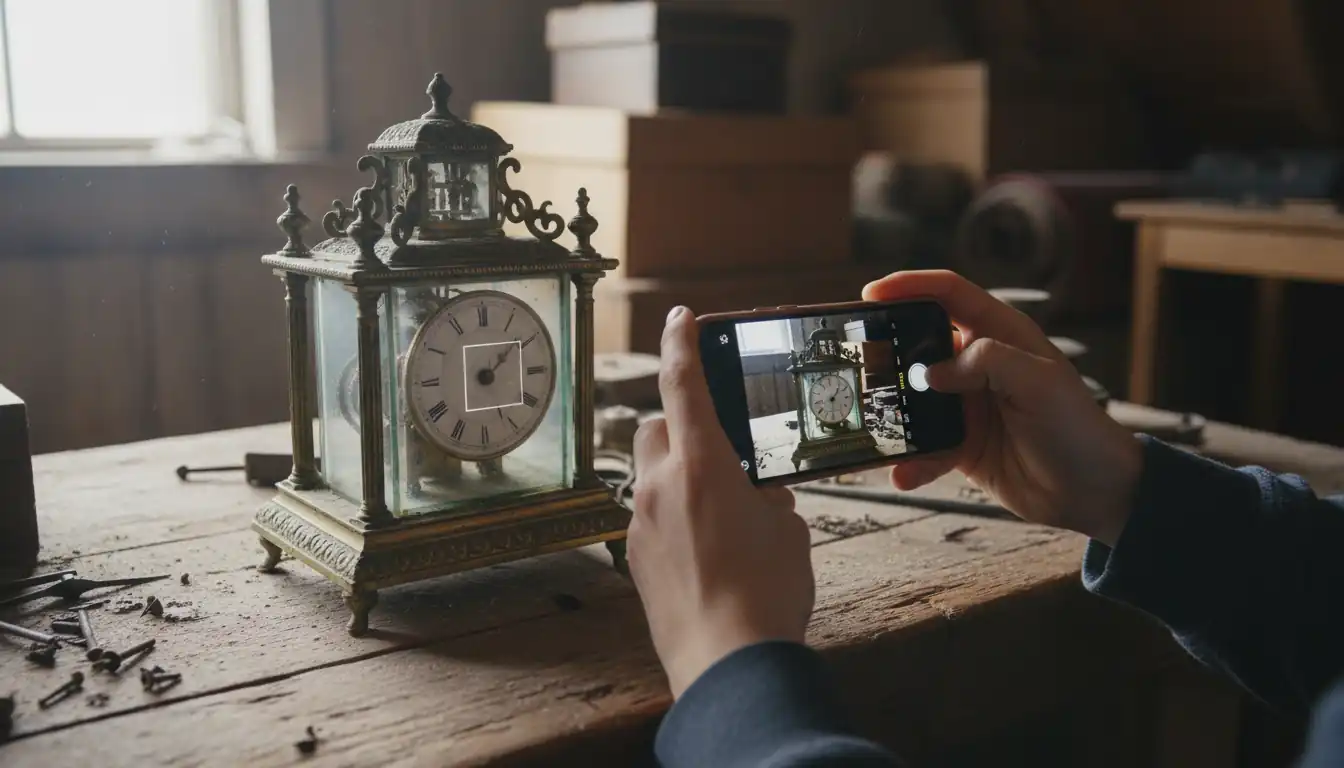
The process of identifying an antique used to be a test of patience. You would start by scouring thick reference volumes, looking for a maker’s mark that matched the one on your porcelain. If the books failed, you would visit a local dealer, hoping they had seen something similar in their thirty-year career.
This manual approach was limited by the human memory and the physical availability of information. Today, that bottleneck has been removed. The shift from library stacks to neural networks has changed how we interact with history.
From Library Books to Neural Networks
Artificial Intelligence does not "see" an object the way a human does. When you point your camera at a Victorian-era chair, the AI breaks that image down into millions of pixels. It analyzes the curve of the leg, the grain of the wood, and the specific pattern of the upholstery.
These pixels are compared against a vast neural network—a digital brain trained on millions of auction records, museum catalogs, and historical archives. The AI looks for "markers" that indicate a specific period or manufacturer. It can distinguish between the hand-carved imperfections of the 18th century and the uniform precision of a 20th-century reproduction.
The power of AI lies in its ability to process more visual data in three seconds than a human expert could review in a lifetime.
Why Visual Search Beats Manual Research
Manual research is prone to "confirmation bias." You might want a piece to be a rare Tiffany lamp, so you overlook the small details that suggest otherwise. AI is indifferent. It provides an objective analysis based on mathematical patterns and historical data.
Can AI identify antiques? The answer is a definitive yes. Modern machine learning models have reached a level of accuracy that rivals professional appraisers for initial identification. By cross-referencing your photo with a global database, the technology can identify the exact model of a clock or the specific pattern of a silverware set with startling precision.
- Pattern Recognition: AI catches subtle stylistic cues that the untrained eye misses.
- Speed of Access: Information that once took weeks to find is now available instantly.
- Global Reach: Your local appraiser might know American furniture, but an AI database knows Ming Dynasty pottery and French Rococo mirrors with equal depth.
Choosing the Right Identification App for Your Collection
The market is currently flooded with apps claiming to identify everything from plants to Picassos. However, not all software is created equal. When you are dealing with potentially valuable items, the difference between a "toy" app and a professional tool can mean the difference between a windfall and a missed opportunity.
Accuracy vs Speed in Image Recognition
Many users ask, "Is antique identifier a good app?" or "Is the Zophi app any good?". While these apps offer quick scans, they often lack the depth required for serious collectors. Zophi, for instance, is often searched for as a "free app," but users frequently find that free tools provide generic results that don't help with actual valuation.
If you are looking for a professional-grade experience, the Relic app stands out by focusing on the "why" and "where" of an item, not just the "what." While some apps might simply tell you "this is a vase," Relic uses its advanced AI to explain that it is a mid-century West German pottery piece from a specific factory. This level of detail is what separates a casual hobbyist tool from a professional resource.
| Feature | Basic ID Apps | Relic App |
|---|---|---|
| Identification Speed | Fast | Instant |
| Historical Context | Minimal | Deep History & Origin |
| Accuracy | Variable | High (AI-driven) |
| Appraisal Features | Rare | Professional-grade |
| User Rating | 3.0 - 4.0 Stars | 4.9 Stars (20k+ reviews) |
Navigating Privacy and Data Safety
One aspect of these apps that is rarely discussed is data safety. When you scan an item in your home, you are often sharing your location and images of your private property. Many free apps monetize your data by selling your search habits to third-party advertisers.
Professional tools like Relic prioritize app privacy. They treat your collection as a private inventory rather than a data set to be sold. Before you start scanning your entire home, check the app's privacy labels in the App Store. Look for developers who minimize data collection and offer transparent support.
- Data Encryption: Ensure your scans are stored securely.
- User Control: You should be able to delete your history at any time.
- Support Access: A reliable app provides clear channels for technical help.
Decoding the Hidden History of Scanned Items
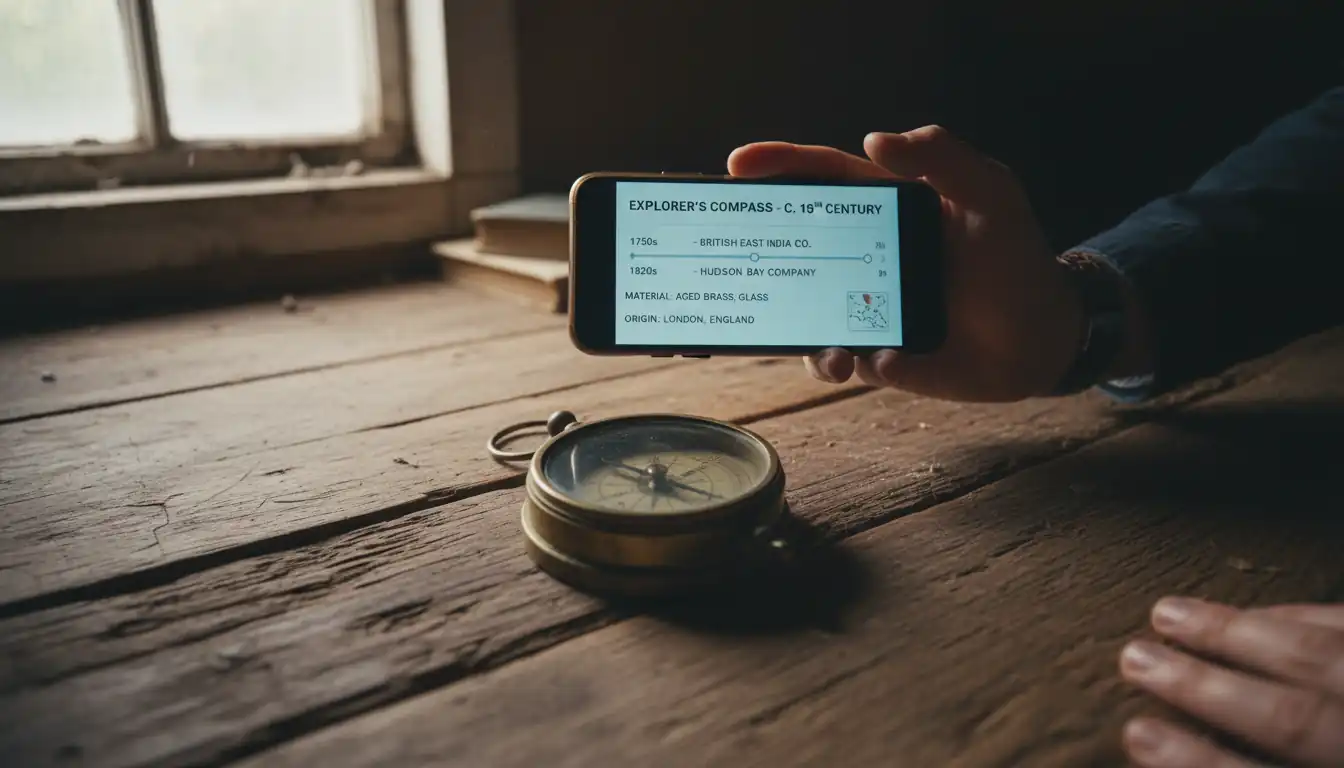
The most exciting part of scanning an antique isn't just knowing what it is—it's knowing where it has been. Every scratch, hallmark, and choice of material tells a story about the era in which it was created.
Understanding Origin and Maker Marks
A maker's mark is like a fingerprint. On silver, it might be a tiny lion passant; on furniture, it could be a faded paper label under a drawer. These marks are often too small or worn for a person to read clearly.
AI-driven tools like Relic are designed to enhance these details. By analyzing the geometry of a hallmark, the app can cross-reference it with historical databases to pinpoint the exact year and city of manufacture. It can tell you if your "antique" silver was made in London in 1890 or Birmingham in 1910.
A hallmark is more than a brand; it is a legal guarantee of quality from a specific moment in time.
The Role of Historical Databases in App Results
When you use an app to scan an item, you aren't just using your phone's processor. You are tapping into a global network of historical records. This is how the software identifies "patina"—the thin layer that forms on the surface of stone, copper, or wood over time.
- Stylistic Cues: The AI recognizes the "S-curve" of a Queen Anne chair leg.
- Material Analysis: It can distinguish between genuine mahogany and a stained pine substitute.
- Manufacturing Methods: The scan can detect if a screw was hand-turned or machine-made, which is a vital clue for dating an item.
This narrative approach transforms your attic find from a physical object into a historical document. You begin to see the craftsmanship and the social history behind the item, which naturally leads to the next logical question: what is it worth?
Determining Real World Value and Appraisal
Value in the antique world is rarely a fixed number. It is a fluid concept influenced by condition, rarity, and current market trends. A scan provides the foundation for understanding this value by giving you a "real appraisal" feel through data-driven insights.
The Difference Between Scanned Estimates and Certified Appraisals
It is vital to understand what a digital scan provides. An app like Relic gives you an instant valuation based on recent sales of similar items across global auction houses. This is incredibly useful for "pickers," dealers, and casual sellers who need to make quick decisions.
However, a digital estimate is different from a formal, certified appraisal used for insurance or legal purposes. A digital scan tells you the "fair market value"—what someone might pay for it today on a site like eBay or at a local auction. A certified appraiser provides a signed document that holds up in court or with an insurance company.
How to interpret your scan results:
- Low Estimate: The price the item would likely fetch at a quick "fire sale."
- High Estimate: The price a dedicated collector might pay in a specialized auction.
- Market Trend: Whether the item is currently gaining or losing popularity among buyers.
Market Trends and Regional Variations
The value of an antique can change drastically depending on where you are. A piece of tribal art might have a modest value in a local US market but could be highly sought after in the Middle East or the Asia Pacific region.
Relic’s AI accounts for these regional variations by tracking global market data. It understands that "Mid-Century Modern" furniture is currently peaking in North America, while certain types of Victorian jewelry are seeing a resurgence in European markets.
- Africa: Growing interest in colonial-era artifacts and traditional textiles.
- Middle East: High demand for Islamic metalwork and rare carpets.
- Asia Pacific: A massive surge in the repatriation of Chinese ceramics and art.
By understanding these trends, you can decide whether to sell your item locally or list it on a global platform where it might command a higher price.
Protecting and Managing Your Digital Inventory

Once you have scanned your items and discovered their history and value, the journey isn't over. The real power of this technology lies in how you manage that information for the long term.
Organizing Scans for Insurance and Estate Planning
Most homeowners are underinsured because they don't actually know what is inside their house. If a fire or flood occurs, trying to remember every heirloom is impossible. This is where the "catalog" feature of an app becomes essential.
By using Relic to build a digital inventory, you are creating a permanent record of your assets. Each scan includes the photo, the description, the history, and the estimated value. This digital file can be exported and sent to your insurance agent, ensuring that your "dusty attic finds" are fully protected.
Steps for a complete home inventory:
- Room-by-Room Scanning: Dedicate one weekend to scanning every significant item in a single room.
- Detailed Notes: Add notes about the item's condition or how you acquired it.
- Cloud Backup: Ensure your inventory is synced so you can access it even if you lose your phone.
Sharing Your Finds with Global Communities
Collecting doesn't have to be a solitary hobby. The ability to share your scans with other enthusiasts can lead to even deeper insights. Perhaps you found a rare piece of glass, and a collector in another country can tell you the name of the specific artist who blew it.
Many professional dealers and "pickers" use these sharing features to pre-sell items before they even leave the estate sale. If you find a rare item, you can instantly send the appraisal and history to a potential buyer, making the transaction faster and more transparent.
Your collection is a living history; documenting it ensures that history is never lost.
Conclusion
The transition from manual research to AI-driven identification has democratized the world of antiques. You no longer need a PhD in art history to understand the value of the items in your home. Tools like Relic have placed professional-grade appraisal and historical context directly into your pocket.
By understanding how to use visual search, choosing the right professional tools, and managing your digital inventory, you turn a simple hobby into a sophisticated asset management strategy. Whether you are a professional dealer looking for an edge or a homeowner curious about a family heirloom, the power to decode the past is now in your hands.
Next Steps:
- Download a professional-grade app like Relic from the iOS App Store.
- Start with one item—perhaps that mysterious tray or vase—and perform your first scan.
- Begin building a digital catalog of your most prized possessions for peace of mind and future planning.
Identify antiques instantly
Point your camera at any antique, collectible, or vintage item. Get valuations, history, and market insights in seconds.
Download for iPhone