That Dusty Attic Find Could Be Worth Thousands—Here’s How to Appraise It Instantly

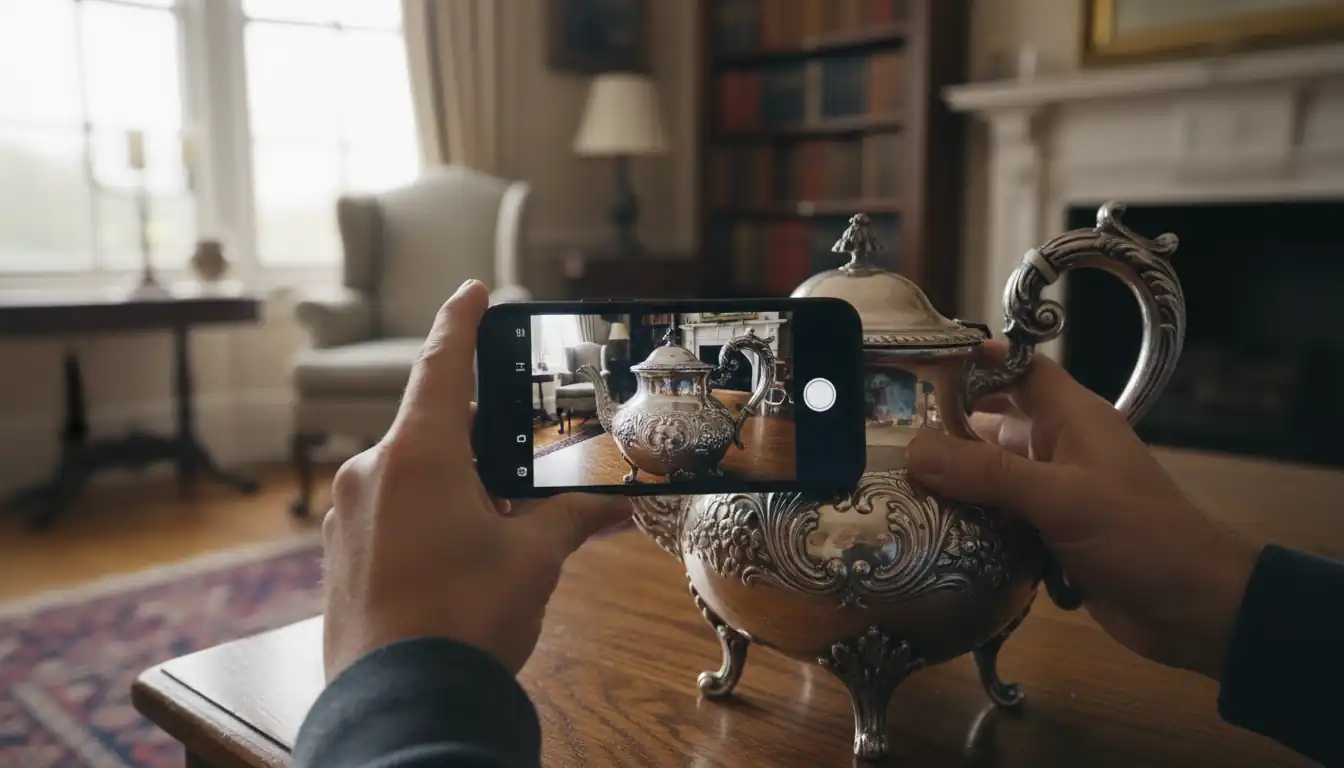
You are standing in a dimly lit attic, surrounded by the remnants of a life lived decades ago. Your flashlight sweeps over a stack of old trunks, a tarnished silver tea set, and a heavy, ornate chair tucked into a corner. There is a specific thrill in this moment—the possibility that one of these forgotten objects is more than just clutter. It could be a piece of history, a rare collectible, or even a financial windfall waiting to be claimed.
The challenge has always been the gap between discovery and knowledge. In the past, identifying a true treasure required years of study or a costly trip to a professional appraiser. You might have spent hours scouring library books or scrolling through endless forum posts, only to end up more confused than when you started. That barrier often leads to "the great regret": selling a masterpiece for pennies at a garage sale or, worse, tossing a valuable heirloom into a dumpster.
The landscape of antique hunting has changed. You no longer need to rely on gut feelings or grainy reference photos. By using the high-resolution camera already in your pocket, you can bridge the gap between a dusty find and a professional valuation in seconds. This guide will show you how to transform your smartphone into a sophisticated appraisal tool, ensuring you never overlook a diamond in the rough again.
Mastering the Digital Shot for Accurate AI Identification
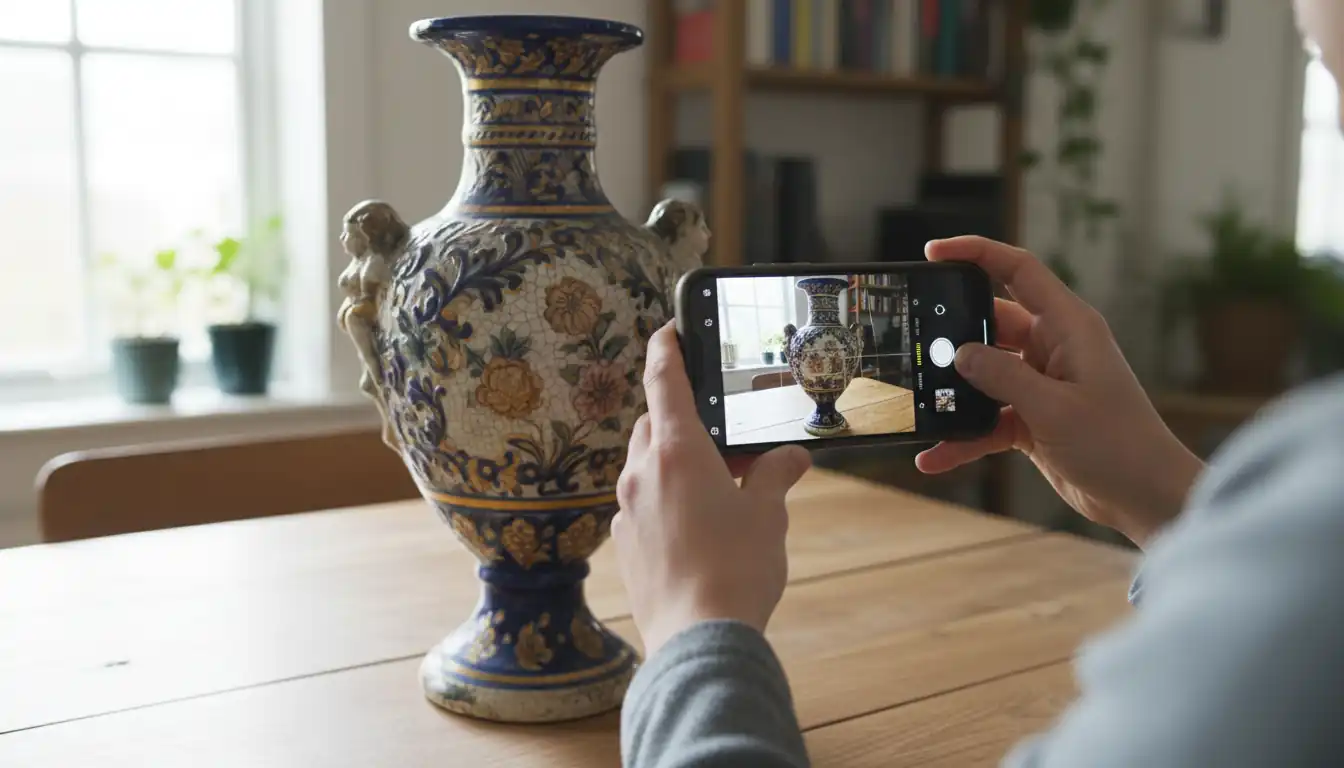
The success of any digital appraisal begins long before the software starts its analysis. It starts with the physical act of capturing the item’s data through your lens. Think of the AI as a highly specialized detective; it can only work with the evidence you provide. If the evidence is blurry, poorly lit, or cluttered, the results will be equally unreliable. This is the "garbage in, garbage out" principle of modern technology.
To get a professional-grade result, you must treat your photography like a forensic documentation process. You aren't just taking a picture to show a friend; you are capturing the DNA of an object. High-fidelity data allows the system to distinguish between the subtle grain of 18th-century mahogany and the printed laminate of a 1990s reproduction.
Optimizing Lighting and Background for Clearer Results
Lighting is the most critical factor in revealing the true nature of an antique. Harsh indoor bulbs often create "hot spots" or yellow tints that mask the item's actual color and condition. Conversely, a dark room hides the very details that prove authenticity. The goal is to achieve balanced, even illumination that mimics a professional studio environment without needing expensive equipment.
The best light source is natural, indirect sunlight. Position your item near a large window, but out of the direct path of the sun to avoid glare. If you are outdoors, a bright but overcast day provides the perfect "softbox" effect. This type of light wraps around the object, filling in shadows and highlighting the texture of the material, whether it is the crackle in a painting’s glaze or the weave of an ancient textile.
Your background choice is equally important. A cluttered background forces the AI to work harder to separate the object from its surroundings, which can lead to errors. Use a neutral, solid-colored backdrop—a white sheet, a grey piece of poster board, or a black cloth works best. This creates a high-contrast environment where the edges of the item are sharp and distinct.
Pro Tip: If you are photographing a small item like jewelry or a coin, place it on a steady surface rather than holding it. Even the slightest hand tremor can cause micro-blurring that obscures important hallmarks.
Capturing Maker Marks and Structural Fine Details
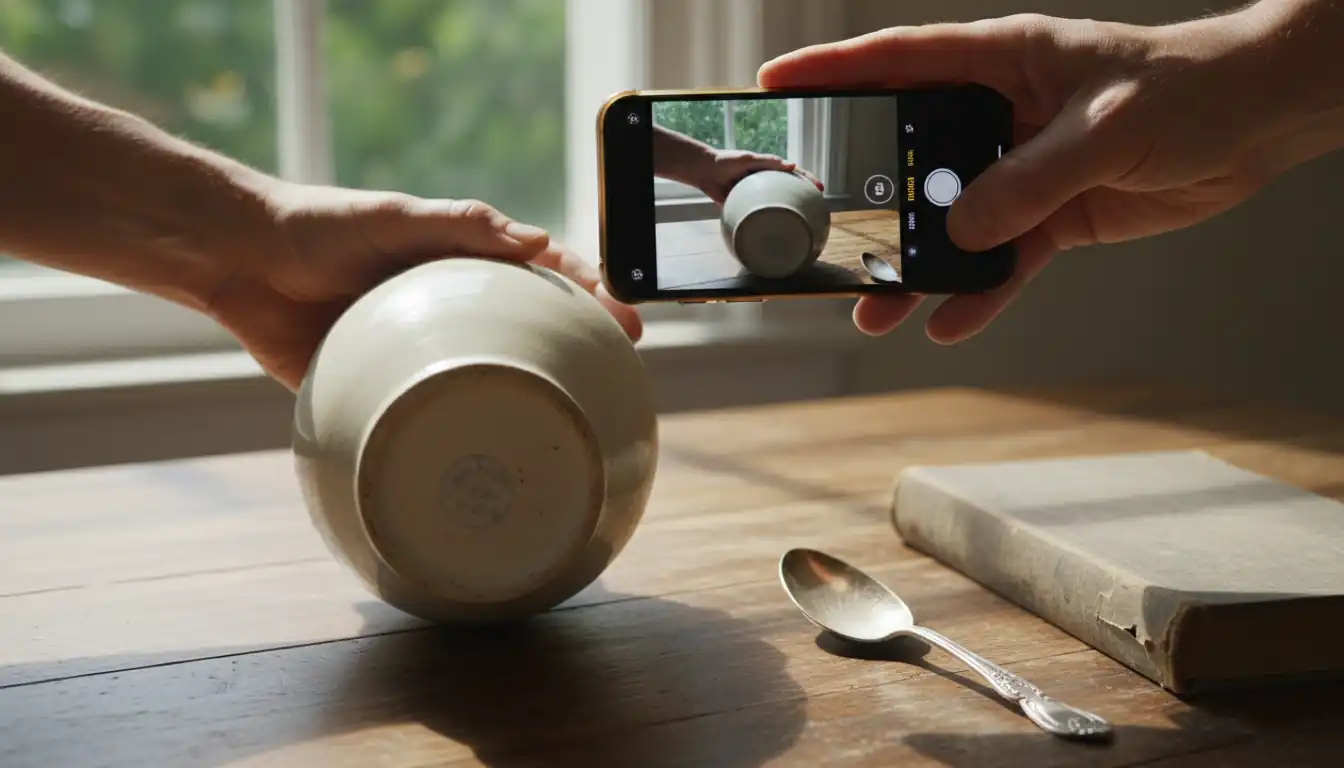
Once you have the overall shot, you must move in for the "money shots." These are the specific areas that carry the most weight in an appraisal. For furniture, this means the underside of drawers, the back panels, and the joints. For ceramics, it means the base where the maker's mark or "backstamp" is located.
- The Base and Back: Always flip the item over. The way a base is finished tells a story of its manufacturing era.
- Signatures and Stamps: Use the macro setting on your phone to get a crystal-clear image of any text, logos, or symbols.
- Hardware and Fasteners: Take close-ups of screws, hinges, and handles. Hand-cut screws look very different from machine-made ones, and this single detail can date a piece by a century.
- Texture and Grain: Get close enough to see the "pores" of the material. The AI needs to see if a surface is hand-painted or a printed decal.
| Feature to Capture | Why It Matters |
|---|---|
| Maker's Mark | Identifies the manufacturer and specific production run. |
| Joinery | Reveals if the item was hand-crafted or mass-produced. |
| Material Wear | Shows "honest wear" patterns that are difficult to fake. |
| Patina | Helps determine the age and environmental history of the piece. |
Decoding the AI Appraisal Revolution with Relic
We have moved past the era of simple image matching. In the early days of mobile tech, you might use a tool like Google Lens to find "something that looks like this." While helpful for finding a pair of shoes or a modern lamp, those tools often fail when faced with the nuances of the antique world. They look for visual similarity, not historical authenticity.
This is where specialized technology like the Relic app changes the equation. Instead of just searching the open web for similar-looking pictures, Relic uses advanced AI trained specifically on historical databases, auction records, and material science. It doesn't just see a "brown wooden chair"; it analyzes the specific curvature of the cabriole leg, the type of wood grain, and the style of the carving to identify it as a specific period piece.
How Computer Vision Identifies Rare Artifacts
Computer vision is the branch of AI that allows software to "see" and interpret visual data. When you upload a photo to Relic, the system breaks the image down into thousands of data points. It looks at the geometry of the object, the color spectrum, and the specific patterns of wear or decoration.
These data points are then compared against a massive, curated catalog of known antiques. The AI can recognize the specific brushwork style of a particular pottery house or the unique casting marks of a 19th-century bronze foundry. Because the AI has "seen" millions of authenticated items, it can spot the subtle deviations that suggest an item is a high-quality forgery or a later revival piece.
Moving Beyond Basic Image Search to Real Valuations
The primary difference between a generic search and a Relic appraisal is the depth of information provided. A search engine might lead you to a Pinterest board or an expired eBay listing. Relic, however, provides a comprehensive profile of the item.
- Origin and History: You get the story behind the piece—where it was made, who made it, and the cultural context of its era.
- Material Analysis: The AI helps identify what the item is actually made of, which is a huge factor in value (e.g., solid silver vs. silver plate).
- Real-Time Valuation: By aggregating data from recent auction results and private sales, the app provides a realistic market value rather than a hopeful asking price.
Having this level of expertise in your pocket means you are no longer guessing. You are making decisions based on data that was previously only available to high-end auction house specialists.
Spotting Value Indicators Through Your Lens
While the AI does the heavy lifting, your own "expert eyes" are your first line of defense. Using your phone’s camera as a high-powered magnifying glass allows you to inspect details that are invisible to the naked eye. This hybrid approach—combining human intuition with digital precision—is how the most successful pickers operate.
When you zoom in on a potential find, you are looking for "honesty." Authentic antiques have a specific way of aging that is incredibly difficult to replicate in a modern factory. By knowing what to look for, you can quickly filter out the "distressed" modern furniture from the genuine 18th-century relics.
Identifying Authentic Patina versus Modern Distressing
Patina is the soul of an antique. It is the thin layer of oxidation, wear, and wax buildup that happens over decades or centuries. It shouldn't look uniform. On a wooden table, the patina should be deeper in areas that were touched frequently, like the edges or around the handles.
Modern "distressing" usually looks forced. You might see repetitive "wormholes" made with a drill or "wear" marks in places where no one would naturally touch the piece. When you look through your lens, check for the depth of the color. Real patina has a three-dimensional quality; it looks like it is in the wood, not just on it.
Recognizing Period-Specific Construction Techniques
Before the industrial revolution, things were made by hand, and those hands left marks. Your camera can help you find these "fingerprints" of history.
- Dovetail Joints: Look at the joints of a drawer. If the "teeth" are slightly uneven and vary in size, they were likely cut by hand with a saw and chisel. If they are perfectly uniform and rounded, they were made by a modern machine.
- Saw Marks: On the back or underside of furniture, look for the marks left by the saw. Straight, slightly irregular lines indicate a hand-powered pit saw or a straight-blade mill saw (pre-1850). Circular marks indicate a circular saw, which didn't become common until the mid-19th century.
- Glass Bubbles: In antique glassware, you will often see small, irregular bubbles (seeds) and "pontil marks" on the bottom where the glass was broken off the blower's pipe. Modern glass is usually perfectly clear and has a smooth, molded base.
"The difference between a $50 reproduction and a $5,000 original often comes down to a single hand-cut nail or a slightly off-center signature."
| Material | Antique Indicator | Modern Red Flag |
|---|---|---|
| Wood | Hand-cut dovetails, irregular shrinkage | Stapled joints, uniform "distressing" |
| Metal | Natural tarnish, hand-hammered marks | Spray-painted "bronze" finish, casting seams |
| Ceramics | Hand-painted details, kiln marks | Decal transfers, perfectly smooth bases |
| Glass | Pontil marks, wavy texture, bubbles | Mold lines, perfectly uniform thickness |
Strategic Appraising in the Field
The way you use your technology in the field is just as important as the technology itself. Whether you are at a high-end estate sale, a crowded flea market, or a dusty barn sale, there is a social and economic strategy to appraising. Information is power, and in a negotiation, the person with the most information usually wins.
However, there is a delicate balance to strike. If a seller sees you scanning an item and your eyes light up, the price is likely to go up instantly. Successful appraising requires a bit of "stealth" and a lot of strategy.
Stealth Appraising at Estate Sales and Flea Markets
When you find something interesting, don't immediately start a high-production photoshoot. This signals to everyone around you—including the seller—that you’ve found something potentially valuable. Instead, practice the "casual check."
Pick the item up, examine it as if you are looking for cracks or damage, and take a few quick, clear photos from different angles. If you need to use an app like Relic, step away from the item or find a quiet corner to review the results. This allows you to process the data and determine the item's true value without tipping your hand.
If the app confirms the item is a "sleeper" (an undervalued treasure), you can return to the seller with a firm understanding of your ceiling price. You aren't just haggling; you are buying with the confidence of a professional.
Calculating Potential Profit Margins on the Fly
The most important question for any picker or dealer is: Is this worth the flip? An item might be "worth" $500, but if the seller wants $400 and it will cost $100 to ship, your profit is zero.
When you get an appraisal result, you need to factor in the "Three S's":
- Sourcing Cost: What you pay for the item right now.
- Saleability: How fast does this type of item sell? (Relic's market insights can help here).
- Shipping/Storage: Is it a small vase or a massive armoire? Large items eat profit through logistics.
What is the most profitable way to sell antiques? According to market data, the most profitable way to sell is usually through a niche-specific online marketplace or a specialized auction house. While selling locally on platforms like Facebook Marketplace is fast and has no fees, you are limited to a local audience who may not appreciate the item's true historical value. By using a digital appraisal to prove the item's origin, you can access global collectors on sites like eBay, 1stDibs, or Ruby Lane, where buyers are willing to pay a premium for authenticated pieces.
Turning Appraisals into Top Dollar Sales
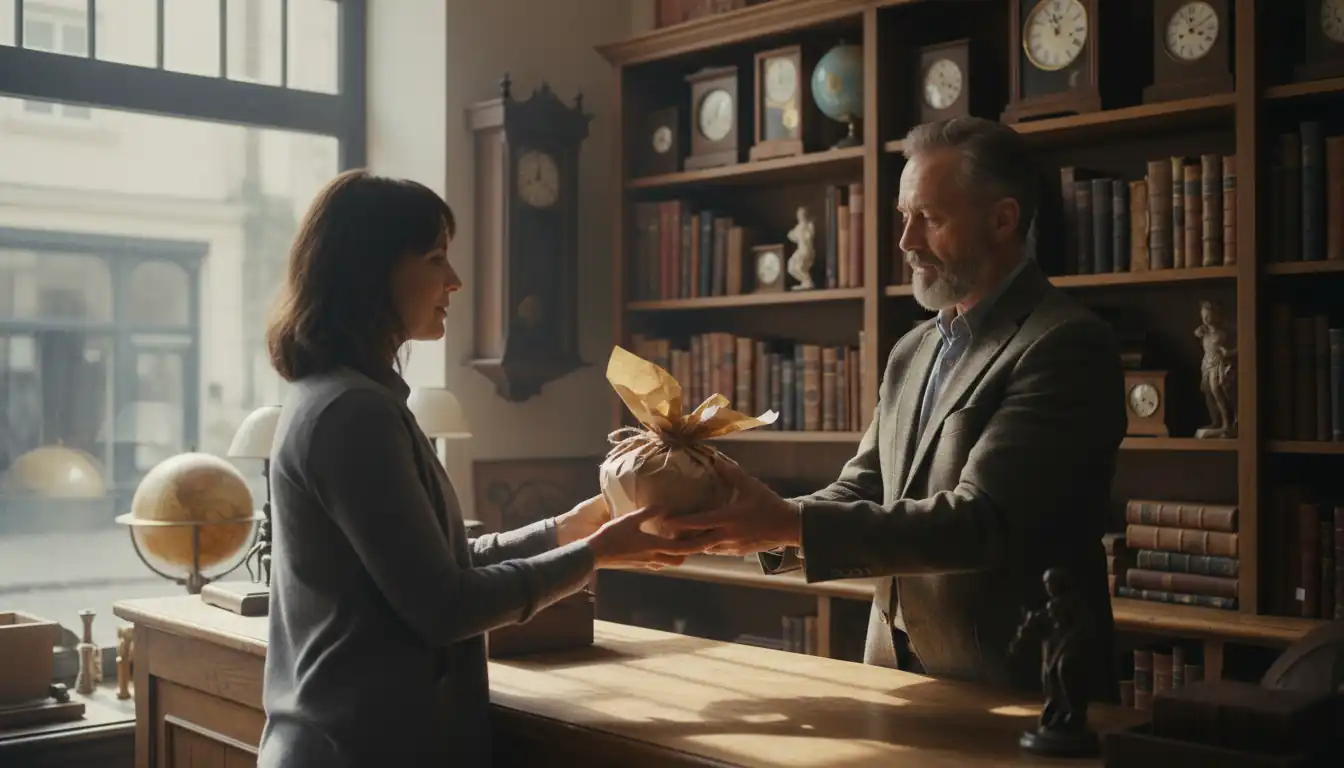
Once you have identified a treasure and secured it for a good price, the final step is turning that physical object back into liquid cash. This is where many people stumble. They have a great item, but they list it with a one-sentence description and a blurry photo. To get top dollar, you must sell the story as much as the object.
The data you gathered during the appraisal process is your most valuable marketing asset. It allows you to move from being a "person selling an old clock" to a "dealer offering a rare 19th-century French mantel clock with original ormolu mounts."
Using Digital Reports to Build Provenance
In the world of high-end antiques, "provenance" is everything. It is the record of ownership and the proof of an item's history. While you might not have a paper trail going back to the 1700s, a digital appraisal report acts as a modern bridge of trust.
When you list an item for sale, include the historical details provided by your appraisal. Mention the specific maker, the era, the materials used, and any unique design features. If you can say, "Identified as a genuine [Brand/Maker] piece from the [Era] period," you instantly justify a higher price point. It removes the risk for the buyer. They aren't just taking your word for it; they are seeing the results of a sophisticated analysis.
Matching Your Item to the Right Marketplace
Not every treasure belongs on the same shelf. Choosing the right platform is the difference between a quick $50 sale and a $500 windfall.
- eBay: Best for "bread and butter" collectibles, mid-range antiques, and items with a high turnover rate. It has the largest audience but also the most competition.
- 1stDibs / Ruby Lane: These are the "luxury boutiques" of the internet. They are best for high-end furniture, fine art, and rare jewelry. Buyers here expect professional appraisals and are willing to pay top market value.
- Local Auction Houses: If you find something truly spectacular—like an original oil painting by a known artist or a rare piece of folk art—a physical auction house might be the best bet. They handle the marketing to serious collectors and take a commission in exchange for reaching the highest bidders.
- Etsy: Surprisingly good for "vintage" items (20-100 years old) and mid-century modern decor. The audience appreciates the aesthetic and the story behind the piece.
The goal is to match the rarity of the item to the sophistication of the buyer.
Conclusion
The "dusty attic find" is no longer a matter of pure luck. By mastering the art of the digital shot, you provide the high-quality data necessary for modern AI to do its work. Tools like Relic have democratized the world of antiques, putting the power of a professional appraiser into the hands of anyone with a smartphone.
You’ve learned how to spot the "honesty" in an object through its patina and construction, how to navigate the social dynamics of a sale, and how to use your findings to command the highest possible price in the marketplace. The next time you see a strange mark on the bottom of a vase or a curiously heavy piece of furniture at a yard sale, don't walk away.
Take out your phone, capture the details, and see what history is hiding in plain sight. Your next big discovery is likely just one photo away. Download an identifier like Relic today and start scanning—you might be surprised at the value sitting right under your nose.
Identify antiques instantly
Point your camera at any antique, collectible, or vintage item. Get valuations, history, and market insights in seconds.
Download for iPhone