That Dusty Attic Find Could Be Worth Thousands—Here’s How to Identify It Instantly

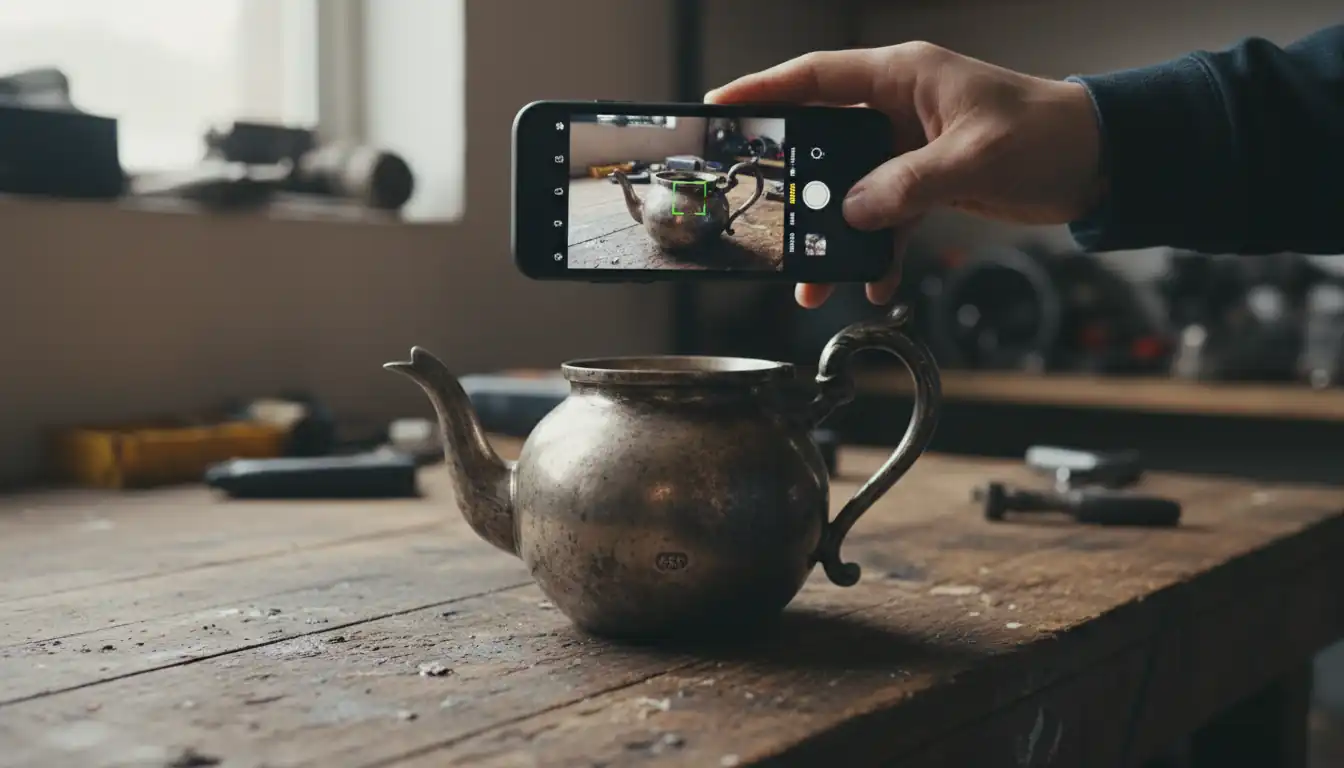
You are standing in a dimly lit attic, surrounded by the scent of aged paper and cedar. Your hand brushes against a heavy, tarnished silver bowl tucked behind a stack of old magazines. It looks important, perhaps even valuable, but you have no idea where it came from or what it might be worth. In the past, this moment would lead to a week of frustration—hauling the item to a local dealer, flipping through dusty price guides, or waiting for a return call from an appraiser who might charge more than the item is worth just to look at it.
The barrier between "junk" and "treasure" has always been knowledge. For decades, that knowledge was locked away in the minds of a few experts or buried in specialized library archives. If you didn't know exactly what you were looking for, you couldn't find the answer. That dynamic has shifted. The mystery of the dusty attic find is no longer a waiting game; it is a puzzle that can be solved in the time it takes to snap a photo.
You are about to learn how the landscape of antique collecting has been completely rebuilt by technology. We will explore how to move from curiosity to a professional-grade appraisal in seconds, why your standard search tools are failing you, and how to turn a single discovery into a managed digital portfolio. By the time you finish reading, you will have the tools to identify almost any object with the precision of a seasoned auctioneer.
The New Era of Antique Identification
The world of antiques is currently experiencing its most significant shift since the advent of televised appraisal shows. We have moved past the era of manual research. Ten years ago, if you found a piece of pottery with an obscure mark, you would spend hours on forums or in the "Antiques" section of a bookstore. Today, the process is driven by machine learning models that have been trained on millions of auction records, museum archives, and historical databases.
The Rise of AI Visual Recognition
Visual recognition technology has evolved far beyond simple pattern matching. Modern AI doesn't just see a "brown chair"; it analyzes the joinery, the wood grain, the specific curve of a cabriole leg, and the patina of the finish. These systems function like a digital brain that has "seen" every major auction catalog from the last fifty years. When you present an item to an AI-driven system, it compares the visual data against a massive library of known authentic pieces, identifying nuances that the human eye might miss.
This technology has democratized expertise. You no longer need a PhD in Art History to recognize the difference between a mass-produced 1970s reproduction and a genuine 18th-century masterpiece. The AI identifies the "DNA" of the object—the specific manufacturing techniques and stylistic markers that define a period or a maker. This transition from manual to instant identification means that the speed of the market has increased. Deals are made in minutes on garage sale lawns rather than weeks later in a gallery.
Why Traditional Research Methods Are Failing Modern Collectors
You might wonder, "Is there a website to identify antiques?" While several websites offer databases of marks or forums for enthusiasts, they often fall short in the modern market. Traditional websites require you to already have a starting point. You have to describe the item in words, which is notoriously difficult for antiques. How do you describe a specific shade of "celadon" or the exact shape of a Victorian hallmark? If you misidentify a single feature in your search query, you end up down a rabbit hole of incorrect information.
The industry has shifted toward mobile-first AI applications because they remove the "translation" error between the object and the search engine. A website is a static library; a mobile app is a live tool. Modern collectors are finding that the convenience of having an expert in their pocket outweighs the utility of a desktop database. This shift is about more than just speed—it is about accuracy. When you use a dedicated app, you are accessing a specialized ecosystem designed specifically for the quirks of aged materials and historical manufacturing, something a general website simply cannot replicate.
| Feature | Traditional Research (Books/Websites) | Modern AI Identification (Apps) |
|---|---|---|
| Speed | Hours to Days | Seconds |
| Input Method | Text Descriptions | High-Resolution Photos |
| Accuracy | Subjective/User-Dependent | Data-Driven/Pattern Recognition |
| Market Data | Often Outdated | Real-Time Auction Results |
| Portability | Low (Heavy books/Desktop) | High (Smartphone) |
Mastering the Digital Appraisal Workflow
To get the most out of modern identification tools, you need to treat your smartphone like a professional laboratory instrument. The quality of the data you provide directly impacts the quality of the appraisal you receive. If you provide a blurry photo in a dark room, even the most advanced AI will struggle to give you a definitive history.
Capturing the Perfect Shot for AI Analysis
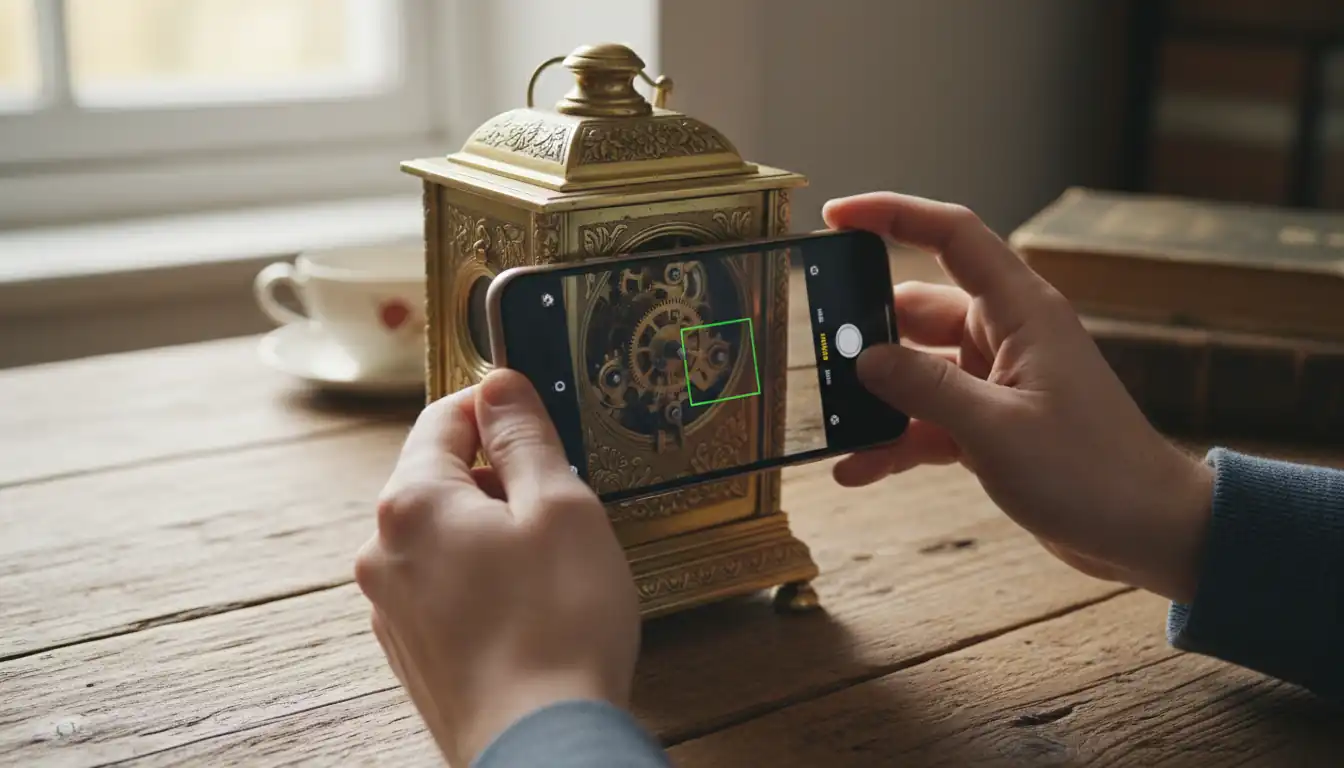
Think of the AI as a witness that needs to see every detail to testify to an item's identity. To ensure an accurate origin and history, you must follow a specific visual protocol.
- Lighting is Everything: Avoid using a harsh flash, which creates "hot spots" and hides the texture of the item. Instead, use soft, natural light. Position your item near a window but not in direct sunlight.
- The Neutral Background: Place your item against a solid, neutral background—a white sheet or a grey wall works best. This prevents the AI from getting "distracted" by the clutter in your living room.
- The Three-Angle Rule: Take a wide shot of the entire item, a profile shot to show its silhouette, and a top-down view.
- Macro Details: This is where the real value is found. Capture clear, close-up photos of hallmarks, signatures, foundry marks, or even the underside of a piece of furniture. These are the "fingerprints" of the antique world.
Once you have these images, the process becomes incredibly simple. Using an app like Relic, you can upload these photos directly from your gallery. The app uses its specialized neural network to scan the images, cross-referencing them with its internal database of historical artifacts and market values. Within seconds, the "Take a Photo" step leads directly to the "Get Results" phase, where the mystery of the object begins to unravel.
Interpreting Your Results and Market Value
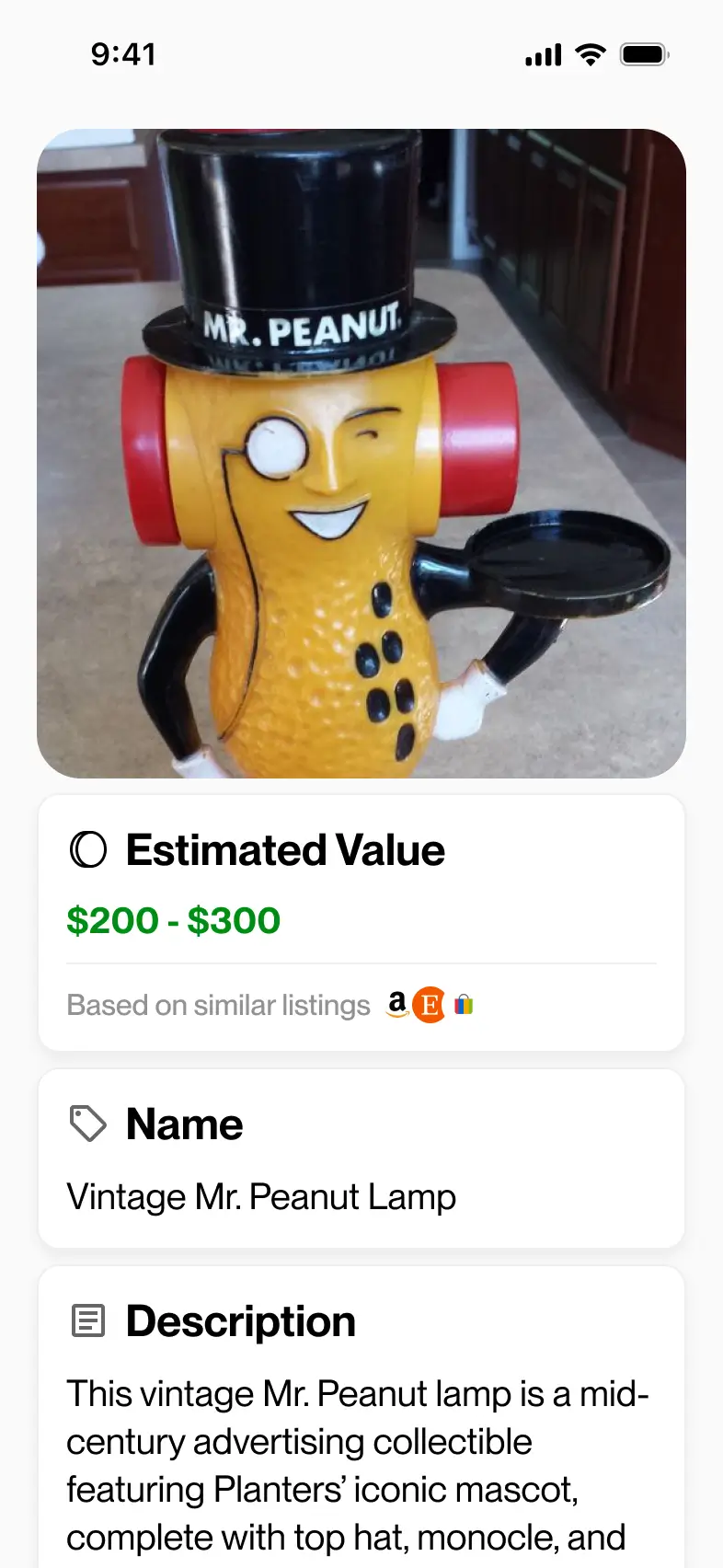
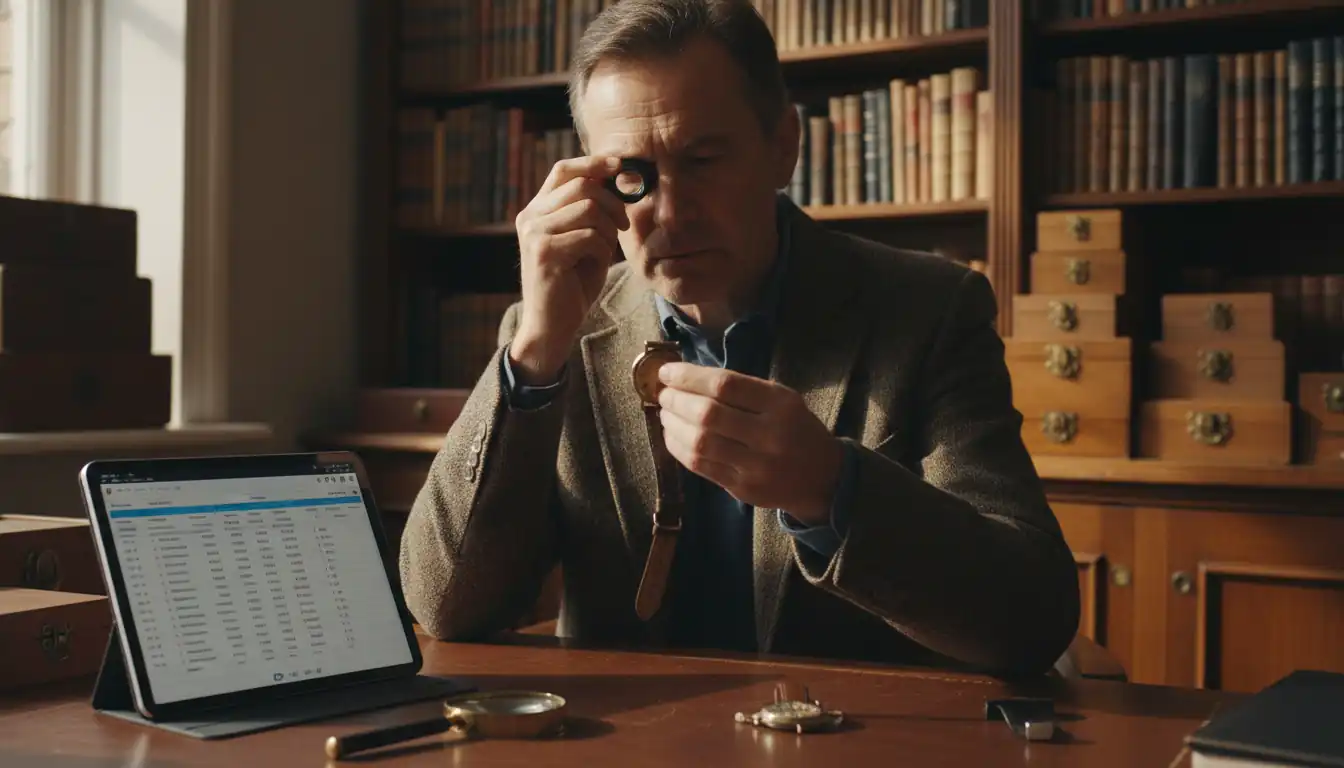
When the results appear, you aren't just looking at a name; you are looking at a comprehensive profile. A professional-grade tool will provide a real appraisal, which includes the estimated market value based on recent sales of similar items. It’s important to distinguish between "asking price" (what someone wants) and "sold price" (what someone actually paid).
An appraisal is more than a number; it is a justification of value based on historical context and market demand.
The "Learn More" step is where you become the expert. Relic provides the history and origin of the item, explaining why it was made, who made it, and why it holds value today. You might discover that the "old glass bottle" you found is actually a rare mid-19th-century bitters bottle from a specific Philadelphia glassworks. This narrative doesn't just satisfy your curiosity—it becomes your strongest selling point if you decide to go to market.
Beyond Google Lens for Serious Collectors
Many people start their journey by asking, "Can Google Lens identify antiques?" It is a fair question. Google Lens is a powerful general-purpose tool that is excellent at identifying common consumer products or landmarks. If you point it at a modern toaster, it will find you a link to buy it. However, when it comes to the nuanced world of antiques, general search engines often hit a wall.
Where General Search Engines Fall Short
The primary weakness of a general tool is its lack of specialized context. Google Lens works by finding "visually similar" images across the web. If you scan a blue and white ceramic plate, it will show you thousands of other blue and white ceramic plates. It might tell you that you have a "willow pattern plate," but it won't tell you if it was made in 1790 or 1990.
For a serious collector or someone looking to sell an item, "similar" isn't good enough. You need to know the specifics. General tools lack:
- Appraisal Data: They don't track specialized auction house records.
- Historical Depth: They cannot distinguish between a period piece and a high-quality reproduction.
- Niche Expertise: They don't understand the significance of specific maker's marks or regional variations in craftsmanship.
The Advantage of Specialized Antique Databases
This is where a dedicated tool like Relic distinguishes itself. While a general search engine identifies the category, a specialized app identifies the specimen. For example, if you scan a piece of art pottery, Google Lens might identify it as a "green vase." Relic, however, can identify it as a "1905 Grueby Faience vase with a matte cucumber-green glaze," providing its specific height, the artist who likely threw the piece, and its current valuation at specialized pottery auctions.
The difference is the data source. Specialized apps are built on curated databases of verified antiques rather than the "wild west" of the general internet. This prevents you from making the "reproduction mistake"—thinking you have a thousand-dollar item when you actually have a twenty-dollar decorative piece from a modern home goods store. For financial decisions, you need a tool that understands the difference between "looks like" and "is."
Uncovering the Hidden History of Your Treasures
Every antique is a time capsule. When you identify an item by photo, you aren't just looking for a price tag; you are uncovering a journey. The history and origin of an item provide the "provenance"—the documented history of an object's ownership and origin. In the world of high-end collecting, provenance can double or triple the value of an item.
Tracking Provenance Through Visual Data
Visual identification allows you to trace an item back to its manufacturer and era. This is essential for understanding the "why" behind an object. Why was this specific alloy of silver used? Why does this chair have these specific carvings? Often, these details point to a specific historical event or a shift in manufacturing technology.
For example, identifying a piece of jewelry might reveal that it is "Mourning Jewelry" from the Victorian era, made with jet or black enamel to commemorate a loved one. Knowing this history changes the item from a piece of scrap metal into a significant historical artifact. Relic provides this narrative background, allowing you to see the item as part of a larger story. This context is what collectors pay for. They aren't just buying an object; they are buying a piece of history they can explain to others.
Understanding 2025 Market Trends and Pop Culture Shifts
The value of antiques is not static; it is heavily influenced by current trends. 2025 has been a fascinating year for the market, particularly as certain niches have crossed over into mainstream pop culture. We have seen a massive surge in interest in items that were once considered "niche," such as vintage coins and numismatics.
- The Pop Culture Coin Spike: In 2025, coins have crossed into pop culture in a way we haven't seen in decades. Rare mint errors and specific historical coins have become "viral" assets, driven by social media collectors.
- Mid-Century Modern Fatigue: While still popular, the market is seeing a shift back toward "maximalism" and ornate Victorian or Edwardian pieces as younger generations look for unique, high-quality alternatives to flat-pack furniture.
- The "Analog" Revival: Items like vintage cameras, typewriters, and mechanical watches are seeing a value spike as people seek tactile, non-digital experiences.
Using an identification app allows you to see these trends in real-time. If a specific type of glassware suddenly becomes a "must-have" for interior designers, the appraisal data in your app will reflect that shift. You might find that an item you identified six months ago has significantly increased in value due to a sudden shift in market taste.
Protecting Your Digital Antique Portfolio

Once you have identified your items, the work isn't over. For serious collectors, dealers, or even someone who just inherited a few family heirlooms, managing that information is the next critical step. This is where the concept of a "digital portfolio" becomes essential.
Ensuring Data Safety for High Value Assets
When you are dealing with items that could be worth thousands of dollars, data safety is a primary concern. You are essentially creating a map of the valuables in your home. It is vital to use apps that prioritize security and privacy. You want to ensure that your digital catalog is encrypted and that your location data is protected.
A digital record serves as a crucial backup. If your physical items are ever lost, stolen, or damaged in a fire, having a high-resolution photo and a professional appraisal stored in the cloud is the difference between a successful insurance claim and a total loss. Most insurance companies now require "proof of existence" and "proof of value" for high-end items. A digital catalog created through an app like Relic provides exactly that.
Building a Digital Catalog for Insurance and Resale
Organizing your collection shouldn't be a chore. Modern apps allow you to create a searchable catalog of every item you have scanned. This is a powerful tool for several reasons:
- Insurance Documentation: Easily export your list of appraised items to send to your insurance agent.
- Estate Planning: Leave a clear record for your heirs so they know which items are valuable and which are sentimental.
- Resale Readiness: If you decide to sell, you already have the photos, the description, and the valuation ready to go. You can list an item on an online marketplace in minutes because the research is already done.
When choosing an identification partner, look at the "Ratings and reviews." A high rating—like Relic’s 4.9 stars from over 20,000 reviews—indicates that the app is not only accurate but also provides the "App support" and user experience necessary for long-term collection management. You want a tool that is updated regularly to reflect the latest market data and security protocols.
| Step | Action | Benefit |
|---|---|---|
| Scan | Use AI to identify and appraise | Instant knowledge and valuation |
| Catalog | Save to a digital portfolio | Organized record for insurance/resale |
| Monitor | Check for market value updates | Stay informed on your investment |
| Secure | Ensure app uses encrypted data | Peace of mind for high-value assets |
Conclusion
The "dusty attic find" is no longer a mystery that requires a professional middleman to solve. We have entered an era where the combination of massive historical databases and sophisticated AI has put the power of a master appraiser into your pocket. By following a disciplined workflow—capturing high-quality visual data, using specialized tools rather than general search engines, and maintaining a digital portfolio—you can navigate the antique market with total confidence.
Whether you are a professional dealer looking for a quick scan at a flea market or a homeowner curious about a family heirloom, the goal is the same: clarity. You want to know what you have, where it came from, and what it is worth. Tools like Relic have made that process instant, accurate, and accessible to everyone.
Your next step is simple. Go to that corner of your home you’ve been ignoring, find one object that piques your curiosity, and see what history is hiding beneath the surface. You might just find that the "old junk" in your hands is the treasure you’ve been looking for.
Identify antiques instantly
Point your camera at any antique, collectible, or vintage item. Get valuations, history, and market insights in seconds.
Download for iPhone