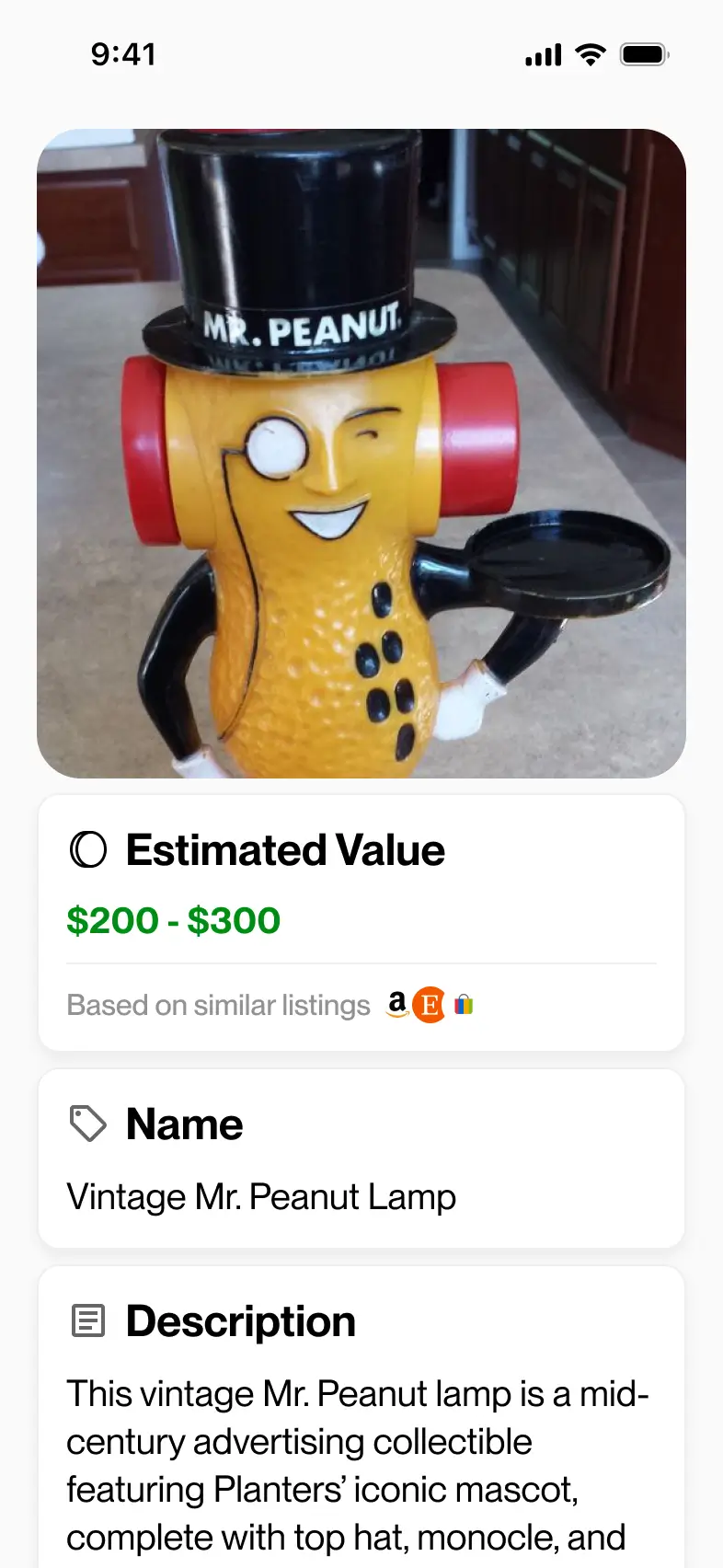
That Dusty Attic Find Could Be Worth Thousands: How to Identify Antiques Using Just Your Phone

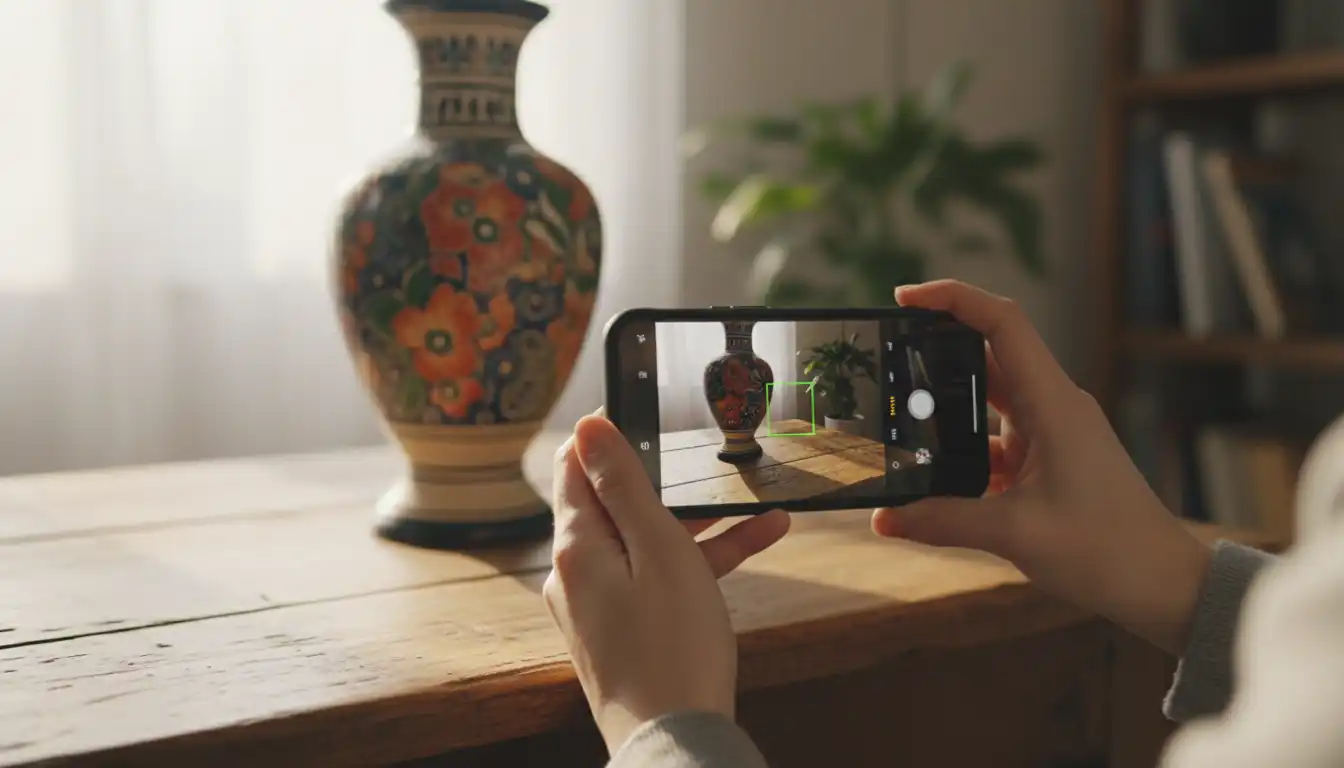
Imagine walking into a garage sale or clearing out a relative’s basement and spotting a heavy, tarnished silver bowl. Your first instinct might be to wonder if it’s worth the effort of polishing, or if it’s destined for the donation bin. For decades, that uncertainty was the barrier between a casual hobbyist and a successful collector. You either had to be an expert with years of study or be willing to pay an appraiser just to tell you if your find was junk.
The landscape of discovery has shifted. That dusty item in your hands is no longer a mystery waiting for a professional’s schedule to clear. With the smartphone in your pocket, you have access to the same visual databases and historical archives that were once the exclusive domain of high-end auction houses. You are now the expert, equipped with tools that can scan, identify, and value an object in the time it takes to snap a photo.
This guide will walk you through the transition from manual research to AI-powered identification. You will learn how to distinguish between general search tools and specialized appraisal software, how to take gallery-quality photos that ensure accuracy, and how to interpret the data you receive. By the time you finish reading, you’ll have the confidence to turn any "dusty attic find" into a documented piece of history.
The Evolution of Antique Identification Technology
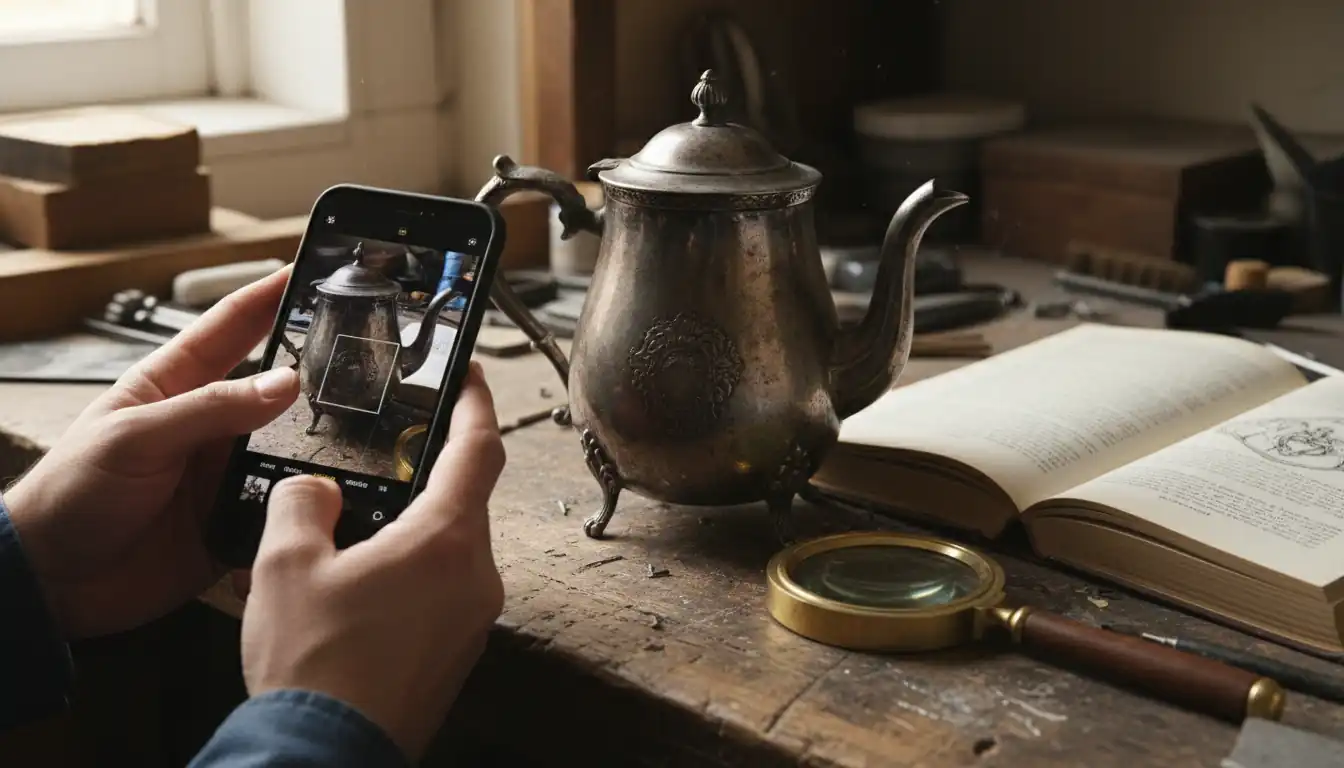
The journey of identifying an antique used to begin at the local library. If you found a piece of pottery with a strange mark on the bottom, you would spend hours leafing through heavy reference volumes like Kovel’s Antiques and Collectibles Price Guide. You were looking for a match among thousands of hand-drawn illustrations of hallmarks and maker’s marks. It was a game of patience, and even then, a slight variation in a stamp could lead you to the wrong century or the wrong continent.
This manual process was fraught with limitations. Physical catalogs are static; they cannot update in real-time as market trends shift or as new historical discoveries are made. Furthermore, these books relied on your ability to describe what you were seeing. If you didn't know the difference between "transferware" and "hand-painted porcelain," you might never find the right chapter. The barrier to entry was high, leaving many valuable items to be sold for pennies at yard sales because the owners simply didn't know what they had.
From Library Research to Instant AI Recognition
The shift toward digital tools began with basic keyword searches, but the real leap occurred with the advent of computer vision. Early software could recognize basic shapes, but it struggled with the nuances that define an antique. It couldn't tell the difference between a modern reproduction and an original piece because it only looked at the "silhouette" of the object.
Modern artificial intelligence has changed the equation. Today’s sophisticated algorithms don't just see a "chair"; they analyze the specific grain of the mahogany, the style of the joinery, and the patina on the velvet. This technology, which powers apps like Relic, uses deep learning to compare your photo against millions of authenticated historical records. It recognizes patterns in craftsmanship that are invisible to the untrained eye, such as the specific way a 19th-century lathe leaves marks on wood compared to a modern CNC machine.
Why Visual Search is Changing the Resale Market
Visual search has democratized the world of picking and dealing. In the past, "pickers"—people who find items at low prices to sell to dealers—relied on "the eye," a gut feeling developed over decades. Now, that "eye" is available to everyone. This has leveled the playing field, making the resale market more transparent and efficient.
- Speed of Transaction: You can identify an item while standing in a crowded thrift store, allowing you to make a buying decision in seconds.
- Accuracy of Information: AI reduces the "human error" of misidentifying a mark or misjudging a style.
- Market Accessibility: By knowing the true history of an item, you can list it on global platforms with the correct keywords, reaching the right collectors immediately.
The power of modern identification lies in its ability to see what we miss—the microscopic textures and historical signatures that separate a masterpiece from a mass-produced copy.
Top Digital Tools for Instant Visual Identification
When you’re standing over a potential treasure, you need to know which tool to reach for. Not all visual search engines are created equal. Some are designed to help you buy a new pair of shoes, while others are built to tell you if a vase was fired in a Ming Dynasty kiln. Understanding the difference between a generalist and a specialist is the key to getting accurate results.
Leveraging Google Lens for Basic Recognition
One of the most common questions people ask is: Can Google Lens identify antiques? The answer is yes, but with a significant caveat. Google Lens is an incredible general-purpose tool. It excels at finding "visually similar" items across the internet. If you take a photo of a mid-century modern lamp, Google Lens will show you other lamps that look like it and point you toward eBay or Etsy listings where similar items are for sale.
However, Google Lens is a search engine, not an appraiser. It doesn't "know" what the item is in a historical sense; it only knows what it looks like. It might link your authentic 1920s Art Deco clock to a 2010 reproduction because they share the same geometric shape. It won't provide you with a deep dive into the manufacturer’s history or tell you if the specific serial number on the back adds a premium to the value.
Specialized Apps for Deep Historical Context
For those who need more than just a "looks like" result, specialized apps are the standard. This is where the distinction between a search engine and a dedicated tool like Relic becomes clear. While a general search might give you a price range, a specialized antique identifier provides the "why" behind the object.
Another frequent question is: Is there a website to identify antiques? While websites like AntiqForum or Collectors Weekly offer massive databases and community forums, they often require you to manually upload photos and wait for human feedback. This can take days or weeks.
Specialized apps bridge the gap between the instant speed of Google and the deep expertise of a human appraiser. When you use an app like Relic, the AI is trained specifically on antique-grade data. It doesn't just find similar images; it provides a comprehensive report including:
- Origin and Provenance: Where and when the item was likely made.
- Material Analysis: Identifying whether a metal is silver-plated or solid sterling.
- Real-World Appraisal: Providing a valuation based on recent auction data and historical significance.
| Feature | Google Lens | Specialized Apps (e.g., Relic) |
|---|---|---|
| Primary Goal | Finding products to buy | Identifying and valuing history |
| Data Source | General web images | Curated antique databases |
| Historical Context | Minimal to none | Detailed history and origin |
| Appraisal | Price comparisons only | Professional-grade valuation |
| Accuracy | High for modern items | High for unique/antique items |
Mastering the Art of the Antique Photo
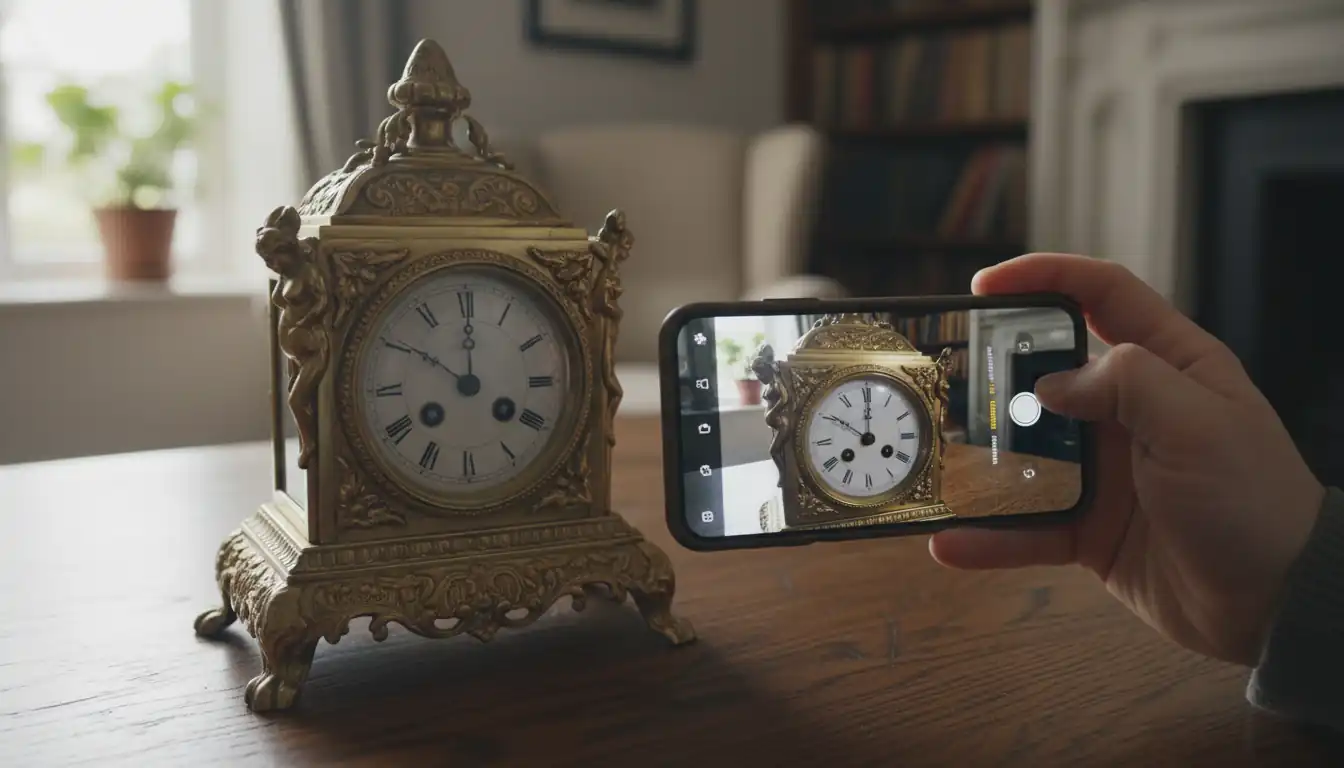
The accuracy of any AI identification tool is only as good as the data you feed it. If you provide a blurry, dark photo taken in a cluttered room, the software will struggle to distinguish the item from its surroundings. To get a professional-grade appraisal, you need to take a professional-grade photo. You don't need a high-end DSLR camera; your iPhone or Android is more than capable if you follow a few basic principles.
Lighting and Background Techniques for AI Accuracy
Lighting is the most critical factor in visual identification. Shadows can hide important textures, while glares can obscure maker's marks or the fine details of a painting.
- Use Natural Light: Whenever possible, take your item near a window. Soft, indirect sunlight is the best way to reveal true colors and textures without creating harsh "hot spots" on the surface.
- Avoid the Flash: A camera flash often "flattens" an object and creates a white glare on glass, porcelain, or polished metal. This glare acts like a blind spot for AI.
- Neutral Backgrounds: Place your item against a solid, neutral background. A plain white sheet, a grey piece of poster board, or even a wooden table works well. Avoid busy patterns like floral tablecloths or cluttered shelves, which can confuse the AI's edge-detection software.
Capturing Maker Marks and Hidden Details
The "soul" of an antique is often hidden in the details. While a wide shot of the entire object is necessary for context, the AI needs "macro" details to provide a specific appraisal.
- The Maker’s Mark: Look for stamps, signatures, or labels. On furniture, these are often inside drawers or on the underside. On silver, look for tiny "hallmarks." On porcelain, check the bottom of the base.
- Signs of Age: Capture photos of the "wear patterns." For example, the bottom of a 100-year-old chair should show "shelf wear"—smooth, natural smoothing of the wood from being moved over decades.
- Construction Details: Take photos of joints (like dovetails in drawers) or the back of a frame. These details help the AI determine if an item was handmade or factory-produced.
When you upload these photos to an app like Relic, the system analyzes each image to build a 360-degree understanding of the item. By providing a clear view of the hallmarks and the overall form, you allow the AI to cross-reference its database with much higher precision, leading to a more reliable history report.
Think of your photo as a witness statement. The clearer and more detailed the statement, the easier it is for the "detective" (the AI) to solve the mystery of the object's origin.
Decoding Your Results to Determine Real World Value
Once you’ve uploaded your photos and the AI has processed the data, you’ll receive a report. For many, this is the most exciting part of the process, but it can also be overwhelming. Understanding how to read these results is what separates a casual user from a savvy collector.
Understanding History and Origin Reports
The report you receive will typically break down the item into several categories. It’s important to look beyond the "name" of the item and focus on the historical context.
- The Era: This tells you the time period the item belongs to (e.g., Victorian, Edwardian, Mid-Century Modern). Knowing the era helps you understand the cultural significance of the piece.
- The Material: The AI might identify the wood as "Quarter-sawn Oak" or the metal as "Britannia Metal." This is crucial because the material often dictates the baseline value.
- The Manufacturer: If a maker’s mark was identified, the report will tell you about the company or artisan. Some manufacturers, like Tiffany & Co. or Stickley, carry a brand premium that significantly inflates the price.
The Difference Between Identification and Professional Appraisal
It is vital to understand the difference between knowing what an item is and knowing what it is worth. Identification is the process of naming the object and its origins. Appraisal is the process of assigning a dollar value based on the current market.
A tool like Relic provides a real appraisal by looking at "comparables"—similar items that have recently sold at auction or through private dealers. However, value is subjective and can be categorized in different ways:
- Fair Market Value: What a willing buyer would pay a willing seller today. This is the price you would likely get on eBay or at an antique mall.
- Replacement Value: What it would cost to buy the exact same item in similar condition from a retail gallery. This is usually higher and is used for insurance purposes.
- Auction Estimate: A range of what the item might bring if sold at a competitive auction.
| Data Point | What it Tells You | Why it Matters |
|---|---|---|
| Origin | Country and city of manufacture | Determines regional demand and rarity |
| Provenance | The history of ownership (if available) | Can drastically increase value (e.g., owned by a celebrity) |
| Condition Grade | The physical state of the item | Even a rare item loses value if it's cracked or poorly restored |
| Market Trend | Whether the item is currently "in style" | Helps you decide whether to sell now or hold |
Protecting Your Privacy and Data in the Digital Antique World
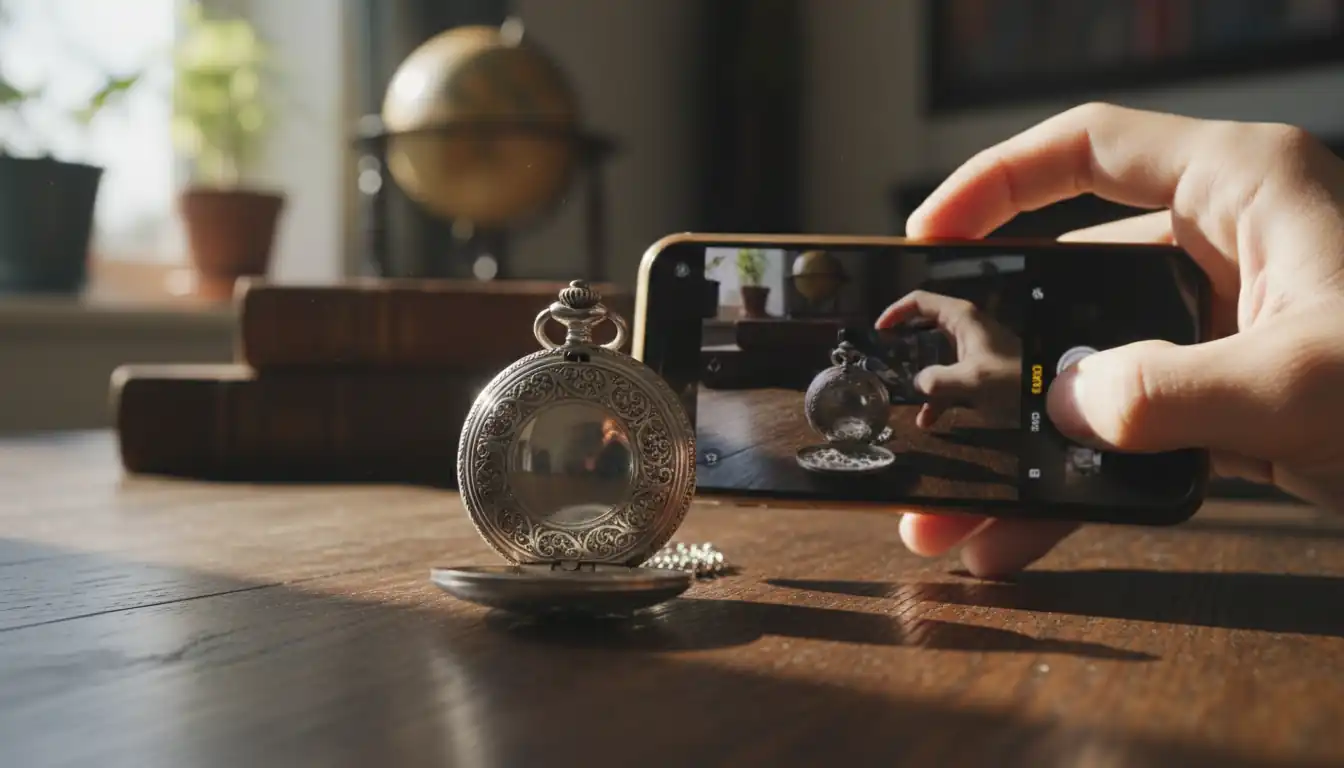
As we move our personal collections into the digital space, security becomes a paramount concern. When you take a photo of a valuable antique in your home, you are essentially creating a digital record of a high-value asset. It is important to be mindful of the "digital footprint" you leave behind.
What Happens to Your Uploaded Photos?
When you upload a photo to an identification app, that image is sent to a server where the AI processes it. Reputable apps have clear policies on how this data is used.
- Encryption: Ensure the app uses end-to-end encryption for your uploads. This prevents third parties from intercepting your images.
- Anonymization: High-quality apps like Relic strip "metadata" from your photos. Metadata can include the GPS coordinates of where the photo was taken. By removing this, the app ensures that no one can trace the item back to your physical address.
- Data Usage: Some apps use your photos to further train their AI. While this is common, you should choose apps that prioritize user privacy and don't sell your personal data to third-party advertisers.
Evaluating App Security and User Reviews
Before you start scanning your entire collection, do a quick audit of the app you’ve chosen. The "Similar Apps" section of the App Store can be a minefield of low-quality clones.
- Check the Ratings: Look for apps with a high volume of reviews and a high average score. For instance, Relic maintains a 4.9-star rating from over 20,000 users, which is a strong indicator of both accuracy and user trust.
- Developer Transparency: Look at the developer’s website. Do they have a clear privacy policy? Do they respond to user feedback in the App Store? A responsive developer is usually a sign of a secure, well-maintained product.
- Subscription Clarity: Be wary of apps that hide their pricing or make it difficult to cancel. Professional tools will be upfront about their costs and the value they provide.
Your privacy is just as valuable as your antiques. Always choose tools that treat your personal data with the same respect a museum treats a priceless artifact.
Conclusion
The world of antiques is no longer a closed circle of elite experts and dusty books. The "barrier of knowledge" has been dismantled by the very device you use to text your friends and check the weather. By using advanced AI tools like Relic, you can transform a moment of curiosity into a detailed historical discovery.
You’ve learned that identification is a process: it starts with choosing the right specialized tool, continues with mastering the art of the "search-ready" photo, and ends with a deep understanding of the history and market value of your find. Whether you are a professional dealer looking to streamline your workflow or a homeowner wondering about a family heirloom, the power to appraise the world around you is now in your hands.
The next time you see something interesting at a flea market or in your own garage, don't walk away wondering "what if." Take out your phone, snap a clear photo, and let the technology do the heavy lifting. You might just find that the dusty object in front of you is the treasure you’ve been looking for.
Your next step: Download a dedicated antique identifier like Relic and practice on an item you already own. See how much history is hiding in plain sight in your own living room.
Identify antiques instantly
Point your camera at any antique, collectible, or vintage item. Get valuations, history, and market insights in seconds.
Download for iPhone