That Dusty Attic Find Could Pay Your Mortgage: The Real Difference Between Antique and Vintage

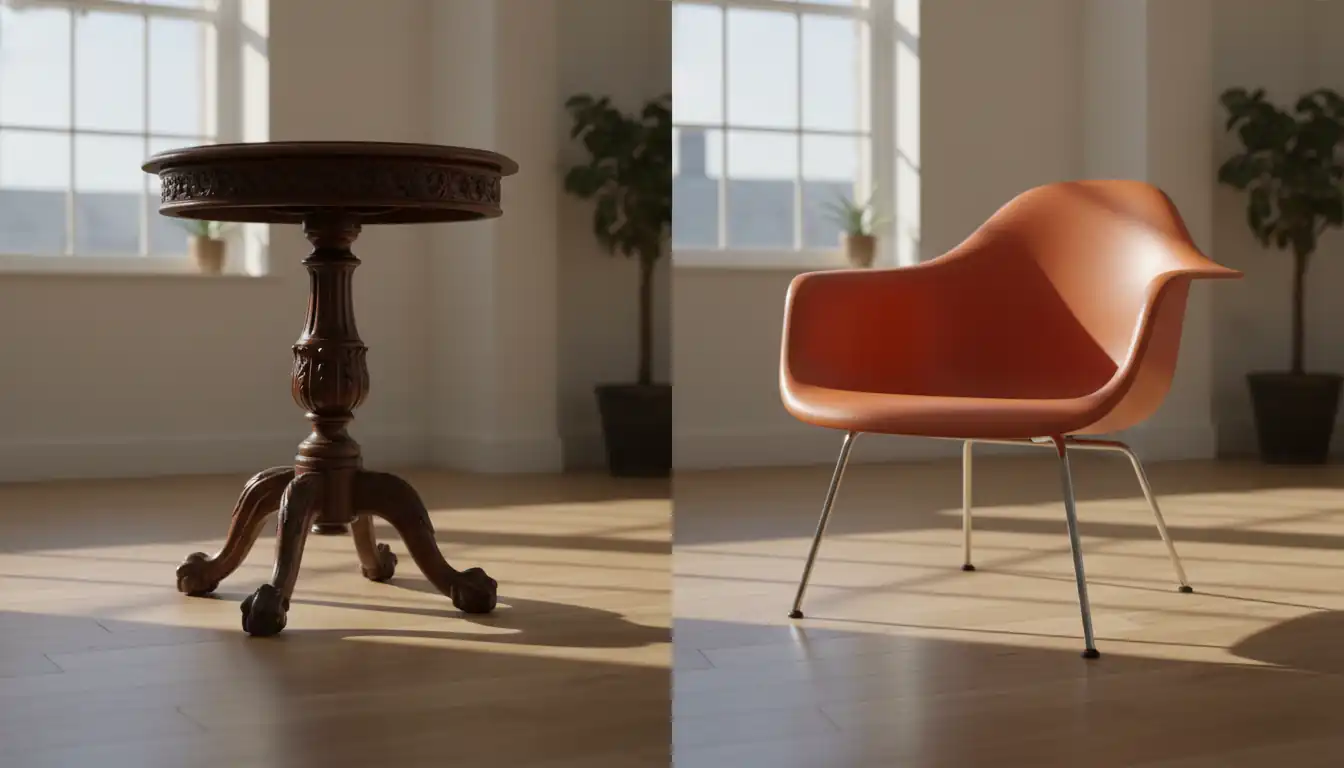
That dusty box in the corner of your attic might look like a collection of forgotten relics, but it could actually be a significant financial asset. Many people sit on small fortunes simply because they don't know how to categorize what they own. Is that heavy oak dresser an antique, or is it just "old"? Does your mother’s collection of 1970s glassware count as vintage, or is it merely retro?
The difference between these terms isn't just a matter of semantics. In the world of high-end resale and collecting, the label you apply to an item dictates its market value, its tax status, and how you should care for it. Mislabeling a 100-year-old heirloom as "vintage" could mean leaving thousands of dollars on the table. Conversely, calling a 40-year-old chair an "antique" can damage your credibility with serious buyers.
By the time you finish reading this, you will have the tools to distinguish between a genuine historical treasure and a stylish throwback. You’ll understand the legal definitions that govern the trade of old goods and learn how to spot the physical markers of quality that the pros look for. Most importantly, you’ll see how modern technology can turn your smartphone into a professional appraisal tool.
The 100 Year Rule and Beyond
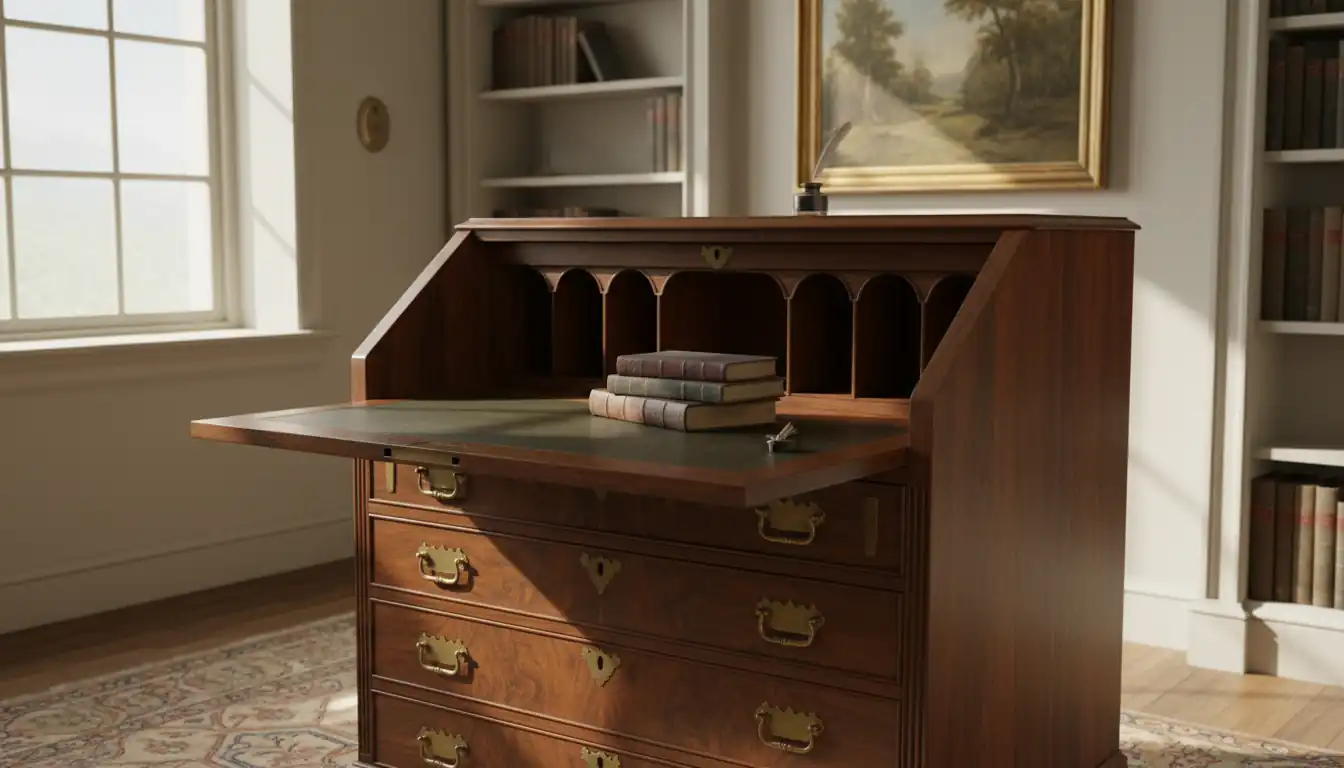
The word "antique" is often thrown around loosely in casual conversation to describe anything that looks like it belongs in a museum. However, in the professional world of dealers, appraisers, and government officials, the term has a very rigid definition. To be considered a true antique, an item must be at least 100 years old.
This isn't just a tradition; it is a legal standard. The United States Customs and Border Protection (CBP) uses the 100-year mark to determine how items are taxed when they cross borders. Genuine antiques are often exempt from certain import duties that apply to newer goods. If you are importing a shipment of furniture from Europe, that one-century threshold can be the difference between a massive tax bill and a duty-free entry.
Defining the Century Mark
Why 100 years? The origin of this rule traces back to the Tariff Act of 1930. The goal was to protect modern manufacturers while allowing historical artifacts to circulate freely as items of cultural and artistic value. When an item hits its 100th birthday, it officially transitions from being a "used good" to a "work of art" or "historical specimen" in the eyes of the law.
This chronological fact is independent of the item’s condition or style. A broken, scarred chair from 1920 is technically an antique, while a pristine, museum-quality lamp from 1950 is not. This distinction is vital for official appraisals. When an appraiser looks at a piece of Victorian furniture, they aren't just looking at the ornate carvings; they are looking for evidence that the piece was manufactured before the current year minus one hundred.
Expert Insight: An antique is defined by the calendar, not the aesthetic. Even if a piece looks "old-fashioned," it only earns the antique label once it has survived ten full decades of history.
Why 50 Years Is Not Antique
A common question that pops up in search results is whether a 50-year-old item qualifies as an antique. The short answer is a firm no. While 50 years is a significant amount of time, an item from the 1970s is firmly in the "vintage" category.
There is often confusion because some specialized collecting niches, like classic cars, use different terminology. For example, some states allow "antique" license plates for cars that are only 25 or 30 years old. However, in the broader world of furniture, jewelry, and fine arts, the 100-year rule remains the gold standard.
| Item Era | Classification | Legal/Market Status |
|---|---|---|
| 100+ Years Old | Antique | Duty-free import potential; High historical value |
| 20–99 Years Old | Vintage | High decorative value; Strong secondary market |
| Less than 20 Years | Used / Contemporary | Resale value based on utility and brand |
To illustrate the gap, consider a Victorian-era sideboard from 1890 compared to a Mid-Century Modern credenza from 1960. The Victorian piece is an antique. It was likely handmade or produced using early industrial methods, featuring solid woods and hand-finished details. The 1960s piece, while highly desirable and potentially very expensive, is vintage. It represents a different era of manufacturing and design philosophy.
The Vintage Spectrum and Retro Confusion
If "antique" is the rigid, legal definition of age, "vintage" is the more flexible, stylistic sibling. Generally, an item is considered vintage if it is between 20 and 99 years old. This category covers a massive range of history, from the Art Deco glamour of the 1930s to the neon-soaked 1990s.
The 20-year threshold exists because that is typically how long it takes for a style to cycle back into fashion. It represents a full generation of distance. When something is 10 years old, it often just feels "outdated." When it hits 20 or 30 years, it begins to evoke nostalgia, which is the primary driver of the vintage market.
The 20 Year Threshold
As of today, items from the early 2000s are technically entering the vintage category. This can be a hard pill to swallow for those who remember buying those items new. However, collectors are already hunting for "Y2K" fashion and early digital electronics.
Is a 40-year-old item vintage or antique? Based on our rules, it is definitively vintage. An item from 1984 has 60 more years to go before it can claim antique status. But don't let that discourage you; the vintage market is often more active and lucrative than the antique market because the items are more "usable" in modern homes.
- Vintage (20-99 years): Focuses on nostalgia, specific eras, and iconic designers.
- Antique (100+ years): Focuses on rarity, craftsmanship, and historical preservation.
Deciphering the 70s Retro Label
One of the biggest points of confusion for new collectors is the difference between "vintage" and "retro." You will often see 1970s items labeled as both. To be clear:
- Vintage refers to the actual age of the item. A 1974 flared pair of jeans is vintage.
- Retro refers to the style. A pair of jeans made in 2024 that looks like it’s from 1974 is retro.
Retro is short for "retrospective." It describes new items that mimic the aesthetics of the past. This is why you can buy a "retro" refrigerator at a big-box appliance store today. It has modern internals and a warranty, but it’s painted mint green and has chrome handles to look like a 1950s model.
If you are looking for investment value, you want vintage, not retro. A retro item is a mass-produced modern product. A vintage item is a piece of history. When you see 1990s "grunge" fashion in stores today, most of it is retro—new clothes made to look old. Finding an original flannel shirt from a 1992 Seattle thrift store? That’s a vintage find that could be worth a surprising amount of money.
Identifying Value Beyond the Label
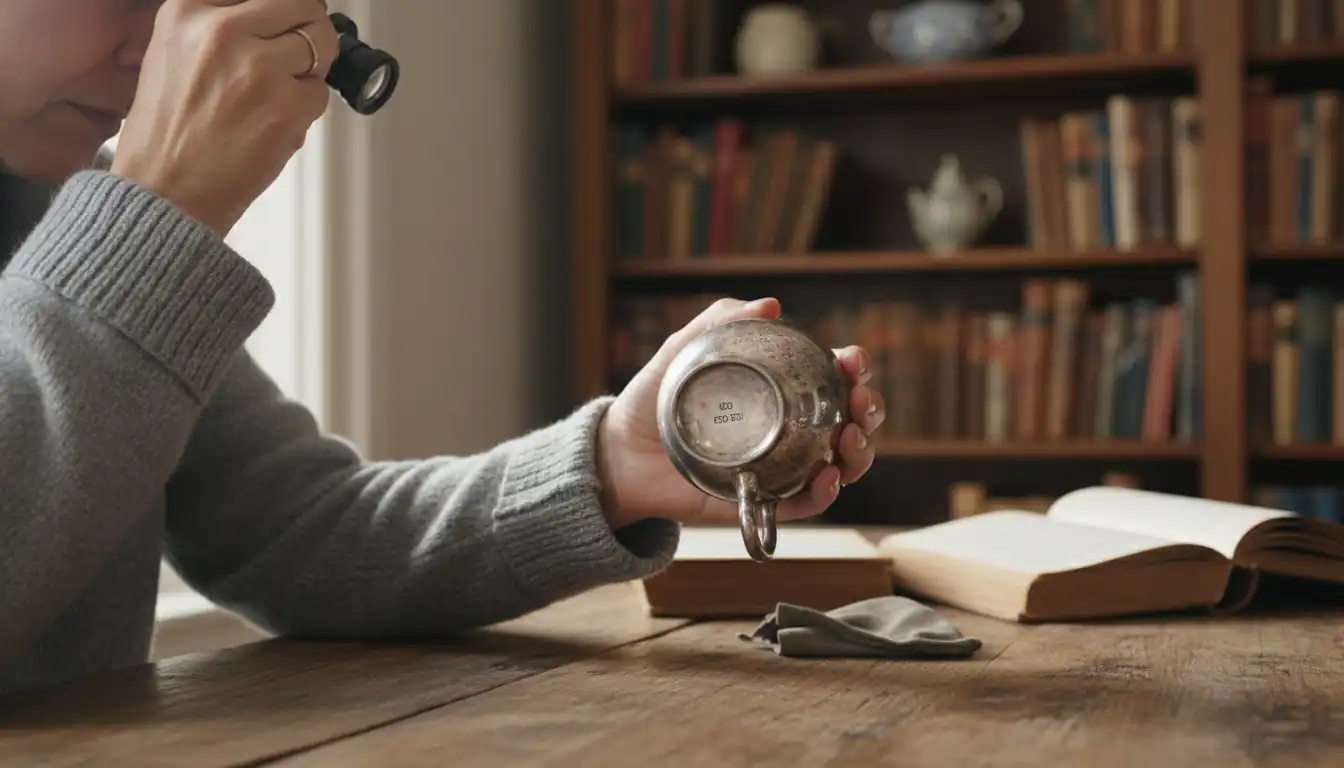
Knowing the age of an item is only half the battle. The real challenge is verifying that age and determining if the item is actually valuable. You don't need to be a historian to start identifying quality, but you do need to know where to look.
When you are out in the field—whether at a garage sale, an estate auction, or poking around your own basement—you should look for physical clues that tell the story of the item's creation.
Spotting Maker Marks and Patina
Before you look at the overall shape of a piece of furniture, look at the joints. If you see "dovetail" joints (the interlocking wedge-shaped cutouts where two pieces of wood meet), look closely at their symmetry.
- Hand-cut dovetails: These are slightly uneven and vary in size. They indicate a piece was made before the mid-19th century, making it a likely antique.
- Machine-cut dovetails: These are perfectly uniform. They suggest the piece was made in the late 1800s or later.
Glassware also holds secrets. Older glass often contains tiny air bubbles or "seeds" trapped inside. You might also find a "pontil mark" on the bottom—a rough scar where the glassblower’s rod was detached. These are signs of age and handmade quality.
Finally, look for the "patina." This is the soft glow or wear that develops on the surface of wood, metal, or leather over decades. A genuine antique should have uneven wear. If a 100-year-old chair has perfectly even color in the corners where dust usually settles, it might have been refinished, which can actually lower its value.
Using AI to Reveal Hidden Histories
Manual inspection is a fantastic skill, but even the most seasoned experts can be stumped by a cryptic maker's mark or an unusual porcelain pattern. This is where modern technology bridges the gap between amateur and professional.
If you find an item and aren't sure where to start, the Relic app is a powerful resource. Instead of spending hours scrolling through grainy forum photos or heavy reference books, you can simply take a photo of the item or its hallmark. Relic uses advanced AI to analyze the image and provide a real appraisal, historical context, and the origin of the piece.
For example, if you find a silver tray with a tiny lion symbol and a letter "K" stamped on the bottom, you might not know that these are British hallmarks indicating the silver purity and the year it was made. By uploading that photo to Relic, the app can instantly identify the maker and the exact year of production. It’s like having a professional appraiser in your pocket, giving you the confidence to make a purchase or set a fair asking price for your own items. With over 20,000 reviews and a 4.9-star rating, it has become a go-to tool for pickers and dealers who need fast, accurate market research.
The Investment Potential of Transitional Pieces
While many collectors focus on "true" antiques or the most popular vintage eras, there is a hidden market that savvy investors are starting to exploit: the transitional pieces. These are items currently aged between 80 and 95 years.
These items are on the cusp of becoming official antiques. Think about Art Deco furniture from the late 1920s and early 1930s. Right now, they are "vintage." In five to ten years, they will hit the 100-year mark. Historically, when an era transitions from vintage to antique, the market value often sees a significant jump as it begins to appeal to a different class of high-end collectors and museums.
Collecting the Future Antiques of 2050
If you want to build a collection that appreciates over time, you should look for "future antiques." These are high-quality vintage items that are likely to stand the test of time. The most prominent example of this is Mid-Century Modern (MCM) furniture.
MCM pieces from the 1950s and 60s are currently some of the most sought-after items in interior design. Brands like Herman Miller and designers like Charles and Ray Eames or Hans Wegner created pieces that are already selling for thousands of dollars. Even though they aren't antiques yet, their value is driven by:
- Design Innovation: They used new materials like molded plywood and fiberglass.
- Scarcity: While mass-produced, many original pieces were discarded or damaged over the decades.
- Aesthetic Longevity: These designs still look "modern" in homes today.
Investment Tip: Look for original labels. An Eames chair with its original Herman Miller sticker is worth significantly more than an identical chair without it. Use tools like Relic to verify that the markings match the known production runs for that year.
Market Trends for Mid-Century Modern
The demand for vintage items often fluctuates based on interior design trends. Currently, the market is seeing a shift away from the "shabby chic" look of the early 2000s toward a more curated, "eclectic" style. This means people are mixing 19th-century antique tables with 1970s vintage lighting.
| Era | Key Designers/Brands | Current Market Status |
|---|---|---|
| Art Deco (1920s-30s) | Cartier, Tiffany, Le Corbusier | Rising (Approaching Antique status) |
| Mid-Century (1940s-60s) | Eames, Knoll, Herman Miller | Peak Demand |
| Post-Modern (1970s-80s) | Memphis Group, Alessi | High Growth / Trendy |
If you are looking to profit, keep an eye on the 1970s and 80s. High-end Italian design from this era is currently exploding in value. Pieces that were considered "tacky" twenty years ago are now being featured in architectural magazines.
Practical Care for Different Eras
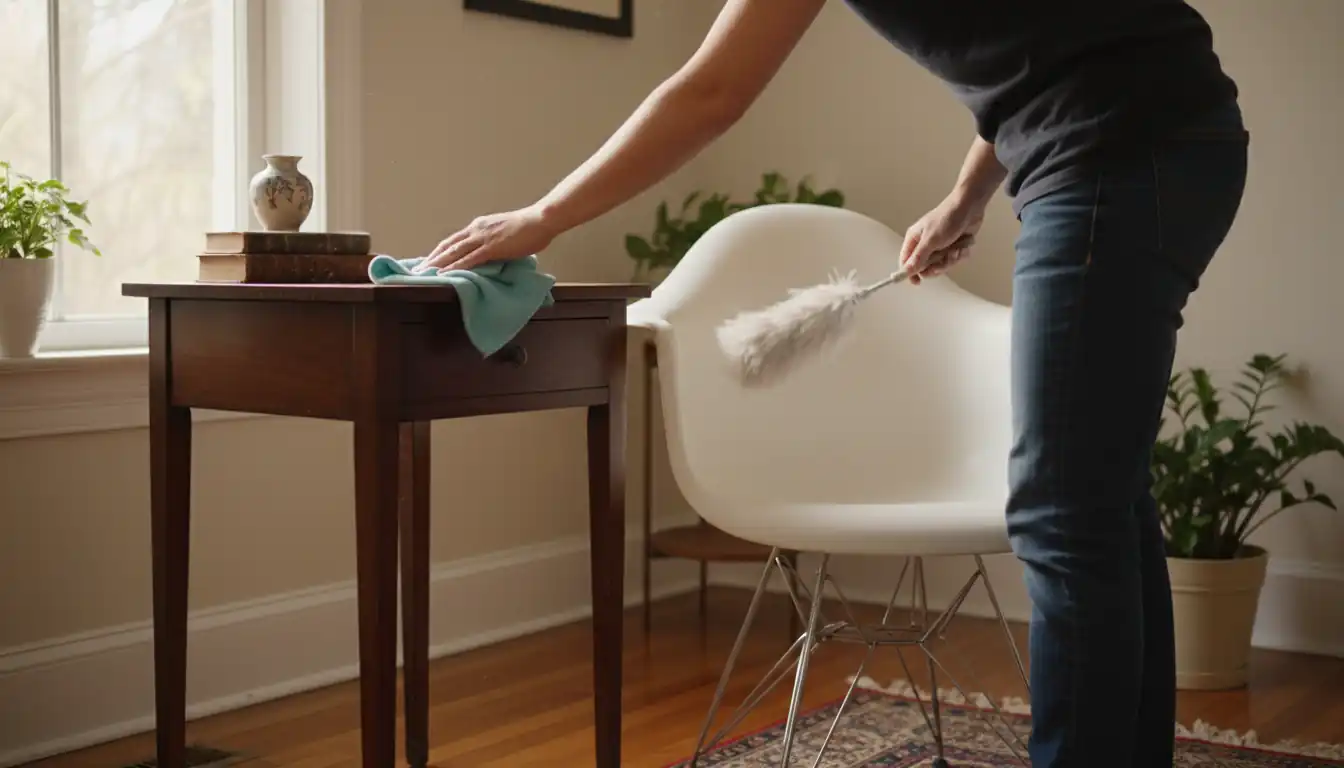
Once you’ve identified whether your find is antique or vintage, your next responsibility is preservation. The way you clean and maintain an item depends entirely on its age and the materials used during its era. Using the wrong cleaner on a 150-year-old table can strip away a century of history in seconds.
Preserving Century-Old Wood and Textiles
Antiques require a "less is more" approach. If you have an 18th-century oak table, the wood is likely very dry and sensitive to changes in humidity.
- Avoid Modern Polishes: Most grocery-store sprays contain silicone, which can create a sticky buildup that ruins the original finish.
- Use Beeswax: A high-quality paste wax or beeswax is the best way to nourish old wood and provide a protective barrier without changing the patina.
- Control the Environment: Antiques hate central heating. If the air is too dry, the wood can shrink and crack. Using a humidifier in the winter can save your furniture from structural failure.
For textiles, like Victorian rugs or hand-stitched quilts, sunlight is the enemy. UV rays break down natural fibers and fade organic dyes. If you have a valuable antique textile, keep it out of direct sunlight and avoid hanging it in a way that puts stress on the fibers.
Cleaning Mid-Century Plastics and Metals
Vintage items from the mid-20th century often use "modern" materials like acrylic, chrome, and fiberglass. These require a different toolkit.
- Acrylic and Lucite: Never use window cleaners containing ammonia. It can cause the plastic to "craze," creating thousands of tiny internal cracks that make the piece look cloudy. Use a specialized plastic cleaner and a microfiber cloth.
- Chrome: If you find a 1960s chair with rusty chrome legs, don't reach for the sandpaper. A bit of crumpled aluminum foil dipped in water can often scrub away surface rust without scratching the metal.
- Leaded Glass Decanters: Many vintage decanters from the 1950s and 60s contain lead. While beautiful, you should never store alcohol in them for long periods, as the lead can leach into the liquid. To clean them, use a mixture of warm water and mild dish soap. If there are mineral deposits inside, use crushed eggshells or specialized cleaning beads to gently scrub the interior.
One of the most important rules of collecting is to avoid "over-restoring." If you find an antique with a dark, moody finish, don't sand it down to the bare wood to make it look "new." That dark surface is the patina—the physical evidence of the item's age. When you use an app like Relic to get an appraisal, the AI and the historical data it provides are based on the item's original state. Stripping that away can often cut the value of the item in half.
Conclusion
Understanding the difference between antique and vintage is more than just a history lesson; it’s a financial strategy. By recognizing the 100-year rule, you can navigate the legal and tax implications of high-end collecting. By understanding the 20-year vintage threshold and the "retro" aesthetic, you can spot trends before they hit the mainstream market.
The most successful collectors are those who combine a keen eye for physical detail with the best modern tools. Whether you are inspecting the dovetail joints on a 19th-century chest or identifying the maker's mark on a 1970s vase, accuracy is everything.
If you want to take the guesswork out of your next find, download the Relic app. It’s the fastest way to turn a photo into a professional-grade appraisal, giving you the history and market value you need to turn that dusty attic find into a real investment. Stop wondering what your items are worth and start knowing. Your next big discovery is likely closer than you think.
Identify antiques instantly
Point your camera at any antique, collectible, or vintage item. Get valuations, history, and market insights in seconds.
Download for iPhone