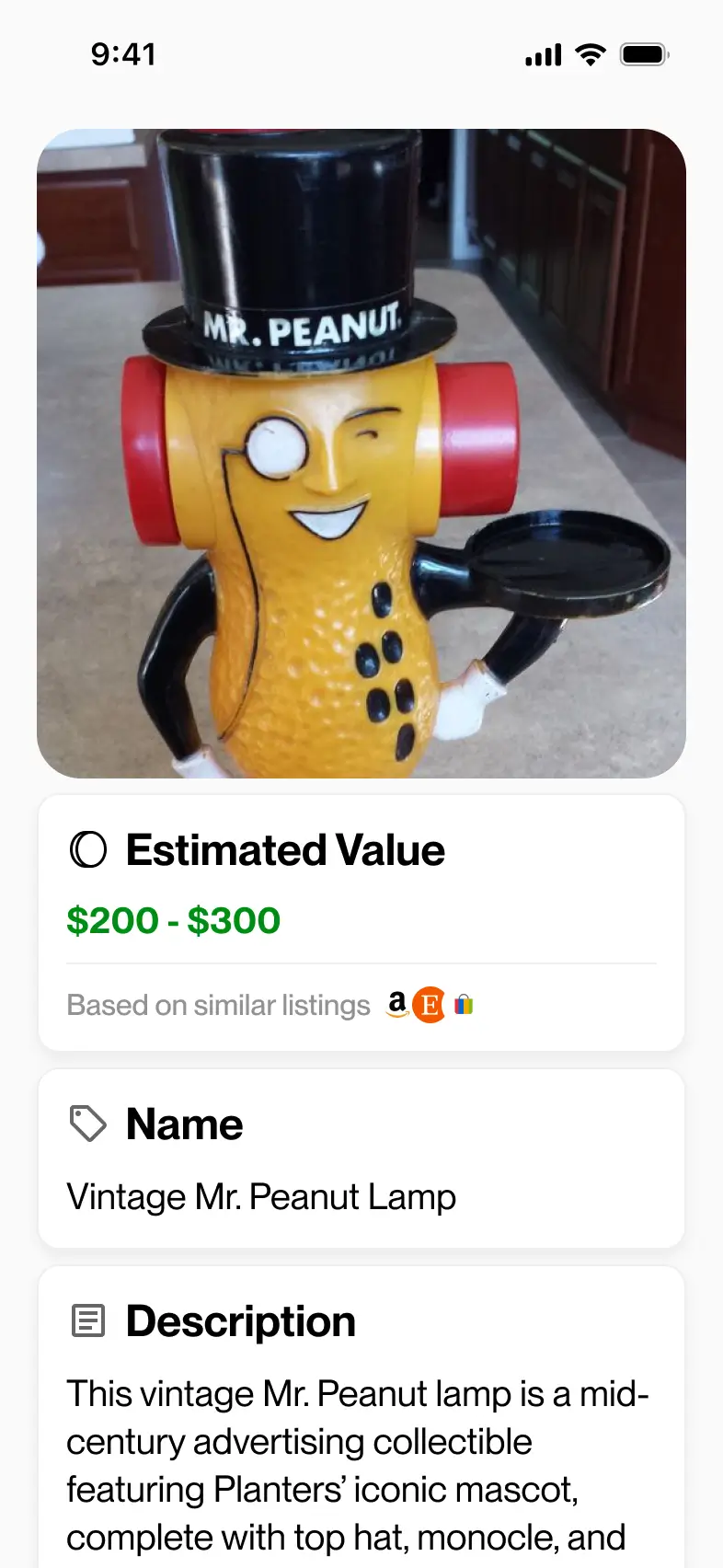
That Dusty Glassware Might Be a Hidden Gem—Identify Your Vintage Patterns in Seconds

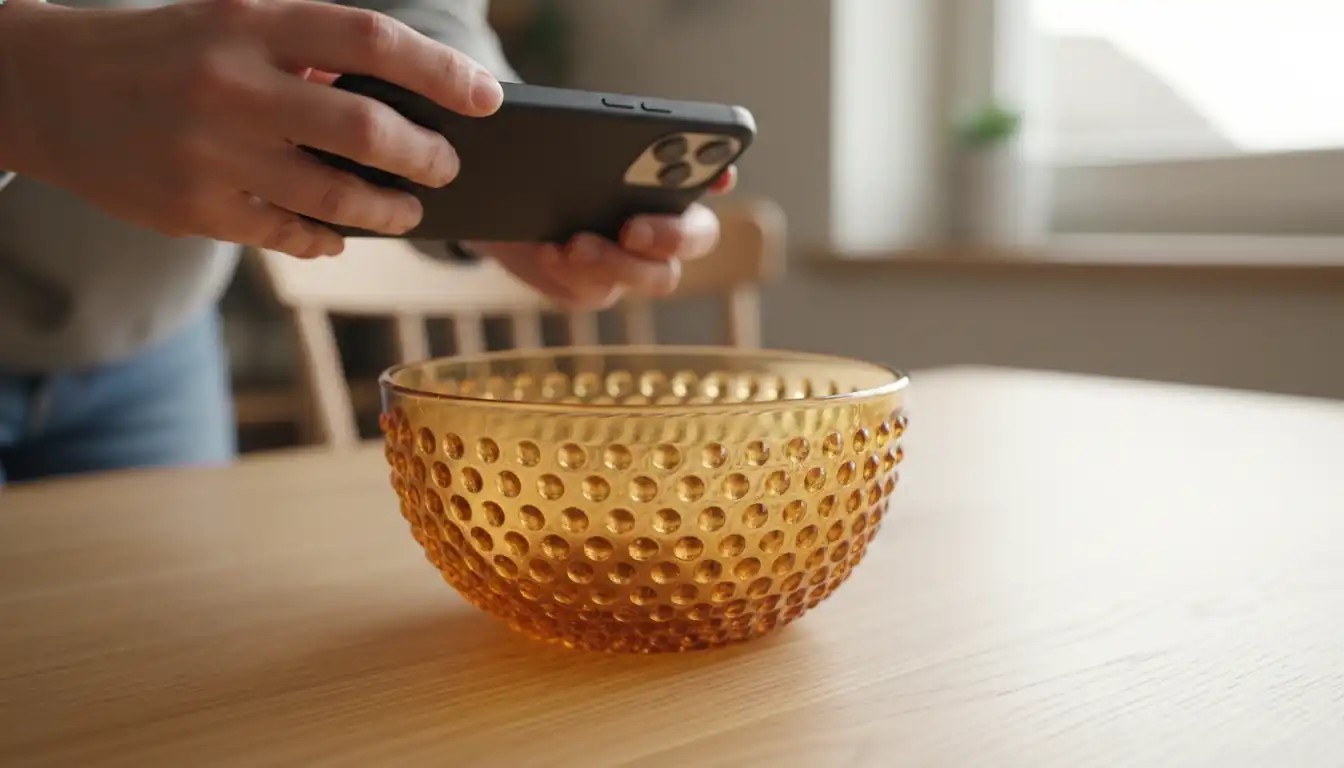
You are standing in a crowded thrift store, the air smelling of old paper and dust. Your eyes land on a pale pink plate tucked behind a stack of chipped ceramic mugs. It feels different—lighter, yet more substantial. The edges are ruffled like a pie crust, and the center features a delicate, frosted pattern of flowers that seem to glow when the light hits them. You wonder if it’s a mass-produced piece from a modern home goods store or a rare survivor from the 1930s. Most people would walk away, unwilling to gamble five dollars on a mystery. But for those who know how to read the visual language of vintage glass, that plate is a clear signal of history and value.
Identifying vintage glassware is often treated like a dark art, passed down through generations of collectors who spent decades memorizing heavy reference volumes. It can feel intimidating to enter a space where terms like "stippling," "opalescence," and "mold lines" are thrown around with such authority. However, the physical characteristics of the glass tell a story that anyone can learn to read. Once you understand the anatomy of a piece—how it was shaped, how the pattern was applied, and how the edges were finished—you stop seeing "old dishes" and start seeing the fingerprints of specific manufacturers and eras.
This guide will help you bridge the gap between being a casual observer and a savvy collector. You will learn the tactile cues that separate high-quality Depression glass from modern reproductions and how to use modern technology to verify your finds instantly. By the time you finish reading, you will have the tools to transform a dusty shelf into a curated collection, identifying patterns in seconds that others might overlook for a lifetime.
The Visual Language of Vintage Glass
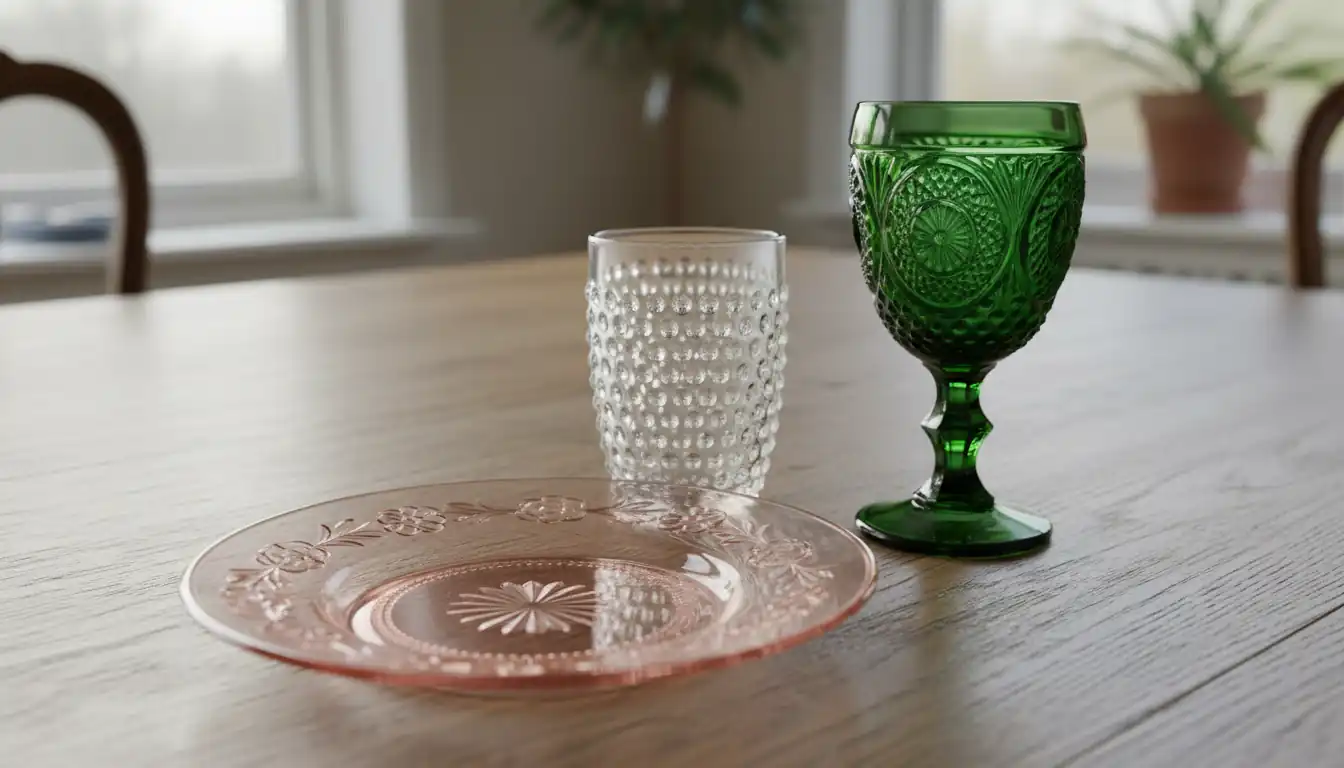
Before you can identify a piece of glass, you have to understand how it was made. Vintage glassware isn't just a container; it is a product of specific industrial processes that left permanent marks on the material. These marks are the "DNA" of the piece. When you pick up a piece of glass, your first instinct should be to run your fingers along the edges and hold it up to a strong light source.
Decoding Depression Glass Motifs
Depression glass is perhaps the most common type of vintage glassware you will encounter. Produced roughly between 1929 and 1939, it was often given away in cereal boxes or at movie theaters. Because it was mass-produced, it has specific manufacturing "flaws" that are actually helpful for identification.
One of the most distinctive visual markers is "stippling." This is a technique often found in pieces from the Macbeth-Evans Glass Company. Stippling consists of thousands of tiny, raised dots that create a textured, frosted appearance on the surface of the glass. If you look at a piece of "American Sweetheart" in the Monax (translucent white) color, the stippled background gives the glass a soft, ethereal glow that modern smooth glass cannot replicate.
You should also look for the difference between etched and pressed patterns. Pressed glass is made by pouring molten glass into a mold. The pattern is part of the mold itself. If you run your finger over the design, it will feel slightly rounded or blunt. Etched glass, on the other hand, involves applying acid or a rotating wheel to the finished glass to eat away a design. Etching is much finer, often appearing as thin, sharp lines that you can feel with a fingernail. High-end companies like Cambridge or Fostoria were famous for their intricate etchings, which often featured romantic motifs like "Rose Point" or "June."
Identifying Maker Marks and Edge Treatments
While many vintage pieces are "unsigned," the way the edges are finished provides a massive clue to their origin. Early Anchor Hocking pieces, for example, often featured a "pie crust" edge. This is a crimped, wavy border that resembles the edge of a hand-baked pie. It’s a labor-intensive detail that you rarely see in modern, streamlined manufacturing.
Another key feature is the "pontil mark" on the base. If you flip a piece of glass over and see a rough, circular scar in the center of the bottom, you are likely looking at a hand-blown piece. This mark is where the glassblower’s rod (the pontil) was snapped off after the piece was finished. In contrast, mass-produced pressed glass will have "mold seams"—thin, raised lines that run down the sides of the piece where the two halves of the metal mold met.
Pro Tip: If a piece of glass has a perfectly smooth, polished base with no mold lines and no pontil mark, it has likely been "fire-polished." This was a premium finishing technique used by companies like Heisey to remove imperfections and create a high-gloss shine.
| Feature | Pressed Glass | Cut/Etched Glass |
|---|---|---|
| Pattern Feel | Rounded, blunt edges | Sharp, crisp, or recessed lines |
| Seams | Visible mold lines on sides | Usually no seams (hand-finished) |
| Weight | Often heavier and thicker | Can be very thin (blown) or heavy (lead crystal) |
| Clarity | May have small bubbles or "straw marks" | Generally very clear and high-quality |
Digital Shortcuts for Instant Identification
For decades, the only way to identify a mystery pattern was to lug a 500-page price guide to every garage sale and estate auction. These books were invaluable in their time, but they have significant drawbacks. They are static; the moment they are printed, the pricing data begins to age. They are also difficult to search. If you don't already know the name of the manufacturer, you might spend hours flipping through black-and-white photos of "floral patterns" trying to find a match.
Why Traditional Reference Books Are Failing Modern Collectors
The primary issue with physical books is the lack of a visual search function. You are forced to translate what you see into words, which is a subjective process. What you call a "daisy" might be listed in a book as a "sunflower" or a "generic floral motif." This linguistic gap leads to misidentification and missed opportunities. Furthermore, the market for vintage glass is fluid. A pattern that was highly sought after in 1995 might be cooling off today, while obscure mid-century "Atomic" patterns are skyrocketing in value.
Modern collectors need a way to bridge the gap between the physical object in their hand and the vast wealth of historical data available online. This is where the shift from manual searching to computer vision becomes a necessity.
The Rise of AI-Powered Visual Search
Is there an app to identify vintage glassware? This is one of the most common questions asked by new enthusiasts, and the answer is a resounding yes. Technology has finally caught up to the complexity of glass patterns. Instead of scrolling through endless forums, you can now use tools like Relic to do the heavy lifting.
Relic is an antique identifier that uses advanced AI to analyze the specific geometry, color, and pattern of your glassware. When you upload a photo, the AI doesn't just look for a "pink plate." It analyzes the specific curvature of the "pie crust" edge, the density of the stippling, and the exact arrangement of the floral motifs. Within seconds, it provides a real appraisal, history, and the origin of the item. This moves the identification process from a guessing game to a professional-grade analysis. It’s like having an expert appraiser standing next to you at the thrift store, whispering the history of the piece in your ear.
Mastering the Shot for Accurate AI Results
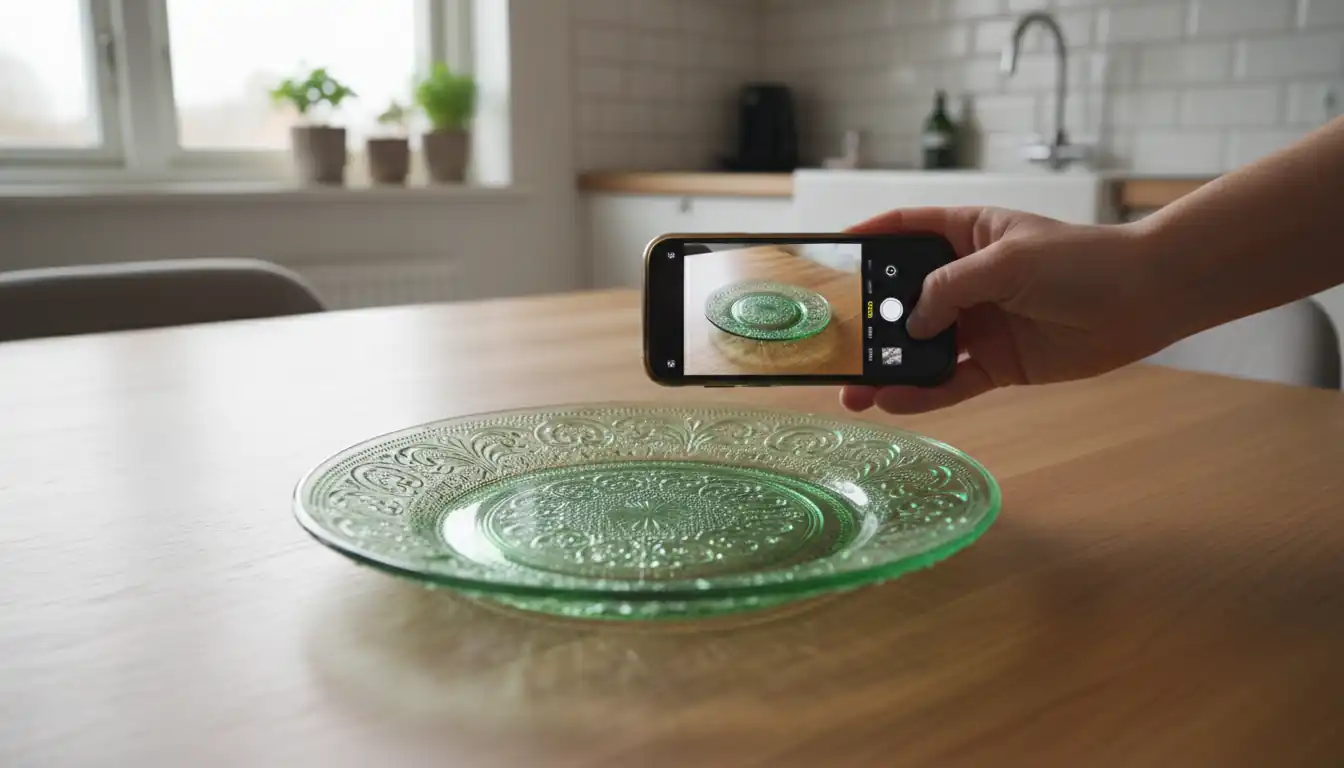
While AI is incredibly powerful, it is only as good as the data you provide. Glass is notoriously difficult to photograph because it is both transparent and highly reflective. If you take a blurry photo in a dark room, even the most advanced AI will struggle to distinguish a rare Cambridge etching from a common grocery store giveaway. To get a professional-grade appraisal from an app like Relic, you need to master the art of the "identification shot."
Lighting Techniques to Reveal Hidden Etchings
The biggest enemy of glass photography is glare. If you use a direct flash, you will likely end up with a bright white "hot spot" in the center of your photo that hides the very pattern you are trying to identify. Instead, you want to use diffused, off-camera lighting.
- Side-Lighting: Place your glassware near a window or a lamp, but position it so the light hits the piece from the side (a 45-degree angle is usually best). This creates tiny shadows within the etchings or pressed patterns, making them "pop" for the camera.
- The Matte Background: Never photograph glass on a busy countertop or a wooden table with a heavy grain. The AI might get confused by the patterns in the background. Use a solid, matte cloth—black or dark grey works best for clear or light-colored glass, while a neutral grey is ideal for dark glass like Royal Ruby.
- Avoid the "Ghost" Pattern: Sometimes, the pattern on the back of a plate shows through to the front, creating a confusing "ghost" image. To fix this, place a piece of plain white paper behind the glass to isolate the pattern on the side facing the camera.
Capturing the Perfect Silhouette and Base
To get a complete history and origin, the AI needs to see more than just the decorative pattern. It needs to see the "form" of the piece.
- The Profile Shot: Take a photo at eye level with the piece. This shows the silhouette, the shape of the stem (if it’s a wine glass), and the way the foot is attached.
- The Base Shot: Flip the piece over. The base often contains the most important technical data, such as the presence of a pontil mark, mold seams, or a faint manufacturer's stamp.
- The Macro Detail: If there is a specific motif—like the tiny "dancing girl" in the Cameo pattern—get a close-up. These specific details are often the "smoking gun" for identification.
"The difference between a $5 find and a $500 treasure often comes down to a single, well-lit photograph of a maker's mark."
High-Value Patterns Every Collector Should Recognize
Once you know how to identify glass and how to use tools like Relic to verify your finds, you need to know what you are actually looking for. What are the famous vintage glassware brands? While there are hundreds of manufacturers, a few names consistently dominate the high-value market.
The Elegance of Cambridge and Macbeth-Evans
Cambridge Glass is the gold standard for many collectors. Based in Ohio, they were known for their "near-cut" glass and incredibly intricate etchings. Their most famous pattern is "Rose Point." It features a delicate rose motif surrounded by what looks like fine needlepoint lace. If you find a piece of Rose Point in good condition, you are looking at a highly liquid asset in the collecting world.
Macbeth-Evans is another titan of the era. They were masters of "Monax" glass, which is a thin, translucent white glass that looks almost like opal. Their "American Sweetheart" pattern is a masterpiece of the Depression era. It features wide, sweeping scrolls and a delicate stippled background. Because Monax is so thin, it is prone to chipping, so finding "mint" pieces is a major win for any picker.
Spotting Rare Anchor Hocking Variations
Anchor Hocking is a name everyone recognizes, but not all Anchor Hocking is created equal. While they produced millions of pieces of common clear glass, they also created some of the most iconic colors in history.
- Royal Ruby: This is a deep, blood-red glass that was produced for decades. However, the early pieces from the 1930s and 40s have a specific weight and "glow" that collectors crave.
- Fire-King: Originally designed as utilitarian ovenware, Fire-King (especially in the "Jadeite" color) has become a cultural phenomenon. A simple Jadeite coffee mug can sell for more than a set of fine china if it has the right backstamp.
- Mayfair (Open Rose): This is one of Anchor Hocking's most popular Depression patterns. It features a lush, multi-petaled rose. It was produced in pink, blue, and a rare "ice green" that is highly prized.
When you use an app like Relic to scan these pieces, you aren't just getting a name. You are getting the "origin and history" data—the production years, the rarity of the specific color you found, and the current market demand. This context is what turns a hobby into a professional pursuit.
Beyond Identification to Professional Appraisal
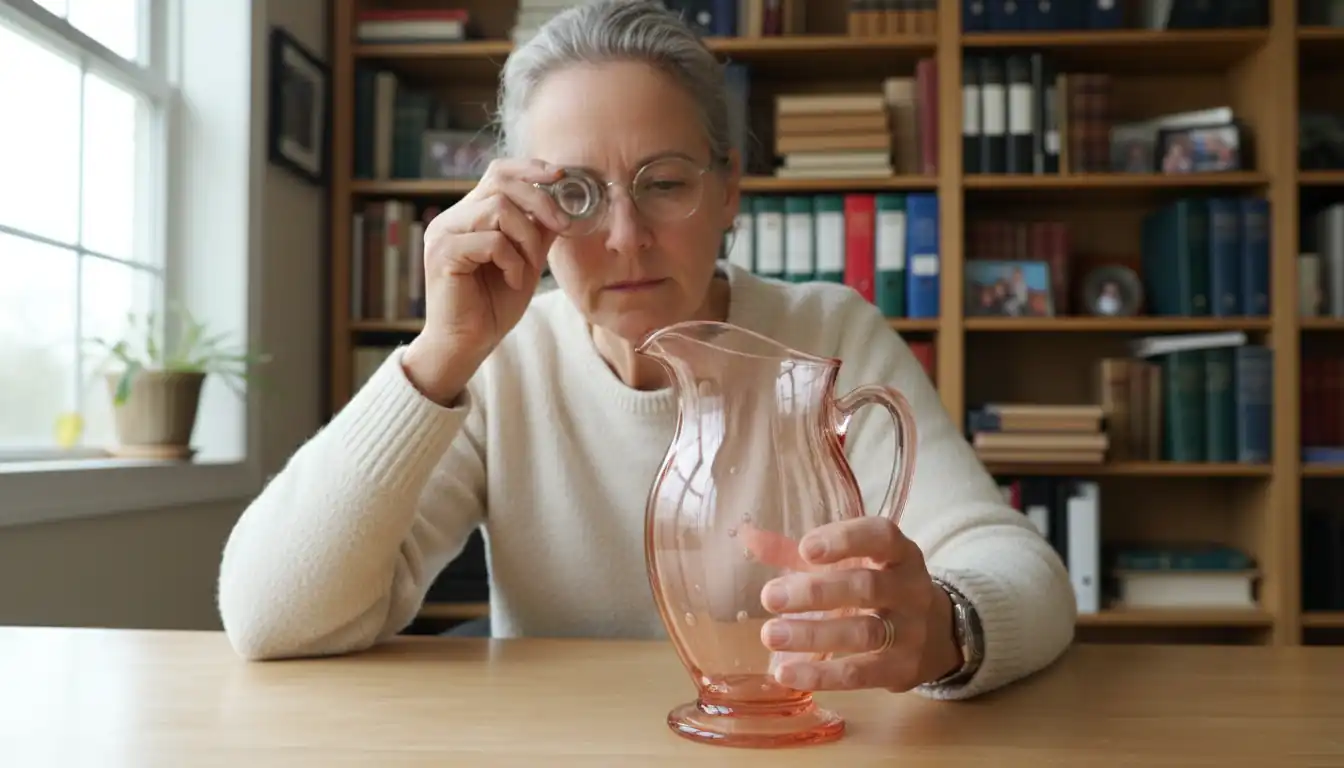
Identifying the glass is only the first step. The real challenge—and the real reward—is determining what that piece is worth in today's market. This is where many collectors get stuck. They see a price in a book from 2010 and assume it still holds true, or they see an "asking price" on an auction site that is wildly inflated.
Determining Market Value in the Digital Age
Market value is not a static number; it is a reflection of what someone is willing to pay right now. Traditional appraisal methods often rely on "comparables" that might be months or years old. Modern tools change this by providing real-time data.
When you use Relic for an appraisal, the AI looks at current market trends and recent realized sales. It accounts for the condition of your specific piece. A "Cameo" plate with a tiny rim chip might lose 50% of its value, whereas a rare "American Sweetheart" pitcher in a hard-to-find color might command a premium even with minor wear. Having this data at your fingertips allows you to make informed decisions about whether to buy, sell, or hold a piece for your private collection.
Preservation Strategies for Art Deco and British Glass
As you move into higher-end collecting, you will likely encounter Art Deco pieces or British glass, such as Whitefriars or Davidson. These pieces often use different chemical compositions than American Depression glass, and they require specific care to maintain their value.
- Chemical Sensitivity: Some vintage glass gets its color from metallic salts. For example, "Uranium glass" (which glows under UV light) uses uranium oxide, while some pink glass uses selenium or gold. These pigments can be sensitive to harsh chemicals. Never put vintage glass in a dishwasher. The high heat and abrasive detergents can cause "etching"—a permanent cloudiness that ruins the value of the glass.
- "Sick Glass": This is a term collectors use for glass that has developed a cloudy, white film due to prolonged exposure to water or chemicals. In many cases, this is irreversible. When appraising a piece, look closely for this "milky" appearance; it’s a major red flag for value.
- Temperature Shock: Vintage glass was not tempered like modern Pyrex. Sudden changes in temperature—like pouring hot tea into a cold glass—can cause it to shatter instantly.
| Glass Type | Key Identification Feature | Common High-Value Color |
|---|---|---|
| Cambridge | Intricate, lace-like etchings | "Crown Tuscan" (Opaque Pink) |
| Fostoria | High-lead content (heavy, rings like a bell) | "Bermuda Blue" |
| Whitefriars | Mid-century "textured" or "knobbly" look | "Indigo" or "Tangerine" |
| Heisey | The "Diamond H" trademark stamp | "Sahara" (Yellow) |
Conclusion
That dusty piece of glassware on the thrift store shelf is more than just an old dish; it is a tangible link to the past, a work of industrial art, and potentially a significant financial asset. By learning the visual language of stippling, etchings, and mold marks, you develop a "collector's eye" that allows you to spot quality from across a room.
However, you don't have to rely on memory alone. The transition from manual identification to digital tools has leveled the playing field for collectors. Using an app like Relic allows you to verify your instincts with AI-powered precision, giving you the history, origin, and real-world value of a piece in the time it takes to snap a photo.
Whether you are looking to build a museum-quality collection of Cambridge Rose Point or you just want to know if that "pie crust" plate is worth more than its five-dollar price tag, the power is now in your pocket. The next time you see a glimmer of colored glass under a layer of dust, don't walk away. Take a photo, run the scan, and discover the hidden gem for yourself. Your next great find is waiting—you just need to look closer.
Identify antiques instantly
Point your camera at any antique, collectible, or vintage item. Get valuations, history, and market insights in seconds.
Download for iPhone