That Dusty Hardcover Might Be Worth Thousands—Here’s How to Scan for Hidden Value

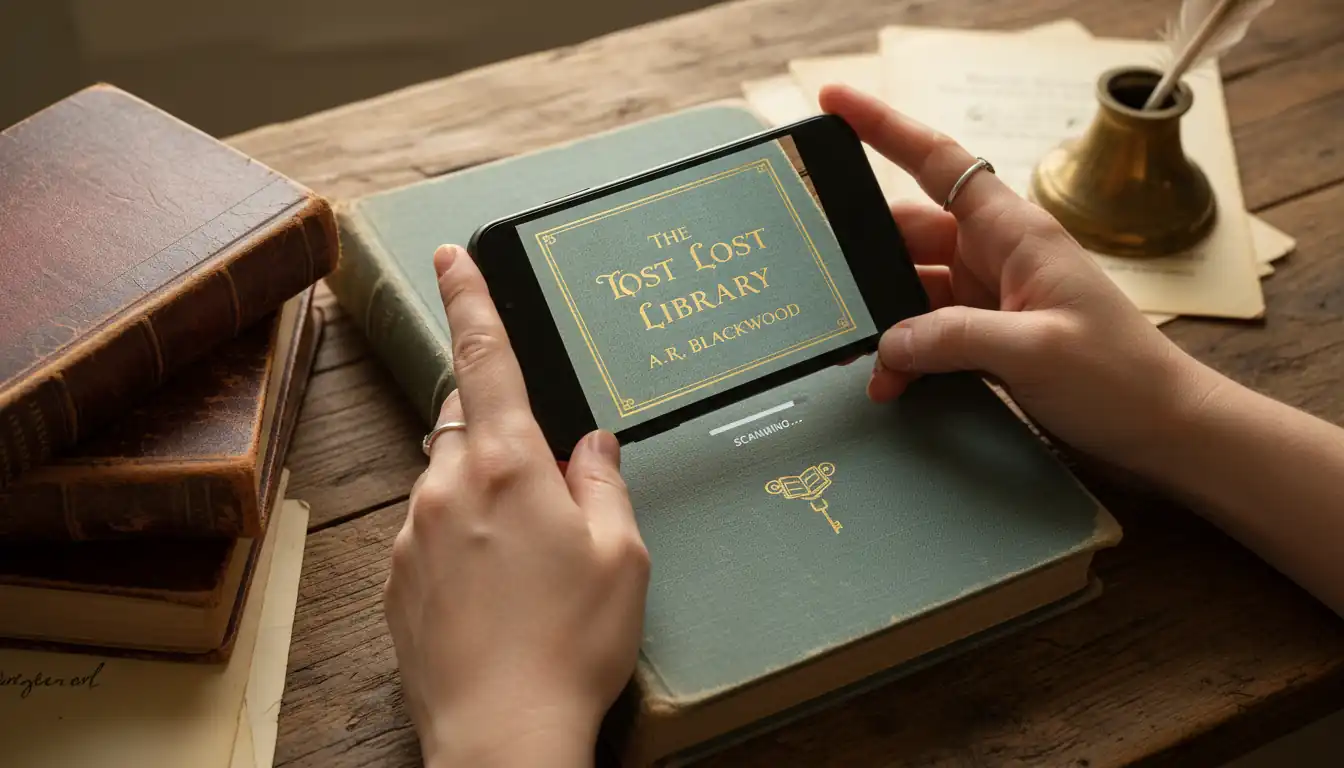
You walk past them every time you visit a thrift store, browse a garage sale, or clean out your late uncle’s attic. They are the quiet residents of the "miscellaneous" bins—dusty, cloth-bound hardcovers with faded spines and no barcodes. To the untrained eye, they look like clutter. To a seasoned collector, they represent a high-stakes game of hide-and-seek where the prize can be a five-figure payday.
The difference between a $5 thrift store find and a $50,000 literary treasure often comes down to a single typo on page 20 or a specific shade of blue on the dust jacket. For decades, identifying these "points of issue" required years of study and a library of physical reference guides. If a book was printed before 1970, it didn't have an ISBN, making modern retail scanning apps completely useless. You were forced to rely on your memory or a heavy stack of bibliography books.
That era of manual detective work is ending. New technology is allowing collectors to identify rare printings using nothing more than a smartphone camera. By understanding the visual cues of high-value books and using the right digital tools, you can transform a casual hobby into a sophisticated hunt for hidden assets. This guide will show you how to look past the dust and see the true value of the books sitting right in front of you.
The Evolution of Book Appraisal Technology
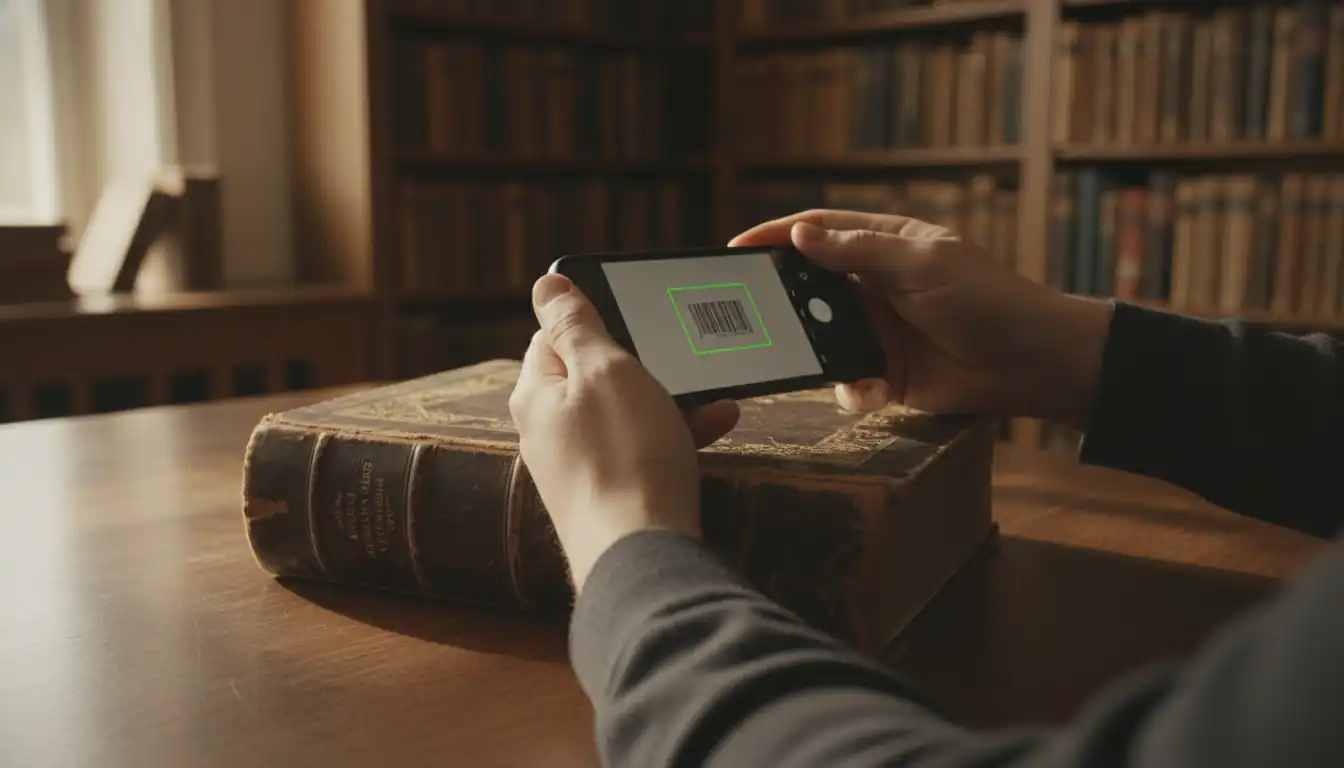
For a long time, the barrier to entry in the rare book world was the "barcode wall." If you picked up a book published in the last forty years, you could simply scan the back cover and see exactly what it was selling for on major marketplaces. But the truly valuable books—the ones that collectors dream of finding—almost never have barcodes. The International Standard Book Number (ISBN) system wasn't widely adopted until 1970. This means the vast majority of the world's most sought-after first editions exist in a "dark zone" for standard scanning apps.
Beyond the Barcode
Traditional scanning apps are essentially simple database lookups. They read a string of numbers, find that string in a retail database, and spit back a price. This works perfectly for a 2015 textbook or a mass-market thriller. However, it fails the moment you hold a 1925 first edition of The Great Gatsby. Without a barcode, these apps require you to manually type in the title, author, and publisher, which only gets you halfway there.
The problem is that "The Great Gatsby" has been printed thousands of times. A manual search might show you a 1980s reprint worth $2 and a 1925 first state worth $150,000. Without the ability to distinguish between the two based on physical characteristics, a manual search is often more confusing than helpful. This is why the industry has shifted toward visual recognition. Instead of looking for a number, modern tools look at the book itself.
The Rise of Visual Recognition in Bibliophilia
The shift toward computer vision has changed the game for "pickers" and collectors. Instead of relying on text-based data, advanced systems now analyze the "DNA" of a book’s exterior. This includes the specific grain of the cloth binding, the font used in the title, and the unique artwork on the dust jacket.
Computer vision technology can identify a specific printing by comparing the photo you take against a massive database of known first editions and rare variants. It can spot the difference between the original 1937 UK edition of The Hobbit and a very convincing later facsimile just by analyzing the spacing of the typography on the spine. This technology effectively bridges the gap between an amateur enthusiast and a professional appraiser, allowing anyone to identify a "pre-barcode" treasure in seconds.
Visual Cues That Signal High Market Value
Before you even pull out your phone, you need to develop an eye for the "tells" of a valuable book. Rare book collecting is a game of millimeters. The most valuable books are often distinguished by tiny errors or specific design choices that were corrected in later, more common printings. These are known as "points of issue."
Decoding Dust Jacket Art and Typography
The dust jacket is often the most valuable part of a 20th-century book. In many cases, the jacket accounts for 80% to 90% of the book's total market value. When you are scanning a shelf, look for artwork that feels "of its time." Iconic designs are often a signal of a significant literary release.
- The Gatsby Eyes: The first edition of The Great Gatsby features the famous "Celestial Eyes" artwork by Francis Cugat. On the original 1925 jacket, there is a tiny "j" in the blurb on the back of the jacket that was printed in lowercase when it should have been uppercase. That one tiny letter is the difference between a masterpiece and a reprint.
- Tolkien’s Color Shifts: Early printings of The Hobbit and The Lord of the Rings had specific color requirements for the mountains and suns on the jackets. In some early states, the colors are slightly different due to printing errors. These "errors" are exactly what collectors pay a premium for.
- Typography Alignment: Look at the publisher's logo on the spine. Is it centered? Is the font slightly different from the versions you see in modern bookstores? Early 20th-century publishers like Scribner’s or Knopf had very specific branding that evolved over time.
Spotting First State Indicators on the Cover
A "first state" refers to the very first batch of books that came off the press before any changes were made. Sometimes, a publisher would stop the presses mid-run to fix a typo or change a price. The books printed before that fix are the "first state" and are almost always the most valuable.
| Feature | What to Look For | Why It Matters |
|---|---|---|
| Price Clippings | A missing corner on the inner flap of the dust jacket. | "Price-clipped" jackets are generally worth less than those with the original price intact. |
| Top Stain | Colored dye on the top edges of the pages. | Many high-end first editions featured a specific color (like green or yellow) that faded or was removed in later editions. |
| Blind Stamping | A small indented logo or mark on the back cover. | Publishers like Book of the Month Club used these to distinguish their (less valuable) editions from trade first editions. |
| Cloth Texture | "Coarse" vs. "Fine" grain cloth. | Certain titles were switched to cheaper materials mid-run during wartime or paper shortages. |
Pro Tip: If you find a book where the title on the cover is misspelled, do not put it back. In the world of rare books, a mistake is often a mark of extreme rarity.
Leveraging AI for Instant Antique Identification
Identifying a rare book used to require carrying a "Price Guide to Rare Books" that was outdated the moment it was printed. Today, the process is handled by artificial intelligence. While there are many apps designed to help you sell used textbooks or modern paperbacks, they lack the "historical brain" required to identify a true antique.
Why Traditional Price Scrapers Fail on Antiques
Most "book scanner" apps are price scrapers. They look at what a book is currently listed for on Amazon and tell you the "buyback" price. This is fine if you are trying to make fifty cents on a discarded thriller. However, these apps are blind to history. They cannot tell the difference between a 1940s reprint of A Tale of Two Cities and a genuine 1859 first edition because they aren't looking at the physical evidence; they are only looking at the title.
Furthermore, price scrapers often give you "asking prices," which are notoriously unreliable. Just because someone listed a book for $1,000 on eBay doesn't mean it’s worth that much. To find real value, you need an appraisal based on historical auction data and physical verification.
Using Relic to Uncover History and Origin
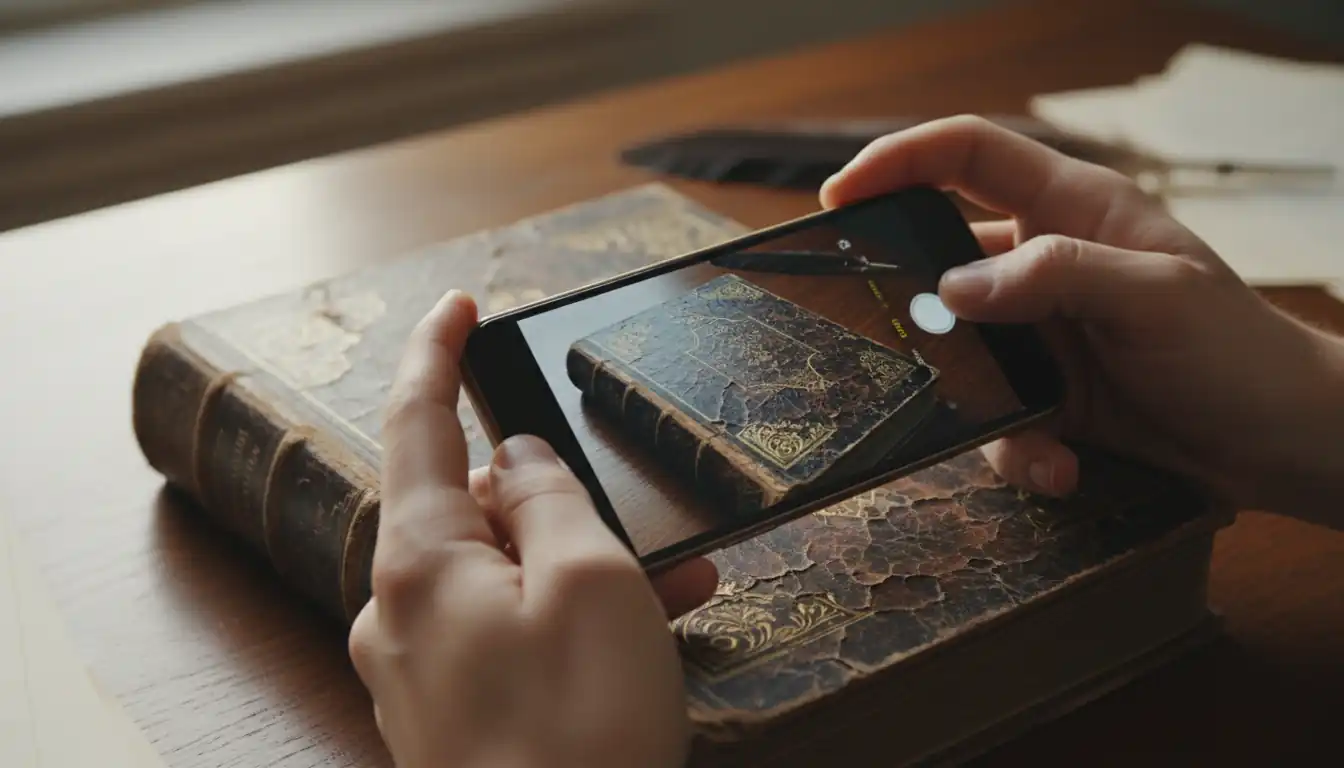
This is where specialized AI tools like Relic change the equation. Relic isn't just a barcode scanner; it is an antique identifier designed for the "dark zone" of pre-barcode items. When you encounter a book that lacks an ISBN, you can simply take a photo of the cover or the title page.
Relic uses advanced AI to analyze the visual components of the book—the binding, the typography, and the artwork—to provide a real appraisal rather than just a retail listing. Because the app is built for collectors and professionals, it provides the historical context that a standard scanner misses. It can tell you the origin of the printing, the specific "state" of the edition, and its historical significance.
For a "picker" at a flea market, this is the difference between passing over a dusty hardcover and realizing they are holding a piece of history. The app’s ability to provide an instant valuation based on a searchable catalog of scanned items means you can make an informed decision on the spot, without having to go home and spend hours on Google.
Navigating the Rare Book Market After the Scan
Once you’ve used an app like Relic to identify a potential treasure, the next step is understanding what that value actually means. There is a massive difference between a book being "worth" $5,000 and you having $5,000 in your bank account.
Differentiating Between List Price and Realized Value
The biggest mistake amateur collectors make is looking at "List Prices" on sites like AbeBooks or eBay. A list price is a dream; a realized value is a reality.
- List Price: What a dealer hopes to get. Some books sit on shelves for ten years at a high list price without ever selling.
- Realized Value (Hammer Price): What someone actually paid at an auction or a completed sale. This is the only number that matters.
When researching your find, always look for "Sold" listings. If you see five copies of a book listed for $500 but the only one that actually sold went for $150, your book is worth $150. High-end AI tools often factor in this historical auction data to give you a more grounded appraisal.
Choosing the Right Marketplace for Your Discovery
Where you sell your book depends entirely on its value and its niche.
- Specialized Platforms (AbeBooks, Alibris): These are best for "mid-list" rare books—items worth between $100 and $1,000. These sites are frequented by serious collectors who know exactly what they are looking for.
- Auction Houses (Sotheby’s, Heritage Auctions): If your scan reveals a book worth $10,000 or more, do not put it on eBay. High-value items need the "prestige" and the verification of a major auction house. They will take a commission (usually 20-30%), but they will also find the billionaire collectors who will drive the price up.
- Local Dealers: If you want cash today, a local rare book dealer is an option. Expect them to offer you about 40% to 50% of the book's retail value. They have to keep the lights on and take the risk of the book sitting in their inventory.
Protecting Your Investment After Discovery
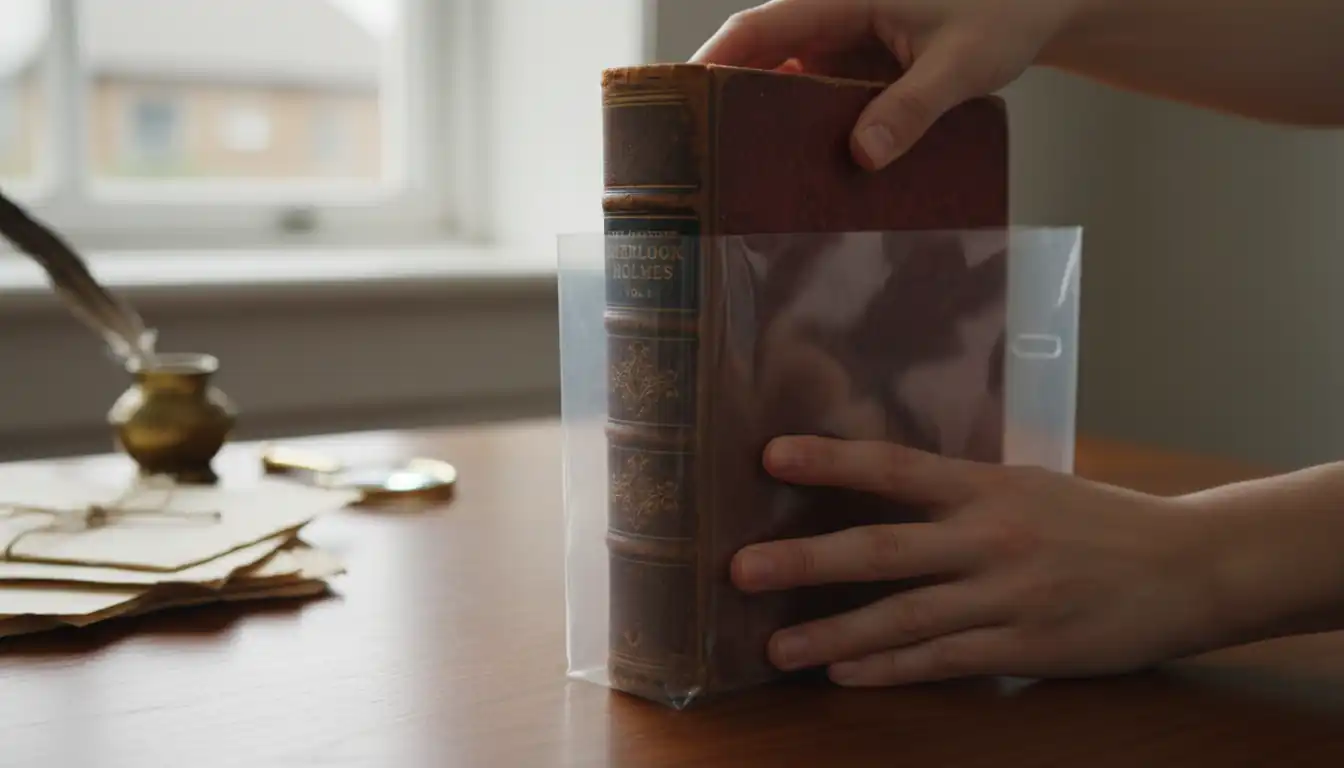
You’ve found it. You scanned a nondescript green book at a yard sale, and the AI confirmed it’s a rare first printing of The Sun Also Rises. Now, the most important thing you can do is... nothing. At least, nothing that involves "fixing" the book.
Archival Storage for Fragile Covers
The value of a rare book is tied directly to its condition. A "Fine" condition book can be worth ten times more than the same book in "Good" condition. Once you identify a high-value item, you must stabilize its environment.
- Mylar Sleeves: This is the single best investment you can make. A clear Mylar (polyester) jacket cover protects the fragile paper of the dust jacket from oils on your skin and prevents further tearing. Never use "contact paper" or anything with adhesive.
- The 35-50 Rule: Books are organic. They hate heat and they hate moisture. Keep your valuable finds in a room with a relative humidity between 35% and 50%. If it’s too dry, the leather and paper become brittle. If it’s too humid, you’ll get mold (foxing).
- UV Protection: Sunlight is the enemy of ink. A few months on a shelf in direct sunlight can fade a vibrant dust jacket, slashing its value by half. Keep your treasures in a shaded area or behind UV-filtered glass.
When to Consult a Professional Conservator
If you find a book that is falling apart but is worth thousands of dollars, do not reach for the Scotch tape. Standard adhesives are acidic and will eat through paper over time, permanently ruining the value of the book.
If the spine is "cocked" (leaning) or the boards are detached, consult a professional book conservator. They use reversible, acid-free glues and archival tissues to stabilize the book without destroying its historical integrity. In the world of antiques, a "bad repair" is often worse than "no repair."
The Golden Rule of Conservation: Do no harm. If a repair cannot be undone, it shouldn't be done at all.
Conclusion
The world of rare book collecting is no longer a closed circle reserved for those with decades of experience and massive reference libraries. Technology has democratized the hunt. By understanding the visual "points of issue" that signal rarity and using AI-powered tools like Relic to bridge the gap between a photo and a professional appraisal, you can find value where others see only dust.
Remember that every high-value discovery carries a responsibility. Once you’ve identified a piece of literary history, your job shifts from hunter to steward. Proper preservation ensures that the "hidden treasure" you found in a bargain bin survives for the next generation of collectors.
The next time you’re at a flea market or browsing an estate sale, don't just look for the books you recognize. Look for the ones that look like they have a story to tell. Pull out your phone, take a photo, and see what history is hiding in plain sight. You might just be one scan away from the find of a lifetime.
Identify antiques instantly
Point your camera at any antique, collectible, or vintage item. Get valuations, history, and market insights in seconds.
Download for iPhone