Turn Dusty Attic Finds into 2024 Profits: The Surprising Antiques Buyers Are Craving Right Now

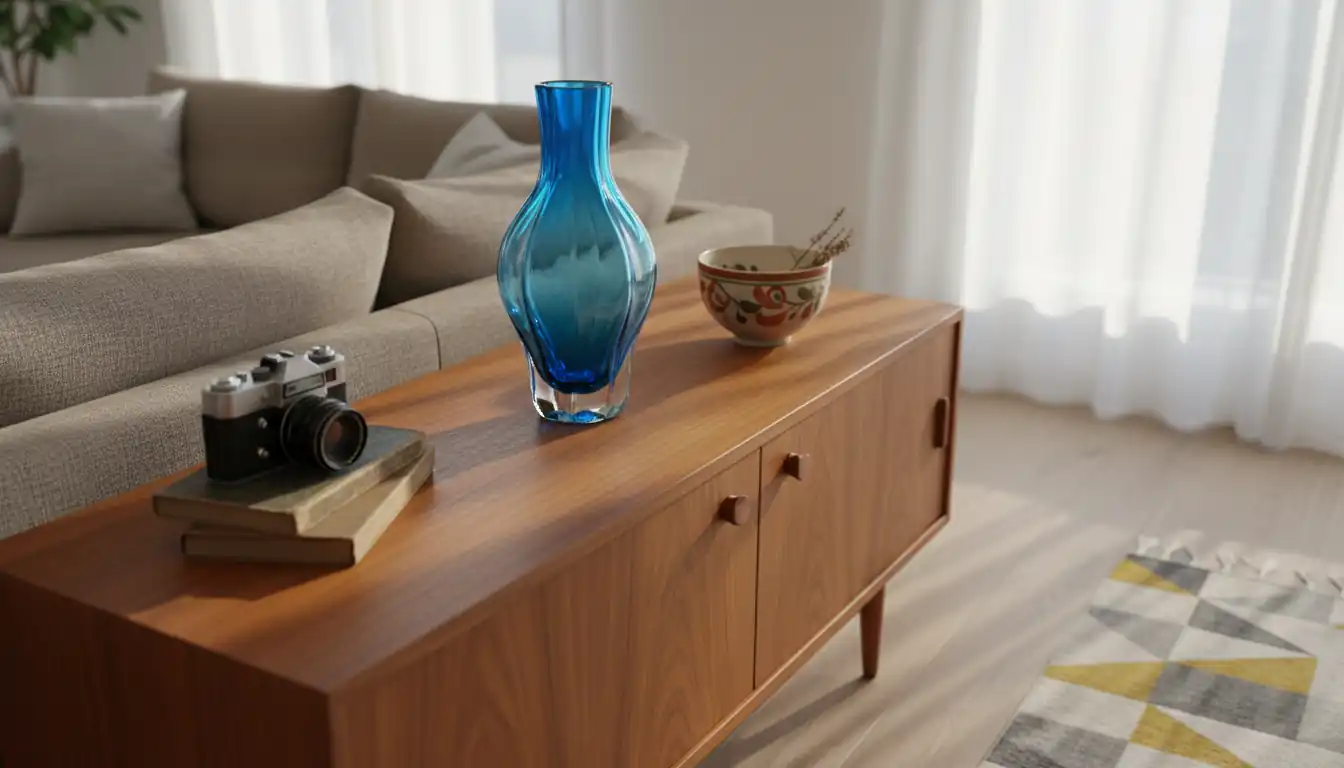
That dusty corner of your attic might be holding more than just cobwebs and holiday decorations. For years, the conventional wisdom in the resale market was that "brown furniture" was dead, Victorian aesthetics were stifling, and anything made after 1970 was just used junk. But the market of 2024 has flipped the script. A unique convergence of sustainability concerns, a rejection of "fast furniture," and a deep-seated longing for nostalgia has turned the antiques world upside down.
If you have been waiting for the right moment to clear out a storage unit or start a side hustle in reselling, the timing has never been better. High-quality items that were once dismissed as "outdated" are now the centerpieces of modern interior design. Buyers are no longer looking for mass-produced, flat-pack items that fall apart after two moves. They are looking for pieces with a soul, a history, and a level of craftsmanship that is nearly impossible to find in modern retail stores.
This guide will walk you through the specific categories of antiques and collectibles that are seeing a massive surge in value right now. You will learn how to spot the difference between a high-margin treasure and a common household item, and how to use modern tools to ensure you never leave money on the table. Whether you are a seasoned picker or someone who just found a box of old toys in the garage, understanding these 2024 trends is the first step toward turning those finds into significant profit.
The Grandmillennial Revolution and the Return of Brown Furniture
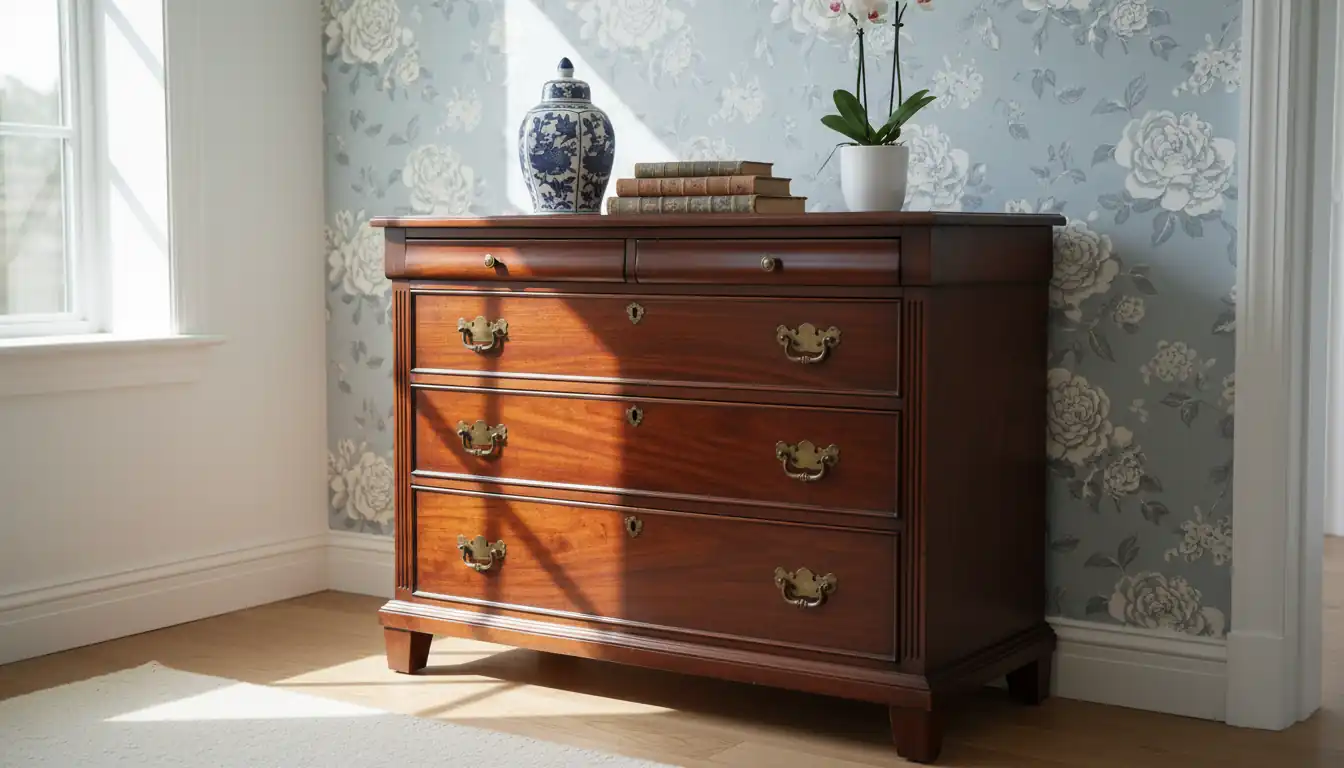
For nearly a decade, the interior design world was obsessed with "Millennial Gray" and stark, minimalist aesthetics. That era is officially over. In its place, a movement known as "Grandmillennial" style—or sometimes "maximalism"—has taken hold. This trend is characterized by a love for patterns, textures, and, most importantly, the heavy, dark wood furniture that was once considered the "uncool" inheritance from a grandparent’s house.
Younger buyers, specifically Gen Z and Millennials, are leading this charge. They are tired of the disposable nature of modern goods and are gravitating toward "brown furniture" for its sheer durability. A solid mahogany dresser from the 1920s has already lasted a century; there is every reason to believe it will last another. This shift has revitalized the market for items that were previously difficult to move at auction.
Victorian and Edwardian Statement Pieces
The key to profiting from Victorian and Edwardian pieces in 2024 is looking for "statement" items. Buyers aren't necessarily looking to furnish an entire room in 19th-century style, but they are desperate for one or two anchor pieces that provide contrast to a modern home.
- Marble-Top Washstands: These are incredibly popular right now because they are versatile. A buyer might use one as a bathroom vanity, a coffee station, or even a bar cart. The combination of natural stone and carved wood fits perfectly into the "organic modern" aesthetic.
- Ornate Gilt Mirrors: The more elaborate the frame, the better. Large, gold-leaf mirrors from the late 1800s are being used to add height and light to smaller apartments.
- Settees and Chaise Lounges: While comfort is a factor, these are often purchased for their silhouette. Look for pieces with original woodwork that hasn't been painted over; the "shabby chic" painted look is currently declining in favor of natural wood finishes.
Colorful Glassware and Depression Era Sets
If you find a cabinet full of colorful glass, do not assume it is worthless just because it isn't crystal. The market for Depression glass and Carnival glass has seen a surprising resurgence. The appeal lies in the "tablescape" trend—the art of setting an elaborate, colorful dinner table for social media or hosting.
- Carnival Glass: Known for its iridescent, oil-slick sheen, this glass was once given away as prizes at fairs. Today, rare patterns in marigold, amethyst, or peacock blue can fetch hundreds of dollars.
- Depression Glass: Look for complete sets in "Pink" or "Green." Collectors are moving away from buying single pieces and are instead looking for full service for eight to use during holiday gatherings.
- Uranium Glass: This is a niche but highly profitable sub-sector. This glass contains trace amounts of uranium and glows bright green under a UV light. It has become a viral sensation among younger collectors who enjoy the "science experiment" aspect of their decor.
Pro Tip: When sourcing brown furniture, check the joinery. Dovetail joints (where the wood interlocks like fingers) are a hallmark of quality construction. If you see staples or glue, it’s likely a modern reproduction with lower resale value.
This return to traditional aesthetics isn't just about looks; it’s a reaction to the environmental impact of modern manufacturing. As buyers become more conscious of their carbon footprint, they are viewing antiques as the ultimate sustainable luxury.
Sustainable Luxury and the High End Upcycling Market
In 2024, "antique" is synonymous with "eco-friendly." The most profitable resellers are those who frame their inventory as a high-quality alternative to "fast furniture." When you buy a piece of furniture made in 1950, you aren't just buying a chair; you are keeping high-grade timber out of a landfill and avoiding the carbon cost of shipping a new item across the ocean.
This "buy it for life" mentality has kept the demand for Mid-Century Modern (MCM) pieces high, though the market has become more sophisticated. Buyers are no longer looking for generic "tapered legs"; they are looking for specific materials and designer pedigree.
Mid Century Modern Reimagined
The MCM craze has matured. While the market was once flooded with cheap knockoffs, the 2024 buyer is looking for the "real deal." This means focusing on specific woods and labels.
| Material/Brand | Why It’s Trending in 2024 |
|---|---|
| Teak and Rosewood | These woods are now highly regulated or endangered. Authentic vintage pieces are the only way to legally own these rich, durable materials. |
| Herman Miller / Eames | These remain the gold standard. Even damaged pieces can be worth thousands because they can be professionally restored. |
| Danish Cord Seating | Chairs with woven paper cord seats (like the Hans Wegner "Wishbone" style) are highly sought after for their organic, handcrafted feel. |
When you are out picking, look for labels inside drawers or stamped onto the underside of chair frames. A "Made in Denmark" stamp can instantly triple the value of a side table compared to an unmarked piece of the same era.
Industrial Artifacts for Modern Workspaces
As remote work becomes a permanent fixture for many, the "home office" has become a primary focus for antique buyers. However, they aren't looking for traditional executive desks. Instead, there is a massive demand for industrial items repurposed for the home.
- Drafting Tables: These are being used as standing desks or kitchen islands. The heavy cast-iron bases and adjustable wooden tops are prized for their mechanical beauty.
- Factory Stools: Look for stools with wooden seats and metal legs, especially those with adjustable heights. Brands like Toledo or Hamilton are particularly valuable.
- Flat Files and Map Cabinets: These wide, shallow-drawered cabinets were once used in architecture firms. Today, they are the ultimate storage solution for artists and collectors.
The appeal of industrial items lies in their "over-engineered" nature. These items were built to survive 24-hour factory shifts, meaning they can easily handle the wear and tear of a modern household. This durability is a major selling point in a market that is increasingly wary of flimsy, modern alternatives.
Transitioning from these heavy, high-quality materials to the world of smaller collectibles requires a different set of skills. While a solid oak table is easy to spot, identifying a rare piece of porcelain or a specific designer's mark on a piece of jewelry is much more difficult. This is where the gap between an amateur and a professional reseller truly opens up.
Identifying Hidden Gems with Modern Technology
The biggest hurdle for any aspiring reseller is the "knowledge gap." You might be standing in front of a shelf of ceramics at an estate sale, wondering if that plain-looking vase is a $5 piece of mass-produced pottery or a $500 piece of mid-century art glass. In the past, you had to spend years studying price guides or carry around a library of books. Even then, the market moves so fast that a book printed two years ago might be completely out of date.
This uncertainty often leads to "buyer's remorse" or, worse, the "sleeper" phenomenon—where you walk past a fortune because you didn't recognize what it was. In 2024, the most successful resellers are using technology to bridge this gap instantly.
Moving Beyond the Magnifying Glass
The traditional method of identifying antiques involved squinting at hallmarks, looking for signatures, and then spending hours on Google trying to find a match. It was a slow, tedious process that often didn't work in the high-pressure environment of a crowded estate sale where other pickers are breathing down your neck.
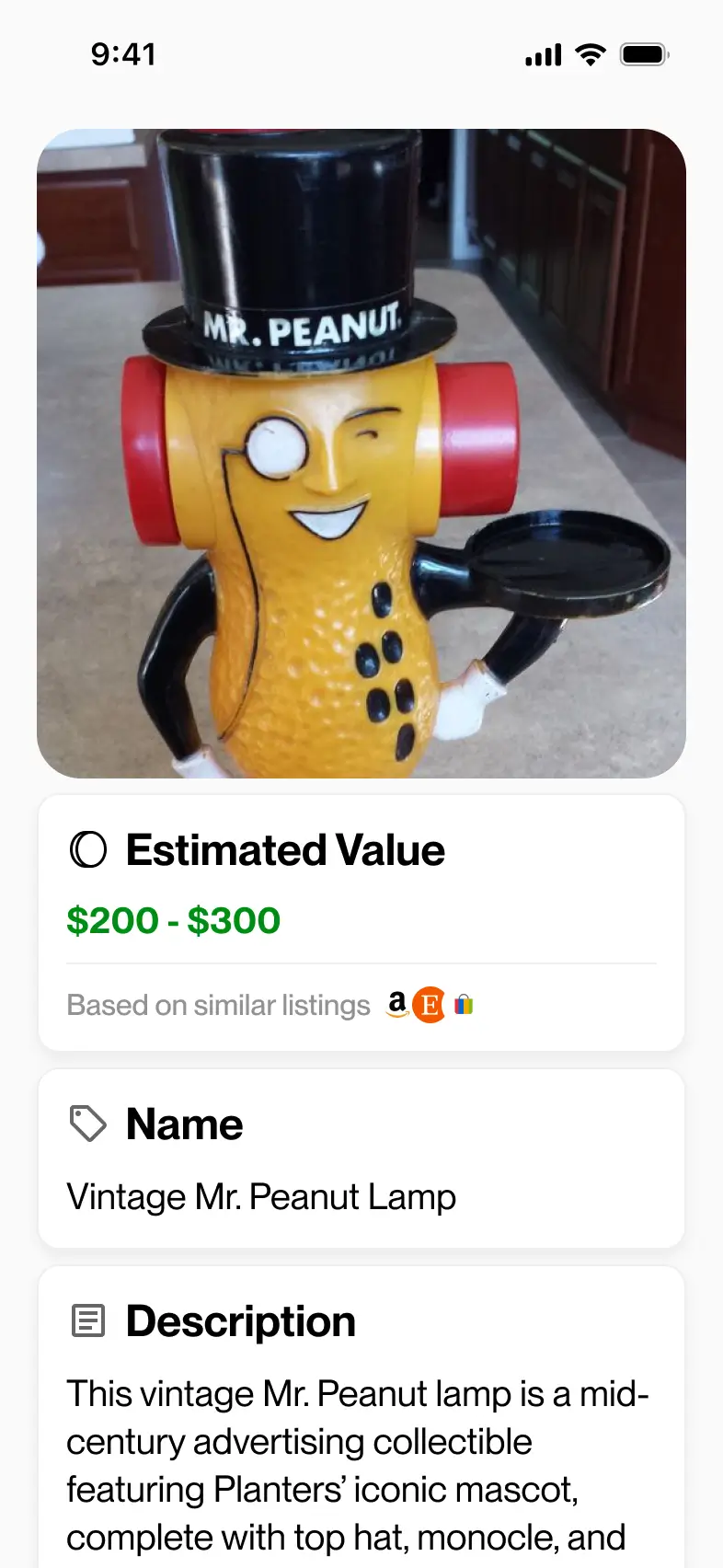
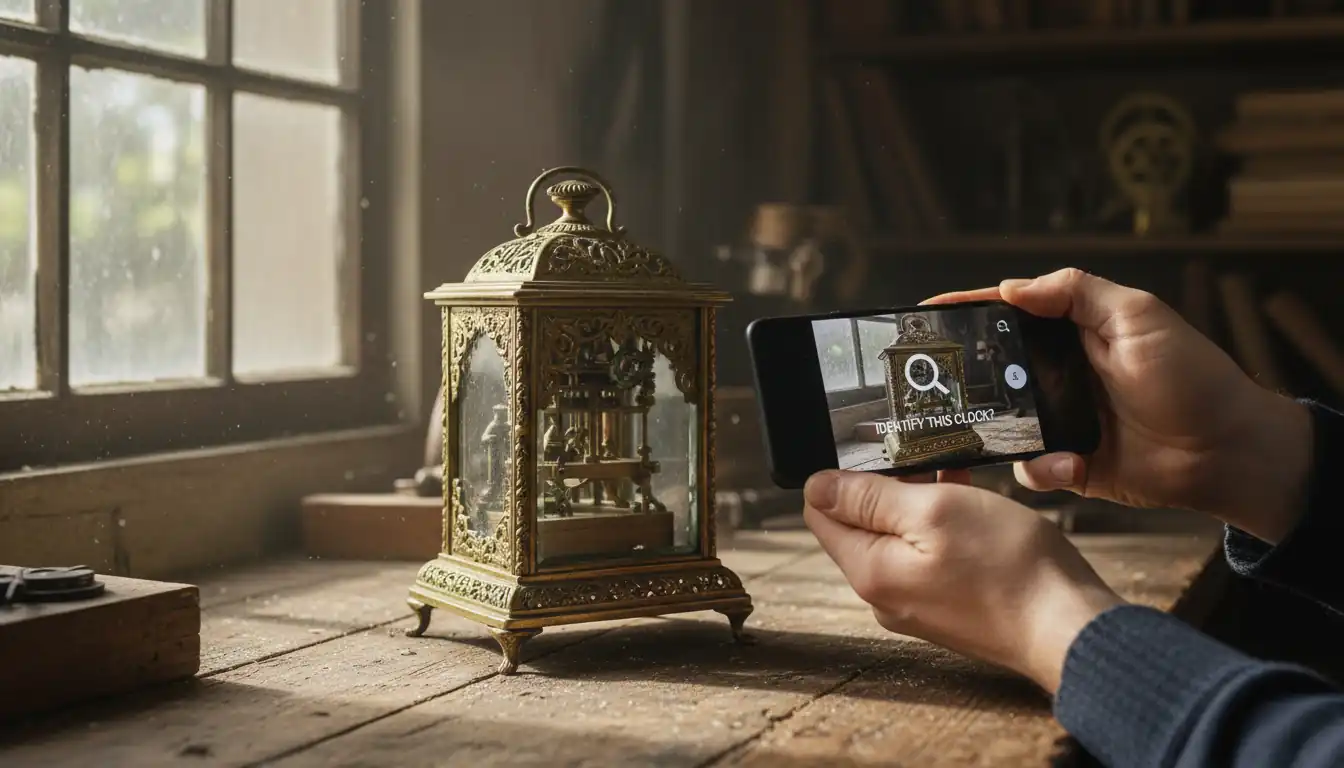
Today, the process has been streamlined by artificial intelligence. Apps like Relic have changed the way people source antiques. Instead of guessing, you can simply take a photo of an item with your phone. The app uses advanced image recognition and a massive database of historical auctions and expert data to identify the item’s origin, history, and estimated value in seconds.
- Spotting "Sleepers": A "sleeper" is an item that looks ordinary but is actually highly valuable. For example, a piece of "Yelloware" pottery might look like a common mixing bowl to the untrained eye, but Relic can identify the specific glaze and rim pattern that marks it as a rare 19th-century piece.
- Verifying Marks: Many antiques have "maker's marks" or "hallmarks" that are incredibly small or written in foreign languages. AI can scan these marks and cross-reference them with thousands of known manufacturer stamps, giving you an instant appraisal.
Instant Appraisals via AI Recognition
The speed of identification is crucial. When you are at a garage sale, you often have only a few seconds to decide whether to buy an item before someone else grabs it. Having a tool that provides a real appraisal on the spot gives you a massive competitive advantage.
"The difference between a $10 profit and a $1,000 profit is often just a single piece of information that everyone else in the room missed."
Using an app like Relic doesn't just tell you what an item is; it gives you the confidence to negotiate. If you know an item is worth $200 because you’ve seen the historical data on your screen, you can comfortably pay $40 for it, knowing your margin is secure. This technology has democratized the world of antiques, allowing anyone with a smartphone to compete with lifelong experts.
This technological shift is particularly useful when dealing with a category of antiques that many traditional experts still struggle with: the "new" antiques of the late 20th century.
The Rise of Nostalgia Collectibles from the Late 20th Century
In the world of collecting, there is a "40-year rule." It generally takes about 40 years for an item to move from "old junk" to "highly desirable antique." This happens because the generation that grew up with those items finally reaches their peak earning years and wants to buy back their childhood.
In 2024, we are right in the sweet spot for the 1980s and 1990s. Items that you might have thrown in a bin ten years ago are now the hottest commodities on the market. This isn't just about toys; it's about the entire cultural output of the late 20th century.
Early Computing and Tech Relics
"Retro-tech" is one of the fastest-growing sectors of the antique market. Collectors are looking for the machines that started the digital revolution. These items are often found in basements or office cleanouts, frequently overlooked by people looking for "traditional" antiques.
- Original Macintosh Computers: A working Macintosh 128K (the original model from 1984) can sell for thousands of dollars. Even non-working units are valuable for parts or as display pieces for tech enthusiasts.
- Sony Walkmans: Specifically, the early metal-bodied models like the TPS-L2. With the resurgence of cassette tapes, these have become functional fashion statements.
- Early Gaming Consoles: While everyone knows about the NES, look for "complete in box" (CIB) consoles. A Nintendo 64 or a Sega Genesis in its original packaging is worth significantly more than a loose console.
Pop Culture Ephemera and High End Toys
The toy market has shifted from "playthings" to "alternative assets." High-end collectors treat rare toys like stocks or fine art. The key here is condition and "grading."
- Graded Action Figures: If you find Star Wars or G.I. Joe figures still on their original cardboard backing (carded), do not open them. Having these items professionally graded by a service like AFA can turn a $100 figure into a $2,000 figure.
- First-Edition Cards: Pokémon and Magic: The Gathering cards from the late 90s continue to break records. Look for the "Shadowless" base set Pokémon cards or "Alpha/Beta" Magic cards.
- VCRs and VHS Tapes: Believe it or not, there is a booming market for rare VHS tapes, particularly horror movies or early Disney releases with specific "Black Diamond" logos (though be careful, as some of the Disney hype is inflated).
| Item Category | What to Look For | Potential Value |
|---|---|---|
| Retro Computing | Commodore 64, Apple II, Original Peripherals | $200 - $2,000+ |
| Handheld Gaming | GameBoy (Original), Game & Watch series | $100 - $500 |
| Vintage Audio | Marantz Receivers, Technics Turntables | $300 - $1,500 |
Understanding that "old" is a relative term is the secret to finding inventory where others aren't looking. While other pickers are fighting over a 19th-century chair, you could be quietly buying a box of 1990s electronics that is worth three times as much.
Sourcing Strategies for the 2024 Resale Market
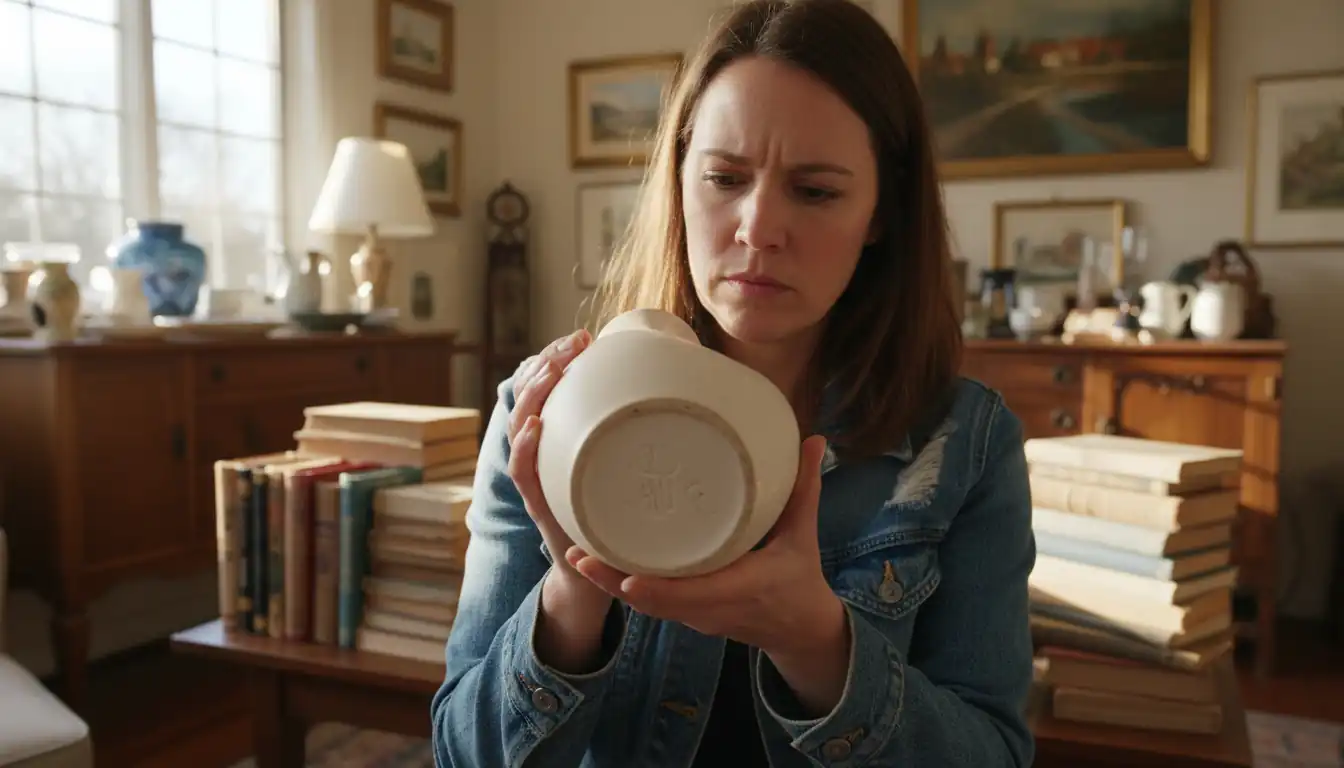
Knowing what to buy is only half the battle; you also need to know where to find it and how to verify it before you spend your hard-earned money. Sourcing in 2024 requires a mix of "boots on the ground" hustle and digital savvy.
Estate Sale Secrets and Digital Auctions
Estate sales remain the best place to find high-margin items because you are often buying directly from the source. However, the "early bird" strategy is more competitive than ever.
- The "Friday Morning" Hustle: Most estate sales start on a Thursday or Friday. If you wait until Saturday, the best items will be gone. Professional pickers often show up two hours early just to get a low number in the entry line.
- Digital Auctions (Hibid and LiveAuctioneers): If you can't get out to physical sales, online auction platforms are a goldmine. Many local auction houses list their inventory on Hibid. You can bid on "box lots"—large boxes of miscellaneous items—that often contain hidden gems the auctioneer didn't have time to catalog individually.
- The "Last Hour" Strategy: Conversely, showing up in the final two hours of an estate sale on a Sunday can be incredibly profitable. Most companies offer 50% to 75% off everything that’s left. This is the perfect time to pick up the "brown furniture" or larger industrial pieces mentioned earlier, as most people don't have the means to transport them.
Verifying Authenticity in a Saturated Market
As prices for antiques rise, so does the prevalence of fakes and reproductions. This is especially true for Mid-Century Modern furniture and high-end collectibles. You need a verification checklist to use on the spot.
Authenticity Checklist:
- Check the Hardware: On furniture, look at the screws. Phillips-head screws (the cross shape) weren't common until the 1930s. If you see them on a "19th-century" piece, it’s either a reproduction or has been heavily repaired.
- Smell the Material: Old wood, old paper, and old textiles have a specific scent. If a "vintage" item smells like fresh chemicals or new plastic, walk away.
- Use Your Tools: This is where the Relic app becomes your most valuable tool. When you're in a high-pressure environment, your emotions can cloud your judgment. Taking a quick photo and letting the AI analyze the maker's mark or the silhouette provides an objective second opinion. It can cross-reference patent numbers or specific design quirks that are nearly impossible to memorize.
- Look for "Honest Wear": A 100-year-old chair should have wear on the rungs where people rested their feet. A vintage toy should have slight oxidation on the metal. If an item looks too perfect, it might be a modern "distressed" reproduction.
Key Insight: Never be afraid to walk away. The most successful resellers aren't the ones who buy the most; they are the ones who buy the best. Using data-driven tools ensures that every purchase you make is a calculated investment rather than a gamble.
Conclusion
The 2024 antique market is a landscape of incredible opportunity for those who know where to look. The shift toward "Grandmillennial" maximalism has brought value back to classic dark wood furniture, while the "buy it for life" movement has solidified the status of Mid-Century Modern and industrial pieces as sustainable luxury. Simultaneously, the 40-year nostalgia cycle has turned the tech and toys of the 80s and 90s into high-value assets.
Success in this market isn't about having a lifetime of expertise; it's about being observant and using the right tools. By combining a "boots on the ground" sourcing strategy with modern AI technology like the Relic app, you can identify, appraise, and verify items with the precision of a professional auctioneer.
Your next step is simple: start small. Take a walk through your own home or a local thrift store this weekend. Use your phone to scan items that catch your eye. You might find that the "dusty junk" you've been ignoring is actually the start of your next big profit. The treasures are out there—you just need the right lens to see them.
Identify antiques instantly
Point your camera at any antique, collectible, or vintage item. Get valuations, history, and market insights in seconds.
Download for iPhone