Turn Your Attic Dust into Dollars: The 2024 Antique Trends That Are Actually Selling


That dusty box in the corner of your attic might look like a collection of chores, but it could actually be a hidden investment portfolio. The antique market has undergone a massive transformation over the last eighteen months, shifting away from the sterile, minimalist aesthetics that dominated the previous decade. What was once dismissed as "clutter" or "grandma’s old stuff" is now the primary driver of a multi-billion dollar secondary market.
You might be surprised to learn that the items currently commanding the highest prices aren't necessarily the ones you’d expect. While 18th-century oil paintings still hold value, the real movement is happening in categories that were considered junk just five years ago. From the resurgence of heavy "brown furniture" to the shocking price tags on early 2000s electronics, the 2024 market is rewarding those who know how to spot value in the unexpected.
This guide will walk you through the specific categories currently dominating the sales charts. You will learn how to distinguish a high-value heirloom from a common reproduction and how to use modern tools to ensure you never leave money on the table at a garage sale or estate auction. By the time you finish reading, you’ll have a clear roadmap for turning your forgotten storage items into significant profit.
Warm Wood and Maximalist Florals Take Center Stage
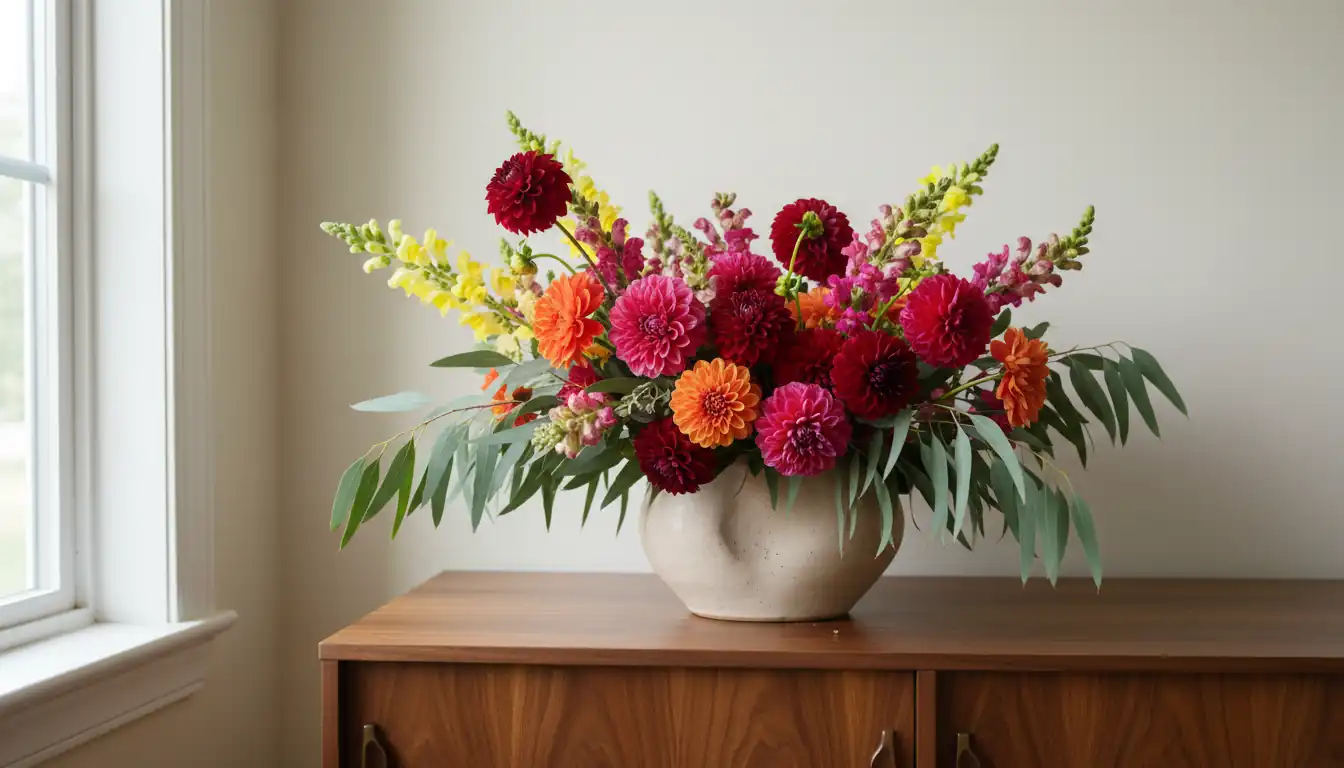
For years, the interior design world was obsessed with "millennial grey." Walls were cool-toned, furniture was white or light oak, and rooms felt more like art galleries than homes. That era has officially ended. In 2024, the pendulum has swung back toward "cluttercore" and "grandmillennial" styles, where history and texture are the primary focus.
This shift has completely rehabilitated the reputation of "brown furniture." For decades, heavy pieces made of mahogany, walnut, and cherry were difficult to sell because they didn't fit the minimalist aesthetic. Today, these pieces are the most sought-after items in the antique mall. Buyers are looking for the soul and weight that only a 19th-century sideboard or a solid walnut dining table can provide.
The Return of Rich Brown Tones
The demand for dark wood is driven by a desire for warmth. When you walk into a room anchored by a mahogany chest of drawers, the space feels grounded and permanent. This is a direct reaction to the "fast furniture" era, where items are often made of veneered particle board and designed to last only a few years.
Why these woods are winning:
- Mahogany: Known for its deep reddish-brown hue and incredible durability, mahogany pieces from the Victorian and Edwardian eras are seeing a 20-30% price increase in many regional markets.
- Walnut: The intricate grain patterns of walnut make it a favorite for those seeking "statement" pieces. It bridges the gap between traditional and modern styles perfectly.
- Cherry: As it ages, cherry wood develops a rich patina that cannot be faked. Collectors are currently hunting for early American cherry pieces that show this natural darkening.
If you have a heavy, dark wood piece that you’ve been trying to hide with a white tablecloth, it’s time to let it shine. The market is no longer looking for "shabby chic" painted furniture; it wants the original, polished finish of the wood.
English Florals and Grandmillennial Style
Alongside the return of dark wood is the explosion of bold, traditional patterns. The "Grandmillennial" trend—essentially young people decorating like their stylish grandmothers—has brought English florals back to the forefront. We are seeing a massive spike in demand for Chintz, Liberty of London prints, and heavy damask upholstery.
"The modern home is no longer a blank canvas; it is a curated collection of stories told through pattern and texture."
This trend isn't just about wallpaper. It extends to smaller decorative items like porcelain tea sets, floral-patterned needlepoint pillows, and even vintage curtains. If you find items with dense, botanical illustrations or romantic garden scenes, you are looking at a high-demand category. These patterns provide the "visual noise" that makes a room feel cozy rather than cold.
As we move from these large-scale furniture pieces and room-defining patterns, the market narrows its focus. While the living room is being filled with mahogany and florals, the drawers and cabinets are being filled with a very different kind of "antique"—the gadgets of the recent past.
Why Gen Z is Buying Your Old Tech and Gadgets
It feels strange to call a digital camera from 2004 an "antique," but in the eyes of Gen Z and younger Millennials, these items are the new frontier of collecting. There is a profound sense of "digital fatigue" among younger generations who have grown up with high-definition smartphone cameras. They are looking for something tactile, imperfect, and nostalgic.
This has created a "new" antique market centered around the late 1980s through the early 2000s. Items that you might have considered e-waste five years ago are now selling for hundreds, sometimes thousands, of dollars on secondary platforms.
The Resurgence of Analog Photography and Audio
The most visible part of this trend is the return of the "point-and-shoot" digital camera. Specifically, cameras with CCD sensors—the technology used before the current CMOS sensors—are in high demand. These older sensors produce images with a specific color science and "vibe" that looks like a memory rather than a clinical, high-res photo.
High-value tech items to look for:
- CCD-Sensor Digicams: Look for brands like Canon (PowerShot series), Nikon (Coolpix), and Sony (Cyber-shot) from the 2000-2008 era.
- iPods: The original "Classic" models with the physical click wheel are becoming major collectibles, especially if the battery still holds a charge.
- Cassette Players: High-end Walkmans and portable recorders are seeing a massive price hike as the "lo-fi" music movement grows.
- Camcorders: Handheld MiniDV and Hi8 camcorders are being used by creators to capture a vintage aesthetic that software filters can't quite replicate.
Early 2000s Tech as the New Collectible
Beyond cameras, the early 2000s "Y2K" aesthetic is driving the value of gaming consoles and cellular phones. A first-generation Nintendo DS or a GameBoy Advance SP in a unique color can often fetch more than a piece of 19th-century silver. The value here isn't in the utility of the device, but in the physical experience of using it.
The challenge with these modern antiques is that they don't look like "valuables." They look like plastic. Unlike a silver spoon which has a weight and a hallmark, a vintage iPod looks like a piece of trash to the untrained eye. This creates a massive opportunity for the informed collector who knows how to spot the specific model numbers that collectors crave.
Identifying these items requires a different set of skills than identifying a Ming vase. You aren't looking for a maker's mark; you're looking for a serial number or a specific hardware revision. This complexity is exactly why the modern treasure hunter needs a way to bridge the gap between traditional expertise and high-tech identification.
Spotting Hidden Gems with AI Precision
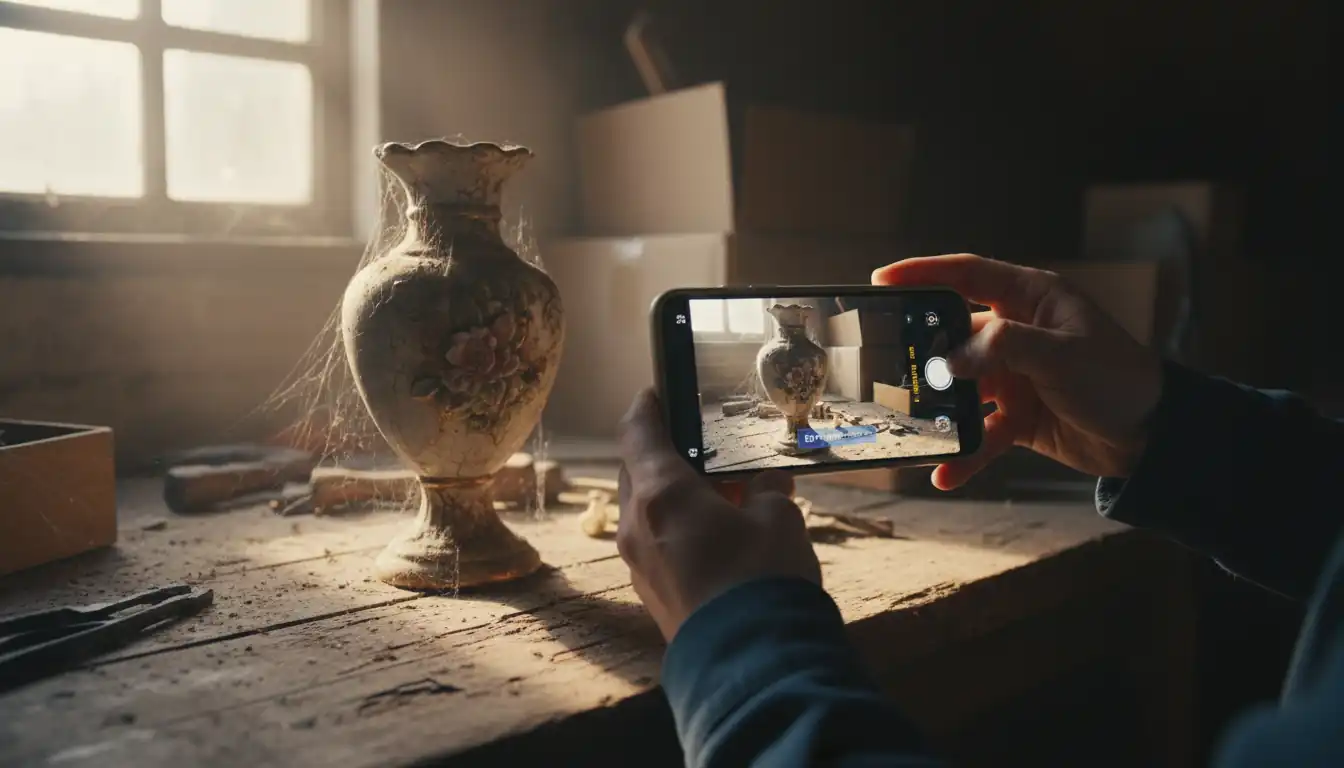
The biggest hurdle in antique collecting has always been the "knowledge gap." In the past, you had to spend decades studying auction catalogs or carrying around heavy price guides to know if a mark on the bottom of a plate was a rare 18th-century signature or a 1970s reproduction. Today, that barrier has been completely removed by technology.
If you want to move through a thrift store or an estate sale with the confidence of a professional dealer, you need a tool that can process information as fast as you can walk. This is where Relic becomes an essential part of your kit. Relic is an iOS app that functions as a pocket-sized appraiser, using advanced AI to identify and value items in real-time.
From Thrift Store Finds to Appraised Treasures
Imagine you are at a local charity shop and you see a strange, heavy glass vase with an iridescent finish. Is it a piece of mass-produced 1990s decor, or is it a rare Loetz piece from Austria? Instead of guessing or spending twenty minutes on Google Images, you simply open Relic and take a photo.
The app’s AI analyzes the shape, color, texture, and light refraction of the item. Within seconds, it provides:
- Real Appraisal: A current market value based on recent sales data.
- History: The story of the manufacturer or the artistic movement the piece belongs to.
- Origin: Where and when the item was likely produced.
This isn't just a search engine; it's a professional-grade tool used by importers, pickers, and online sellers. With a 4.9-star rating from over 20,000 reviews, it has become the gold standard for quick, accurate identification.
Decoding Maker Marks and Origin Stories
One of the most difficult tasks for any collector is reading maker's marks. These tiny stamps on the bottom of silver, porcelain, or furniture are often faded, stylized, or written in foreign languages. Relic excels at "reading" these marks. By uploading a clear photo of the stamp, the app can cross-reference it against a massive database of historical hallmarks.
How to use Relic for maximum profit:
- Scan Everything: Don't just scan what looks expensive. Scan the "weird" stuff—the items with strange shapes or unfamiliar materials.
- Check the Catalog: Use the app’s searchable catalog to see what other users are finding, which helps you train your eye for future hunts.
- Verify at the Source: Use the one-touch scanning feature at estate sales to make split-second "buy or pass" decisions before someone else grabs the item.
| Feature | Benefit for the Collector |
|---|---|
| Instant AI ID | No more manual searching through endless forums. |
| Market Insights | Know exactly what to list an item for on eBay or Etsy. |
| Historical Context | Learn the "why" behind the item, which helps in selling it. |
| Professional Accuracy | Trust the data backed by 20,000+ positive reviews. |
By using a tool like Relic, you aren't just guessing; you are investing with data. This tech-savvy approach allows you to find value where others see dust. Once you’ve identified a high-quality item, the next step is understanding its place in the broader movement toward sustainable luxury.
Sustainable Luxury Through Antique Textiles and Reclaimed Materials
In 2024, the "greenest" way to decorate is to buy old. The antique market is no longer just for history buffs; it is the primary destination for eco-conscious consumers. This movement, often called "slow decorating," prioritizes items that have already stood the test of time over new products that contribute to deforestation and carbon emissions.
This shift has placed a massive premium on antique textiles and reclaimed materials. Buyers are looking for items that feel "human-made" rather than "machine-extruded."
The High Demand for Hand-Woven Textiles
Antique Persian rugs, Turkish kilims, and hand-quilted American textiles are currently some of the fastest-moving items in the market. Unlike modern synthetic rugs that off-gas chemicals and fall apart within five years, a 100-year-old wool rug is naturally durable and often looks better with age.
What to look for in textiles:
- Natural Dyes: Look for colors that have a slight "abrash" (variation in hue). These indicate vegetable dyes, which are much more valuable than chemical dyes.
- Hand-Knotted Fringe: If the fringe is sewn on, it’s a machine-made rug. If the fringe is part of the rug’s structure, it’s hand-woven.
- Tapestries: Large-scale wall hangings are replacing traditional framed art in many high-end interior designs.
These items are considered "liquid assets" in the antique world. A high-quality Heriz or Tabriz rug rarely loses value; in fact, as the supply of authentic hand-knotted pieces dwindles, their prices continue to climb.
Investing in Heirloom Quality Over Fast Furniture
The environmental argument for antiques is simple: a solid oak dresser from 1920 has already lasted 100 years, and with minimal care, it will last another 100. Most modern furniture is designed for a "landfill cycle" of 5-7 years.
The "Solid Wood" Advantage:
- Repairability: You can sand, stain, and repair solid wood. You cannot repair swollen particle board.
- Carbon Sequestration: Keeping an antique in use prevents the need for new timber harvesting and manufacturing energy.
- Character: The "dents and dings" on an old harvest table are seen as a desirable patina, not a defect.
When you buy an antique, you are opting out of the "fast fashion" equivalent of home decor. This ethical superiority is a major selling point for the current generation of buyers, who are willing to pay a premium for items that align with their values.
Predicting the 2025 Market Shift
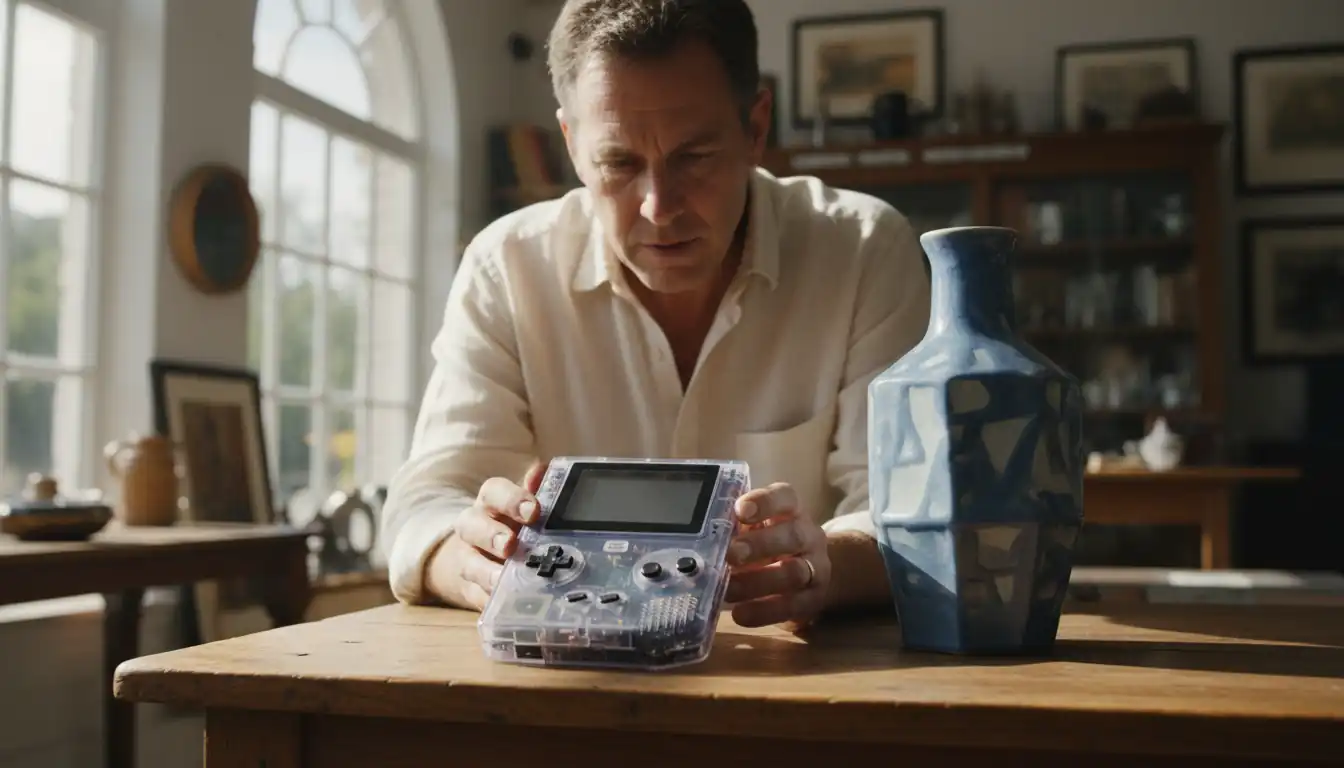
As we look toward 2025, the market is moving away from "matching sets" and toward a philosophy of "radical eclecticism." The most successful collectors and decorators are those who can bridge the gap between vastly different eras. We are seeing a trend where an 18th-century French commode is paired with a 1970s brutalist lamp and a 1990s digital art piece.
The key to profiting in the coming year will be your ability to spot "emerging" categories before they hit their price ceiling. While "brown furniture" is currently peaking, other categories are just beginning their ascent.
What High Demand Items Reveal About Next Year
Based on current sales data and the types of questions being asked in appraisal forums, we can see a clear trend toward "Industrial Elegance" and "Primitive Minimalism." People want items that look like they were pulled from an old factory or a 19th-century farm, but they want to style them in a way that feels clean and modern.
| Category | 2024 Status | 2025 Outlook |
|---|---|---|
| Mid-Century Modern | Peaking (Prices are stabilizing) | Slow Decline (Market is saturated) |
| Victorian Walnut | Rising | High Demand (The new "it" wood) |
| 90s Tech (Gameboys/Walkmans) | High Demand | Peaking (Collectors are completing sets) |
| Primitive/Folk Art | Emerging | Rapid Growth (Focus on "authentic" craft) |
| 70s Brutalist Metalwork | Rising | High Demand (Statement lighting/sculpture) |
The Art of Mixing Eras Without Clashing
The "2025 Collector" doesn't stick to one period. They understand that a room feels more expensive when it isn't "perfect." To capitalize on this, look for items that have strong silhouettes. A chair with a unique architectural shape will sell faster than a standard armchair, regardless of its age.
Tips for the 2025 Investor:
- Buy the "Odd One Out": If you see a piece that doesn't fit a specific category but has incredible craftsmanship, buy it. The market is moving toward unique, one-of-a-kind finds.
- Focus on Lighting: Vintage lighting is the easiest way to change the "era" of a room. Look for 1920s Art Deco fixtures or 1960s Italian glass.
- Watch the "30-Year Rule": Generally, items become "cool" again exactly 30 years after they were first popular. We are currently seeing the 1995-2000 era explode. Start looking at items from 2005-2010 now.
The market is no longer a monolith. It is a fragmented, exciting landscape where a 200-year-old rug and a 20-year-old camera can both be considered "treasures." The winners in this market are those who stay curious, use the best tools available, and understand that value is often found in the things others have forgotten.
Conclusion
The antique market in 2024 is more accessible and more profitable than it has been in decades. Whether you are drawn to the rich, warm tones of mahogany furniture, the nostalgic pull of Y2K-era electronics, or the sustainable beauty of hand-woven textiles, there is a clear path to turning your "attic dust" into real dollars.
The secret to success lies in the balance between traditional appreciation and modern technology. By keeping an eye on shifting trends—like the move toward maximalism and the "new" vintage tech—you can spot opportunities that others miss. Tools like the Relic app empower you to act on those opportunities with the precision of a professional appraiser, ensuring that every "find" is a calculated investment.
Your next step is simple: stop looking at your storage spaces as chores and start looking at them as inventory. Grab your phone, download a tool that can help you see the hidden history in your home, and start scanning. You might find that the most valuable thing you own is something you’ve been walking past for years.
Identify antiques instantly
Point your camera at any antique, collectible, or vintage item. Get valuations, history, and market insights in seconds.
Download for iPhone