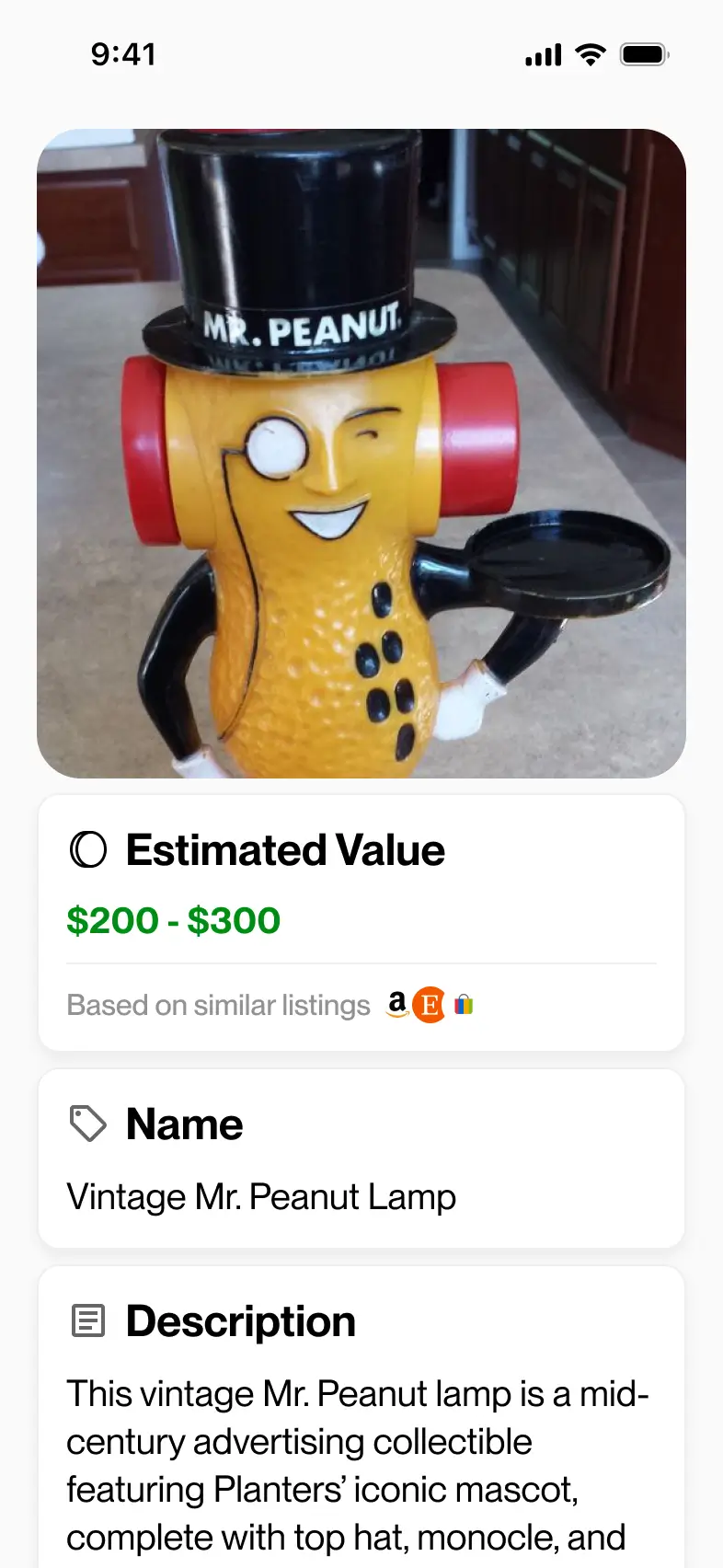
Turn Your Attic Dust into Dollars: The New Way to Appraise Vintage Toys Instantly

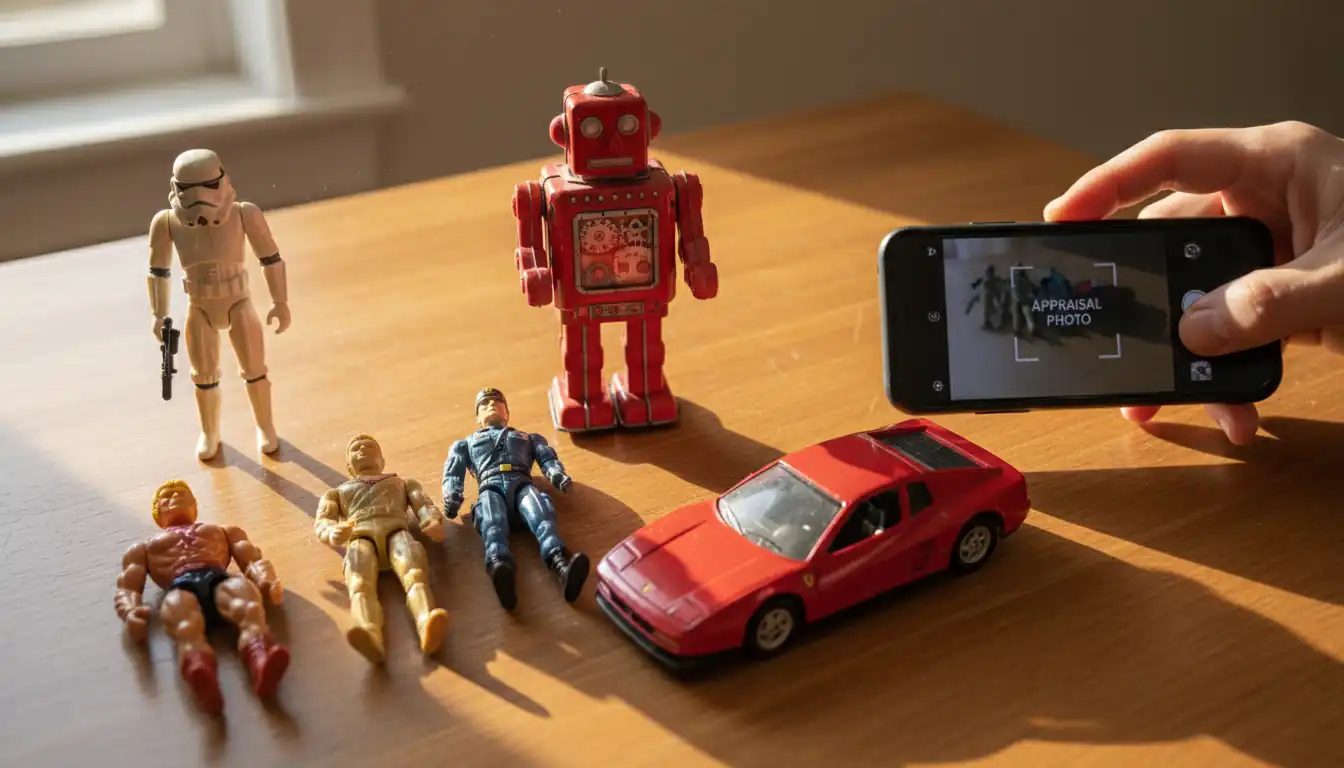
That dusty cardboard box tucked behind the Christmas decorations might look like a collection of forgotten memories, but it could actually be a significant financial asset. For decades, parents told their children to put their toys away, never realizing that those plastic action figures and die-cast cars would one day outperform many traditional investments. The transition from "junk" to "collectible" happens slowly, then all at once, leaving many people sitting on a goldmine they don't know how to tap into.
Understanding the value of your childhood treasures used to require a stack of reference books and a trip to a specialized appraiser. You had to hope the person behind the counter was honest and that their knowledge was up to date. The process was slow, often expensive, and prone to human error.
You are now standing at the edge of a new era in collecting where information is instantaneous and accuracy is driven by data rather than guesswork. This guide will show you how to identify the hidden gems in your attic and use modern technology to turn those vintage toys into actual dollars. You will learn how to spot the difference between a common toy and a rare treasure, and how to manage your collection with the precision of a professional investor.
The Evolution of Toy Valuation
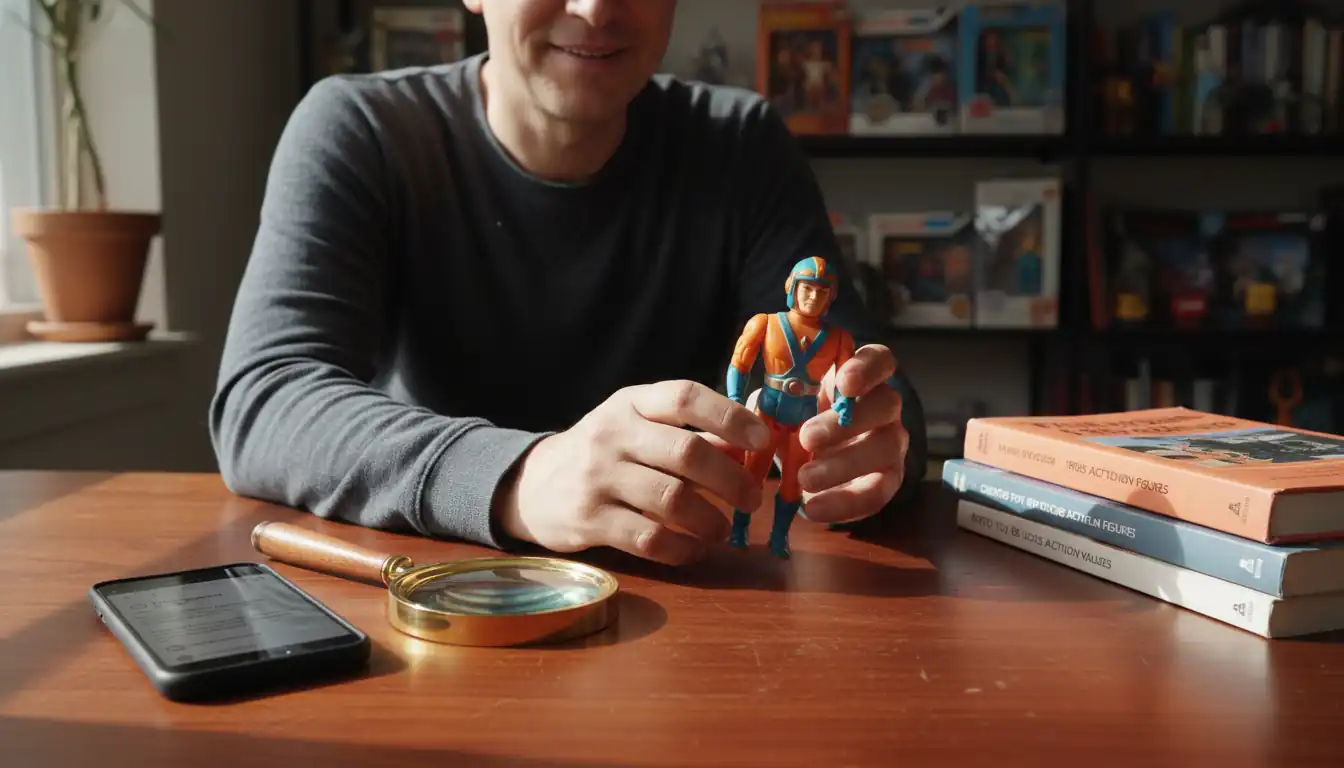
The way we determine what a toy is worth has undergone a radical transformation. In the late 20th century, if you wanted to know the value of a 1977 Star Wars figure, you bought a monthly magazine or an annual price guide. These "black books" were the gold standard, but they had a fatal flaw: they were outdated the moment they hit the printer. They relied on a small sample size of sales from specific hobby shops or regional conventions, which didn't reflect the global demand.
From Price Guides to Real-Time Data
Static price guides created a lag in the market. If a specific character became popular due to a new movie release, the price guide wouldn't reflect that surge for months. This delay allowed savvy dealers to buy low from uninformed sellers and flip the items for a massive profit. The internet changed the landscape by connecting buyers and sellers globally, but it also created a chaotic flood of information.
How do I find out how much my vintage toys are worth? This is the question that plagues every person who finds an old stash of toys. In the past, the answer involved hours of manual research, scrolling through forum posts, and cross-referencing grainy photos. Today, the answer lies in real-time market data. The value of a toy is no longer what a book says it is; it is what the market is willing to pay at this exact second.
| Era | Valuation Method | Speed | Accuracy |
|---|---|---|---|
| 1980s - 1990s | Annual Price Guides | Very Slow | Low (Regional) |
| 2000s - 2010s | Manual Online Search | Moderate | Medium (Varies) |
| 2020s - Present | AI & Real-Time Data | Instant | High (Global) |
Why Traditional Appraisals Fail the Modern Collector
Traditional appraisals often rely on the subjective opinion of a single individual. While an expert's eye is valuable, humans have biases and gaps in their knowledge. A general antique dealer might know a lot about Victorian furniture but fail to recognize the significance of a specific "no-COO" (Country of Origin) stamp on a vintage GI Joe figure.
The toy market is incredibly volatile. We have seen a massive surge in 1980s action figures, driven by the "nostalgia cycle"—the period when the children who played with these toys reach their peak earning years and want to buy back their childhood. A traditional appraisal from three years ago is practically useless in a market where a rare Transformers variant can double in value over a single weekend. You need a method that moves as fast as the market does.
The "nostalgia cycle" typically hits its peak 30 to 40 years after a toy's original release, as that generation gains the disposable income to reclaim their past.
Leveraging AI for Instant Identification
The biggest challenge in appraising vintage toys is the sheer volume of variations. Manufacturers often used different factories, molds, and paint applications throughout a toy's production run. To the untrained eye, two figures might look identical. To a collector, one is a common $20 item and the other is a $2,000 rarity.
How Computer Vision Decodes Rare Variants
Computer vision technology has reached a point where it can analyze a photo and identify microscopic details that a human might miss. Think of it like facial recognition for plastic. An algorithm can look at the sculpt of a 1977 Luke Skywalker figure and determine if it features the rare "double-telescoping" lightsaber. This specific variant, where the lightsaber blade extends twice, is one of the "holy grails" of collecting.
These algorithms compare your photo against a massive database of known authentic items. They look at the texture of the plastic, the specific shade of paint used on the boots, and the markings on the back of the leg. This level of detail ensures that you aren't just identifying the toy, but identifying the specific version of that toy.
Relic: Your Pocket-Sized Toy Expert
This is where the Relic app becomes an essential part of your toolkit. Instead of spending hours squinting at your screen trying to match your toy to a forum post, you can simply take or upload a photo. Relic uses advanced AI to provide a real appraisal, history, and origin of the item in seconds.
The app acts as a bridge between your physical item and a world of digital data. It doesn't just tell you what the item is; it gives you the context you need to understand its place in history. With over 20,000 reviews and a 4.9-star rating, it has become a go-to resource for people who need professional-grade identification without the professional-grade price tag. You get the benefit of a searchable catalog of scanned items, which helps you track your finds and build a digital inventory.
- Instant Identification: No more guessing names or series.
- Historical Context: Learn why your toy was made and what makes it unique.
- Market Insights: Get a valuation based on current trends.
Decoding the True Market Value
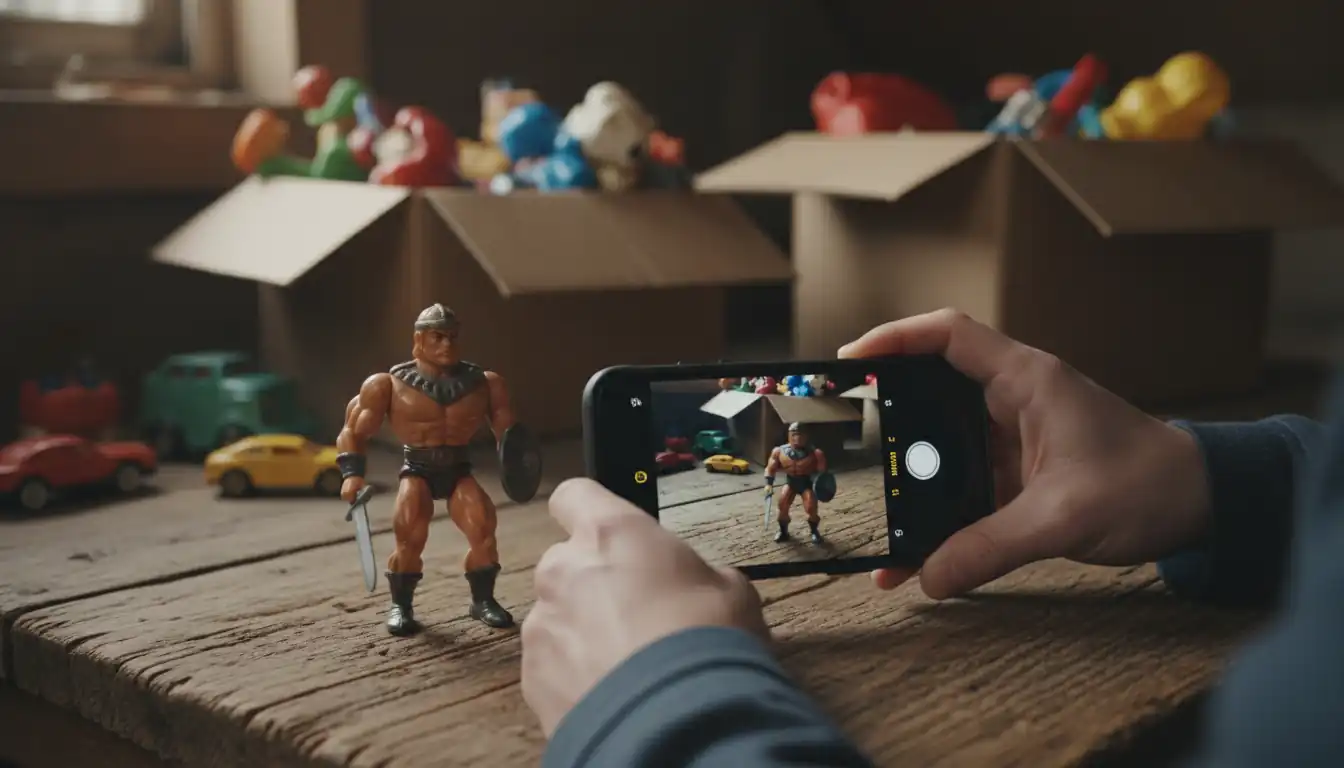
Once you know what you have, the next hurdle is understanding what it's actually worth. There is a massive difference between "appraised value" and "cash in hand." Many people fall into the trap of seeing a high price tag and assuming they've just won the lottery.
Sold Prices vs. Asking Prices
The "eBay trap" is the most common mistake new sellers make. You go to an auction site, search for your toy, and see three listings for $500. You immediately think your toy is worth $500. However, those are asking prices. Anyone can ask for any amount of money; it doesn't mean anyone is paying it.
To find the true value, you must look at completed and sold listings. If those $500 items have been sitting there for six months while three others sold for $150, the true value is $150. Relic’s appraisal data helps you avoid this trap by providing a grounded perspective based on historical context and origin. It looks at what has actually happened in the market, rather than the optimistic dreams of hopeful sellers.
The Hidden Impact of Regional Demand
Value is also influenced by where the buyer is located. A toy that is incredibly popular in the United States might have zero demand in Europe, or vice versa. Certain lines, like "M.A.S.K." or "Action Force," have different levels of desirability depending on the region.
- Niche Markets: Some toys have a "cult" following in specific countries.
- Shipping Costs: High shipping fees for bulky items can lower the "net" value for a seller.
- Currency Fluctuations: Global demand can shift based on the strength of different currencies.
An appraisal is a starting point for a negotiation. It gives you the confidence to turn down a lowball offer, but it also gives you the realism to accept a fair one. Think of it as a compass; it tells you which direction to go, but you still have to walk the path.
The Condition Grading Minefield
In the world of vintage toys, condition is everything. A toy that is "Mint in Box" (MIB) can be worth ten times more than the same toy that has been played with. However, assessing condition is a technical skill that requires a sharp eye and a bit of skepticism.
Spotting Professional Restorations and Fakes
As prices for vintage toys have climbed, so has the prevalence of "repro" (reproduction) parts. These are modern 3D-printed or molded accessories designed to look like the originals. If you have a vintage Stormtrooper but his blaster is a reproduction, the value of the figure drops significantly. Collectors want original, "period-correct" accessories.
You also need to look out for professional touch-ups. Some sellers will use color-matched markers to hide paint chips on a figure's hair or hands. While this makes the toy look better on a shelf, it is considered a "restoration" and can lower the value for serious collectors who want untouched originals.
- Yellowing Plastic: Over time, exposure to UV light causes the chemicals in the plastic to break down, turning white figures (like Stormtroopers or white Transformers) a sickly yellow.
- Bubble Lifting: On carded figures, the plastic "bubble" that holds the toy can begin to pull away from the cardboard backing. Even a tiny gap can "de-grade" a toy from a collector's perspective.
- Paint Rub: Look at the high points of the toy—the nose, the knuckles, the tips of the boots. This is where paint wears off first during play.
How Packaging Integrity Dictates the Final Quote
If you are lucky enough to have toys still in their original packaging, the condition of the box or card is just as important as the toy itself. Collectors look for "veins" (creases in the cardboard), "color breaks" (where a crease has caused the ink to flake off), and "price tag residue."
Using a tool like Relic helps you identify the origin and history of the item to ensure it is genuine. By understanding the specific manufacturing marks and historical details provided by the app, you can better judge if your item is a pristine survivor or a clever imitation.
A "C-Scale" is often used to grade toys, with C-10 being perfect factory-fresh and C-1 being "beater" quality. Most toys found in attics fall between C-5 and C-7.
Managing Your Toy Collection as an Asset
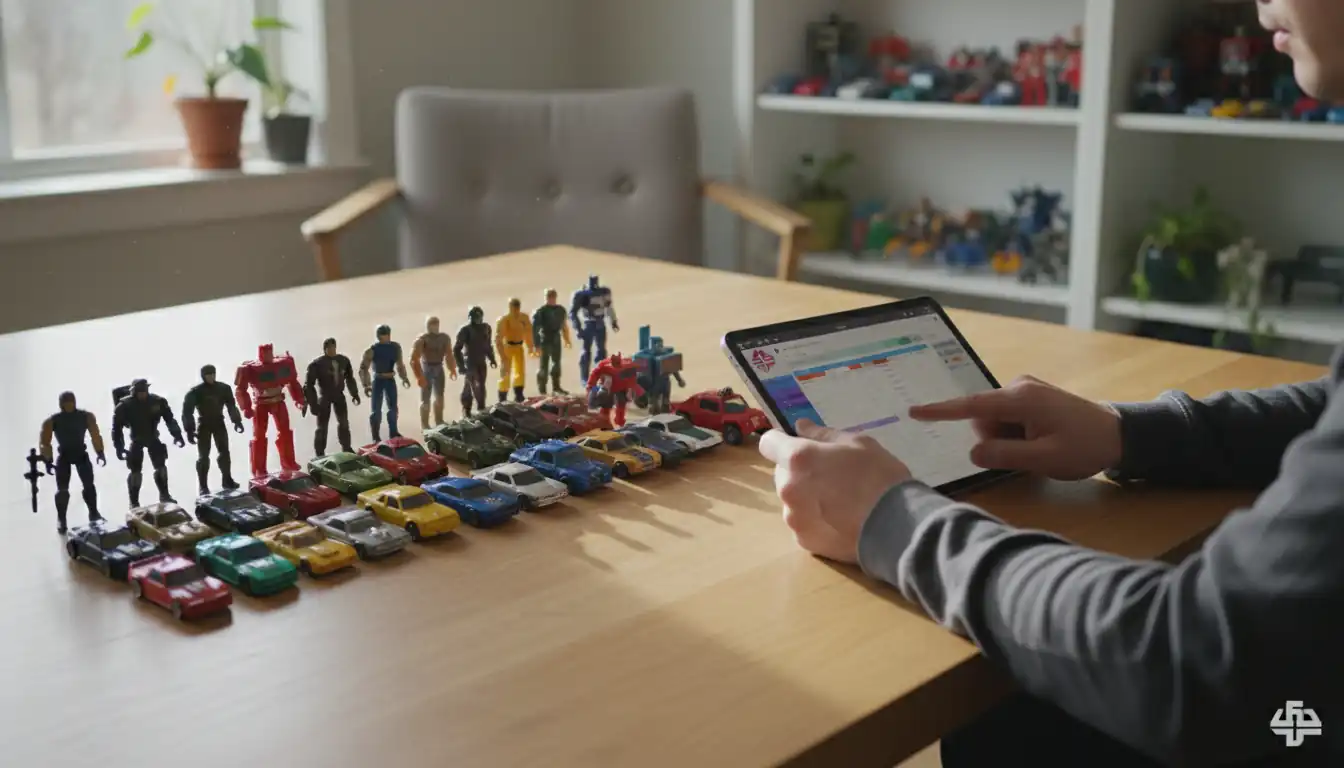
If you find that your attic is full of high-value items, you need to stop thinking like a hobbyist and start thinking like an asset manager. You wouldn't leave $10,000 in cash in a cardboard box in a humid attic, so why would you leave $10,000 worth of plastic there?
When to Hold and When to Liquidate
The toy market moves in cycles. Right now, the 1980s and early 1990s are "hot." However, as the generation that loves those toys gets older, demand may eventually decrease. Conversely, toys from the early 2000s are just starting to enter their primary nostalgia window.
- Hold: If the toy is in pristine condition and belongs to a franchise with a massive, multi-generational following (like Star Wars or Pokémon).
- Sell: If the item is showing signs of "plastic rot" or if the market for that specific niche is currently at an all-time high due to a temporary trend.
Digital Cataloging for Insurance and Estate Planning
One of the most overlooked aspects of collecting is documentation. If your house were to suffer a fire or flood, would your insurance company take your word that you had a rare 1984 Optimus Prime? Probably not. You need a digital record.
Using Relic’s ability to provide history and origin allows you to create a documented inventory of your collection's worth. Having a searchable catalog of scanned items with their appraised values provides the proof you need for insurance riders or estate planning. It transforms a "pile of toys" into a "documented collection."
| Task | Frequency | Benefit |
|---|---|---|
| Digital Scanning | Once per item | Proof of ownership and condition |
| Market Re-valuation | Every 12-18 months | Keeps insurance coverage accurate |
| Physical Inspection | Every 6 months | Checks for environmental damage (mold/yellowing) |
Conclusion
The transition from attic dust to actual dollars is easier than it has ever been, but it requires a shift in mindset. You have to move past the sentimental value and look at the data. By understanding the evolution of valuation, utilizing AI tools like Relic for instant identification, and being honest about condition, you can unlock the hidden wealth sitting in your home.
Don't let your treasures sit in the dark where they can deteriorate. Grab your iPhone, download Relic, and start scanning. Whether you decide to sell your collection to fund a vacation or keep it as a long-term investment, knowing exactly what you have is the first step toward becoming a sophisticated collector. Your childhood self played with these toys; your adult self should profit from them.
Identify antiques instantly
Point your camera at any antique, collectible, or vintage item. Get valuations, history, and market insights in seconds.
Download for iPhone