Turn Your Attic Dust into Dollars with These AI Image Search Secrets

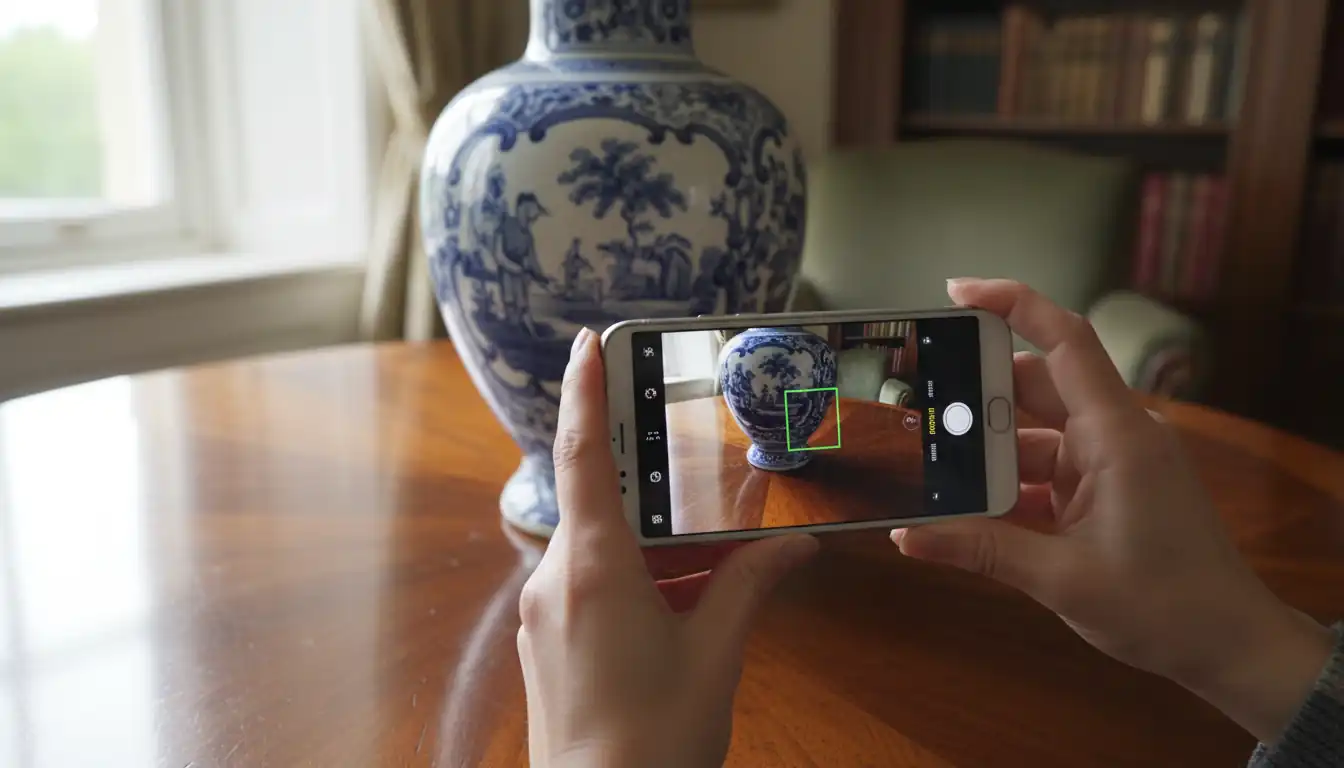
You probably have a box in your attic or a dusty shelf in the garage filled with items that look old, but you have no idea if they are worth five dollars or five thousand. For decades, the only way to find out was to lug those items to a local appraiser or spend hours squinting at grainy photos in massive price guides. It was a slow, tedious process that often left people giving up and donating treasures to the local thrift store for pennies.
The landscape of discovery has changed. You no longer need to be a seasoned historian to identify a piece of 18th-century porcelain or a mid-century modern chair. With the phone in your pocket, you can bridge the gap between "old junk" and "valuable heirloom" in a matter of seconds. This guide will show you how to use modern technology to identify your finds, understand their history, and determine their true market value.
By the time you finish reading, you will understand how to bypass the frustrations of manual searching and use professional-grade tools to turn your curiosity into cash. Whether you found a strange vase at a garage sale or inherited a collection of silver, the secrets of AI image search are about to become your most valuable asset.
The Evolution of Antique Identification
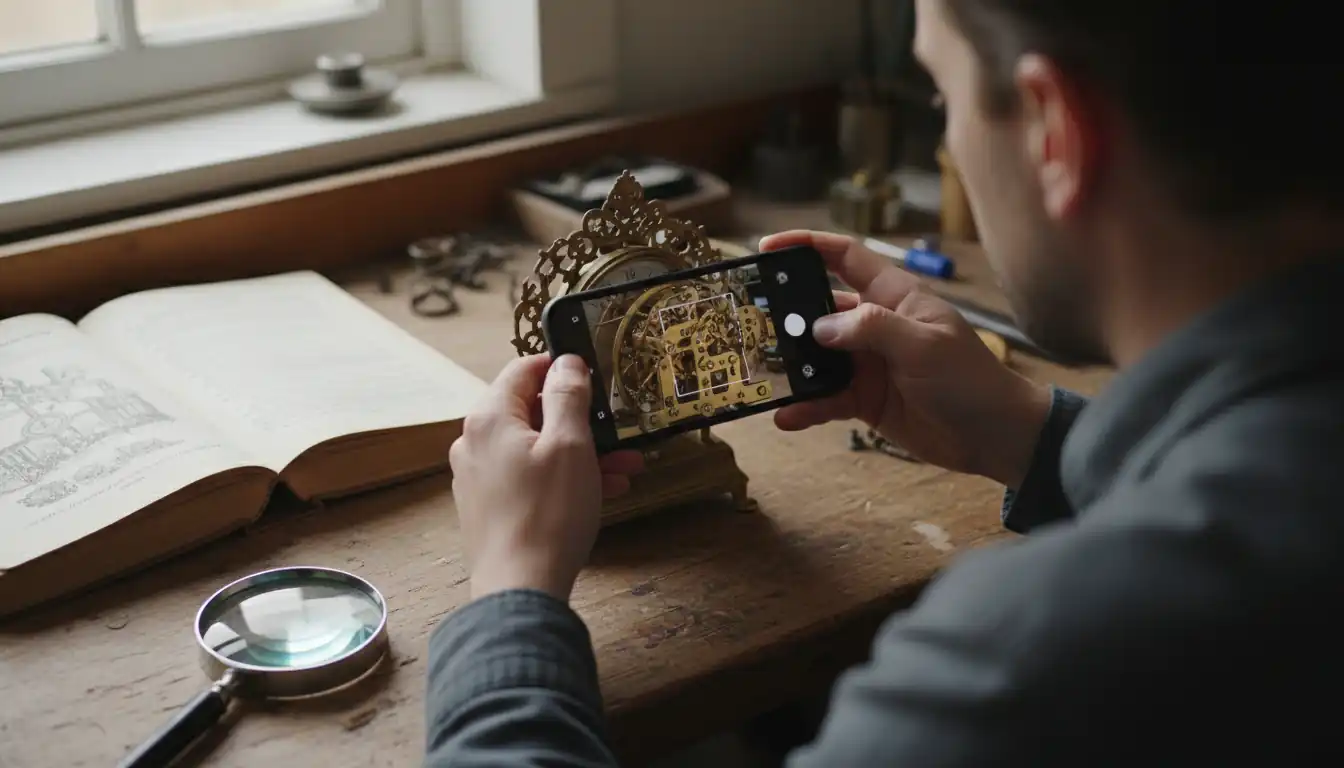
There was a time when identifying an antique required a physical library. Collectors relied on massive volumes like the Kovels’ Antiques and Collectibles Price Guide, flipping through thousands of pages of text and small black-and-white photos. If you had a teapot with a specific floral pattern, you had to hope the author of that year’s guide decided that specific pattern was worth including. If it wasn't there, you were essentially flying blind.
This manual process was not just slow; it was prone to error. You might find a description that "mostly" matched your item, only to realize later that a tiny difference in the glaze or the shape of the handle changed the value by hundreds of dollars. The "old way" of research required a level of patience and specialized knowledge that most casual collectors simply didn't have.
From Price Guides to Pixel Recognition
The first major shift occurred with the rise of the internet. Suddenly, you could type descriptions into search engines. However, this created a new kind of frustration: the "keyword" trap. If you try to search for a "blue floral vase," you are met with millions of results. You might see everything from modern IKEA decor to priceless Ming Dynasty artifacts.
How do you describe the specific shade of cobalt blue? How do you put the exact curvature of a Victorian-era spout into words? Keywords are subjective. What you call "teal," a seller might call "seafoam." What you describe as "distressed," a database might categorize as "weathered." This linguistic gap is where many valuable finds go unrecognized.
Visual search technology has replaced the need for perfect descriptions with the precision of pixel recognition. Instead of trying to find the right words, you are now using the item’s own "fingerprints"—its patterns, shapes, and textures—to find a match. This shift from text to image has democratized the world of antiques, allowing anyone with a camera to access information that was once reserved for elite auction houses.
Why Manual Search Fails for Rare Finds
Manual searching often fails because it relies on what you think you see, rather than what is actually there. An AI-driven scan doesn't get distracted by the dust on a bottle or the tarnished surface of a silver tray. It looks at the underlying geometry and the specific markers of craftsmanship that define a period or a maker.
- Pattern Complexity: A human might see "flowers," but an image scan identifies the specific botanical accuracy of a 19th-century French painter.
- Glaze Analysis: Visual AI can detect the subtle "crackle" in a glaze that indicates age, something that is nearly impossible to describe accurately in a search bar.
- Proportion Accuracy: Many fakes are caught because their proportions are slightly off. AI can compare the dimensions of your item against thousands of known authentic examples in a way the human eye often misses.
The relief of moving away from manual research is immense. You no longer have to spend your Saturday afternoons in a library or scrolling through endless pages of eBay listings. The technology has finally caught up to the complexity of the antiques world, filling the gap between a general web search and the specialized knowledge of a professional appraiser.
Leading Tools for Instant Visual Appraisal
When people start looking for ways to identify items, the first question they usually ask is: "What is the free app that identifies antiques by picture?" The answer is usually Google Lens. It is a powerful, accessible tool that can tell you if the chair you’re looking at is a "Louis XIV style" or if that painting is a print of a famous masterpiece.
However, there is a significant difference between identifying what an object is and understanding what it is worth. General visual search tools are designed to find similar images across the web. They are excellent for finding where to buy a pair of shoes you saw on the street, but they often struggle with the nuances of the antique market. They might show you five similar vases, but they won't tell you why one sold for $50 and the other for $5,000.
Comparing General Visual Search and Specialized AI
To truly turn your finds into dollars, you need to move beyond general search engines. You need a tool that understands the "why" behind an object's value. This is where specialized AI comes into play. While a general tool might link you to a Pinterest board or a random blog post, a specialized antique identifier connects you to historical databases and realized auction prices.
| Feature | General Search (e.g., Google Lens) | Specialized AI (e.g., Relic) |
|---|---|---|
| Primary Goal | Find similar images online | Identify, appraise, and provide history |
| Data Source | General web index | Verified antique & auction databases |
| Context | Shopping links and similar photos | Origin, era, and maker details |
| Valuation | Current asking prices (often unreliable) | Realized appraisal data |
| User Base | General public | Collectors, dealers, and pickers |
Relic and the Power of Professional AI Appraisals
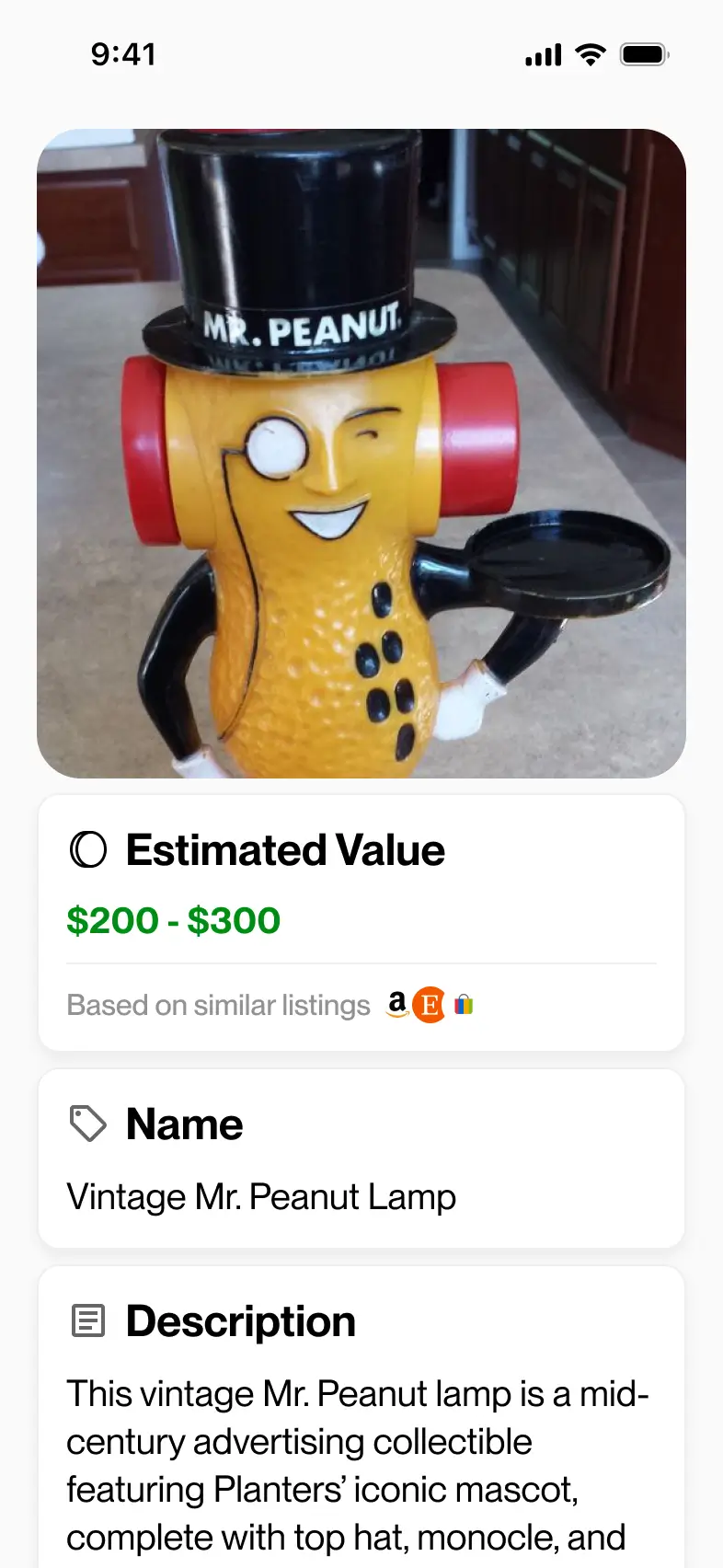
For those who are serious about their finds, an app like Relic provides the depth that general tools lack. Relic doesn't just show you a picture of a similar item; it uses advanced AI to provide a real appraisal, history, and the origin of the piece. This is the difference between guessing and knowing.
When you use Relic, you are essentially carrying a professional appraiser in your pocket. The app analyzes the photo you take or upload, cross-referencing it with a massive catalog of scanned items and historical records. It’s not just looking for a visual match; it’s looking for the story behind the object.
"The value of an antique isn't just in its age; it's in its documented history and verified origin."
This level of detail is crucial for anyone looking to sell. If you know that your "old clock" is actually a rare 1920s Art Deco piece by a specific French maker, your negotiating power increases exponentially. Relic bridges the gap between a simple photo and a documented history, giving you the confidence to list an item for its true value rather than a "best guess" price.
Mastering the Art of the Antique Scan
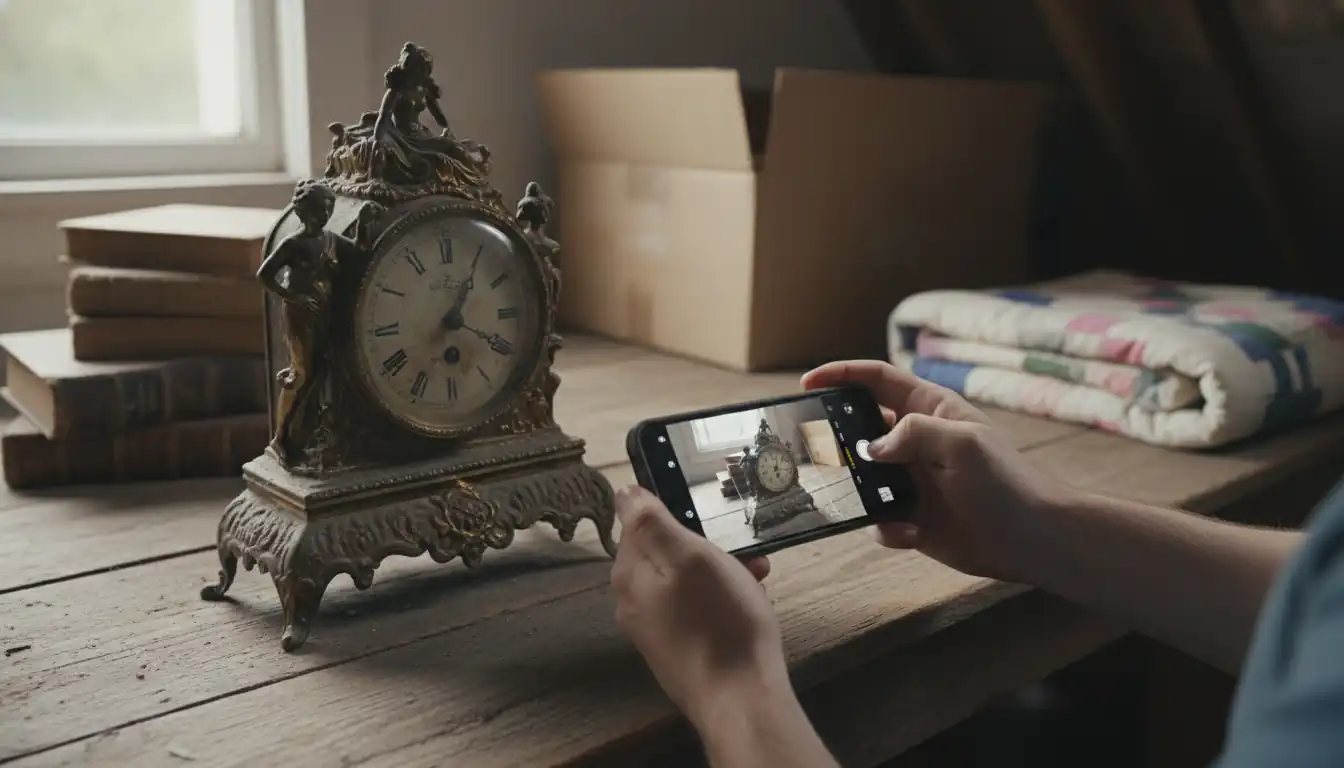
The accuracy of any AI tool, including professional ones like Relic, depends heavily on the quality of the input. If you provide a blurry, dark photo taken in a cluttered room, the AI might "hallucinate" or misidentify the item. Mastering the "antique scan" is a technical skill that will significantly increase your success rate.
You don't need a professional studio to get great results. You just need to follow a few basic principles of photography that cater to how AI "sees" objects.
Lighting and Background Techniques for AI Accuracy
Lighting is the most important factor. Avoid using your phone's flash, as it creates "hot spots" or glare on reflective surfaces like porcelain, glass, or polished wood. This glare can hide the very details the AI needs to see.
- Natural Light is King: Place your item near a large window, but not in direct sunlight. Soft, diffused light reveals textures and colors without creating harsh shadows.
- The Neutral Background: Use a solid, neutral background. A white or grey sheet, or even a piece of poster board, works wonders. A cluttered background forces the AI to work harder to distinguish the object from its surroundings.
- Angle Variety: Don't just take one photo. Capture the item from the front, the side, and the top. AI tools often perform better when they can see the three-dimensional structure of the piece.
Capturing Hallmarks and Maker Marks
If an antique has a "fingerprint," it is the maker's mark or hallmark. These are the tiny stamps, signatures, or symbols usually found on the bottom of ceramics, the back of silver, or the inside of jewelry. These marks are the holy grail of identification.
- Use Macro Mode: Most modern iPhones have a macro setting that allows you to get very close to an object without losing focus. Use this for hallmarks.
- Steady Hands: If you're struggling with focus, prop your phone on a book or use a small tripod. Even a tiny bit of motion blur can make a hallmark unreadable to an AI.
- Clean the Area: If a mark is obscured by dust or light tarnish, gently wipe it with a soft cloth. Do not use harsh chemicals, as you could damage the patina, but ensuring the mark is visible is essential for an accurate Relic appraisal.
By focusing on these technical details, you ensure that the AI has the best possible data to work with. A high-quality scan doesn't just lead to a faster identification; it leads to a more accurate valuation.
Decoding the Data Behind the Image
Once you have your results from an app like Relic, you are often presented with a wealth of information: origin, era, style, and a valuation range. But what do these terms actually mean for your wallet? Understanding how to interpret this data is the key to moving from "identification" to "valuation."
One of the most common points of confusion for new collectors is the difference between "style" and "period." If an AI tells you a vase is "Ming Dynasty style," it means the piece was made to look like it came from that era, but it was likely produced much later. A "period Ming" piece, however, was actually made during the Ming Dynasty. The price difference between these two can be hundreds of thousands of dollars.
Understanding Provenance and Historical Context
Provenance is the history of ownership of a valued object. While an AI scan can't always tell you who owned your item in 1920, it can provide the historical context that makes the item desirable.
- Maker Reputation: Knowing a piece was made by a specific company (like Tiffany & Co. or Wedgwood) immediately establishes a baseline of quality and demand.
- Regional Origin: Some collectors only look for "Staffordshire" pottery or "Murano" glass. Identifying the region of origin helps you target the right buyers.
- Historical Significance: If an item was produced during a specific historical event or movement (like the Arts and Crafts movement), its value is tied to that cultural history.
Market Trends vs. Realized Appraisals
It is easy to get excited when you see a similar item listed on an online marketplace for a high price. However, there is a massive difference between an "asking price" and a "realized value."
Asking Price: This is what a seller hopes to get. It is often inflated and may sit on a site for years without selling. Realized Value: This is what someone actually paid. This is the data that professional tools provide.
| Data Type | Reliability | Why it Matters |
|---|---|---|
| Marketplace Listing | Low | Reflects seller optimism, not market reality. |
| Auction Record | High | Shows what a motivated buyer actually paid. |
| AI Appraisal | High | Uses a blend of historical data and current trends. |
When you receive an appraisal from Relic, it is based on this "realized" data. It tells you what the market is actually doing, not just what people are wishing for. This helps you set a fair price that will actually result in a sale.
Protecting Your Finds from Digital Misinformation

The world of online antiques is, unfortunately, full of misinformation. While AI is incredibly powerful, it should be used as a sophisticated starting point rather than the final word. The most successful "pickers" use AI results as a hypothesis that they then verify.
One of the biggest risks is the "confirmation bias" of general search results. If you want your item to be a rare treasure, you might ignore the five results saying it's a reproduction and focus on the one result saying it's worth a fortune. Professional apps help mitigate this by using verified data rather than random web scrapes, but you should still practice due diligence.
Verifying AI Results with Expert Databases
Once you have an identification from Relic, you can cross-reference that information with established databases or auction archives.
- WorthPoint: A massive database of realized auction prices that can help confirm the valuation range you've been given.
- Museum Archives: If your item is identified as being from a specific maker, many museums (like the V&A or the Met) have online catalogs where you can see "textbook" examples of that maker's work.
- Specialized Forums: There are communities of collectors for almost everything, from antique buttons to vintage tractors. Sharing your AI-generated findings in these groups can provide a "human" check on the data.
Avoiding Common Scams in Online Valuations
As you look to sell your items, be wary of online valuation scams. A common tactic involves a website or "expert" telling you your item is worth an astronomical amount, but then insisting you pay a "certification fee" or an "authentication charge" before they can help you sell it.
Authentic appraisal tools and reputable auction houses do not charge "finder's fees" or "certification fees" upfront based on a single photo.
Reliable apps like Relic provide you with the data you need to make your own decisions. They empower you with information rather than locking that information behind a paywall of false promises. If a deal feels too good to be true—such as a random person online offering you $10,000 for a common item—it almost certainly is. Use the verified data from your AI scans to stay grounded in reality.
Conclusion
The journey from a dusty attic find to a successful sale has never been shorter. By moving away from the limitations of manual keyword searches and embracing the precision of AI, you can uncover the hidden history of almost any object. Tools like Relic have changed the game, offering professional-grade appraisals and historical context to anyone with an iPhone.
Remember that the secret to success lies in the details. Take the time to master your photography, focus on those all-important hallmarks, and always interpret your data through the lens of realized market value rather than asking prices.
Your next step is simple: go find that one item in your house that has always piqued your curiosity. Clear off the dust, find a spot with good natural light, and perform your first scan. You might just find that the "junk" you've been moving from house to house for years is the treasure you've been waiting for.
Identify antiques instantly
Point your camera at any antique, collectible, or vintage item. Get valuations, history, and market insights in seconds.
Download for iPhone