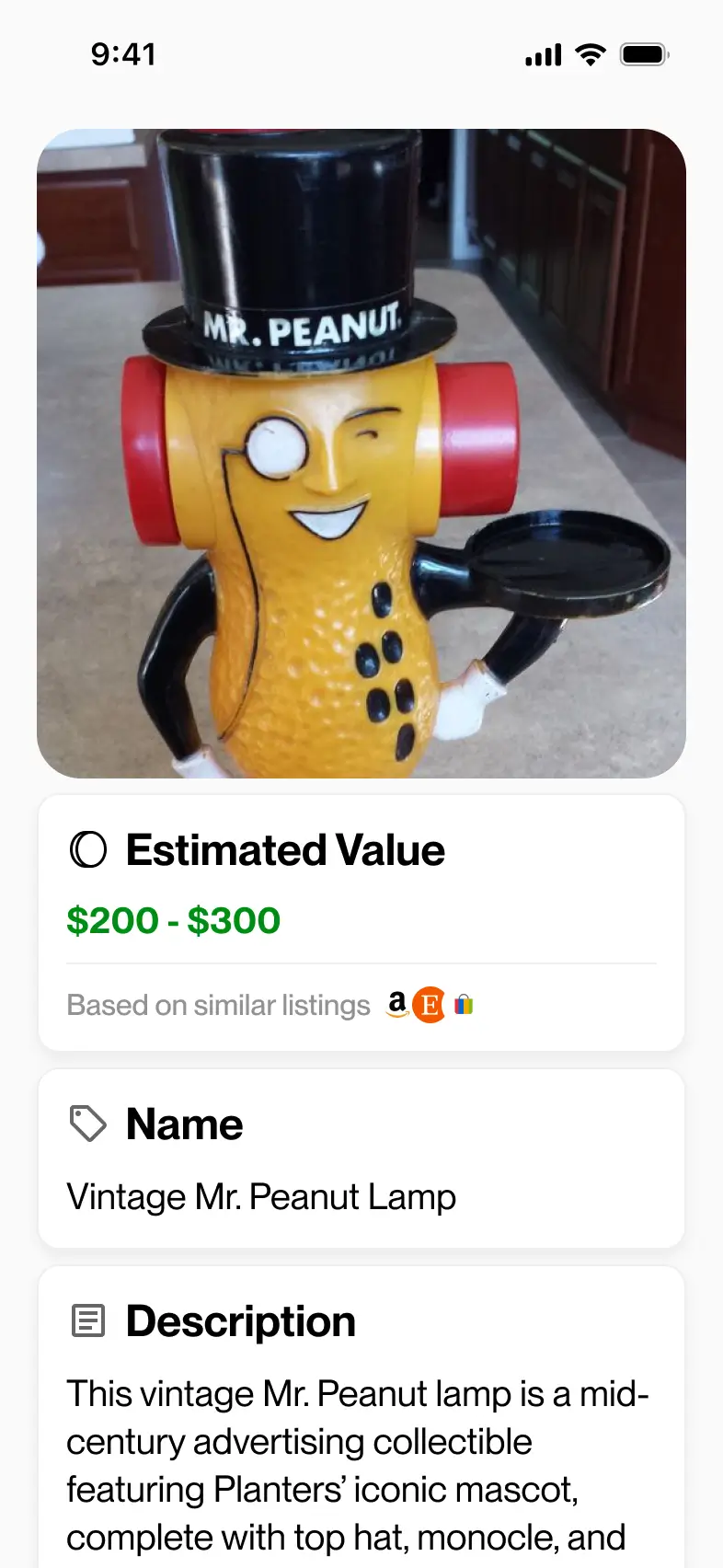
Turn Your Attic Into a Goldmine Using AI to Identify Valuable Antiques

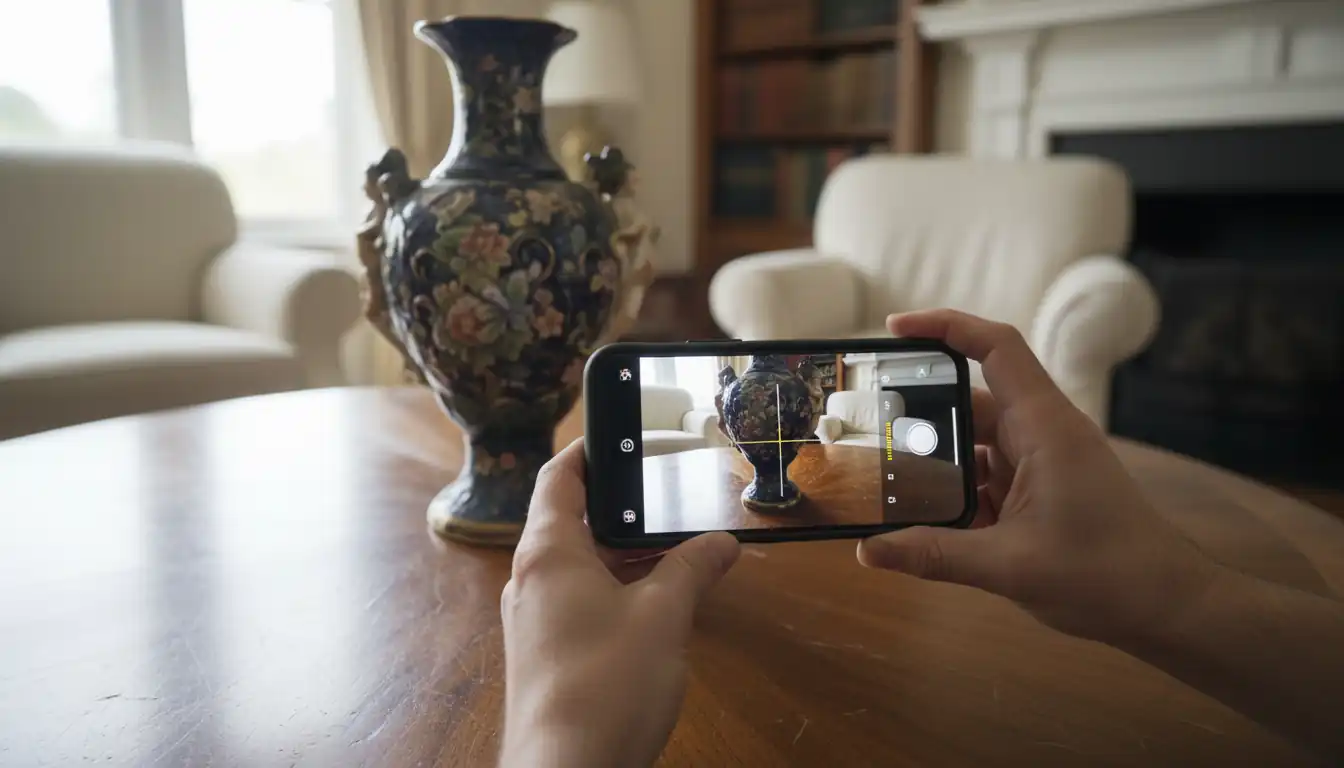
That dusty box in the corner of your attic probably looks like a collection of chores rather than a fortune. For decades, the barrier between a regular homeowner and a professional antique dealer was a mountain of specialized knowledge that took a lifetime to climb. You had to know the difference between a genuine Chippendale chair and a high-quality Victorian reproduction, or recognize the subtle mark of a master silversmith hidden under a century of tarnish.
The traditional path to identifying these treasures involved heavy reference books, expensive consultation fees, and the physical risk of transporting fragile items to an auction house. Many people simply gave up, selling priceless family heirlooms for pennies at yard sales because they didn't have the tools to verify what they held. That dynamic is shifting rapidly as artificial intelligence moves from the research lab to the smartphone in your pocket.
You now have the ability to bridge that knowledge gap in seconds. By combining the visual precision of modern cameras with the analytical power of deep learning, you can transform your phone into a professional-grade appraisal tool. This guide will show you how to use this technology to scan your home, identify hidden gems, and understand the true historical and financial value of the items you own.
The Evolution of Antique Identification
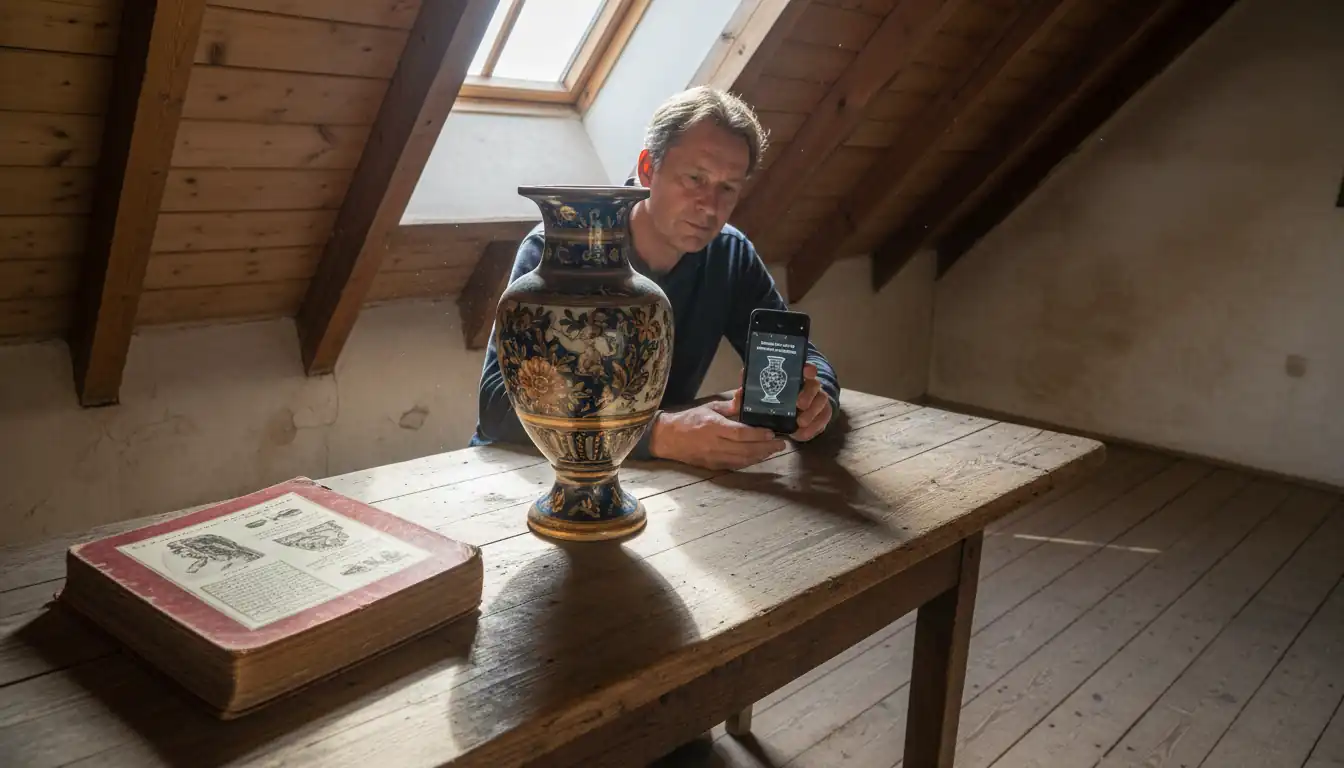
The way we identify old objects has undergone a radical transformation. Not long ago, an appraiser relied almost entirely on their eyes, a high-powered magnifying glass, and a physical library of "price guides" that were often out of date by the time they were printed. This manual process was slow and prone to human error. If an appraiser hadn't seen a specific type of European porcelain before, they might miss the subtle cues that indicated its royal origin.
Today, we have moved into the era of machine learning. This isn't just about a computer looking at a picture and finding a similar image on the internet. Modern identification tools use neural networks—complex mathematical models inspired by the human brain—to analyze the "DNA" of an object. These systems are trained on millions of authenticated images, learning to recognize the specific brushstroke patterns of a painter, the chemical composition of a certain era’s glaze, or the precise way a 19th-century lathe leaves marks on furniture legs.
From Magnifying Glasses to Machine Learning
When you look at an antique, you see a physical object. When an AI looks at it, it sees a massive data set of geometric patterns, light reflections, and textural signatures. Traditional appraisal was a game of memory; the appraiser tried to recall every item they had ever seen. AI, however, uses "feature extraction" to identify thousands of tiny details simultaneously.
Consider a piece of hand-blown glass. A human might notice the color and the shape. The AI notices the specific density of air bubbles (known as seeds), the exact wear pattern on the base (the pontil mark), and the specific refraction of light that indicates a high lead content common in certain 18th-century factories. This level of analysis happens in the blink of an eye, providing a level of consistency that human experts struggle to maintain over a long workday.
Why Google Lens Falls Short
A common question many people ask is: Can Google Lens identify antiques? While Google Lens is an incredible tool for general visual searches, it often falls short when it comes to serious antique identification. Google Lens is designed for "broad matching." If you take a photo of a chair, it will show you other chairs that look similar so you can buy them online.
The problem is that in the world of antiques, "similar" isn't good enough. A genuine 18th-century mahogany table and a 1990s reproduction might look identical to a general search engine because they share the same silhouette and color. A specialized antique tool, however, is trained to ignore the "look" and focus on the "evidence." It looks for the specific construction methods, the oxidation of the wood, and the type of hardware used. While Google Lens might tell you that you have a "wooden clock," a dedicated appraisal AI will tell you that you have a "1790 New England tall-case clock with original brass movement."
| Feature | General Visual Search (Google Lens) | Specialized Antique AI |
|---|---|---|
| Primary Goal | Find products to buy or similar images | Identify origin, age, and authenticity |
| Detail Focus | Overall shape and color | Hallmarks, joinery, and patina |
| Data Source | General web images | Auction archives and museum databases |
| Result Type | Links to retail websites | Historical context and market value |
Mastering the Art of the Digital Appraisal
To get the most out of an AI identification tool, you need to think like a forensic photographer. The AI is only as good as the data you provide. If you send a blurry, dark photo of a vase, the system has to guess at the details. If you provide high-quality, structured visual data, the accuracy of the identification skyrockets.
You don't need a professional studio to do this. You just need to understand how light and perspective affect the way a computer "sees" an object. By following a few technical steps, you can ensure that the AI captures the subtle nuances that separate a common household item from a museum-quality piece.
Lighting and Angles for AI Accuracy
The most important factor in digital appraisal is lighting. Avoid using your camera's flash, as it creates "hot spots" or harsh reflections that can hide the texture of the item. Instead, use natural, indirect light. Positioning your item near a window on a cloudy day is often the best setup.
One professional secret is the use of "raking light." This involves placing your light source at a low angle to the side of the object. This technique casts long, tiny shadows across the surface, revealing textures that are invisible under direct light. This is particularly useful for identifying:
- Tool Marks: Showing whether a piece of furniture was planed by hand or cut by a machine.
- Canvas Texture: Helping the AI distinguish between a real oil painting and a printed reproduction.
- Repairs: Revealing hidden cracks or "overspray" on ceramics that have been restored.
When it comes to angles, think in three dimensions. The AI needs to see the profile, the top, and—most importantly—the bottom. The "foot" of a ceramic piece or the underside of a chair often contains more diagnostic information than the decorative front. This is where you’ll find the wear patterns and construction techniques that prove age.
Decoding the Results Page
Once you upload your photo and receive a result, you need to know how to read between the lines. Most high-end apps will provide a "confidence score" or a list of potential matches. It is vital to distinguish between an "exact match" and a "similar item."
An exact match means the AI has identified the specific maker, model, and era. A similar item means the AI recognizes the style but cannot find a definitive mark to confirm the identity. When you look at the metadata provided—such as the material, estimated date range, and region of origin—compare it to the physical object in your hand. If the app says the item should be made of "heavy cast iron" but your item feels like light plastic, you know the AI has matched the visual style but not the physical substance.
Always look for the "diagnostic features" in the results. If the AI points out a specific hallmark or a type of screw head as the reason for its identification, verify that feature on your item. This turns the app from a simple "answer machine" into a teaching tool.
Beyond the Basics with Relic
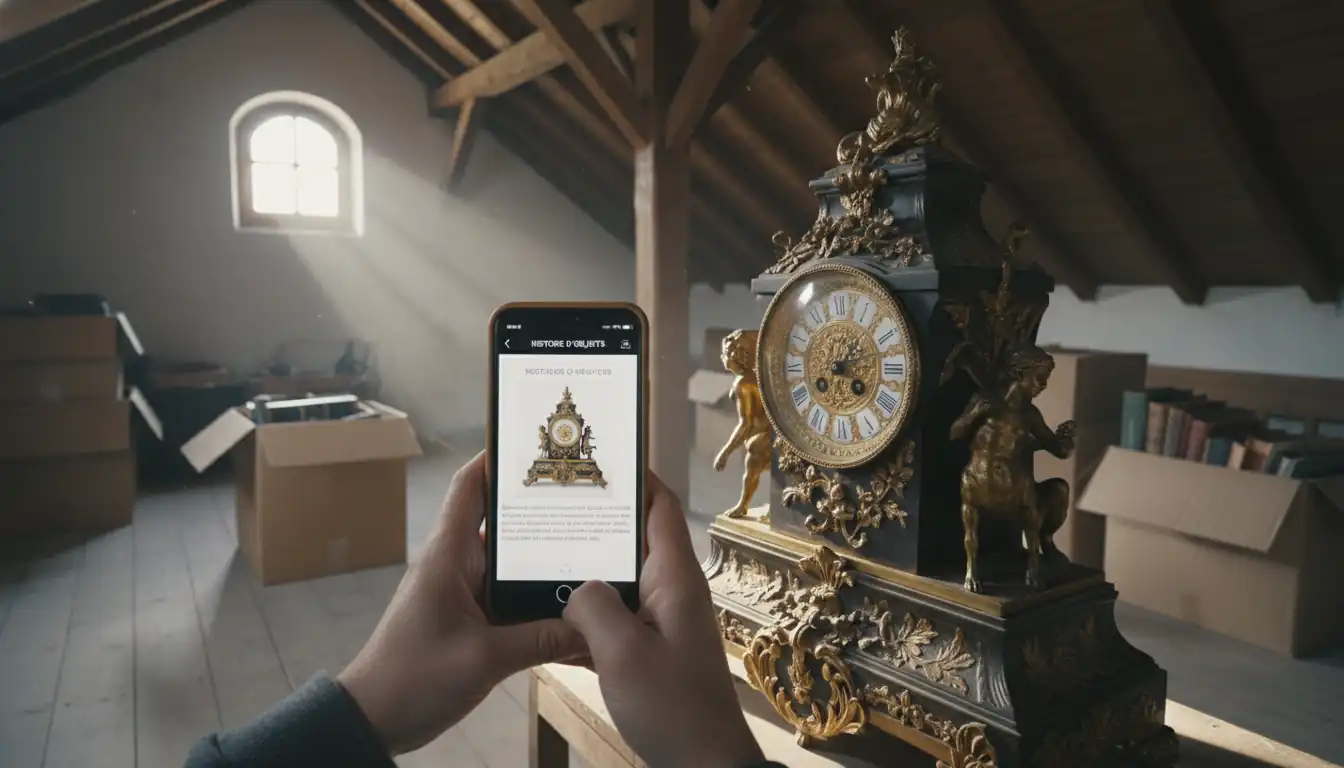
While general knowledge is helpful, there comes a point where you need a tool that does the heavy lifting for you. This is where Relic becomes an essential part of your toolkit. Relic isn't just a search engine; it's a comprehensive identification and appraisal system designed specifically for the complexities of the antique market.
When you use Relic, you aren't just getting a name for your item. You are accessing a deep well of historical data and current market trends. The app uses advanced AI to analyze your photos and provide a real appraisal, drawing from a vast database of auction results and historical records. This moves you past the "what is this?" phase and directly into the "what is this worth?" phase.
Real Time Market Value Estimates
The antique market is notoriously volatile. A type of mid-century modern lamp that was worth $50 five years ago might be worth $500 today. Relic stays updated with these shifts by analyzing current sales data from across the globe. When you scan an item, the app doesn't just give you a static price from an old book; it provides a valuation based on what similar items are actually selling for in the current market.
This is particularly useful for:
- Estate Planning: Quickly cataloging a large volume of items to determine which ones require professional insurance riders.
- Thrifting and Picking: Making split-second decisions at a garage sale or auction about whether an item is a good investment.
- Online Selling: Setting accurate, competitive prices for platforms like eBay or specialized antique marketplaces.
The accuracy of these valuations has earned Relic a 4.9-star rating from over 20,000 reviews. Users frequently mention how the app helped them discover that a "junk" item was actually a valuable collectible. Whether you are a professional dealer or just someone cleaning out a grandparent's home, having that level of expertise in your pocket changes the way you look at every object you encounter.
Tracing the Provenance of Your Finds
One of the most powerful features of Relic is its ability to provide "Origin" and "History" context. In the antique world, an object's story—its provenance—can be just as valuable as the object itself. Relic’s AI can often trace a piece of pottery back to a specific kiln in Japan or identify a piece of furniture as coming from a particular workshop in 18th-century Philadelphia.
- Maker Identification: The app can recognize obscure signatures, monograms, and factory marks that are often illegible to the naked eye.
- Regional Analysis: By analyzing the materials and stylistic choices, the app can pinpoint where an item was likely manufactured.
- Historical Timeline: You get a narrative of the era in which the item was made, helping you understand the cultural significance of your find.
By providing this context, Relic turns a physical object into a piece of history. You aren't just holding a silver spoon; you're holding a piece of craftsmanship from a specific silversmith who worked during the height of the Georgian era. This depth of information is what separates a casual hobbyist from a serious collector.
The Ethics and Safety of Digital Collecting
As you begin to use AI to catalog and value your collection, you must consider the security and ethical implications of this technology. We are living in an era where data is as valuable as gold, and the photos you take of your antiques contain more information than you might realize. Being a responsible digital collector means protecting your privacy while also understanding the limitations of the technology.
Protecting Your Data and Privacy
Every photo you take with a smartphone typically contains "EXIF data." This metadata can include the exact GPS coordinates of where the photo was taken, the time, and even the type of phone you used. If you are photographing high-value antiques inside your home, you are essentially creating a map of where your most valuable possessions are located.
- Check Your Settings: Ensure that your camera app or the identification app you are using isn't automatically sharing your location data.
- Background Awareness: Be mindful of what else is in the frame. A photo of a valuable painting might also show your home security keypad or a window that reveals the layout of your house.
- Cloud Security: Use apps that prioritize data encryption. Knowing that your digital catalog is stored securely is essential if you plan to use it for insurance purposes.
Privacy isn't just about hackers; it's about being discreet. While it’s tempting to share a "big find" on social media immediately, doing so can alert people to the fact that you have a high-value item in your home. It is often better to keep your digital inventory private and only share it with verified professionals or insurers.
Avoiding the Pitfalls of Instant Appraisals
It is important to maintain a healthy level of skepticism when using any AI tool. While the technology is incredibly advanced, it is not infallible. AI can sometimes "hallucinate"—a term used when a model identifies a pattern that isn't actually there. For example, it might see a scratch on a plate and interpret it as a rare maker's mark.
Think of AI as a high-speed screening tool rather than a final legal authority.
If an app tells you that a vase is worth $100,000, do not immediately go out and spend that money. For high-stakes valuations, use the AI as your first step to identify that the item is potentially valuable. Once the AI flags an item as high-value, that is the time to bring in a human expert for a physical inspection. A human appraiser can feel the weight, smell the materials, and use chemical tests that a phone camera simply cannot perform. Use the technology to filter out the noise so you can focus your time and money on the items that truly matter.
The Future of Antiquing in 2025
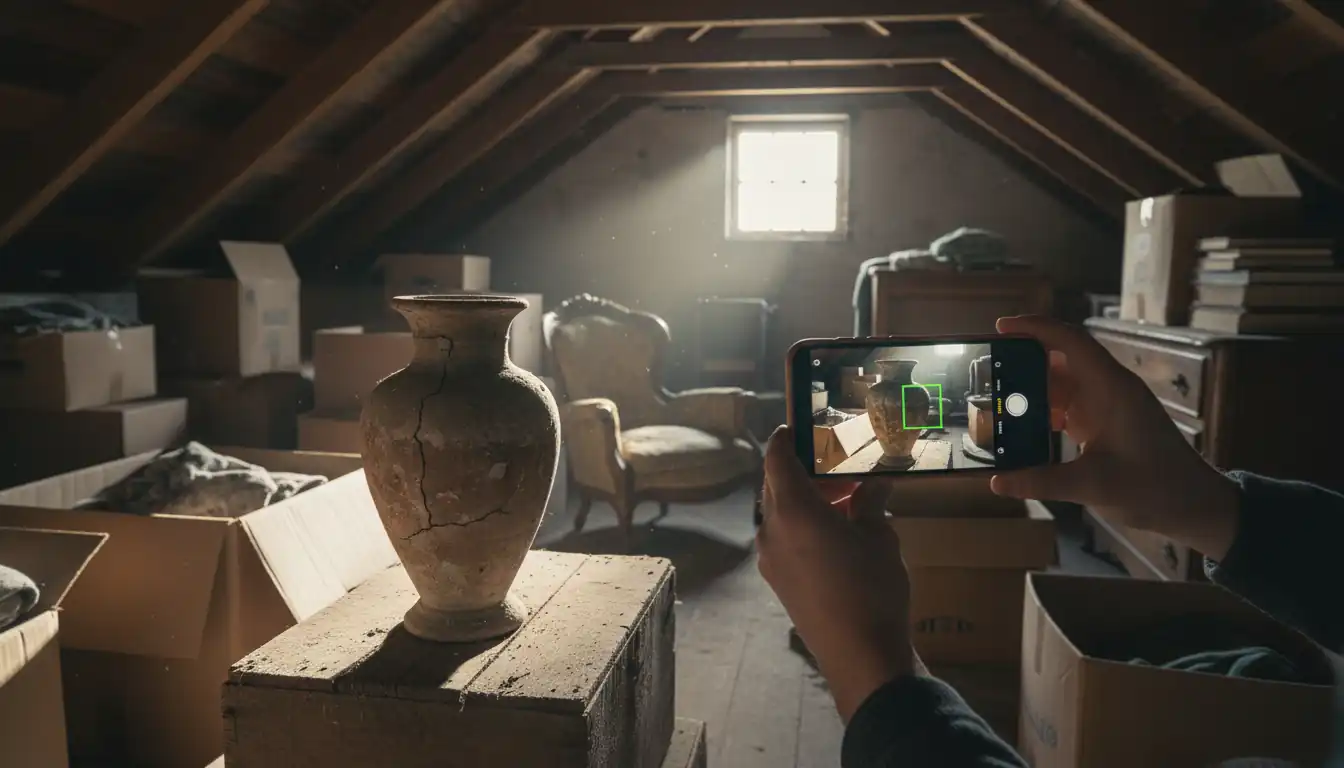
The definition of an "antique" is changing. Traditionally, an item had to be 100 years old to earn that title. However, as we move through 2025, the market is shifting toward "modern antiques" and pop culture memorabilia. The collectors of today are just as interested in early digital technology and movie props as they are in 18th-century porcelain. AI is the only way to keep up with this rapidly expanding catalog of valuable items.
When Coins and Pop Culture Collide
We are seeing a massive surge in the value of items from the 1970s, 80s, and 90s. Early Apple computers, first-edition video games, and original Star Wars toys are now fetching prices at auction that rival traditional antiques. AI apps are adapting to this by training on "modern" datasets.
Coins remain one of the most popular categories for AI identification. The difference between a common penny and a rare "double die" error is often a fraction of a millimeter. AI can detect these microscopic variations much faster than a human with a loupe. As we move forward, expect to see AI tools that can instantly grade the condition of a coin or a comic book, providing a "condition score" that is standardized across the industry.
Building a Digital Catalog of Your Collection
The most significant shift in the hobby is the move from "searching" to "cataloging." Instead of just using an app to identify a one-off find at a thrift store, collectors are now using AI to build permanent digital inventories. This is a vital step for long-term collection management.
Benefits of a Digital Inventory:
- Insurance Claims: If your home is damaged by fire or theft, having a timestamped, appraised digital catalog makes the insurance process significantly easier.
- Estate Planning: You can leave your heirs a clear list of what items are valuable and what their history is, preventing them from accidentally throwing away a fortune.
- Market Tracking: Some advanced systems can alert you when the market value of an item in your collection significantly increases, allowing you to sell at the peak of the market.
By 2030, the idea of having an uncataloged collection will seem as outdated as using a paper map for a road trip. You have the opportunity now to get ahead of the curve. By using tools like Relic to scan and document your belongings, you are doing more than just identifying objects; you are preserving the history and value of your personal legacy.
Conclusion
The "goldmine" in your attic isn't just a metaphor. Hidden among the old clothes and holiday decorations are objects with stories to tell and values to be realized. The barrier that once kept these treasures hidden—the lack of specialized knowledge—has been dismantled by artificial intelligence. You no longer need to be a scholar to understand the provenance of a chair or the value of a coin.
By mastering the techniques of digital photography, understanding the nuances of AI analysis, and using professional-grade tools like Relic, you can navigate the antique world with confidence. Remember to prioritize your privacy and use these tools as a powerful first step in a larger journey of discovery.
Your next step is simple: pick one item. It doesn't have to be something you think is valuable. It could be an old vase, a piece of jewelry, or a strange tool from the garage. Download an identifier, set up your lighting, and see what the AI reveals. You might find that you've been sitting on a piece of history all along.
Identify antiques instantly
Point your camera at any antique, collectible, or vintage item. Get valuations, history, and market insights in seconds.
Download for iPhone