Turn Your Button Jar into Cash: How to Spot Rare Antiques with Your Camera

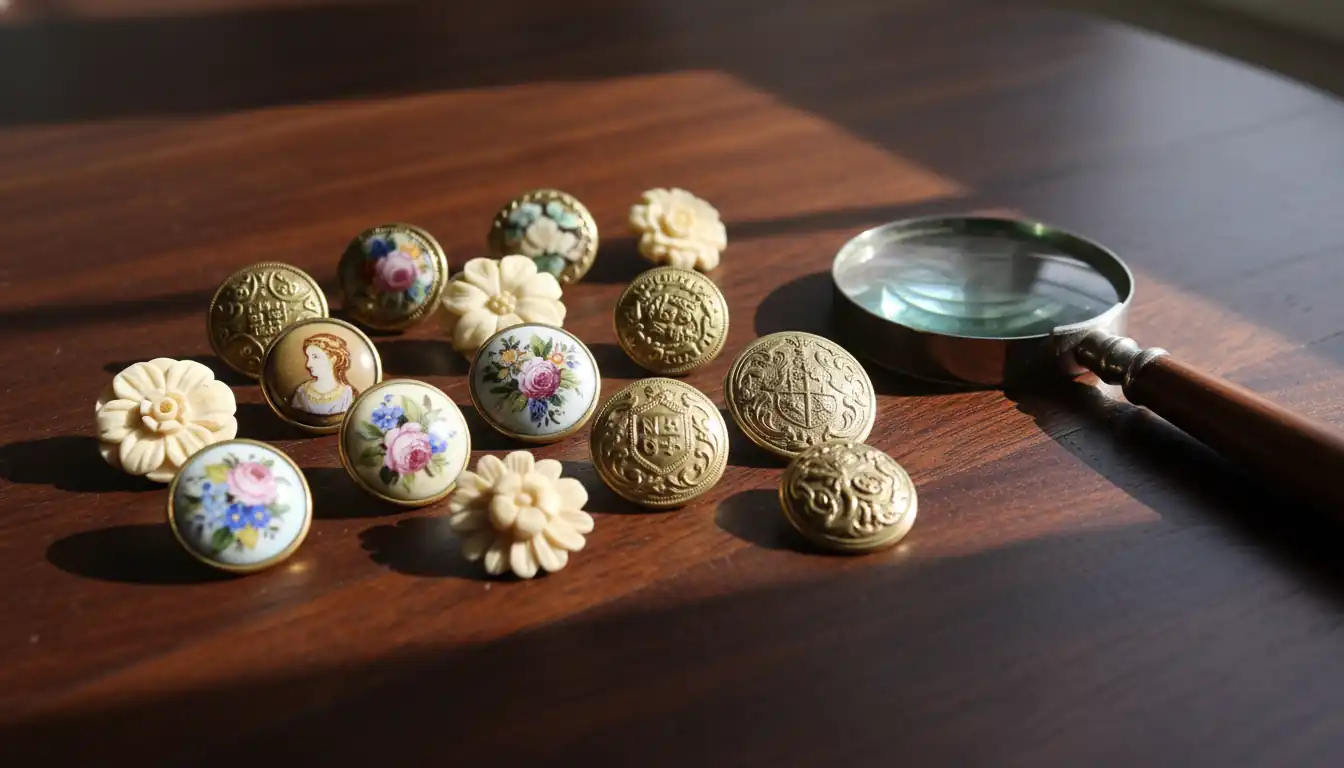
That dusty cookie tin sitting in the back of your closet might look like a collection of sewing leftovers, but to a seasoned collector, it is a potential treasure chest. For decades, button jars have been the catch-all for household history, containing everything from discarded workwear fasteners to high-end fashion pieces passed down through generations. What looks like a simple black disc could be a hand-carved piece of Victorian jet, and that tarnished metal circle might be a rare Civil War uniform button worth hundreds of dollars.
The challenge for most people is that buttons are small, and the differences between a common 1950s plastic button and a rare 1850s heirloom are often microscopic. You do not need to be a professional historian to start sorting the wheat from the chaff, but you do need to know what your camera lens should be focusing on. By learning to recognize specific manufacturing techniques and material signatures, you can transform a hobby into a profitable venture.
In this guide, we will break down the anatomy of a rare button, explore the historical eras that define the market, and show you how modern technology can do the heavy lifting of identification. Whether you are looking to sell a single rare find or organize a massive family collection, understanding the "detective work" of button identification is your first step toward turning those jars into cash.
Visual Markers of Rarity and Value
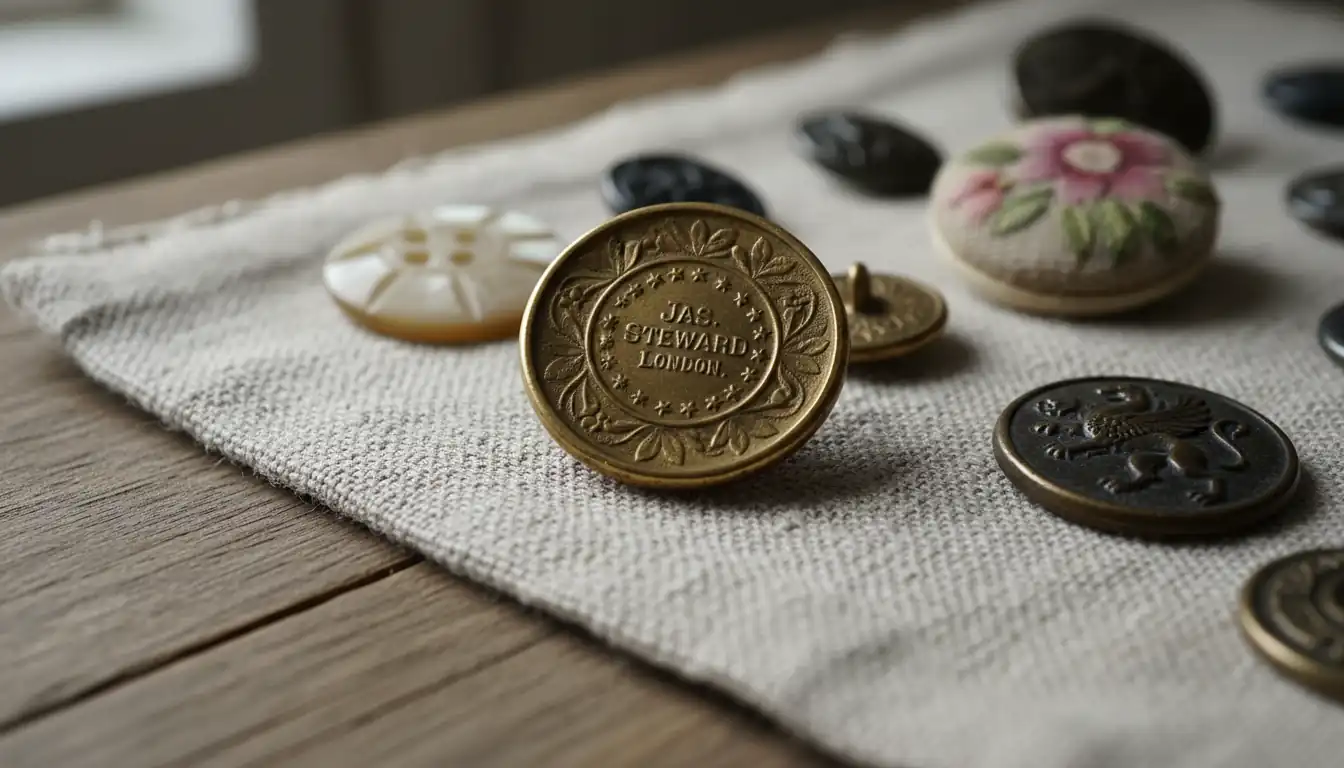
Before you look at the face of a button, you should always look at the back. The way a button attaches to a garment—the shank—is the most reliable "fingerprint" for determining its age and quality. In the 1800s, buttons weren't just molded in factories; they were often engineered by hand, and the craftsmanship of the shank tells the story of its origin.
Identifying 1800s Craftsmanship and Shanks
The shank is the small loop or protrusion on the back of the button used to sew it onto fabric. In modern buttons, these are often molded as part of the button itself, but in the 19th century, shanks were distinct components.
- Wire Shanks: These are typically found on metal or glass buttons from the early to mid-1800s. A small wire loop was soldered or fused onto the back. If you see a slight irregularity in how the loop is attached, it is a strong sign of hand-assembly.
- Self-Shanks: Common in glass and ceramic buttons, a self-shank is a hole molded directly into the material of the button back. While these exist today, 19th-century self-shanks often show "mold lines" or slight asymmetries that modern precision manufacturing has eliminated.
- The "Omega" Shank: Named for its resemblance to the Greek letter, these are found on high-quality brass buttons. The wire loop is shaped like a horseshoe and soldered at two points. This was a mark of durability and high-end production.
- Four-Way Box Shanks: Often seen on heavy overcoat buttons, these feature a square or circular housing with four holes. This design allowed for heavy-duty thread and indicated a garment meant for rugged use or military service.
When you examine these shanks through a camera lens or a magnifying glass, look for signs of wear. A genuine antique will show "thread wear"—tiny grooves worn into the metal or glass where the thread rubbed against it for decades. This is a detail that counterfeiters rarely bother to replicate.
Spotting High-Value Materials Like Mother of Pearl and Bakelite
The material of the button is the second major clue in your investigation. While modern buttons are almost exclusively nylon or polyester, vintage and antique buttons utilized a vast array of natural and early synthetic materials.
How to identify vintage mother of pearl buttons? Genuine Mother of Pearl (MOP) comes from the inner lining of mollusk shells. It has a depth and luster that plastic cannot mimic. To test it, touch the button to your cheek or lip. Real shell will feel cold, like a stone, while plastic will feel warm or neutral. Under a camera's flash, MOP will show "chatoyancy"—a shimmering effect where the light seems to move beneath the surface.
| Material | Visual Characteristics | The "Touch" Test |
|---|---|---|
| Mother of Pearl | Iridescent, multi-layered, often has "carved" patterns. | Cold to the touch; heavy for its size. |
| Bakelite | Deep, saturated colors (butterscotch, cherry red); no mold lines. | Smells like formaldehyde when rubbed briskly. |
| Celluloid | Often mimics ivory or tortoiseshell; very thin and lightweight. | Feels like a "hollow" plastic; very fragile. |
| Vegetable Ivory | Made from Tagua nuts; shows a fine grain similar to wood. | Absorbs a tiny drop of water; feels organic. |
Bakelite is particularly prized by collectors. Developed in the early 20th century, it was the first truly synthetic plastic. To identify it without damaging the piece, perform the "rub test." Rub the button vigorously with your thumb until it gets warm from friction. If it is Bakelite, it will emit a distinct, chemical odor similar to formaldehyde or old cleaning fluid. If it smells like burnt hair, it might be "French Ivory" or another early celluloid.
Pro Tip: Never use the "hot needle test" on buttons. While some old guides suggest poking a button with a heated needle to see if it melts, this can permanently ruin a valuable antique and, in the case of celluloid, can actually cause the button to ignite.
Historical Eras of Button Design
Understanding the "why" behind a button’s design requires looking at the era in which it was born. Buttons have always been a reflection of the culture, reflecting the mourning rituals of queens or the industrial might of a growing nation. When you look at a button from the 1800s, you aren't just looking at a fastener; you are looking at a piece of social history.
The Victorian Era and Mourning Buttons
The mid-to-late 19th century was dominated by the influence of Queen Victoria. After the death of Prince Albert in 1861, the Queen entered a state of permanent mourning, which dictated fashion trends across the British Empire and America. This led to a massive demand for "mourning buttons."
- Jet Buttons: True jet is fossilized coal. It is lightweight, deep black, and can be carved into intricate floral or geometric patterns. Because it was expensive, it became a status symbol of grief.
- Black Glass (Crepe Stone): To meet the demand for the "mourning look" at a lower price point, manufacturers created black glass buttons. These were often molded to look like carved jet but are heavier and colder to the touch.
- Pictorial Buttons: As the Victorian era progressed, "story" or pictorial buttons became a fad. These featured scenes from Aesop’s Fables, opera characters, or exotic animals. These are highly collectible today because they are essentially miniature bas-relief sculptures.
The Victorian eye loved detail. If you find a button with a tiny, intricate scene—perhaps a bird sitting on a branch or a classical goddess—you are likely looking at a piece from the 1870s or 1880s. These were meant to be conversation starters at social gatherings, much like a piece of fine jewelry.
Industrial Revolution and the Rise of Metal Stamping
As the 19th century drew to a close, the Industrial Revolution changed how buttons were made. The shift went from hand-carved natural materials to die-struck metals. This era introduced the "Golden Age" of the brass button.
- Die-Striking: This process involved a heavy machine pressing a design into a sheet of metal. This allowed for incredibly sharp, consistent details. Military buttons from this era are particularly notable for their crisp eagles, anchors, or state seals.
- Two-Piece Construction: Unlike early solid-cast buttons, Industrial-era metal buttons were often made of two pieces: a decorative front shell and a back plate crimped together. This made them lighter and allowed for more complex designs.
- Luster Finishes: Manufacturers began applying chemical "lusters" to glass buttons to make them look like metal or iridescent oil slicks. These "Gay Nineties" buttons are often found in jars today and are recognized by their shimmering, rainbow-like surfaces.
This transition marked the move from buttons as artisanal crafts to buttons as mass-produced consumer goods. However, the early mass-produced items still maintained a level of quality and artistic merit that far exceeds the plastic "disposable" buttons of the modern age.
Using AI to Identify Rare Finds Instantly
For decades, the only way to identify a button was to spend hours leafing through "The Big Book of Buttons" or attending specialized club meetings. While these resources are invaluable, they aren't practical when you are standing at a garage sale or staring at a jar of five hundred mixed items. This is where the gap between a "cool old object" and a "valuable antique" is finally being bridged by technology.
Bridging the Gap Between Photos and Appraisals
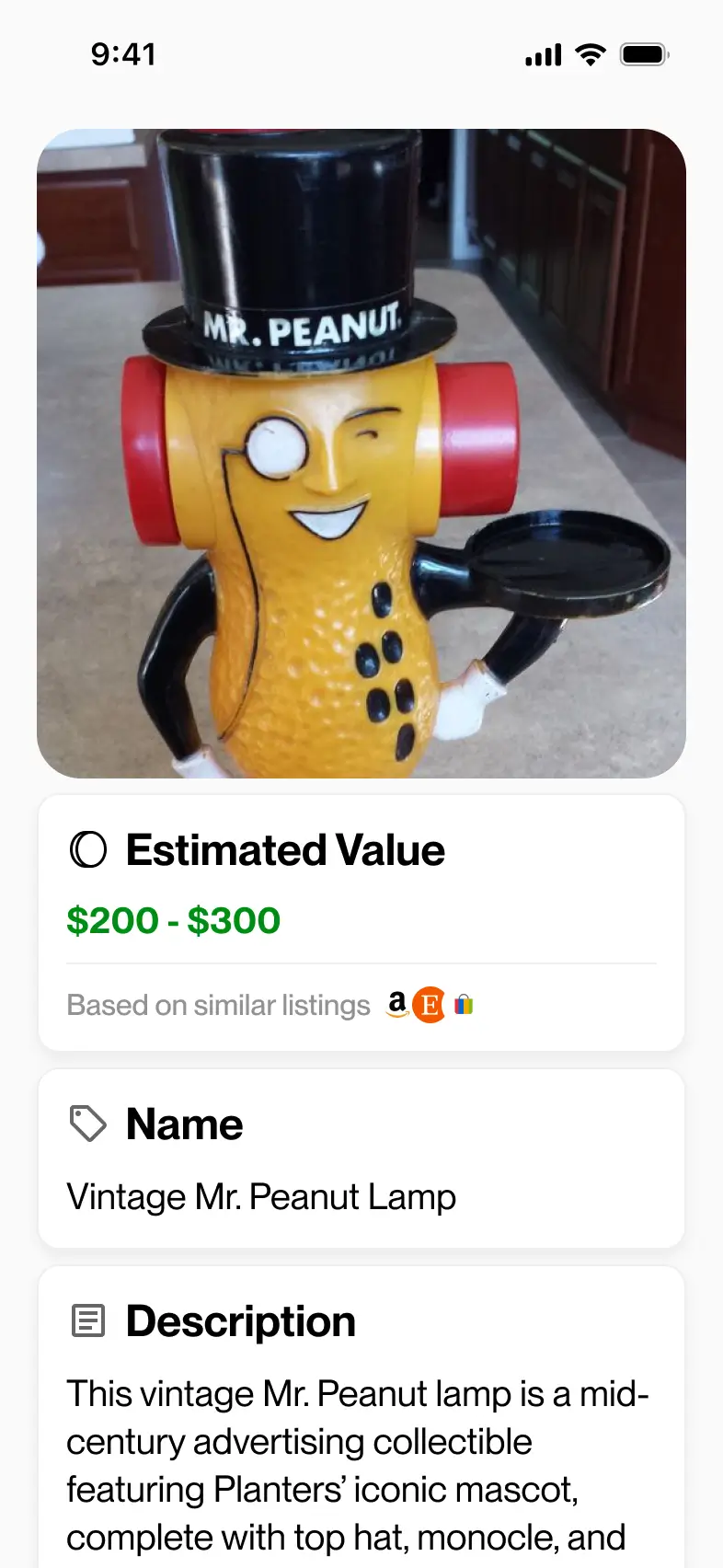
The most difficult part of button collecting is knowing exactly what you are looking at. Is that brass button a common blazer accessory from the 1980s, or is it a rare "Staff Officer" button from the 1860s? To the untrained eye, they look remarkably similar. This is where the Relic app becomes an essential tool for your kit.
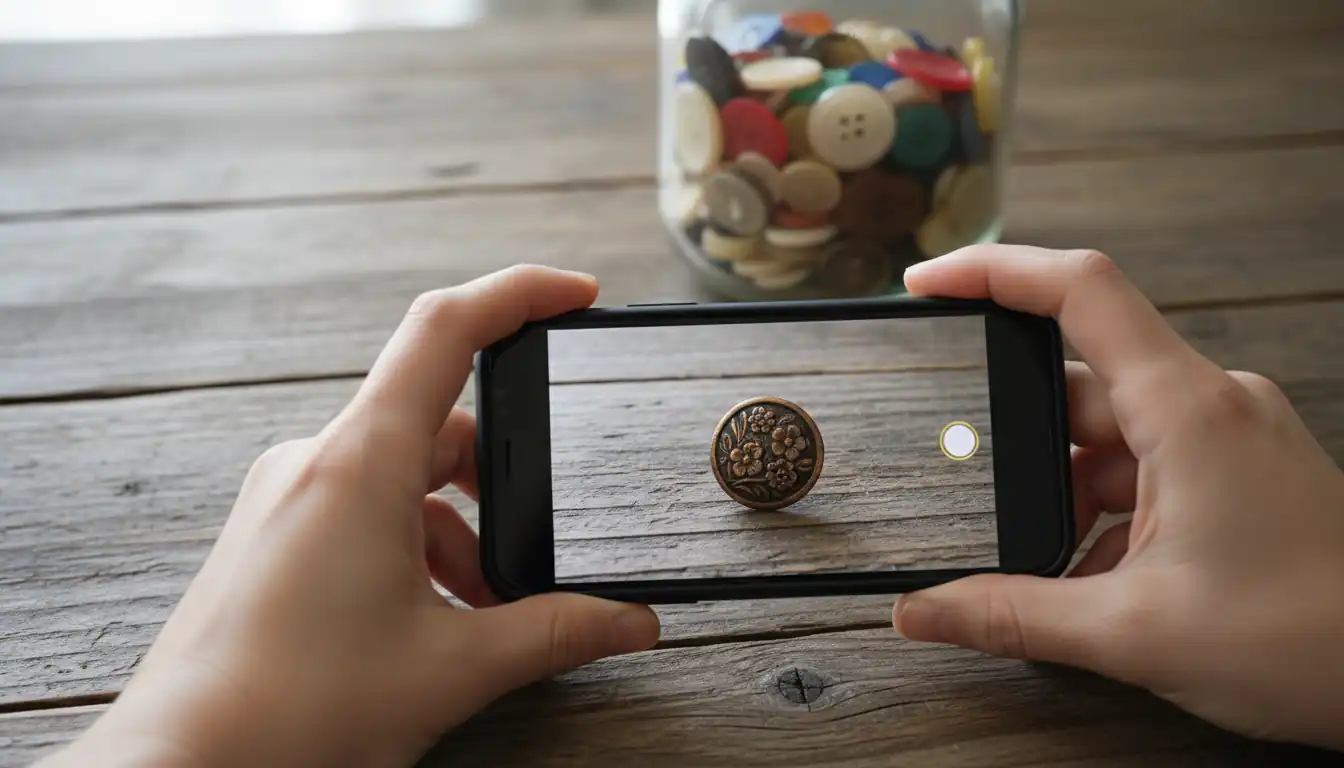
Relic uses advanced AI to analyze the specific geometry, material texture, and markings of an item through your phone's camera. Instead of guessing, you can simply take a photo or upload an image of the button. The AI compares your find against a massive database of historical artifacts to provide a real appraisal, history, and origin in seconds.
- Instant Context: Relic doesn't just give you a name; it tells you the story. You might discover that a simple metal button was actually manufactured by Scovill in Waterbury, Connecticut, during a specific five-year window.
- Visual Precision: The AI can detect subtle differences in die-striking patterns that a human might miss without a microscope. This is crucial for identifying rare variants of military or railroad buttons.
Why Visual Search Outperforms Manual Cataloging
Manual identification is prone to human error. You might misinterpret a maker's mark or overlook a small detail in a pictorial scene. Furthermore, the sheer volume of button varieties—numbering in the hundreds of thousands—makes it impossible for any one person to be an expert in every category.
Using a tool like Relic allows you to act with the confidence of a professional dealer. If you are a "picker" or an online seller, speed is your greatest asset. Being able to scan a button and instantly see its market relevance means you can make informed buying decisions on the spot. It turns the "treasure hunt" into a data-driven process, ensuring you never leave a high-value item behind because you weren't sure of its provenance.
The magic of modern collecting is that you no longer need to memorize a library of facts; you just need the right lens to interpret them.
Determining the Market Value of Your Collection
Once you have identified that you have something older than a standard shirt button, the next question is always: "What is it worth?" Value in the button world is driven by a combination of historical significance, material rarity, and, most importantly, the "completeness" of the story the button tells.
The Impact of Condition and Rarity on Price
In the world of antiques, condition is king. However, for buttons, "condition" has a few specific definitions that differ from other collectibles.
- Shank Integrity: A button with a broken or missing shank is often worth only a fraction of its potential value. Collectors want pieces that are still "whole."
- Verdigris and Rust: For metal buttons, the presence of "verdigris" (that bright green crust) can actually eat away at the metal. While a little patina is good, heavy corrosion is a deal-breaker.
- Surface Wear: On pictorial or glass buttons, the sharpness of the image is paramount. If the features of a face or the petals of a flower are rubbed smooth, the value drops.
How do I know if my old buttons are valuable? Beyond condition, look for "backmarks." These are the manufacturer's stamps on the reverse side. A button marked "Tiffany & Co" or "Jennens & Co" will almost always command a premium. These marks act as a certificate of authenticity and quality.
Current Trends in the Button Collecting Market
The market for buttons is surprisingly robust, with specific niches seeing high demand. Currently, several categories are outperforming others in terms of price growth:
- Military Buttons: Civil War-era buttons, especially those from Confederate units or rare state militias, can sell for hundreds or even thousands of dollars.
- Enamels: Hand-painted enamel buttons, particularly those from the Art Nouveau period featuring "Gibson Girl" styles or floral motifs, are highly sought after by jewelry makers who repurpose them.
- Studio Buttons: These are modern-era buttons (1940s-present) made by individual artists. Because they were produced in very small quantities, they have a dedicated following.
- Calico Buttons: Small china buttons with printed patterns that look like calico fabric. While individual buttons are cheap, "sets" of matching patterns are increasingly rare.
| Category | Potential Value Range | Key Value Driver |
|---|---|---|
| Rare Military | $50 - $2,000+ | Specificity of unit and maker's mark. |
| Victorian Pictorial | $10 - $150 | Complexity of the scene and size. |
| Bakelite (Carved) | $20 - $100 | Color rarity (e.g., turquoise or marbled). |
| 18th Century Tombac | $30 - $200 | Age and preservation of the hand-engraving. |
Preserving and Cataloging Your Discoveries
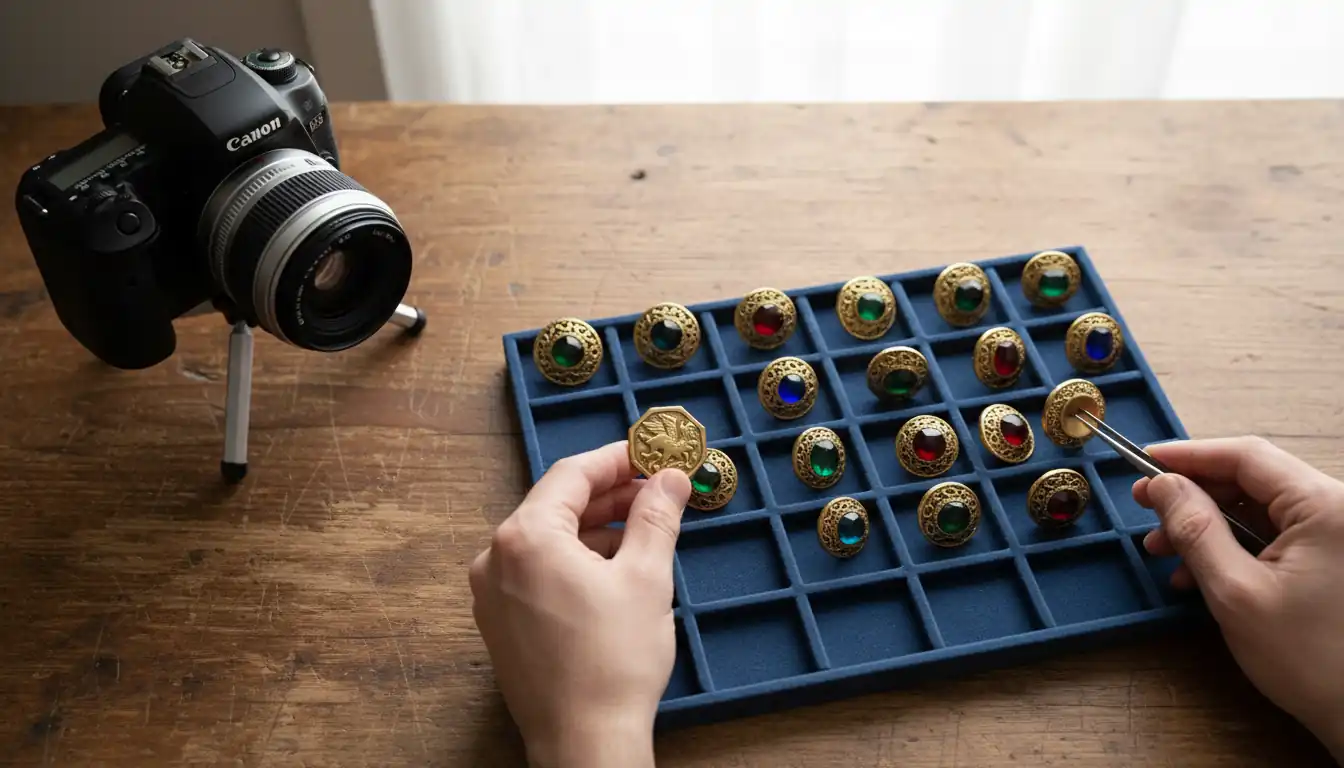
Finding a rare button is only half the battle. If you store it incorrectly, you could watch your investment literally dissolve. Many early materials are chemically unstable and require specific environments to survive another hundred years.
Archival Storage Methods for Delicate Materials
The biggest threat to a button collection is "celluloid rot." Celluloid was an early plastic that, as it ages, releases acidic gases. If kept in a sealed container, these gases build up and cause the button to crumble into a sour-smelling powder. Worse yet, this "rot" can spread to other buttons in the same jar.
- Ventilation is Key: Never store vintage buttons in airtight plastic bags. Use acid-free cardboard boxes or specialized button trays that allow for a small amount of airflow.
- Separate Materials: Keep your metals away from your plastics. The gases released by aging plastics can cause metals to tarnish or corrode rapidly.
- Avoid Sunlight: UV rays are the enemy of Mother of Pearl and dyed bone. Store your collection in a cool, dark place to prevent fading and brittleness.
For glass buttons, the danger is "glass disease" or "crizzling," which happens in high humidity. If your glass buttons start to look cloudy or feel "sweaty," they need to be moved to a drier environment immediately.
Creating a Digital Inventory for Future Sale
If you plan to sell your collection or pass it down, a physical jar is a nightmare for an appraiser to sort through. Creating a digital inventory is the most professional way to manage your assets. This is another area where the Relic app provides long-term value.
When you scan a button with Relic, the app doesn't just give you an answer and disappear. It allows you to save your scans into a searchable catalog. This creates a permanent digital record of your collection, complete with the historical context and the appraised value at the time of the scan.
- One-Touch Organization: Instead of writing manual tags, your digital history serves as your inventory list.
- Market Research: You can track how the value of your items changes over time, helping you decide the best moment to sell.
- Proof of Value: Having a professional-grade appraisal attached to a high-quality photo makes your listings on eBay or Etsy much more credible to serious buyers.
By moving your collection from a dusty jar to a curated digital archive, you aren't just "keeping buttons"—you are managing a portfolio of historical artifacts.
Conclusion
The journey from a forgotten button jar to a valuable collection is one of observation and education. By training your eye to recognize the hand-soldered shanks of the 1800s, the cold luster of genuine Mother of Pearl, and the cultural weight of Victorian mourning glass, you begin to see the world like a professional appraiser. You realize that history isn't just found in museums; it is found in the small, everyday objects that have survived the test of time.
Technology has finally made this expertise accessible to everyone. Tools like the Relic app remove the guesswork, allowing you to identify and value your finds with a single photo. Whether you are a casual hobbyist or a professional picker, the ability to instantly access the history and market price of an antique is a massive advantage.
Your next step is simple: go find that jar. Pour it out onto a soft cloth under a bright light. Pick up a button, look at the shank, feel the temperature of the material, and then let your camera reveal its secrets. You might just find that the "junk" in your closet is the start of your next great investment.
Identify antiques instantly
Point your camera at any antique, collectible, or vintage item. Get valuations, history, and market insights in seconds.
Download for iPhone