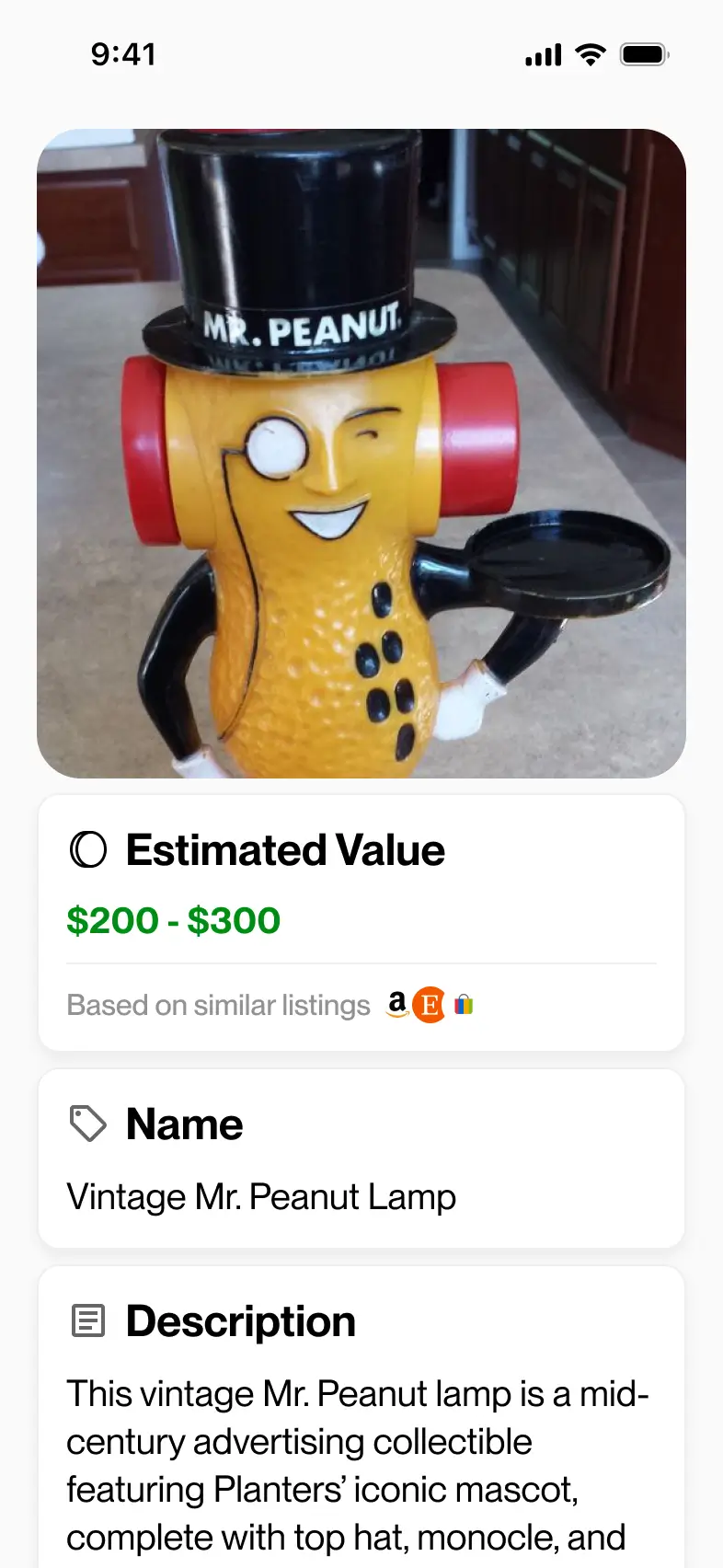
Turn Your iPhone Into a Professional Antique Appraiser

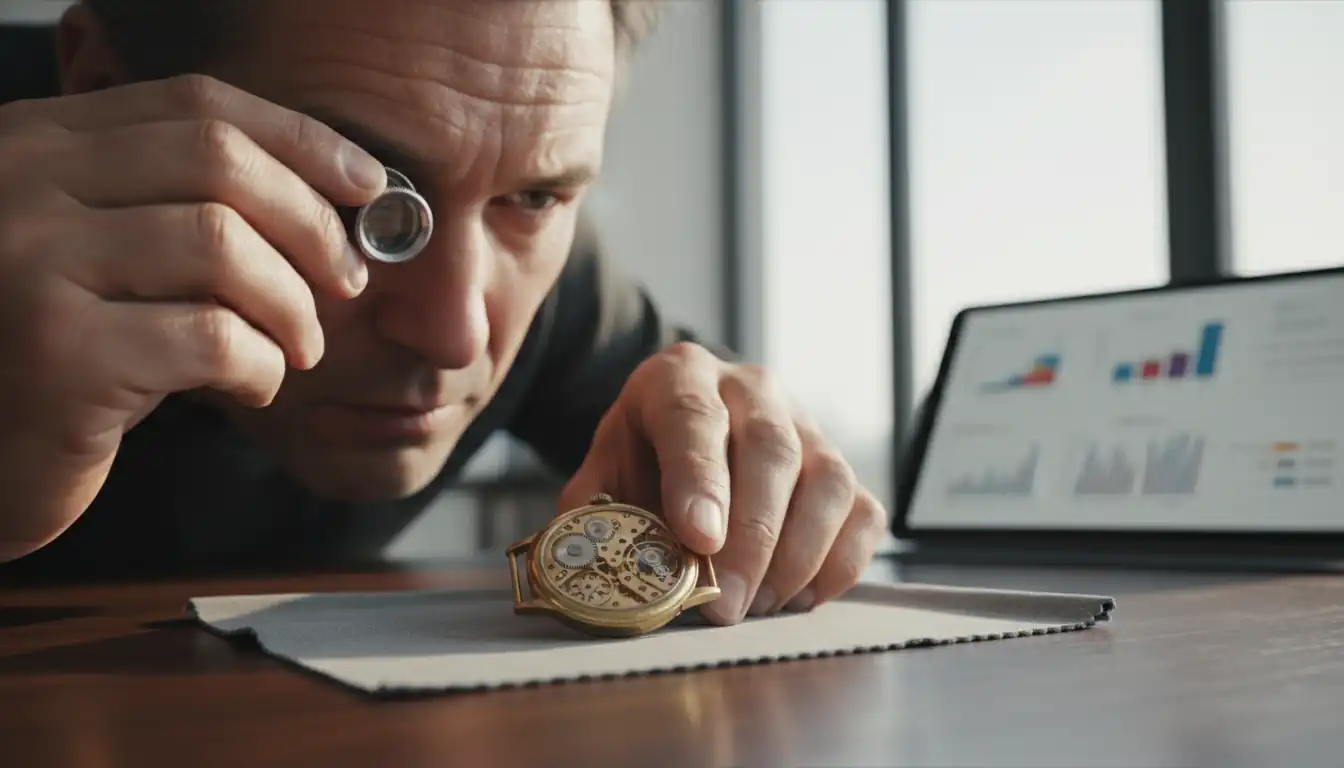
You are standing in a dusty corner of a local estate sale, eyes locked on a heavy, tarnished silver bowl. It has the weight of history, but the price tag is a gamble. In the past, you would have had to rely on a gut feeling or spend hours scouring library books and back-issue price guides, hoping to find a match before someone else snatched it up. The barrier between a casual hobbyist and a professional dealer was built on a foundation of "information asymmetry"—a fancy way of saying the experts knew things you didn't, and they charged a premium for that knowledge.
That wall is coming down. Your iPhone is no longer just a device for scrolling through social media or sending texts; it has become a sophisticated optical sensor capable of identifying patterns, hallmarks, and stylistic signatures that once required a lifetime of study to recognize. By combining high-resolution optics with massive historical databases, the process of identifying a rare find has shifted from a slow, expensive ordeal into an instantaneous act of discovery.
This guide will show you how to navigate this new landscape. You will learn how to move past the guesswork of "is this old?" and into the certainty of "what is this, exactly?" We will explore the mechanics of digital appraisal, the importance of historical provenance, and how to build a professional-grade inventory of your collection without ever leaving your home.
The Evolution of Rare Collectible Valuation
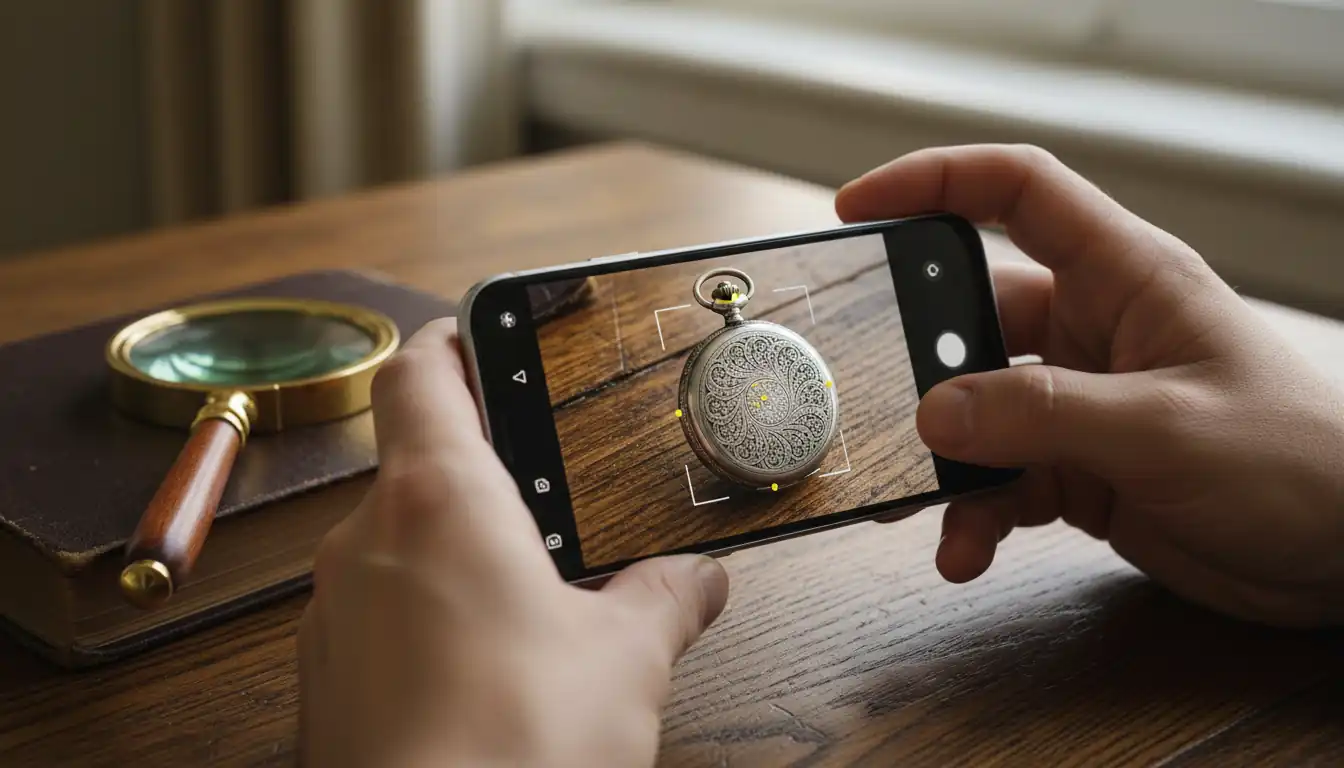
For decades, the world of high-end antiques was a gated community. If you wanted a definitive answer on the value of a family heirloom or a flea market find, you had to approach the "high priests" of the industry—the specialists at major auction houses like Christie’s or Sotheby’s. This traditional path was fraught with friction. You often had to pay significant appraisal fees regardless of the item's actual value, wait weeks for a response, and risk damaging fragile items by transporting them to a physical location.
This created a massive gap in the market. The average person with a curious object was often left in the dark, leading to "the picker's tragedy": selling a masterpiece for pennies because neither the buyer nor the seller understood what they were looking at. The shift toward digital tools isn't just a matter of convenience; it is a fundamental democratization of expertise. We have moved from a world where knowledge was gatekept by a few to a world where that knowledge is accessible to anyone with a lens.
From Auction Houses to Instant AI
The transition from physical appraisal to digital identification happened in stages. It began with online forums and message boards where enthusiasts would post grainy photos, hoping a more experienced collector would chime in. Then came the era of text-based search engines, where you would try to describe a "blue floral vase with gold trim" and get ten thousand irrelevant results.
The real shift occurred when computer vision caught up with human intuition. Modern appraisal tools don't just look at a photo; they analyze the geometry, the brushwork, the specific chemical composition of a glaze, and the unique "hand" of a maker. This technology, utilized by apps like Relic, allows you to upload a photo and receive a real appraisal, history, and origin of the item in seconds. It replaces the "I think this might be..." with a data-backed "This is a..." This psychological shift is profound. It turns the act of collecting from a high-stakes guessing game into an informed pursuit of value.
Why Visual Recognition Changes Everything
Visual recognition technology bridges the gap between the physical object and the digital record. Think of it like a fingerprint scanner for history. Every era of manufacturing and craftsmanship leaves behind specific "tells." A 19th-century cabinet maker used different joinery techniques than a 1950s factory. A Ming dynasty potter used a specific type of cobalt that looks different under a lens than a modern reproduction.
Traditional appraisal relied on a human expert's memory of these tells. AI-driven visual recognition, however, can cross-reference your photo against millions of cataloged items simultaneously. It doesn't get tired, it doesn't have "off days," and it isn't biased by the hope that an item is more valuable than it is. It provides a neutral, evidence-based starting point for any valuation.
The Expert's Insight: The true value of digital appraisal isn't just the price it gives you; it's the removal of the "fear of the unknown" that prevents many people from entering the world of collecting.
Mastering the Art of the Digital Appraisal
If you want professional results from your iPhone, you have to treat your phone like a professional tool. The most advanced AI in the world is still limited by the data it receives. If you provide a blurry, dark photo taken in a cluttered garage, the results will be vague. To get a "real" appraisal—one that includes accurate history and origin—you need to master the "input" phase of the process.
Many people ask, "How do you get collectible items appraised?" While the old answer involved hiring a certified member of the International Society of Appraisers (ISA), the modern answer starts with a high-quality digital scan. This serves as your primary evidence, allowing tools to extract the maximum amount of data from the object's surface.
Capturing the Perfect Identification Photo
To get the most out of an app like Relic, you need to think like a forensic photographer. Your goal is to eliminate variables so the AI can focus entirely on the item.
- Neutral Backgrounds: Place your item on a solid, non-reflective surface. A white or grey sheet is ideal. Clutter in the background confuses the visual sensors and can lead to misidentification.
- Natural, Indirect Light: Avoid using your phone's flash, which creates "hot spots" and washes out fine details. Instead, photograph your item near a window during the day. Soft, even light reveals the true texture and color of the piece.
- The "Macro" Focus: If the item has a signature, a maker's mark, or a serial number, take a dedicated close-up shot. These are the "DNA" of the antique. Relic uses these visual cues to cross-reference historical databases, often identifying the specific year and factory of origin.
- Multiple Angles: Don't just take a "mugshot" of the front. Capture the bottom (where marks often hide), the joints, and any areas of wear. Wear patterns can actually help verify age and authenticity.
Interpreting AI Generated Provenance Data
Once you have uploaded your photo, the data you receive is more than just a name and a date. A professional-grade appraisal will provide "provenance"—the record of ownership and origin. Understanding this data is what separates a casual user from a serious appraiser.
When an AI identifies an item, it is looking for "matches" in auction records, museum catalogs, and historical archives. If the tool tells you a chair is "Queen Anne style," it is looking at the cabriole legs and the pad feet. If it tells you it is "Period Queen Anne," it has detected signs of 18th-century tool marks and wood oxidation. Learning to read these distinctions helps you understand the "why" behind the value. A "style" piece is a decorative item; a "period" piece is a historical artifact.
| Photo Element | Why It Matters for AI |
|---|---|
| Maker's Mark | Confirms the manufacturer and geographic origin. |
| Surface Patina | Helps the AI distinguish between aged wood/metal and modern "distressing." |
| Joinery/Construction | Reveals the manufacturing method (hand-tooled vs. machine-made). |
| Scale/Proportions | Ensures the item matches the known dimensions of authentic pieces. |
Beyond the Price Tag: Understanding Historical Context
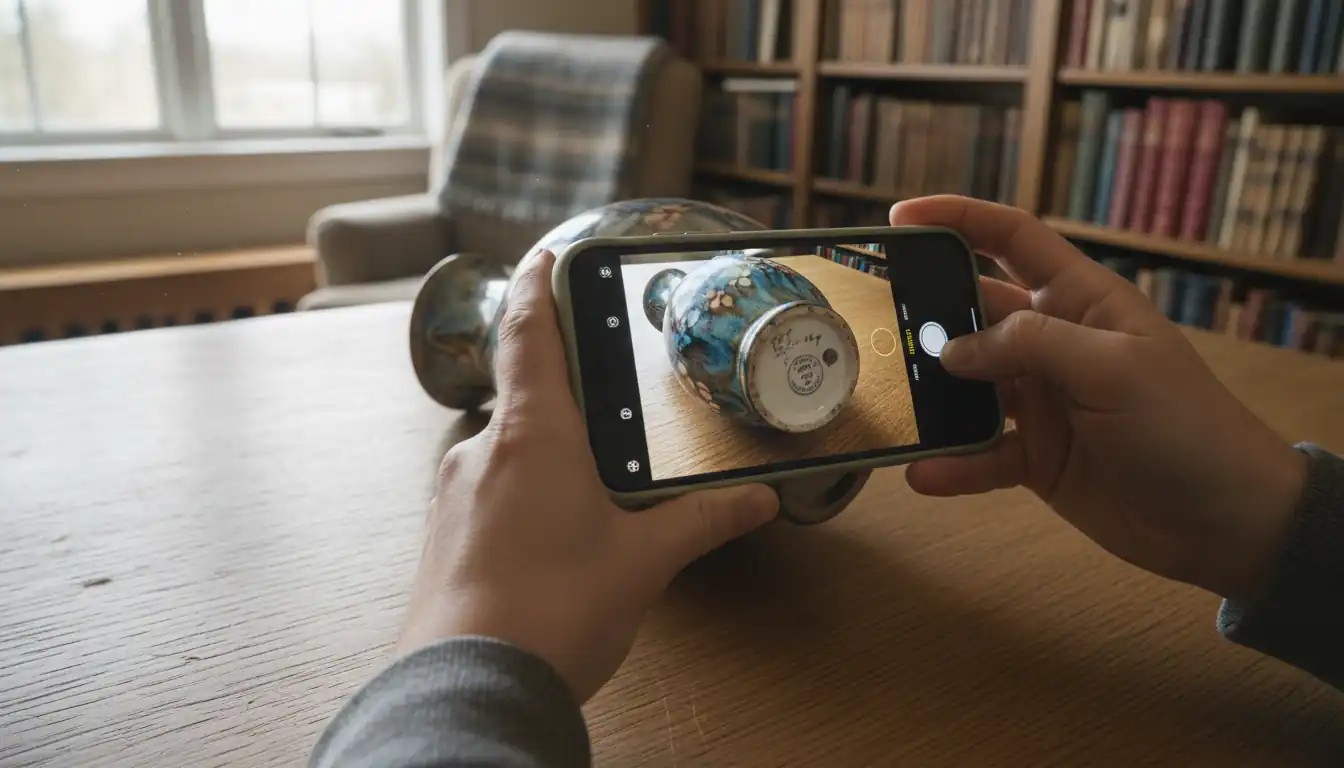
A common mistake among new collectors is focusing solely on the "bottom line" price. While the market value is important, the historical context is what actually drives that value. An antique is a physical manifestation of a specific moment in time. When you use a digital appraiser, you aren't just looking for a number; you are looking for a story.
Visual appraisers are particularly adept at identifying design movements. For example, the difference between Mid-Century Modern and Art Deco isn't just a matter of "old vs. older." It's a difference in philosophy, materials, and social history. Art Deco (1920s-30s) is characterized by glamour, geometric shapes, and expensive materials like ebony and ivory. Mid-Century Modern (1940s-60s) focuses on functionality, organic curves, and the use of new materials like molded plywood and plastic.
Identifying Maker Marks and Period Signatures
The "holy grail" of identification is the maker's mark. These can be stamped into silver, painted onto the bottom of porcelain, or burned into the wood of a drawer. In the past, you would need a library of books like Kovels' Dictionary of Marks to identify these. Now, AI can process these hallmarks instantly.
But it goes deeper than just a name. A maker's mark can tell you if a piece of silver was made in London or Birmingham, and even the specific year it was assayed. This level of detail is crucial because scarcity is often tied to specific production runs. A vase from a famous pottery house might be worth $100, but a vase from the same house with a specific "artist's cipher" could be worth $1,000. Digital tools allow you to spot these "value multipliers" that the naked eye might miss.
The Role of Scarcity in Modern Valuation
Why is one old watch worth $50 and another worth $50,000? It usually comes down to scarcity and demand. AI tools analyze historical auction results to determine how many of a specific item have appeared on the market in the last decade.
If an item is "common," the price will be stable and predictable. If the item is "rare," the price becomes more volatile and dependent on the specific condition. By understanding the scarcity of your find, you can decide whether to sell it quickly for a modest profit or hold onto it as an investment. This transition from "flipper" to "curator" is where the real financial gains are made in the antique world.
"Knowledge is the only commodity that decreases in price as it increases in volume. The more you know about your collection, the less risk you carry."
Hidden Risks of DIY Appraisals
While technology has made appraisal more accessible, it is not a magic wand. There are pitfalls that can trap the unwary. The most common is the "eBay Sold Listing" trap. Many people believe that if they see an item listed for $500 on eBay, their item is worth $500. This is a dangerous assumption.
First, "listed" prices are not "sold" prices. Anyone can ask for a million dollars for a common penny; that doesn't mean they'll get it. Second, even "sold" listings can be misleading. An outlier price might be the result of two collectors getting into a bidding war, or it might involve a version of the item with a rare defect or a specific provenance that your item lacks. AI-driven apps like Relic provide a more balanced view by aggregating data from multiple sources—including specialized auction houses—rather than just relying on peer-to-peer sales.
Avoiding the eBay Sold Listing Trap
To get a realistic view of the market, you have to look at the "mean" or average price, not the "ceiling." Professional tools look at the trend line. Is the value of this specific type of glassware going up or down over a five-year period?
- Condition is Everything: A "sold" listing for a mint-condition item doesn't apply to an item with a hairline crack. AI can often detect these flaws and adjust the valuation accordingly.
- Geographic Bias: An antique might sell for a premium in New York City but struggle to find a buyer in a small rural town. Digital tools help you understand the global market value, which is essential if you plan to sell online.
- The "Replacements" Factor: Sometimes, high prices on retail sites are inflated because they are catering to people looking for a specific piece to complete a set. This is "replacement value," which is much higher than "fair market value."
When to Transition from App to Expert
Digital appraisal is an incredible filtering tool, but it has a ceiling. If your iPhone identifies an item as a potentially authentic 17th-century Dutch Master painting or a rare Rolex worth over $10,000, it is time to put the phone down and call a human expert.
At the highest levels of the market, "authenticity" requires more than just visual matching. It may require chemical analysis of the paint, X-rays of the canvas, or a physical inspection of a watch movement to ensure every screw is period-correct. Think of your app as your "First Responder." It tells you if an item is worth the significant investment of a professional physical appraisal. It saves you from spending $500 on a professional certificate for a $50 item, while ensuring you don't accidentally sell a masterpiece for the price of a print.
Building a Digital Catalog of Your Collection
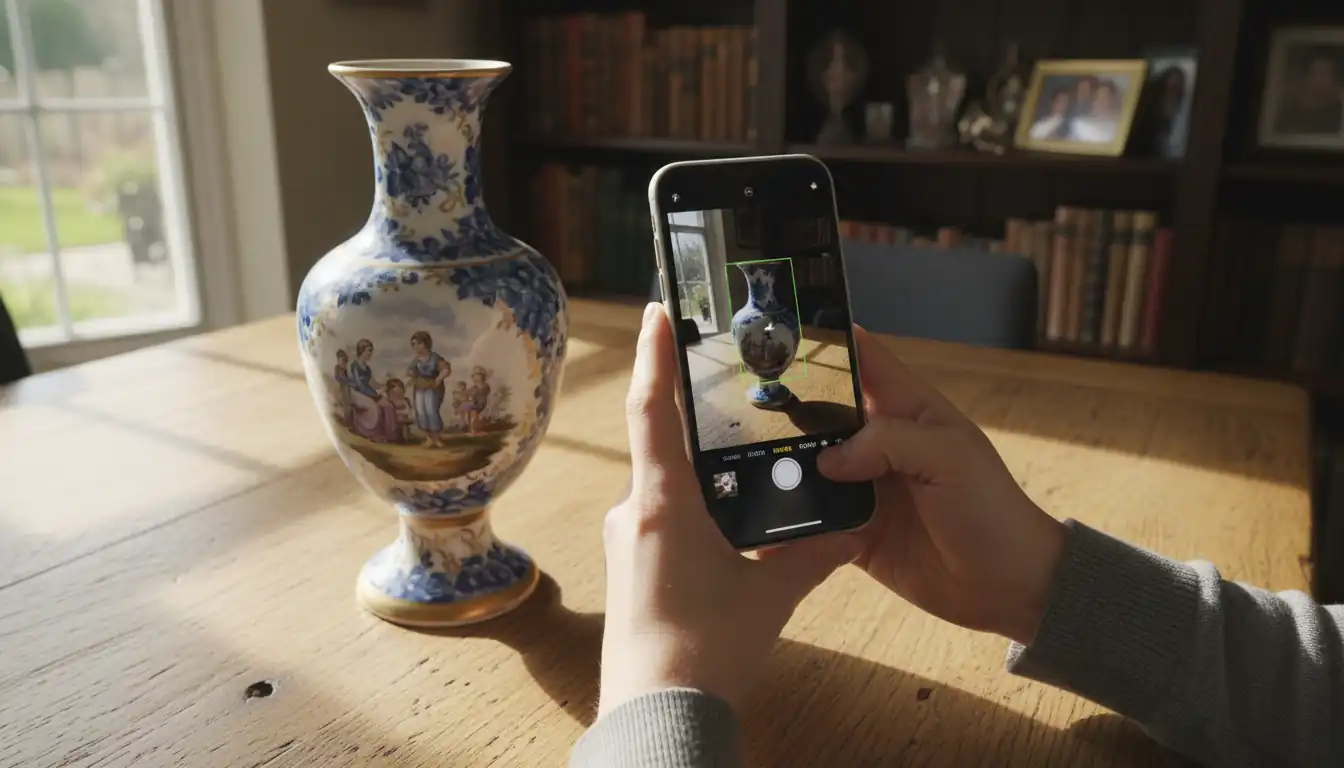
The most overlooked benefit of using a visual appraiser is the ability to maintain a digital inventory. Most people have their "treasures" scattered throughout their homes, with no central record of what they own or what it's worth. This is a significant financial risk.
In the event of a fire, theft, or natural disaster, an insurance company will require proof of ownership and a professional estimate of value. Trying to remember what was on your shelves after they are gone is an impossible task. By using your phone to scan and catalog your items as you acquire them, you are creating a "digital twin" of your collection.
Protecting Your Assets for Insurance Purposes
A photo-backed appraisal record is the gold standard for insurance claims. When you use an app to identify and value an item, you are creating a time-stamped record of the item's condition and its market value at that moment.
- Estate Planning: For those looking to pass their collection down to heirs, a digital catalog prevents family disputes. It provides a clear, objective list of what exists and what it is worth, making the distribution of assets much simpler.
- Proof of Condition: If you ever sell an item and the buyer claims it arrived damaged, your time-stamped, high-resolution photos from your appraisal serve as your best defense.
- Instant Updates: Market values change. A collection of "brown furniture" might have been worth a fortune in the 1990s but significantly less today. Conversely, Mid-Century pieces have skyrocketed. A digital catalog allows you to "refresh" your valuations with a single tap, ensuring your insurance coverage keeps pace with the market.
Real Time Market Tracking for Investors
For some, antiques are more than just decorations; they are an alternative asset class. Just as you might track your 401(k) or your stock portfolio, you can track the "equity" in your collection.
By maintaining a searchable catalog of scanned items, you can see at a glance which categories of your collection are performing well. Are your Art Deco bronzes appreciating faster than your vintage watches? Having this data allows you to make informed decisions about when to "buy the dip" in a certain category or when to liquidate assets to fund a new acquisition. Your iPhone, equipped with the right tools, transforms from a camera into a financial dashboard for your physical wealth.
Conclusion
The journey from a curious observer to a professional-grade appraiser no longer requires years of academic study or a massive library of reference books. By using the high-resolution camera on your iPhone and the sophisticated AI of apps like Relic, you can instantly bridge the gap between "guessing" and "knowing."
You now have the tools to capture the perfect identification photo, interpret complex provenance data, and avoid the common traps of the amateur market. More importantly, you have a way to protect and manage your collection as a legitimate financial portfolio.
The next time you find yourself at a garage sale or an estate auction, don't just wonder about the history of the objects you see. Take out your phone, capture a clear image, and let the data tell you the story. Whether you are looking to find a hidden treasure, insure your family heirlooms, or build a serious investment portfolio, the power of a professional appraiser is already in your pocket. Your next great find is just one scan away.
Identify antiques instantly
Point your camera at any antique, collectible, or vintage item. Get valuations, history, and market insights in seconds.
Download for iPhone