Turn Your Local Goodwill Into a Goldmine: 12 High-Profit Items You’re Probably Walking Past

You walk into your local thrift store and see the usual suspects: a wall of scratched Teflon pans, racks of faded fast-fashion t-shirts, and a shelf full of generic coffee mugs. To most people, this is a graveyard of unwanted goods. To a trained reseller, this is a room full of undervalued assets waiting to be liquidated for a massive return. The difference between the person who leaves empty-handed and the person who leaves with $500 worth of inventory is simply the ability to recognize quality where others see clutter.
Thrifting for profit is a skill that combines market research with a keen eye for craftsmanship. It is about understanding that a beat-up silver box on the electronics shelf might actually be a high-end audio receiver, or that a heavy glass vase without a sticker could be a mid-century masterpiece. You are essentially a treasure hunter, but instead of a map, you use data and specialized tools to find your gold.
This guide will help you move past the obvious brands and look for the high-margin items that most flippers miss. We will cover everything from the technical specs of vintage electronics to the subtle curves of unmarked art glass. By the time you finish reading, you will have a roadmap for turning your weekend hobby into a scalable business.
High-Margin Categories for Immediate Profit
If you are looking for the easiest thing to flip for profit, you need to focus on items with high demand and low shipping complexity. Beginners often get bogged down in heavy furniture or fragile plates, but the real "quick wins" are found in the electronics and apparel sections. These items are easy to test, easy to photograph, and have a massive audience of buyers waiting on platforms like eBay and Poshmark.
Vintage Electronics and Analog Tech
The digital age has created a massive wave of nostalgia for analog technology. People are tired of the perfection of smartphone photos and the compressed sound of streaming services. This has driven the prices of "obsolete" tech through the roof.
- Point-and-Shoot Film Cameras: Look for brands like Olympus, Canon, and Nikon. Specifically, the Olympus Stylus or Canon Sure Shot series are highly sought after. Even if they look like cheap plastic, these "compacts" can sell for $100 to $300 if they are functional.
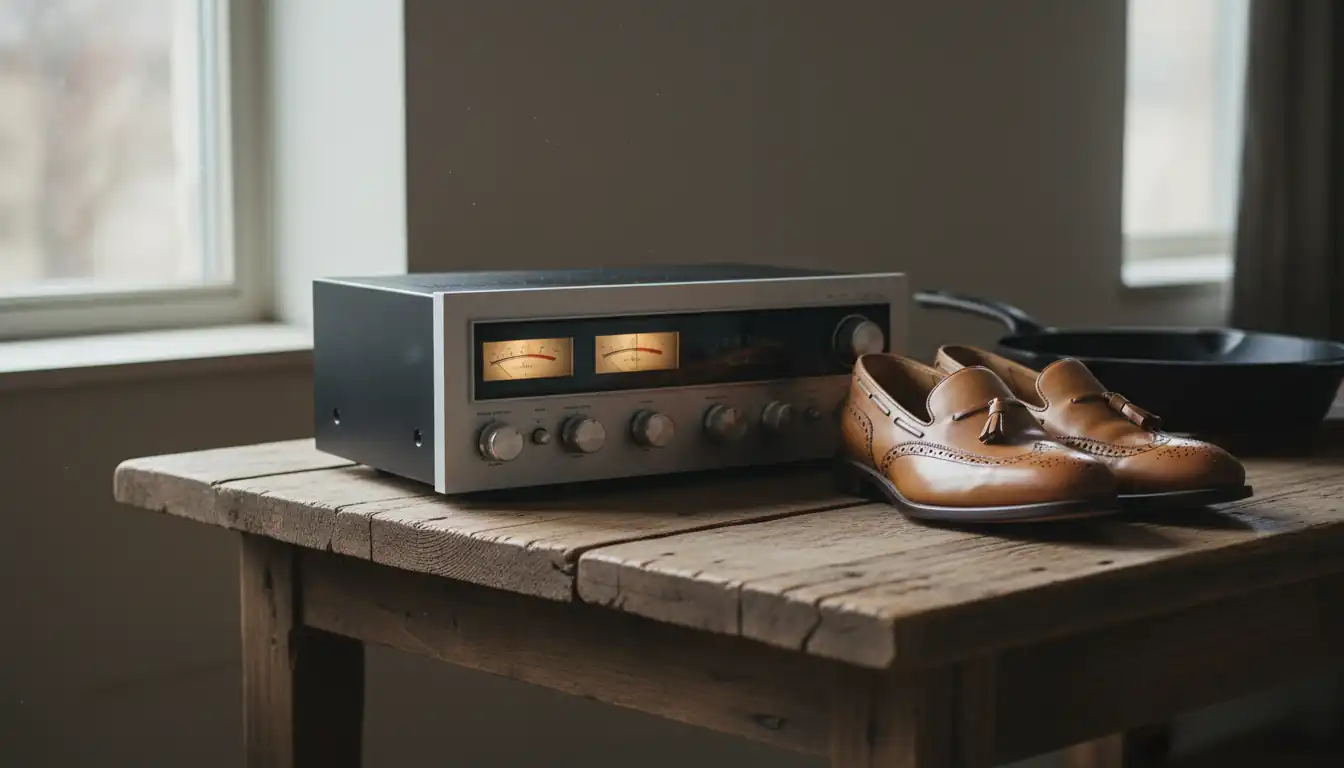
- Vintage Audio Receivers: Look for "silver-face" units from the 1970s. Brands like Marantz, Pioneer, and Sansui are the gold standard. These are heavy, which scares off some flippers, but a high-end receiver can net you a $400 profit even after shipping costs.
- Graphing Calculators: This is the ultimate "bread and butter" item. Students always need Texas Instruments TI-84 or TI-89 calculators. You can often find them for $5 at a thrift store and sell them for $50 to $70 within 24 hours.
Designer Apparel and Performance Outerwear
The clothing racks are often the most overwhelming part of a Goodwill. To succeed here, you must ignore the "mall brands" like Gap or Old Navy and focus on "Gorpcore" and vintage aesthetics. Gorpcore refers to functional outdoor wear worn as a fashion statement.
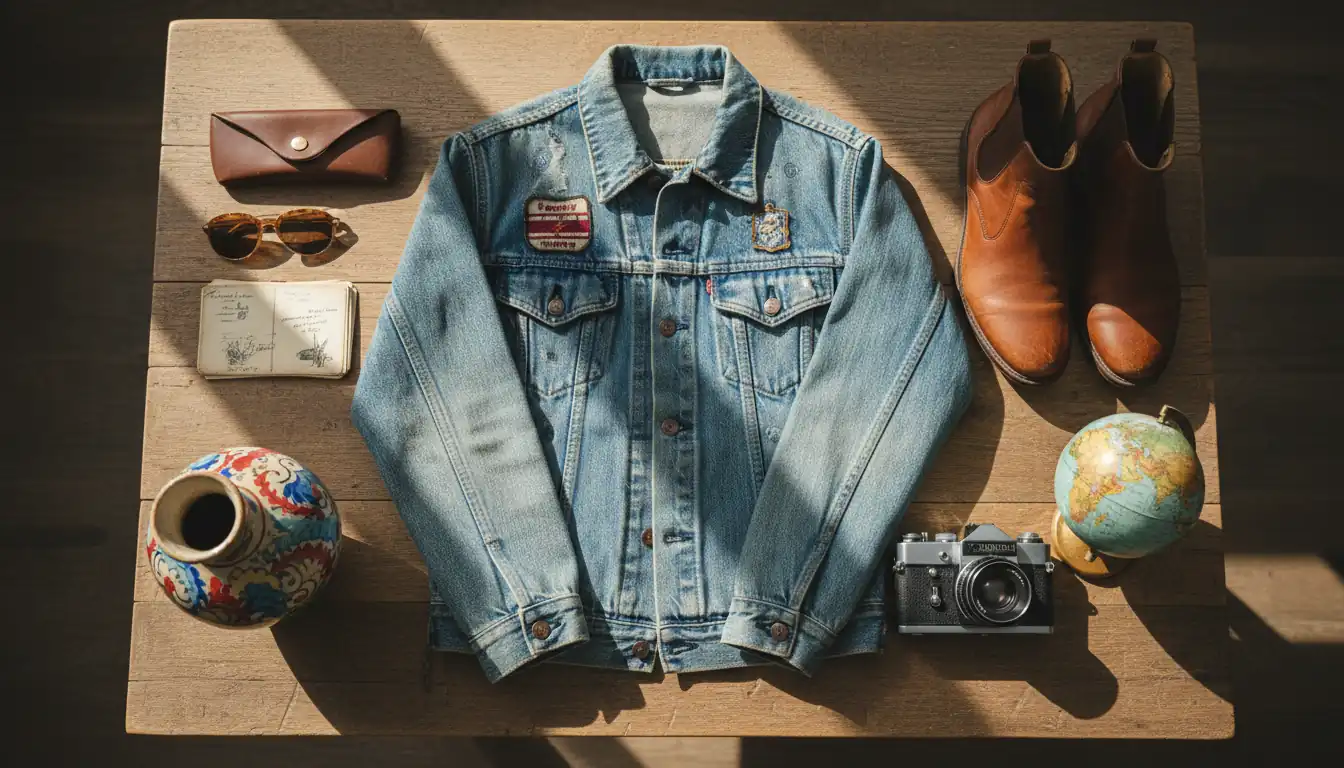
- Technical Outerwear: Brands like Arc'teryx, Patagonia, and Mammut have incredible resale value. Look for Gore-Tex labels or "taped seams" on the inside of jackets. A Patagonia "Better Sweater" or an Arc'teryx shell can sell for nearly its original retail price if it is in good condition.
- 90s Streetwear: Look for "single-stitch" t-shirts (where the hem has only one line of stitching instead of two). These indicate the shirt was made before the mid-90s. Vintage Nike, Adidas, or band tees from this era are currently peaking in value.
- Raw Denim: Look for jeans with a "selvedge" edge—a clean, finished strip on the inside of the leg seam, usually with a red thread. Brands like Iron Heart or Naked & Famous are rare finds but offer massive margins.
Pro Tip: When checking electronics, always look for the "battery leak." Open the battery compartment of any camera or calculator. If you see white crusty corrosion, it might be a difficult repair. If it's clean, you likely have a winner.
The Hidden Value in Unmarked Antiques
The biggest profits in the reselling world don't come from items with big logos. They come from items that the thrift store staff couldn't identify. When a store doesn't know what something is, they price it as "decor" for $4.99. This is where you find the four-figure flips. However, identifying these items requires a shift in how you look at objects. You have to stop looking for names and start looking for "markers" of quality.
Identifying Mid-Century Modern Decor
Mid-Century Modern (MCM) design remains one of the most profitable niches in the secondary market. The "atomic" look of the 1950s and 60s is characterized by clean lines, organic curves, and high-quality materials like teak, walnut, and rosewood.
- Tapered Legs: If a small side table or stool has "pencil" legs that narrow toward the floor, it is likely an MCM piece. Even if it’s unmarked, the silhouette alone carries value.
- Danish Control Labels: Look for small silver or red circular stickers inside drawers or under chairs. These indicate the piece was made in Denmark during the height of the MCM movement.
- Studio Pottery: Look for heavy, earthy stoneware with "incised" signatures on the bottom. Even if you can't read the name, the weight and the glaze quality can signal a piece of collectible art.
Decoding Maker Marks and Pottery Stamps
Art glass and ceramics are notoriously difficult to identify because the "marks" are often just a series of dots, a specific color of glass, or a rough spot on the bottom called a "pontil mark."
- Murano Glass: Originating from Italy, Murano glass is known for its vibrant colors and "millefiori" (thousand flowers) patterns. Look for glass that feels unusually heavy for its size and has no mold seams.
- Blenko Glass: This American-made glass is famous for its bold, translucent colors like "tangerine" or "wheat." It often features a rough, snapped-off pontil mark on the base, indicating it was hand-blown.
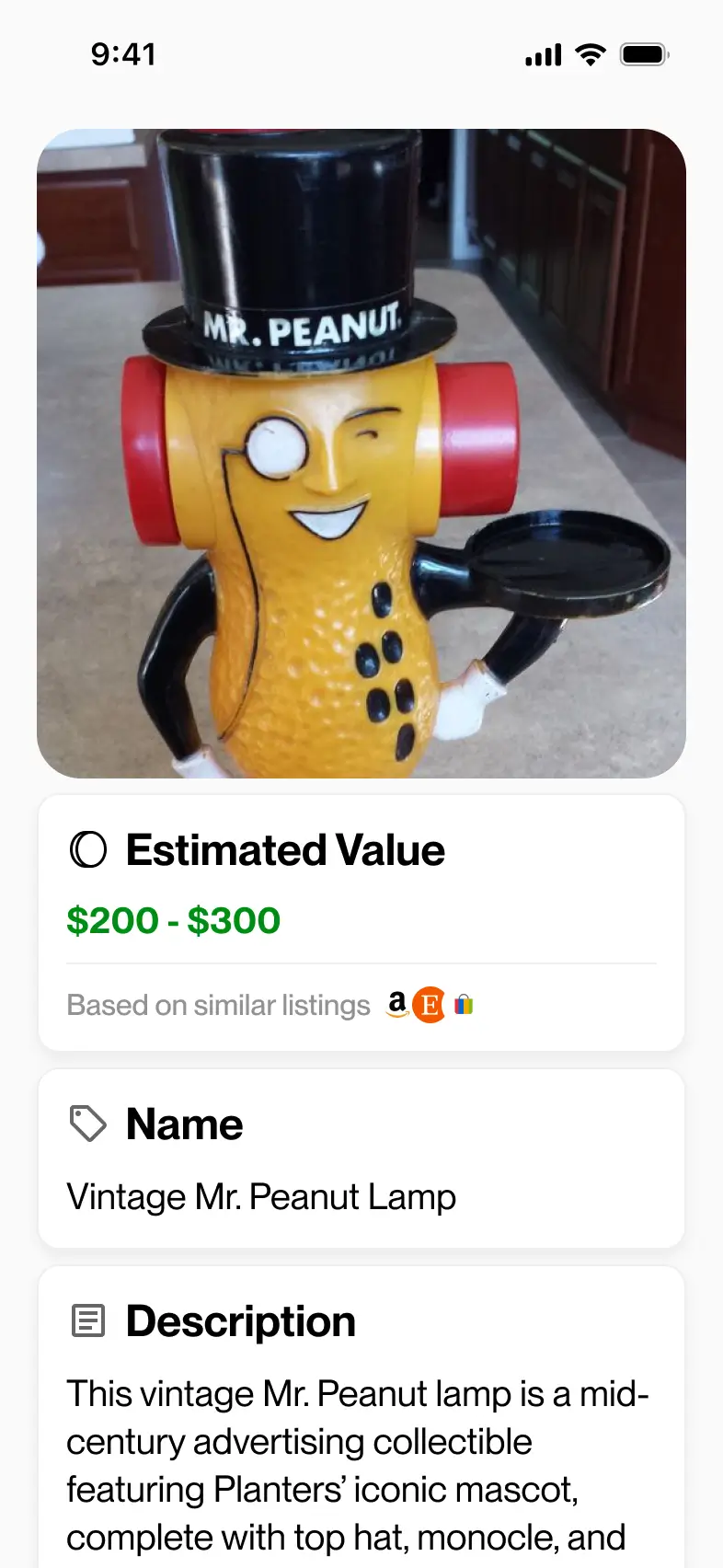
Identifying these items on the fly can be intimidating. This is where the Relic app becomes your most valuable tool in the field. If you find a beautiful, heavy glass vase or a strange ceramic bust with an illegible signature, you don't have to guess. By taking a photo with Relic, the app's advanced AI analyzes the shape, color, and markings to provide a real appraisal and historical context. It can tell you if that "junk" vase is actually a piece of 1960s Blenko glass worth $200. Having that information in seconds allows you to buy with confidence while other flippers are still Googling keywords.
| Item Type | Key Marker | Estimated Resale |
|---|---|---|
| MCM Side Table | Tapered "Pencil" Legs | $150 - $400 |
| Murano Glass Bird | No mold seams, heavy | $80 - $250 |
| Studio Pottery | Hand-signed base | $50 - $500+ |
| Selvedge Denim | Red-thread inner seam | $70 - $150 |
Maximizing Profitability and Business ROI
How profitable is thrift flipping? The answer depends entirely on your ability to manage the "hidden" costs of the business. Many beginners see a $5 item and a $50 sold price on eBay and assume they made $45. In reality, your net profit is often much lower. To turn this into a sustainable business, you must think like a CFO.
Calculating Net Profit After Platform Fees
Every platform takes a cut, and shipping is rarely "free" for the seller. You need to account for every cent to ensure your ROI (Return on Investment) justifies your time.
- Platform Fees: eBay generally takes about 13-15% of the total sale price (including shipping and tax). Poshmark takes a flat 20% for items over $15.
- Shipping Supplies: Boxes, bubble wrap, and tape add up. If you are selling fragile antiques found via Relic, you cannot skimp on packaging. A broken item results in a full refund and a lost investment.
- The Value of Time: If it takes you two hours to clean, photograph, list, and ship an item that nets you $20, you are making $10 an hour. Focus on items with a minimum net profit of $30 to $50 to make the effort worthwhile.
Sourcing Strategies Beyond the Big Box Thrift
While your local Goodwill is a great starting point, the most successful flippers diversify their sourcing. The "Big Box" stores are becoming more aware of resale values, often pricing items closer to market rates.
- The "Bins" (Goodwill Outlets): This is where items go before they are sent to the landfill. Everything is sold by the pound. It is a chaotic environment, but your "buy cost" drops to pennies. This is the best place to find the "Gorpcore" apparel and vintage tees mentioned earlier.
- Estate Sales: These are the gold mines for antiques and high-end electronics. Because you are often buying the contents of an entire home, you can find items that haven't seen the light of day in 40 years.
- Online Auctions: Sites like Hibid or ShopGoodwill allow you to source from home, but you must be careful with shipping costs. Use these for small, high-value items like jewelry or rare media.
"Profit is made at the buy, not the sale." This old saying means that if you pay too much for an item, no amount of marketing can save your margins. Your goal is to find the "pricing errors" made by the store.
Niche Collectibles with High Sales Velocity
While antiques offer high margins, they can sometimes sit on the shelf for months waiting for the right buyer. To keep your business healthy, you need "high velocity" items—things that sell within days of being listed. This keeps your cash flowing so you can reinvest in bigger flips.
What are the most profitable items to flip?
When looking for speed, look for media and nostalgia. These items are small, easy to ship, and have a "cult" following that checks for new listings every hour.
- Out-of-Print (OOP) Blu-rays and Horror VHS: Believe it or not, certain VHS tapes are worth hundreds. Horror movies from the 80s that never made it to DVD are highly collectible. Look for "big box" VHS releases or labels like Gorgon Video.
- 90s Alt-Rock and Jazz Vinyl: While classic rock is common, 90s vinyl is rare because most music was sold on CD during that decade. An original pressing of a Nirvana or Pearl Jam album can be a massive score.
- Specific Media Formats: Look for "Criterion Collection" DVDs or Blu-rays (identified by a "C" logo on the spine). These are high-quality releases that hold their value incredibly well.
Nostalgia-Driven Toys and Games
The "30-year rule" is a great guide for toy flipping: people who are now in their 30s and 40s have disposable income and want to buy back their childhood.
- LEGO Sets: Even "bulk" LEGO sold by the pound is profitable, but the real money is in complete sets or specific "minifigures." A single Star Wars minifigure can sometimes sell for more than the entire box of bricks it came in.
- Handheld Gaming: Nintendo Game Boys, DS systems, and Sony PSPs are in high demand. Even "broken" units sell well to hobbyists who enjoy repairing them.
- Action Figures: Look for "sealed on card" figures from the 90s, such as Teenage Mutant Ninja Turtles or Power Rangers. If the box is mint, the price skyrockets.
| Category | High-Velocity Item | Why It Sells Fast |
|---|---|---|
| Media | Horror VHS Tapes | Cult following, rare formats |
| Toys | LEGO Minifigures | Small, easy to ship, high demand |
| Tech | Nintendo Game Boy | Nostalgia, easy to test/repair |
| Books | First Edition Horror/Sci-Fi | Collectors always hunting |
Professionalizing Your Reselling Workflow
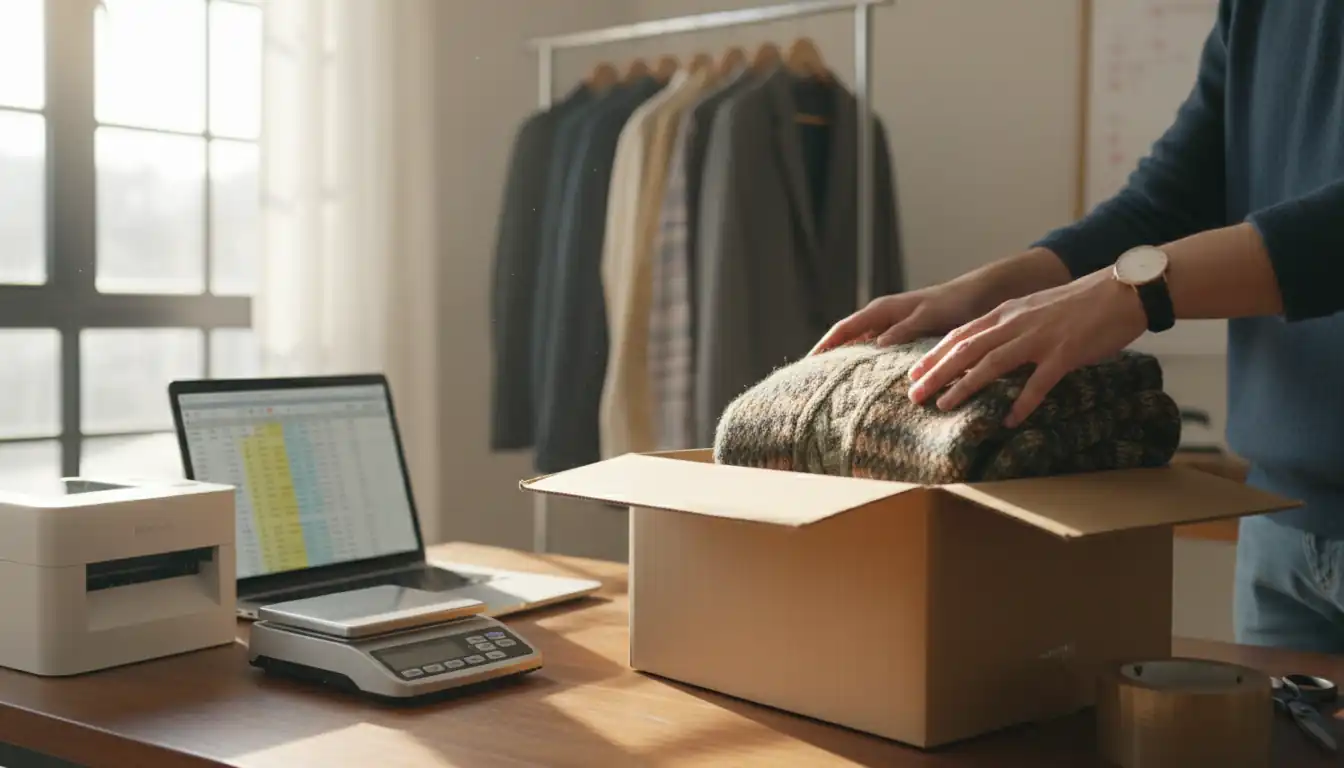
To move from a "side hustle" to a professional operation, you need to stop guessing and start documenting. The difference between a $50 sale and a $150 sale often comes down to the quality of the listing and the perceived authority of the seller. If you provide history, context, and professional photos, buyers will pay a premium for the peace of mind.
Authentication and Appraisal Tools
The biggest risk in flipping high-ticket items is the "return." If you sell an item as a "1950s Murano vase" and the buyer proves it's a modern reproduction, you lose your money and your reputation. This is why professional-grade identification is non-negotiable.
Using the Relic app does more than just help you find items; it helps you sell them. When you use Relic to identify an antique, you get access to a searchable catalog of scanned items and a 4.9-star rated database of information. The app provides the "story" of the item—its origin, its era, and its significance. You can take this information and paste it directly into your eBay or Poshmark description. Instead of saying "Blue Vase," you can say "Authentic 1964 Blenko Glass Water Decanter in Tangerine, designed by Joel Philip Myers." That level of detail justifies a higher price point and builds immediate trust with collectors.
Building a Scalable Listing Process
Efficiency is the only way to scale. If you are spending an hour on every listing, you will hit a ceiling. You need a "listing station" that allows you to process items in batches.
- Lighting: Invest in two cheap "softbox" lights. Natural light is great, but it’s inconsistent. Good lighting eliminates shadows and shows the true color of the item, reducing "item not as described" returns.
- Backdrop: Use a clean, white foam board for small items and a neutral gray sheet for clothing. A cluttered background makes your business look like a garage sale; a clean background makes it look like a boutique.
- The Scale and Thermal Printer: If you are serious, stop printing labels on paper and taping them to boxes. A thermal printer (like a Rollo or Dymo) saves hours of time. A digital shipping scale ensures you never overpay for postage.
The Professional Standard: A professional listing should include at least six photos: front, back, sides, top, bottom, and a close-up of any labels or flaws. Transparency about defects actually increases buyer trust.
Conclusion
Turning a thrift store into a goldmine isn't about luck; it's about the systematic application of knowledge. By focusing on high-margin electronics, technical apparel, and the hidden world of unmarked antiques, you position yourself ahead of 99% of other shoppers. You now know that the "easiest" flips are often the ones people are too afraid to test, and the "most profitable" ones are the ones people don't recognize.
Remember that reselling is a marathon, not a sprint. Your first few trips might result in modest gains, but as you refine your eye and use tools like the Relic app to decode the history of your finds, your "hit rate" will increase. You will start seeing the teak wood through the particle board and the designer stitching through the polyester.
Your next step: Head to your local thrift store this weekend. Don't look at the brands. Look at the materials, the construction, and the "feel" of the items. If you find something that looks high-quality but lacks a name, pull out your phone, let AI do the heavy lifting, and see if you're holding a hidden treasure. Happy hunting.
Identify antiques instantly
Point your camera at any antique, collectible, or vintage item. Get valuations, history, and market insights in seconds.
Download for iPhone