Turn Your Local Goodwill Into a Goldmine Using Reddit’s Best-Kept Flipping Secrets

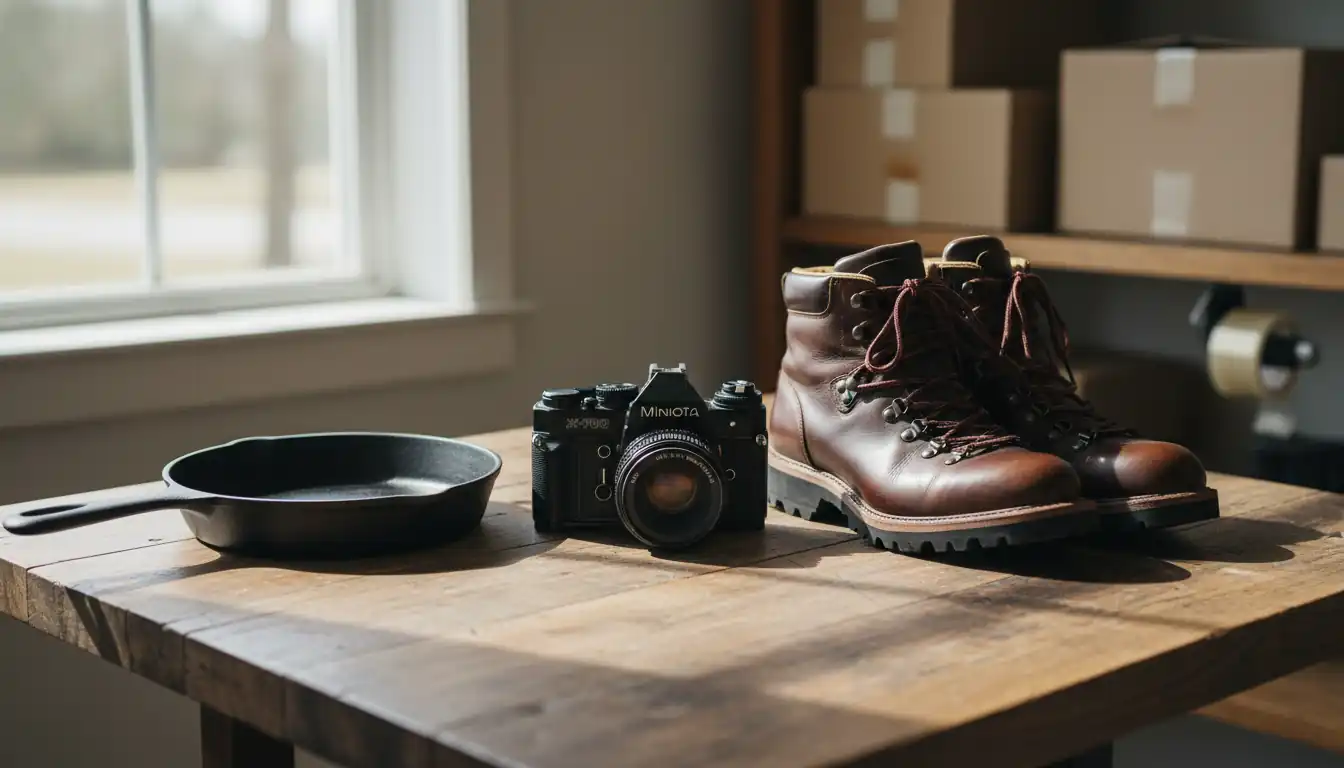
You walk into your local Goodwill and see the usual suspects: a wall of scratched "Greatest Hits" CDs, a mountain of stained Tupperware, and racks of oversized t-shirts from 5k runs held in 2012. To the untrained eye, it looks like a graveyard of unwanted junk. But to a seasoned flipper, this is a treasure map where the "X" is hidden under layers of dust and outdated floral patterns.
The difference between the person who leaves empty-handed and the person who walks out with $400 in profit tucked under their arm isn't luck. It is information. While most shoppers are looking for something they can use today, professional flippers are looking for items the rest of the world has forgotten how to value. They rely on the collective intelligence of massive online communities to spot the gold in the gravel.
Reddit has become the unofficial headquarters for this modern-day gold rush. Subreddits like r/flipping and r/thriftstorehauls act as a real-time database of what is selling, what is trending, and what is sitting on shelves waiting to be rescued. If you want to turn your weekend hobby into a serious income stream, you need to stop guessing and start following the data.
Reddit’s Most Profitable Thrift Store Categories
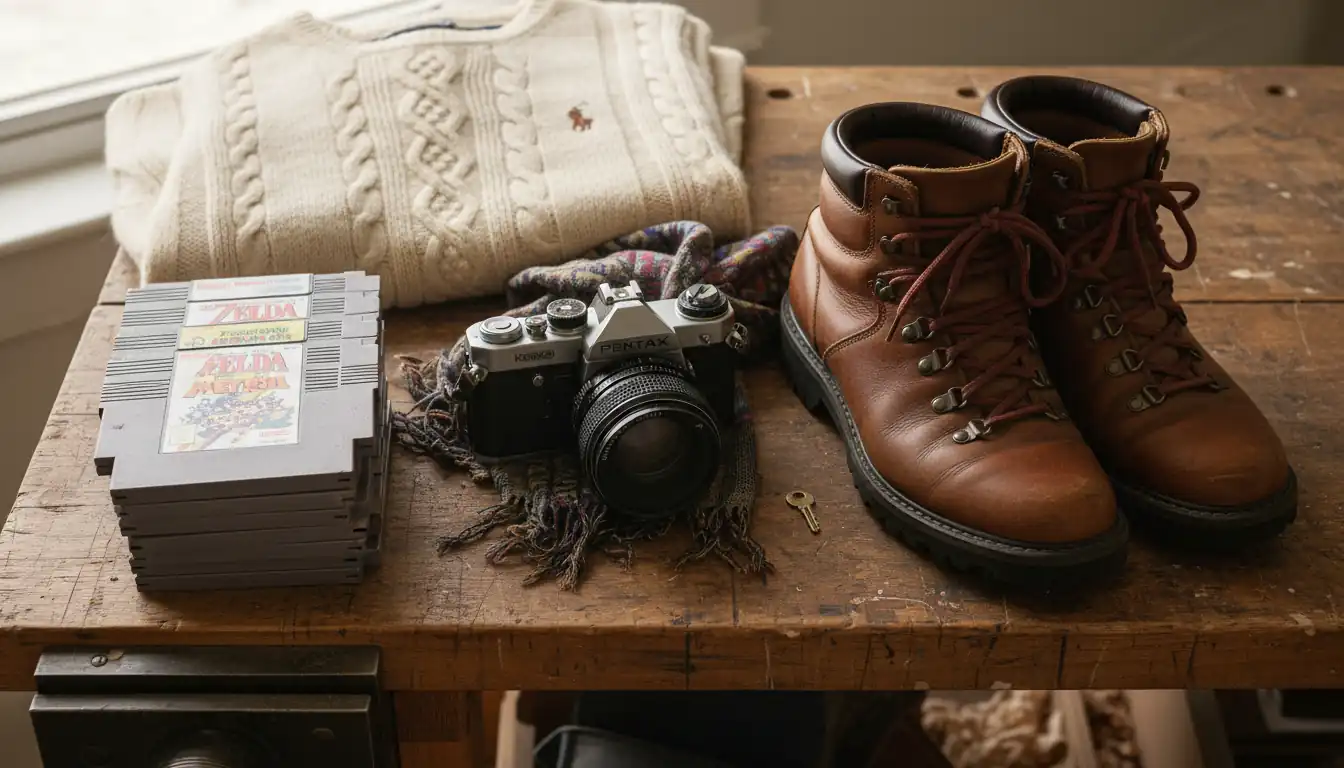
If you spend enough time scrolling through the success stories on Reddit, you’ll notice a pattern. The people making the most money aren't just buying "cool stuff." They are targeting specific niches where the gap between the thrift store price and the market value is massive. Success in flipping is about finding these inefficiencies in the market.
High-End Electronics and Vintage Tech
One of the most consistent gold mines mentioned on r/flipping is the electronics section. Most thrift store employees aren't tech experts. They see a bulky black box from 1995 and price it at $5.99 because it looks "old." However, the Reddit community knows that certain pieces of "old" tech are highly coveted by collectors and audiophiles who refuse to move into the digital age.
What thrifted items sell best? In the electronics category, the answer is often analog media players. High-end VCRs, particularly those made by Sony, Panasonic, and JVC, are in high demand. Specifically, VCR/DVD recorder combos are the "holy grail" of the electronics aisle. These units allow people to digitize their old family tapes, and because they aren't manufactured anymore, a working unit can easily fetch $150 to $300 on eBay.
Audio equipment is another heavy hitter. You want to look for "Silver Face" receivers from the 1970s. Brands like Marantz, Pioneer, and Sansui are legendary among music lovers. Even a non-working Marantz receiver can sell for hundreds of dollars to someone looking for parts or a restoration project. On the flip side, avoid "BPC" (Black Plastic Crap)—the lightweight, cheap-feeling stereo components from the late 80s and 90s that flooded the market. If it feels heavy and has a metal faceplate, it’s likely worth a Google search.
Designer Apparel and the Gen Z Thrifting Boom
If you’ve noticed the clothing racks at your local thrift store getting more crowded, you can thank Gen Z. Why is Gen Z obsessed with thrifting? It’s a combination of three factors: sustainability, individuality, and the "thrill of the hunt." This generation is hyper-aware of the environmental impact of fast fashion. They would rather wear a unique, high-quality vintage piece than a mass-produced shirt from a mall brand.
This shift has created a massive market for Y2K-era fashion. Brands that were considered "cringe" five years ago—like Von Dutch, Ed Hardy, and Juicy Couture—are now selling for premium prices on platforms like Depop. Even basic items from the early 2000s, like "baggy" skater jeans or baby tees with ironic graphics, are high-priority targets for flippers.
According to market data and the general consensus on Reddit, clothing is the most sold second hand item. It is the easiest category to enter because the inventory is endless. However, the real money is in the "hidden" quality. Redditors often post about finding "Loro Piana" cashmere sweaters or "Selvedge" denim mixed in with the Target-brand jeans. These items don't always have flashy logos, but they have a build quality that commands a high resale price.
| Category | Top Brands to Watch | Why It Sells |
|---|---|---|
| Vintage Tech | Sony, Marantz, Panasonic | Nostalgia and functional necessity for old media. |
| Y2K Fashion | Von Dutch, JNCO, Miss Me | Gen Z trend cycle and "ugly-cool" aesthetic. |
| Outdoor Gear | Patagonia, Arc'teryx, North Face | Lifetime warranties and high retail entry prices. |
| Kitchenware | Le Creuset, Pyrex (Primary Colors), Vitamix | Durability and "buy it for life" cult followings. |
Sourcing Strategies From Professional Redditors
Knowing what to buy is only half the battle. The other half is actually finding it before someone else does. Professional flippers don't just wander into a store and hope for the best. They have a tactical approach to sourcing that looks more like a military operation than a shopping trip.
Timing Your Visits for Maximum Inventory
The most common question on r/flipping is, "When is the best time to go?" While every store is different, the "pros" generally agree on a few rules. First, avoid weekends if you can. Weekends are for casual shoppers and families. The best inventory usually hits the floor on Monday, Tuesday, and Wednesday mornings. This is when stores are processing the massive influx of donations that came in over the weekend.
Another pro-tip from Reddit is to learn the "rotation" of your local store. Many thrift stores use a color-coded tag system. Every week, a certain color goes on sale for 50% off. While the 50% off items are great for margins, the real flippers are looking for the newest color. If you see a rack of clothes with a tag color that was just introduced that morning, that is where the unpicked gems are hiding.
"Don't be afraid to ask the employees when they roll out the new carts. Some stores do it at 10 AM, others do it right before closing. If you know the schedule, you can be the first one to touch the fresh inventory." — Common Reddit Sourcing Advice.
Identifying Quality in the Wild
When you are staring at a rack of 500 t-shirts, you can't check every single label. You have to develop "the hand." This is a tactile sense of quality that professional flippers use to scan through racks at high speed. You are feeling for natural fibers: silk, wool, cashmere, and heavy-weight cotton.
The General Approach to Thrifted Fashion:
- Check the Tags: Look for "Made in USA" or "Made in Italy." These are immediate indicators of higher quality or vintage status.
- The "Single Stitch" Test: If you find a vintage t-shirt, look at the hem of the sleeve. If there is only one line of stitching instead of two, it was likely made before the mid-90s. Collectors pay a premium for single-stitch shirts.
- Material Composition: Always check the internal care tag. A plain-looking sweater that is 100% cashmere is worth more than a flashy "designer" sweater that is 100% acrylic.
- Hardware Quality: On bags and jackets, feel the zippers. Are they heavy brass YKK zippers, or cheap plastic? High-end brands don't skimp on the hardware.
Beyond the items themselves, sourcing is about location. Redditors often suggest "zip code sourcing." This involves driving to the wealthiest neighborhoods in your area to visit their local thrift stores. People in affluent areas are more likely to donate high-end brands simply because they want the items out of their house, not because the items are worn out. A Goodwill in a wealthy suburb is far more likely to have a pair of Allen Edmonds shoes than one in a college town.
Identifying Hidden Gems with Advanced AI Tools
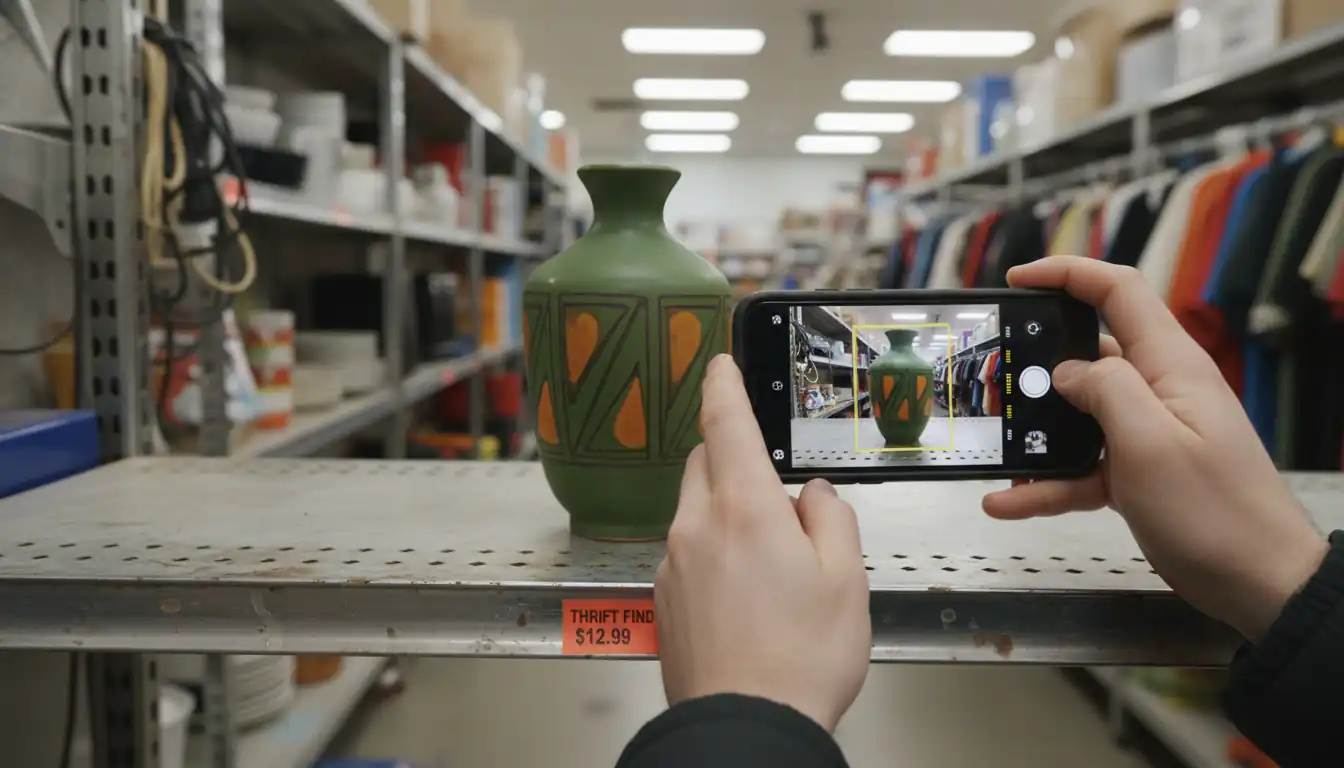
The most difficult part of flipping isn't finding a Nike shirt or a Sony VCR. It’s finding the items that have no labels, no barcodes, and no obvious branding. This is where the "big money" lives. An unbranded 19th-century Chinese vase or a mid-century modern teak figurine can be worth thousands, but 99% of flippers will walk right past them because they don't know what they are looking at.
What is the most profitable item to flip? While electronics have high volume, the highest margins usually come from unbranded antiques and collectibles. These are items that the thrift store prices at $2 because they think it’s a "dust collector," but in reality, it’s a rare piece of history.
Beyond the Google Lens Basics
Most flippers use Google Lens as their first line of defense. It’s a great tool for finding a pair of shoes or a common lamp. However, Google Lens often struggles with nuance. It might show you ten different vases that look "similar" to the one in your hand, but it won't tell you if yours is the rare hand-painted version from the 1920s or the mass-produced replica from the 1990s.
To truly scale a flipping business, you need professional-grade identification. This is where technology is changing the game for modern pickers. Instead of carrying around a library of "Price Guides for Antiques," you can now use specialized AI tools to do the heavy lifting.
Instant Appraisals with Relic
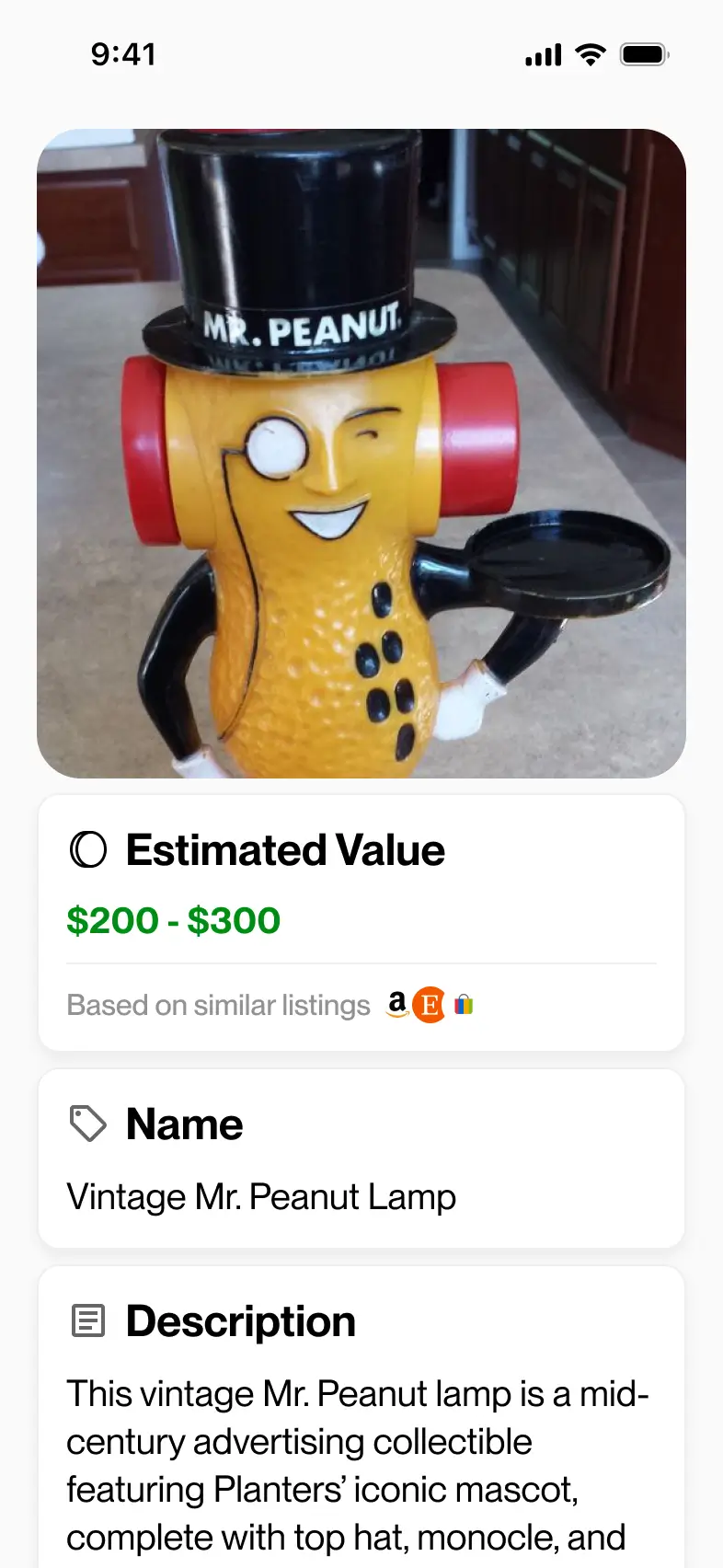
If you find yourself holding a piece of pottery with a strange mark on the bottom or an old oil painting with a faded signature, you need more than just a visual match. You need context. The Relic app is designed specifically for this scenario. It functions as a professional antique identifier that fits in your pocket.
When you take a photo of an item with Relic, the app doesn't just look for a visual twin. It uses advanced AI to analyze the item's origin, history, and real-world value. It’s like having an appraiser from an auction house standing in the aisle with you. For a flipper, this is the ultimate "secret weapon." It allows you to identify high-value items that your competitors are ignoring because they don't have the expertise to value them on the spot.
Relic provides:
- Historical Context: Knowing the "story" of an item helps you write better listings that attract serious collectors.
- Real Appraisals: Get an idea of what the item is actually worth in the current market, not just what someone is asking for it on eBay.
- Origin Identification: Determine if that "old chair" is a genuine piece of Mid-Century Modern furniture or a modern reproduction.
With over 20,000 reviews and a 4.9-star rating, it has become a staple for professional pickers and estate sale regulars. Using an app like Relic turns a "guess" into a data-driven investment.
The Art of the Flip and Platform Selection
Once you’ve sourced your items and identified their true value, the work shifts from the field to the office. You have the inventory; now you need to move it. The biggest mistake new flippers make is trying to sell everything on the same platform. Different items have different "audiences," and matching your item to the right platform is the key to maximizing profit.
Navigating eBay vs Poshmark vs Depop
Think of your selling platforms like different neighborhoods in a city. You wouldn't try to sell a vintage tractor part at a high-end fashion boutique, and you wouldn't sell a Chanel handbag at a hardware store.
eBay: The Global General Store eBay is still the king for a reason. It has the largest audience and the most robust search engine.
- Best for: Electronics, antiques, collectibles, and obscure replacement parts.
- The Strategy: Use "Calculated Shipping" to ensure you don't lose money on heavy items. Always check "Sold" listings, not "Active" listings, to see what people are actually paying.
Poshmark: The Mid-Tier Fashion Hub Poshmark is incredibly user-friendly and handles the shipping labels for you.
- Best for: Modern "mall brands" like Lululemon, Anthropologie, and Nike.
- The Strategy: Poshmark is social. You need to "share" your closet frequently to keep your items at the top of the search results.
Depop: The Gen Z Boutique If your item is "cool," "vintage," or "aesthetic," it belongs on Depop.
- Best for: Y2K fashion, vintage t-shirts, and "streetwear."
- The Strategy: Photography is everything here. Use natural light and consider "modeling" the clothes rather than just laying them flat. The more your photo looks like an Instagram post, the more you can charge.
Shipping Logistics and Avoiding Scams
Shipping is where many new flippers lose their profit. If you sell a VCR for $50 but spend $30 on shipping because you didn't box it correctly, you’ve wasted your time.
- Invest in a Scale: Don't guess the weight. A cheap digital kitchen scale can save you hundreds in shipping overages.
- Reuse Materials: Professional Redditors rarely buy new boxes. They source clean boxes from grocery stores or their own Amazon deliveries.
- The "Double Box" Rule: For fragile items like electronics or glass, always double-box. The item should be cushioned inside a small box, which is then cushioned inside a larger box.
To avoid scams, always stay within the platform. If a buyer asks to "pay you through Venmo" to save on fees, it’s a red flag. Platforms like eBay and Poshmark offer seller protection that is worth the 10-15% fee they charge.
Scaling Your Thrift Business Without Burning Out
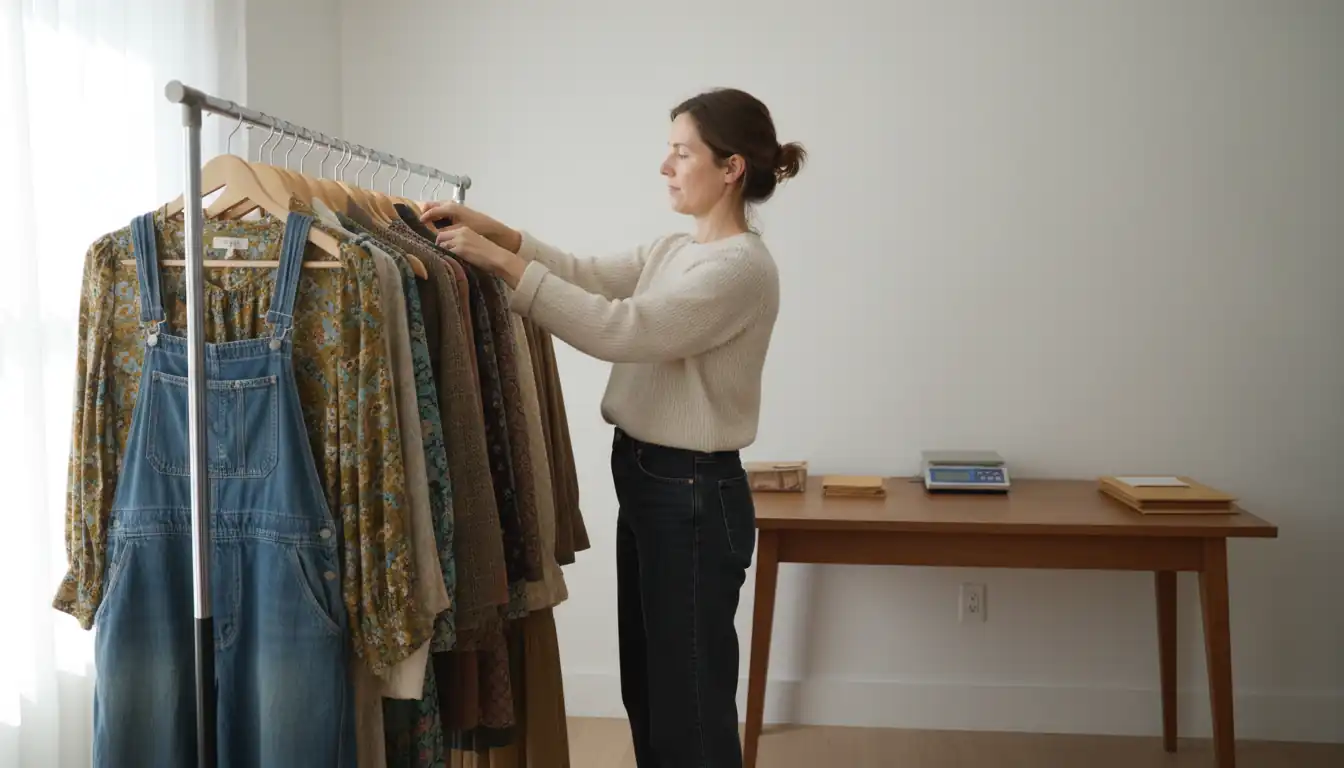
Flipping is addictive. The rush of finding a $100 item for $2 is a natural high. But if you aren't careful, your house will quickly turn into a storage unit, and your "side hustle" will start to feel like a 24/7 grind. To build a sustainable business, you need to treat it like one.
Building a Sustainable Sourcing Routine
The most successful flippers on Reddit aren't in the stores every single day. They have a "circuit." They might hit five stores on a Tuesday morning and then spend the rest of the week listing and shipping.
Tips for Long-Term Success:
- Death Piles are Real: A "death pile" is a stack of unlisted inventory. If you have more than 20 items waiting to be listed, stop sourcing. You don't have a business until the items are for sale.
- Set a Budget: It’s easy to spend $200 on "potential" profit. Start small, sell those items, and use the profit to buy your next round of inventory.
- Focus on Margins, Not Volume: It is better to sell one item for $100 profit than ten items for $10 profit each. The labor involved in cleaning, photographing, listing, and shipping ten items is ten times higher.
Community Wisdom and Subreddits to Explore
The flipping community is surprisingly open with information. While no one will tell you their "secret" honey-hole store, they are happy to help you identify a weird brand or explain a shipping glitch.
Subreddits to Explore:
- r/flipping: The main hub for general strategy and "Weekly Haul" threads.
- r/WhatIsThisWorth: Great for getting a second opinion on an unusual find.
- r/Antiques: A more academic community that can help you understand the history of older items.
- r/ThriftStoreHauls: Purely for inspiration. It shows you what is currently "out there" in the wild.
When engaging with these communities, remember the etiquette. Don't make multiple posts in a short timespan asking "Is this worth anything?" Do your own research first. Show that you’ve checked eBay sold listings or used an app like Relic to get the basics. The community is much more likely to help someone who is clearly trying to learn the craft.
Conclusion
Turning your local Goodwill into a goldmine isn't about having a "magic eye." It’s about combining old-school legwork with modern technology. By targeting the right categories—like vintage tech and Y2K fashion—and using sourcing strategies from the pros on Reddit, you can consistently find high-value items hiding in plain sight.
The real "secret" is knowing when you’ve found something special. While most people are limited by what they already know, you can use tools like the Relic app to bridge the gap. Whether it’s an unbranded piece of pottery or a mysterious antique, having an AI-powered appraiser in your pocket gives you the confidence to make the buy.
The next time you walk past a thrift store, don't just see a pile of old clothes. See the opportunity. Grab your phone, head to the back of the store, and start hunting. The gold is there—you just have to know how to see it.
Identify antiques instantly
Point your camera at any antique, collectible, or vintage item. Get valuations, history, and market insights in seconds.
Download for iPhone