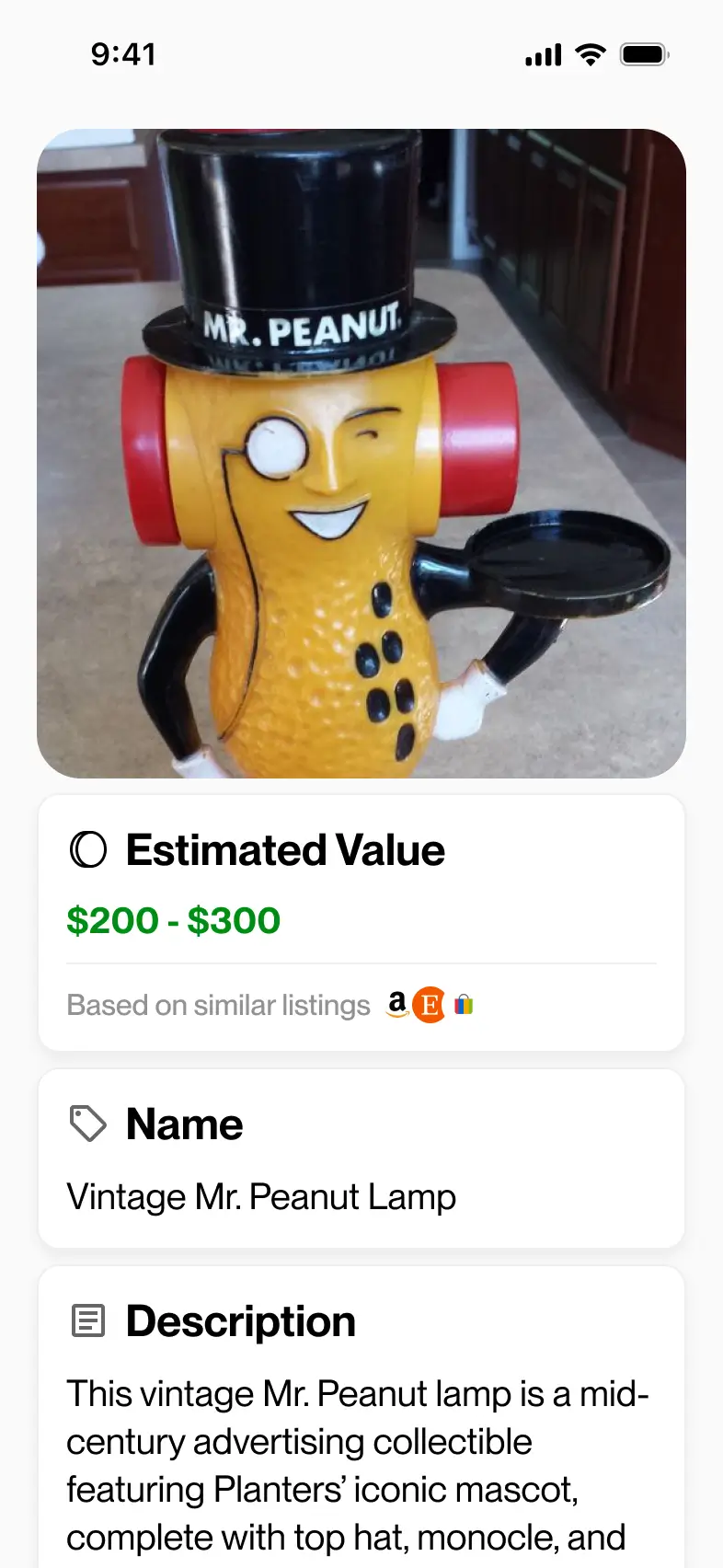
Turn Your NYC Thrifting Trip Into a Payday with These Hidden Antique Gems

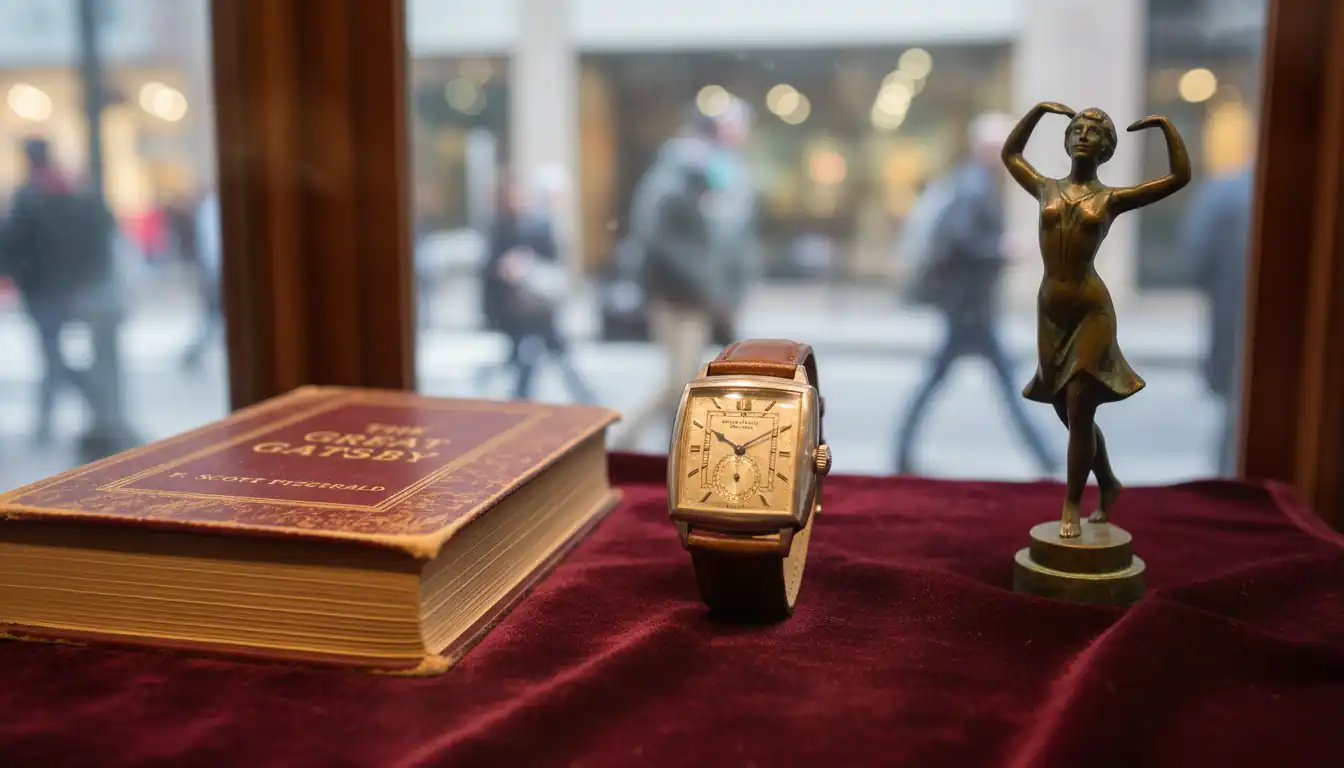
New York City is a living museum where the exhibits are actually for sale. You walk past a storefront in Chelsea or a warehouse in Williamsburg, and you are looking at pieces of history that have survived wars, economic shifts, and the simple passage of time. But how do you know if that dusty brass lamp is a mid-century masterpiece or a mass-produced knockoff from a decade ago?
The difference between a "good find" and a life-changing payday often comes down to a few millimeters of craftsmanship or a hidden maker’s mark. In a city where real estate is measured in inches, every item on a shelf has to earn its keep. This guide will show you how to navigate the high-stakes world of Manhattan galleries and the rugged archives of Brooklyn to find the gems others miss.
By the time you finish reading, you will understand the distinct "personalities" of New York’s antique districts. You will know where to look for investment-grade furniture, how to spot rare Japanese-curated Americana, and how to use modern technology to ensure you never overpay for a reproduction again.
Manhattan Elite Curiosities and Rare Collectibles
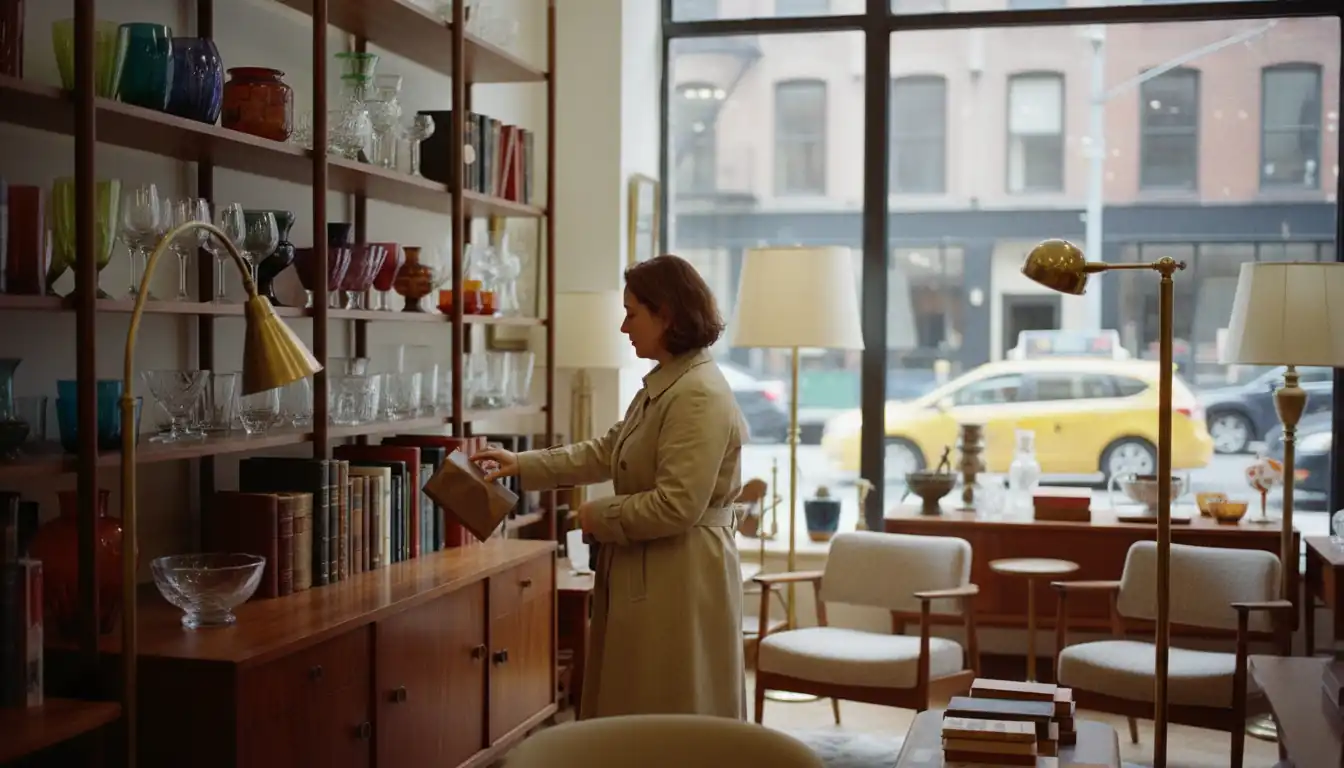
Manhattan’s antique scene is defined by curation and prestige. Here, you aren't just buying an object; you are buying a pedigree. The shops in districts like Chelsea and the Upper West Side operate more like private galleries than retail stores, where the "weight" of history is palpable in every polished surface.
Mid Century Modern Marvels at Mantiques Modern
If you want to understand the "masculine" luxury aesthetic that dominates high-end Manhattan interiors, Mantiques Modern is your starting point. Located in the heart of Chelsea, this isn't a place for delicate lace or floral patterns. Instead, you are greeted by the cold gleam of chrome, the warmth of brushed brass, and the architectural lines of high-design furniture.
The inventory here feels like the office of a 1960s industrial tycoon. Think oversized globes, leather-bound club chairs, and lighting fixtures that look like they belong in a Bond villain’s lair. The pieces are bold, heavy, and unapologetically expensive.
- Material Focus: Look for heavy metals like bronze and steel paired with exotic woods.
- Design Pedigree: You will often find names like Karl Springer or Tommi Parzinger here.
- Investment Value: These items are bought by interior designers for elite clients; they hold their value because of their scarcity and "statement" nature.
The air in Mantiques Modern is thick with the scent of polished wood and old money. It is a masterclass in how to present antiques as modern luxury. Every item has been vetted for its "cool factor," making it a favorite for those looking to add a sense of history to a contemporary penthouse.
Timeless Elegance at More and More Antiques
A short trip uptown brings you to a completely different world. More and More Antiques on the Upper West Side feels like stepping into a Victorian curiosity shop that has been frozen in time. While Mantiques Modern is about power and industry, More and More is about whimsy and intricate detail.
The shelves are packed with silver-topped walking sticks, delicate porcelain, and seasonal decorations that look like they were pulled from a 19th-century storefront. It is the kind of place where you might find a rare set of apothecary jars or a hand-painted screen from a French estate.
- Victorian Charm: Focus on items with intricate carvings and hand-finished details.
- Eclectic Mix: The shop specializes in "small" treasures—items that fit on a mantle or in a display case.
- Seasonal Rarities: They are famous for high-end vintage holiday ornaments that collectors hunt for year-round.
Manhattan antiquing is about the "investment" piece—items that have already been filtered through an expert's eye before they ever hit the floor.
As you move from the polished galleries of Manhattan toward the East River, the atmosphere begins to change. The "polish" of the city gives way to something more rugged. You are moving from the world of the "curated gallery" to the world of the "industrial find."
Brooklyn Industrial Relics and Vintage Textiles
Crossing the bridge into Brooklyn shifts the narrative from investment-grade furniture to "wearable history" and functional industrial design. In neighborhoods like DUMBO and Williamsburg, the hunt is less about finding a signed piece of furniture and more about finding the "perfect" version of a common object. Brooklyn requires more digging, but the rewards are often more personal.
Workwear and Americana at Front General Store
Front General Store in DUMBO is a testament to the Japanese obsession with American history. The shop is meticulously organized, but it retains a rugged, utilitarian feel. This isn't "thrift" in the traditional sense; it is a highly curated archive of what makes American clothing and hardware iconic.
You will find rows of perfectly faded Levi’s, military jackets with original patches, and deadstock hardware that looks like it was pulled from a 1940s factory. The "cool factor" here is off the charts because the owners have an eye for the "authentic" patina that only comes with decades of actual use.
- Japanese Curation: The owners look for specific washes and fits that are highly sought after in the global vintage market.
- Functional History: Look for old Zippo lighters, vintage eyewear, and rugged leather goods.
- DUMBO Aesthetic: The shop reflects the neighborhood’s industrial past, focusing on items that are built to last another hundred years.
Textile Treasures at 10 ft Single by Stella Dallas
If Front General Store is a curated archive, 10 ft Single by Stella Dallas is a vast ocean of fabric. Located in Williamsburg, this shop is legendary among designers and vintage enthusiasts for its sheer volume. The front of the store is a well-organized collection of wearable vintage, but the back room is where the real "payday" items live.
In the back, you will find rare textiles, antique quilts, and clothing that dates back to the early 20th century. It is overwhelming in the best way possible. You might find a 1930s varsity sweater hanging next to a pile of indigo-dyed fabric from the 1800s.
- Volume and Variety: Be prepared to spend hours looking through racks of denim, wool, and cotton.
- Rare Textiles: This is a primary sourcing location for fashion designers looking for "inspiration" pieces.
- The "Find": Because of the volume, things occasionally get mispriced or overlooked, rewarding the patient hunter.
| Neighborhood | Vibe | Best For |
|---|---|---|
| Chelsea | Professional/Elite | High-end furniture & lighting |
| Upper West Side | Whimsical/Classic | Victorian curios & silver |
| DUMBO | Rugged/Curated | Americana & workwear |
| Williamsburg | Massive/Eclectic | Textiles & rare denim |
Brooklyn is where you go to find the soul of the city’s industrial past. It is a place for people who aren't afraid to get a little dust on their hands to find a piece of history that they can actually wear or use every day.
Spotting Real Value in a Sea of Reproductions
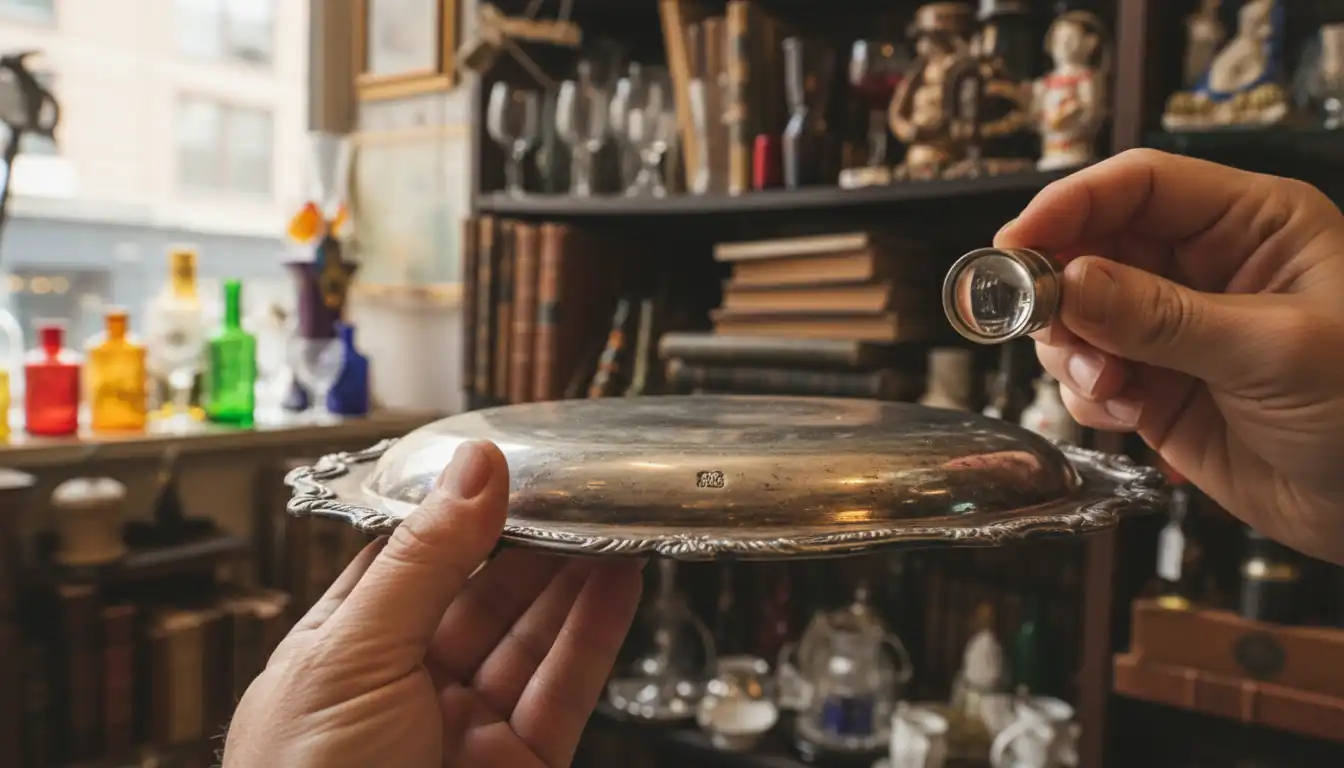
The biggest challenge for any collector in New York is the "reproduction trap." Because the demand for vintage aesthetics is so high, the market is flooded with items designed to look old but lacking any actual historical value. How do you tell the difference between a 1920s Art Deco lamp and a 1990s "tribute" piece when you’re standing in a crowded shop?
The secret lies in the details that machines can't easily replicate: the way a screw is turned, the specific wear on a wooden joint, or the chemical composition of a glaze. But most of us aren't walking encyclopedias of 19th-century manufacturing techniques.
Identifying Authentic Markings with AI Technology
This is where the modern collector has a massive advantage over the "pickers" of the past. You no longer have to rely on your gut feeling or a bulky reference book. Tools like the Relic app have effectively put a professional appraiser in your pocket.
When you encounter an item that looks "too good to be true," you can simply take a photo. Relic uses advanced AI to analyze the item’s form, markings, and patina. It can identify a specific maker’s mark that might be partially obscured by years of grime, telling you instantly if you are looking at a rare piece of Roseville pottery or a mass-produced vase from a big-box store.
- Instant History: The app provides the origin and era of the item in seconds.
- Maker's Marks: It can cross-reference thousands of historical hallmarks and signatures.
- Visual Analysis: The AI looks for "tells" in construction that indicate age, such as hand-dovetailed joints versus machine-cut ones.
Real Time Appraisals While You Shop
Knowledge is power, but in the world of antiquing, knowledge is also money. Knowing an item is "old" isn't enough; you need to know what it’s worth in the current market. Prices in New York can vary wildly from one block to the next.
Using Relic allows you to see real-time appraisals and market insights. If a shop in Brooklyn is asking $400 for a vintage industrial stool, you can quickly check if similar items are selling for $150 or $1,500. This level of transparency changes the dynamic between the buyer and the seller. You aren't just a tourist; you are an informed collector with data to back up your negotiations.
- Market Insights: Access a searchable catalog of scanned items to see what the market is actually paying.
- One-Touch Scanning: Quick appraisals mean you can scan dozens of items in a single trip without slowing down.
- Confidence: Knowing the "real" value of an item prevents the "buyer's remorse" that comes from overpaying for a reproduction.
The most successful collectors aren't the ones who know everything; they are the ones who know how to use the best tools to verify what they see.
By empowering yourself with technology, you turn the "hunt" into a calculated investment strategy. You can walk into any shop in the city—from the most expensive Manhattan gallery to the most cluttered Brooklyn basement—and know exactly what you are looking at.
Beyond the Storefront at Auction Houses and Coin Dealers
Once you have mastered the retail shops, it is time to step into the "pro" level of the New York antique world. This is where the stakes are higher, the pace is faster, and the items are often museum-quality. Auction houses and specialized dealers operate under a different set of rules than your neighborhood vintage store.
High Stakes Bidding at Phillips Auction House
Phillips is one of the "Big Three" auction houses in New York, and it is the place to go if you are looking for 20th-century and contemporary design. The atmosphere here is electric. Unlike a shop where you can haggle, an auction is a public declaration of value.
Items at Phillips are vetted by world-class experts, but they are sold "as-is." This means the burden of due diligence is on you. You have to attend the "preview days" to inspect the items in person before the bidding starts. It is a high-energy environment where a single nod of the head can mean a five-figure purchase.
- Museum Quality: Many items sold here will eventually end up in private collections or museums.
- The Preview: Use this time to inspect the condition of the items closely.
- The Gavel: Auctions move fast; you need to have your maximum price set in stone before the first lot is called.
Numismatic Rarities at Vieira Coins and Collectibles
For a completely different pace, visit Vieira Coins and Collectibles. This is the world of numismatics—the study and collection of currency. It is a quiet, expert-driven environment where value is measured in grams and rarity.
A single coin no larger than a quarter can be worth more than an entire room full of furniture. At Vieira, the focus is on "grading"—the professional assessment of a coin’s condition. Even a tiny scratch that is invisible to the naked eye can shave thousands of dollars off the price.
- Specialized Knowledge: This is a world of microscopic details and historical minting records.
- Portable Wealth: Coins and rare paper money are some of the most "liquid" antiques you can own.
- Expert Guidance: Dealers like Vieira provide a level of expertise that takes decades to acquire.
| Venue Type | Atmosphere | Pricing Style |
|---|---|---|
| Retail Shop | Relaxed/Browsing | Fixed (sometimes negotiable) |
| Auction House | High-energy/Formal | Competitive bidding |
| Coin Dealer | Quiet/Academic | Based on market spot price & rarity |
Moving into the world of auctions and specialized dealers requires a higher level of preparation. You are no longer just "thrifting"; you are participating in a global market of high-value assets.
One Stop Sourcing at the Manhattan Art and Antique Center
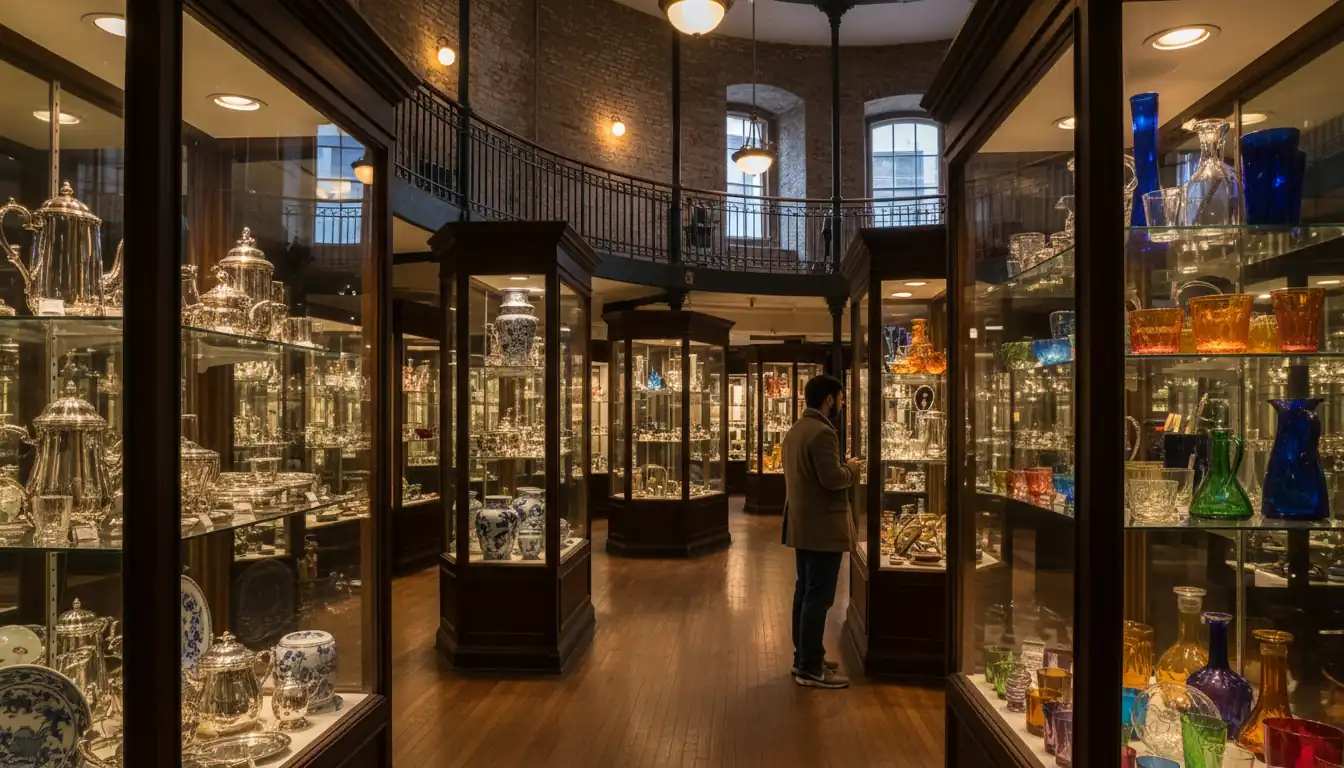
If you want to experience the full spectrum of the New York antique world without walking ten miles, there is only one place to go: The Manhattan Art and Antique Center. Often called "The Arcade," this massive complex on 2nd Avenue is the largest antique center in the United States.
It houses over 100 independent galleries across three levels. It is a "metropolis" of antiquing where you can find everything from 17th-century Japanese armor to Art Deco jewelry and mid-century silver.
Exploring the Multi Level Gallery Experience
Navigating the Center can be overwhelming if you don't have a plan. The galleries are tucked away in a labyrinthine layout that rewards exploration. Each "stall" is actually a specialized business with its own curator.
- Level 1: Generally features more accessible items, jewelry, and decorative arts.
- Level 2 & 3: This is where you find the heavy hitters—specialists in Asian antiquities, European furniture, and fine art.
- The "Vibe": It feels like a high-end bazaar where every corner reveals a new specialty.
The beauty of the Center is the density of expertise. If you find a piece of silver and want to know more about it, there is likely a silver specialist just three doors down who can tell you exactly when and where it was made.
Finding Niche Specialists Under One Roof
The Center is the ultimate "final exam" for a collector. Because there are so many items in such a small space, your ability to spot value is put to the test. You might see a shelf of "blue and white" porcelain; to the untrained eye, it all looks the same. But to a specialist, one of those plates might be a rare Ming Dynasty piece while the others are 19th-century exports.
- Niche Expertise: You will find galleries that only sell clocks, or only sell ancient coins, or only sell 18th-century French tapestries.
- Networking: This is the best place in the city to meet dealers and build relationships.
- Applying Your Tools: This is the perfect environment to use the Relic app. With so many items in one place, you can quickly scan pieces that catch your eye to see if you’ve found a hidden gem among the thousands of objects.
The Manhattan Art and Antique Center is where the "hunt" becomes an education. You can see more high-quality antiques in two hours here than you would in two weeks anywhere else.
By the time you walk out of the Center, you will have a much better sense of what you are drawn to as a collector. Whether it is the precision of a Swiss watch or the bold lines of a Mid-Century chair, the "Arcade" has it all.
Conclusion
New York City is a treasure map, but the "X" is always moving. From the polished, masculine luxury of Mantiques Modern to the rugged, textile-heavy aisles of 10 ft Single by Stella Dallas, the city offers a payday for anyone with a sharp eye and the right tools.
Success in the antique world isn't about luck; it's about information. You have to know the difference between a reproduction and a rarity, and you have to know where the pros shop. By combining the "boots on the ground" experience of visiting these iconic shops with the "expert in your pocket" power of the Relic app, you are no longer just a casual shopper. You are a collector with the data to back up your passion.
Your Next Steps:
- Download Relic: Get the app on your iPhone so you're ready to identify and appraise finds on the fly.
- Pick a District: Start with either the "Manhattan Polish" of Chelsea or the "Brooklyn Grit" of Williamsburg.
- Inspect the Details: Look for maker's marks, joinery, and patina—and use Relic to verify what you find.
The next time you see a dusty item in a corner of a New York shop, don't just walk by. Take a photo, check the history, and see if you’ve just found your next big payday. Happy hunting!
Identify antiques instantly
Point your camera at any antique, collectible, or vintage item. Get valuations, history, and market insights in seconds.
Download for iPhone