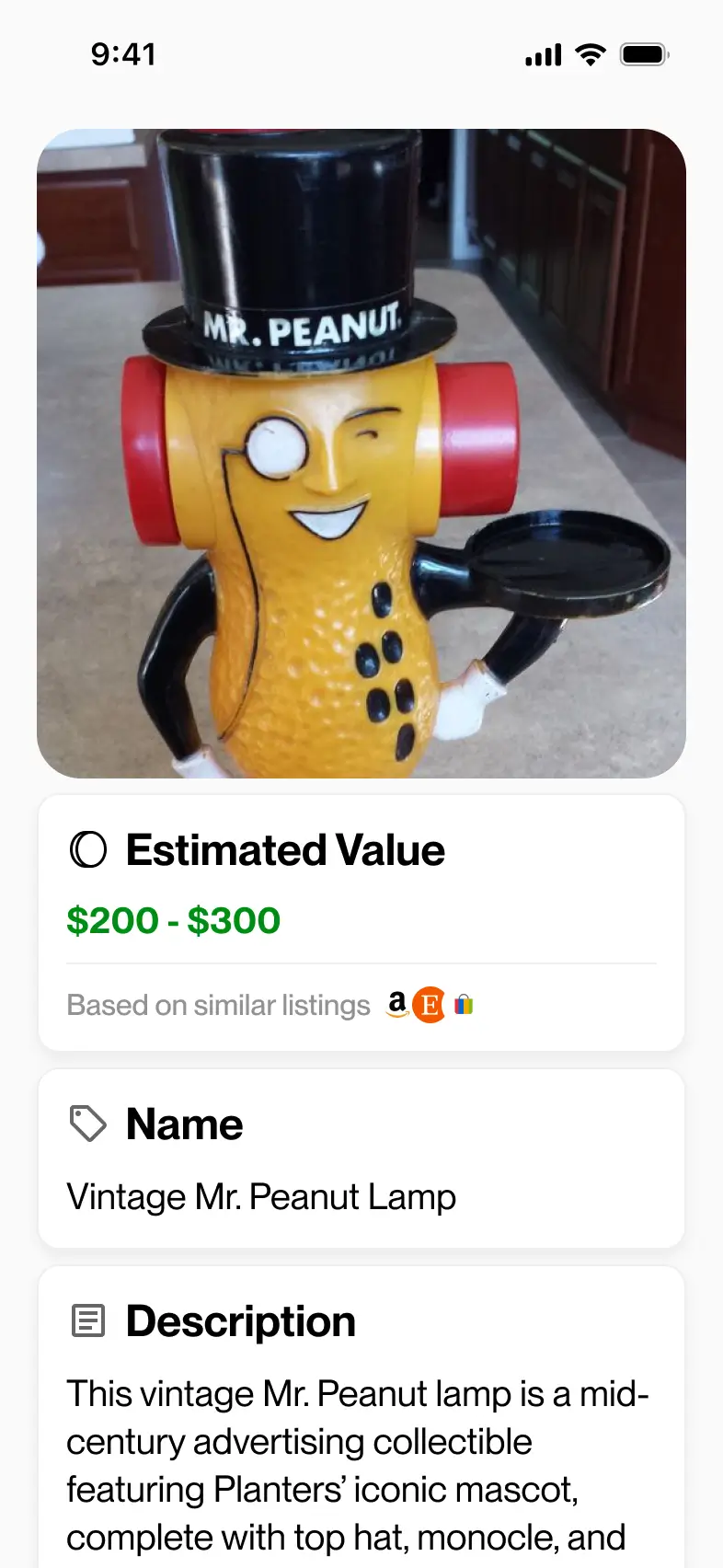
Turn Your Phone Into a Professional Appraiser: The Secret to Finding Antique Value in Seconds

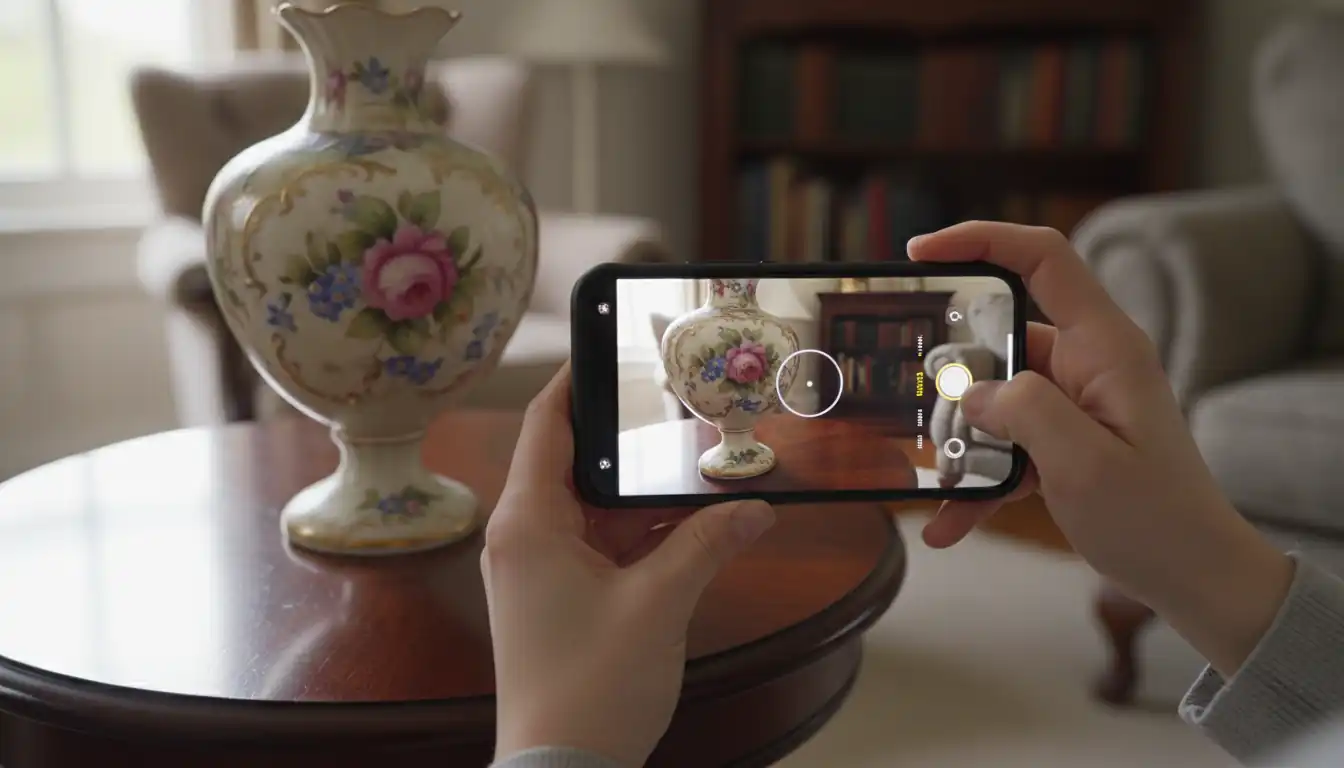
You are standing in a dusty corner of an estate sale, holding a heavy, tarnished silver bowl. You see a faint marking on the bottom, but you can’t quite make it out. Is this a piece of mass-produced plated ware from the 1970s, or have you just discovered a Paul Revere original worth thousands? In the past, answering that question required a library of reference books, a magnifying glass, and a trip to a professional appraiser.
The barrier between a casual hobbyist and a seasoned expert has vanished. Your smartphone is no longer just a communication device; it is a sophisticated optical laboratory capable of identifying artifacts that have been lost to history for decades. By combining high-resolution optics with advanced data processing, you can now uncover the story behind almost any object in the time it takes to send a text message.
This guide will show you how to master the technical side of digital identification and understand the technology making it possible. You will learn how to vet the tools you use for safety and accuracy, and most importantly, how to interpret the financial data these tools provide. Whether you are a weekend picker or a serious collector, the ability to find value in seconds is a skill that will fundamentally change how you see the world of antiques.
Mastering the Art of the Digital Appraisal Shot
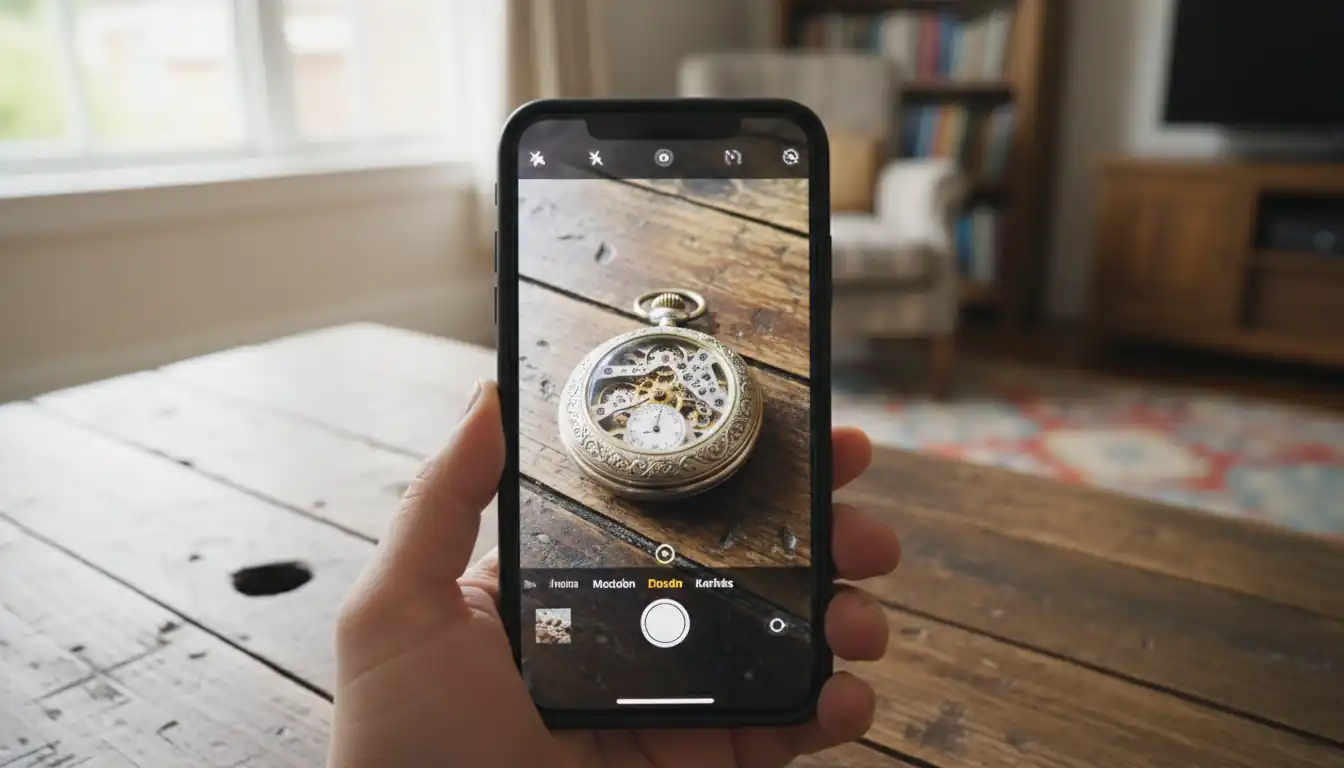
How do I take a picture of something and find out what it's worth? This is the most common question for anyone standing in front of a mystery object. The answer doesn't start with an app; it starts with your ability to capture data. An AI identification tool is only as good as the visual information you feed it. If your photo is blurry, poorly lit, or cluttered, the most advanced software on earth will struggle to give you an accurate result.
Think of your smartphone camera as a bridge between the physical object and a digital brain. To cross that bridge successfully, you need to provide a clear, unobstructed path. This requires a shift in mindset from "taking a snapshot" to "documenting an artifact."
Capturing the Perfect Image for AI Analysis
The first rule of digital appraisal is to eliminate distractions. If you take a photo of a vase sitting on a busy floral tablecloth, the software has to work twice as hard to separate the object from the background. Use a neutral, solid-colored surface. A plain white sheet, a grey piece of poster board, or even a clean wooden floor works best. This creates high contrast, allowing the identification algorithms to trace the exact silhouette of the item.
Lighting is your most powerful tool. Avoid using your phone's built-in flash, as it creates "hot spots"—harsh reflections that wash out the texture of ceramics or the fine details of silverware. Instead, use diffused, natural light. Position your item near a window, but not in direct sunlight. If you are indoors at night, use a lamp with a neutral white bulb and place a thin white cloth over it to soften the glow. This reveals the "skin" of the antique, showing the crazing in porcelain or the patina on bronze that helps determine age.
Essential Angles and Lighting for Accurate Identification
One photo is rarely enough for a professional-grade identification. You need to provide a 360-degree view of the item’s "anatomy." Start with a straight-on profile shot to establish the overall form. Then, move to the "underside." For furniture, ceramics, and glassware, the bottom of the piece often holds more information than the top. This is where you’ll find maker’s marks, wear patterns, and evidence of hand-tooling.
The secret to a successful digital appraisal lies in the details that the human eye often misses. Macro photography of hallmarks and signatures provides the "fingerprint" the AI needs to verify authenticity.
If your item has a hallmark—those tiny stamped symbols on silver or gold—you must use your phone’s macro setting. Get as close as possible while maintaining focus. If your phone struggles to focus up close, back away slightly and use the 2x optical zoom rather than the digital zoom. This preserves the resolution of the image, ensuring that the tiny curves of a silversmith’s stamp are sharp enough for the software to read.
| Feature | Best Practice | Why It Matters |
|---|---|---|
| Background | Solid, neutral color | Prevents "visual noise" and helps AI define shape. |
| Lighting | Diffused natural light | Eliminates glare and reveals true texture/color. |
| Angles | Profile, Top, Bottom, and Detail | Provides a complete structural map of the item. |
| Hallmarks | Macro/Close-up focus | Acts as a unique identifier for origin and date. |
The Evolution of AI in Antique Identification
Once you have captured a high-quality image, the heavy lifting shifts from your hands to a complex network of algorithms. The technology behind modern antique identification has moved far beyond simple "reverse image searching." While a standard search engine looks for visually similar pictures on the web, dedicated identification tools use neural networks trained specifically on the history of material culture.
These neural networks function like a digital apprentice that has studied millions of auction records, museum catalogs, and historical archives. When you upload a photo, the AI doesn't just see a "brown chair." It analyzes the joinery, the type of wood grain, the specific curve of the cabriole leg, and the oxidation of the hardware. It compares these features against a massive database to find a match in style, period, and manufacturer.
How Neural Networks Recognize Historical Artifacts
The process begins with "feature extraction." The AI breaks your photo down into thousands of tiny data points. It looks for patterns that are characteristic of specific eras. For example, the way a specific 18th-century potter applied a glaze has a distinct "visual signature." The AI can recognize the chemical composition suggested by the color and the way the light hits the surface.
This technology is particularly effective at identifying "orphaned" items—pieces that have no labels or obvious markings. By analyzing the proportions and construction methods visible in your photo, the software can often narrow down the origin to a specific region or decade. It is the difference between guessing that a rug is "old" and knowing it was woven in a specific village in Persia during the late 19th century.
The Relic Advantage: Real-Time Appraisals and Origin Stories
This is where specialized tools like Relic come into play. While general-purpose visual search tools might tell you that you’re looking at a "clock," Relic is designed to tell you that you’re looking at an 1880s French Mantel Clock with a Japy Frères movement. Relic uses its advanced AI to provide a real appraisal, history, and origin of the item based on the specific data points captured in your photo.
The app bridges the gap between raw data and actionable knowledge. Instead of giving you a list of similar-looking items on a shopping site, it provides a comprehensive breakdown of what the item is, where it came from, and what it is worth in the current market. For a professional dealer or a dedicated collector, this instant access to a searchable catalog of scanned items means you can conduct market research in the field, making informed decisions on the fly without having to leave the showroom floor.
Navigating the App Ecosystem Safely and Effectively

As the popularity of AI-driven tools grows, the marketplace has become crowded with options. However, not all apps are created equal, especially when it comes to how they handle your personal data and the accuracy of the information they provide. When you use an app to identify an antique, you are often uploading high-resolution photos that may contain metadata, such as your GPS location.
Before you download any tool, you must look past the marketing claims and examine the "About this app" section in the App Store. A professional tool should be transparent about its data practices. You want to know if your photos are being stored on a private server to improve the AI, or if they are being sold to third-party marketing firms who want to know what kind of valuables you have in your home.
Understanding Data Safety and App Privacy
Data safety is a significant concern in the digital appraisal space. When you take a photo of an expensive heirloom, that image is a piece of sensitive information. Look for apps that prioritize user privacy and offer clear opt-out options for data sharing. Reliable apps will often have a "Data Safety" badge that indicates they do not share data with third parties and that your data is encrypted in transit.
- Encryption: Ensure the app uses industry-standard encryption to protect your uploads.
- Location Services: Check if the app requires your GPS location. While some apps use this to provide local market data, it should not be a requirement for basic identification.
- Account Deletion: A trustworthy app will allow you to easily delete your account and all associated photo data whenever you choose.
Interpreting Ratings and Reviews for Honest Results
Ratings and reviews are a goldmine of information, but you have to know how to read between the lines. An app with a 4.9-star rating from over 20,000 reviews, like Relic, suggests a high level of user satisfaction and a consistent track record of accuracy. However, always look for the "substance" in the reviews.
Are users praising the app’s ability to identify obscure marks? Do they mention the helpfulness of the app support team? Be wary of apps that have thousands of five-star reviews but very little written feedback, or reviews that sound repetitive and robotic. Genuine users will often share stories about how the app helped them identify a specific item or saved them from making a bad purchase. If you see a pattern of complaints regarding "hidden fees" or "inaccurate valuations," take those as a warning sign.
Comparing the Digital Marketplace for Antique Tools
The world of antique identification isn't a one-size-fits-all environment. Depending on where you are in the world and what you are collecting, different tools may serve you better. While some apps are generalists, others are built to handle the specific nuances of regional artifacts.
For instance, an app that excels at identifying American Mid-Century Modern furniture might struggle with 15th-century Ming Dynasty porcelain or traditional African beadwork. The "training data" used to build the AI determines its expertise. As a user, you should look for tools that have a global reach and a diverse database.
Similar Apps and Market Alternatives
There are several players in the digital identification space, each with its own strengths. General identifiers like Google Lens or Pinterest Lens are great for finding "lookalikes" or shopping links, but they often lack the historical depth required for a true appraisal.
Other apps like ToyMe focus specifically on the vintage toy market, providing niche data that a generalist might miss. Histora is another alternative that leans heavily into the storytelling aspect of objects. However, for those who need a balance of professional-grade identification and market value, Relic remains a top choice because of its focus on providing a "real appraisal" rather than just a visual match.
Global Reach: Accessibility from Asia to the Middle East
The antique market is truly global, and your tools should be too. Accessibility across different regions like Africa, India, and the Asia Pacific is crucial. A collector in Mumbai looking at a colonial-era British silver set needs an app that understands both Indian hallmarks and European export marks.
The most effective appraisal tools are those that integrate global auction data, ensuring that the "value" provided isn't just based on one local market, but reflects international demand.
Many modern apps now offer localized versions and databases that include regional artifacts. This is particularly important for "pickers" and importers who travel internationally. Having a tool that works as well in a Parisian flea market as it does in an antique mall in Tokyo is a massive advantage. When evaluating an app, check if its "Analytics" features allow you to track your collection's value across different currencies and markets.
| App Type | Best For | Key Limitation |
|---|---|---|
| General Search | Finding similar decor/furniture | Lacks historical context and appraisal value. |
| Niche Identifiers | Specific categories (Toys, Coins, Stamps) | Limited use for general antique hunters. |
| Professional AI (Relic) | Comprehensive appraisal and history | Requires high-quality photos for best results. |
| Marketplace Apps | Checking current "asking" prices | Does not provide expert-level identification. |
The Financial Reality of App-Based Valuations
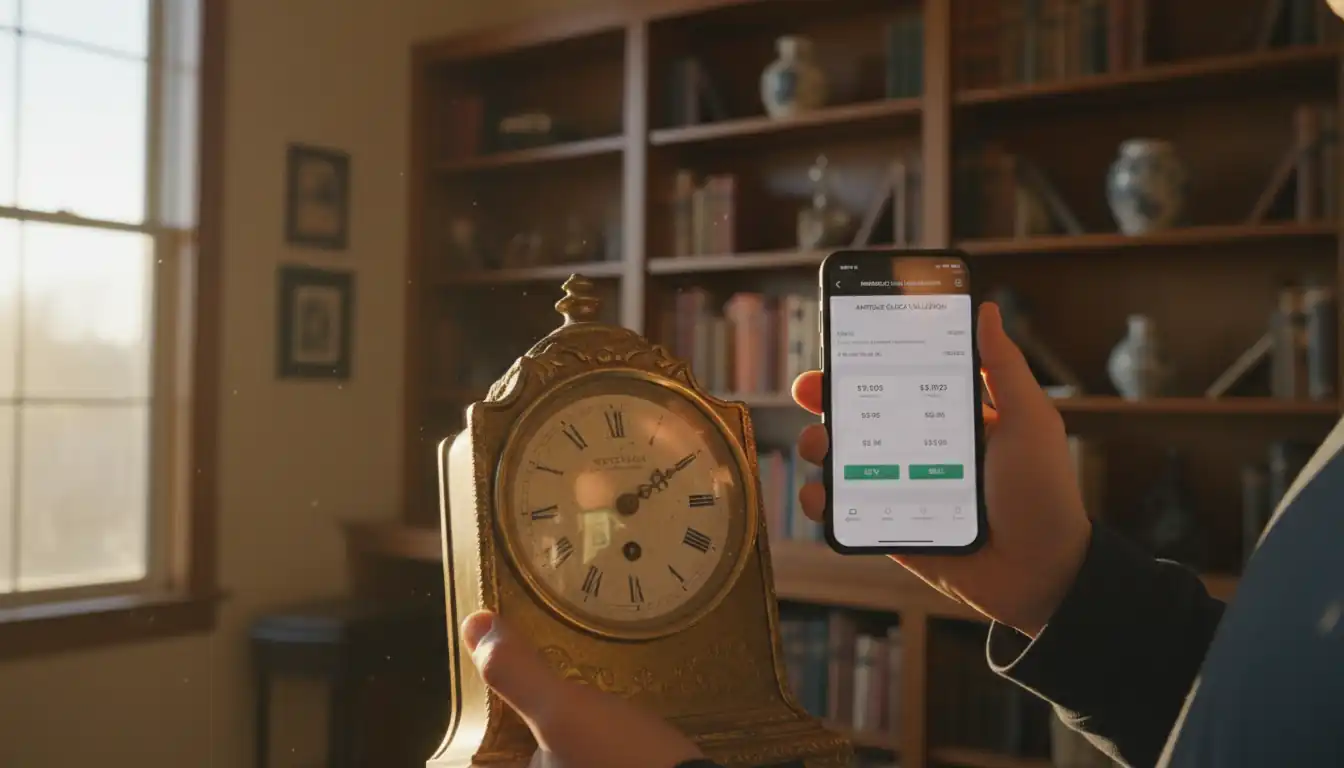
Understanding the "value" of an antique is the most complex part of the process. One of the biggest mistakes new collectors make is assuming that an item has a single, fixed price. In reality, "value" is a fluid concept that depends entirely on the context of the sale.
When an app provides you with a valuation, it is usually pulling data from recent sales. But what kind of sales? There is a massive difference between what an item sells for on a "buy it now" eBay listing and what it might fetch at a high-end auction house in New York. To use these tools effectively, you must understand the different tiers of valuation.
Distinguishing Between Market Value and Insurance Value
Most apps provide what is known as Fair Market Value (FMV). This is the price that a willing buyer and a willing seller would agree upon in an open market. It is the most realistic "cash in hand" price you can expect if you were to sell the item today.
However, if you are looking to protect your collection, you need to consider Replacement Value. This is the amount it would cost to go out and buy the exact same item (or a near-identical one) in a retail environment in a short amount of time. Replacement value is almost always higher than market value because it accounts for the convenience and guarantee of a retail purchase.
Finally, there is Liquidation Value. This is the "I need the money tomorrow" price. If you take your item to a pawn shop or a quick-sale auction, you will likely receive significantly less than the fair market value.
When to Transition from AI to a Human Expert
While AI has become incredibly accurate, it is not infallible. There are certain scenarios where a digital appraisal should only be your first step, not your last.
- High-Value Items: If an app like Relic indicates that your item is worth more than $2,000, it is time to consult a certified human appraiser. For items of significant value, you need a signed, legal document for insurance riders or tax-deductible donations.
- Legal and Estate Matters: AI appraisals are generally not admissible in court for estate settlements or divorce proceedings. You need a professional who belongs to an organization like the Appraisers Association of America (AAA).
- Complex Provenance: If an item’s value depends heavily on who owned it (provenance) rather than just what it is, a human researcher is necessary to verify the paper trail.
AI is your scout—it goes out into the field, identifies the opportunities, and gives you a baseline. But for the "big wins," you want a human expert to provide the final seal of approval.
Conclusion
The days of leaving your antique discoveries to chance are over. By mastering the technical requirements of a digital appraisal shot—focusing on lighting, angles, and clarity—you provide the necessary data for advanced AI to work its magic. Tools like Relic have transformed the smartphone into a professional-grade resource, offering instant history, origin, and valuation that was once the exclusive domain of elite dealers.
However, as you navigate this new digital landscape, remember to prioritize your data safety and remain critical of the information you receive. Use AI as a powerful first line of defense to filter out the common from the rare, and understand the nuances of market value versus insurance value.
Your next step is simple: the next time you see an object that piques your curiosity, don't just wonder about its story. Clear off a table, find some natural light, and let your phone reveal the secret history hidden in plain sight. The world is full of forgotten treasures; you now have the tool to find them.
Identify antiques instantly
Point your camera at any antique, collectible, or vintage item. Get valuations, history, and market insights in seconds.
Download for iPhone