Turn Your Weekend Goodwill Haul Into a $500 Side Hustle


You walk into a local thrift store and see a sea of discarded objects. To most people, it looks like a room full of clutter. To a seasoned reseller, that same room looks like a series of mathematical equations waiting to be solved. The difference between a hobbyist who makes twenty dollars and a professional who clears five hundred in a weekend isn't luck. It is a combination of data, discipline, and the right tools.
Turning a weekend haul into a legitimate side hustle requires moving past the "treasure hunt" mentality. While finding a rare artifact is exciting, sustainable income comes from understanding margins and market demand. You are not just buying old things; you are acquiring inventory for a retail business. This distinction changes how you spend your time and your money.
In the following guide, we will break down the mechanics of building a resale business from the ground up. You will learn how to calculate true profitability, where to find items that others overlook, and how to use technology to bridge the gap between a beginner and an expert. By the time you finish reading, you will have a roadmap to transform your local Goodwill visits into a high-margin revenue stream.
The Reseller Mindset and Profitability Reality Check
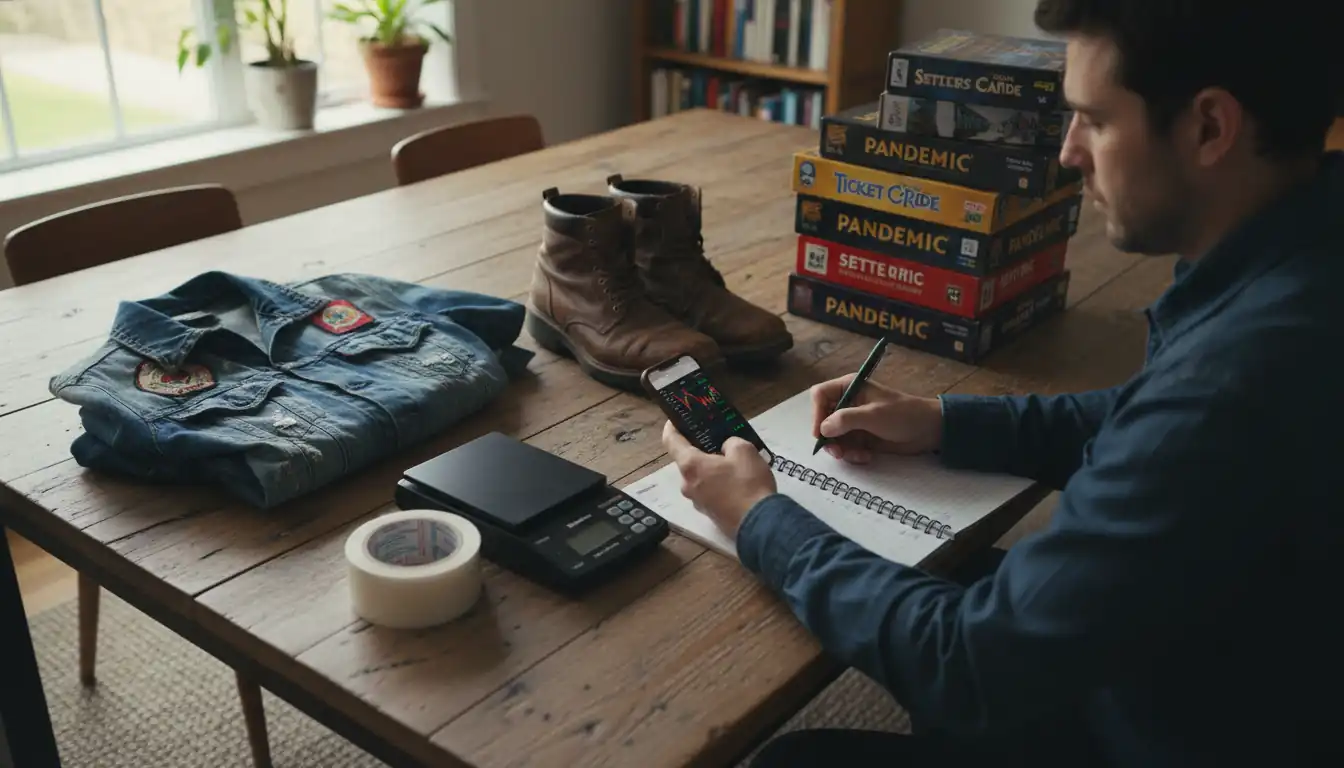
Many people ask, how profitable is thrift flipping? The answer depends entirely on your ability to see past the sticker price. If you buy a lamp for $10 and sell it for $40, you haven't made $30. In the world of professional reselling, that $30 is a "gross spread" that will quickly be eroded by the realities of doing business. To make this a viable side hustle, you must treat every purchase as a cold, calculated investment.
Profitability in this industry is a volume and margin game. You are looking for items where the potential return justifies the time spent sourcing, cleaning, photographing, and shipping. A $5 profit on a t-shirt might be fine if you can list it in two minutes, but a $20 profit on a heavy oak chair might be a bad investment if it takes three hours to coordinate a pickup. Understanding your "hourly rate" is the first step toward a professional mindset.
Calculating Real ROI Beyond the Price Tag
To understand your true profit, you need to account for the "hidden" costs of reselling. These are the expenses that turn a seemingly great find into a break-even chore. When you are standing in the aisle of a thrift store, you should be running a mental calculation that includes more than just the purchase price.
- Cost of Goods Sold (COGS): This is the literal price you paid at the register. Always keep your receipts, as these are tax-deductible business expenses.
- Platform Fees: Most marketplaces take a significant cut. eBay generally takes around 13%, while Poshmark takes a flat 20% for sales over $15.
- Payment Processing: Some platforms charge an additional fee to process the buyer's credit card.
- Shipping Supplies: Boxes, tape, bubble wrap, and tissue paper aren't free. Even if you reuse boxes, the cost of high-quality packing tape adds up over dozens of shipments.
- Your Time: This is the most overlooked cost. If it takes you an hour to drive to a store, an hour to find an item, and an hour to list it, a $20 profit means you are working for less than minimum wage.
| Expense Category | Estimated Impact | How to Minimize |
|---|---|---|
| Marketplace Fees | 10% - 20% | Choose the platform that fits your niche's price point. |
| Shipping Supplies | $1 - $5 per item | Buy in bulk or source free boxes from local businesses. |
| Returns/Losses | 1-3% of sales | Provide highly accurate descriptions and clear photos. |
| COGS | Variable | Shop on "tag sale" days or visit outlets for weight-based pricing. |
Choosing Your Primary Sales Platform
Where you list your items is just as important as what you buy. Each platform has a different "vibe," a different buyer demographic, and a different fee structure. You should choose your primary platform based on the type of inventory you enjoy sourcing and the amount of effort you want to put into the social aspect of selling.
eBay remains the undisputed king for vintage items, collectibles, and hard goods. It has the largest global reach and a sophisticated search engine. If you find a specific vintage camera or a rare piece of pottery, eBay is likely where you will get the highest price because you are reaching a worldwide audience of specialists.
Poshmark and Depop are more community-focused and lean heavily toward fashion and aesthetic home decor. Poshmark is known for its "social" selling—you'll need to "share" your listings and engage with other users to stay visible in the algorithm. Depop is the go-to for "cool" vintage, Y2K aesthetics, and trendy streetwear.
Facebook Marketplace is the best option for large, heavy items like furniture. Since the transactions are usually local and cash-based, you avoid shipping headaches and platform fees. However, you have to deal with the "is this still available?" messages and the risk of "no-shows" for pickups.
Mastering the Hunt for High-Value Hidden Gems
Once you understand the math, the next question is: what are the best items to resell from thrift stores? While clothing is the most common entry point, the real money is often found in categories that require a bit more specialized knowledge. Furniture and vintage home decor are high-margin categories because they are often priced based on their "used" utility rather than their "vintage" value.
A thrift store manager might price a solid wood mid-century modern side table at $15 because it has a few scratches. To a collector, that same table is a $200 piece of history. The key to making $500 in a weekend is finding these "discrepancy items"—pieces where the thrift store's perceived value is significantly lower than the market's actual value.
Identifying Quality in Furniture and Home Decor
When you are hunting for furniture, you need to look past the dust and the outdated upholstery. You are looking for "bones." High-quality furniture from the mid-20th century was built to last several lifetimes, unlike the particle-board furniture common in big-box stores today.
- Check the Joinery: Look for dovetail joints in drawers (interlocking wedge-shaped cutouts). This is a hallmark of quality craftsmanship. If a drawer is just stapled or glued together, it’s likely a mass-produced, lower-value item.
- Material Matters: Feel the weight. Solid wood, brass, and heavy stone have a "heft" that plastic and veneers lack. Bring a small magnet with you; if it sticks to a "gold" lamp, the lamp is just plated steel. If it doesn't stick, it might be solid brass.
- Look for Maker's Marks: Check the undersides of chairs, the backs of dressers, and the bottoms of ceramics. A faded stamp or a small paper label can be the difference between a $10 generic vase and a $300 piece of signed art pottery.
"The goal isn't to find what's pretty; the goal is to find what's valuable. Often, the ugliest, most 'outdated' items in a thrift store are the ones with the highest resale value because they are rare survivors of a specific era."
Using AI to Spot Valuable Antiques Instantly
The biggest barrier for new resellers is the "knowledge gap." It takes years to learn the difference between a mass-produced 1990s reproduction and a genuine 1920s Art Deco piece. This is where modern technology has leveled the playing field. You no longer need to carry a library of identification books in your trunk.
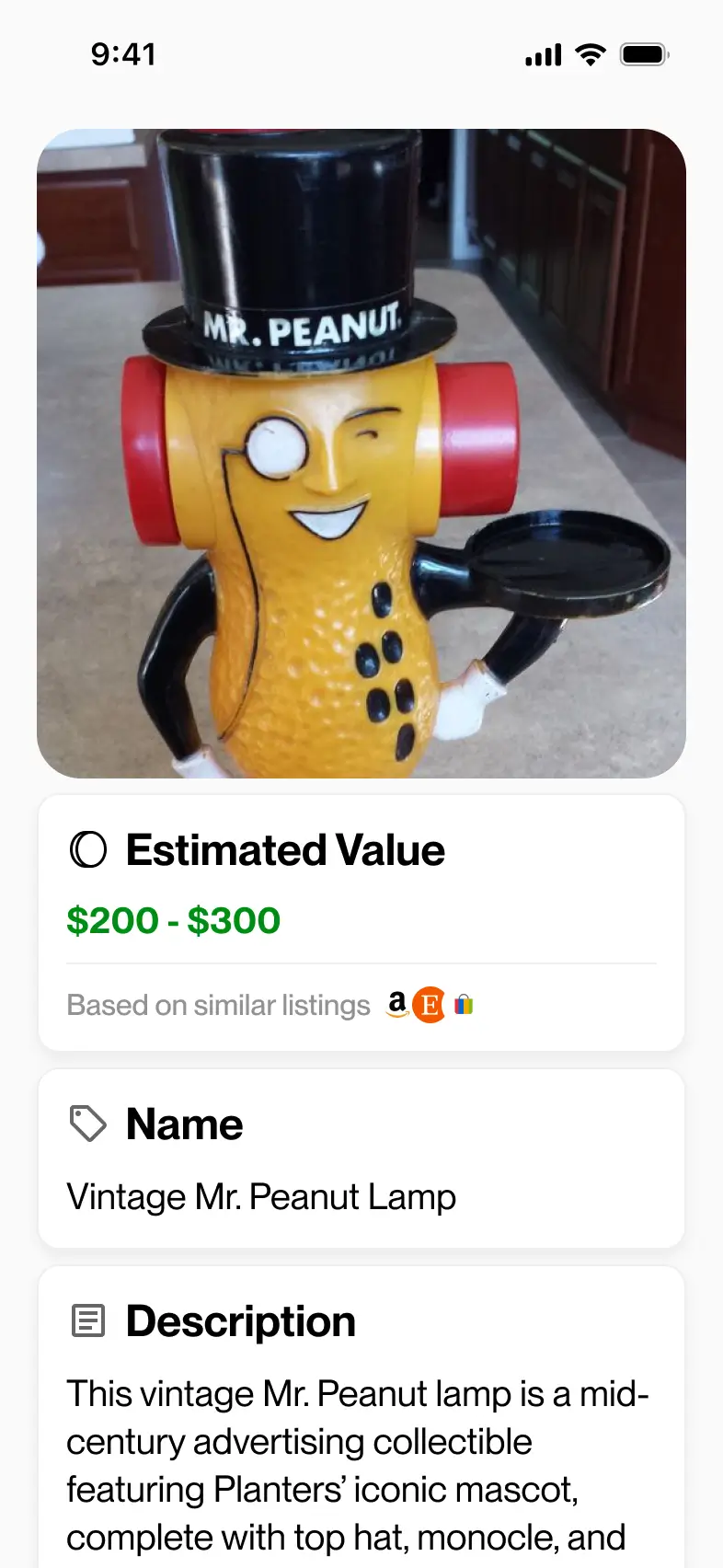
When you encounter a mysterious piece of pottery or a strange-looking clock, you can use the Relic app to get an instant identity check. By simply taking or uploading a photo, Relic uses advanced AI to provide a real appraisal, history, and origin of the item. This is a massive advantage in a fast-paced thrift store environment where you might only have seconds to decide on a purchase.
Instead of guessing if a glass bowl is "depression glass" or just a modern kitchen scrap, Relic can identify the pattern and the manufacturer. It provides the historical context that justifies a higher price point when you eventually list the item. Using an antique identifier like Relic allows you to source with the confidence of a seasoned dealer, ensuring you never leave a high-value "hidden gem" on the shelf because you didn't recognize its significance.
Strategic Sourcing Beyond Your Local Goodwill
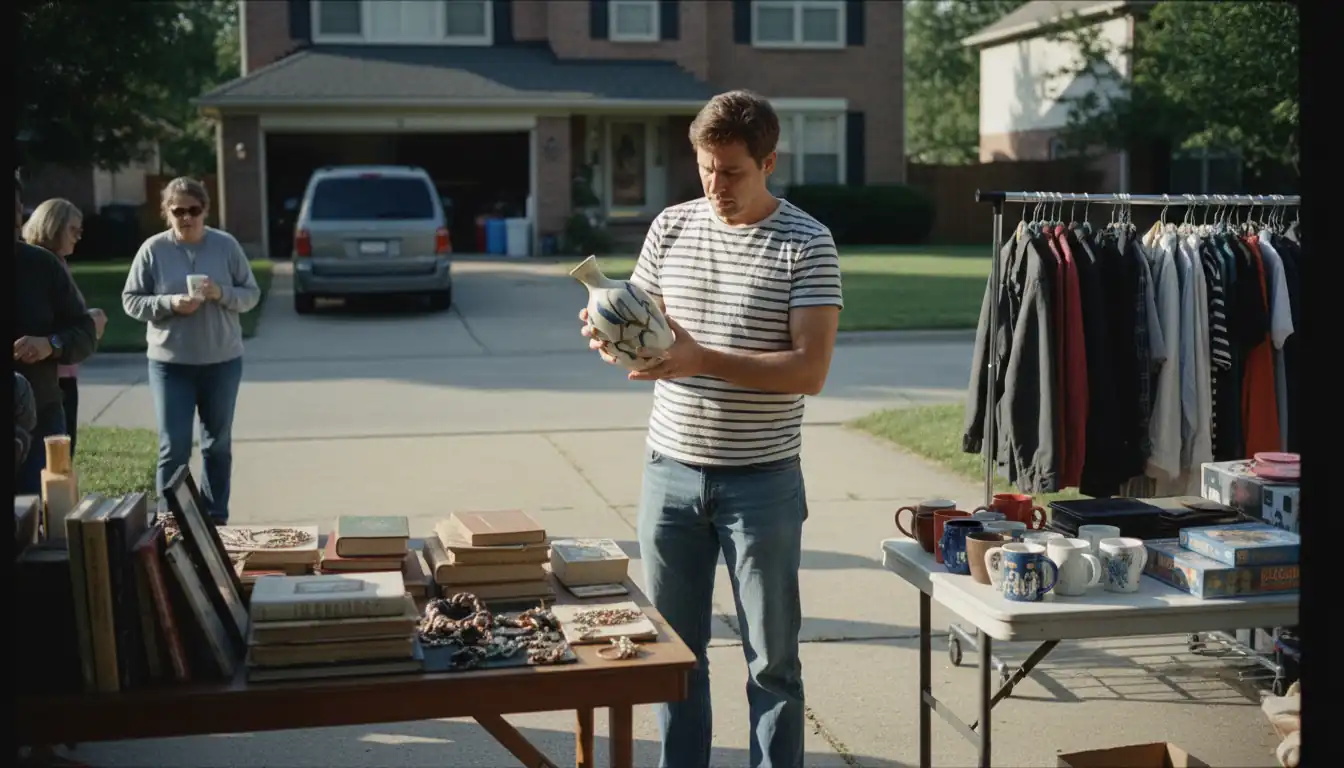
If you are wondering, how do I start thrift flipping?, the first step is diversifying your sourcing. If you only go to the most popular Goodwill in town on a Saturday afternoon, you are competing with dozens of other resellers. To find the items that lead to a $500 weekend, you need to go where the inventory is fresh and the competition is thin.
Successful flipping is about building a "sourcing circuit." This is a planned route of various locations that you visit on a schedule. By diversifying where you look, you increase the odds of finding different types of inventory. Some days you might find high-end furniture at an estate sale; other days you might find bulk clothing at a "bins" outlet.
Mapping a Diverse Sourcing Circuit
To build a sustainable business, you need to look beyond the standard retail thrift store. Each type of sourcing location requires a different strategy and a different set of tools.
- Estate Sales: These are often the "gold mine" for resellers. Since you are walking through a person's entire home, you find items that haven't been "picked over" by thrift store employees. Go on the first day for the best selection, or the last day for the best prices (often 50% off).
- The "Bins" (Goodwill Outlets): This is where items go if they don't sell in the retail stores. Everything is thrown into giant blue rolling bins and sold by the pound. It is chaotic and requires gloves, but the margins are astronomical. You might pay $1.50 for a vintage jacket that sells for $60.
- Church Rummage Sales: These are often seasonal and run by volunteers. They are usually priced to move inventory quickly, and you can find incredible deals on home goods and linens.
- Online Auctions: Sites like HiBid or even local Facebook "Porch Pickup" groups can be sourced from your couch. The key here is looking for "bad" listings—items with blurry photos or poor descriptions that others might overlook.
The Art of the Quick Scan and Sell-Through Rates
When you are sourcing, time is your most valuable asset. You cannot research every single item in the store. You need to develop the "quick scan"—the ability to look at a shelf and pick out the three items worth investigating. Once you've identified a potential winner, you need to check its sell-through rate.
The sell-through rate is a metric that tells you how popular an item is. On eBay, you can do this by searching for an item and then filtering by "Sold Items." If you see 100 listings for "Vintage Blue Vase" but only 5 have actually sold in the last 90 days, that item has a low sell-through rate. It might be valuable, but it will sit on your shelf for months.
You are looking for the "sweet spot": items with a high sell-through rate and a healthy profit margin. A 50% sell-through rate (meaning half of the items listed actually sell) is generally considered excellent for a reseller. This data-driven approach ensures that your $500 weekend haul doesn't turn into $500 worth of clutter sitting in your garage.
Creating Listings That Command Premium Prices
Finding the item is only half the battle. To actually realize your profit, you have to convince a stranger on the internet to give you their hard-earned money. This is where many hobbyists fail. They take one blurry photo on a messy carpet and wonder why their item isn't selling.
Professional listings are about building trust. Because the buyer cannot touch the item, your photos and descriptions must act as their eyes and hands. You are not just selling an object; you are selling the assurance that the object is exactly what you say it is.
The Anatomy of a High-Conversion Product Photo
You don't need a professional studio, but you do need to follow a few basic rules of photography. The goal is "clean and clear."
- Natural Light is Your Best Friend: Take your photos near a large window during the day. Avoid using your camera's flash, as it creates harsh shadows and "hot spots" on shiny surfaces.
- Neutral Backgrounds: Use a plain white or light gray backdrop. A simple foam board from a craft store or a clean bedsheet works wonders. You want the buyer's eyes on the item, not your laundry in the background.
- Capture the Flaws: This sounds counterintuitive, but showing a scratch or a chip actually increases sales. It builds trust. If a buyer sees that you are honest about a small flaw, they believe your description of the rest of the item's "excellent condition."
- The "Hero" Shot: Your first photo should be the most attractive, showing the entire item. Subsequent photos should include close-ups of labels, textures, and any imperfections.
Writing SEO-Driven Descriptions That Sell
Your description needs to do two things: help people find your item (SEO) and answer all their questions so they feel confident buying. This is where the historical data you gathered earlier becomes a powerful sales tool.
When you use Relic to identify an item, you aren't just getting a price; you are getting a story. Instead of writing "Old Green Plate," you can write "Authentic 1930s Uranium Glass Salad Plate in the 'Princess' Pattern by Hocking Glass." The latter sounds authoritative and justifies a premium price.
- Keyword Loading: Think about what a buyer would type into a search bar. Include the brand, material, era, color, and style (e.g., "Mid-Century Modern," "Boho," "Industrial").
- Dimensions are Mandatory: Always include measurements. A buyer needs to know if that vintage mirror will actually fit over their vanity.
- Condition Grading: Use a consistent scale (New With Tags, Excellent Used Condition, Good, Fair). Be specific about what "Good" means—is there fading? Pilling? A slight "old house" smell?
A professional description doesn't just describe the item; it describes the value and history of the item, turning a commodity into a collectible.
Logistics and Scaling Your Resale Business
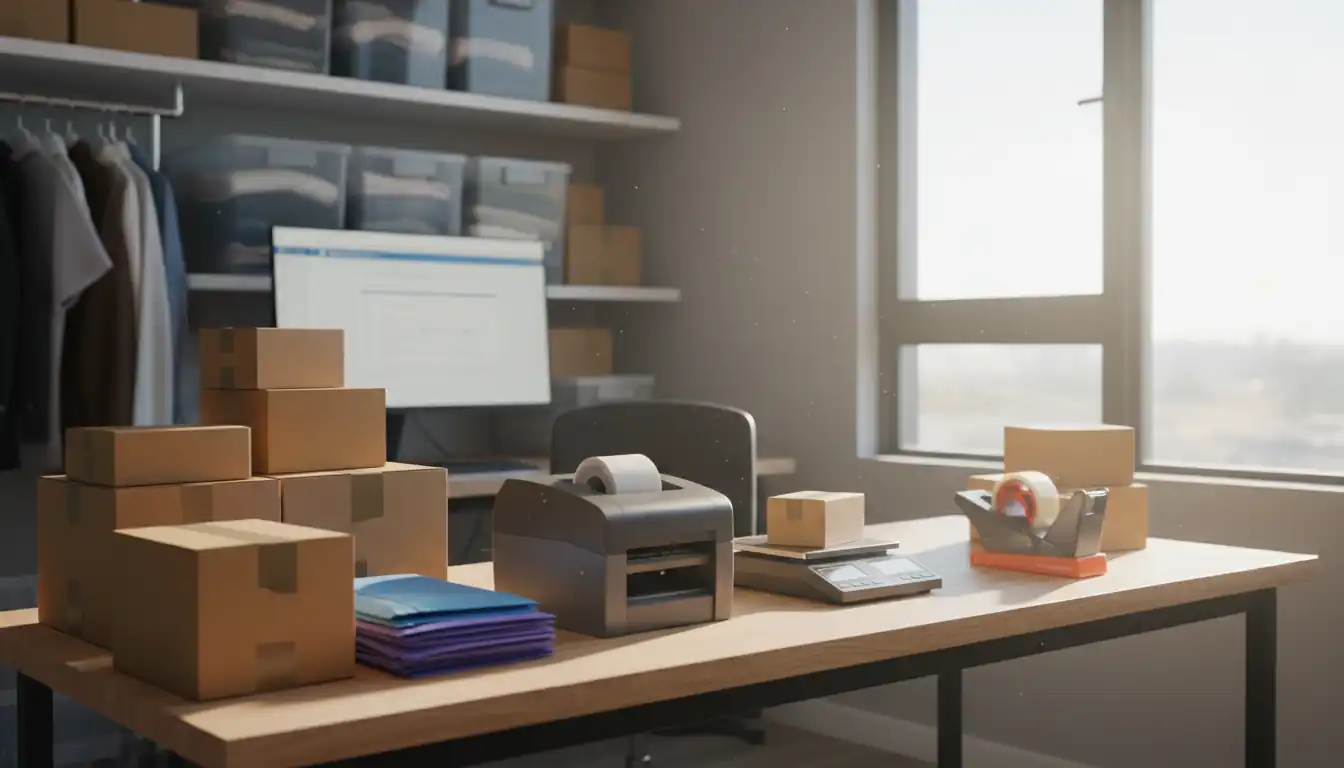
The final stage of turning your haul into a $500 side hustle is the "unsexy" part: logistics. If you sell ten items in a weekend but spend four hours struggling to find boxes and standing in line at the post office, your profit margin is being eaten by inefficiency. To scale, you must treat shipping as a streamlined process rather than an afterthought.
As you grow, you will also want to move away from "random" flipping. The most successful resellers eventually settle into a niche. By specializing in a specific category—like vintage kitchenware, 90s sportswear, or brass decor—you become an expert faster, your sourcing becomes more efficient, and you can build a brand that attracts repeat buyers.
Streamlining Shipping and Packaging Workflows
Shipping is often the biggest hurdle for new sellers. The key is to have a "shipping station" ready before you even list your first item. You don't want to be scrambling for a box once an item has already sold.
- Invest in a Scale: A digital postal scale is inexpensive and essential. Guessing the weight of a package will lead to either overpaying for shipping or getting "postage due" notices that annoy your customers.
- Thermal Printers: If you find yourself selling more than five items a week, a thermal label printer is a game-changer. It prints adhesive labels without using ink, saving you money and the hassle of taping paper labels to boxes.
- Free Supplies: Did you know the USPS will deliver Priority Mail boxes to your house for free? Use these for your heavier or more expensive items, but remember they can only be used for Priority Mail.
- The "Box Nest": Keep a variety of box sizes on hand. For fragile items, the "box-in-a-box" method is the gold standard: wrap the item in bubble wrap, put it in a small box, then put that box inside a larger box surrounded by packing peanuts.
| Essential Supply | Purpose | Pro Tip |
|---|---|---|
| Digital Scale | Accurate weight for labels | Always weigh the item inside the shipping box. |
| Poly Mailers | Lightweight for clothing | Use "tear-proof" mailers to prevent damage. |
| Bubble Wrap | Protecting breakables | Buy large rolls; the small retail sheets are too expensive. |
| Measuring Tape | Calculating box dimensions | Carriers charge by "dimensional weight" if the box is large. |
Building a Brand for Long-Term Growth
Once you have the basics down, think about the "look and feel" of your online shop. A curated shop with a specific aesthetic can charge 20-30% more than a "garage sale" style shop. This is called "brand building."
When a buyer visits your eBay or Poshmark store, they should see a consistent style of photography and a clear niche. If they bought a vintage brass candlestick from you and loved it, they are likely to come back if they see you have a whole collection of curated brass items. This creates "repeat customers," which are the holy grail of any business.
You can also use your Relic scan history to build a digital catalog of your expertise. By keeping track of the items you've identified and sold, you begin to see patterns in what the market wants. This data-driven approach allows you to stop "guessing" what will sell and start "knowing." Scaling isn't about working more hours; it's about making sure every hour you spend sourcing is backed by market intelligence.
Conclusion
Thrift flipping is one of the few side hustles where you can start with $50 and turn it into $500 through sheer knowledge and effort. It is a business that rewards the curious and the disciplined. By shifting your mindset from "buying stuff" to "managing inventory," you set the foundation for a sustainable income stream.
Remember that your greatest assets are your eyes and your tools. While anyone can walk into a thrift store, not everyone can see the $200 designer chair hiding under a $20 price tag. Use technology like the Relic app to bridge your knowledge gaps, focus on high-margin categories like furniture and decor, and treat your shipping logistics with professional rigor.
Your next step is simple: pick a Saturday morning, map out a circuit of three local thrift stores or estate sales, and go in with a plan. Don't look for everything—look for quality. Scan the marks, check the joinery, and use your data to make informed buys. The "hidden gems" are out there; you just need to be the one who knows how to find them.
Identify antiques instantly
Point your camera at any antique, collectible, or vintage item. Get valuations, history, and market insights in seconds.
Download for iPhone