Turn Your Weekend Thrifting Into a $2,000 Side Hustle

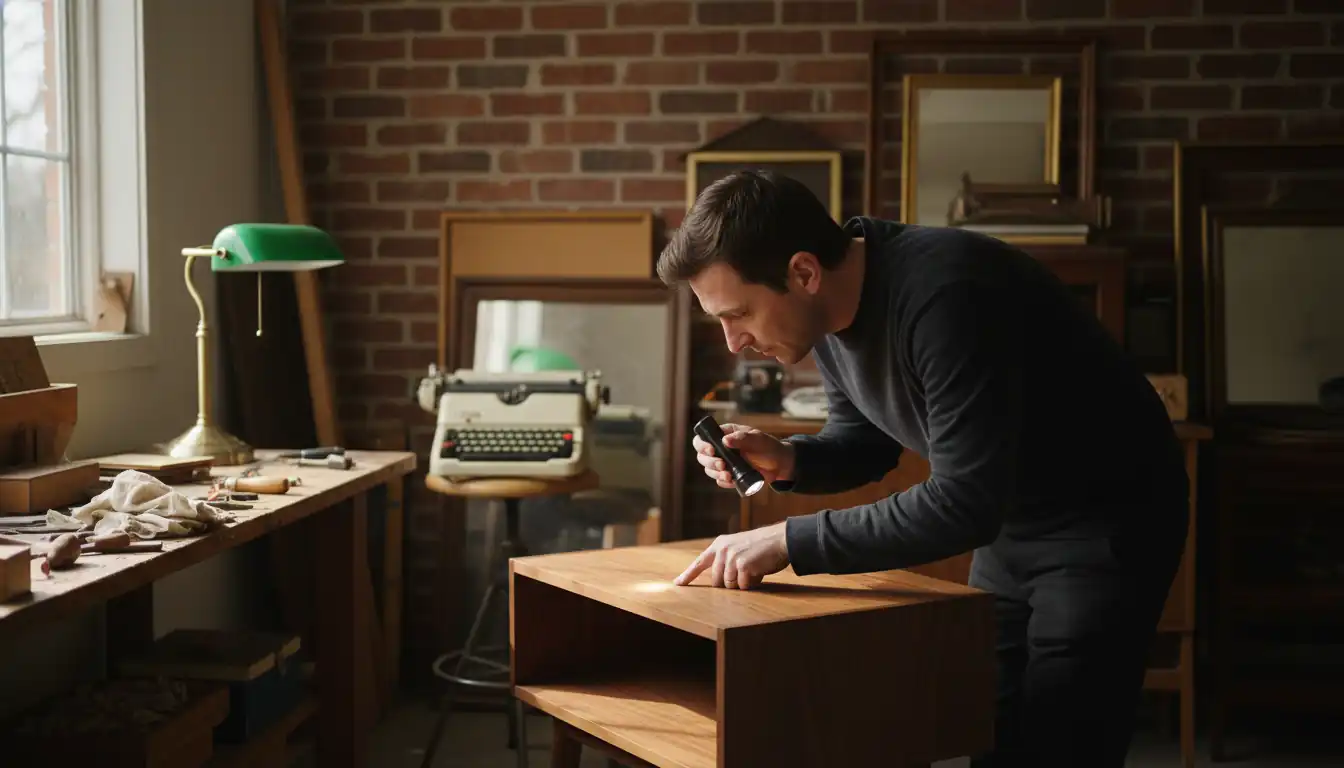
You are standing in a crowded thrift store on a Saturday morning. To your left, a pile of discarded electronics; to your right, a shelf of dusty glassware that looks like it hasn't been touched since the Nixon administration. Most people walk past these items without a second glance, seeing only clutter. But you see something different. You see a potential $200 profit hiding under a layer of grime.
Turning a weekend hobby into a consistent $2,000 monthly side hustle is not about luck. It is about shifting your perspective from a casual shopper to a disciplined hunter. The difference between the person who spends $50 on "cool stuff" and the person who earns $2,000 in profit lies in their ability to identify value where others see junk. This transition requires a blend of historical knowledge, market awareness, and the right tools to verify your instincts.
In the following guide, you will learn how to move beyond the "buy and hope" method. We will cover how to select a high-margin niche, where to find inventory that hasn't been picked over, and how to handle the boring—but essential—legal and financial aspects of running a small business. By the time you finish reading, you will have a blueprint for transforming your local estate sales and thrift shops into a reliable source of secondary income.
Mastering the Art of the Profitable Niche
One of the most common questions beginners ask is: Is flipping antiques profitable? The answer is a resounding yes, but with a significant caveat. It is rarely profitable for the generalist. If you try to buy everything that looks "old," you will quickly find your garage full of low-value items that take months to sell. Profitability in the antique world is directly tied to specialization.
When you focus on a specific niche, you develop an "eye" that allows you to spot value in seconds. You learn the specific makers, the desirable colors, and the subtle signs of quality that generalists miss. For a part-time commitment of 10 to 15 hours a week, a specialized flipper can realistically expect to clear $500 to $2,000 a month in profit, depending on their inventory turnover and the margins of their chosen category.
Identifying High-Margin Categories
To reach that $2,000 goal, you need to target items with high demand and limited supply. You are looking for categories where the "buy" price is low because the item is misunderstood, but the "sell" price is high because collectors are actively hunting for it.
- Mid-Century Modern (MCM) Furniture: This remains one of the most consistent earners. Look for clean lines, tapered legs, and teak or walnut woods. Pieces by designers like Adrian Pearsall or brands like Lane and Broyhill can be acquired for $50 at an estate sale and sold for $400 to $1,200 after a light cleaning.
- Victorian-Era Glass: While "Grandma's china" has dropped in value, specific Victorian art glass—like cranberry glass, opalescent patterns, or Northwood carnival glass—retains a dedicated collector base. The key here is identifying the specific manufacturer, as a generic piece might be worth $10, while a signed piece could fetch $150.
- Vintage Advertising Signs: Porcelain, tin, or neon signs from the mid-20th century are highly prized for "man caves" and home decor. Even rusted or slightly damaged signs from defunct soda brands or automotive companies can command high prices because of their authentic patina.
- Analog Technology: Vintage cameras (especially Leicas or Hasselblads), turntables, and even high-end 1980s "boomboxes" have seen a massive resurgence. Collectors value the tactile experience and the mechanical quality of these items.
The Reality of Part-Time Profitability
Making $2,000 a month does not require you to quit your day job, but it does require a professional approach to your time. If you spend 10 hours a week sourcing and 5 hours a week cleaning, photographing, and listing, you have 15 hours of "work" time. To hit your goal, you need to average about $33 in profit for every hour worked.
| Metric | Realistic Expectation |
|---|---|
| Weekly Time Investment | 10–15 Hours |
| Average Items Sourced per Week | 5–8 Items |
| Average Profit per Item | $60–$100 |
| Monthly Gross Profit | $1,200–$3,200 |
"The secret to high margins isn't finding the most expensive item in the room; it's finding the item that the seller has priced incorrectly because they don't recognize its historical significance."
By narrowing your focus to two or three niches, you reduce the "mental load" of sourcing. You won't need to research every item in the store. Instead, you can scan the room for the specific shapes, colors, and materials that fit your specialty, allowing you to move faster and strike before other pickers arrive.
Sourcing Hidden Gems Without the Guesswork
Once you have chosen your niche, the next challenge is finding a steady stream of inventory. If you only rely on the local Goodwill, you are competing with dozens of other flippers. To find the $2,000-a-month inventory, you have to go where the competition is thinner and the items are "fresh" to the market.
Estate sales are often the gold mine for antique flippers. Unlike thrift stores, which receive a random assortment of donations, estate sales represent the curated collection of a lifetime. You are seeing items in their original context, which often makes it easier to identify their age and quality. Local auctions and the "free" or "low-cost" sections of Facebook Marketplace are also excellent sources, especially for heavy furniture that people want to get rid of quickly.
Where to Find Untapped Inventory
- Estate Sales on the Final Day: Most estate sale companies offer 50% off everything on the last day of the sale. While the "big" items might be gone, this is when you can find incredible margins on smaller collectibles and niche items that others overlooked.
- Local Government or Police Auctions: These often include abandoned property or seized assets. You might find high-end watches, vintage tools, or even rare coins that haven't been appraised by an expert.
- Facebook Marketplace "Alerts": Set up saved searches for keywords in your niche (e.g., "Danish Modern," "Pyrex Primary," "Old Porcelain Sign"). Being the first person to message a seller often determines who gets the deal.
Using AI to Spot Instant Value
The biggest hurdle for any part-time flipper is the fear of the "dud." You see a beautiful vase for $40, but you aren't sure if it’s a rare 1920s piece or a 1990s reproduction. In the past, you would have to carry a library of reference books or spend hours on Google, often losing the item to a faster buyer while you researched.
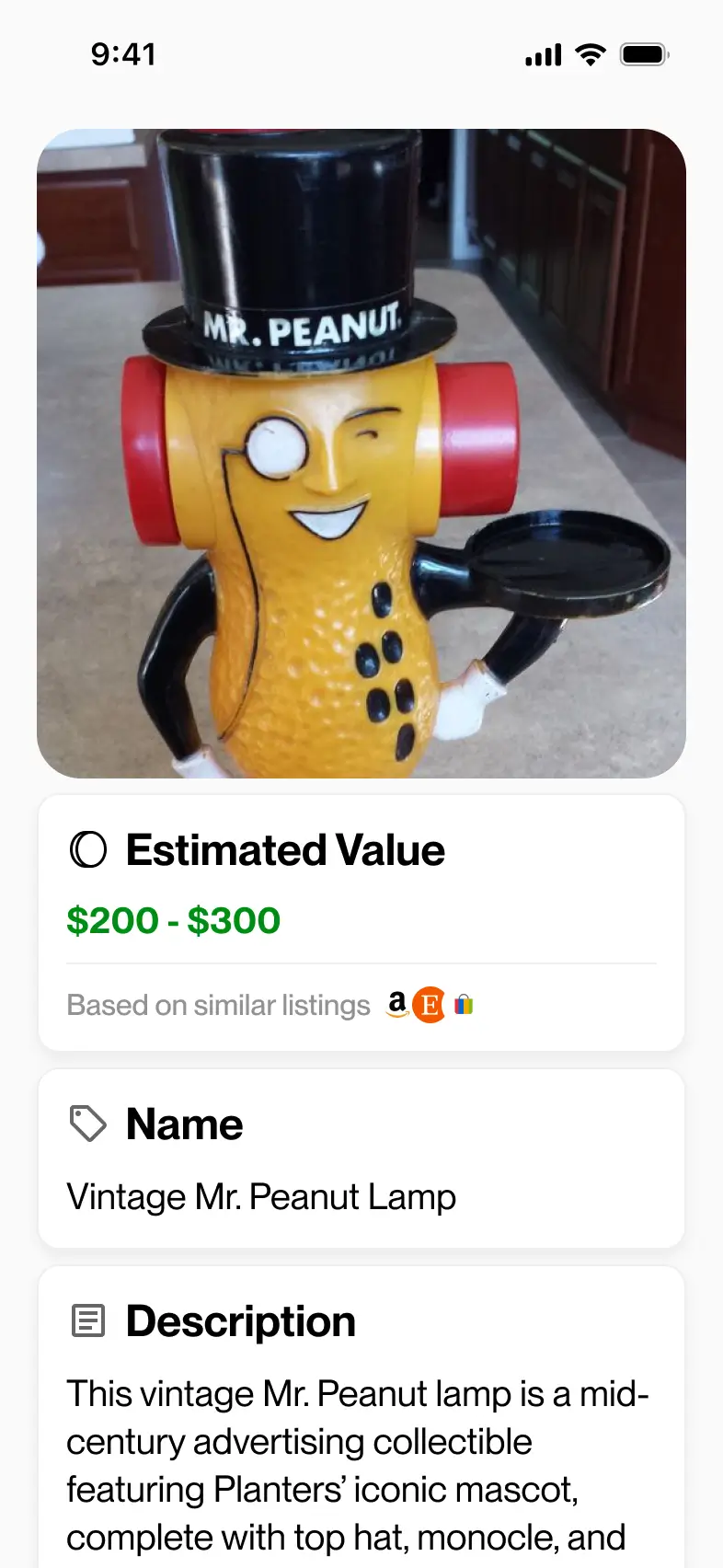
This is where modern technology changes the equation. Using the Relic app allows you to bridge the gap between amateur and expert instantly. When you find an item that catches your eye, you simply take a photo within the app. Relic uses advanced AI to analyze the item's features, providing a real appraisal, historical context, and origin details in seconds.
Instead of guessing, you get an immediate understanding of what you are holding. This allows you to make confident, high-stakes decisions on the fly. If the app confirms a piece of pottery is an authentic Roseville rather than a knock-off, you can buy it with the certainty that your profit margin is protected. It effectively puts a professional appraiser in your pocket, which is essential when you are trying to scale a side hustle without years of formal training.
Running Your Side Hustle Like a Pro
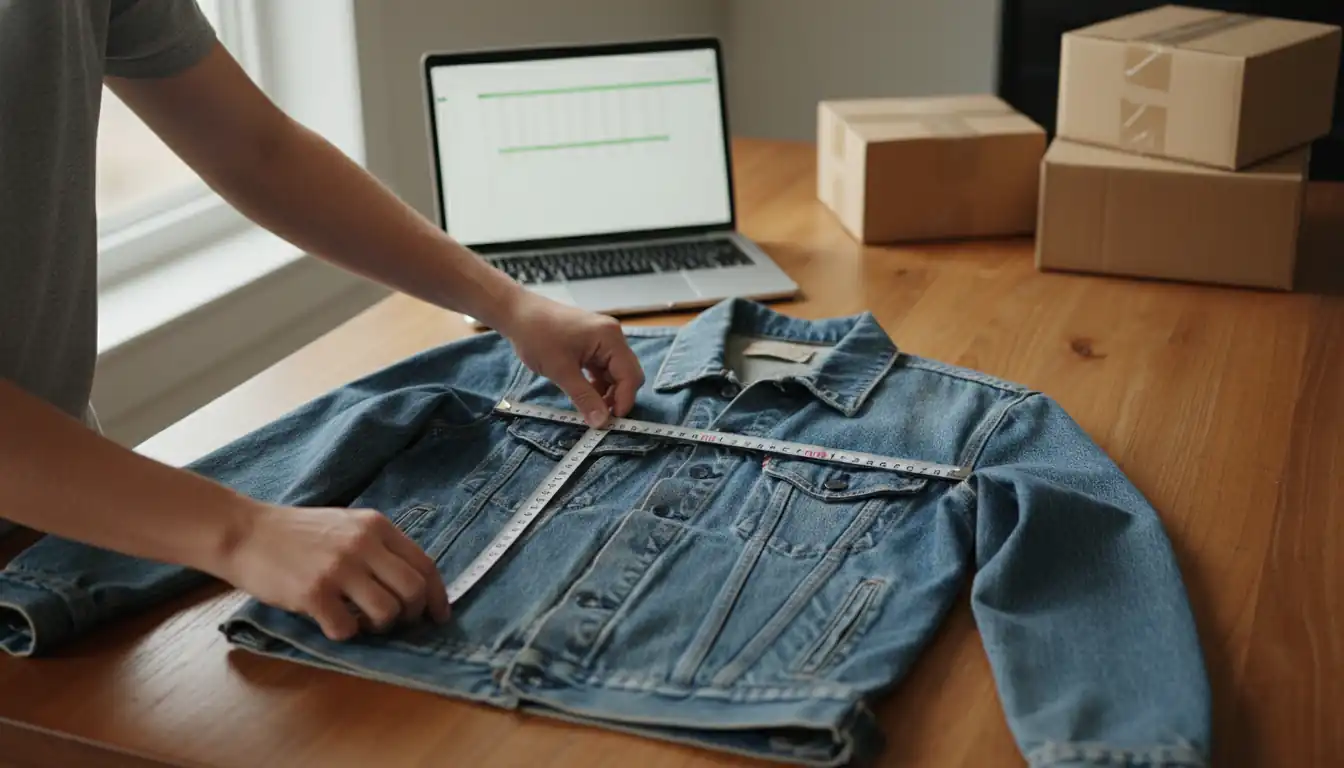
Many flippers fail not because they can't find good items, but because they treat their business like a hobby. If you don't track your expenses or understand your legal obligations, your $2,000 profit can quickly vanish into "hidden" costs. To sustain this long-term, you need a basic business structure.
One of the most frequent PAA questions is: Do I need an LLC to flip furniture? The short answer is no, you do not need one to start. You can operate as a sole proprietorship, which means you and the business are the same legal entity. However, as your side hustle grows toward that $2,000-a-month mark, an LLC (Limited Liability Company) becomes more attractive.
Navigating Legal and Tax Requirements
- Sole Proprietorship: This is the easiest way to start. You report your income and expenses on a Schedule C with your personal tax return. The downside is that you are personally liable for any business debts or legal issues.
- LLC (Limited Liability Company): An LLC provides a "corporate veil" that protects your personal assets (like your home or car) if the business is sued. It also adds a level of professionalism when dealing with high-end dealers or auction houses.
- Sales Tax Permit: Most states require you to have a resale certificate or sales tax permit. This allows you to buy items for resale without paying sales tax at the register, but it also means you are responsible for collecting and remitting sales tax when you sell the item.
Calculating True Profit Margins
To ensure you are actually making money, you must account for every cent that leaves your pocket. A common mistake is calculating profit as "Sell Price minus Buy Price." This ignores the "invisible" costs that eat into your margins.
| Expense Category | What to Include |
|---|---|
| Cost of Goods Sold (COGS) | The actual price paid for the item. |
| Acquisition Costs | Gas, tolls, and parking for sourcing trips. |
| Processing Costs | Cleaning supplies, sandpaper, paint, or professional repair fees. |
| Listing & Selling Fees | eBay/Etsy percentages, payment processing fees (PayPal/Stripe). |
| Shipping & Handling | Boxes, bubble wrap, tape, and the actual postage cost. |
If you buy a chair for $50 and sell it for $200, your "gross" profit is $150. But after you spend $20 on gas, $15 on fabric for a quick seat repair, and $30 on platform fees, your "net" profit is $85. Tracking these numbers in a simple spreadsheet is the difference between a hobby and a professional side hustle.
Avoiding the Costly Mistakes That Sink Beginners
In the world of antiques, what you don't buy is just as important as what you do buy. Beginners often fall into the trap of "emotional buying"—purchasing an item because they think it's pretty, rather than because it has market value. This leads to two major problems: buying fakes and accumulating "death by inventory."
Spotting Fakes and Reproductions
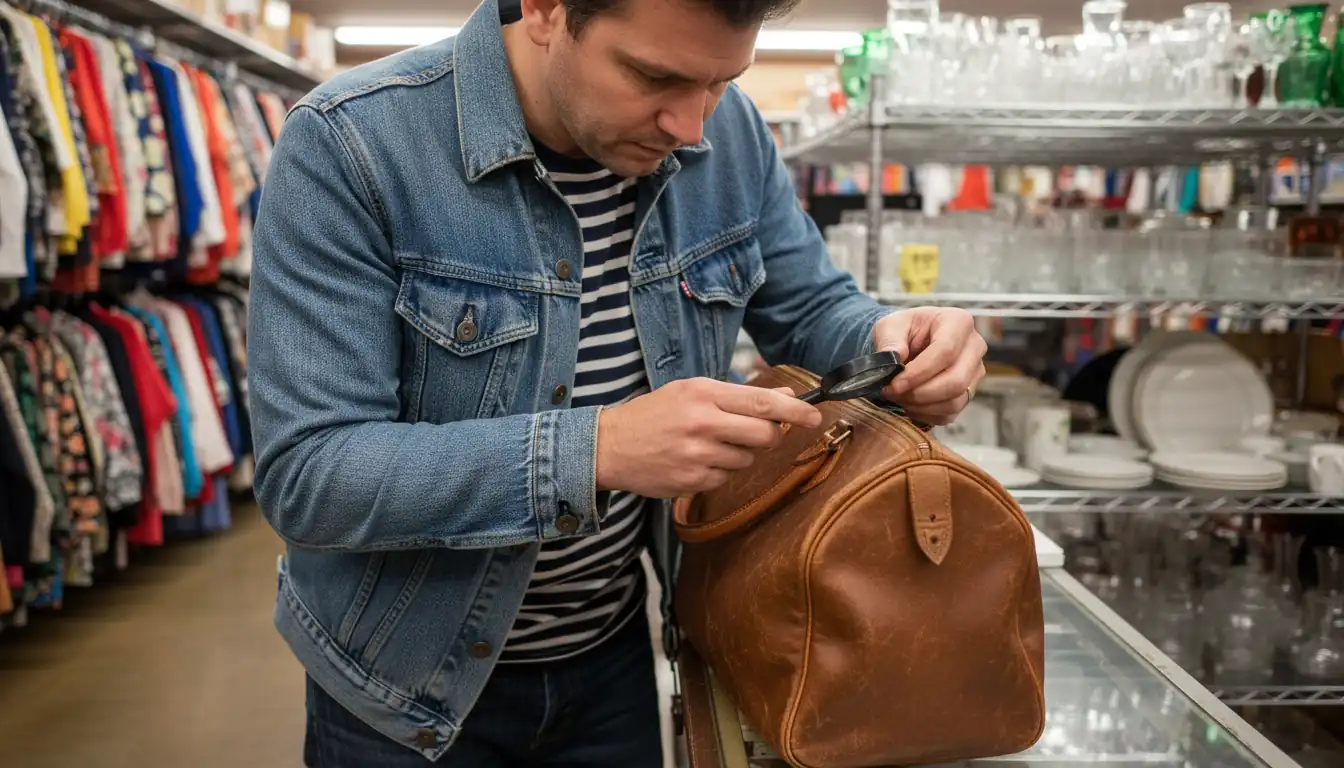
The market is flooded with "repros"—items made recently to look old. Some are honest decorative pieces, while others are intentional forgeries designed to deceive. Distinguishing between a 100-year-old cast iron bank and a 5-year-old "distressed" copy requires a keen eye for detail.
- Wear Patterns: Authentic antiques show wear in logical places. A chair should have wear on the rungs where feet rested; a drawer should have wear on the runners. If the "wear" looks uniform or sanded, it’s likely a reproduction.
- Manufacturing Marks: Look for Phillips head screws (usually a sign of post-1930s construction) or modern glue residue.
- The "Relic" Advantage: This is another area where the Relic app proves invaluable. Because the AI is trained on thousands of authentic examples, it can often identify origin markers—such as specific glass patterns or foundry marks—that the naked eye might overlook. If the app identifies a "maker's mark" that doesn't match the era of the item, you’ve just saved yourself from a bad investment.
Managing Inventory and Storage
The "death by inventory" trap happens when your sourcing outpaces your selling. It is easy to buy ten items in a weekend, but it takes time to clean, photograph, and list them. If you aren't careful, your living room will become a warehouse, and your cash will be tied up in items that aren't moving.
"Inventory is not wealth; it is a liability until it is sold. Every square foot of your home occupied by an unsold item is 'rent' you are paying out of your future profits."
To avoid this, implement a "one in, one out" rule or set a strict limit on your storage space. If your designated "antique corner" is full, you are not allowed to go sourcing until you have sold and shipped at least three items. This forces you to focus on the "exit" part of the business, which is where the actual money is made.
Maximizing Your Returns on the Digital Market

The final step in your $2,000 side hustle is the "exit." You have sourced a high-quality item, verified its authenticity, and calculated your margins. Now, you need to put it in front of the right buyer. Not all platforms are created equal, and choosing the wrong one can result in a lower sale price or a longer wait.
Choosing the Right Sales Platform
- eBay: Best for "smalls" (items that fit in a box) and items with a global collector base. If you have a rare vintage toy or a specific piece of Victorian glass, eBay's massive reach is your best bet.
- Chairish or 1stDibs: These are curated marketplaces for high-end furniture and art. If you find a genuine Mid-Century Modern designer piece, listing it here allows you to command "gallery" prices, though the vetting process is stricter.
- Facebook Marketplace & Craigslist: Ideal for heavy furniture or items that are too risky to ship. You lose the global audience, but you save significantly on shipping costs and platform fees.
- Etsy: Perfect for vintage home decor, clothing, and items that appeal to an aesthetic-driven buyer rather than a hardcore collector.
Crafting Listings That Sell Fast
A great listing does two things: it answers every possible question a buyer might have, and it tells a story. Buyers aren't just purchasing an object; they are purchasing a piece of history. This is where the data you gathered during the sourcing phase becomes your best sales tool.
When you use the Relic app to identify an item, it doesn't just give you a price; it provides the history and origin of the piece. Use this information to write authoritative descriptions. Instead of saying "Old Blue Vase," you can write: "Authentic 1920s Cobalt Glass Vase, manufactured by the Hazel-Atlas Glass Company, featuring the rare 'Royal Lace' pattern."
This level of detail builds trust. It shows the buyer that you are a professional who knows exactly what they are selling. When you provide the historical context—why a certain maker was important or how a specific technique was used—you justify a higher price point. You move from being a "flipper" to being a "dealer."
- Photography is King: Use natural light and a neutral background. Take photos of the "flaws" as well as the beauty. Transparency prevents returns.
- Keywords: Think like a buyer. What would they type into a search bar? Include the era, material, color, and manufacturer in your title.
- Shipping Speed: In the age of Amazon, buyers expect quick communication. Ship within 24–48 hours to maintain a high seller rating, which in turn boosts your visibility in search results.
Conclusion
Building a $2,000-a-month side hustle through antique flipping is a journey of constant learning. It starts with narrowing your focus to a profitable niche and using modern tools like the Relic app to remove the guesswork from sourcing. By treating the venture like a professional business—tracking your margins, understanding your legal structure, and mastering the digital marketplace—you turn a weekend hobby into a sophisticated income stream.
The items are out there, waiting in the corners of estate sales and the back shelves of thrift stores. Your next step is simple: pick a niche, download the tools you need to verify your finds, and head out to your first sale this weekend. The "hunt" is rewarding, but the "find" is where your new business begins.
Identify antiques instantly
Point your camera at any antique, collectible, or vintage item. Get valuations, history, and market insights in seconds.
Download for iPhone