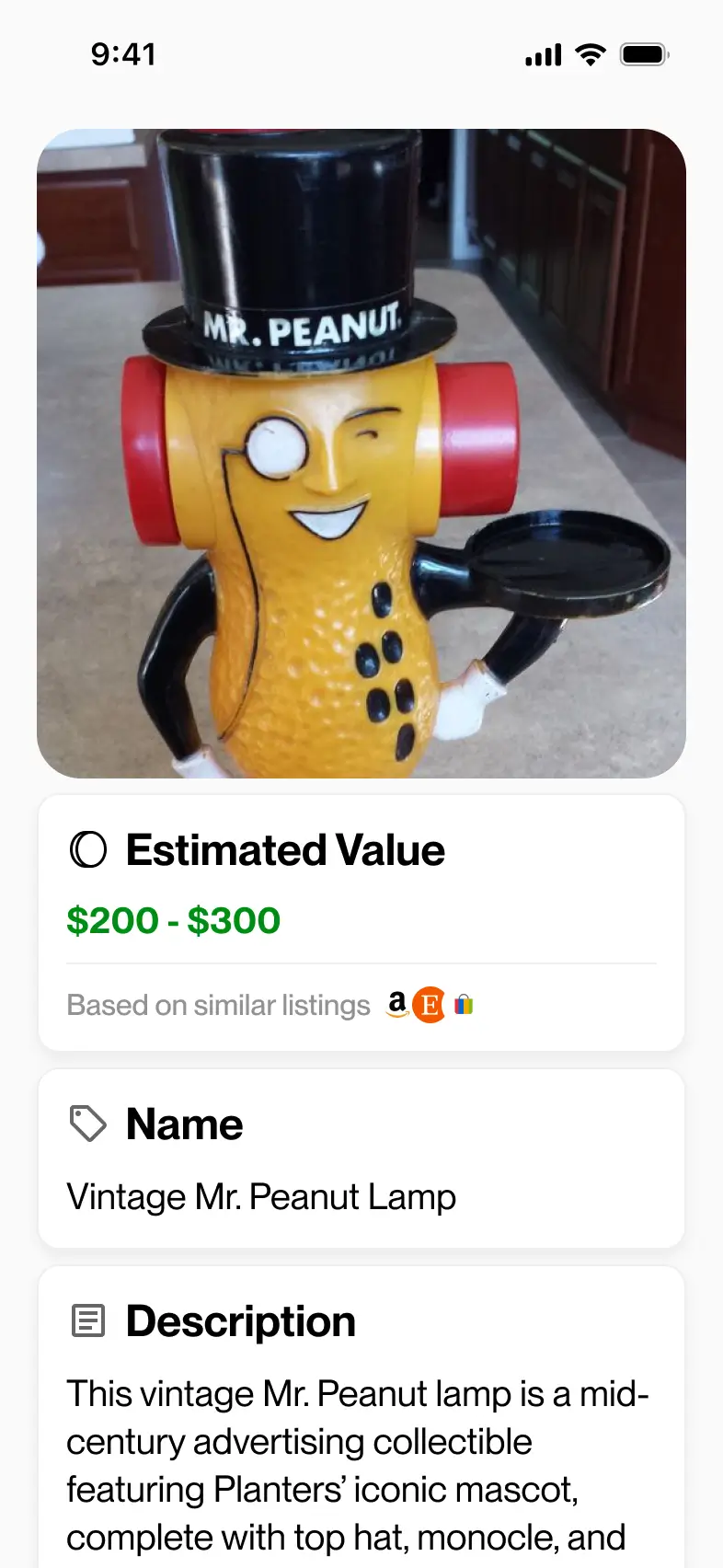
Your Attic Might Be a Goldmine: The Best Free Apps to Identify Antiques Instantly

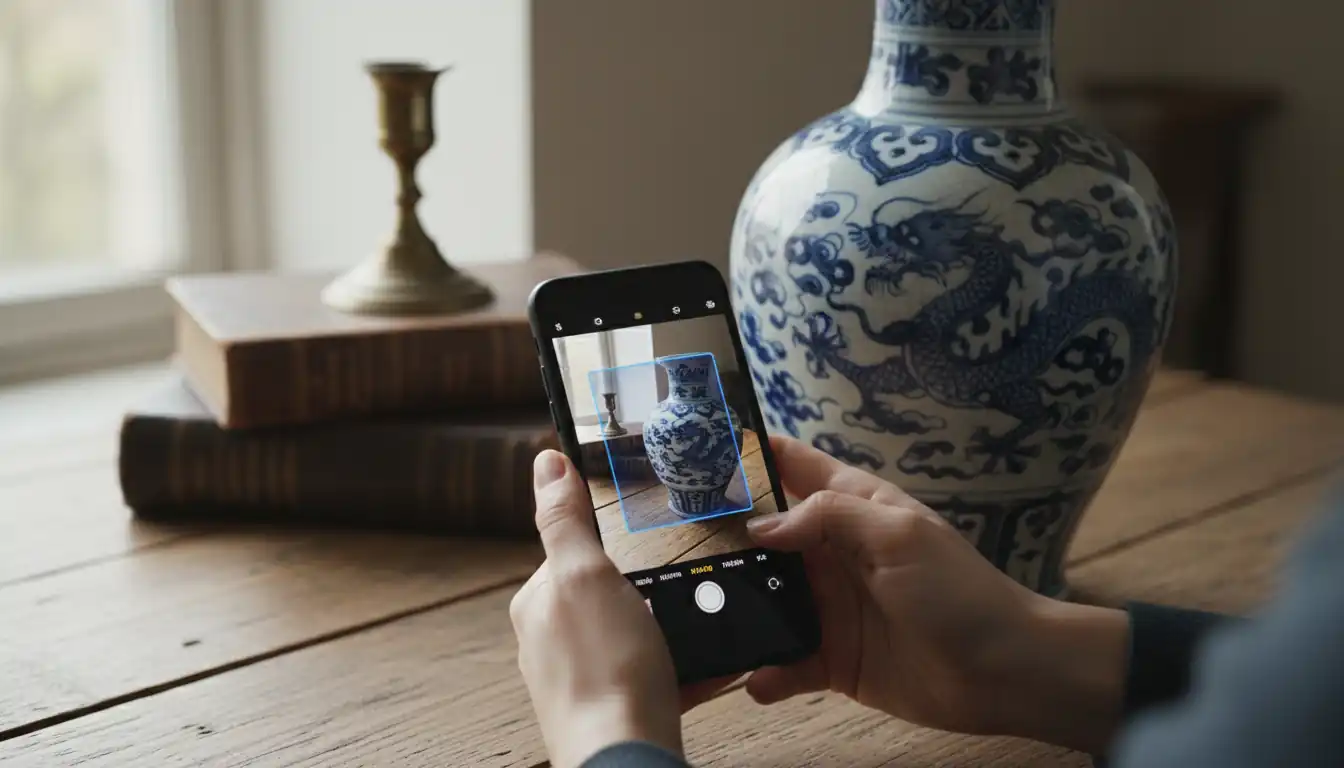
That dusty trunk in your grandmother’s attic or the tarnished vase sitting on a garage sale folding table might be more than just old clutter. For decades, the true value of these items remained locked away, accessible only to those with thick price guides or the phone number of a professional appraiser. You might have walked past a small fortune simply because you didn't have the tools to recognize it.
The barrier between a casual observer and a seasoned collector has finally crumbled. Your smartphone is no longer just a communication device; it is a sophisticated laboratory capable of identifying historical artifacts in seconds. By using the right software, you can peel back the layers of time to discover the origin, history, and potential value of almost any object you encounter.
This guide explores how modern technology has turned antique identification into an instant, accessible hobby for everyone. You will learn how to navigate the global market, protect your personal data while using these tools, and distinguish between a simple image search and a professional-grade appraisal.
The Evolution of Digital Antique Identification
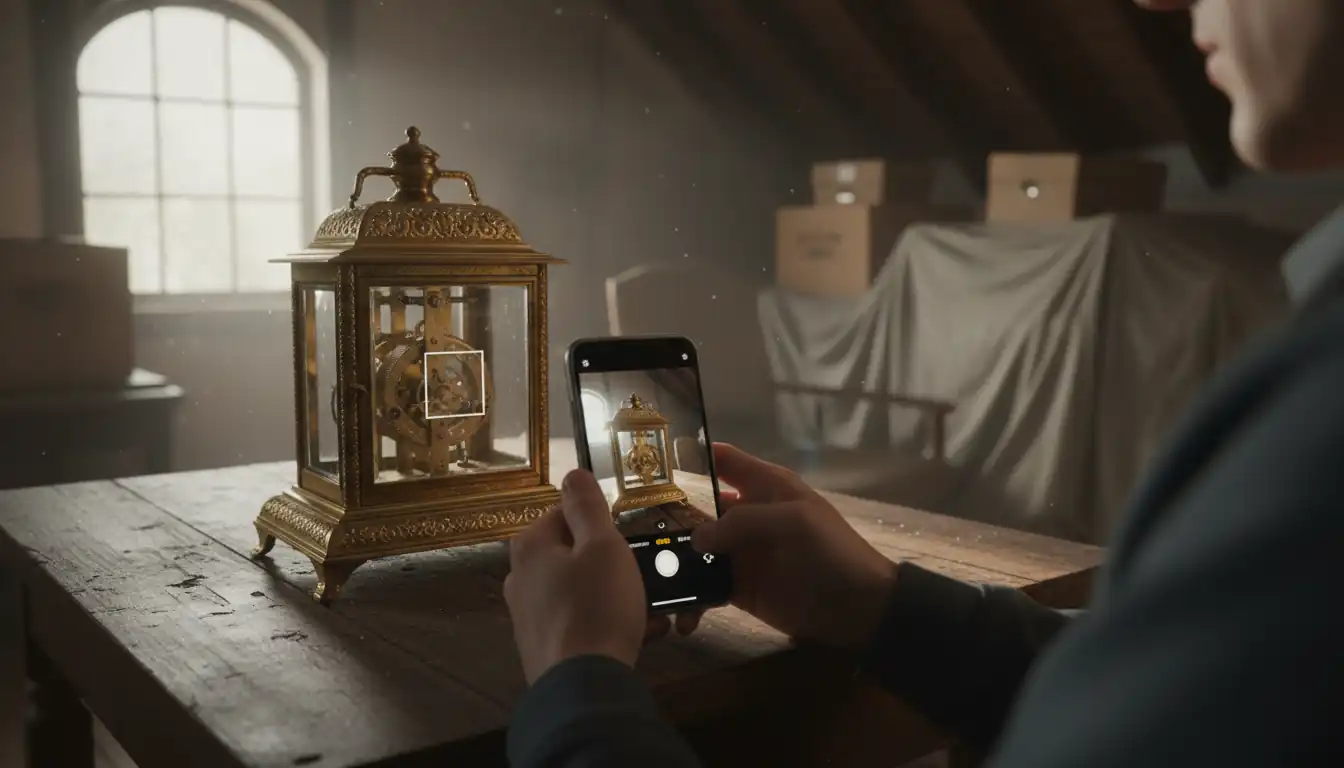
The process of identifying an antique used to be a labor-intensive exercise in patience. You would start by scouring the item for a maker’s mark, then head to the local library to flip through massive volumes of Miller’s Antiques Handbook. If the mark was obscured or missing, you were often left guessing. The transition from these manual methods to digital solutions began with keyword searches, but even those required you to know exactly what words to type.
Today, the industry has moved into an era of sophisticated image recognition. We have moved past the point where a computer simply looks for a "blue plate." Modern systems analyze the specific geometry of the object, the texture of the glaze, and the unique patterns that define a specific era or manufacturer. This shift means you don't need to be an expert to find the answers; you just need a clear line of sight and a steady hand.
From Manual Research to AI Recognition
Manual research relied heavily on your ability to describe what you were seeing. If you couldn't find the right words for a "cabriole leg" or "repoussé metalwork," your search results would be frustratingly vague. The introduction of computer vision changed the fundamental nature of discovery. Instead of translating a visual object into text, you are now providing the software with the raw visual data it needs to perform a direct comparison against millions of records.
This evolution has made the "What’s New" in the industry less about the data itself and more about how we access it. The speed of identification has dropped from hours of page-turning to milliseconds of processing. This immediacy creates a sense of discovery that was previously reserved for professional pickers on television. You can now stand in a crowded thrift store and know the history of a piece before the cashier even rings you up.
How Modern Apps Like Relic Analyze Your Photos
When you use an app like Relic, you aren't just taking a picture; you are initiating a complex analytical sequence. The software looks at the item through a lens of historical context. It identifies the silhouette, the material composition suggested by the way light reflects off the surface, and any identifying marks that might be invisible to the untrained eye.
Relic uses advanced AI to provide a real appraisal that goes beyond a simple visual match. While a standard search engine might show you similar-looking items, this app digs into the history and origin of the piece. It evaluates the "why" and "where" of an item’s creation, giving you a narrative rather than just a name. This level of detail is what separates a casual hobbyist tool from a professional resource.
Key Insight: Modern identification isn't about finding a matching picture; it's about the software understanding the physical characteristics that define an object's place in history.
Navigating the Global Antique Market from Your Phone
The antique market is no longer confined to your local geography. A ceramic bowl found in a London flat might have originated in a small kiln in 18th-century Kyoto. Identifying these items requires a database that spans continents and centuries. In the past, a local appraiser might have been an expert in European porcelain but completely lost when presented with African tribal art or Middle Eastern metalwork.
Mobile platforms have bridged this gap by aggregating global data into a single point of access. Your phone acts as a gateway to international history, allowing you to identify items from Asia Pacific, Latin America, and beyond without needing to speak the language of the origin country. This accessibility ensures that cultural heritage is recognized and preserved, regardless of where the item eventually surfaces.
Regional Databases and Cultural Heritage
Different regions have different ways of documenting their history. European antiques are often heavily marked with stamps and signatures, while items from other regions might rely on specific weaving patterns, wood types, or casting methods. Advanced apps are designed to recognize these regional nuances. They tap into specialized databases that categorize items based on cultural markers that a general search engine would likely ignore.
- Asian Ceramics: Identification focuses on base marks, glaze thickness, and cobalt purity.
- European Furniture: Apps look for specific joinery techniques like dovetails or mortise-and-tenon joints.
- African Artifacts: The software analyzes wood patina and specific tribal motifs to determine age and authenticity.
- Latin American Silver: Identification relies on purity stamps and the specific "hand" of known silversmiths.
Overcoming Language Barriers in Appraisal
One of the biggest hurdles in global collecting is the language barrier. A maker's mark in Cyrillic or a signature in Mandarin can be impossible for a Western collector to decipher. Modern identification apps solve this by using optical character recognition (OCR) tailored for historical scripts. The app sees the characters, translates them, and then cross-references them against its historical database.
This functionality provides a level of information that was previously gatekept by specialists. You no longer need to hire a translator or an international consultant to understand what you have. The platform handles the heavy lifting of translation and cultural context, providing you with a clear, English-language history of the item's journey from its origin to your hands.
| Feature | Local Research | Global App Identification |
|---|---|---|
| Search Scope | Limited to local knowledge/books | Worldwide databases |
| Language | Requires manual translation | Automatic script recognition |
| Speed | Hours or days | Instantaneous |
| Expertise | Niche-specific | Multi-categorical |
Privacy and Data Safety in Identification Apps
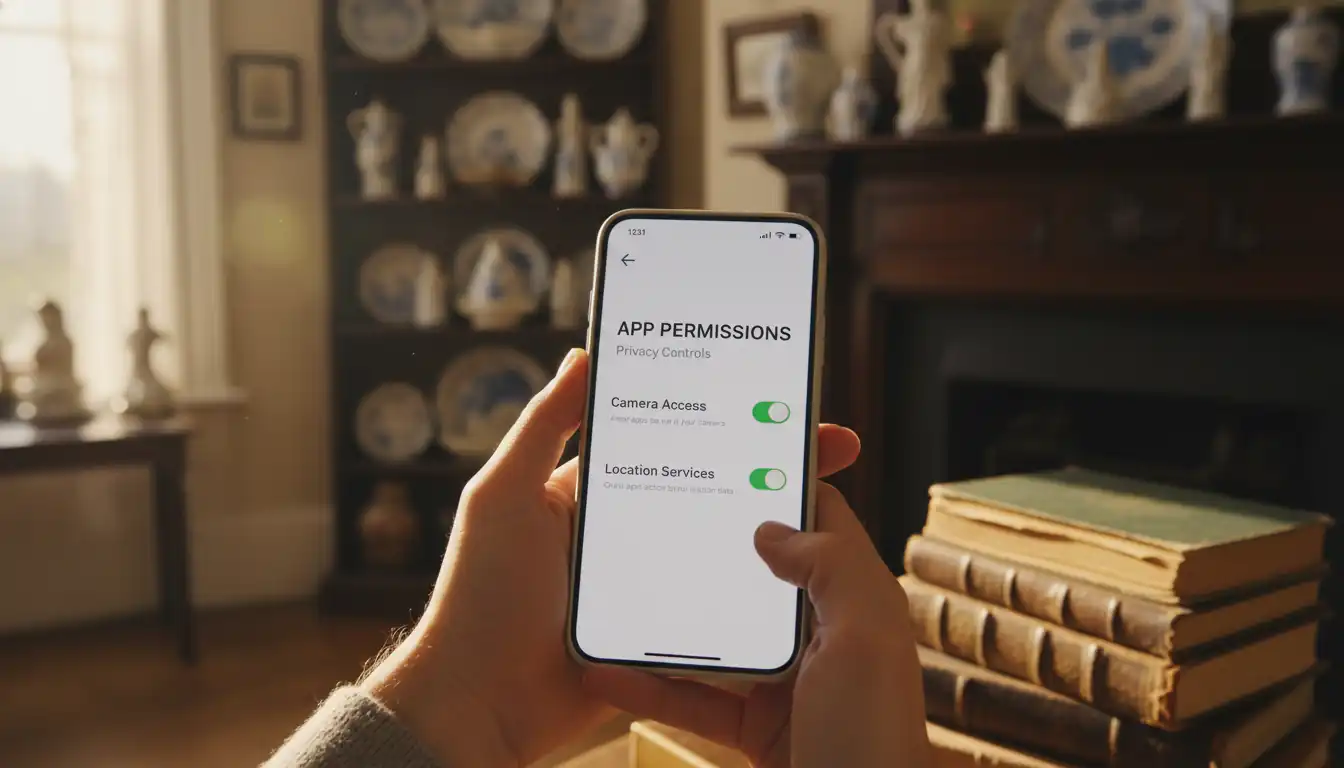
As you start scanning items in your home, you are essentially creating a digital map of your personal belongings. This brings up significant questions about data safety and app privacy. Many users click "Allow" on permissions without realizing what they are signing away. It is vital to understand how your data is handled, especially when you are documenting items of potentially high value.
When you look at an app's listing in the App Store, you will see a section titled "App Privacy." This is where the developer must disclose what they do with your information. Understanding these terms is the first step in ensuring your digital collection remains your business and yours alone.
Understanding App Permissions and Tracking
There are two key phrases you need to look for: "Data Not Linked to You" and "Data Used to Track You." If an app uses data to track you, it means they are likely sharing your search habits or location with third-party advertisers. For an antique collector, this could mean seeing ads for security systems or insurance after you scan a high-value item.
- Data Linked to You: This includes your name, email, or phone number. It is used to create your account and save your history.
- Data Used to Track You: This is the red flag. It means the app follows your activity across other companies' apps and websites.
- Data Not Linked to You: This is the gold standard for privacy. The app collects usage data to improve its performance, but that data cannot be traced back to your identity.
Apps like Relic prioritize user security by focusing on the functionality of the tool rather than the monetization of the user's personal habits. By choosing platforms that avoid aggressive analytics and third-party tracking, you protect the privacy of your home and your finds.
Protecting Your Personal Collection Data
Your collection data is sensitive. If an app stores your photos on a cloud server, you want to know that those servers are secure. A professional-grade app will use encryption to ensure that your "digital inventory" isn't accessible to hackers or unauthorized users. Before you start building a library of your valuables, check the app’s settings for privacy controls.
"The value of an antique is public, but the fact that you own it should remain private."
Always be wary of apps that require unnecessary permissions. Does an antique identifier really need access to your full contact list or your precise GPS coordinates? Probably not. Stick to apps that only ask for camera and photo library access, as these are the only tools required to perform the identification.
Accuracy and Value Assessment in the AI Era
One of the most common questions asked by new users is: "Is there an app to check the value of antiques for free?" The answer is yes, but with a caveat. While many apps offer free identification, the quality of the "value" they provide can vary wildly. Some apps simply pull the highest asking price from eBay, which is rarely an accurate reflection of what an item is actually worth.
Another frequent question is: "Can Google Lens identify antiques?" Google Lens is an incredible tool for general information. If you point it at a chair, it will tell you it's a chair and perhaps show you where to buy a similar one. However, it often misses the nuances that matter to a collector. It might not distinguish between an original 18th-century Chippendale and a 1920s reproduction. This is where specialized apps become necessary.
Comparing AI Appraisals to Professional Estimates
Specialized apps like Relic provide what is known as a "real appraisal." This doesn't mean it replaces a certified human appraiser for insurance purposes, but it provides a much more accurate baseline than a general search engine. The AI looks at the material patina, the specific wear patterns, and the maker's marks to determine if an item is authentic.
Professional estimates usually involve a physical inspection of the item's weight, smell, and tactile feel. While an app can't "smell" old wood, it can analyze the visual data of the wood grain to determine the species and age. Think of the app as the essential first step. it tells you if an item is worth the cost of a professional human appraisal.
Why Google Lens Isn't Enough for Serious Collectors
Google Lens is designed for commerce; it wants to help you buy things. An antique identification app is designed for history; it wants to help you understand things. This difference in "App Support" and "Analytics" is crucial. A serious collector needs to know the provenance—the record of ownership—and the historical significance of a piece.
- Contextual Depth: Specialized apps understand the difference between "vintage" (20+ years) and "antique" (100+ years).
- Market Research: Apps like Relic provide market insights based on actual auction results rather than just retail listing prices.
- Detail Recognition: Specialized AI is trained to look for "maker's marks" which are often small, faded, or located in obscure places like the bottom of a foot or inside a drawer.
Maximizing Your Finds with Advanced Features
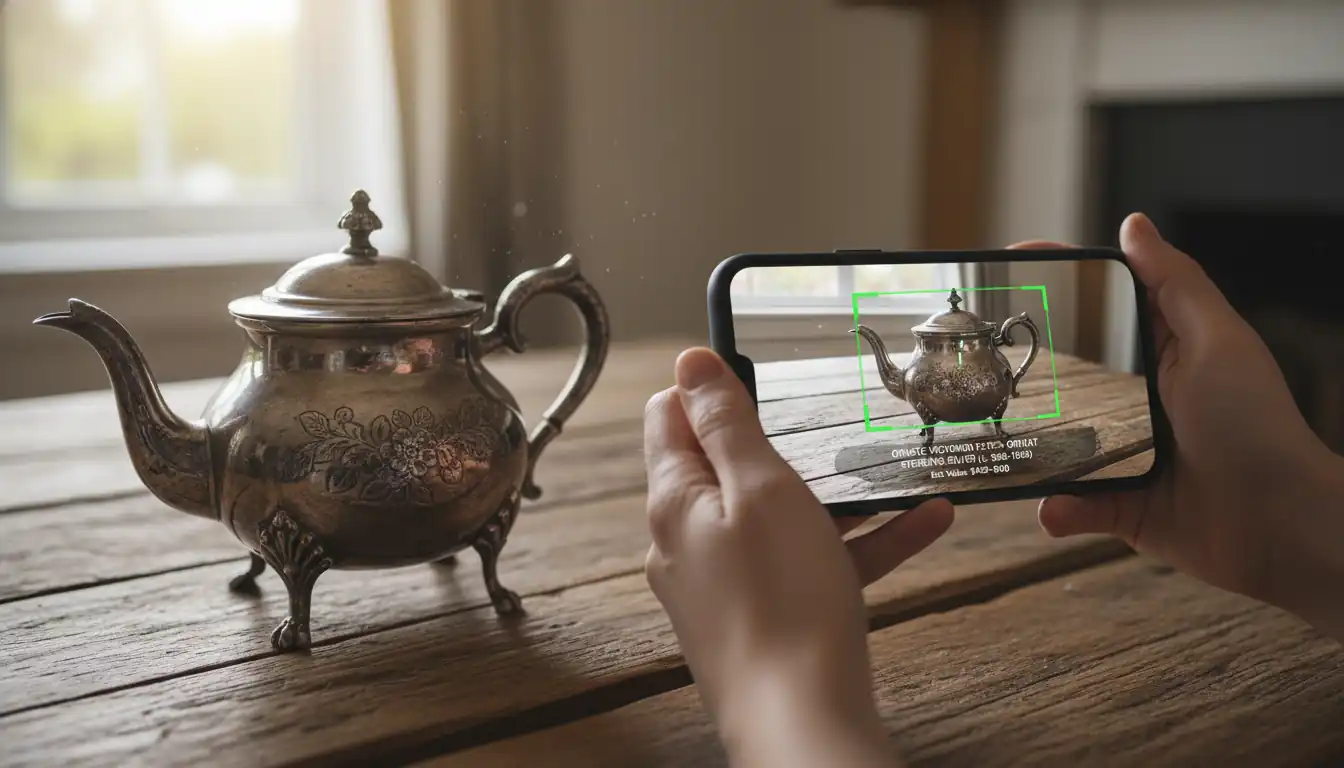
Once you have identified an item, the journey is just beginning. The best apps offer features that help you transition from a casual finder to an organized collector. This involves using the "Information" and "Analytics" sections of the app to track your items over time. If you find a rare piece of Depression glass today, how do you keep track of its history and value five years from now?
The workflow for these apps is generally designed to be as simple as possible. You can follow a three-step process to ensure you get the most out of every scan:
- Take a Photo: Ensure the lighting is bright and the background is neutral.
- Get Results: Review the history, origin, and estimated value provided by the AI.
- Learn More: Use the app’s searchable catalog to see similar items and historical trends.
Organizing Your Digital Inventory
One of the most powerful features of modern apps is the ability to create a digital inventory. Instead of having a pile of "maybe valuable" items in your basement, you can have a categorized, appraised list on your phone. This is incredibly useful for estate planning, insurance documentation, or simply keeping track of your hobby.
- Categorization: Group your finds by type (e.g., "Ceramics," "Furniture," "Toys").
- Value Tracking: Update the value of your items as the market changes.
- Documentation: Keep high-resolution photos of marks and signatures in one place.
Leveraging Expert Insights and Community Data
Many apps now integrate community data and expert insights into their results. This means that when you scan an item, you are benefiting from the collective knowledge of thousands of other collectors. If a specific type of vase has recently seen a surge in interest at major auction houses, the app’s analytics will reflect that trend.
Relic, for example, offers a searchable catalog of scanned items. This allows you to see what other people are finding and learn about categories you might not have explored yet. It turns the solitary act of "picking" into a shared experience, backed by professional-grade tools. With a 4.9-star rating from over 20,000 reviews, it’s clear that users value this combination of accuracy and community-driven data.
Key Insight: The goal of using an identification app isn't just to find out what something is worth today, but to build a library of knowledge that makes you a better collector tomorrow.
Conclusion
The "goldmine" in your attic is no longer a mystery. With the advent of advanced AI and global databases, the ability to identify and appraise antiques has been democratized. You no longer need to rely on luck or expensive consultants to discover the value of your finds. Apps like Relic have turned the complex world of appraisals into a simple, three-step process that anyone can master.
By understanding the evolution of this technology, navigating the global market, and prioritizing your data privacy, you can explore the world of antiques with confidence. Whether you are a professional dealer looking for a quick scan or a homeowner curious about an old family heirloom, the tools you need are already in your pocket.
Your Next Steps:
- Download a specialized app: Start with a high-rated tool like Relic to ensure accuracy.
- Scan your first item: Find something in your home with a mark or unique shape.
- Build your inventory: Save your results to start your digital collection.
The next time you see a strange mark on the bottom of a dusty plate, don't put it back on the shelf. Take a photo, get the history, and see if you’ve just discovered a piece of history. Your phone is the key; all you have to do is turn it on.
Identify antiques instantly
Point your camera at any antique, collectible, or vintage item. Get valuations, history, and market insights in seconds.
Download for iPhone