Your Attic Might Hold a Fortune: How to Spot a High-Value Antique Steamer Trunk

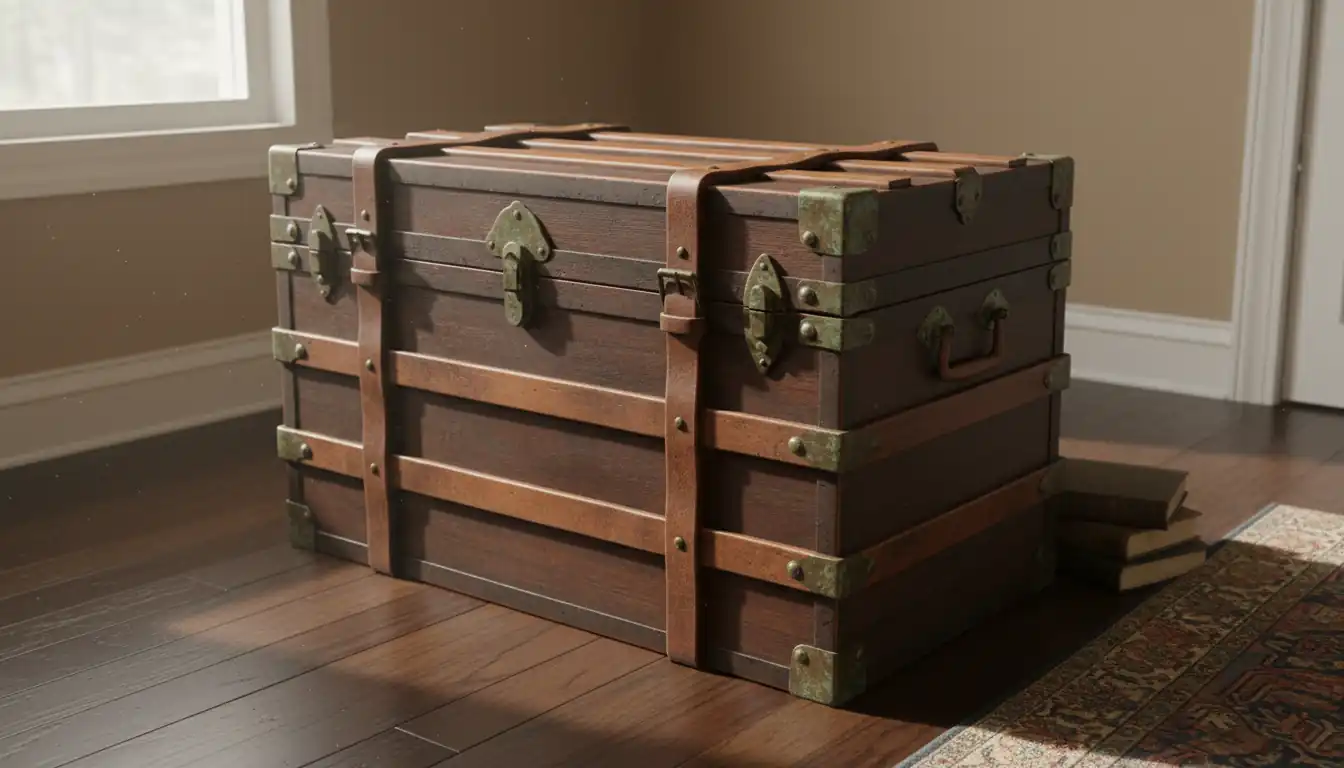
That heavy, dust-covered box in the corner of your attic is likely more than just a storage container for old blankets. For decades, these sturdy vessels were the primary way people moved their lives across oceans and continents. Today, they are some of the most sought-after pieces of functional history in the antique market.
If you have inherited one or found a specimen at a local estate sale, you might be sitting on a significant financial asset. While many trunks are worth a few hundred dollars as decorative furniture, rare models from iconic makers can command prices in the mid-five figures. The difference between a common "packing crate" and a high-value "steamer" lies in the details of the craftsmanship, the materials used, and the story the piece tells.
This guide will help you look past the dust and cobwebs to identify the markers of a true treasure. You will learn how to distinguish between various styles, recognize the "blue chip" brands of the Victorian era, and use modern tools to determine exactly what your find is worth.
The Evolution of Steamship Luggage
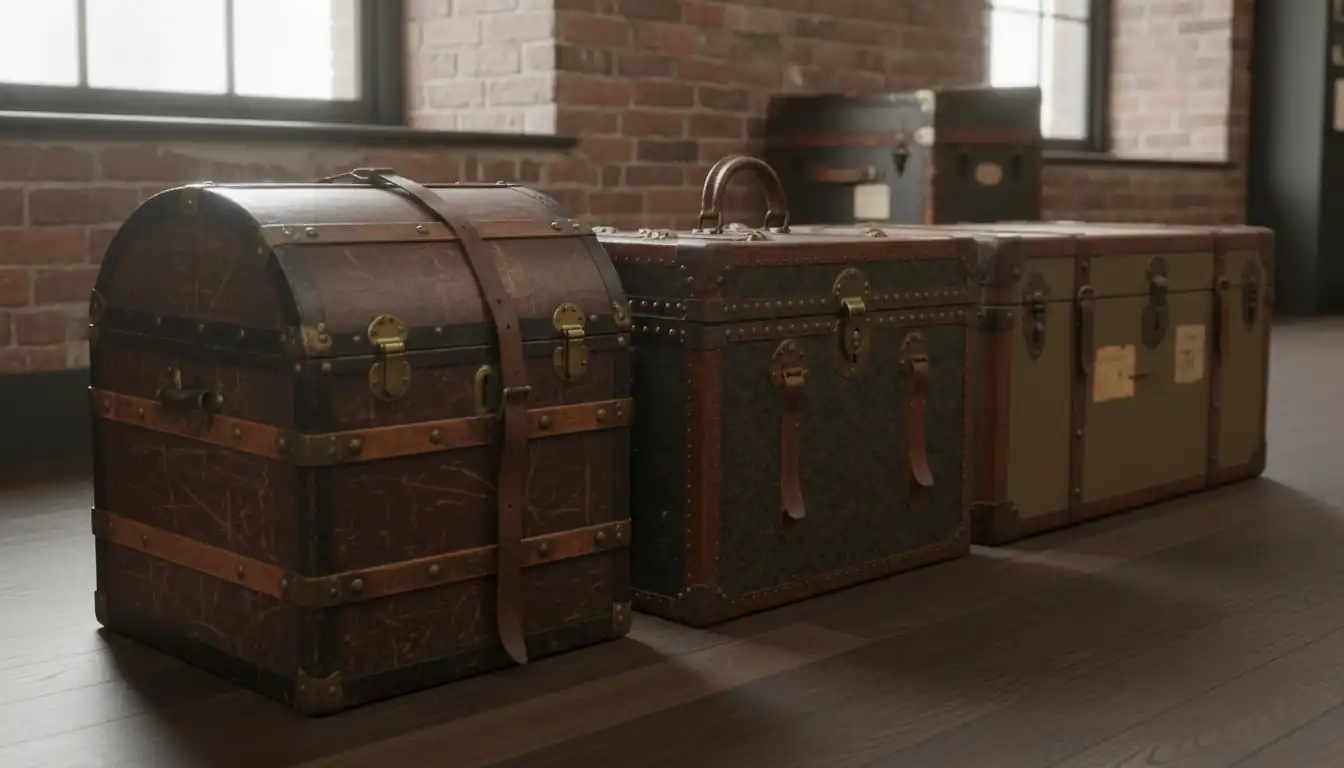
To understand why some trunks are worth a fortune, you have to understand the era that created them. The "Golden Age of Travel" roughly spanned from the 1860s to the 1920s. This was a time when travel was an event, a luxury, and—for many—a permanent relocation. Before the age of the airplane and the lightweight suitcase, travelers needed luggage that could survive the rough handling of dockworkers and the damp environments of ship cargo holds.
Defining the Classic Steamer Trunk
The term "steamer trunk" is often used as a catch-all for any old wooden box, but this is technically incorrect. In the strict historical sense, a true steamer trunk was a specific type of luggage designed to be kept in a traveler's cabin on a steamship. Because cabin space was limited, these trunks had to meet specific size requirements.
Most authentic steamer trunks are no taller than 14 inches. This allowed them to slide easily under the bunk or "berth" in a ship’s stateroom. If a trunk is much taller or bulkier, it was likely a "packing trunk" or a "wardrobe trunk" intended for the ship's hold rather than the cabin. While these larger versions are also collectible, the sleek, low-profile steamer trunk remains a favorite for modern interior designers because it functions perfectly as a coffee table.
What makes a trunk "antique" rather than just "old"? Generally, the antique market looks for pieces that pre-date the 1930s. By the mid-20th century, mass production and cheaper materials like plywood and vulcanized fiber became the norm. The high-value pieces you are looking for are those built with the heavy-duty construction of the late 19th century, featuring hand-driven rivets and solid wood slats.
Timeline of the Golden Age of Travel
The evolution of these trunks followed the expansion of the global rail and steamship networks. In the mid-1800s, trunks were often simple, leather-covered boxes with rounded tops to shed water. As travel became more sophisticated, so did the luggage.
- 1860s - 1880s: This was the era of the "Jenny Lind" and "Saratoga" trunks. These were often ornate, featuring heavy iron straps and intricate lock mechanisms. They reflected the Victorian obsession with both durability and aesthetic flair.
- 1890s - 1910s: This period saw the rise of the "flat top" trunk. As baggage handling became more standardized, the ability to stack trunks on top of one another became a necessity. This era also saw the emergence of luxury brands that catered to the elite travelers of the Belle Époque.
- 1920s and Beyond: The focus shifted toward "wardrobe trunks" that stood on end and opened like a closet, complete with hangers and drawers. While impressive, these are often less valuable today because their size makes them difficult to integrate into modern homes.
Historical Insight: The shift from "dome tops" to "flat tops" wasn't just a fashion choice; it was a response to the way luggage was stacked in the increasingly crowded holds of massive liners like the Titanic or the Lusitania.
Critical Factors That Determine Market Price
When an appraiser looks at a trunk, they aren't just looking at its size. They are performing a forensic investigation of the materials and construction methods. If you want to figure the value of an old trunk, you need to develop a "checklist" mentality.
Hardware and Material Quality
The exterior of the trunk is your first clue to its value. Most common trunks were made of pine or cedar and covered in canvas or simple sheet metal. However, high-value pieces often utilized more expensive or rare materials.
- Zinc and Embossed Metal: Trunks covered in zinc are highly prized because they were rust-resistant and expensive to produce. Similarly, "embossed" metal trunks—which feature intricate patterns pressed into the tin or brass—are much more valuable than plain, flat metal versions.
- Brass Hardware: Look closely at the locks, hinges, and "fingers" (the metal pieces that run down the wooden slats). If they are solid brass rather than brass-plated iron, the value increases significantly. Solid brass develops a deep, rich patina that collectors crave.
- The Lock and Key: A trunk with its original, working key is a rarity. Most keys were lost decades ago. If you find a trunk with a lock made by a famous firm like Eagle Lock Co. or Yale, and it still functions, you have a major selling point.
- Leather Handles: Original leather handles are almost always brittle or broken. If a trunk still has its original, thick leather "straps" in tact, it suggests the piece was stored in a climate-controlled environment, which bodes well for the rest of the structure.
| Material | Value Impact | Why? |
|---|---|---|
| Solid Brass | High | Does not rust; polishes to a gold-like finish. |
| Embossed Tin | Medium-High | Indicates a "deluxe" model from the Victorian era. |
| Canvas/Duck | Medium | Common, but highly desirable if the "duck" is un-torn. |
| Vulcanized Fiber | Low | A later, cheaper alternative to wood and metal. |
The Impact of Original Interior Features
Never judge a trunk solely by its cover. The interior can often be more revealing than the exterior. When you pop the lid, you are looking for three specific things: trays, lithographs, and compartments.
Most antique trunks originally came with one or two removable wooden trays. These were used to store smaller items like jewelry, collars, or gloves. Because these trays were easily removed, they were often taken out and lost over the years. Finding a trunk with its original, nested trays can double the value of the piece.
Furthermore, Victorian makers often decorated the inside of the lid with "lithographs"—beautiful, colorful paper prints of landscapes, floral arrangements, or patriotic scenes. If these are still intact and haven't been ruined by moisture, they add a layer of "folk art" value to the trunk. Some high-end trunks even featured secret compartments hidden behind these lithographs or under the floor of the tray, designed to hide gold coins or travel documents from thieves.
Iconic Makers and Rare Variations
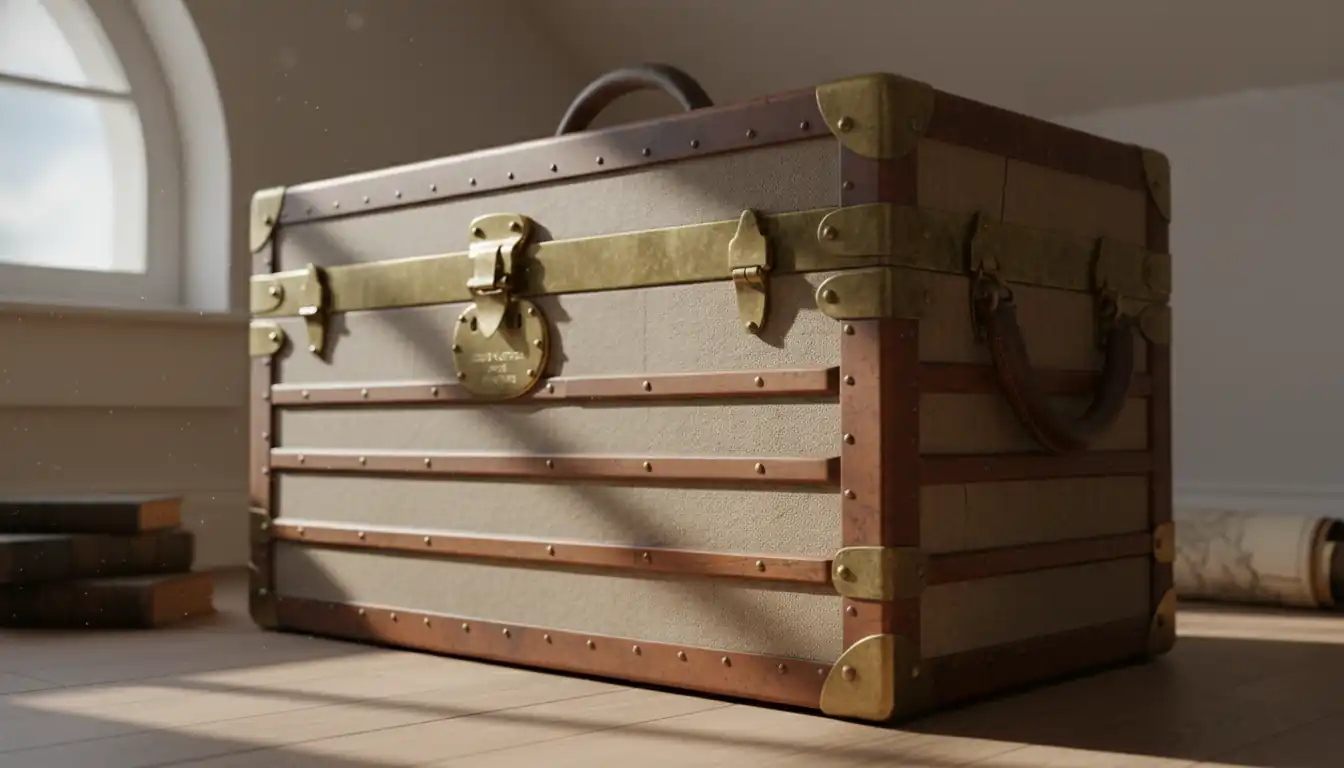
While a generic trunk in good condition might sell for $200 to $500, a trunk with a "pedigree" can sell for $5,000 to $50,000. In the world of antiques, the maker's mark is everything.
Luxury Names That Command Top Dollar
If you find a label or a stamp on the hardware, look for these names immediately:
- Louis Vuitton: The undisputed king of the trunk world. Vuitton revolutionized the industry by creating flat-topped trunks that could be stacked. Look for the "Monogram" canvas (the LV logo), the "Damier" (checkerboard) pattern, or the even rarer "Rayée" (striped) canvas. Even a beat-up Vuitton can be worth thousands.
- Goyard: Often considered more exclusive than Vuitton, Goyard trunks feature a hand-painted chevron pattern. These were the choice of royalty and the Hollywood elite. They are incredibly rare and highly sought after by international auction houses.
- Martin Maier: Based in Detroit, Maier was known for creating some of the most over-engineered and beautiful trunks in America. His "oak slat" trunks are masterpieces of woodworking and are considered the "Cadillacs" of American luggage.
Identifying Rare Victorian Dome Tops
Beyond the brand names, the physical profile of the trunk can indicate rarity. One of the most famous shapes is the Jenny Lind trunk. Named after the famous Swedish opera singer who toured America in the 1850s, these trunks have a distinct "hourglass" or "figure-eight" side profile. They are highly feminine and are considered some of the most elegant pieces of 19th-century luggage.
Another high-value variation is the Saratoga trunk. These were the "luxury SUVs" of the 1870s. They were massive, often featuring rounded tops and the most expensive hardware available. They were designed for the wealthy elite who spent their summers at the Saratoga Springs resorts. Because they were status symbols, they were built with an attention to detail that generic packing trunks simply can't match.
There is often a debate among collectors regarding Dome Top vs. Flat Top trunks. While Dome Tops (often called "humpbacks") are visually stunning and often feature more ornate lithographs, Flat Tops are frequently more valuable in the current market. Why? Because a flat-topped trunk can be used as a coffee table or an end table, making it more "usable" in a modern home.
Instant Appraisal Technology for Modern Collectors
Identifying these markers—the difference between a brass-plated lock and solid brass, or a Martin Maier slat versus a generic pine strip—used to take years of study. You would have to carry around heavy reference books or spend hours in library archives looking at old manufacturer catalogs.
In a fast-moving estate sale or a crowded thrift store, you don't have that kind of time. If you hesitate, another picker will grab the item. This is where modern technology has changed the game for antique enthusiasts.
Using AI to Decode Antique Origins
The Relic app is a specialized tool designed to bridge the gap between a casual observer and a professional appraiser. By using advanced AI, Relic allows you to simply take or upload a photo of a trunk (or any antique) to get an instant identification.
The AI doesn't just look at the object as a whole; it analyzes the specific "DNA" of the piece. It looks at the shape of the hinges, the patina on the metal, and the specific grain of the wood slats. Within seconds, Relic provides a real appraisal, historical context, and the origin of the item.
For example, if you find a trunk with a faded label, Relic can often cross-reference the visible fragments with its massive database of historical makers. It can tell you if that "old box" is a generic 1890s packing trunk or a rare Martin Maier masterpiece. With over 20,000 reviews and a 4.9-star rating, it has become a staple for professional dealers and "pickers" who need to make split-second buying decisions.
The Benefits of Digital Documentation
Beyond just identification, having a digital appraisal on your phone is a massive advantage when it comes to resale. If you are trying to sell a trunk on a marketplace or to a local dealer, showing them a professional-grade appraisal from Relic adds immediate credibility. It moves the conversation from "I think this is old" to "This is a documented 1885 Saratoga trunk with original hardware."
This kind of instant market research allows you to see what similar items have sold for recently. It prevents you from underpricing a hidden gem or overpaying for a common piece that has been "faked" to look older than it is.
Maximizing Resale Value and Design Appeal

Once you have identified your trunk and confirmed its value, you face a critical decision: what do you do with it? The way you handle an antique trunk can either skyrocket its value or plummet it to zero.
To Restore or Not to Restore
This is the most common mistake made by amateur collectors. You might see a trunk with dark, tarnished brass and peeling canvas and think, "I should sand this down and paint it."
Stop.
In the world of high-end antiques—especially for brands like Louis Vuitton or Goyard—the "patina" is where the value lives. Patina is the natural wear and oxidation that happens over a century. If you polish away that history, you are often destroying the very thing collectors are looking for.
- Preservation: Focus on cleaning, not "fixing." Use a soft brush to remove dust and a very mild leather conditioner on the handles.
- The "Over-Restoration" Trap: If you replace original square-head nails with modern Phillips-head screws, you have effectively turned an antique into a "project piece."
- Professional Help: If you have a high-value maker like Martin Maier, it is worth paying a professional restorer who specializes in antiques. They know how to stabilize the wood and metal without erasing the character of the piece.
The Rising Demand in High-End Interior Design
The market for steamer trunks has shifted. While they used to be stored in attics, they are now "statement pieces" in luxury homes. A flat-top steamer trunk is the perfect height for a coffee table, providing both a conversation starter and extra storage for the living room.
If you are looking to sell, highlight these functional aspects. Mention that the trunk is "coffee table height" or that the interior is clean enough to store linens. The "Industrial" and "Modern Farmhouse" design trends have kept the demand for these trunks high, even for non-collectors.
When it comes to selling, you have several options:
- Specialized Auctions: For Vuittons or Goyards, go to a high-end auction house. They have the global reach to find the right buyers.
- Online Marketplaces: For high-quality American makers like Maier or Saratoga, platforms like 1stDibs or Chairish are better than general marketplaces, as they cater to interior designers.
- Local Pickers: If you want a quick sale, local antique dealers are always looking for trunks, but expect to get "wholesale" prices (usually 30-50% of the retail value).
Pro Tip: Always take photos of the trunk in a well-lit room with a few "lifestyle" props, like a stack of books or a tray on top. This helps potential buyers visualize how the piece will look in their home.
Conclusion
An antique steamer trunk is more than just a piece of furniture; it is a rugged survivor of a bygone era of exploration. Whether it’s a low-profile cabin trunk designed to slide under a bunk or a massive Saratoga built for a high-society resort, these items carry a weight of history that modern luggage simply cannot replicate.
By paying attention to the hardware, the materials, and the maker's marks, you can determine whether your find is a common relic or a high-value investment. Remember to look for solid brass, original interior trays, and those all-important luxury labels.
If you find yourself staring at a trunk and feeling overwhelmed by the details, don't guess. Use a tool like the Relic app to get an instant, AI-driven appraisal. Having that professional insight in your pocket can be the difference between leaving a fortune behind and bringing a masterpiece home. Whether you choose to sell your find or turn it into the centerpiece of your living room, you now have the knowledge to treat it with the respect—and the value—it deserves.
Identify antiques instantly
Point your camera at any antique, collectible, or vintage item. Get valuations, history, and market insights in seconds.
Download for iPhone