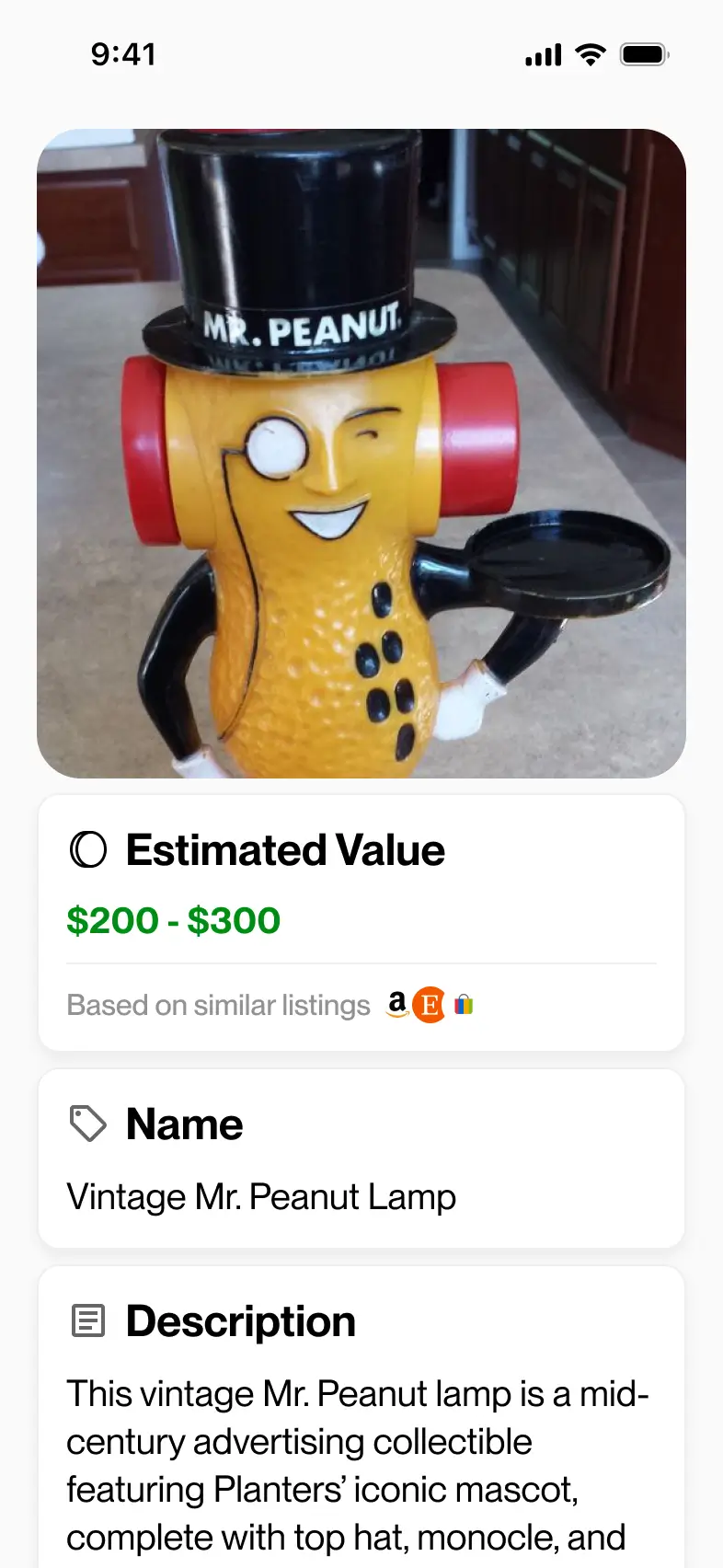
Your Attic Might Hold a Fortune: Identifying Victorian Rarities with AI

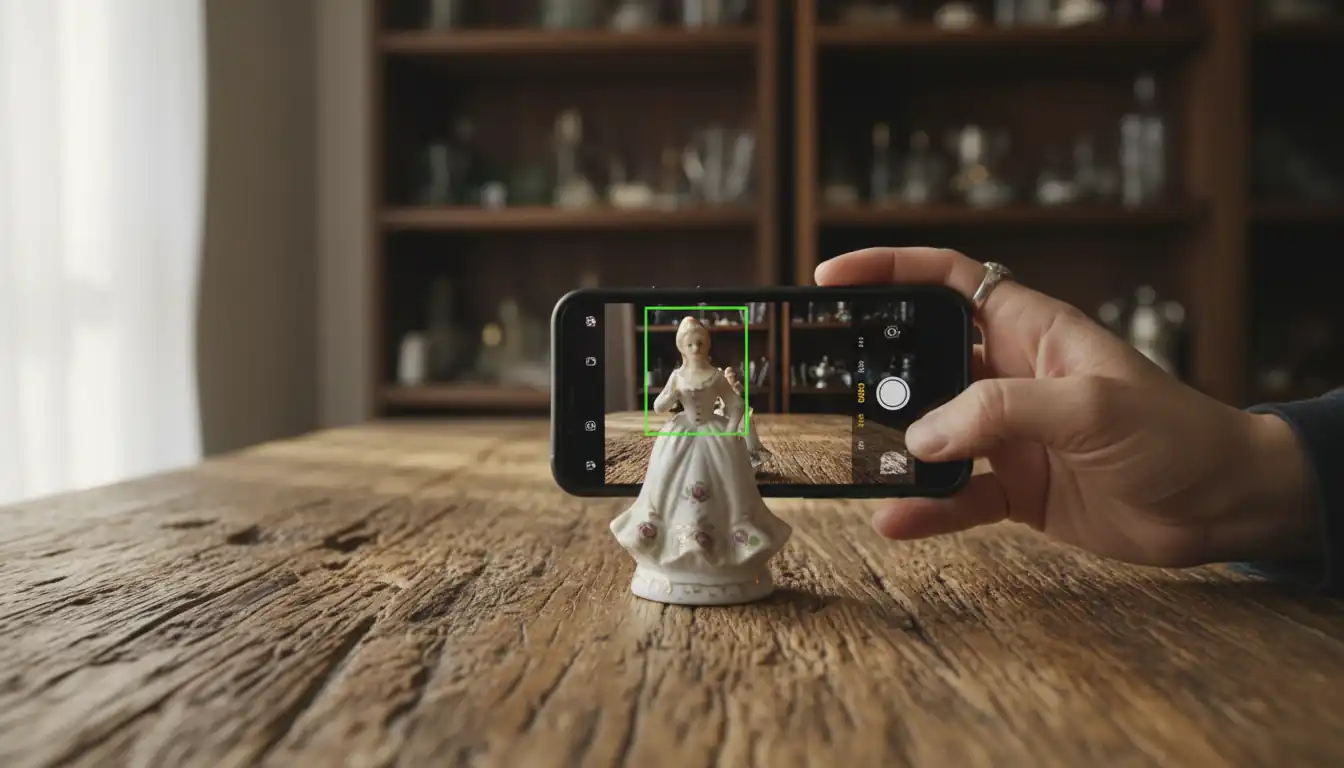
That dusty trunk in the corner of your attic is more than a storage container; it is a time capsule. For many, the Victorian era represents a confusing blur of heavy velvet, dark woods, and overly ornate silver. Yet, within that clutter often lies a piece of history that carries significant financial value. The challenge has always been distinguishing a mass-produced 19th-century trinket from a rare, handcrafted masterpiece.
The Victorian period spanned over sixty years, witnessing a radical shift from traditional hand-carving to the birth of the Industrial Revolution. This era produced an incredible volume of goods, making it one of the most fertile grounds for modern antique hunters. However, the sheer variety of styles—from the somber Gothic Revival to the whimsical Rococo—can overwhelm even a seasoned collector.
You are about to learn how to decode the visual language of the 19th century and how modern technology can turn your smartphone into a professional appraisal tool. By understanding the materials, the craftsmanship, and the digital resources available today, you can finally determine if your family heirlooms are worth a fortune or simply sentimental value.
The Visual Language of the Victorian Era
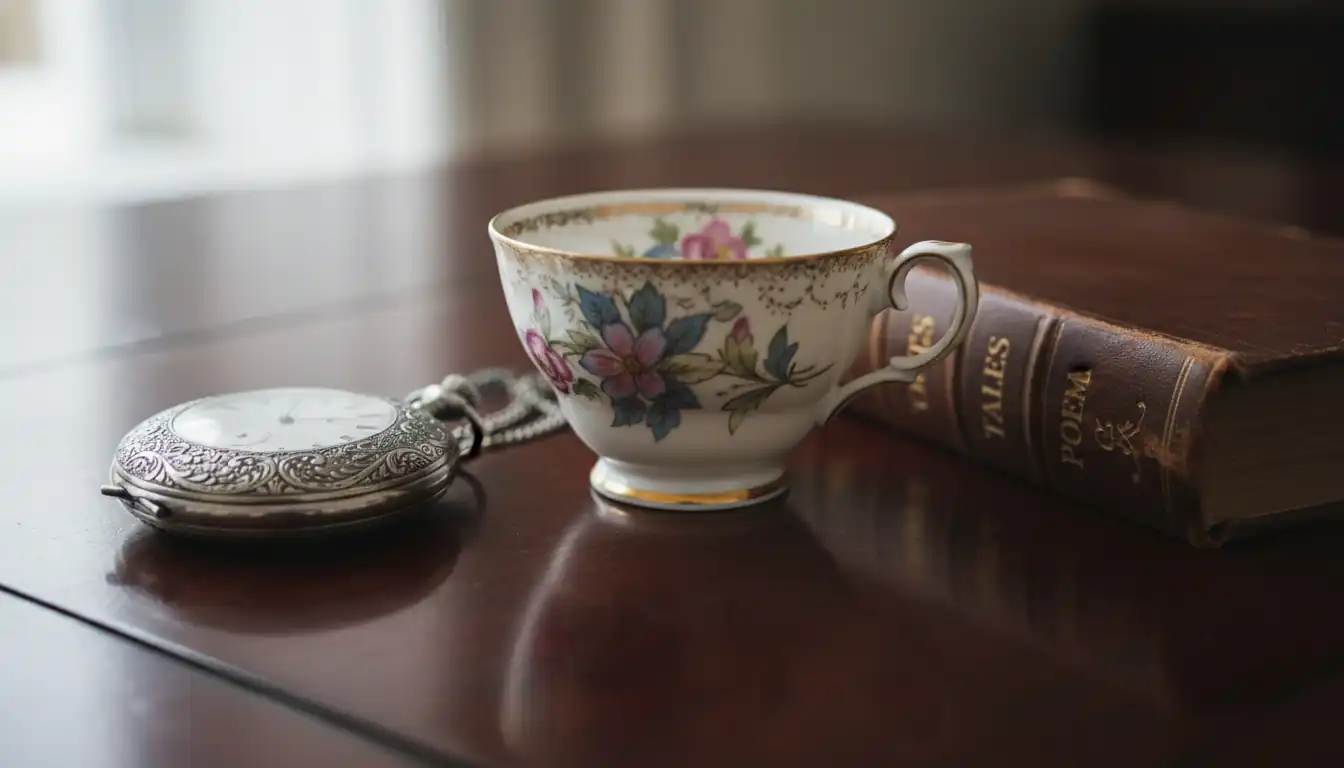
To understand Victorian antiques, you must first understand the Queen herself. Victoria’s reign (1837–1901) was not a single aesthetic movement but a series of overlapping "revivals." Because the British Empire was expanding, designers looked backward to various historical periods for inspiration, leading to a dizzying array of styles that often appeared simultaneously.
Decoding Ornate Craftsmanship
The early Victorian period was dominated by the Gothic Revival. This style was a reaction against the clean, symmetrical lines of the previous Georgian era. If you find a chair with pointed arches, trefoils (three-lobed shapes), or heavy "crockets" (leaf-like carvings), you are likely looking at a piece influenced by the Gothic movement. These items were meant to evoke the grandeur of medieval cathedrals. The wood is almost always dark—think walnut or oak—and the carvings are deep and architectural.
By the mid-1800s, the mood shifted toward the Rococo Revival. This is the "fussy" Victorian style most people recognize. It is characterized by the "C" and "S" scroll, cabriole legs (curving outward at the knee and inward at the ankle), and an abundance of carved flowers, grapes, and leaves. John Henry Belter is perhaps the most famous name from this era; his furniture used a specialized lamination process that allowed for incredibly intricate, pierced carvings that would have been impossible in solid wood.
| Style Movement | Key Visual Indicators | Common Materials |
|---|---|---|
| Gothic Revival | Pointed arches, spires, trefoils, heavy proportions | Oak, Walnut, Dark Mahogany |
| Rococo Revival | "S" and "C" curves, floral motifs, cabriole legs | Rosewood, Walnut, Marble tops |
| Eastlake | Linear designs, shallow carvings, geometric patterns | Cherry, Oak, Walnut |
| Aesthetic Movement | Sunflowers, peacocks, Japanese influence | Ebonized wood, Bamboo, Gilt |
Material Markers of the 19th Century
The Industrial Revolution changed how things were made, and these changes provide clues to an item's age. Before 1850, most furniture was still largely artisan-made. You can spot this by looking at the "secondary woods"—the wood used for the insides of drawers or the back of a cabinet. If the secondary wood is hand-planed (leaving slight, uneven ridges) and the dovetail joints are wide and slightly irregular, you have an early, handcrafted piece.
In contrast, later Victorian pieces show the marks of high-speed machinery. Circular saw marks (curved lines) replaced the straight lines of hand-saws. Dovetails became perfectly uniform and much smaller. While mass production made goods more affordable for the growing middle class, it often diluted the quality. However, some late-Victorian manufacturers, like those in the Aesthetic Movement, used these machines to create stunning, ebonized furniture with delicate gold leafing that remains highly collectible today.
Silver also underwent a transformation. The invention of electroplating by Elkington & Co. in the 1840s allowed manufacturers to coat base metals with a thin layer of silver. This made "silver" accessible to everyone. To tell the difference between solid sterling and silver-plate, you must look for hallmarks. A genuine Victorian sterling piece will have a "lion passant" (a walking lion) stamp, indicating it meets the .925 purity standard. If you see marks like "EPNS" (Electro-Plated Nickel Silver), you are looking at a beautiful, but generally less valuable, plated item.
Instant Expertise in Your Pocket
You might find yourself standing in a dusty basement or at a crowded estate sale, staring at a strange porcelain vase or a silver teapot, wondering: "Is there an app where you can take a picture of an antique to figure out what it is?" The answer is a resounding yes. While the Victorian era is complex, you no longer need to carry a library of reference books to identify a find.
How AI Bridges the Knowledge Gap
Advanced technology has reached a point where it can "see" the nuances that the human eye might miss. Relic is an antique identifier that uses sophisticated AI to analyze the physical characteristics of an object through your phone's camera. Instead of just matching your item to a similar-looking photo on the internet, the AI examines the silhouette, the specific style of the carvings, and even the "patina"—the unique wear and oxidation that only occurs over a century.
When you use Relic, the app isn't just looking for a match; it’s performing a digital autopsy of the item. It can distinguish between the hand-carved flourishes of an 1860s Rococo chair and the machine-pressed imitations of the 1920s. By analyzing the grain of the wood or the translucency of a porcelain mark, the app provides a real appraisal, history, and origin of the item in seconds. This turns a casual hobbyist into an instant expert, providing the confidence to make a purchase or decide what to keep.
Taking the Perfect Identification Photo
To get the most accurate results from an AI identifier, your photography needs to be intentional. The AI needs clear data to work its magic. Think of yourself as a forensic photographer rather than an artist.
- The Three-Angle Rule: Always capture a full front view, a profile (side) view, and a close-up of any identifying marks. For furniture, a photo of the underside or the back can reveal construction methods that date the piece.
- Natural Lighting is Non-Negotiable: Avoid using a flash, which creates "hot spots" and washes out the texture of the wood or the fine details of silver hallmarks. Place the item near a window with indirect sunlight. This allows the AI to see the true grain of mahogany or the delicate hand-painted flowers on a piece of Staffordshire porcelain.
- Clear the Clutter: The AI can get confused if there are other objects in the background. Place your item against a neutral, solid-colored wall or floor. This ensures the "silhouette" of the item—a key identifier for Victorian styles—is sharp and distinct.
"A clear photo of a hallmark is often the difference between identifying a $50 silver-plated tray and a $5,000 sterling silver masterpiece."
Navigating the Digital Appraisal Landscape
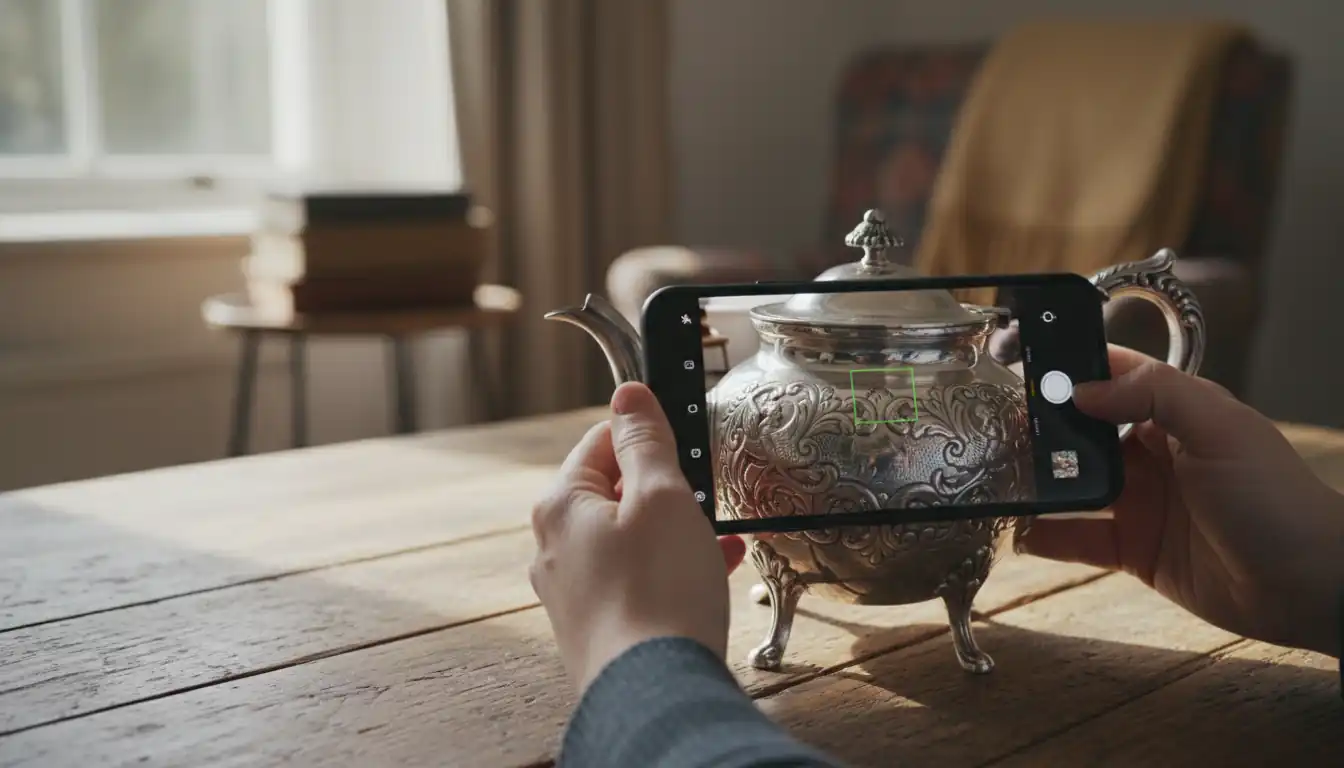
As with any new technology, there is often skepticism. You might wonder if these tools are truly reliable or if they are just digital toys. One of the most common questions in the collecting community is: "Is the curio antique app legit?" While there are several apps on the market, the legitimacy of an appraisal tool depends entirely on its data source and its technical depth.
Separating Legit Tools from Gimmicks
A "gimmick" app simply performs a reverse image search, showing you similar pictures from Pinterest or eBay. This is often unhelpful because a 1970s reproduction can look identical to an 1870s original in a low-resolution photo. A legitimate tool like Relic goes much further. It uses a massive database of verified historical sales, museum records, and expert-vetted data to provide an appraisal.
The legitimacy of an app is also reflected in its user feedback. Relic, for instance, maintains a 4.9-star rating from over 20,000 reviews. This level of consistency suggests that the AI is accurately identifying items for a wide range of users, from professional dealers to weekend pickers. When an app can consistently tell the difference between a genuine Meissen figurine and a cheap knock-off, it earns its place in a professional's toolkit.
Global Availability and Privacy Standards
If you are hunting for Victorian rarities, you might be doing so in a London flea market, a Parisian boutique, or an American estate sale. It is vital that your tools work wherever you are. Most high-end identification apps are now available across Europe, the Americas, and the Asia Pacific regions. This global reach is important because Victorian goods were exported all over the world; a piece of English ironstone found in a Midwestern barn is just as valuable as one found in a Yorkshire cottage.
Privacy is another critical factor. When you are scanning potentially high-value items, you want to know that your data is secure. Reputable apps adhere to strict app privacy standards, ensuring that your photos and location data are not sold to third parties. Before you start scanning your collection, check the app's privacy settings to ensure your "digital vault" of antiques remains private.
| Feature | What to Look For | Why It Matters |
|---|---|---|
| Data Source | Expert-vetted historical databases | Prevents misidentification of reproductions |
| Appraisal Type | Real-market valuation | Gives you a realistic price for insurance or sale |
| Privacy | Encrypted data and clear opt-outs | Protects the location and value of your collection |
| User Rating | 4.5 stars or higher | Indicates reliability and accuracy in the field |
From Identification to Market Valuation
Once you know what an item is, the next logical question is: "What is it worth?" There is a significant difference between the historical importance of an item and its current market value. A piece might be 150 years old, but if nobody wants to buy it, its "value" is purely academic.
The Difference Between History and Market Value
Market value is driven by trends. Currently, the "Grandmillennial" style is breathing new life into the Victorian market. Younger collectors are moving away from minimalist, "fast-furniture" and toward "brown furniture"—the heavy, dark woods of the 19th century. They value the sustainability and character of antique pieces.
However, condition is the ultimate value-driver. A Victorian sofa with its original horsehair stuffing and tattered silk upholstery might have immense historical value, but the cost of restoration could exceed its market price. Conversely, a piece of "mourning jewelry"—jewelry made from jet or even the hair of a deceased loved one—is currently in high demand. Because these items are small and easily preserved, they often command high prices regardless of their "utility."
Hidden Victorian Gems to Watch For
If you are scanning items in your attic, keep an eye out for these specific categories that are currently performing well in the market:
- Staffordshire Figurines: Specifically "flatbacks," which were designed to sit on a mantle. Look for unusual subjects, like famous Victorian criminals or exotic animals.
- Mourning Jewelry: Pieces made of "Jet" (fossilized coal) or black enamel. These were popularized by Queen Victoria after the death of Prince Albert and have a dedicated following today.
- Eastlake Furniture: Unlike the curvy Rococo style, Eastlake is more geometric and fits well in modern homes. Its "cleaner" look makes it more desirable to contemporary buyers.
- Art Glass: Look for "Cranberry glass" or "Burmese glass." The vibrant colors and delicate fluting of Victorian glassmakers like Mary Gregory are highly prized.
Provenance also plays a massive role. If you have a letter, a receipt, or even a family story that links an item to a specific person or event, the value can skyrocket. Relic allows you to store these notes alongside your digital scan, creating a comprehensive "pedigree" for your antique.
Beyond the Screen: Preserving Your Finds
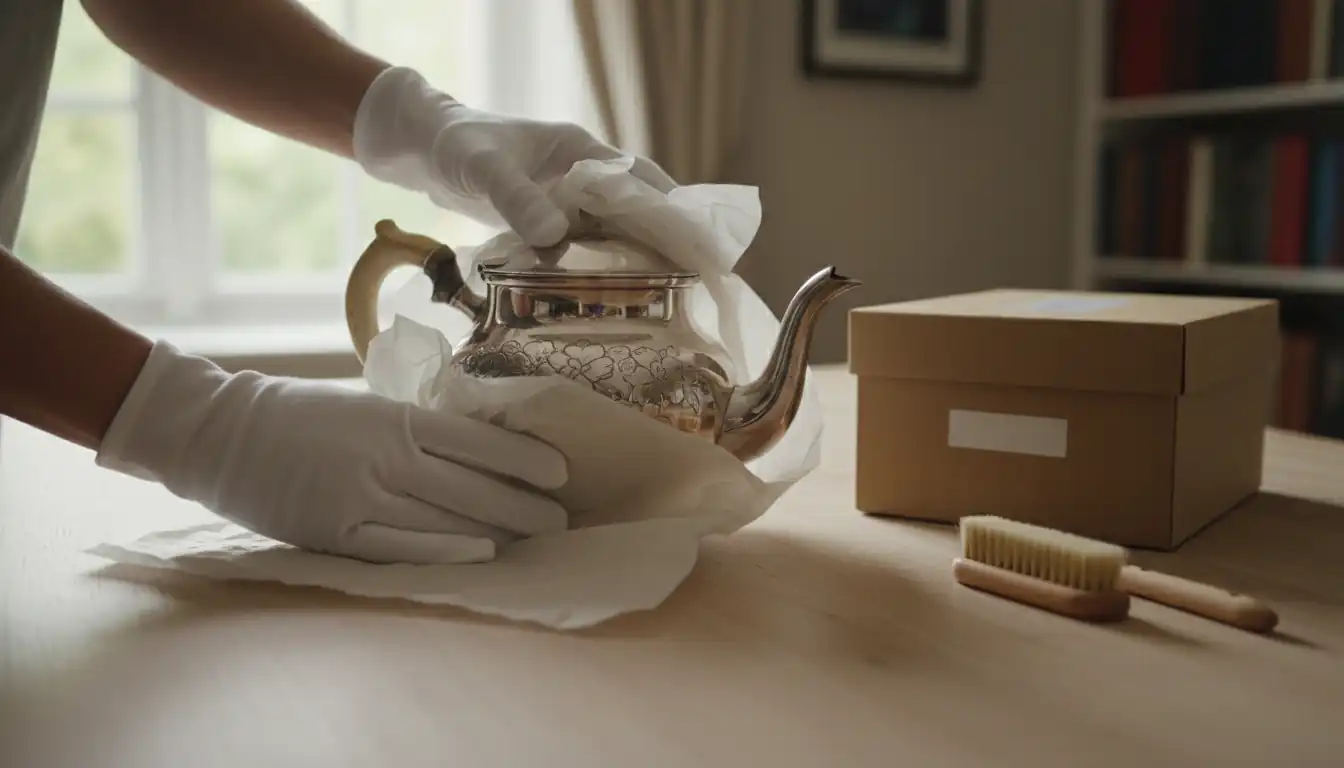
Identifying a Victorian rarity is only the first step. These items have survived 150 years of wars, moves, and changing fashions. As their new steward, you have a responsibility to ensure they survive another century.
Caring for 150-Year-Old Materials
Victorian items were made from organic materials that react to their environment. Wood, silk, and silver all require specific care.
- Silver-Plate vs. Sterling: Never use "dip" cleaners on silver-plate. These chemicals are too aggressive and can actually strip the thin layer of silver right off the base metal, a condition known as "bleeding." Instead, use a mild silver cream and a soft cloth.
- Old-Growth Wood: Victorian furniture was often made from old-growth timber, which is much denser than modern wood. Do not use "lemon oil" or "orange oil" sprays, which often contain silicones that can create a sticky buildup. A high-quality beeswax polish once a year is usually all that is needed to maintain the "glow."
- Textiles: If you find Victorian clothing or tapestries, keep them out of direct sunlight. The dyes used in the 19th century (especially the famous "Mauveine" purple) are highly susceptible to UV fading.
Building a Digital Catalog for Insurance
One of the most practical uses for an app like Relic is the ability to create a categorized inventory. If a fire, flood, or theft were to occur, having a list of your antiques with their appraised values and high-resolution photos is invaluable for insurance claims.
Digital archiving also helps with estate planning. Instead of leaving your heirs a basement full of "old stuff," you can provide them with a digital catalog that explains exactly what each item is and what it’s worth. This prevents valuable pieces from being sold for pennies at a garage sale or, worse, thrown away.
"Conservation isn't about making an item look new; it's about stopping the clock on its decay."
Conclusion
The Victorian era was a period of immense creativity and rapid change, leaving behind a legacy of objects that are as complex as they are beautiful. Identifying these items used to require years of study and a library of books. Today, the barrier to entry has vanished. By understanding the visual cues of Gothic and Rococo revivals and using tools like Relic, you can uncover the hidden history—and the hidden fortune—within your own home.
Whether you are a professional dealer looking for a quick appraisal or a homeowner curious about a family heirloom, the power to identify history is now in your pocket. Don't let your attic remain a mystery. Take a photo, scan your finds, and discover the stories that have been waiting for over a century to be told. Your next great discovery might be just one click away.
Identify antiques instantly
Point your camera at any antique, collectible, or vintage item. Get valuations, history, and market insights in seconds.
Download for iPhone