Your Attic Might Hold a Fortune: Spotting Rare Christmas Ornaments Worth Thousands

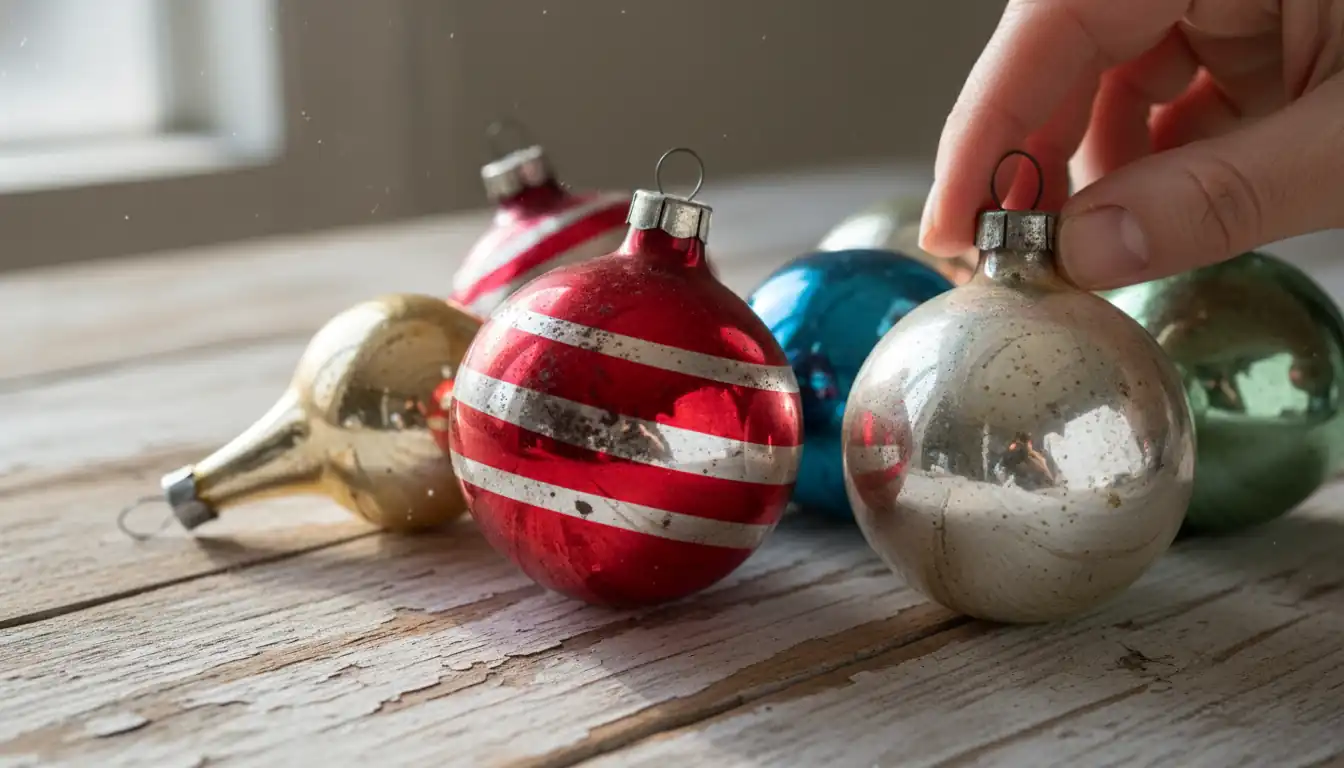
That dusty cardboard box tucked away in the corner of your attic might look like a collection of fragile memories, but for the eagle-eyed collector, it could be a literal gold mine. While most modern ornaments are mass-produced in factories by the millions, the holiday decorations of the late 19th and early 20th centuries were works of art, handcrafted by master glassblowers who treated every bauble like a masterpiece. Some of these delicate survivors now command prices that would cover a down payment on a car or a luxury vacation.
The challenge lies in the fact that a $2,000 antique and a $5 modern reproduction can look remarkably similar to the untrained eye. How do you distinguish between a piece of history and a piece of plastic? It requires looking past the glitter and focusing on the "bones" of the object—the weight of the glass, the scarring on the base, and the specific patina of the metal hardware.
By the time you finish reading this, you will have the toolkit necessary to audit your own collection with professional precision. You’ll learn to spot the "holy grails" of the ornament world and understand why a tiny glass snake or a specific shade of silvered glass can set off a bidding war among elite collectors.
The Anatomy of Value in Antique Glass
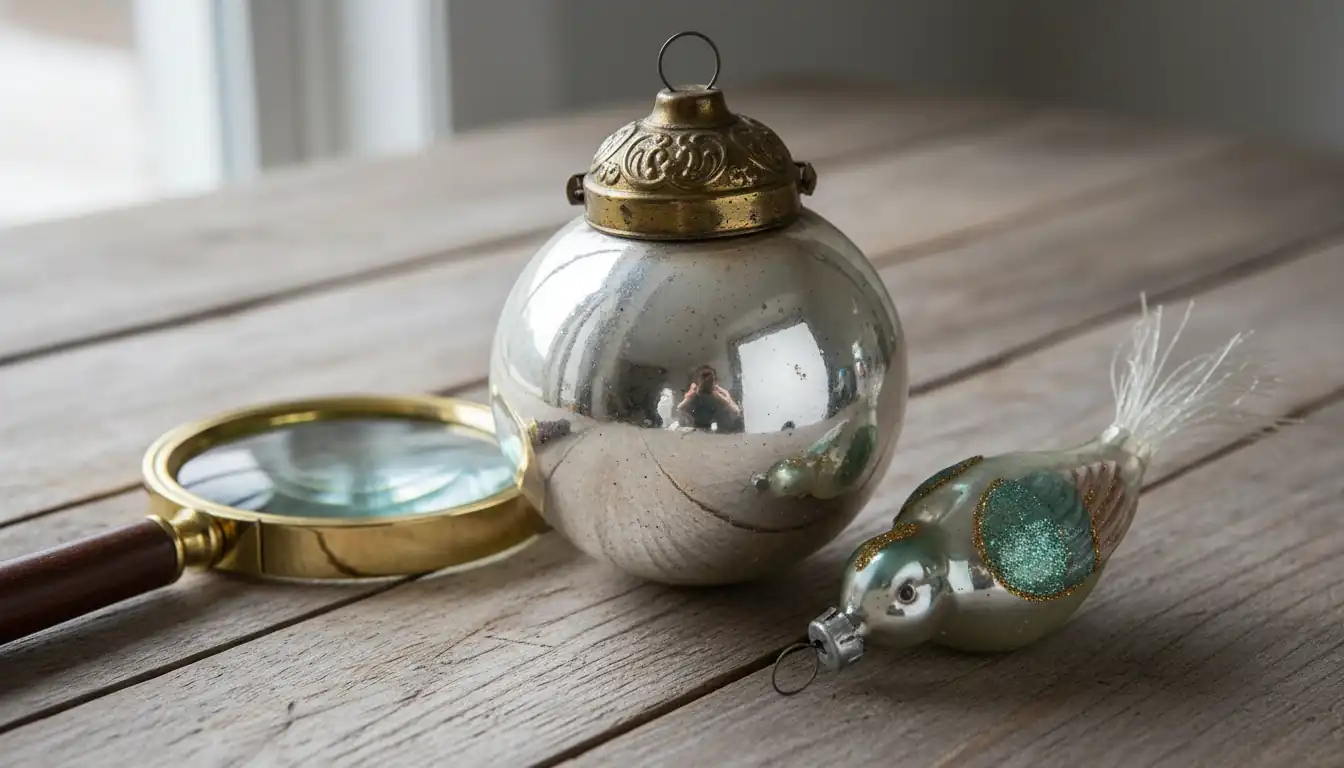
To understand why some ornaments are worth a fortune, you have to understand how they were made. Before the era of injection molding, ornaments were created through a process of "lampworking" or mouth-blowing glass into clay molds. This manual process left behind physical signatures that machines simply cannot replicate. If you pick up an ornament and it feels heavy or uniform, you are likely holding a modern piece. An authentic Victorian or Edwardian ornament, however, feels almost impossibly light, like a frozen soap bubble.
Identifying Hand-Blown German Glass Characteristics
The most significant marker of an authentic antique is the "pontil mark." When a glassblower finished an ornament, they had to detach it from the blowpipe (the pontil). This left a jagged, scarred, or slightly raised nub of glass at the top or bottom of the piece. While modern ornaments have smooth, machine-finished necks, an antique will almost always show this "belly button" of glass production.
- Glass Thickness: Antique glass from the 1890s to the 1920s is incredibly thin. If you hold it up to the light, it should feel fragile enough to crush with minimal pressure.
- Internal Silvering: True "mercury glass" doesn't actually contain mercury. Instead, it was created by swirling a solution of silver nitrate inside the hollow glass. Over a century, this silvering oxidizes, creating a soft, misty glow or a "mirrored" look that has a depth modern metallic paint can't achieve.
- Surface Irregularities: Because these were hand-blown, you might see tiny air bubbles (seeds) trapped within the glass or slight variations in the thickness of the walls. These aren't flaws; they are fingerprints of the artist.
The Tell-Tale Signs of Victorian Tinsel and Wire
During the Victorian era, ornaments weren't just glass; they were often "dressed" in elaborate wire wraps. This was known as Leonische Draht, a type of fine wire made from copper or silver-plated brass. This wire was wrapped around the glass to protect it and to catch the flickering light of real candles on the tree.
- Wire Patina: Authentic Victorian wire will have a deep, dark oxidation. It won't look like shiny new copper; it will look almost black or a very dull, matte grey.
- Tinsel Composition: Early tinsel was made of actual lead or silver-plated copper. It has a heavy "drape" to it. If the tinsel on your ornament feels stiff or crinkly like plastic, it’s a modern addition.
- The "Crinkle" Factor: Look for "bullion wire," which looks like a tiny, tightly wound spring. This was a hallmark of high-end German ornaments from the turn of the century and is a major value-adder for collectors.
Pro Tip: If you see an ornament that looks "too perfect," be skeptical. Authentic 100-year-old glass has a soul—it shows the breath of the blower and the slow march of time through its silvering.
Decoding the Metal Cap and Hanger
If the glass is the body of the ornament, the metal cap is its ID card. Many people overlook the small metal topper, but for a professional appraiser, this is often the first place they look to date a piece. The evolution of metallurgy and manufacturing is stamped right into these tiny pieces of tin and lead.
Dating Ornaments by Cap Style and Patina
How can you tell if a Christmas ornament is vintage? You start by looking at the "crown." In the early 1900s, caps were often simple, flat discs of lead or tin. As manufacturing evolved, these became more ornate.
- The Dome Cap: Pre-WWII ornaments often feature a "dome" style cap that is taller and more rounded than modern versions. These were usually made of tin or lead, which develops a distinct greyish, matte patina over time.
- The Crimp: Look at how the cap grips the glass. Early ornaments used a simple metal "clutch" that was hand-fitted. Modern ornaments use a very uniform, machine-crimped edge that looks perfectly symmetrical.
- Oxidation vs. Rust: Real antique caps won't "rust" in the way iron does (with orange flakes). Instead, they "oxidize," turning a dark, velvety grey. If the cap is shiny and bright, it’s either a replacement or a modern reproduction.
Why the Made in Germany Stamp Changes Everything
The history of the 20th century is written on the underside of ornament caps. Because the Lauscha region of Germany was the epicenter of the ornament world, the stamps on these caps are vital for provenance.
| Stamp Text | Approximate Era | Value Impact |
|---|---|---|
| No Stamp | Pre-1900s | High (Indicates early hand-work) |
| Germany | 1900 - 1930s | Standard Antique Value |
| Made in Germany | 1920s - 1930s | High Demand |
| US Zone Germany | 1945 - 1949 | Rare Historical Niche |
| West Germany | 1949 - 1990 | Mid-Century Collectible |
The "US Zone Germany" stamp is particularly fascinating. Following World War II, Germany was divided into occupation zones. Ornaments produced in the American-occupied sector were stamped specifically to denote their origin. These pieces represent a very narrow window of history and are highly sought after by collectors who specialize in the post-war era.
Rare Figural Shapes That Command High Prices
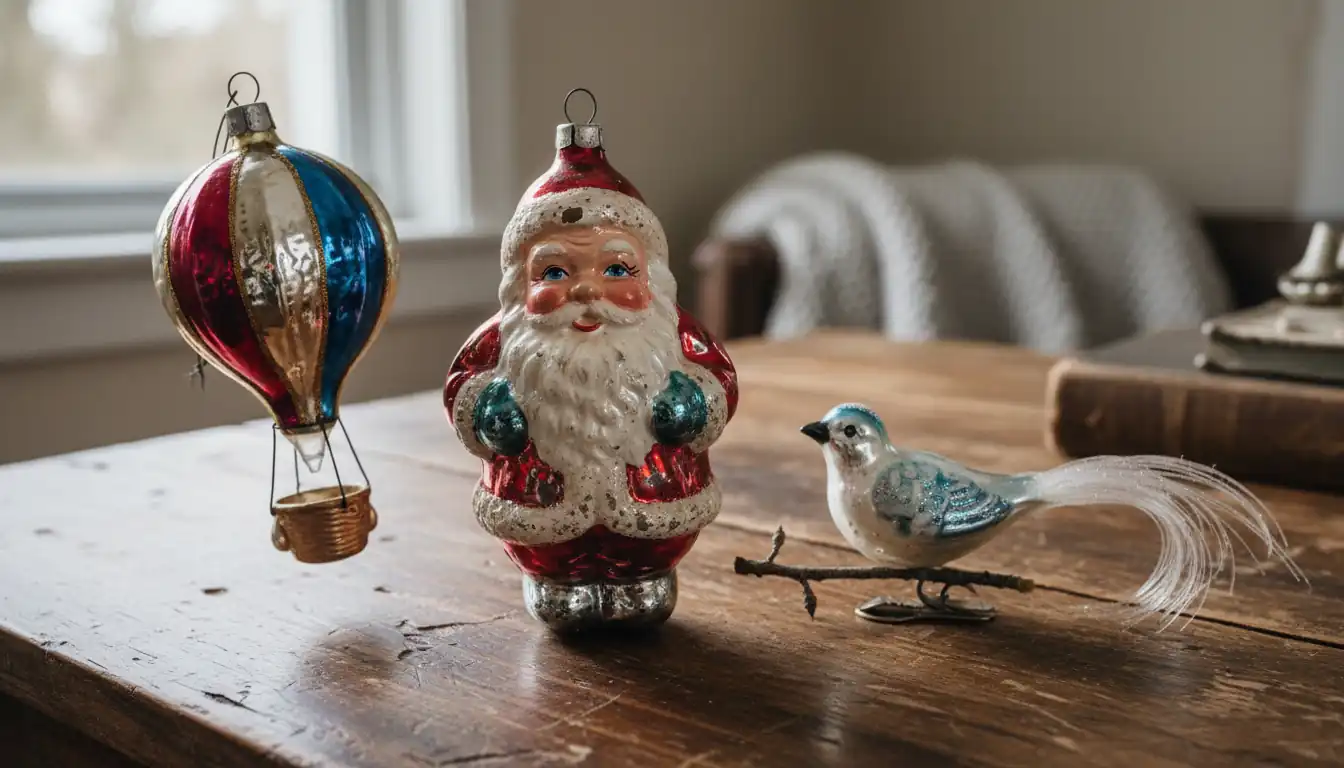
While standard round "balls" are beautiful, the real money in the antique market is found in "figural" ornaments. These are ornaments shaped like people, animals, or everyday objects. The more complex the shape, the harder it was to blow, and the fewer survived the last century without breaking.
From Kugel Balls to Exotic Animals
Before the thin-blown glass of the 1900s, there were "Kugels." These are heavy, thick-walled glass spheres or grape clusters, often lined with silver or lead. Because they are so heavy, they required sturdy branches to hang. A genuine 19th-century Kugel in an unusual color like amethyst or amber can easily fetch over $500.
However, the 1920s brought a surge in exotic shapes. Collectors today hunt for:
- The Mushroom Umbrella: A whimsical shape that often features a small gnome or animal tucked underneath.
- The Leaping Deer: A graceful, thin-walled figure that is notoriously difficult to find with all four legs intact.
- The Hot Air Balloon: Often featuring a "basket" made of wire or tinsel hanging below the glass balloon.
The High Demand for Free Blown Serpents and Peacocks
The "holy grails" of the ornament world are often "free blown," meaning they weren't even made in a mold. The glassblower shaped them entirely by hand and breath.
- The Free Blown Snake: These 1910s-era ornaments feature a serpent coiled around a central glass rod or the ornament itself. Because of their fragility, very few have survived. Finding one in good condition can result in a windfall of several thousand dollars.
- The Peacock in a Ring: This features a glass peacock—often with a real spun-glass tail—perched inside a glass or wire hoop. The complexity of this design makes it a centerpiece for any high-end collection.
- The Lighthouse: A rare architectural shape that often features hand-painted details and intricate "railing" made of wire.
The rarity of these items stems from their "one-and-done" nature. If a glassblower made a mistake on a free-blown snake, the whole piece was lost. This inherent difficulty is exactly what drives the price into the thousands today.
Modern Tools for Instant Identification
Identifying these nuances manually is a daunting task. In the past, you would have to carry around heavy, out-of-print collector books or spend hours scrolling through obscure forums to find a match for the "weird glass bird" you found at a garage sale. The learning curve was steep, and many treasures were likely sold for pennies because the seller didn't know what they had.
This is where technology has changed the game for pickers and hobbyists alike. You no longer need to be a lifelong scholar of German glass to spot a fortune.
Using AI to Authenticate Your Holiday Collection
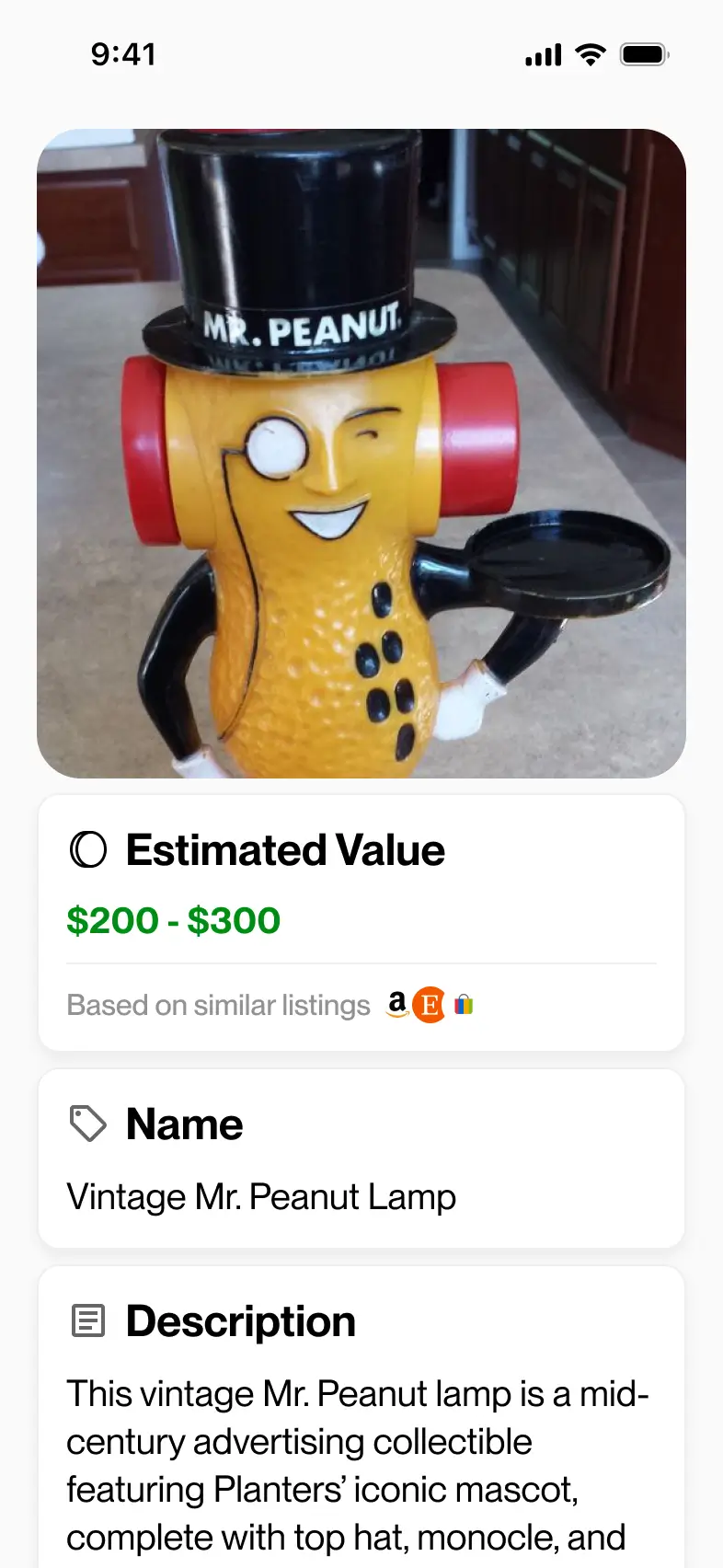
The Relic app has effectively put a professional appraiser in your pocket. By using advanced AI trained on tens of thousands of antique specimens, Relic allows you to simply point your camera at an ornament and get an instant breakdown of its history.
If you’re standing in a cold barn at an estate sale, you don't have time to research the history of "US Zone" metal caps. With Relic, you take a photo, and the AI analyzes the shape, the cap style, and the patina to provide a real appraisal and origin. It’s the difference between guessing and knowing.
Why Photo Recognition Beats Manual Catalog Searching
Manual searching is prone to human error. You might misidentify a 1950s reproduction as a 1910s original because you missed a tiny detail in the glass texture. Relic’s AI doesn't get tired or overlook details. It can cross-reference your photo against a massive database of auction results and historical catalogs in seconds.
- Instant Valuation: Get a sense of what the item is actually selling for in the current market.
- Historical Context: Learn the story behind the piece—where it was made and why that specific shape was popular.
- Searchable Catalog: Keep a digital inventory of your finds, making it easy to show potential buyers or insurance agents.
With a 4.9-star rating from over 20,000 users, it’s clear that both professional dealers and casual treasure hunters are using this tool to ensure they never leave a "Free Blown Snake" behind.
Preserving Value and Spotting Fakes
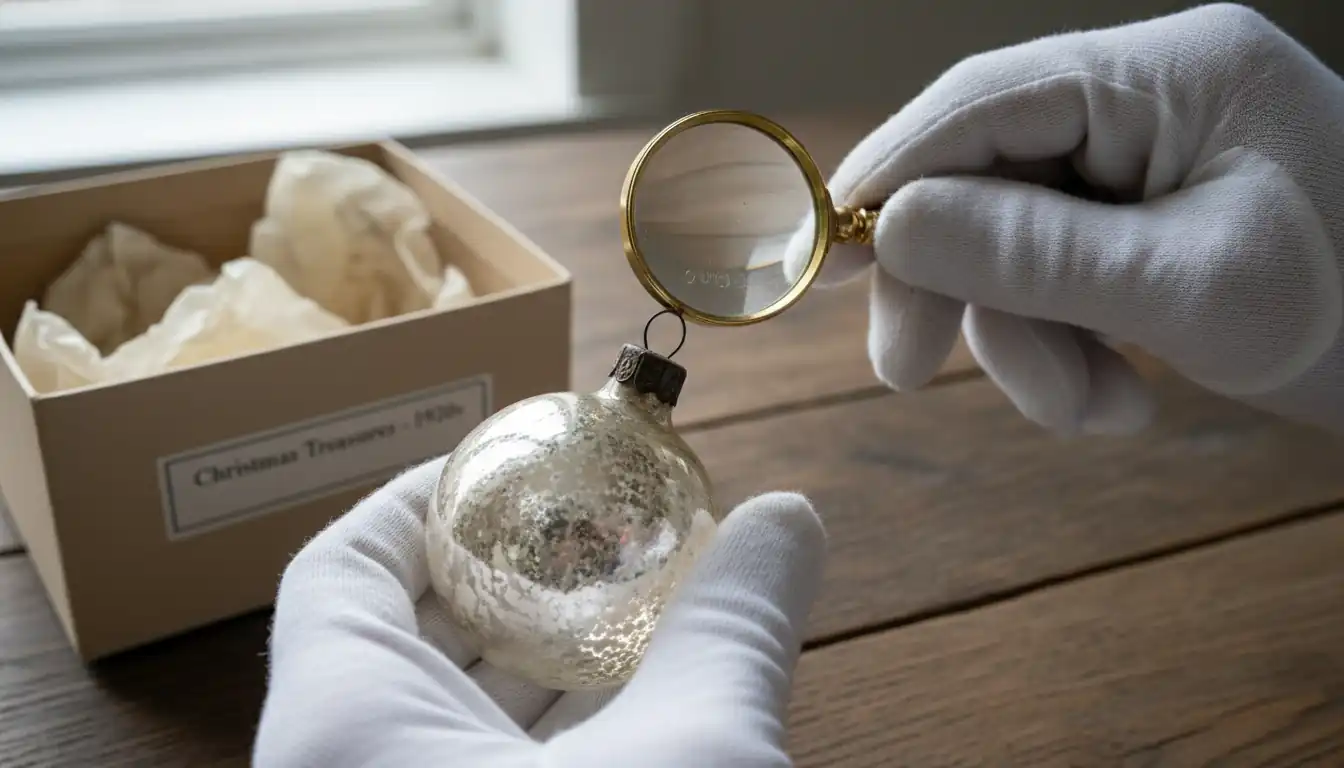
As the value of antique ornaments has climbed, so has the prevalence of fakes. Unscrupulous sellers often try to "age" modern ornaments to deceive buyers. Being able to spot these "franken-ornaments" is just as important as knowing how to find the real ones.
Distinguishing Between Authentic Patina and Artificial Aging
Artificial aging is usually "top-down," meaning it sits on the surface of the glass. Authentic aging happens from the inside out.
- Tea-Staining: Some fakers will soak modern tinsel or cotton in tea to give it a brown, "antique" look. Authentic oxidation is rarely uniform; it will be darker in the crevices and lighter on the exposed edges.
- Spray-on Frosting: Modern "snow" or "frosting" often has a chemical, glittery look. Antique mica (the "snow" used in the early 1900s) has a flaky, mineral appearance and is often slightly yellowed by age.
- The Smell Test: Believe it or not, old ornaments often have a specific smell—a mix of old dust, oxidized metal, and the cardboard boxes they’ve lived in for decades. Modern reproductions often smell like plastic or fresh paint.
Storage Mistakes That Destroy Resale Value
Once you’ve identified a high-value ornament, your biggest enemy is improper storage. You could have a $1,000 ornament that becomes worthless in a single summer if you aren't careful.
- The Plastic Bin Trap: Never store antique glass in airtight plastic bins. These bins trap moisture and outgas chemicals that can cause "glass rot" or "sick glass." This is a chemical reaction that causes the internal silvering to flake off or the glass to become cloudy and brittle.
- Acid-Free Tissue Paper: Only use acid-free tissue paper for wrapping. Standard tissue paper or newspaper contains acids that will eat away at the delicate hand-painted details over time.
- Temperature Fluctuations: Attics and garages are the worst places for ornaments. The extreme heat causes the glass to expand and contract, which leads to "crazing" (tiny surface cracks) or the total failure of the silvering. Keep your treasures in a climate-controlled part of your home.
Warning: A single hairline crack or a significant "flaking" of the internal silvering can drop the value of a rare ornament by as much as 70%. Handle them like they are made of eggshells—because they essentially are.
Conclusion
The world of antique Christmas ornaments is a fascinating intersection of art, history, and high-stakes collecting. What looks like a simple holiday decoration is often a survivor of a bygone era, carrying the literal breath of a craftsman from a century ago. By focusing on the "anatomy" of the glass—the pontil marks, the thinness, and the specific oxidation of the metal caps—you can begin to separate the common from the extraordinary.
Remember that the "hunt" is half the fun. Whether you are scouring estate sales, digging through your own family's storage, or browsing a local flea market, you now have the knowledge to spot the high-value figural shapes like the Free Blown Snake or the Peacock in a Ring.
Don't let the complexity of identification hold you back. Tools like the Relic app have democratized the world of antiques, giving you the power to authenticate and appraise items in real-time. Your next great find might be hiding in plain sight, waiting for someone with the right eye—and the right tools—to recognize its worth.
So, go ahead and climb that attic ladder. Open those dusty boxes. Your holiday fortune might be waiting just beneath the lid.
Identify antiques instantly
Point your camera at any antique, collectible, or vintage item. Get valuations, history, and market insights in seconds.
Download for iPhone