Your Attic Might Hold a Fortune: The Secret Signs of an Original Oil Painting

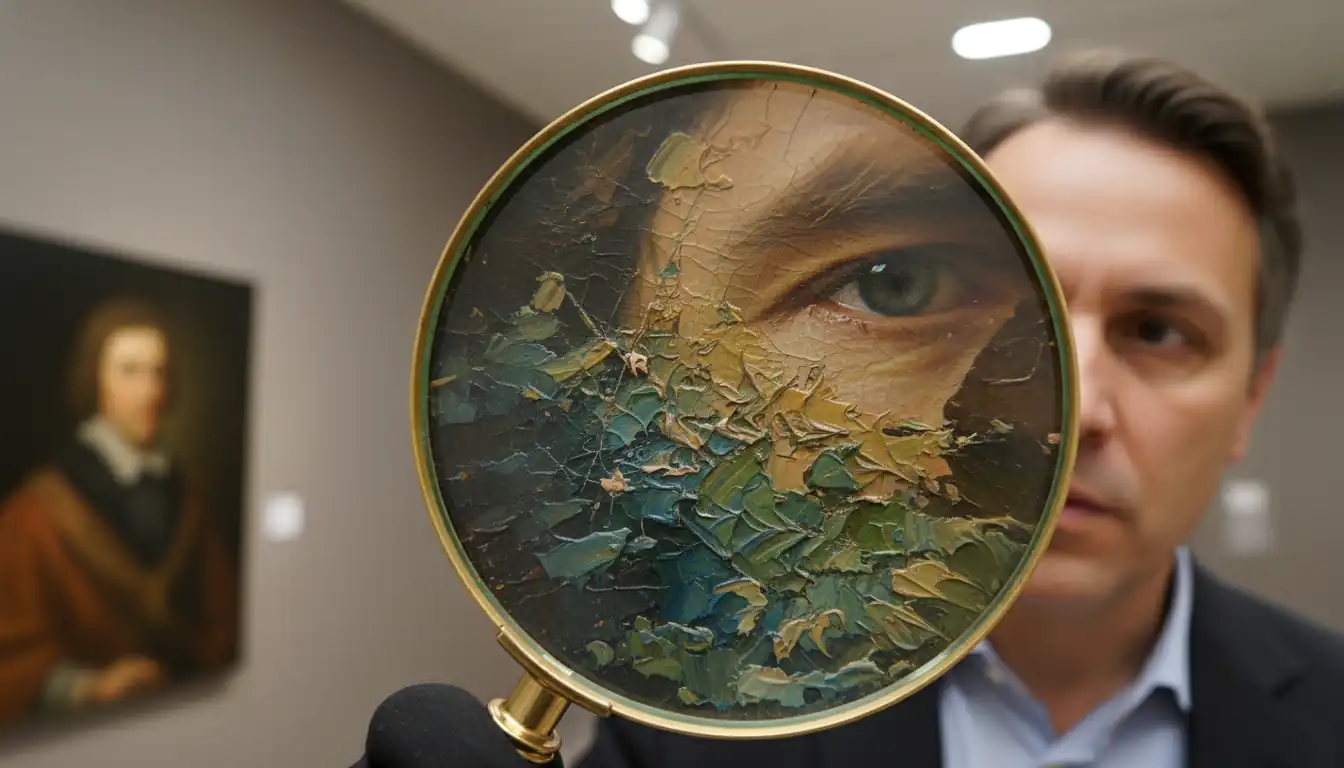
Imagine walking into a dusty estate sale or climbing the creaky stairs to your own attic. You see a heavy, gilded frame leaning against a stack of old trunks. The image is dark, moody, and covered in a century of grime, but there is something about the way the light catches the surface that makes your heart skip. Could this be a discarded masterpiece, or is it just a mass-produced decoration from a bygone era?
The difference between a $50 yard-sale find and a $50,000 gallery treasure often comes down to details invisible to the untrained eye. Most people look at the subject of the painting—a landscape, a portrait, or a bowl of fruit—and stop there. However, the true value lies in the physical DNA of the object itself. Understanding how to read the canvas, the paint, and the history behind the frame is the first step toward uncovering a hidden fortune.
In this guide, you will learn how to look at art like a professional conservator. We will explore the tactile clues left by the artist’s hand, the digital tools that can identify a mystery piece in seconds, and the technical tests that separate a genuine oil painting from a clever mechanical reproduction. By the time you finish reading, you will have a roadmap for evaluating any piece of art you encounter.
Physical Anatomy of an Authentic Masterpiece
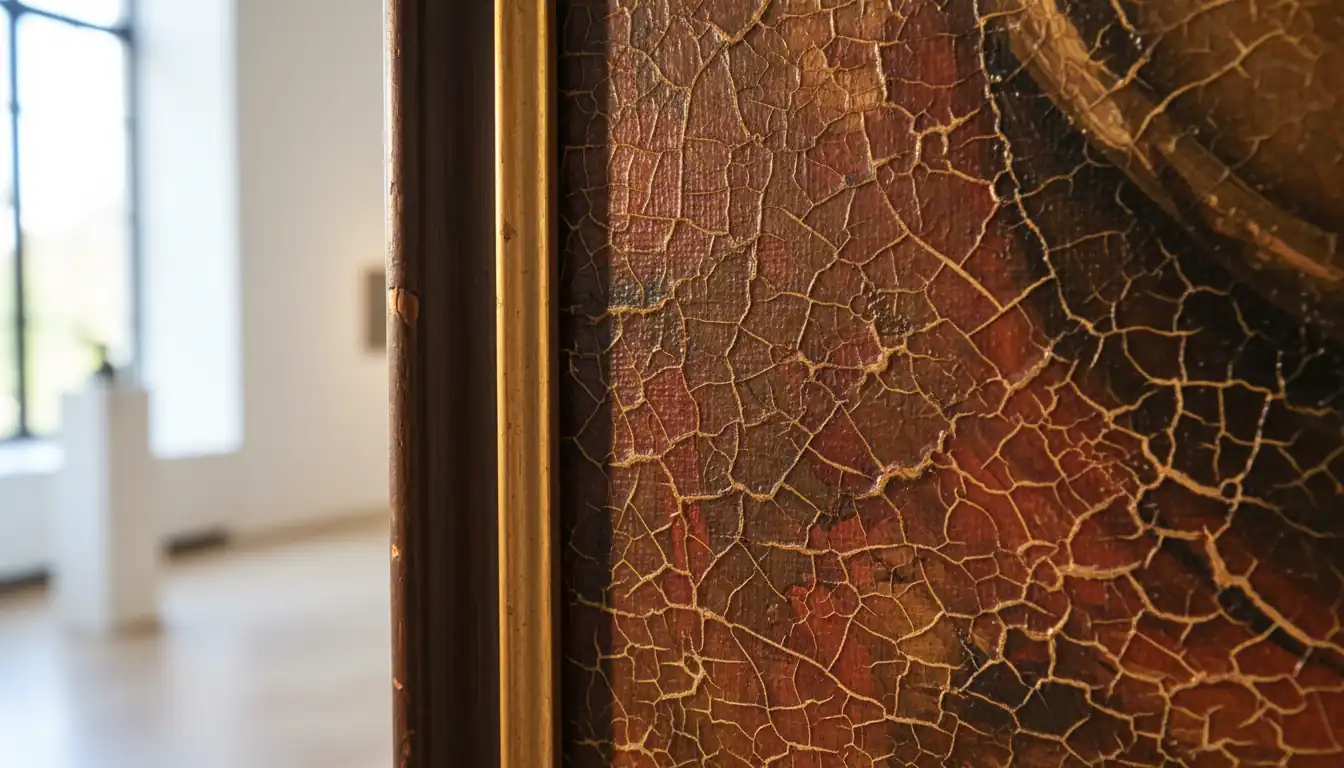
Before you look for a signature or try to research the artist, you must look at the physical construction of the piece. A painting is more than just an image; it is a three-dimensional object built in layers. When you examine a work of art, you are looking for evidence of human labor and the passage of time.
Texture and Brushwork Depth
One of the most immediate signs of an original oil painting is the "impasto" technique. This term refers to paint that is applied so thickly that it stands off the surface of the canvas. When an artist uses a palette knife or a stiff brush to create highlights, they leave behind ridges and valleys of pigment.
If you tilt the painting toward a light source, these ridges should cast tiny shadows. A print, even one textured with a clear gel coat to mimic brushstrokes, will often look uniform or "flat" when viewed from a sharp angle. Real oil paint dries at different rates depending on the color and thickness, leading to a varied, organic surface texture that machines struggle to replicate.
You should also look for what artists call the 80/20 rule in painting. This concept suggests that 80% of a painting’s success and structure comes from the foundational layers—the underpainting, the blocking of shapes, and the tonal mapping. Only the final 20% consists of the fine details and highlights that catch your eye. In a genuine original, you can often see these foundational layers peeking through the top coat. A mechanical print lacks this "depth of history"; it is a single layer of ink applied all at once, whereas a real painting is a chronological record of the artist's decisions.
Canvas and Support Clues
The back of the painting often tells a more honest story than the front. Turn the piece over and look at the wooden frame the canvas is stretched across, known as the "stretcher bars."
- Wood Age: Old wood darkens over time. If the painting claims to be from the 19th century but the wood is bright, pale pine with sharp, machine-cut edges, you are likely looking at a modern reproduction.
- Nails vs. Staples: Authentic antique paintings were secured with hand-forged nails or tacks. If you see shiny steel staples, the painting was either created recently or re-stretched in the modern era.
- The Light Test: Hold the canvas up to a strong light or a window. Because hand-applied oil paint varies in thickness, the light should pass through the canvas unevenly. You might see "pinpricks" of light where the paint is thin, while the thicker areas remain dark. A print will usually block light in a perfectly uniform way.
Pro Tip: Look for "craquelure"—the fine network of cracks that forms as oil paint loses its elasticity over decades. Genuine craquelure follows the direction of the brushstrokes or the tension of the canvas. If the cracks look printed on or perfectly symmetrical, be suspicious.
Decoding the Artist Identity and History
Once you have confirmed that the object is a physical painting, the next step is to determine who painted it and where it came from. This is where the detective work truly begins. Identifying a valuable painting is rarely about finding a famous name; it is about finding a consistent, high-quality "hand" and a documented history.
Signature Authenticity and Placement
A signature is the most common way people try to identify a painting, but it is also the easiest thing for a forger to fake. To tell if a signature is genuine, you need to look at how it interacts with the paint layers.
Professional appraisers look for "wet-in-wet" signatures. This means the artist signed the work while the paint was still wet, causing the signature to physically blend into the surface. If the signature looks like it is "floating" on top of the varnish, or if the ink has pooled into the cracks of the paint (craquelure), it was likely added much later. This is a major red flag for a forgery.
Beyond the signature itself, look for the "consistency of hand." An artist’s style is like a fingerprint. The way they execute a brushstroke in the corner of the sky should match the confidence and fluid motion of the signature. If the painting is masterful but the signature looks shaky or hesitant, the name might have been added to an anonymous work to increase its value.
Provenance and Historical Paper Trails
If you are asking yourself, "How can I tell if a painting is valuable?", the answer is often found in its provenance. Provenance is the documented history of ownership. A painting that has a clear line of descent from a known gallery, a prestigious estate, or a museum exhibition is worth significantly more than an identical painting with no history.
Look for these clues on the back of the frame:
- Gallery Labels: Old, yellowed stickers from defunct galleries in cities like Paris, London, or New York.
- Exhibition Stamps: Ink stamps from museums or "Salon" exhibitions.
- Handwritten Notes: Sometimes a previous owner will write the name of the artist or the date of purchase directly on the wood.
A receipt from a gallery that closed in 1940 is more than just a piece of paper; it is a "birth certificate" for the artwork. It proves the item existed at a certain time and was handled by professionals. Without provenance, even a genuine masterpiece can face a difficult road to authentication in the high-end art market.
| Feature | Sign of Original | Sign of Reproduction |
|---|---|---|
| Signature | Integrated into paint layers | Sits on top of varnish or cracks |
| Edges | Paint continues around the sides | Perfectly clean or cut edges |
| Back of Canvas | Stained, darkened, or "foxed" | Bright white and pristine |
| Frame | Hand-carved or period-appropriate | Plastic or modern composite |
Modern Tools for the Digital Collector
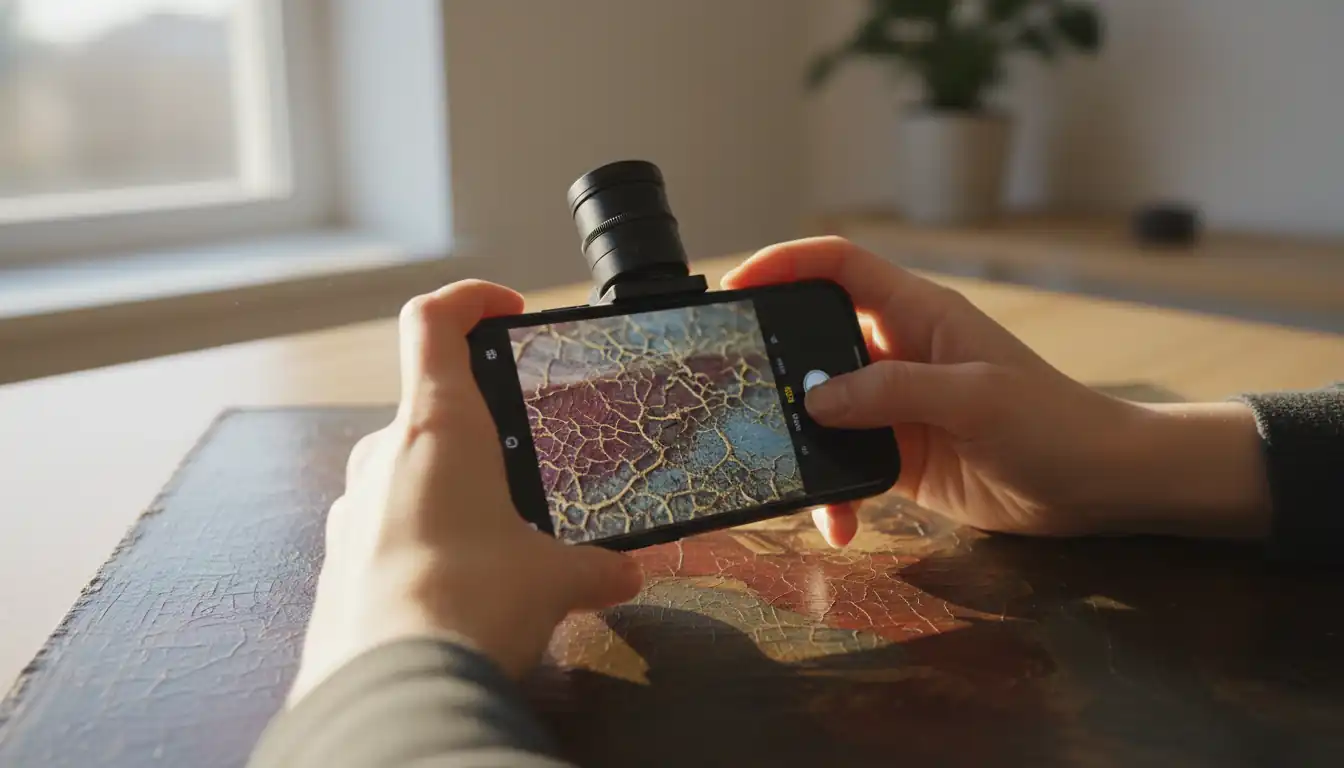
In the past, identifying a mystery painting required a trip to a university library or a high-priced consultation with an art historian. Today, technology has leveled the playing field, allowing anyone with a smartphone to access professional-grade insights.
AI Powered Identification with Relic
When you find a piece that looks promising, you don't have to guess about its origin. This is where specialized tools like the Relic app become indispensable. While a general search engine might show you visually similar images, Relic is designed specifically for the nuances of antiques and fine art.
The app uses advanced AI to analyze the specific characteristics of your item. By simply taking or uploading a photo, Relic examines brushstroke patterns, color palettes, and historical data to provide a real appraisal, history, and origin of the item. For a collector standing in a crowded thrift store, this is the difference between taking a blind gamble and making an informed investment. With a 4.9-star rating from over 20,000 reviews, it has become a go-to resource for "pickers" and professional dealers who need accuracy in seconds.
Reverse Image Searching and Database Cross Referencing
Many people ask, "Can Google identify a painting from a picture?" The answer is: sometimes, but with major limitations. Google Lens is excellent at finding where an image appears online. If you take a photo of a famous painting like the Mona Lisa, Google will tell you exactly what it is.
However, Google is a generalist. It struggles with "anonymous" works or paintings by mid-listed artists who don't have a massive digital footprint. Google also cannot tell the difference between a photo of a real painting and a photo of a print. Specialized AI like Relic goes a step further by cross-referencing your photo with auction records and art history databases to provide a valuation, not just a visual match. It looks for the context of the art, helping you understand if the "style" matches a specific school of painting or a known regional artist.
Distinguishing Prints from Masterpieces
The most common heartbreak in the art world is the "look-alike." Modern printing technology is so advanced that a high-quality reproduction can fool even seasoned collectors from a few feet away. To protect your investment, you must learn to spot the mechanical "ghosts" in the image.
The Magnifying Glass Test for Dot Patterns
If you want to know "How do you tell if a picture is a print or original?", your best friend is a 10x jeweler’s loupe or a high-powered magnifying glass. When you look at a real oil painting under magnification, you will see solid, continuous flows of pigment. You might see the individual hairs of the brush or the weave of the canvas through the paint.
If you look at a print under a loupe, you will likely see one of two things:
- Halftone Dots: A series of tiny, perfectly spaced dots in Cyan, Magenta, Yellow, and Black (CMYK). This is the tell-tale sign of a commercial offset print.
- Inkjet Spray: A fine, "spattered" look that resembles tiny droplets of water. This indicates a digital print.
Real paint doesn't break down into dots. It is a physical substance that has been pushed and pulled across the surface. If you see a grid of dots, the "painting" was made by a machine, regardless of how much it looks like a masterpiece to the naked eye.
Identifying Giclées and Lithographs
Not all prints are cheap posters. Some are high-end reproductions known as Giclées. These are high-resolution inkjet prints often produced on actual canvas. To make them even more convincing, some manufacturers apply a "brushstroke" texture using a clear gel.
To spot a Giclée, look at the very edges of the image. On a real painting, the artist often leaves "sloppy" edges where the paint stops or drips. On a Giclée, the image often ends in a perfectly straight line, or the "texture" of the brushstrokes doesn't actually match the colors underneath. For example, you might see a "ridge" of texture in the middle of a flat blue sky where no brushstroke should be.
"A print is a map of a painting, but a painting is the territory itself. One is a record of an image; the other is a record of an action."
Professional Validation and Market Value

Let's say you've used the Relic app to identify the artist, you've checked the canvas for age, and you've used a loupe to confirm there are no dot patterns. You are fairly certain you have a genuine original. What now?
When to Consult a Human Appraiser
While digital tools are perfect for the initial discovery and "triage" of your finds, a high-value item eventually needs a human touch. There is a "threshold of value" to consider. If your research suggests the painting is worth more than $1,000, it is usually worth paying for a formal, written appraisal.
Professional appraisals typically cost between $200 and $500 per hour. You should never hire an appraiser who charges a percentage of the painting's value, as this is a conflict of interest. A human appraiser will provide a legal document that can be used for:
- Insurance Coverage: Protecting your find against fire or theft.
- Estate Planning: Determining how to divide assets.
- Tax Deductions: If you choose to donate the piece to a museum.
Navigating the Auction and Gallery World
Once you have a validated original, you have to decide whether to keep it or sell it. If the painting is by a "listed artist" (someone with a recorded history of sales), an auction house is often the best route. Large houses like Sotheby’s or Christie’s handle the multi-million dollar masterpieces, but regional auction houses are perfect for "mid-market" finds worth $1,000 to $20,000.
Galleries work differently. A gallery might buy your painting outright (at a wholesale price) or take it on "consignment," meaning they take a commission (usually 30-50%) once it sells. Selling at auction is often faster, but the price is subject to the whims of the bidders on that specific day.
Conclusion
The journey from a dusty attic find to a recognized work of art is a process of elimination. You start by examining the physical anatomy—the impasto, the 80/20 rule of layering, and the age of the canvas. You move on to the "detective" phase, analyzing signatures and provenance to build a history for the piece. You use modern tools like the Relic app to bridge the gap between your curiosity and professional-grade data. Finally, you verify the medium under a lens to ensure no mechanical dots are hiding in the pigment.
Finding a masterpiece is rare, but it happens every day to people who know what to look for. The next time you see an old painting, don't just look at the image. Look at the cracks, the wood, the texture, and the story. Your attic might not just be holding old clothes and holiday decorations; it might be holding a piece of history waiting to be rediscovered.
Your Next Step: Download the Relic app and scan that one mystery item you've been holding onto. Whether it's a family heirloom or a thrift store find, the answer to "what is this worth?" is now just a photo away.
Identify antiques instantly
Point your camera at any antique, collectible, or vintage item. Get valuations, history, and market insights in seconds.
Download for iPhone