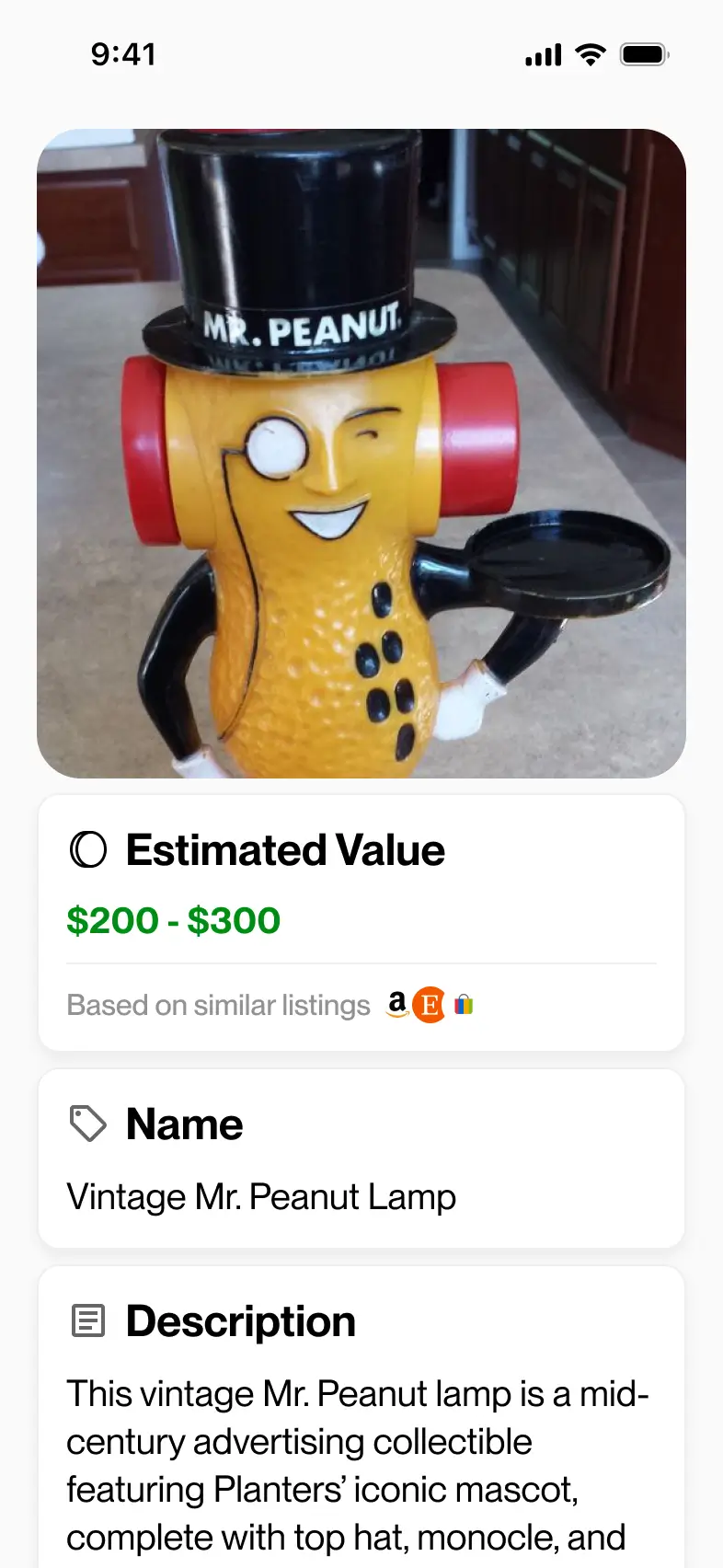
Your iPhone Is Now a Professional Appraiser: The New Way to Identify Antiques by Photo

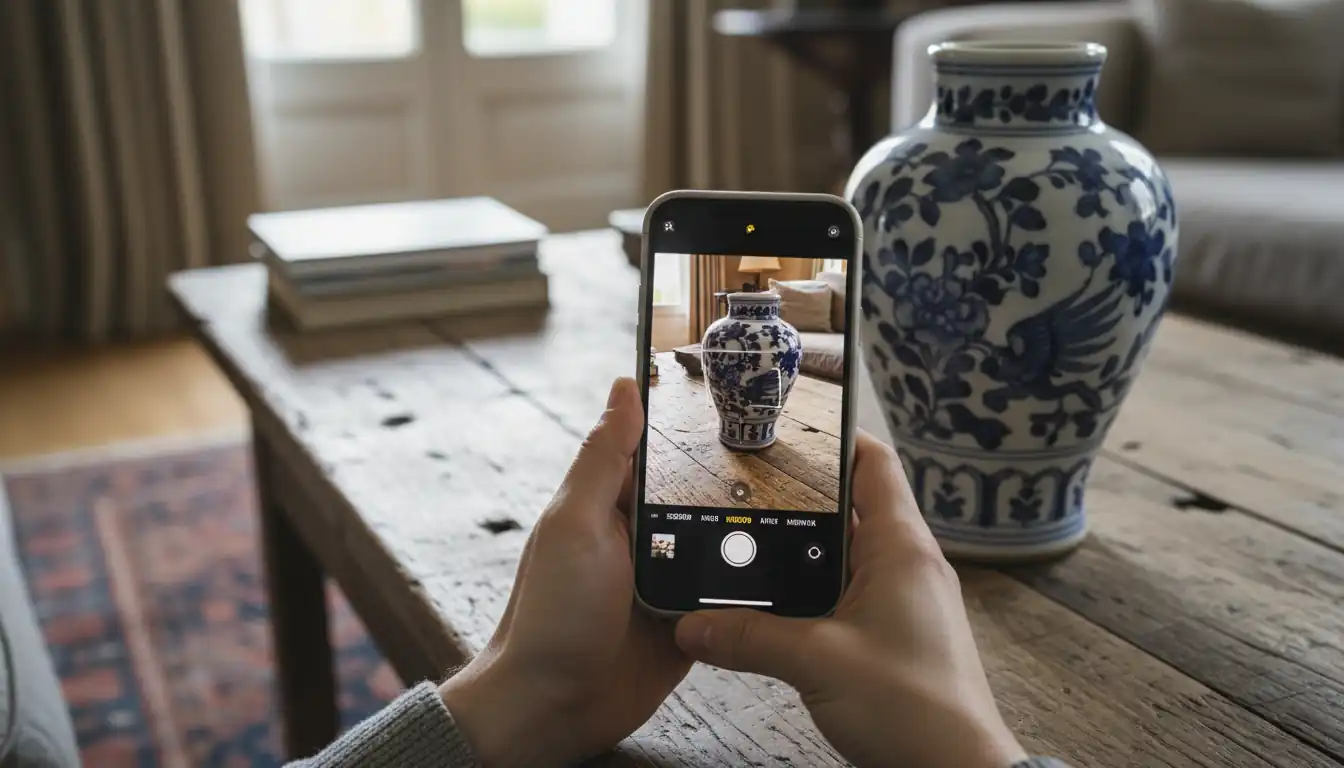
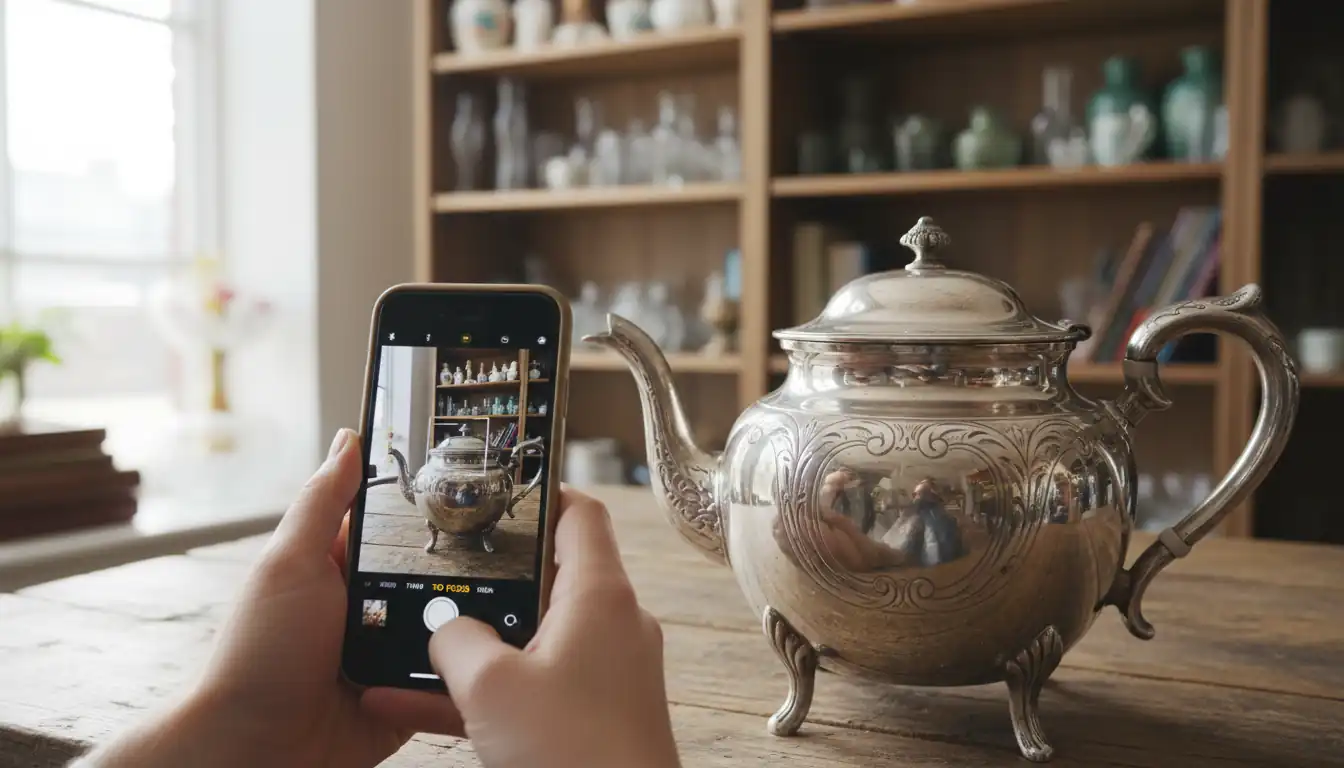
You are standing in a dusty corner of a local estate sale, eyes locked on a heavy, tarnished silver bowl. It has the weight of history, but the markings on the bottom are a cryptic language of tiny crowns, lions, and letters. Twenty years ago, you would have needed a stack of reference books and a magnifying glass to even guess its origin. Today, you simply reach into your pocket, pull out your iPhone, and let a lens do the heavy lifting.
The bridge between the physical relics of the past and the digital tools of the present has never been shorter. Your phone is no longer just a communication device; it has become a sophisticated optical laboratory capable of identifying objects that have been forgotten for centuries. By combining high-resolution optics with massive databases of historical data, the way we interact with antiques has fundamentally changed.
In this guide, you will discover how to turn your mobile device into a professional-grade appraisal tool. We will explore the mechanics of AI-driven identification, the importance of data privacy in the digital age, and how specialized tools like Relic provide the depth of information that general search engines simply cannot match. Whether you are a seasoned dealer or someone who just inherited a box of "old stuff," the power to decode history is now literally in the palm of your hand.
Turning Your iPhone Into a Digital Time Machine
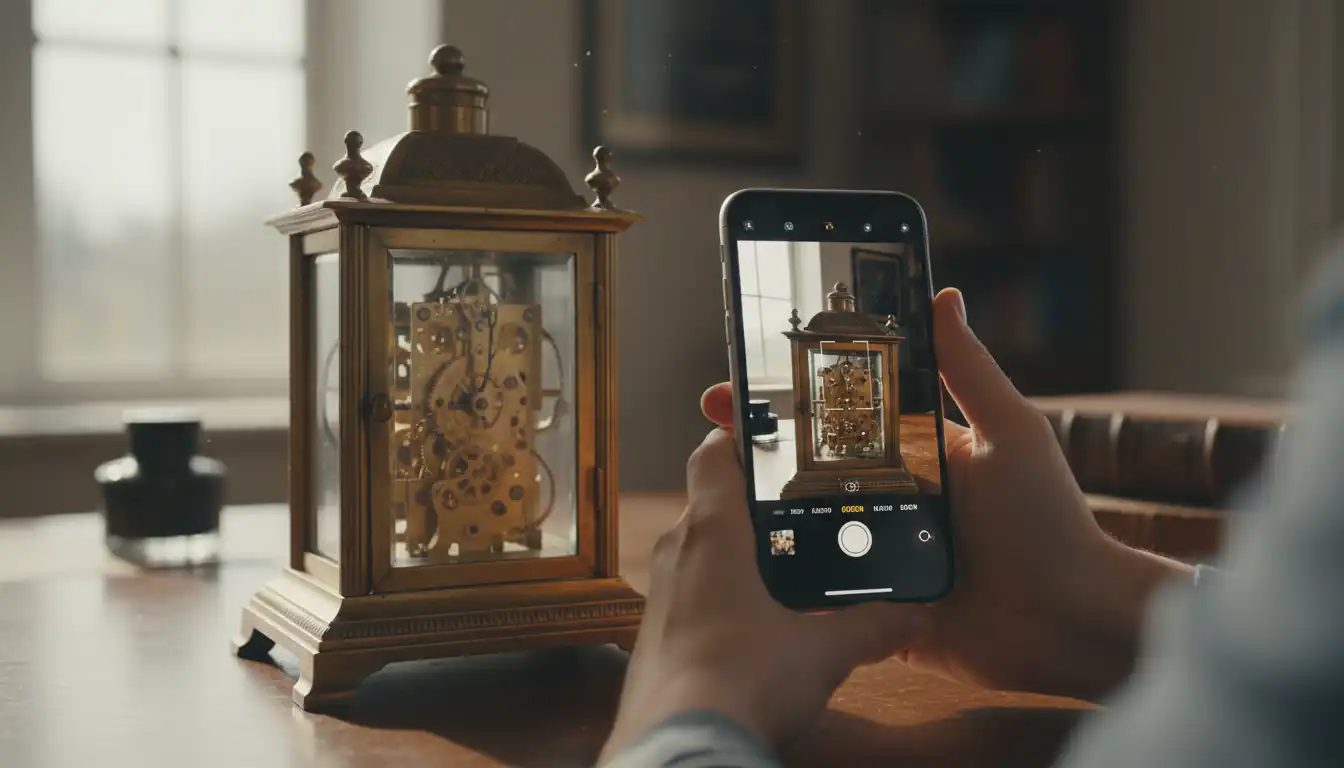
The transition from manual research to digital identification feels like magic, but it is grounded in complex mathematics. When you point your camera at an antique, you aren't just taking a picture. You are feeding a sophisticated neural network a massive amount of visual data. This technology has moved far beyond simple shape recognition.
AI-Powered Photo Recognition
Modern identification apps use advanced neural networks to look at an object the same way a human expert does, only much faster. When you ask, "Can I take a picture of an item and find out what it is?" the answer is a resounding yes, provided you understand how the AI "sees." The software analyzes visual markers such as the specific curve of a chair leg, the unique "craquelure" or cracking pattern in an oil painting’s glaze, and the specific stamps found on the underside of porcelain.
These AI models have been trained on millions of authenticated images. They can distinguish between a genuine 18th-century mahogany finish and a 20th-century reproduction by analyzing the texture and light absorption of the wood grain. This level of detail allows the software to identify the "DNA" of an object, matching it against a global library of known antiques and artifacts.
Real-Time History and Origin Mapping
Once the AI identifies the object, it begins the process of origin mapping. This isn't just about naming the item; it’s about placing it in time and space. The software cross-references the visual data with historical records to tell you where the item was likely manufactured and during which era.
For example, a specific floral pattern on a ceramic plate might be linked to a small factory in the Staffordshire region of England that only operated between 1840 and 1860. By identifying these "tells," the app provides a narrative of the item’s journey. This real-time history allows you to understand the cultural context of your find before you even leave the thrift store or auction house.
Pro Tip: To get the best results from AI recognition, always photograph the item against a neutral, solid-colored background. This prevents the AI from getting "distracted" by patterns in your carpet or wallpaper.
| Feature | How It Works | Why It Matters |
|---|---|---|
| Texture Analysis | Scans surface depth and material patterns. | Distinguishes between real materials and fakes. |
| Hallmark Decoding | Zooms in on tiny stamps and maker's marks. | Identifies the specific artist or manufacturer. |
| Geometric Mapping | Measures the proportions of the object. | Confirms the stylistic period (e.g., Art Deco vs. Victorian). |
| Color Spectrometry | Analyzes the specific pigments used. | Helps date items based on when certain dyes were invented. |
Navigating the Global Marketplace Safely
As these tools become available across Europe, the Asia Pacific, Africa, and the Americas, the question of safety becomes paramount. When you use an app to scan a valuable heirloom, you are sharing data. Understanding how that data is handled is just as important as the identification itself.
Regional Availability and Accessibility
The beauty of digital antiquing is its borderless nature. A collector in Tokyo can identify a French Ormolu clock as easily as a picker in Paris. Most professional apps are designed with global databases that include regional hallmarks from around the world. This accessibility ensures that whether you are looking at Ming Dynasty pottery or Mid-Century Modern furniture from the United States, the tool remains effective.
Furthermore, accessibility features have made these tools usable for everyone. Voice-to-text descriptions and high-contrast interfaces allow collectors with varying levels of visual or motor ability to participate in the hobby. The goal is to democratize expertise, making the world of high-end collecting available to anyone with a smartphone.
Data Privacy and App Transparency
In the digital age, your privacy is your most valuable asset. When choosing an identification tool, you must look for "App Privacy" standards that protect your personal information. Many users worry that by photographing their expensive items, they are creating a "map" for bad actors.
This is why top-tier apps adhere to a "Data Not Linked to You" policy. This means that while the app analyzes the photo of your antique, it does not connect that photo to your name, home address, or phone number. The image is used for identification purposes and then anonymized.
- Data Encryption: Ensure the app uses end-to-end encryption for any photos uploaded to the cloud.
- Location Privacy: You should have the option to disable GPS tagging on your photos so the location of your collection remains private.
- Transparency Labels: Check the App Store’s privacy labels to see exactly what data the developer collects.
- Account Security: Use apps that offer two-factor authentication if you are building a digital inventory of your items.
Free Tools vs Professional Identification Apps
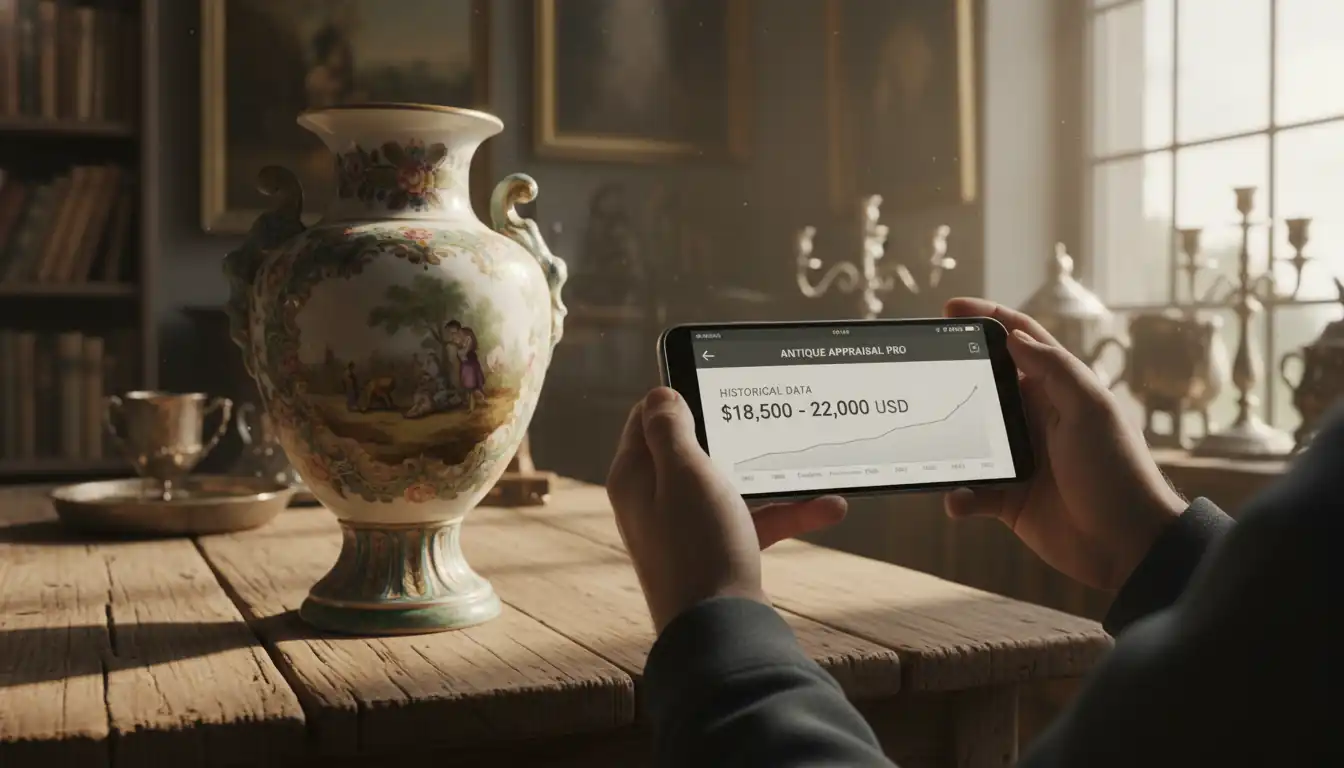
A common question among new collectors is, "Is there an app to check the value of antiques for free?" While there are many free resources available, there is a significant difference between a general search and a professional appraisal.
The Limits of Google Lens and Free Websites
You might wonder, "Can Google Lens identify antiques?" The answer is yes, but with limitations. Google Lens is a generalist tool. It is fantastic for identifying a type of flower or finding where to buy a pair of shoes you saw on the street. However, when it comes to antiques, Google Lens often struggles with the nuance of "authenticity."
If you scan a chair with Google Lens, it might tell you it’s a "wooden chair" or show you similar-looking chairs for sale on eBay. It won't tell you if the joinery is hand-cut or machine-made. It won't recognize the subtle difference between a 19th-century original and a 1970s reproduction. Free websites often rely on user-generated content, which can be riddled with inaccuracies and "best guesses."
Why Professional Appraisals Require Specialized AI
This is where specialized tools like Relic come into play. Unlike general search engines, Relic is built specifically for the antique and collectible market. It doesn't just look for "similar images"; it analyzes the specific markers that denote value and age.
When you use Relic, you are accessing a professional-grade database that understands the nuances of the market. It provides a real appraisal based on historical auction data and current market trends. While a free tool might give you a name, a professional app provides the "why" behind the value. It looks at the provenance, the condition, and the rarity to give you a figure you can actually use for insurance or resale purposes.
"A general search engine tells you what an item looks like. A professional app tells you what an item is worth and why it matters."
Maximizing Your Antiques Value with Relic
Identifying an item is only the first step. To truly act as a professional appraiser, you need to understand how to use that information to maximize the value of your collection. This involves moving beyond curiosity and into the realm of strategic investing.
Understanding Appraisals and Market Trends
The value of an antique is not static; it breathes with the market. What was popular ten years ago might be stagnant today. Professional apps provide real-world valuations by pulling data from thousands of recent auction results and private sales.
When you get an appraisal through an app like Relic, you are seeing a snapshot of the current demand. This helps you avoid the "sentimental value trap," where you overvalue an item because of its history in your family, or the "undervalue trap," where you sell a rare piece for a fraction of its worth because you didn't recognize a specific maker's mark.
Documenting Provenance for Future Sales
Provenance is the documented history of an item’s ownership. In the world of high-end antiques, provenance can double or triple the price of an item. If you can prove that a desk was once owned by a historical figure or was part of a famous collection, its value skyrockets.
- Digital Record Keeping: Use your app to create a timestamped record of your find, including high-resolution photos of all marks and damage.
- Exporting Reports: Many professional tools allow you to export a PDF appraisal report. This is vital for showing potential buyers or insurance agents.
- Condition Grading: Be honest about the condition. A professional tool will help you categorize wear and tear, which is essential for accurate pricing.
- Market Timing: Watch the trends within the app to see if your specific category of antique is rising or falling in value before you list it for sale.
The Next Frontier of Digital Antiquing
The hobby of collecting is no longer "old fashioned." We are entering an era where technology and history are permanently intertwined. The future of the industry looks less like a dusty attic and more like a high-tech laboratory.
AI Expert Assistants and Autonomous Research
We are moving toward a world where your phone doesn't just identify an item when you ask it to, but acts as an autonomous research assistant. Imagine walking through a flea market with augmented reality (AR) glasses that highlight valuable items on a table as you walk by.
AI assistants are becoming more conversational, allowing you to ask follow-up questions like, "How does the condition of this vase compare to the one that sold at Sotheby's last month?" This level of autonomous research will allow collectors to make split-second decisions with the confidence of a seasoned professional.
Building a Digital Catalog of Your Collection
One of the most practical applications of this technology is the ability to maintain a cloud-based digital inventory of your entire home. This is a massive shift for estate planning and insurance. Instead of a handwritten ledger, you have a searchable, visual database of everything you own.
This digital catalog can be shared with insurers to ensure you have the correct coverage. It can also be passed down to heirs, ensuring that the history and value of your items aren't lost when they change hands. By using one-touch scanning, you can catalog a room full of furniture in minutes, creating a permanent digital legacy for your physical treasures.
| Benefit | Traditional Method | Digital Method (Relic) |
|---|---|---|
| Speed | Weeks of research and expert visits. | Seconds via photo analysis. |
| Accuracy | Subject to human error and bias. | Data-driven, objective analysis. |
| Cost | High fees for professional appraisers. | Affordable, subscription-based, or per-scan. |
| Portability | Requires bringing the item to an expert. | The expert lives in your pocket. |
Conclusion
The transformation of the iPhone into a professional appraiser has changed the landscape for collectors forever. You no longer need to be an academic to understand the value of the past. With tools like Relic, the barriers to entry have vanished, replaced by a sophisticated AI that provides instant clarity on history, origin, and value.
By understanding the power of AI recognition, prioritizing your data privacy, and recognizing the difference between generalist tools and professional apps, you can navigate the antique world with total confidence. The next time you see an interesting object at a garage sale or in your grandmother's attic, don't wonder about its story. Just take a photo and let your digital time machine do the rest.
Your next step: Download a professional identification app today and scan one item in your home. You might be surprised to find that the "old trinket" on your shelf is actually a piece of history waiting to be rediscovered.
Identify antiques instantly
Point your camera at any antique, collectible, or vintage item. Get valuations, history, and market insights in seconds.
Download for iPhone