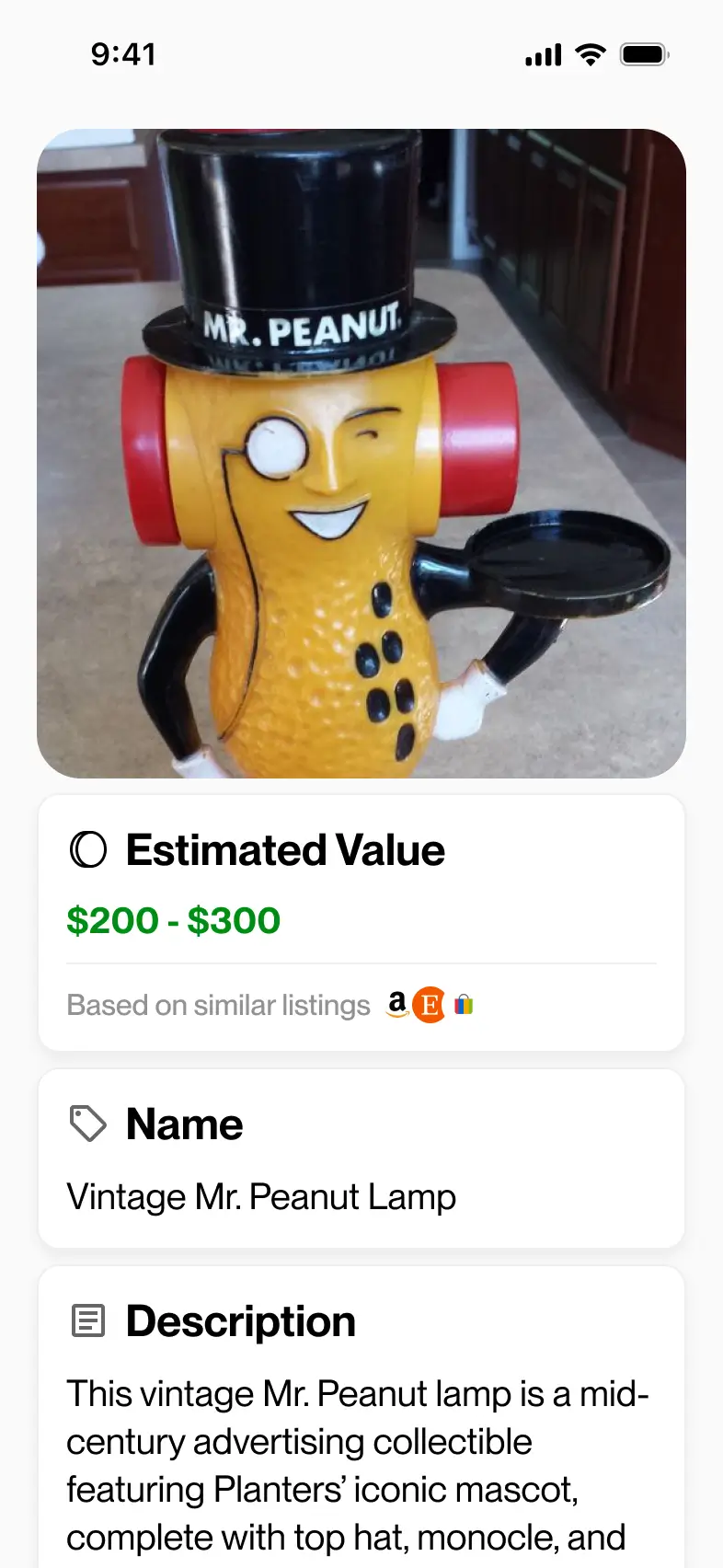
Your Jewelry Box Could Be a Gold Mine: How to Scan Estate Pieces for Instant Appraisals

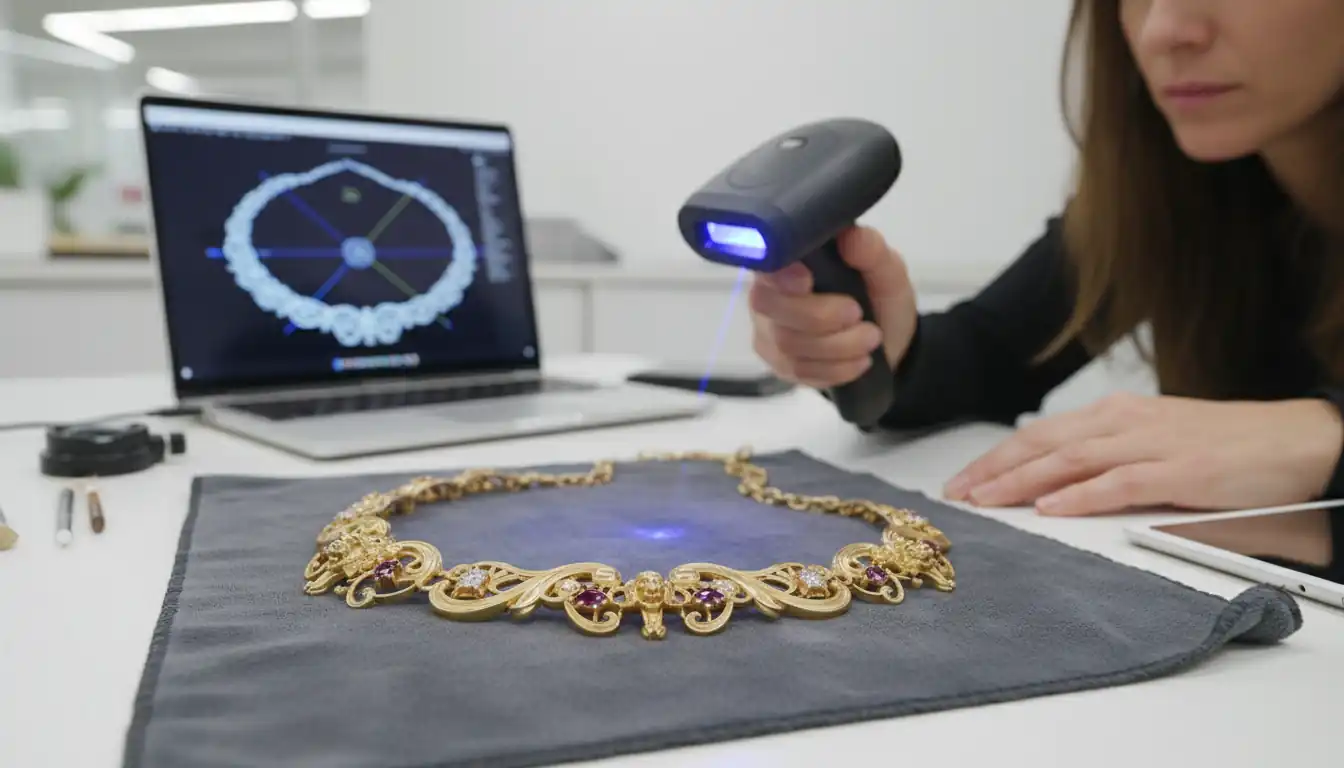
Imagine standing in front of a mahogany dresser, staring at a weathered velvet box that belonged to your grandmother. Inside lies a tangled collection of gold chains, shimmering cocktail rings, and heavy brooches that haven't seen the light of day in decades. You know there is history here, and perhaps significant value, but the path to uncovering it feels overwhelming.
Most people in this position face a common dilemma. Do you pack everything into a bag and hope a local jeweler has time to look at it? Do you spend hundreds of dollars on a professional gemologist before you even know if the pieces are real? The uncertainty often leads to these treasures sitting in a drawer for another twenty years, their value locked away by the friction of traditional appraisal methods.
This guide changes that dynamic. You are about to learn how to transform your smartphone into a professional-grade appraisal tool. By the time you finish reading, you will understand how to triage a large collection from your kitchen table, identify high-value designers hiding in plain sight, and use modern technology to get instant clarity on what your inheritance is actually worth.
The Digital Shift in Estate Valuation
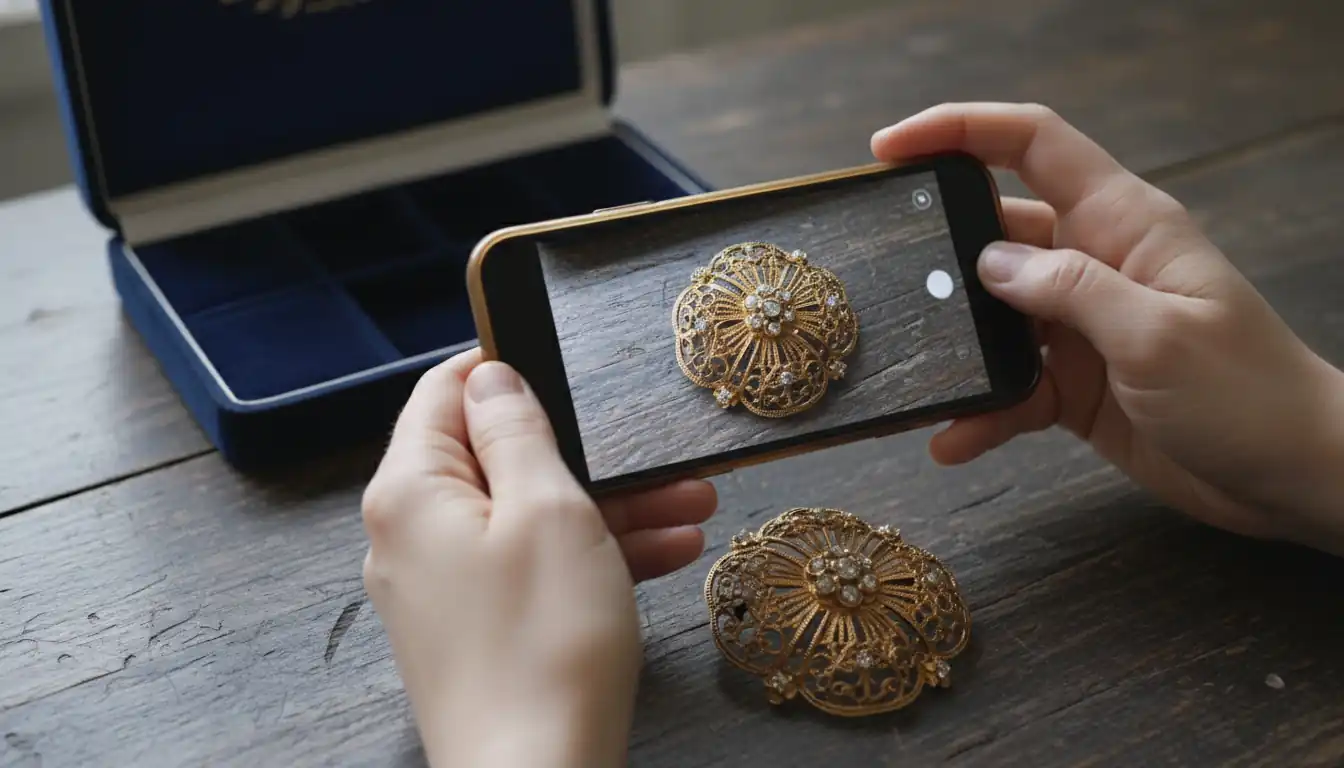
The way we value estates has undergone a massive transformation. For decades, the only way to answer the question of how to get inherited jewelry appraised was to make a physical appointment. This meant finding a reputable jeweler, scheduling a time, and—most stressfully—transporting high-value items across town.
Traditional appraisals come with significant friction points. Many GIA-certified gemologists charge high hourly fees or a percentage of the item's value. If you have a box of fifty items, paying $150 per hour just to find out that half of them are costume jewelry is a poor investment. There is also the "velvet box" anxiety: the feeling of walking into a high-end boutique and feeling out of place because you don't know the terminology of what you own.
Moving Beyond the Traditional Jewelry Store
Digital-first workflows have removed these barriers. Instead of the jewelry store being your first stop, it is now your last. The modern approach involves "triaging" your collection at home. This allows you to separate the wheat from the chaff without spending a dime on professional fees upfront.
Think of digital scanning as a filter. It identifies the pieces that require immediate insurance coverage and those that can be safely tucked away. You no longer need to risk carrying a small fortune in your pocket just to get a basic opinion. The power has shifted from the storefront to the palm of your hand.
Why Immediate Digital Scanning Saves Time and Money
When you are dealing with an estate, time is often of the essence. You might be dividing assets among siblings or preparing for a move. Waiting weeks for an appraisal appointment isn't always an option. Digital scanning provides immediate data points that allow for faster decision-making.
| Traditional Appraisal | Digital Scanning Appraisal |
|---|---|
| Requires physical transport | Done from your home |
| High hourly or per-item fees | Low cost or included in app features |
| Takes days or weeks for a report | Results in seconds or minutes |
| Risk of loss or damage in transit | Zero physical risk to the item |
By using digital tools, you create a baseline. You gain the confidence to speak the jeweler's language if you eventually decide to go in for a physical certification. You aren't just asking "Is this real?" anymore; you are saying "I have a 14k gold Victorian-era brooch with a European-cut diamond. I need a formal certificate for insurance."
The goal of a digital appraisal isn't to replace the gemologist entirely, but to ensure you only pay for their expertise when it is truly necessary.
Mastering the Art of the Jewelry Scan
To get the most out of an AI-driven identifier, you need to provide high-quality visual data. The AI isn't magic; it is a highly sophisticated pattern-recognition engine. If your photo is blurry or the colors are distorted, the results will be less accurate. Mastering the physical act of documentation is the most important step in the process.
You don't need a professional camera. Your iPhone or Android device is more than capable. However, you do need to control the environment where the "scan" takes place.
Lighting and Background Secrets for AI Accuracy
The biggest enemy of a digital appraisal is "warm" indoor lighting. Standard light bulbs cast a yellow hue that can make silver look like gold or a clear diamond look like a low-quality yellow stone. To avoid this, always use "soft" natural light.
- The Window Method: Set up a table near a window during a cloudy day or in indirect sunlight. This provides even, neutral light without harsh shadows.
- The White Cardstock Trick: Place your jewelry on a piece of plain white cardstock or a matte white plate. This gives the AI a neutral reference point for color correction. Avoid using wooden tables or patterned cloths, as these "distract" the sensor.
- Eliminate Shadows: If you see a dark shadow cast by the jewelry, move your body or the light source. Shadows can hide the "cut" of a gemstone, making it impossible for the software to analyze the facets.
Capturing Hallmarks and Maker Marks the Right Way
If the gemstone is the heart of the piece, the hallmark is its birth certificate. These tiny stamps are usually hidden on the inside of a ring band, the clasp of a necklace, or the back of a brooch. They tell the AI exactly what the metal purity is and who manufactured the piece.
Finding these marks often requires a steady hand. If your phone has a "macro" mode, use it. If not, don't get too close—stay about 4-6 inches away and use the zoom feature to focus. The AI needs to see the sharp edges of the stamp.
Common Marks to Look For:
- Purity Stamps: Look for 10k, 14k, 18k, or numbers like 585 (14k) and 750 (18k).
- Silver Marks: Look for "Sterling" or 925.
- Maker's Marks: These are often tiny logos, initials, or symbols. They are the "signature" of the artist or company.
- Patent Numbers: Sometimes found on vintage costume jewelry, these can help date a piece to a specific year.
Decoding Your Results with AI Precision
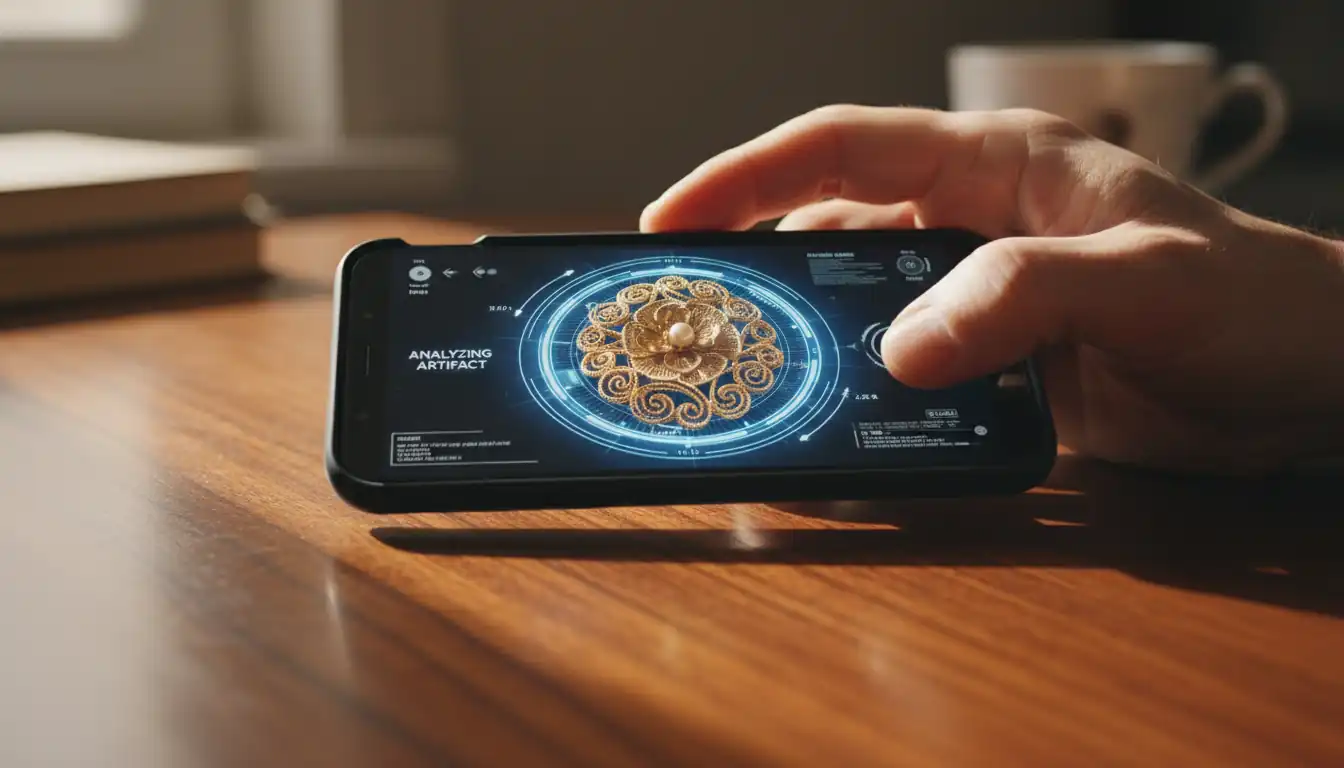
Once you have captured high-quality images, the heavy lifting begins. This is where technology bridges the gap between a "pretty ring" and a "1920s Art Deco engagement ring with a 1.5-carat sapphire."
This is where the Relic app becomes an essential part of your toolkit. Relic uses advanced AI to analyze your photos and cross-reference them against a massive database of historical jewelry, maker marks, and auction records. Instead of guessing, you are getting an appraisal based on real-world data.
How Relic Analyzes Gemstones and Metal Composition
When you upload a photo to Relic, the AI looks at several factors simultaneously. It examines the "cut" of the stone—whether it’s an old mine cut, a modern brilliant, or a baguette. It analyzes the color saturation and the way the light reflects off the facets.
The app also looks at the "construction" of the piece. Jewelry from the 1940s was built differently than jewelry from the 1990s. Relic identifies these stylistic cues, such as the type of prongs used or the presence of milgrain edging, to provide a historical context and origin. This level of detail is what allows the app to provide a real appraisal rather than just a generic description.
Understanding the Difference Between Insurance and Fair Market Value
One of the most confusing aspects of inheriting jewelry is the "value" assigned to it. You might see two very different numbers, and it is vital to know which one matters for your situation.
- Replacement Value (Insurance): This is the cost it would take to buy a brand-new equivalent of the item at a retail store. This number is usually the highest because it includes the jeweler's markup and the cost of modern labor.
- Fair Market Value (Resale): This is what a willing buyer would pay a willing seller on the open market (like an auction or a private sale). This is the number you should care about if you are planning to sell the item or divide an estate.
Relic helps clarify these distinctions by providing market insights. If you are asking how to get inherited jewellery valued for the purpose of selling it, you need to focus on the Fair Market Value. Knowing these numbers prevents the "sticker shock" that occurs when an heir takes a piece appraised for $5,000 for insurance and finds out they can only sell it for $2,000.
A digital appraisal gives you the "market truth," allowing you to manage expectations before you ever speak to a buyer.
Navigating the Emotional and Financial Weight of Inherited Pieces
Inheriting jewelry is rarely just about the money. It is often wrapped in "inherited guilt"—the feeling that you must keep every piece because it belonged to a loved one, even if you will never wear it. This emotional weight can cloud your judgment, leading you to keep items of low value while neglecting pieces that require special care or insurance.
The best way to handle this is to remove the emotion from the initial assessment. By scanning everything, you turn a box of "memories" into a spreadsheet of "assets." This data-driven approach allows you to make logical decisions about what to keep for sentimental reasons and what to liquidate to benefit the estate.
Dealing with the Sentimentality of Family Heirlooms
You don't have to sell everything. In fact, many people use digital appraisals to decide which pieces are worth "restoring." If you discover a ring has a high-quality stone but a damaged setting, the appraisal might justify the cost of a repair.
On the flip side, if you find out a large, heavy necklace is actually high-quality costume jewelry with no resale value, you can wear it without the fear of losing a fortune. The clarity provided by a scan replaces anxiety with permission—permission to wear it, permission to sell it, or permission to pass it on.
Identifying High-Value Designers Hiding in Plain Sight
One of the most exciting aspects of estate scanning is finding "hidden treasures." There are specific designers whose work can look like "costume" jewelry to the untrained eye but commands massive prices at auction.
- David Webb: Known for bold, animal-themed pieces. To someone who doesn't know the name, a David Webb enamel frog might look like a toy. To a collector, it's worth thousands.
- Georg Jensen: His silver work is often minimalist and can be mistaken for generic modern jewelry. However, his "hallmark" makes these pieces highly collectible.
- Miriam Haskell: This is technically costume jewelry (non-precious metals), but because of the intricate hand-wiring and history, Haskell pieces can sell for more than 14k gold bands.
- Bakelite: This early plastic can look like cheap imitation material, but certain colors and carvings are worth hundreds of dollars to vintage enthusiasts.
If you aren't using a tool like Relic to scan these items, you might accidentally donate a $1,200 brooch to a thrift store because it "looked like plastic."
| Designer | Common Style | Value Driver |
|---|---|---|
| David Webb | Enamel, Animal motifs | Brand Signature |
| Georg Jensen | Sleek, Sterling Silver | Maker's Mark |
| Van Cleef & Arpels | Clover shapes (Alhambra) | Serial Numbers |
| Cartier | Screws (Love), Panthère | Craftsmanship/Brand |
Strategic Next Steps After Your Digital Appraisal
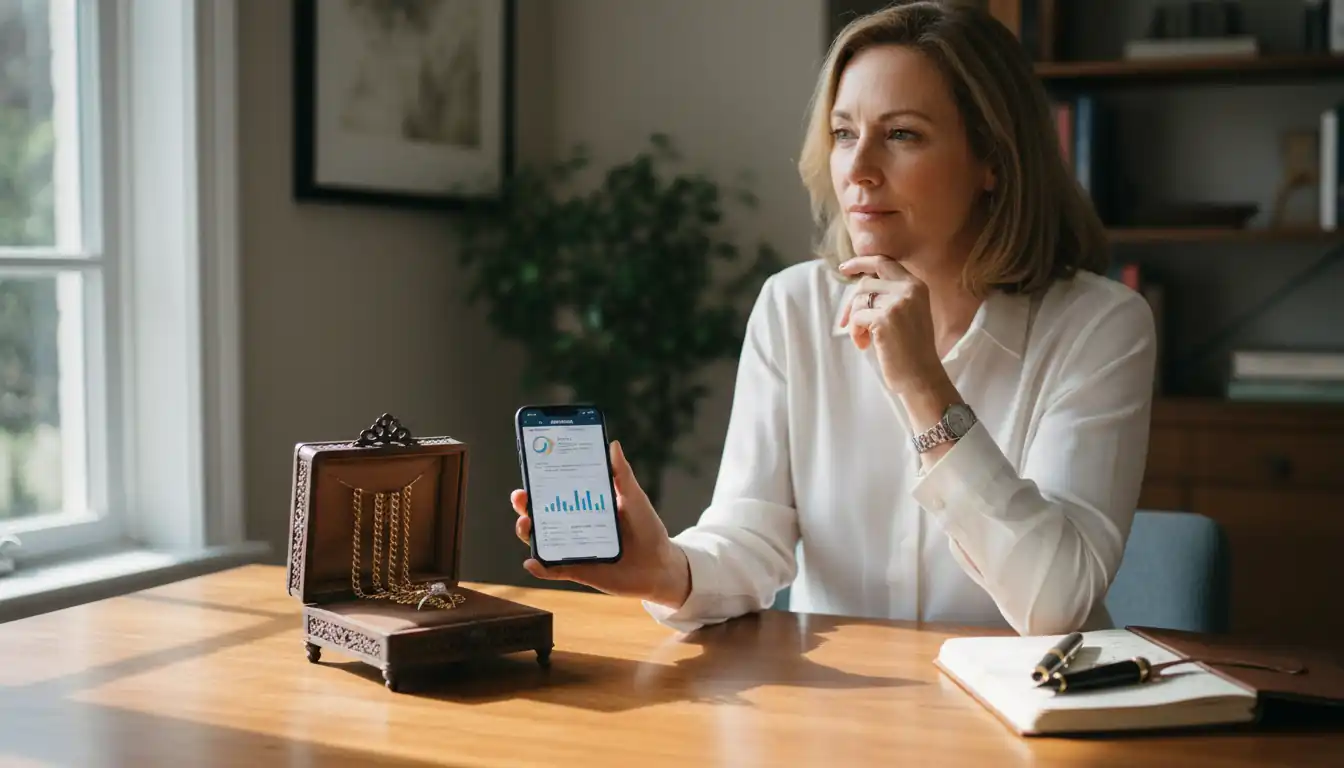
Once you have scanned your collection and used Relic to identify the history and value of your pieces, you are no longer "guessing." You are managing an inventory. But what comes next? The digital scan is your foundation, but the secondary market has specific standards you must follow for high-end transactions.
When to Seek a Physical GIA Certification
While AI can identify a diamond and estimate its quality, the highest tier of the market still relies on physical lab reports from organizations like the Gemological Institute of America (GIA) or the American Gem Society (AGS).
You should seek a physical GIA report if:
- The stone is over 1.0 carat: For diamonds of this size, a "paper" (certificate) can add 20-30% to the resale value.
- The stone is a rare colored gem: Natural rubies or sapphires that show no signs of heat treatment require lab verification to command top dollar.
- You are heading to a major auction house: Places like Sotheby’s or Christie’s will require their own physical verification before listing an item.
For the other 90% of your jewelry box—the gold bands, the small sapphire earrings, the designer silver—your digital appraisal is often more than enough to facilitate a sale or an insurance update.
Preparing Your Digital Records for Estate Planning or Sale
The final step in this process is organization. You should take the data from your scans and create a "digital vault." This is a simple folder or document that includes:
- The high-resolution photos you took.
- The appraisal and history report from Relic.
- Any scanned receipts or original boxes.
If you are selling, this "provenance package" makes you a dream for buyers. It shows you are a professional, informed seller, which often leads to higher offers. If you are keeping the items, this folder should be shared with your insurance agent. Most insurance companies will accept a detailed digital appraisal for items under a certain value threshold, saving you the cost of a formal "in-person" insurance appraisal.
Conclusion
Your jewelry box doesn't have to be a source of mystery or stress. The shift from traditional, high-friction appraisals to digital-first scanning has made it possible for anyone to uncover the true value of their inheritance. By mastering the simple art of the jewelry scan and using tools like Relic to decode the results, you gain a level of clarity that was once reserved for professional dealers.
Whether you discover a hidden David Webb masterpiece or simply confirm that your grandmother's favorite ring is 14k gold, you are now in control of the narrative. You have moved from "I think this might be valuable" to "I know exactly what this is."
Your Next Step: Take that velvet box out of the drawer today. Find a well-lit window, grab a piece of white cardstock, and start scanning. You might just find that you’ve been sitting on a gold mine all along.
Identify antiques instantly
Point your camera at any antique, collectible, or vintage item. Get valuations, history, and market insights in seconds.
Download for iPhone