Your Phone Can Spot a $500 Vintage Tee—Here is How to Flip Clothes for a Living

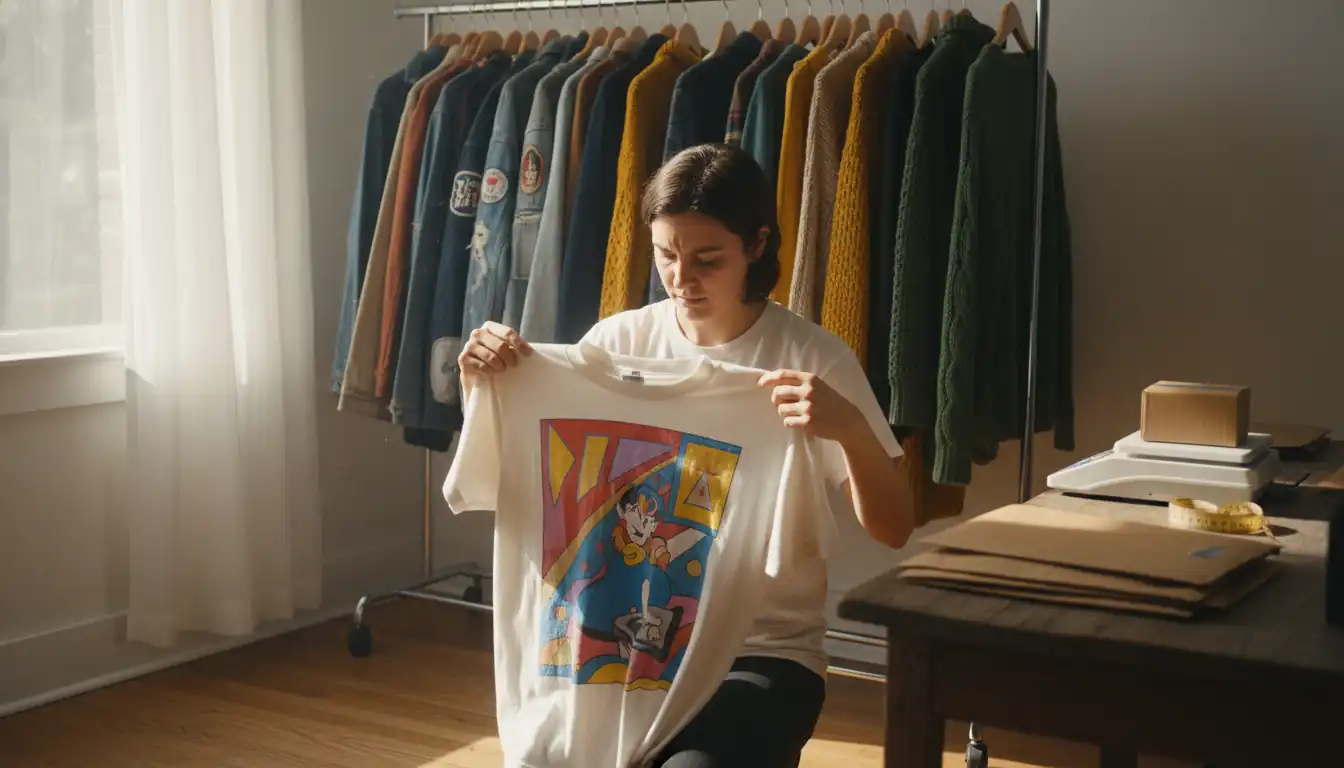
You are standing in a crowded thrift store, surrounded by rows of discarded fast fashion and worn-out basics. To the untrained eye, it looks like a mountain of clutter. To a professional reseller, it is a gold mine waiting to be excavated. The difference between a hobbyist who makes twenty dollars a weekend and a professional who clears six figures a year lies in the ability to see what others miss.
Finding a $500 vintage t-shirt isn't about luck; it is about technical knowledge and the right tools. You need to know how to read the physical DNA of a garment—the stitching, the hardware, and the fabric composition. This guide will show you how to transform your smartphone into a high-powered appraisal tool and your thrifting habit into a scalable business.
By the time you finish reading, you will understand the mechanics of the vintage market, the science of restoration, and the logistics of running a digital storefront. You are about to move past the "buy low, sell high" mantra and into the sophisticated world of professional garment sourcing.
Master the Art of the High-Value Hunt
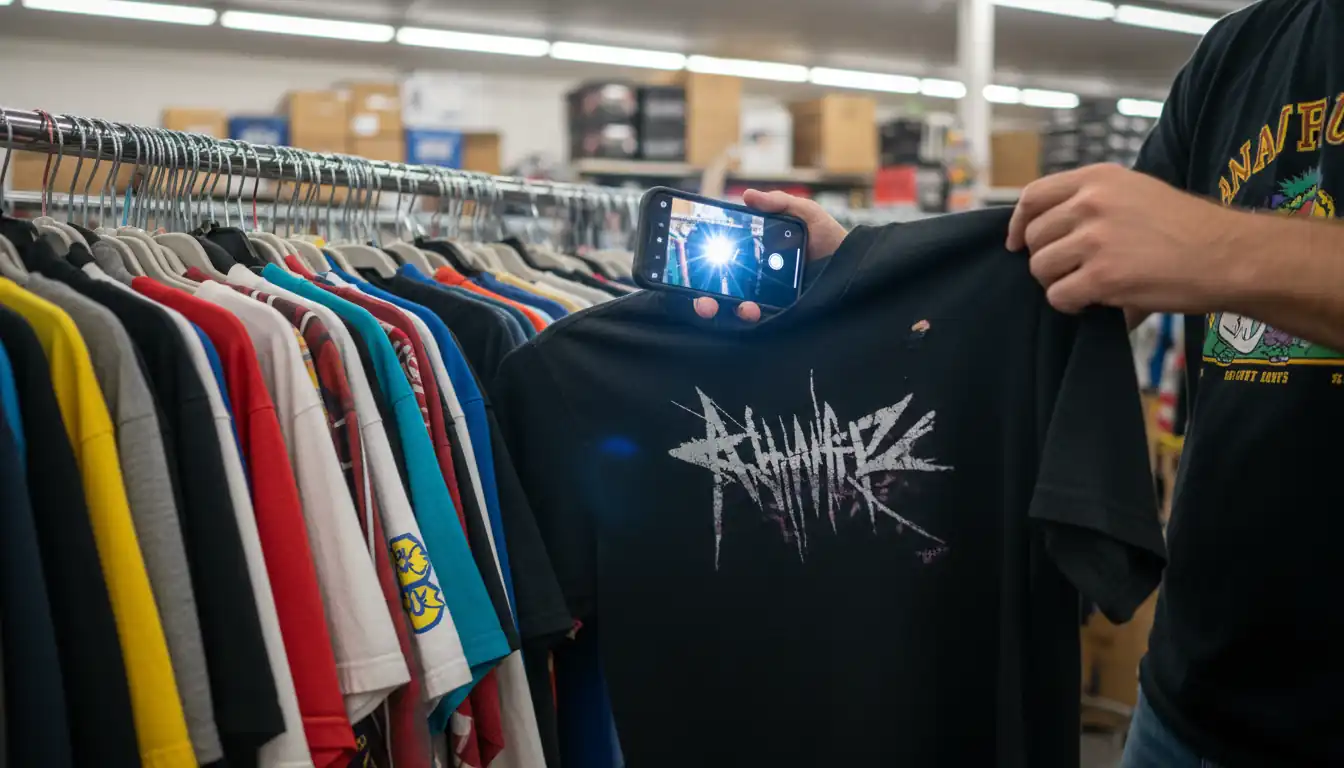
Professional sourcing is an endurance sport that requires a specific type of mental stamina. You aren't just looking for "cool" clothes; you are looking for historical artifacts that carry market demand. The first step in this transition is developing a tactile memory for quality. You should be able to walk down a rack and identify high-quality natural fibers like silk, heavy-weight wool, or vintage pima cotton just by the way the fabric feels against your hand.
The "hunt" is a methodology, not a random walk through a store. Professionals often start at the ends of racks where new inventory is pushed out, or they focus on the "misfit" sections where employees might have miscategorized a high-value item. For example, a vintage oversized men’s chore coat might be hidden in the women’s blazer section. Your goal is to exploit these organizational errors.
Identifying Authentic Vintage Labels
The most immediate way to date a garment is by looking at the construction of the hem. If you find a t-shirt with a single line of stitching along the sleeve and bottom hem, you have likely found a "single-stitch" shirt. This construction method was the industry standard until the mid-1990s when double-stitching became the norm for increased durability. A single-stitch shirt from a popular 90s band or a 1980s film can easily command hundreds of dollars.
Beyond the stitching, look for "Union Tags." These are small, often red, white, and blue labels tucked behind the main brand tag or sewn into a side seam. They indicate the garment was made by unionized labor in the United States, a hallmark of mid-century quality. If you see a "CRAFTED WITH PRIDE IN USA" star logo, you are looking at an item produced between 1984 and the early 90s.
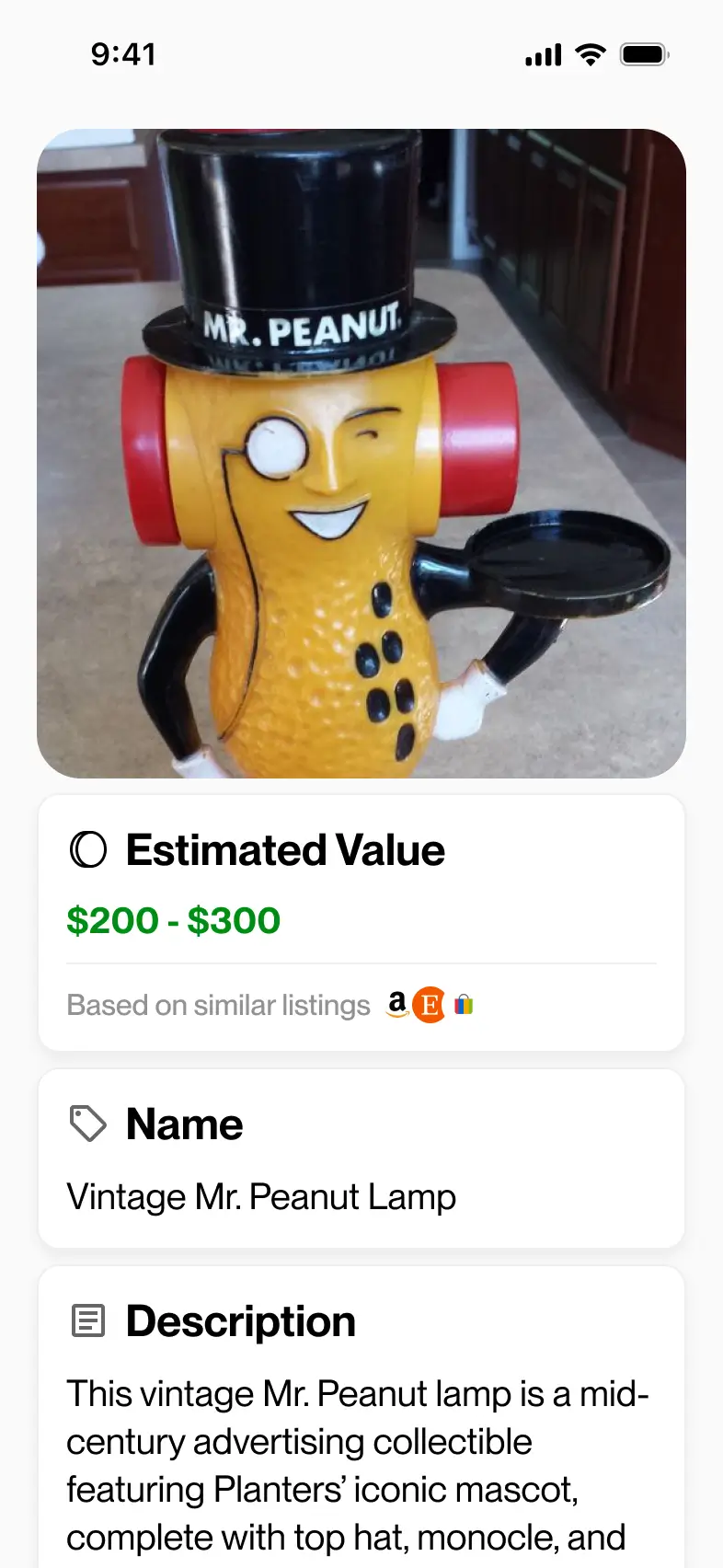
Sometimes, however, the tags are missing or the brand is so obscure that even a seasoned pro is stumped. This is where your phone becomes your most valuable asset. Using the Relic app, you can take a photo of a mysterious logo or a unique vintage accessory. The AI analyzes the item to provide a real appraisal and historical context, often identifying obscure designer labels that would otherwise be passed over. It acts as a digital expert in your pocket, ensuring you never leave a hidden gem on the rack because you didn't recognize the branding.
Navigating Estate Sales Like a Pro
Estate sales are the "final boss" of sourcing. Unlike thrift stores, which are curated to some degree, estate sales offer a raw look at a person’s lifetime of accumulation. To succeed here, you must arrive early—often hours before the doors open—to get a low number in the entry queue. Focus your energy on the attic, the basement, and the back corners of closets where items have been untouched for decades.
Look for specific hardware that signals age. If you find a jacket with a "Talon" or "Scovill" zipper, you are likely looking at a piece from the 1970s or earlier. Modern garments almost exclusively use YKK zippers. A "42 Talon" zipper is a classic indicator of high-quality vintage workwear or denim. These small metal details are the "fingerprints" of a garment's history.
| Feature | Vintage Indicator | Modern Equivalent |
|---|---|---|
| Hem Stitching | Single-stitch (pre-1994) | Double-stitch |
| Zipper Brand | Talon, Scovill, Crown | YKK, SBS |
| Care Tags | No care tag (pre-1971) | Detailed multi-page tags |
| Fabric | 100% Cotton or Wool | Synthetic blends (Polyester/Spandex) |
Price Your Inventory for Maximum Profit
Pricing is where most resellers fail. They either price based on emotion—"I love this shirt, so it must be worth $100"—or they price based on what other people are asking for. The "listing price" is a fantasy; the "sold price" is reality. To build a sustainable business, you must become a student of realized data.
Before you list an item, you need to calculate your "break-even" point. This includes the cost of the item, the platform fees (usually 10-15%), the cost of shipping supplies, and the value of your time. If you buy a jacket for $10 and sell it for $30, you might think you made $20. After fees, taxes, and shipping materials, your actual profit might be closer to $8. To make a living, you need to focus on items with higher margins or higher volume.
Decoding Market Trends with Real Data
Market trends in vintage clothing move with the speed of social media. A specific style of 1970s "70s-does-50s" western shirt might be worthless one month and a "must-have" the next because a celebrity wore something similar. To stay ahead, you need to monitor "sell-through rates." This is the ratio of how many items of a certain type are listed versus how many have actually sold in the last 90 days.
High-end heritage workwear, like vintage Carhartt or Levi’s Big E denim, has a consistently high sell-through rate. These items are "liquid," meaning they turn into cash quickly. On the other hand, avant-garde designer pieces might have a lower sell-through rate but a much higher profit margin. You need a mix of both to maintain a healthy cash flow.
Leveraging AI for Instant Appraisals
One of the biggest risks in the vintage world is the "repro" or reproduction. Many modern brands create "vintage-inspired" pieces that look incredibly convincing. If you price a modern reproduction as a 1940s original, you risk a return and a strike against your seller account. Conversely, if you price a rare 1940s original as a modern repro, you are leaving hundreds of dollars on the table.
This is another area where the Relic app provides a competitive edge. By uploading a photo of the item, the app’s AI can cross-reference the garment’s features with its extensive database of historical items. It can tell you if the "origin" of the piece matches the era it claims to be from. Getting an instant appraisal based on historical data prevents you from making costly pricing errors. It gives you the confidence to hold firm on a high price point because you have the data to back up the item's authenticity.
"Profit is not made when you sell; it is made when you buy. If you don't know the value of what you're holding, you've already lost the game."
Increase Margins Through Expert Restoration
The difference between a "dirty old shirt" and a "curated vintage piece" is often just a few hours of labor. Restoration is the most effective way to "force" appreciation on your inventory. When you buy an item with a small flaw, you are buying it at a discount. If you can fix that flaw, you capture the full market value.
Professional restoration requires a kit that goes beyond a standard laundry room. You need a high-quality fabric shaver for depilling wool, a steamer to remove deep-set wrinkles without scorching fibers, and a variety of specialized cleaning agents. Your goal is to return the garment to its best possible state without stripping away the "patina" that vintage collectors crave.
Removing Stubborn Stains Without Damaging Fibers
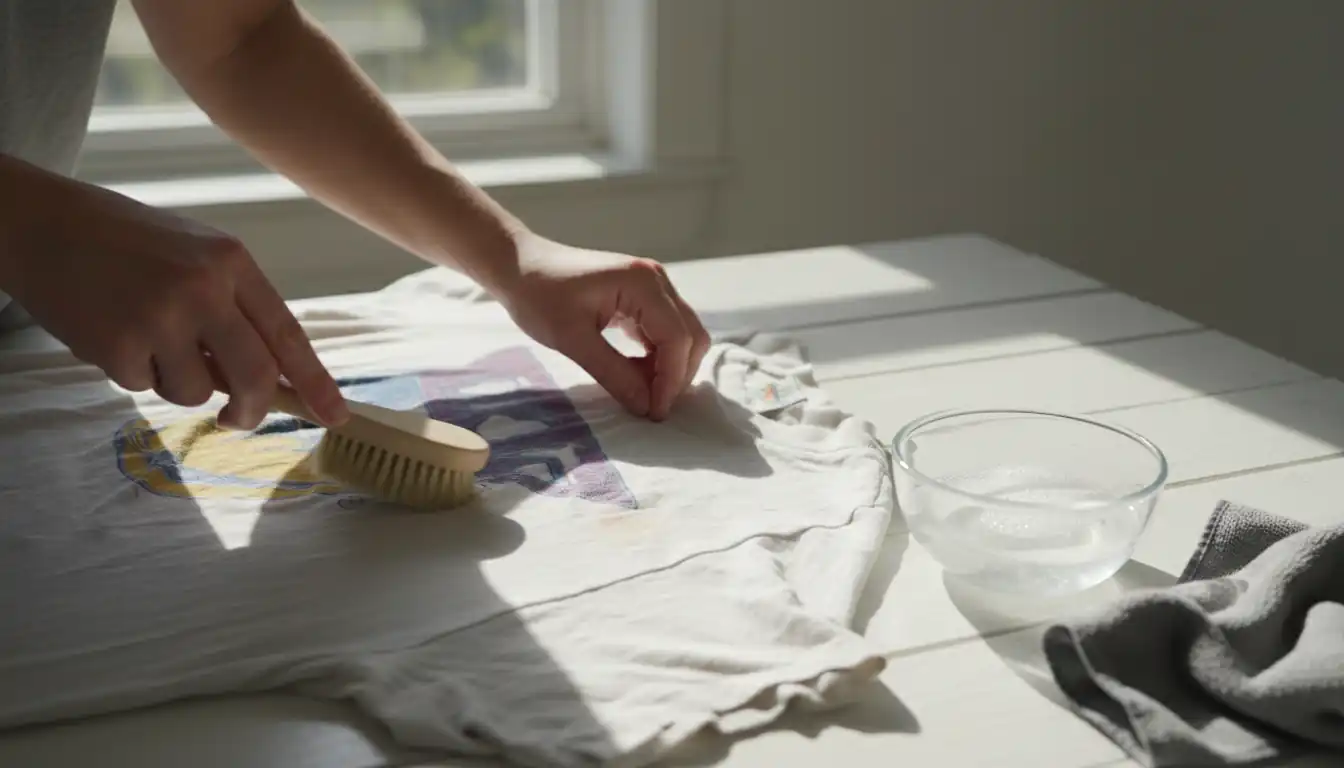
Yellowing on vintage lace or white cotton is usually the result of oxidation over decades. A standard wash cycle won't touch this. Instead, professionals use the "OxiClean Soak." Fill a tub with lukewarm water and a heavy dose of oxygen-based bleach. Submerge the garment and let it sit for 24 to 48 hours. This slow process lifts the yellowing without the harshness of chlorine bleach, which can eat through old threads.
For "pit stains" or grease marks, a mixture of Dawn dish soap and baking soda applied with a soft-bristled toothbrush can work wonders. Always test a small, inconspicuous area first, especially on silks or dyed fabrics. If you are dealing with a high-value item like a 1950s silk party dress, it is often worth the $20 to have it professionally dry cleaned. That $20 investment could be the difference between a $50 sale and a $250 sale.
Modernizing Outdated Silhouettes
Sometimes you find a piece with incredible fabric but a silhouette that is completely out of style—think 1980s blazers with massive shoulder pads or 1970s trousers with an extreme flare. This is where the "Frankenstein Method" comes in. This involves upcycling damaged or dated pieces into something new.
- The Crop: Taking a stained vintage Harley Davidson tee and cropping it above the stain to create a trendy women’s fit.
- The Quilt Jacket: Taking a 1940s quilt that is falling apart and cutting it into the pattern of a modern chore coat.
- The Patchwork: Using the fabric from a shredded pair of 1960s Levi's to patch the knees of a more intact pair.
Upcycling allows you to save "death pile" items—the inventory that hasn't sold for months—and turn them into unique, one-of-a-kind pieces that command a premium. It moves you from being a "reseller" to being a "creator," which is a much more defensible business model.
Choose the Right Digital Storefront
Not all platforms are created equal. If you list a 1990s Pokémon shirt on a high-end antique forum, it will sit forever. If you list a 1920s beaded flapper dress on Depop, you might get a lot of "likes" but no buyers willing to pay the true value. You must match the "vibe" of your item to the demographic of the platform.
Your digital storefront is more than just a place to host photos; it is a brand. Successful sellers create a cohesive aesthetic that makes buyers want to follow their shop. This means consistent lighting, a recognizable background, and a specific "voice" in the descriptions.
Building a Brand Identity on Depop and Instagram
Depop is the home of Gen Z and Y2K fashion. It thrives on "lifestyle photography." This means the item should be shown on a person (modeled) in an environment that feels aspirational. Use bright colors, trendy styling, and "SEO-rich" descriptions. Instead of just saying "Blue Shirt," say "Vintage 90s Baby Blue Ribbed Crop Top - Y2K Aesthetic - Soft Girl Style."
Instagram acts as your lookbook. It is the best place to build a community and "drop" new inventory. By posting "sneak peeks" of your latest finds, you create a sense of urgency. When you finally list the items, your followers will rush to your shop to grab them before someone else does. Use the historical data you gathered from the Relic app to write captions that educate your audience. People are more likely to buy an item when they understand its story and its rarity.
Mastering the eBay Algorithm
eBay is the land of the "serious collector." It is the best place for high-end heritage brands, rare band tees, and true antiques. The eBay algorithm prioritizes three things: detailed specifics, fast shipping, and a history of good customer service.
When listing on eBay, fill out every single "Item Specific" field. If a buyer filters for "100% Cotton" and "Made in USA," and you didn't check those boxes, your item won't show up—even if it is exactly what they want. Use your photos to show every detail: the tags, the hems, the zippers, and any flaws. Transparency builds trust, and trust leads to repeat customers.
| Platform | Target Audience | Best For... |
|---|---|---|
| Depop | Gen Z / Millennials | Y2K, 90s Streetwear, Trendy Upcycles |
| eBay | Collectors / Older Adults | Heritage Workwear, Rare Antiques, High-Value Tees |
| Grailed | Menswear Enthusiasts | Designer Labels, Hypebeast, Luxury Vintage |
| Etsy | Vintage Purists | Items 20+ years old, Handmade, Home Decor |
Scale From Side Hustle to Full Time Career
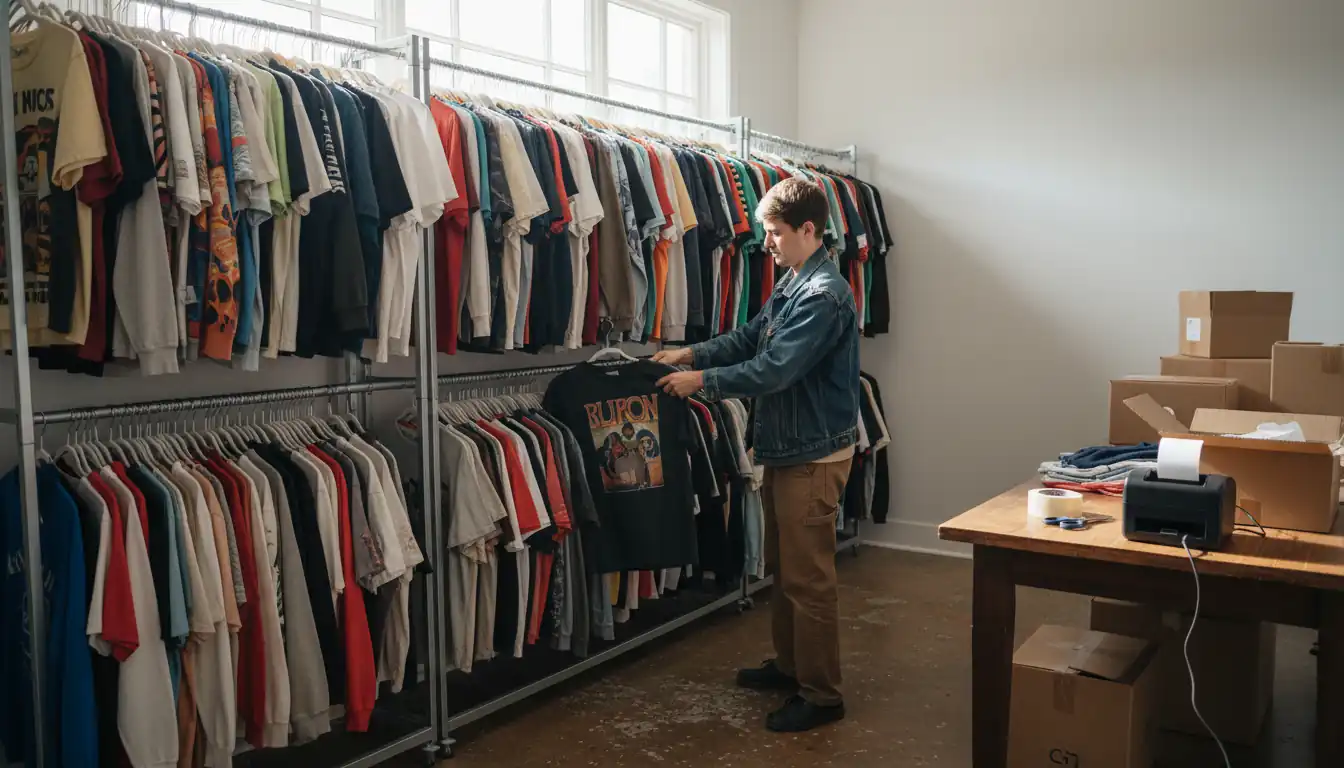
To go from a side hustle to a full-time career, you have to stop thinking like a "picker" and start thinking like a "CEO." A picker is limited by the number of hours they can spend in a thrift store. A CEO focuses on systems, scale, and efficiency. You cannot "thrift" your way to a million dollars if you are only buying one item at a time.
Scaling requires a shift in how you acquire inventory. Eventually, you will need to move beyond local thrift stores and into the world of wholesale. This is where the real volume—and the real risk—lives.
Automating Your Inventory Management
As your business grows, you will find yourself managing hundreds, or even thousands, of items. You cannot keep track of this in your head. You need a dedicated workspace and an inventory tracking system. Every item should be assigned a "SKU" (Stock Keeping Unit) and stored in a numbered bin. When an item sells, you should know exactly which bin to go to.
Use cross-listing software to put your items on multiple platforms simultaneously. This increases the "eyeballs" on your inventory and speeds up your turnover rate. However, you must be diligent about removing an item from all platforms as soon as it sells on one. Nothing ruins a seller's reputation faster than having to cancel an order because the item is no longer in stock.
Investing in High-Volume Wholesale Bales
Wholesale "bales" are large, compressed bundles of clothing, often weighing 100 to 1,000 pounds. You buy these sight-unseen from textile recyclers. It is a gamble. You might open a bale and find ten "grails" worth $200 each, or you might find 500 pounds of worthless rags.
To succeed in wholesale, you need "backstock"—a reserve of inventory that allows you to survive the lean months. You also need a way to process volume. This means having a dedicated space for sorting, steaming, and photographing. The goal is to move through the "filler" items quickly to find the high-value pieces that pay for the entire bale. Reinvest your profits back into larger and higher-quality lots. Over time, this compounding effect is what builds a sustainable, full-time income.
The transition from hobbyist to professional happens the moment you prioritize your "sell-through rate" over your "personal taste."
Conclusion
Flipping clothes for a living is a blend of historical research, technical skill, and digital marketing. It starts with the "eye"—the ability to spot a single-stitch hem or a 42 Talon zipper in a sea of fast fashion. It continues with the use of technology, like the Relic app, to ensure you are pricing your finds accurately based on real historical data and AI-driven appraisals.
To make this a career, you must treat it like a business. This means mastering the art of restoration to increase your margins, choosing the right platforms for your specific inventory, and eventually scaling into wholesale operations. The "treasure" is out there, hidden in plain sight on the racks of your local thrift store or the dusty corners of an estate sale.
Your next step is to go out and practice. Start small, focus on quality over quantity, and use the tools at your disposal to validate your instincts. Every "fail" is a lesson in fabric and market demand. Every "win" is a step closer to turning your phone and your passion into a full-time career. Now, go find that $500 tee.
Identify antiques instantly
Point your camera at any antique, collectible, or vintage item. Get valuations, history, and market insights in seconds.
Download for iPhone