Your Silverware Drawer Might Hold a Fortune: Decoding the Secret Language of Spoon Stamps

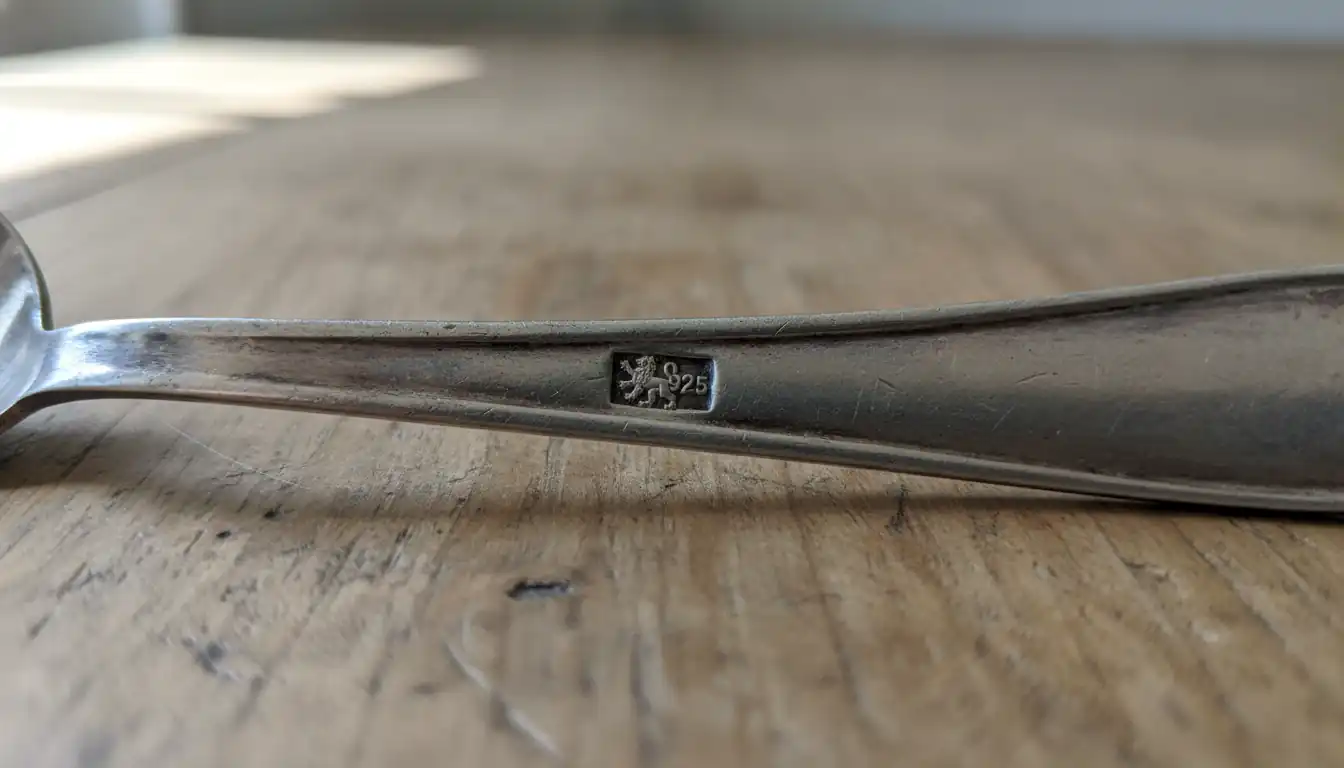
You might be holding a small fortune in your hand every time you stir your morning tea. Most people view their silverware as a utilitarian necessity, something to be tossed into a dishwasher and forgotten. However, if you flip that spoon over, you will likely find a series of microscopic symbols stamped into the metal. These aren't just decorative flourishes or random scratches; they are a sophisticated, centuries-old language that reveals the exact purity, origin, and age of the piece.
Think of these stamps as a passport for your flatware. They tell a story of international trade, royal taxation, and master craftsmanship. Whether you inherited a dusty box of spoons from a grandparent or stumbled upon a tarnished set at a garage sale, understanding these marks is the difference between owning a piece of scrap metal and a valuable historical artifact. By the time you finish reading, you will be able to read the "biography" written on the back of any silver object in your home.
The Anatomy of a Hallmark
To understand a hallmark, you have to understand why it exists. For hundreds of years, silver was more than just a material for jewelry; it was a form of currency. Because pure silver is too soft for daily use, it is almost always mixed with a base metal, like copper, to give it strength. This created a massive opportunity for fraud. A dishonest silversmith could easily use too much copper and sell the item as high-quality silver. To prevent this, governments established hallmarking systems—essentially the world’s first consumer protection laws.
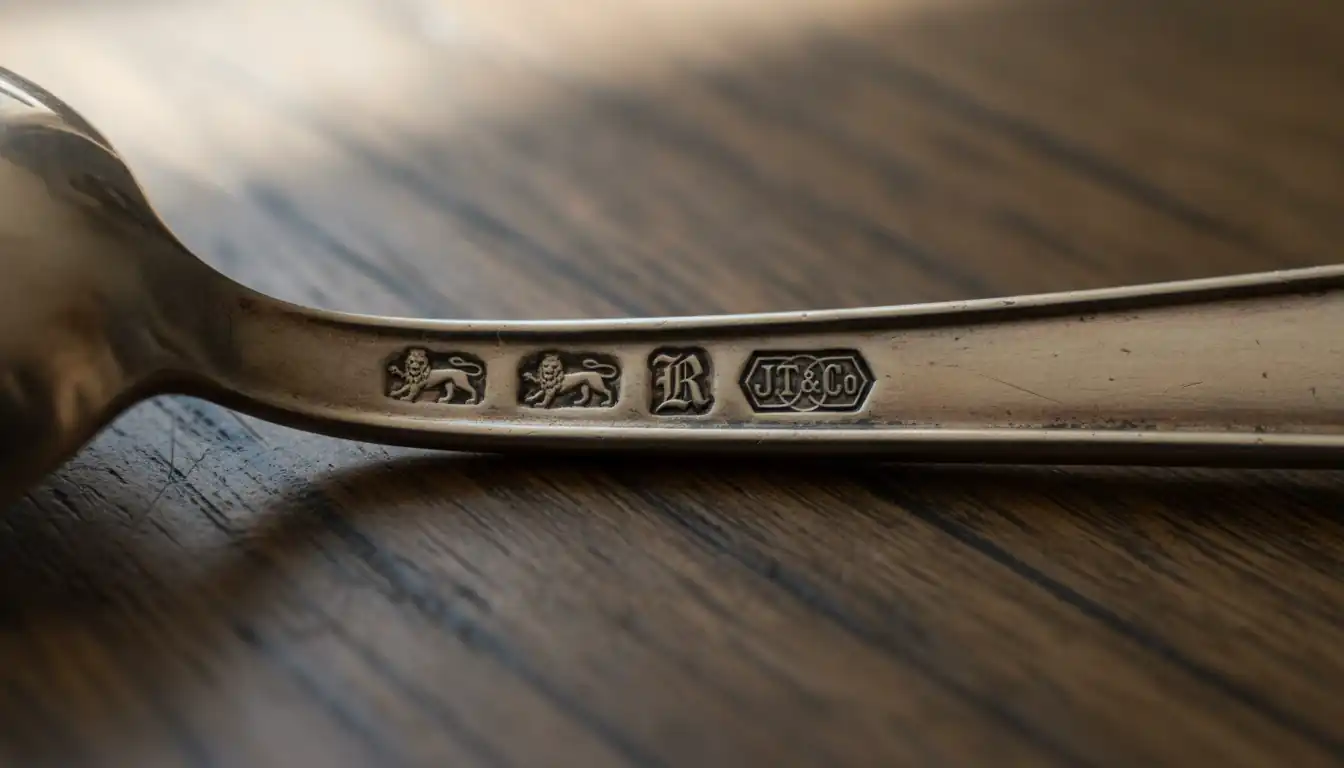
A hallmark is an official mark struck into precious metal items. Historically, it served two purposes: it guaranteed the purity of the metal and it proved that the maker had paid the necessary taxes to the crown or the state. When you look at a spoon, you aren't just looking at one stamp; you are usually looking at a cluster of three to five distinct symbols that work together to provide a complete profile of the item.
Deciphering Purity Marks and Fineness
The most important mark for many collectors is the purity mark, also known as the fineness mark. This tells you exactly how much silver is in the alloy. You might see a three-digit number, which represents the parts per thousand of silver.
One of the most common questions for those looking through European silver is: What is the 835 stamp on a spoon? If you see "835," you are looking at a piece that is 83.5% pure silver. This was a standard grade of silver used extensively in continental Europe, particularly in Germany, the Netherlands, and Belgium. While it is slightly lower in silver content than the British "Sterling" standard, it is still considered solid silver and holds significant value.
Contrast this with the "925" mark, which is the international hallmark for Sterling silver. This indicates 92.5% purity. In the United Kingdom, instead of a number, you will often see a "Lion Passant"—a lion walking with one paw raised. This symbol has guaranteed sterling quality in Britain since the 1500s.
| Purity Mark | Silver Content | Common Origin |
|---|---|---|
| 999 | 99.9% (Fine Silver) | Bullion/Investment bars |
| 958 | 95.8% (Britannia) | High-end British Silver (1697-1720) |
| 925 | 92.5% (Sterling) | UK, USA, International |
| 835 | 83.5% | Germany, Netherlands, Belgium |
| 800 | 80.0% | Italy, France, Germany |
Identifying Maker Marks and Origin Symbols
Once you have determined the purity, you can look for the "Maker’s Mark." This is the signature of the silversmith or the company that manufactured the piece. Usually, this consists of initials inside a specific shape, like a shield or a rectangle. For example, the initials "TI" might represent Tiffany & Co., while "W.B" could belong to a 19th-century London smith.
Next is the "Town Mark," which tells you where the item was assayed (tested for purity). In London, the mark is a leopard’s head. In Birmingham, it’s an anchor. In Sheffield, it’s a crown. These symbols allow you to pinpoint the exact city of origin. Finally, many pieces include a "Date Letter." The assay offices would change the font or the shape of the shield surrounding a letter every year. By matching the letter and the shield shape to a reference chart, you can date a spoon to the exact year it was made.
A hallmark is a map of an object's life. It tells you who made it, where they worked, how pure the metal is, and exactly when it passed through the inspector's hands.
Silver or Just Shiny: The Plate vs Solid Dilemma
Before you get too excited about a potential windfall, you must pass the "value filter." Not everything that looks like silver is solid silver. In fact, a vast majority of the flatware found in average households is silver-plated. This means a thin layer of silver has been electrically bonded to a base metal like copper, brass, or nickel. While these pieces can be beautiful, their resale value is usually negligible compared to solid silver.
The stamps are your best defense against overpaying or misidentifying your collection. Manufacturers of silver-plated items were often legally forbidden from using official hallmarks like the Lion Passant. Instead, they developed their own set of codes that can look impressive but actually indicate a lower value.
Common Red Flags for Electroplated Wares
If you see the following stamps, your item is likely silver-plated:
- EPNS: This stands for Electroplated Nickel Silver. Despite the name, there is no actual silver in the base metal; it is an alloy of nickel, copper, and zinc with a thin silver coating.
- EPBM: Electroplated Britannia Metal.
- A1 or Triple Plate: these indicate the thickness of the silver plating. While "Triple Plate" sounds high-quality, it still means the item is not solid silver.
- Nickel Silver or German Silver: These are deceptive names for alloys that contain no silver at all.
You should also look for "bleeding." This occurs when the silver plating wears away over decades of polishing, revealing a yellowish or reddish metal underneath. If you see a different color peeking through the high points of the spoon's design, it is a definitive sign of plated ware.
The Sterling Standard and International Variations
Solid silver items will almost always have a clear purity mark. In the United States, the word "Sterling" was used almost exclusively after 1860. In France, look for the "Minerva" head—a woman in a helmet. If the helmet has a "1" next to it, it is 95% pure; a "2" indicates 80% purity.
The weight of the item can also be a clue. Solid silver is denser and has a distinct "ring" when gently tapped. Plated items often feel lighter or have a duller thud. However, relying on weight alone is risky. The stamps are the only way to be certain. Even with these rules, some marks are so worn or obscure that they seem impossible to read with the naked eye.
Instant Identification with Modern AI Technology
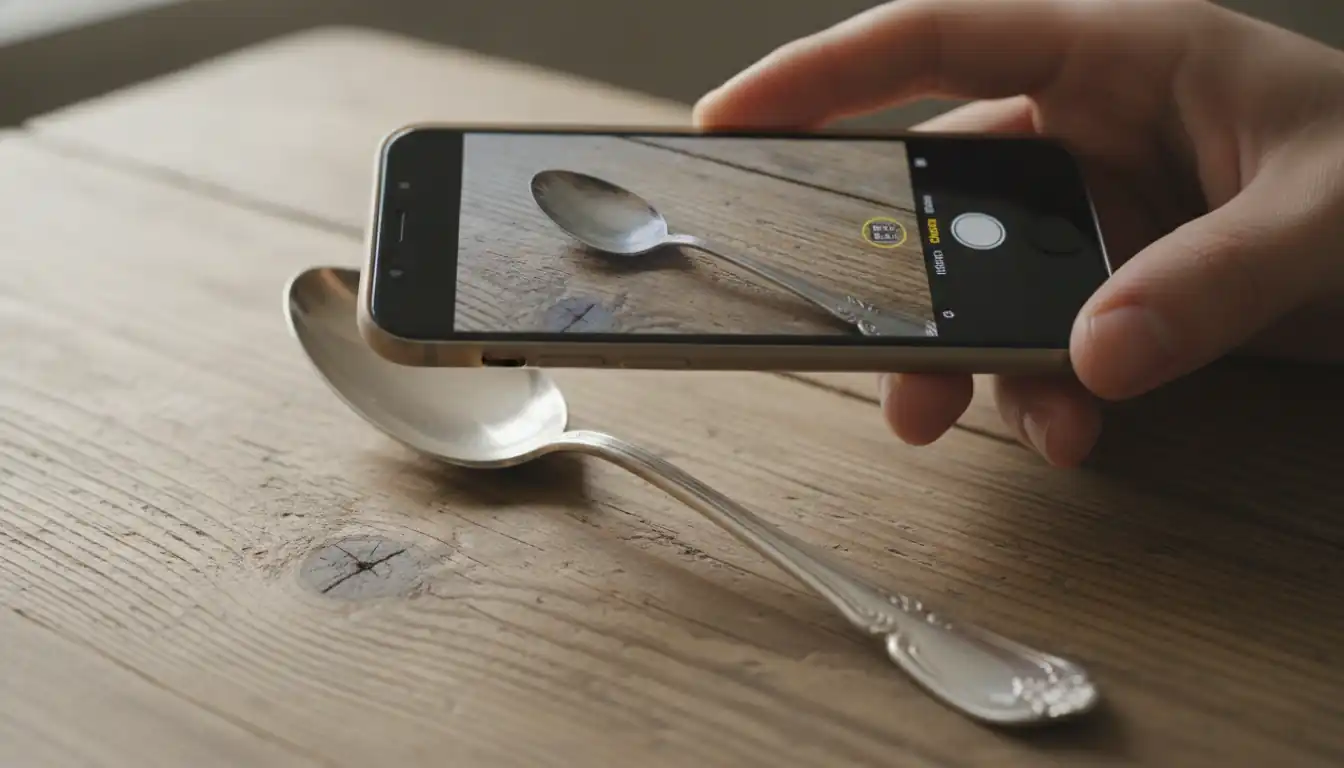
Identifying a hallmark used to require a massive library of reference books and a high-powered magnifying glass. Even then, a worn stamp or a rare regional mark could stump a seasoned collector for hours. The tiny size of these symbols makes them incredibly difficult to decipher, especially if the spoon has seen decades of use.
This is where modern technology steps in to bridge the gap between a confusing symbol and a professional appraisal. The Relic app provides a solution to the "hallmark headache" by using advanced AI to analyze photos of your antiques. Instead of squinting at a blurry leopard's head, you can simply take a clear macro photo of the stamps on your spoon.
Relic doesn't just give you a generic search result. It uses a specialized database focused on antiques to identify the specific maker, the origin, and the historical context of the piece. Within seconds, you can receive a real appraisal and history of the item. This is particularly useful for those "mystery marks" that don't follow the standard British or American systems.
The user journey is straightforward:
- Capture: Take a clear, well-lit photo of the stamps using your iPhone.
- Analyze: Relic’s AI compares the marks against thousands of documented hallmarks.
- Discover: You receive the purity, the maker's history, the date of manufacture, and a market valuation.
For professional dealers, importers, or even casual hobbyists, this tool removes the guesswork. With over 20,000 reviews and a 4.9-star rating, it has become a trusted resource for those who need accurate information without spending hours in a library. It turns your phone into a professional-grade appraisal tool, allowing you to identify treasures in the middle of a crowded estate sale or at your own kitchen table.
The Hidden History in Your Flatware
Once you move past the technical details of purity and value, you begin to see the emotional and historical weight these objects carry. A spoon is rarely just a spoon; it is a witness to history. The stamps on the back can reveal a lineage that connects you to specific historical eras or even royal households.
For example, some British silver carries a "Duty Mark"—usually the profile of the reigning monarch's head. This mark was used between 1784 and 1890 to show that the tax on the silver had been paid to the crown. If you find a spoon with the head of King George III, you are holding an object that existed during the American Revolution and the Napoleonic Wars.
Tracing the Journey of 19th Century Tableware
In the 19th century, silver was a primary way for families to display their status. Elaborate sets were commissioned for specific estates, and you might find "Crest Marks" or monograms engraved on the front that match the maker's marks on the back. A spoon might have started its life in a Parisian townhouse in the 1850s, survived the Franco-Prussian War, and eventually made its way across the Atlantic.
The stamps also reveal the specific purpose of the item. The Victorian era was famous for having a specific utensil for every possible food item. You might find stamps on:
- Marrow Scoops: Long, thin spoons used for extracting bone marrow.
- Caddy Spoons: Short, wide spoons used for measuring loose tea.
- Salt Spoons: Tiny spoons designed for individual salt cellars.
Commemorative Spoons and Anniversary Hallmarks
Silver has always been a favorite medium for commemorating major life events. You might find "Coronation Spoons" produced to celebrate the crowning of a new king or queen, featuring unique stamps that were only used for a single year.
There is also a rich tradition of "Christening Spoons" and silver baby rattles. These items often feature hallmarks that indicate they were given as high-value gifts to welcome a new child into a wealthy family. Similarly, silver was the standard gift for 25th wedding anniversaries. These pieces often carry specific dates that allow you to trace back the exact anniversary they celebrated. When you look at these marks, you aren't just seeing metal purity; you are seeing a record of a family's most important milestones.
Preserving the Evidence of Value
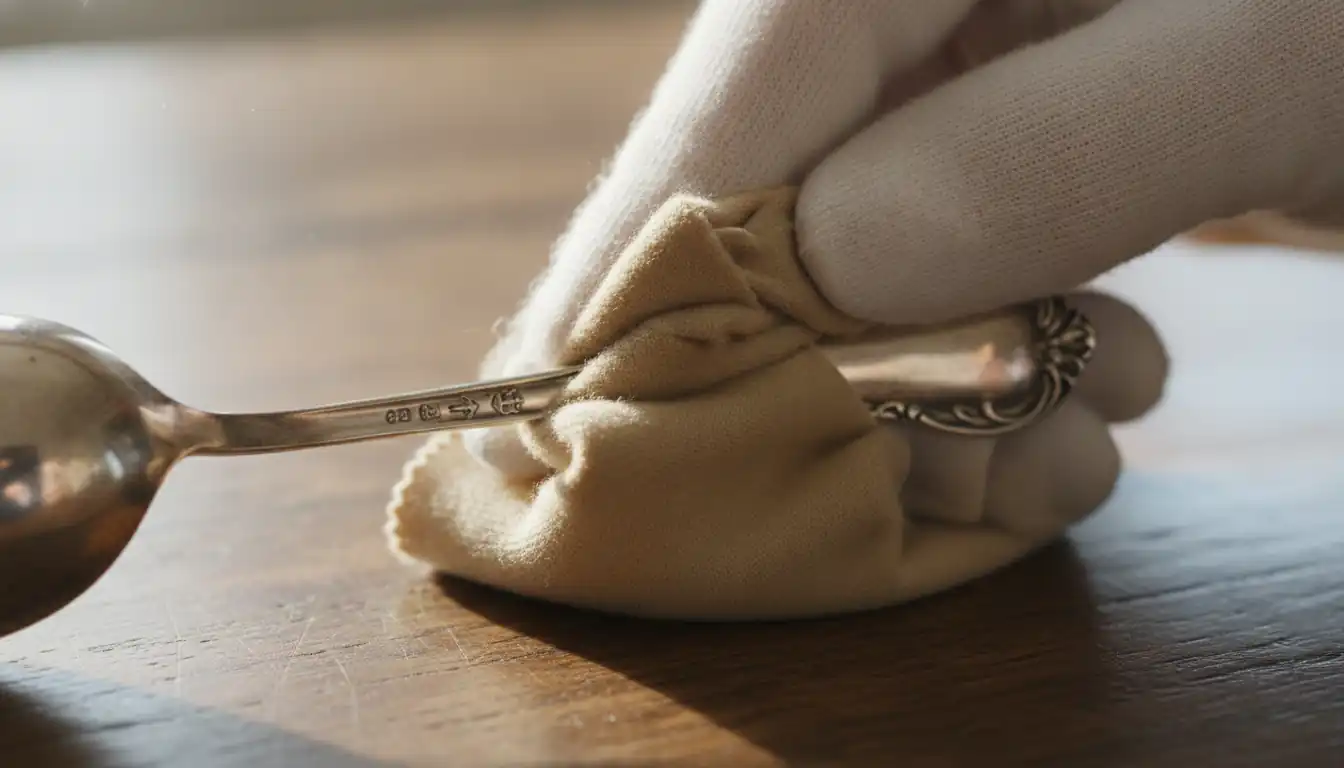
Once you have identified that your silverware is valuable, your priority must shift to preservation. The hallmark itself is a significant part of the item's value. If the marks become illegible due to over-polishing or improper cleaning, the "provenance" of the piece is lost, and its market value can plummet.
Many people make the mistake of wanting their silver to look brand new. However, in the world of antiques, a certain amount of "patina"—the natural darkening in the recessed areas of the design—is desirable. It highlights the detail of the craftsmanship and proves the item's age.
Cleaning Techniques That Protect the Hallmark
To maintain your silver without damaging the stamps, follow these guidelines:
- Avoid Chemical Dips: Liquid silver dips are incredibly harsh. They strip away the silver at a microscopic level and can leave the metal looking "dead" and unnaturally white. More importantly, they can eat away at the fine details of the hallmark.
- Say No to Abrasive Pastes: Many commercial polishes contain grit that acts like sandpaper. Over time, this will literally grind the stamps off the back of the spoon.
- The Gentle Method: Use a soft, lint-free cotton cloth and a very mild silver cream specifically designed for antiques. Apply the cream with light pressure, avoiding the hallmark area as much as possible.
- Soap and Water: For everyday dust, a simple wash with mild dish soap and warm water is often enough. Always dry the silver immediately with a soft towel to prevent water spots.
Documenting Your Collection for Insurance
If your research with the Relic app reveals that you own high-value Sterling or 835 silver, you need to document it for insurance purposes. Most standard homeowners' insurance policies have limits on jewelry and silverware unless they are specifically scheduled.
Use the data you gathered from Relic to create a digital inventory. You should take three specific photos for every valuable piece:
- A Full Profile: A clear shot of the entire item.
- The Maker's Mark: A macro (close-up) shot of the stamps.
- Any Unique Features: This includes monograms, crests, or specific decorative elements.
Store these photos along with the appraisal data and historical context provided by the app in a secure cloud-based folder. If your collection is ever lost or stolen, having the exact hallmark documented is the only way to prove the item's true value to an insurance adjuster.
Conclusion
The tiny stamps on your silverware are more than just manufacturer codes; they are the key to a hidden world of history and value. From the "835" purity marks of continental Europe to the "Lion Passant" of British Sterling, these symbols provide a verifiable record of an object's journey through time. By learning to decode this language, you transform a simple drawer of utensils into a curated collection of historical artifacts.
While the world of hallmarking can seem overwhelming at first, tools like the Relic app have made it easier than ever to get professional-grade answers in seconds. Whether you are a serious collector or just curious about a family heirloom, the information is right there, etched into the metal. Take a moment today to flip over a spoon and see what it has to tell you. You might just find that your silverware drawer is holding a fortune.
Identify antiques instantly
Point your camera at any antique, collectible, or vintage item. Get valuations, history, and market insights in seconds.
Download for iPhone