Agarwood Value Guide
- Period
- Ancient to Present
- Origin
- Southeast Asia
- Materials
- Resinous Aquilaria wood
- Category
- Agarwood
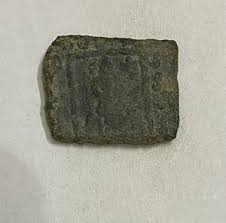
Agarwood, also known as oud, is a highly prized collectible formed when Aquilaria trees produce a dark resin in response to a specific mold infection. Its rarity and deep cultural significance in traditional medicine and luxury perfumery make it one of the most expensive natural materials in the world.
What Is Agarwood Worth?
The typical price range for Agarwood is $50 - $500 based on recent sales. However, values can vary depending on the item's condition, rarity, and other factors such as:
- Resin density and 'sinking grade' quality significantly increase the market price.
- The intensity and purity of the fragrance profile when used as incense or perfume.
- The size and artistic quality of carvings or raw wood chunks.
- The age of the resin formation, with older, naturally infected wood commanding higher values.
How to Identify Agarwood?
- Look for a dense, dark resin saturation within the heartwood grain rather than a surface-level stain.
- Authentic agarwood will typically sink or partially submerge in water due to its high resin content.
- Verify the origin as Southeast Asia, where the specific Aquilaria tree species are native.
- When heated, genuine agarwood releases a complex, woody aroma without the chemical scent of synthetic oils.
History of Agarwood
Agarwood, also known as oud, is formed in the heartwood of Aquilaria trees when they become infected with a specific mold. This rare and precious material has been prized for centuries in various cultures for its distinctive fragrance. It has been used in traditional medicine, religious ceremonies, and as a luxurious perfume ingredient across Asia and the Middle East. Its scarcity and unique aromatic profile contribute to its high value.
Shop Similar
Have an antique to identify?
Get an instant AI appraisal with values, history, and market insights.
Download for iPhone