Agarwood Bracelet Value Guide
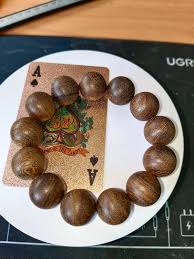
- Period
- 1990-2020
- Origin
- Indonesia
- Materials
- Agarwood, wood
- Category
- Agarwood bracelet
This Indonesian Agarwood bracelet, dating from 1990-2020, is a prized collectible due to the rare resinous heartwood formed only when Aquilaria trees react to specific mold infections. Known as 'oud,' this material is globally revered for its complex aromatic profile and its historical significance in spiritual practices across Asia and the Middle East.
What Is Agarwood Bracelet Worth?
The typical price range for Agarwood Bracelet is $75 - $110 based on recent sales. However, values can vary depending on the item's condition, rarity, and other factors such as:
- Resin density: Darker, heavier beads typically command higher prices as they contain more of the aromatic agarwood resin.
- Pendant craftsmanship: The presence and detail of the light brown, patterned circular pendant adds unique aesthetic and market value.
- Condition of the wood: The absence of cracks or artificial sealants preserves the natural scent and increases collectible appeal.
- Authenticity of the material: Genuine agarwood valued between $75-$110 must be distinguished from common wood stained to look like oud.
How to Identify Agarwood Bracelet?
- Examine the beads for a dense, dark brown color which indicates high resin saturation compared to lighter, uninfected heartwood.
- Look for the characteristic natural grain patterns on the circular pendant, which should appear integrated into the wood rather than painted on.
- Verify the origin as Indonesia, a primary source for high-quality Aquilaria tree specimens used in traditional agarwood production.
- Check for a subtle, complex fragrance that is naturally emitted from the resin-embedded wood, a hallmark of authentic oud.
History of Agarwood Bracelet
Agarwood, also known as oud, is a fragrant dark resinous wood used in incense, perfume, and small carvings. It is formed in the heartwood of aquilaria trees when they become infected with a type of mold. Before infection, the heartwood is odorless, relatively light, and pale. However, as the infection progresses, the tree produces a dark aromatic resin, agarwood, in response to the attack, which results in a very dense, dark, resin-embedded heartwood. It is highly valued in many cultures for its distinct fragrance, and has been used for centuries in traditional medicine and spiritual practices across Asia and the Middle East.
Shop Similar
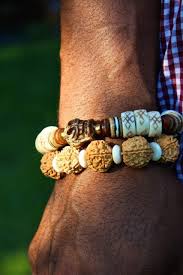
Authentic Himalayan Giant Rudraksha Bracelet Brace…
dharmashop.com · $44
100% Natural Super Kalimantan Agarwood Bracelet Or…
etsy.com · $95
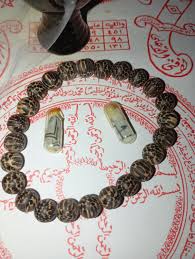
Talisman Amulet Liwung Macan Tiger Liwung Wood Bra…
etsy.com · $221
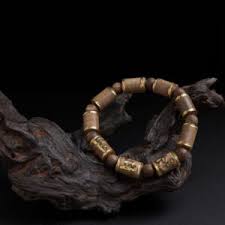
Healing Stone Bracelet SB49 - Oura USA
ourausa.com · $300
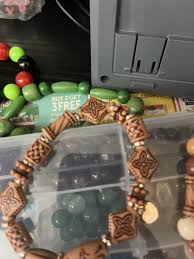
Specially Made With LOVE | eBay
ebay.com
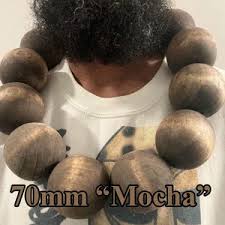
Monk Beads - Etsy New Zealand
etsy.com
Related Items
Have an antique to identify?
Get an instant AI appraisal with values, history, and market insights.
Download for iPhone