Apothecary Show Globe Value Guide
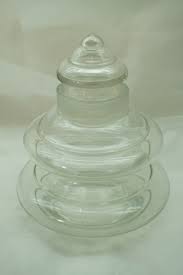
- Period
- 1900-1920
- Origin
- United States
- Materials
- Glass
- Category
- Apothecary collectibles
The Apothecary Show Globe is a quintessential symbol of early 20th-century American pharmacies, serving as a visual beacon for healing and medicine. These large, clear glass vessels are highly collectible for their elegant silhouettes and their historical role as decorative advertisements that once held vibrant, symbolic colored liquids.
What Is Apothecary Show Globe Worth?
The typical price range for Apothecary Show Globe is $80 - $120 based on recent sales. However, values can vary depending on the item's condition, rarity, and other factors such as:
- Condition of the glass, specifically the absence of chips, cracks, or 'sick glass' cloudiness, significantly impacts the $80-$120 price range.
- The presence of the original, undamaged ground glass stopper is essential for reaching the higher end of the value scale.
- Clarity and size of the vessel, as larger or more ornate clear glass examples from the early 1900s command better prices.
- Historical provenance or evidence of use in a specific American pharmacy can add a premium for specialized collectors.
How to Identify Apothecary Show Globe?
- Look for a large, clear glass body characteristic of the 1900-1920 era with a matching ground glass stopper.
- Examine the glass for period-correct imperfections such as slight bubbles or a faint straw-colored tint.
- Verify the presence of a precision-fit ground glass neck and stopper, which was standard for United States apothecary manufacturing.
- Check for a heavy, stable base designed to support the weight of the globe when filled with liquid.
History of Apothecary Show Globe
Show globes were a prominent symbol of apothecaries and pharmacies from the 17th to the early 20th centuries. These decorative vessels, often filled with colored liquids, served as a striking visual advertisement, indicating a place of healing and medicine. The specific colors of the liquids sometimes held symbolic meaning, representing various ailments or remedies, or simply added an element of visual appeal to attract customers.
Shop Similar
Vintage Princess House Heritage Glass Christmas Tr…
ebay.com · $40
Princess House | Holiday | Princess House Heritage…
poshmark.com · $65
ANTIQUE APOTHECARY JAR SHOW GLOBE GROUND STOPPER S…
ebay.com · $100
1940s Elis Bergh Kosta Boda Vase Hooped Crystal Ar…
chairish.com · $250
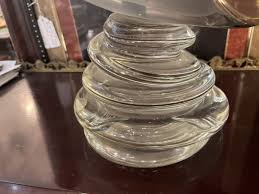
Rare Massive Art Glass Figural Fish Attr Luciano G…
ebay.com · $1200
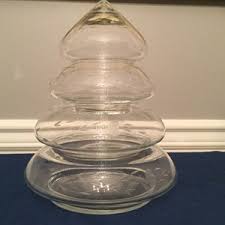
Crystal Christmas Tree - Princess House , Heritage…
etsy.com
Related Items
Have an antique to identify?
Get an instant AI appraisal with values, history, and market insights.
Download for iPhone