Art Nouveau Perfume Bottle Value Guide
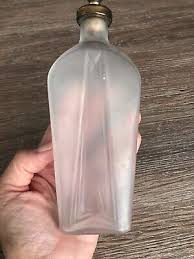
- Period
- 1910-1935
- Origin
- France or United States
- Materials
- glass, cork
- Category
- Art nouveau perfume bottle
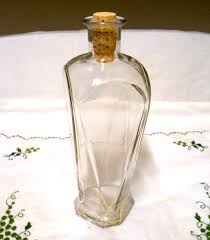
This vintage clear glass perfume bottle represents the stylistic transition between 1910 and 1935, blending flowing Art Nouveau lines with emerging geometric Art Deco elements. Produced in France or the United States, these vessels were essential for housing branded fragrances and domestic scent waters during the early 20th century.
What Is Art Nouveau Perfume Bottle Worth?
The typical price range for Art Nouveau Perfume Bottle is $25 - $45 based on recent sales. However, values can vary depending on the item's condition, rarity, and other factors such as:
- Presence of the original ground lip stopper significantly increases the $25-$45 market value.
- The preservation of original paper labels or manufacturer markings from France or the U.S.
- Overall glass clarity and the absence of chips or 'sick glass' cloudiness.
- The intricacy of the molded pattern, specifically those successfully mixing Nouveau and Deco motifs.
How to Identify Art Nouveau Perfume Bottle?
- Look for the distinct triangular molded design characteristic of the 1910s-1930s era.
- Check for a small ground lip specifically designed to fit a matching glass or cork-based stopper.
- Examine the glass for signs of mass-production molding used by druggists or private-label manufacturers.
- Verify the material composition of clear glass paired with original cork or glass components.
History of Art Nouveau Perfume Bottle
Small glass perfume and toilet-water bottles were widely produced from the late 19th century through the early 20th century to hold branded fragrances and domestic scent waters. Many manufacturers used molded decorative patterns to identify a scent or to decorate inexpensive mass-produced bottles. Designs mixing flowing Art Nouveau lines with more geometric Art Deco elements were common in the 1910s–1930s period. Collectors today seek intact examples with original stoppers and labels; unmarked or generic shapes were often sold by druggists or as private-label items.
Shop Similar
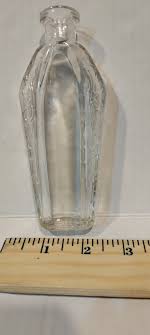
Antique 1920s Marvo Rose toilet water perfume bott…
ebay.ch · $8
Vintage Langlois Georgia Rose Art Nouveau Empty Pe…
ebay.com · $34
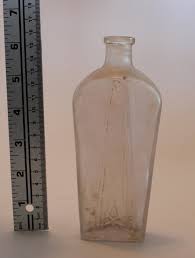
Buy Syrup Bottle, Clear Glass, C.1890s, With Small…
etsy.com · ₹930
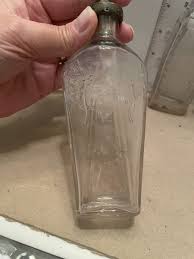
Vintage Empty Perfume Bottles Lot | eBay
ebay.com
VINTAGE GLASS STORAGE BOTTLE ODD SHAPED WITH CORK …
ebay.com
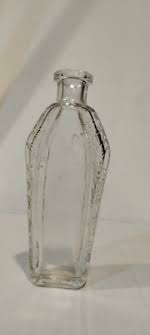
Antique 1920s Marvo Rose toilet water perfume bott…
ebay.com.my
Related Items
Have an antique to identify?
Get an instant AI appraisal with values, history, and market insights.
Download for iPhone