Batik Tjap Value Guide

- Period
- 1900-1920
- Origin
- Indonesia
- Materials
- Copper
- Category
- Batik tjap
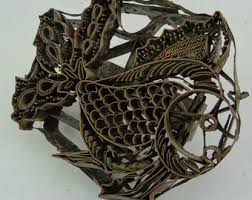
This antique Batik Tjap is a masterfully crafted copper stamp from early 20th-century Indonesia, specifically designed for applying intricate wax patterns to fabric. These tools revolutionized the batik process between 1900 and 1920, allowing artisans to achieve complex floral repetitions that were previously impossible with freehand drawing alone.
What Is Batik Tjap Worth?
The typical price range for Batik Tjap is $80 - $100 based on recent sales. However, values can vary depending on the item's condition, rarity, and other factors such as:
- The physical condition of the copper strips, as bent or missing segments significantly reduce the value.
- The intricacy and rarity of the floral design, with more dense patterns commanding higher prices.
- The presence of a clear provenance or maker's mark from the Indonesian region of origin.
- Overall size and weight, as larger stamps require more copper and represent more labor-intensive metalwork.
How to Identify Batik Tjap?
- Examine the construction for hand-soldered copper strips that form the delicate floral pattern.
- Look for a sturdy integrated handle on the reverse side, typically also made of copper or heavy metal.
- Check for traces of residual wax or a dark patina consistent with industrial use in the dyeing process.
- Verify the era by the complexity of the floral motif, which was highly popular in Indonesian exports during the 1900-1920 period.
History of Batik Tjap
Batik tjaps are traditional tools used in Indonesia for applying wax to fabric in the batik dyeing process. The art of batik has been passed down through generations, with tjaps allowing for more intricate and repetitive patterns than freehand drawing. These stamps are often works of art themselves, showcasing skilled metalworking and cultural motifs. The use of copper for tjaps is traditional, chosen for its malleability and ability to hold fine detail.
Shop Similar

Filigree Ear Cuff ' Left Ear ' - Etsy
etsy.com · $11

Vintage Hand Made Metal Art Leaf Dish Entry Way Tr…
ebay.com · $57

Vintage Brutalist Mixed Metal Handmade Studio Arti…
ebay.com · $59

Antique Indonesian Copper Batik Stamp. Asian Texti…
ebay.com · $65
Old Stamp From the Beginning of the 19th Century f…
etsy.com · $115
ORIGINAL HAITIAN ART CRAFT HANDMADE CUT METAL STEE…
ebay.com · $150
Have an antique to identify?
Get an instant AI appraisal with values, history, and market insights.
Download for iPhone