Bituminous Coal Value Guide
- Period
- Formed over millions of years, actively mined and used from the 18th century to present
- Origin
- Varies globally
- Materials
- Carbon, hydrogen, oxygen, nitrogen, sulfur
- Category
- Bituminous coal
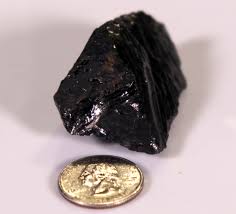
Bituminous coal is a dense, black sedimentary rock that served as the primary engine of the Industrial Revolution, powering steam engines and factories globally. Collectors prize specimens for their historical significance and their characteristic sub-metallic luster which distinguishes them from duller lignite.
What Is Bituminous Coal Worth?
The typical price range for Bituminous Coal is $5 - $15 based on recent sales. However, values can vary depending on the item's condition, rarity, and other factors such as:
- Specimen size and structural integrity, as larger, non-crumbly pieces are more desirable for display.
- Surface quality, specifically the level of 'vitreous' shine or the presence of unique geological inclusions.
- Historical provenance, such as coal sourced from specific famous 18th or 19th-century mining districts.
- The presence of rare fossil imprints or unique mineral veining within the carbon structure.
How to Identify Bituminous Coal?
- Look for a distinct shiny, sub-metallic luster and a deep black color characteristic of high-carbon content.
- Check for a banded texture, as bituminous coal often displays alternating matte and glossy layers.
- Verify the weight; it should feel relatively light compared to metallic ores but denser than younger lignite coal.
- Examine the surface for a blocky or cuboidal fracture pattern when broken, a hallmark of this specific coal grade.
History of Bituminous Coal
Coal has been used by humans for thousands of years. The Chinese were burning coal as early as 4000 BC. In ancient Rome, coal was used for heating and smelting. The Industrial Revolution of the 18th and 19th centuries saw a massive increase in coal production and consumption, as it became the primary fuel source for steam engines, factories, and homes, profoundly shaping the modern world.
Shop Similar
Raw Hematite From Marrocco , Hematite Crystal , Ro…
etsy.com · $8
Elite Shungite Raw Piece from Russia - 2.6" - 80.9…
ebay.com · $130
24 Grams Extremely Rare High Quality Rhodium Palla…
ebay.com · $1240
55 CARATS NATURAL RARE TANTALITE CRYSTAL FROM AFGH…
ebay.com
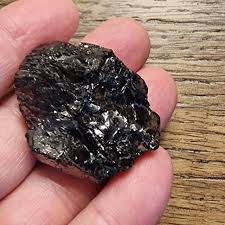
Elite Shungite Stone - Noble Shungite - Raw Shungi…
etsy.com
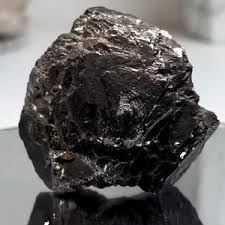
Russian Sphalerite, With Quartz, Brilliant Fine Cr…
etsy.com
Have an antique to identify?
Get an instant AI appraisal with values, history, and market insights.
Download for iPhone