Bonheur du Jour Value Guide
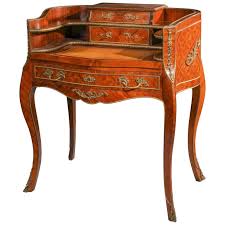
- Period
- 1880-1910
- Origin
- France
- Materials
- Mahogany, various fruitwoods, bronze ormolu, brass, fabric upholstery
- Category
- Bonheur du jour
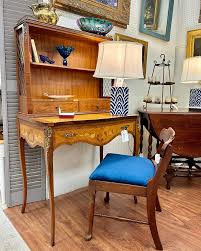
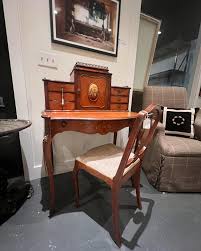
The Bonheur du Jour, or 'daytime delight,' is a quintessential symbol of 18th-century French refinement designed specifically for the private correspondence of aristocratic women. This 1880-1910 example is highly collectible for its delicate proportions, intricate fruitwood marquetry, and the rare inclusion of a matching upholstered chair.
What Is Bonheur du Jour Worth?
The typical price range for Bonheur du Jour is $1,200 - $1,500 based on recent sales. However, values can vary depending on the item's condition, rarity, and other factors such as:
- The completeness of the set, as finding the original matching chair significantly increases the market value.
- The condition and intricacy of the marquetry top, with well-preserved fruitwood inlays commanding higher prices.
- The quality and patina of the bronze ormolu accents, which should be detailed and securely attached.
- Historical provenance or maker's marks that link the piece to specific French cabinetmakers of the Belle Époque era.
How to Identify Bonheur du Jour?
- Look for the signature tiered structure featuring a small cabinet or drawers atop a slender writing surface.
- Examine the metalwork for high-quality bronze ormolu accents and brass fittings typical of late 19th-century French craftsmanship.
- Verify the use of mixed materials, specifically a mahogany base inlaid with various fruitwood veneers in floral or geometric patterns.
- Check for the presence of the original matching chair, which should feature identical wood species and complementary ormolu motifs.
History of Bonheur du Jour
The Bonheur du Jour, meaning 'daytime delight', emerged in 18th-century France as a refined piece of furniture designed specifically for ladies. It served as a private space for writing letters, managing household affairs, or pursuing artistic hobbies, reflecting the growing importance of education and personal expression among women of the aristocracy and bourgeoisie. Its delicate proportions and elaborate decoration made it a symbol of taste and sophistication.
Shop Similar
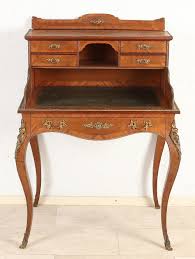
Sold at Auction: Antique ladies desk, 1900
invaluable.com · €250
Early 20th Century French Louis XV Style Rosewood …
1stdibs.com · $8243
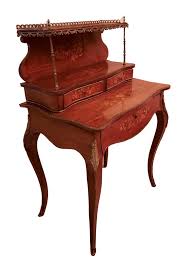
Buy Bonheur Du Jour – Madame's Desk, Napoleon III …
etsy.com
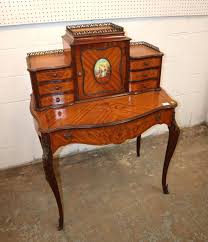
Sold at Auction: Antique French inlaid ladies desk…
invaluable.com
Antiques & Interiors | Atlanta Area | Paying the b…
instagram.com
Essential Design Services (@essentialdesignservice…
instagram.com
Have an antique to identify?
Get an instant AI appraisal with values, history, and market insights.
Download for iPhone