Brougham Carriage Value Guide
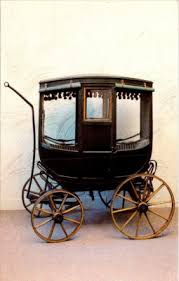
- Period
- 1870-1890
- Origin
- United Kingdom
- Materials
- Wood, metal, leather, glass, fabric
- Category
- Brougham carriage
The Brougham carriage, named after Baron Henry Brougham, represents a pinnacle of 19th-century urban mobility, offering a lighter and more maneuverable alternative to heavy coaches. These enclosed formal carriages became essential status symbols for the affluent in the UK and North America, prized for providing private, weather-protected transport in dense city environments.
What Is Brougham Carriage Worth?
The typical price range for Brougham Carriage is $7,000 - $8,500 based on recent sales. However, values can vary depending on the item's condition, rarity, and other factors such as:
- The condition of the interior fabric and leather upholstery, as original Victorian linings significantly increase historical value.
- Structural integrity of the wooden body and wheels, specifically looking for dry rot or compromised joints.
- Provenance and documented history, especially if the carriage can be traced to a notable estate or specific UK maker.
- Completeness of original hardware, including lamps, door handles, and the integrity of the exterior paint or lacquer finish.
How to Identify Brougham Carriage?
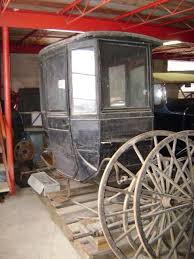
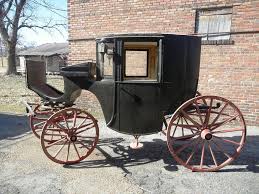
- Verify the distinct enclosed cabin design with a forward-facing interior seat and an elevated external driver's box.
- Examine the chassis for authentic late-Victorian era metalwork and wooden wheel construction typical of 1870-1890 production.
- Look for original manufacturer plates or stamps from high-end United Kingdom coachbuilders on the axle or door sills.
- Check for period-correct materials including heavy leather splash guards and original glass panes in the door windows.
History of Brougham Carriage
The Brougham carriage, named after Henry Brougham, 1st Baron Brougham and Vaux, was developed in the mid-19th century as a lighter and more maneuverable alternative to older, heavier carriages. It quickly became popular in urban settings for its elegant design and compact size, making it a status symbol for the affluent who desired both privacy and practicality in their daily travels. These carriages were a common sight in major cities across Europe and North America before the widespread adoption of automobiles.
Shop Similar
Sandwich Cape Cod MA Baby Carriage Glass Museum 18…
ebay.com
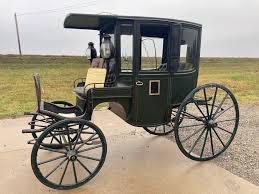
Sold at Auction: Important Early Stage Coach with …
invaluable.com
1880's Rockaway Carriage for Sale in Lebanon, CT -…
offerup.com
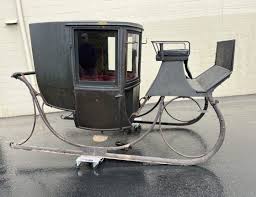
Public Auction for The Curtis Horse Drawn Transpor…
martinauctioneers.com
enclosed formal horse drawn carriage 1890's for re…
worthpoint.com
Our ca. 1870 Studebaker Brougham Carriage once use…
facebook.com
Related Items
Have an antique to identify?
Get an instant AI appraisal with values, history, and market insights.
Download for iPhone