Cast Iron Bell Value Guide
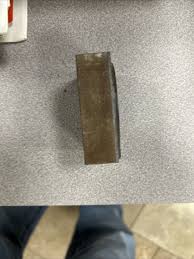
- Period
- Late 19th Century
- Origin
- United States
- Materials
- Cast iron
- Category
- Cast iron bell
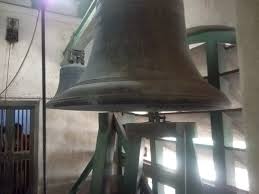
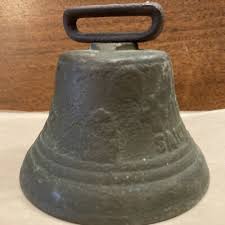
This late 19th-century cast iron bell serves as a rugged artifact of American agricultural history, originally used by farmers to track livestock across vast pastures. Its collectible appeal lies in its transition from blacksmith-forged utility to standardized casting, representing the industrial evolution of early farming communities.
What Is Cast Iron Bell Worth?
The typical price range for Cast Iron Bell is $50 - $50 based on recent sales. However, values can vary depending on the item's condition, rarity, and other factors such as:
- The presence and clarity of specific manufacturer stamps or regional foundry marks.
- The overall condition of the cast iron, specifically the absence of structural cracks or excessive pitting.
- The quality and resonance of the bell's unique sound, which was originally used to distinguish individual animals.
- The preservation of the original weathered patina, which collectors prefer over cleaned or repainted surfaces.
How to Identify Cast Iron Bell?
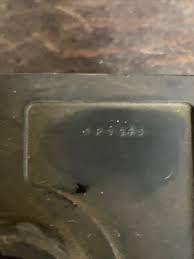
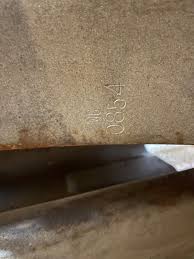
- Look for visible maker markings or numbers cast directly into the iron surface, common in late 19th-century United States production.
- Examine the patina for genuine oxidation and weathering that indicates long-term exposure to outdoor elements.
- Check for a heavy, solid cast iron construction rather than thinner modern stamped metal reproductions.
- Inspect the interior clapper attachment point for signs of hand-forging or early industrial casting techniques.
History of Cast Iron Bell
Bells like this one have been a vital part of agriculture for centuries, used to track livestock across open pastures. Early bells were often handmade by local blacksmiths, crafted to produce a unique sound that allowed farmers to easily locate their animals. Over time, as casting techniques improved, these bells became more standardized, yet still retained their rustic charm. They represent a tangible link to agrarian life and the ingenuity of early farming communities.
Shop Similar
SEAL END TANK RADIATOR FOR CATERPILLAR D11N D11R D…
ebay.com · $8
Vintage Coca Cola Blade Putter MacGregor Grip 34.5…
ebay.com · $15
Printing Block “ Horse Head & Horseshoe “ Nice Ima…
ebay.com · $20
Antique Brass Cow Bell 6.5" Handmade Rustic Farmho…
ebay.com · $50
Rare Erie No.24 Loaf Pan | eBay
ebay.com · $665
Connecting rod for PC4.2/2 ,T65549 Fairbanks Morse…
heritageequipment.com · $18000
Related Items

Have an antique to identify?
Get an instant AI appraisal with values, history, and market insights.
Download for iPhone