Chatelaine Value Guide
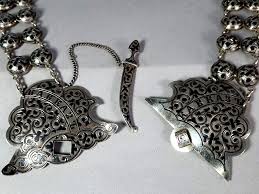
- Period
- 1800-1900
- Origin
- France
- Materials
- Silver, possibly niello
- Category
- Chatelaine
This 1800-1900 French chatelaine is a premier example of Victorian-era functional jewelry, serving as both a status symbol and a portable toolkit for the domestic sphere. Its intricate silver construction and niello detailing represent the height of 19th-century European craftsmanship, making it a highly sought-after piece for accessory collectors.
What Is Chatelaine Worth?
The typical price range for Chatelaine is $1,200 - $1,500 based on recent sales. However, values can vary depending on the item's condition, rarity, and other factors such as:
- The presence and condition of original suspended accessories like the thimble case or scissors significantly increase the $1200-$1500 valuation.
- The intricacy and preservation of the niello enamel-like finish, which is prone to chipping or wear over time.
- The total weight and purity of the silver used in the ornate belt clip and individual chain links.
- Historical provenance or maker's marks that can trace the piece back to specific French silversmiths of the 19th century.
How to Identify Chatelaine?
- Examine the belt clip for French silver hallmarks, typically a Minerve head or boar's head stamp used during the 1800s.
- Look for the characteristic black metallic alloy of niello work inlaid into the silver floral or geometric patterns.
- Verify the presence of multiple suspended chains designed to hold specific tools like thimbles, scissors, or watch keys.
- Check the articulation of the chain links and the spring tension in the original belt hook mechanism.
History of Chatelaine
Chatelaines were popular from the 18th to early 20th centuries as a practical and decorative accessory for women. They allowed women to carry essential items like keys, thimbles, watches, and scissors conveniently at their waist, reflecting their domestic roles and social status. The design and materials often varied based on the wearer's wealth and fashion trends of the era.
Shop Similar
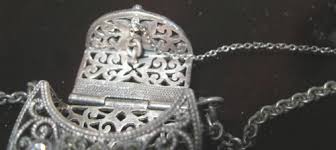
Vintage Silver and Marcasite Mini Purse Watch Pend…
anyaroze.com · $150
Antique Niello Silver Belt Russia Caucasus Late 19…
ebay.com · $1018
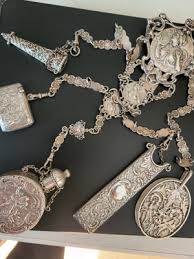
Antique Sterling Silver Chatelaine w Perfume Lady …
ebay.com · $1700
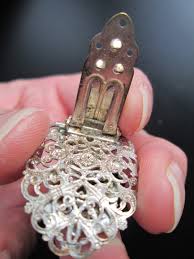
Adorable Vintage Dress Clip Silver Tone Filigree F…
etsy.com
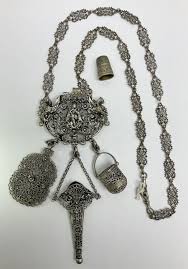
19th century continental silver plated chatelaine …
davidduggleby.com
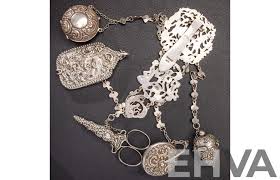
Antique Sterling Silver Chatelaine - Lot 1611723 |…
ehva.com.au
Related Items
Have an antique to identify?
Get an instant AI appraisal with values, history, and market insights.
Download for iPhone